
Orthopedic & Spine Retractors
Tubular Retractor: Uses, Sizes & System Selection
Author: Saad Shahid · Updated · 7 min read
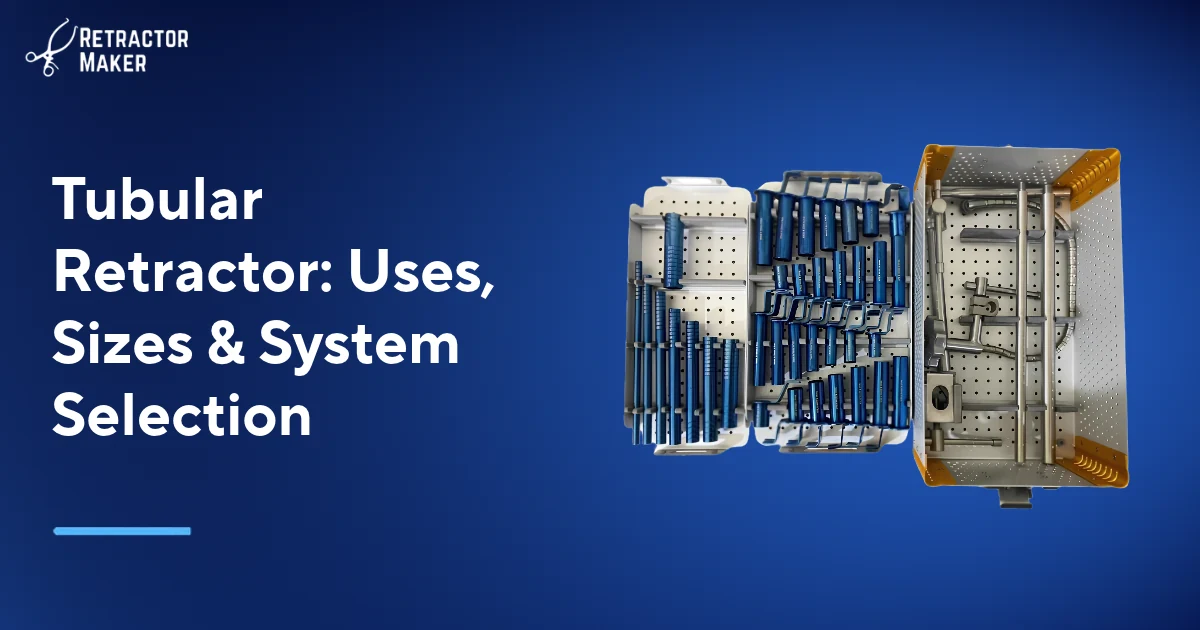
Explore tubular retractor uses, system components, available sizes, sterilization considerations, and wholesale ordering from Retractor Maker in Pakistan.
Retractors discussed in this guide: Tubular Retractor System. Browse all surgical retractors.
A tubular retractor is a surgical access instrument that maintains a muscle-splitting working corridor to the spine during minimally invasive surgery. Rather than providing broad open exposure, the tube supports a focused route to the operative site. The Tubular Retractor System from Retractor Maker is intended for cervical and lumbar spinal access and combines tubular ports with dilation and positioning components. For surgeons, operating room staff, and hospital buyers, the main selection questions concern the planned procedure, access dimensions, mounting arrangement, and reprocessing requirements.
What is a tubular retractor?
A tubular retractor holds a defined access channel open while the surgeon works through it. Sequential dilation establishes the muscle-splitting corridor, and a tubular port maintains that corridor during the relevant part of the procedure. The tube is an access device, not a cutting instrument or an implant. Its role is to support exposure while other surgical instruments perform the planned operative work.
Tubular access is associated with minimally invasive spine surgery, but the term does not describe a complete surgical technique. Patient selection, anatomy, visualization, and the surgeon’s training determine whether this approach is appropriate. A focused working channel also requires deliberate instrument coordination because the operative view and instrument movement differ from those in a wider open exposure.
What is a tubular retractor used for?
The Tubular Retractor System facilitates access during discectomy, laminectomy, stenosis treatment, MIS PLIF, MIS TLIF, and cervical foraminotomy. These applications fall within spinal surgery performed by appropriately trained surgical teams. The system provides the access corridor; it does not itself remove disc material, decompress neural structures, or perform a fusion.
- Discectomy: access for operative work involving disc material.
- Laminectomy and stenosis treatment: access for planned decompression.
- MIS PLIF: access during minimally invasive posterior lumbar interbody fusion.
- MIS TLIF: access during minimally invasive transforaminal lumbar interbody fusion.
- Cervical foraminotomy: access during a procedure addressing the cervical neural foramen.
A listed application should not be interpreted as suitability for every patient or every surgical approach. The responsible surgeon must assess the target level, required exposure, surrounding anatomy, and available equipment. Buyers should therefore match a purchase request to the service’s actual procedure mix rather than treating all minimally invasive spinal procedures as interchangeable.
What parts make up the tubular retractor system?
The complete set includes tubular ports, sequential dilators, a flexible holding arm, a table clamp set, and a sterilization box. Each component serves a different part of access preparation or support. The listed primary material is Premium Grade AISI 304/316 Stainless Steel (Non-Magnetic). This material designation should not be interpreted as an MRI compatibility statement.
Ports and sequential dilators
The listed tube diameter ranges are 12-14 mm, 14-16 mm, 16-18 mm, 18-20 mm, and 27-29 mm, with lengths from 30 mm to 90 mm. Sequential dilators are listed at 6 mm, 8 mm, 10 mm, 12 mm, 14 mm, 16 mm, and 18 mm. Confirm the exact port assortment and how the paired diameter labels are defined before ordering; the specification does not identify every diameter-and-length combination.
Holding arm, clamp, and box
The mounting interface is a heavy-duty operating table rail clamp with an articulating multi-joint flexible holding arm. This arrangement supports positioning of the access port relative to the operative field. The dedicated heavy-duty sterilization box is included in the complete set. Its inclusion does not mean the instruments arrive sterile or remove the need for validated processing instructions.
Which tubular retractor types and sizes are available?
The supplied product listing identifies one complete Tubular Retractor System, with multiple tube dimensions rather than separately named product variants. The table distinguishes the documented configuration from its typical clinical use. It should not be read as a comparison with unlisted expandable, illuminated, or specialty systems.
| Product name | Design and configuration | Typical use |
|---|---|---|
| Tubular Retractor System | Complete set with tubular ports, sequential dilators, flexible holding arm, table clamp set, and sterilization box. Listed tube diameter ranges: 12-14 mm, 14-16 mm, 16-18 mm, 18-20 mm, and 27-29 mm; lengths: 30 mm to 90 mm. | Muscle-splitting cervical and lumbar spinal access during discectomy, laminectomy, stenosis treatment, MIS PLIF, MIS TLIF, and cervical foraminotomy. |
Diameter and length address different access requirements. Diameter affects the working space within the corridor, while length must be considered against the planned access depth. Neither dimension should be selected in isolation. Ask for confirmation of the supplied sizes and component compatibility rather than assuming that every listed tube pairs directly with every dilator.
How is a tubular retractor positioned?
Tubular retractor positioning follows the surgeon’s planned access route and the system’s instructions for use. At a general level, sequential dilation establishes a corridor, the selected tube maintains access, and the holding assembly supports its position. This overview is not a placement protocol; spinal access requires specialist training and patient-specific planning.
Before use, the team should verify component integrity, appropriate sizes, mounting compatibility, and completion of required reprocessing. Positioning must preserve visualization and avoid unintended loading of surrounding structures. The surgeon should reassess exposure and stability when the operative requirements change, rather than relying on the initial position throughout the procedure.
Operating room staff can support safe workflow by arranging components for identification and keeping the holding assembly clear of necessary equipment movement. If a joint, clamp, or connection does not function as expected, follow the facility’s equipment-management process. Do not compensate for an uncertain connection with improvised components.
How should the system be cleaned and sterilized?
The Tubular Retractor System is supplied non-sterile and is fully autoclavable. It therefore requires appropriate cleaning, inspection, preparation, and sterilization before clinical use. Autoclavability alone does not specify a validated cycle, packaging method, or loading arrangement. Obtain the manufacturer’s current reprocessing instructions before introducing the set into service.
Cleaning must precede sterilization. Follow the applicable instructions for disassembly, cleaning access channels and joints, rinsing, drying, inspection, and reassembly. Processing staff should check for retained soil, damage, and impaired component function. Items that fail inspection should be managed under the facility’s procedures rather than returned directly to circulation.
No sterilization temperature, exposure time, detergent specification, or reuse limit is provided in the product listing. These details should not be guessed from the material or box description. Confirm that the sterilization box, load configuration, and facility process are compatible with the manufacturer’s validated instructions.
How do you choose and buy from Retractor Maker?
Choose the system by matching clinical access requirements with verified set contents and local processing capabilities. A useful purchase specification identifies the intended procedures, required tube dimensions, table rail interface, and documentation needed for acceptance. Confirm these details with the surgical and sterile processing teams before placing an order.
Retractor Maker is a surgical retractor manufacturer and exporter in Sialkot, Pakistan, offering wholesale supply, OEM services, and worldwide shipping. The listed Tubular Retractor System is brand new, with a minimum order quantity of 1 set. Request a quotation confirming the component assortment, reprocessing documentation, and shipping terms. For OEM inquiries, describe the requested requirements and obtain written confirmation of feasibility rather than assuming customization is included.
Clinical notice: This guide is for surgical teams and hospital buyers. Always follow the manufacturer's instructions for use (IFU) and your hospital's sterilization rules before clinical use.
Frequently Asked Questions
What is a tubular retractor used for in spine surgery?
A tubular retractor maintains a muscle-splitting access corridor to the spine during minimally invasive surgery. The listed Tubular Retractor System facilitates access during discectomy, laminectomy, stenosis treatment, MIS PLIF, MIS TLIF, and cervical foraminotomy. It supports exposure while other instruments perform the operative work; suitability depends on the patient, approach, and surgeon’s assessment.
What sizes does the Tubular Retractor System include?
The system lists tube diameter ranges of 12-14 mm, 14-16 mm, 16-18 mm, 18-20 mm, and 27-29 mm, with lengths from 30 mm to 90 mm. Sequential dilators are listed at 6 mm, 8 mm, 10 mm, 12 mm, 14 mm, 16 mm, and 18 mm. Confirm the exact supplied assortment and diameter-label definitions before ordering.
Does the Tubular Retractor System come sterile?
The Tubular Retractor System is supplied non-sterile and requires processing before clinical use. It is fully autoclavable and includes a dedicated heavy-duty sterilization box. Obtain the current manufacturer’s instructions for cleaning, inspection, packaging, and sterilization; the product listing does not provide validated cycle parameters or establish that the box alone is a sterile barrier.
What is included in a complete tubular retractor set?
The complete set includes tubular ports, sequential dilators, a flexible holding arm, a table clamp set, and a sterilization box. The mounting interface uses a heavy-duty operating table rail clamp with an articulating multi-joint flexible holding arm. Buyers should confirm the exact port assortment and compatibility with their operating table before purchase.
How do you choose the right tubular retractor size?
Tubular retractor size should match the planned working corridor and access depth. The surgeon considers anatomy, the intended procedure, visualization, and instrument requirements rather than selecting solely by diameter. Buyers should obtain the required dimensions from the clinical team and verify available diameter-and-length combinations with the supplier before finalizing the set configuration.
Can hospitals order tubular retractors wholesale from Pakistan?
Hospitals can request wholesale supply of the Tubular Retractor System from Retractor Maker in Sialkot, Pakistan. The manufacturer and exporter offers OEM services and worldwide shipping, and the listed minimum order quantity is 1 set. Request written confirmation of set contents, documentation, OEM feasibility where relevant, and shipping terms before placing the order.
About the author
Saad Shahid · Sales & Marketing Manager
Saad Shahid is the Sales & Marketing Manager and founder of Retractor Maker, started in 2023 in Sialkot, Pakistan. He also works with his father at Hospitech Traders, the family surgical instrument business founded in 1989.
Related Blogs & Guide



Related Retractors
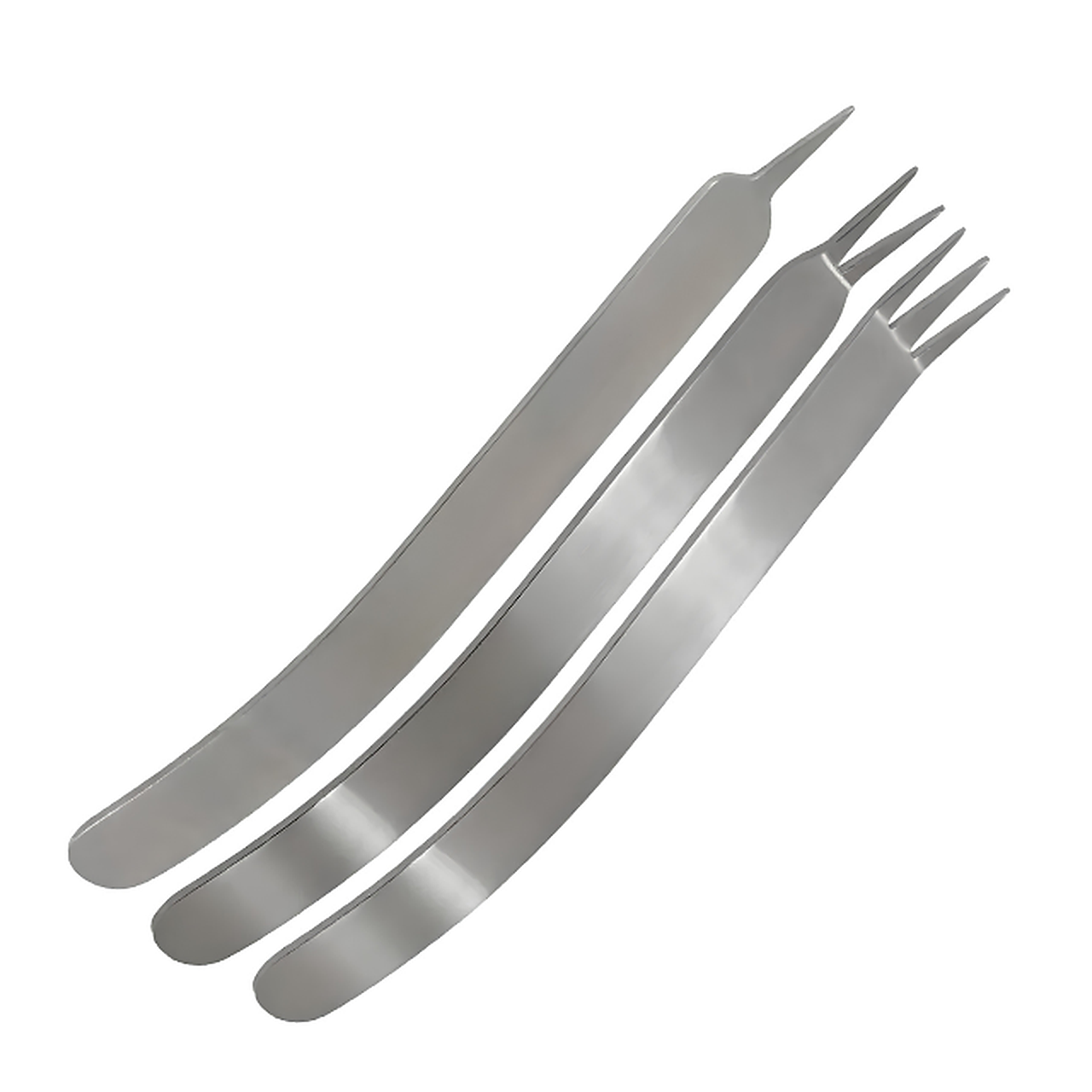
Capsule Retractors
From $64.00
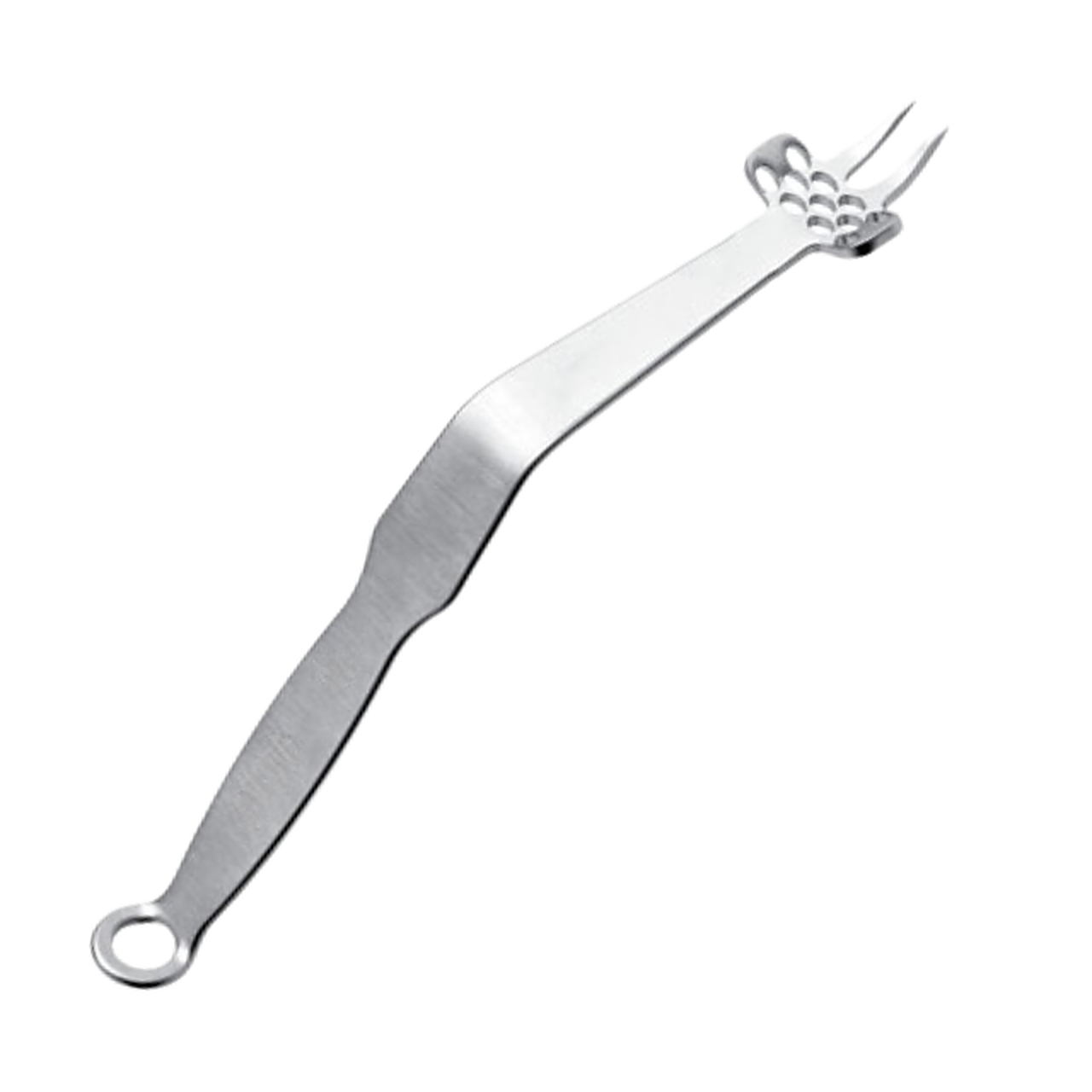
Lateral Soft Tissue Retractors
From $84.00
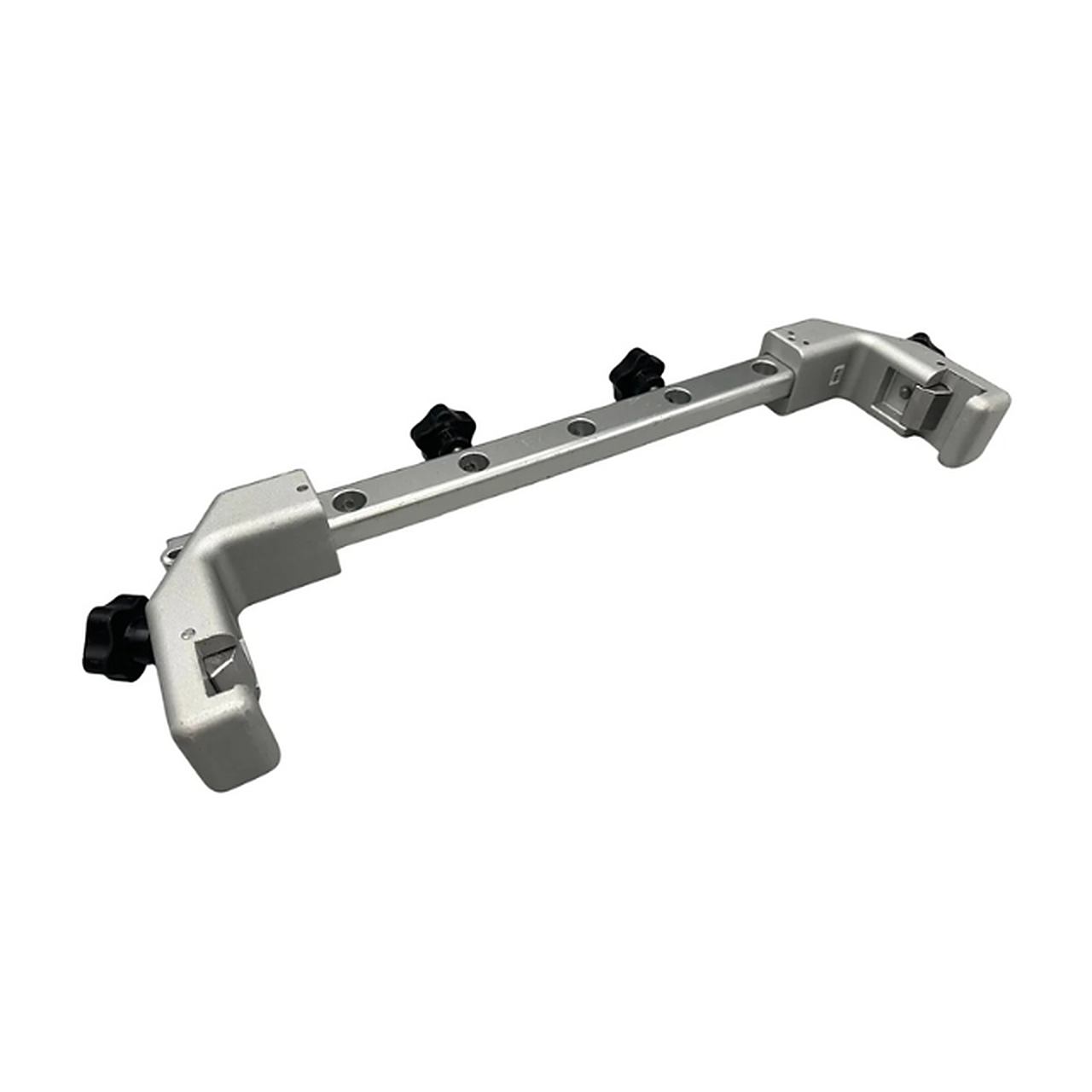
Adjustable Mayfield Adaptor
$1,199Free Shipping
Cobra Retractor
From $79.00
Adson Self-Retaining Cerebellar Retractor
From $189
Cobra Retractor with Hand Rest
$169
Need Surgical Retractors or Components?
Tell us what you need, including the product, configuration, quantity and destination country. Retractor Maker can provide availability, specifications and pricing.
Request a Quote