
Surgical Retractor Blogs
Practical articles and technical guides covering retractor systems, components, sizing, instrument care and the information buyers need when specifying or reordering surgical retractors.
Latest Articles
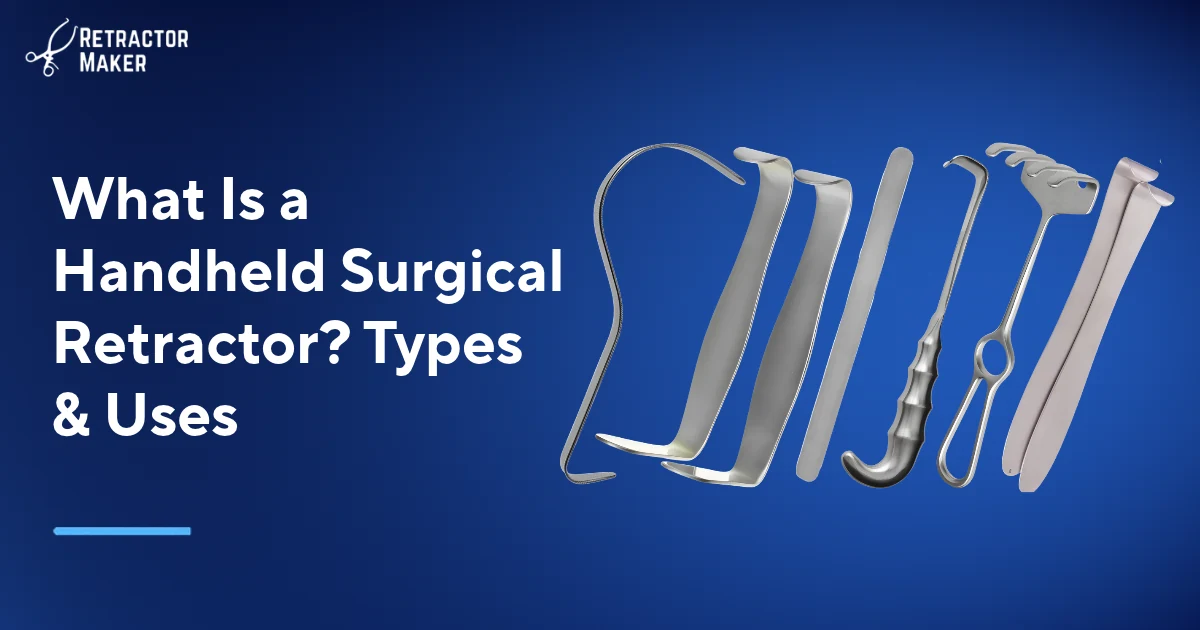
What Is a Handheld Surgical Retractor? Types & Uses
Read the guide →In the operative theater, direct surgical visualization governs the precision of every incision, dissection, and suture. Surgical exposure requires dynamic adaptability; as an operation progresses, the depth of the field shifts, anatomical planes diverge, and target structures require protection from dissecting instrumentation.

What Is a Self-Retaining Retractor? Types & Uses
Read the guide →Surgical exposure forms the foundation of operative success. In open surgical procedures, surrounding tissues and anatomical boundaries naturally collapse toward the incision, obstructing the visual field. While hand-held instruments provide dynamic manipulation, sustained physical retraction across extended procedures introduces assistant fatigue and field crowding.

What Is Surgical Steel & Stainless Steel?
Read the guide →Surgical steel is not one universal alloy. This guide explains how stainless-steel families differ, why grades such as 304, 316, 420 and 440 have distinct properties, and what material selection means for surgical instruments and retractors.

Surgical Retractors Names, Images & Uses
Read the guide →Surgical retractors hold tissue away from the operative field so the surgical team can see and reach the area they are working on. This guide explains what retractors are, how they are classified, and how they are selected and cared for, and it includes a searchable reference table of surgical retractors names, images and general uses drawn directly from the Retractor Maker catalogue.

What Is a Gelpi Retractor? Features, Uses, and Benefits
Read the guide →A Gelpi retractor is a self-retaining instrument used to maintain localized surgical exposure. This guide explains its design, uses, sizing, benefits, limitations, safe handling, and validated reprocessing considerations.
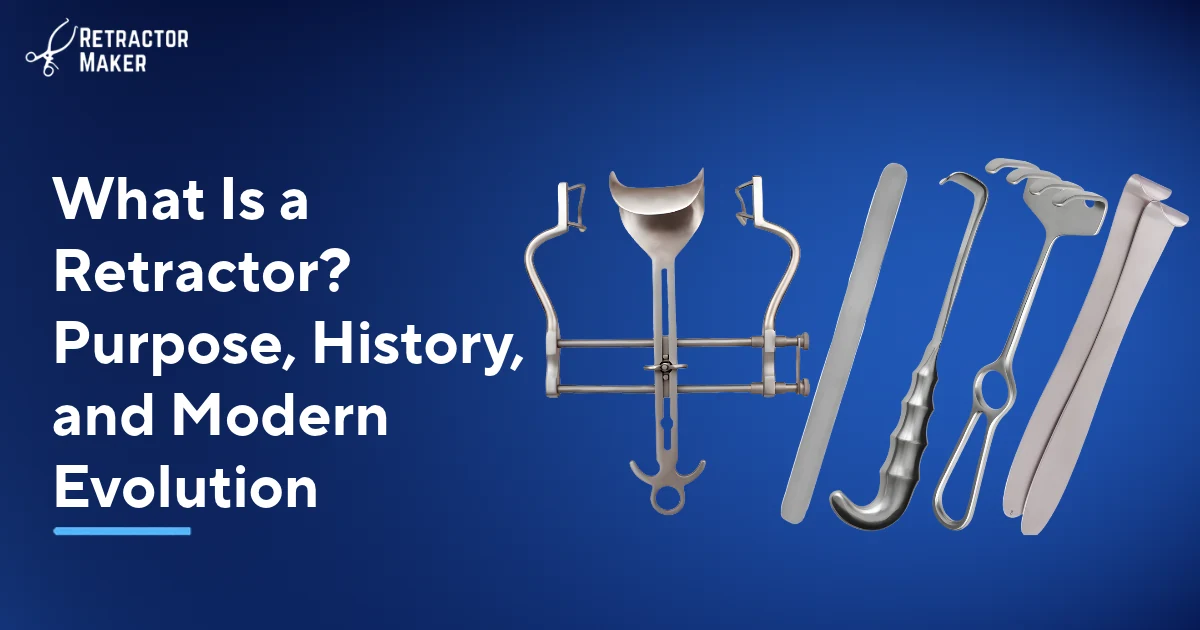
What Is a Retractor? Purpose, History, and Modern Evolution
Read the guide →Surgical retractors create and maintain access to the operative field by displacing tissue, organs, or wound margins. This guide explains their purpose, history, principal types, modern systems, design considerations, and future development.
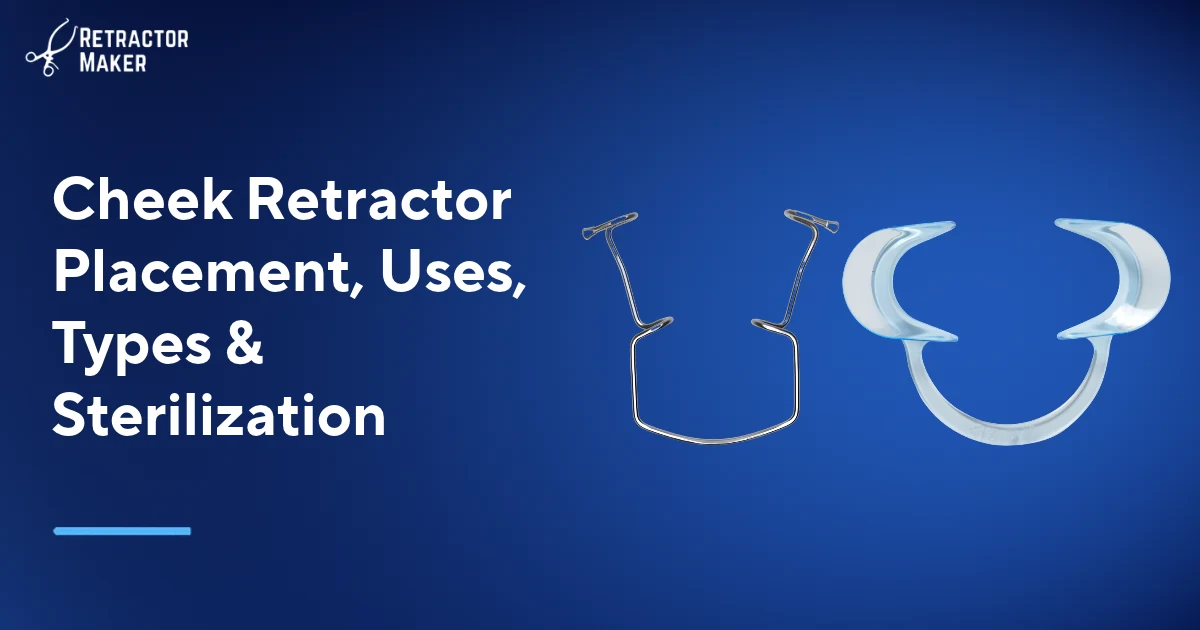
Cheek Retractor Placement, Uses, Types & Sterilization
Read the guide →A cheek retractor is an instrument used to move the lips and buccal soft tissues away from the teeth, oral cavity, or operative field. Its primary purpose is to improve access and visibility while trained healthcare professionals examine or treat the exposed area.

What Is a Senn Retractor Used For? Uses, Features, and Applications
Read the guide →Maintaining an unobstructed view of the surgical field is one of the most critical requirements in any operative intervention. In superficial soft-tissue procedures, plastic surgery, and small-joint orthopedic operations, surgeons require specialized instrumentation that can displace skin and subcutaneous tissue without crowding the limited working corridor. The Senn retractor is one of the most widely used manual instruments developed specifically to meet this requirement.
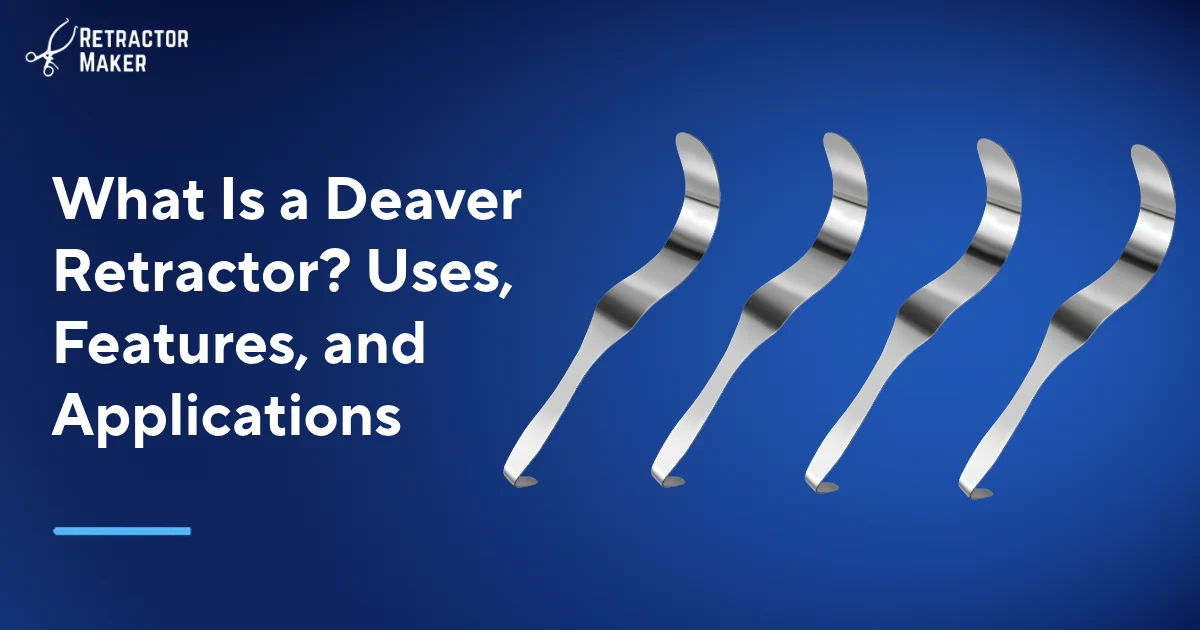
What Is a Deaver Retractor? Uses, Features, and Applications
Read the guide →In deep-cavity surgical procedures, gaining unobstructed visual access while safely mobilizing visceral organs is a primary technical objective. Tissues in the abdominal, thoracic, and pelvic cavities require instruments that can distribute mechanical retraction force over broad surface areas without causing crush injuries or focal ischemic damage. The Deaver retractor is one of the most established surgical instruments designed specifically for this purpose.
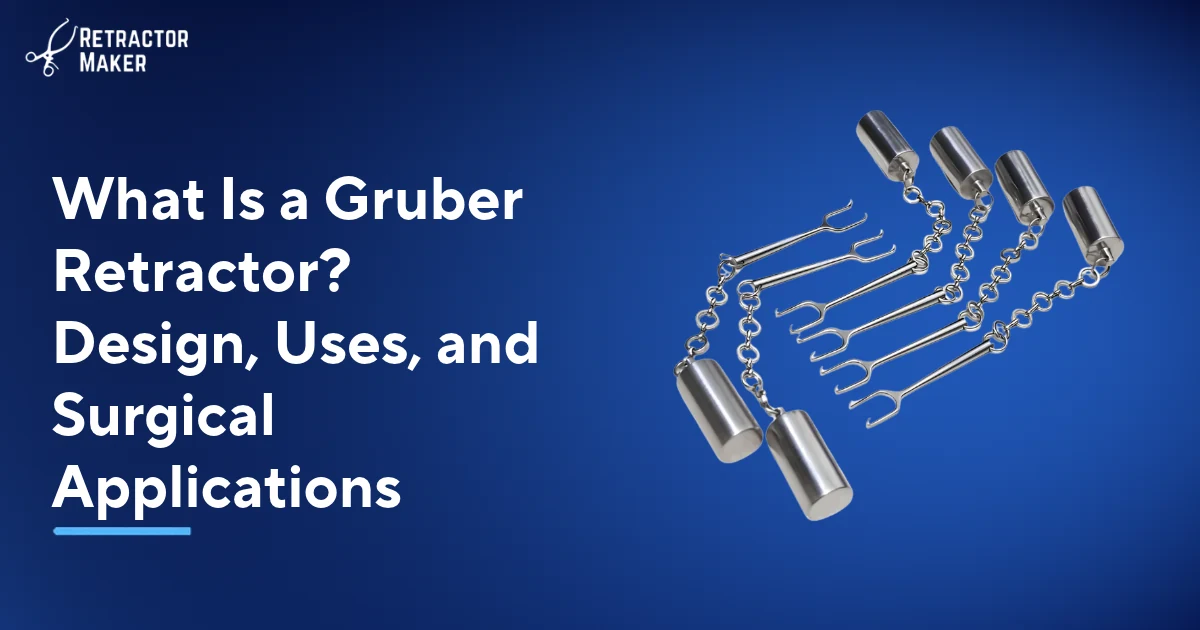
What Is a Gruber Retractor? Design, Uses, and Surgical Applications
Read the guide →Surgical access in confined or structurally delicate anatomical regions requires retractors engineered for precision, gentle tissue handling, and low-profile placement. While general surgery relies heavily on large hand-held or table-mounted retractors, specialized surgical fields—such as aesthetic plastic surgery, otolaryngology, and reconstructive facial surgery—demand compact instruments tailored to precise tissue planes. The Gruber retractor is one such specialized instrument.

Why Is It Called a Minnesota Retractor? Uses, Design, and Applications
Read the guide →In oral and maxillofacial surgery, dental implantology, and operative dentistry, maintaining clear visualization of the dentoalveolar arch while shielding the buccal mucosa and tongue is essential. Operating within the confined oral cavity involves working in close proximity to moving lips, salivary flow, and powerful masticatory muscles. The Minnesota retractor is one of the most widely utilized manual instruments designed to navigate these clinical challenges.

What Is a Bookwalter Gyn Retractor? Uses and Surgical Applications
Read the guide →The Bookwalter Gyn Retractor is a self-retaining, table-mounted system configured for stable exposure in gynecological and pelvic surgery. This guide explains its components, operation, blade selection, setup, reprocessing, and clinical applications.
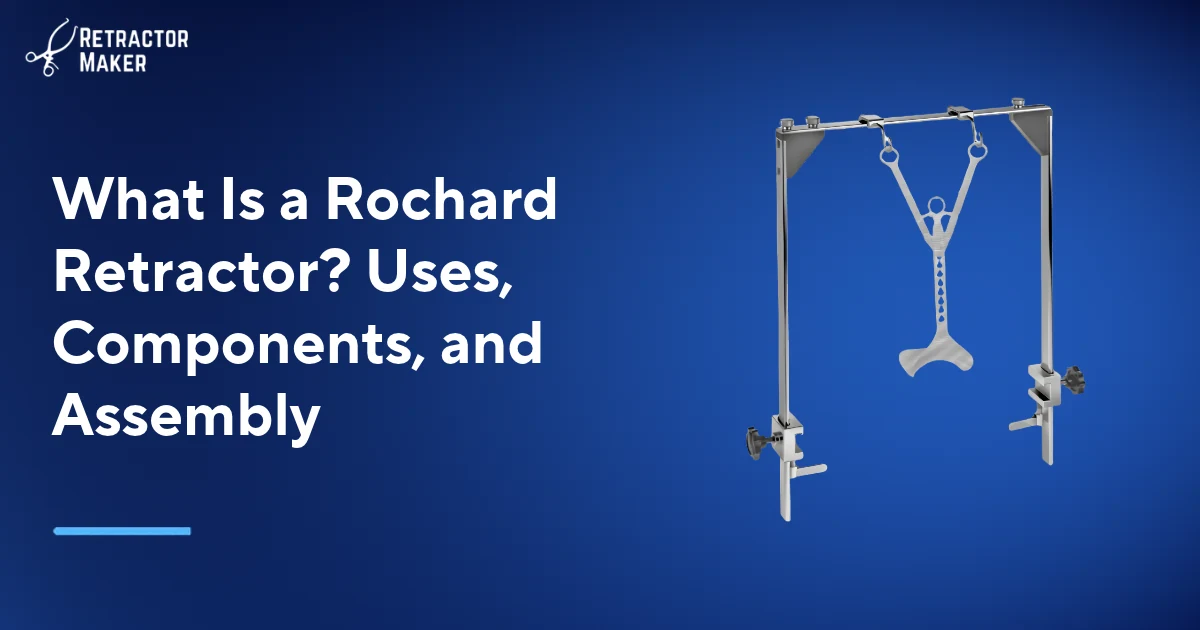
What Is a Rochard Retractor? Uses, Components, and Assembly
Read the guide →The Rochard Retractor is a table-mounted surgical retraction system that creates stable, hands-free operative exposure. This guide covers its mounting frame, fixation device, abdominal blade sizes, assembly, selection, and reprocessing.

What Is a Lone Star Retractor? Uses, Types, Components, and How It Works
Read the guide →The Lone Star Retractor uses a perimeter frame and elastic stays to provide adjustable, self-retaining tissue retraction. This guide explains how it works, its components, specialty configurations, placement, selection, and surgical uses.
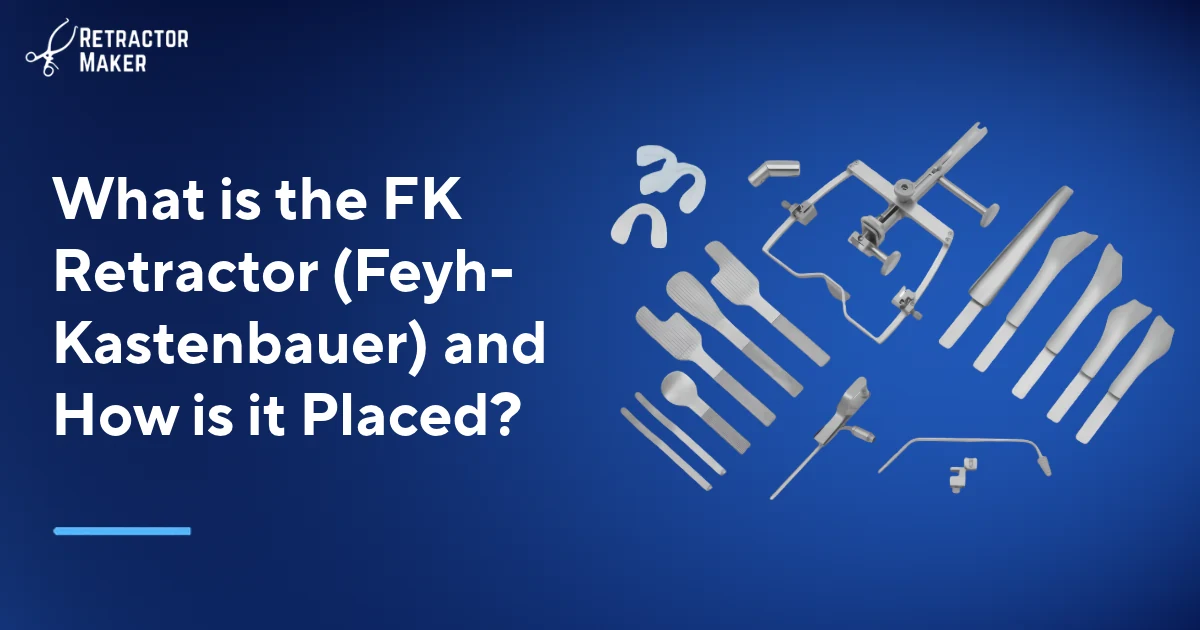
What is the FK Retractor (Feyh-Kastenbauer) and How is it Placed?
Read the guide →The FK Retractor is an adjustable, open-frame laryngo-pharyngoscope system used to establish surgical access to the upper aerodigestive tract. This guide covers its components, blade options, placement, TORS applications, and safety considerations.

What Is the Greenberg Retractor? Types, Uses, Assembly & Components Guide
Read the guide →The Greenberg Retractor is a modular neurosurgical retraction system used for stable, hands-free exposure in cranial and microsurgical procedures. This guide explains its types, components, blade selection, assembly, uses, and care.

Thompson Retractor vs Bookwalter Retractor: Differences, Features & Which One to Choose
Read the guide →Thompson and Bookwalter retractors are table-mounted systems with different frame architectures and adjustment methods. This guide compares their components, blades, setup, stability, flexibility, applications, and selection considerations.

Thompson Retractor vs Omni Retractor: Differences, Features & Which System to Choose
Read the guide →Thompson and Omni retractors both provide table-mounted operative exposure but use different frame and blade-control designs. This guide compares their components, setup, flexibility, applications, and selection considerations.
Tell us the configuration you need and we will quote it properly.
Send your product list, quantity and destination country. Our team replies with availability, specifications and pricing — no cart, no checkout, no account required.