
Surgical Retractor Guides
Surgical Retractors Names, Images & Uses
Author: Saad Shahid · Updated · 7 min read

Surgical retractors hold tissue away from the operative field so the surgical team can see and reach the area they are working on. This guide explains what retractors are, how they are classified, and how they are selected and cared for, and it includes a searchable reference table of surgical retractors names, images and general uses drawn directly from the Retractor Maker catalogue.
What Is a Retractor?
A retractor holds skin, fat, muscle, and organs away from the target area to provide controlled surgical exposure. Almost every open procedure depends on this access before the surgeon can dissect, repair, or close. Retractors are among the oldest surgical instrument families and remain among the most frequently handled instruments on any tray.
Retractors share a purpose but differ in size, blade shape and depth, prong number and sharpness, and handle design. Some lock in place or mount on a frame. Designs also vary by specialty. A small double-ended retractor for a skin flap differs greatly from a table-mounted abdominal system. No single design suits every procedure.
This guide covers basic categories, selection factors, and general care principles. Its central section lists names, images, and general uses for the complete published Retractor Maker range. Search the range by name or filter it by specialty.
Contents
What Is a Surgical Retractor?
A surgical retractor holds back or moves tissue away from the operative field to give the surgical team visibility and access. Retraction may involve gently lifting a skin edge or holding the abdominal wall open throughout an operation.
Retractors create exposure by moving tissue laterally to widen an incision or holding deeper structures away from the treatment area. These structures may include bowel, muscle, or an organ lobe. Blade or prong shape determines how the load spreads across contacted tissue. Available forms include flat, curved, lipped, malleable, toothed, and smooth blades.
Size and shape follow anatomy. A shallow hand incision needs a short, narrow blade. A deep pelvic or abdominal field needs a longer, wider blade. Specialty designs address each region's depth, angle, and tissue type. Nasal and ear retractors are small and fine. Spinal retractors hold back heavy paraspinal muscle. Cardiac retractors are shaped around the sternum and chest wall.
How Do Handheld Retractors Work?
Handheld retractors are positioned and held manually by a surgeon or assistant for as long as exposure is needed. They allow moment-by-moment changes in angle, depth, and tension as the operation progresses. The trade-off is continuous manual holding, which occupies a pair of hands and can cause fatigue during a long case.
Common handheld patterns include the double-ended Senn retractor for superficial tissue and the curved Deaver retractor for deeper abdominal and thoracic exposure. Others include the right-angled Langenbeck retractor, the broad Richardson retractor for the abdominal wall, and the double-ended Army-Navy retractor for shallow incisions. The small Ragnell retractor is used in plastic and hand surgery.
How Do Self-Retaining Retractors Work?
Self-retaining retractors use a ratchet, screw, spring, or frame to keep blades in position without continuous manual holding. They free the surgical team's hands and provide steady exposure. If the required view changes, manual repositioning is usually necessary.
Examples include the Gelpi and Weitlaner retractors, which spread tissue with pointed tips or toothed rakes secured by a ratchet. The Balfour retractor is a frame-style abdominal retractor with lateral blades and a centre blade. Table-mounted Bookwalter and Thompson retractors attach to the operating table and support multiple adjustable blades around a ring or rail.
Retractor Names, Images, and General Uses
The table below presents the complete Retractor Maker product catalogue. Each entry includes a product image, name, and general use. Search by product name or filter by specialty.
Showing 507 surgical retractors
| Product Photo | Surgical Retractor Name | General Use |
|---|---|---|
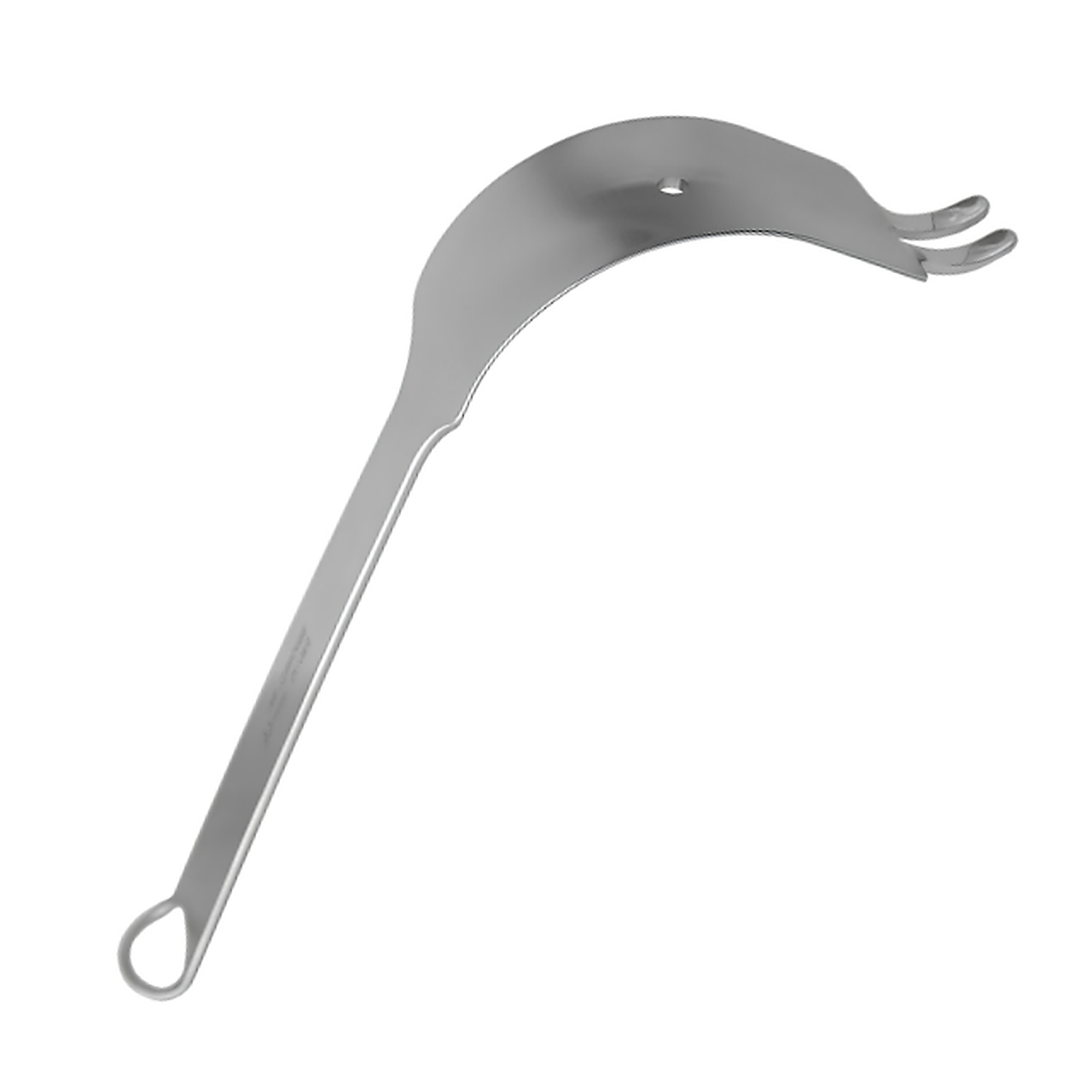 | Acetabular Retractor Narrow Double Prong | Specifically designed to expose the acetabular rim and displace surrounding tissues during hip reconstruction and arthroplasty procedures. |
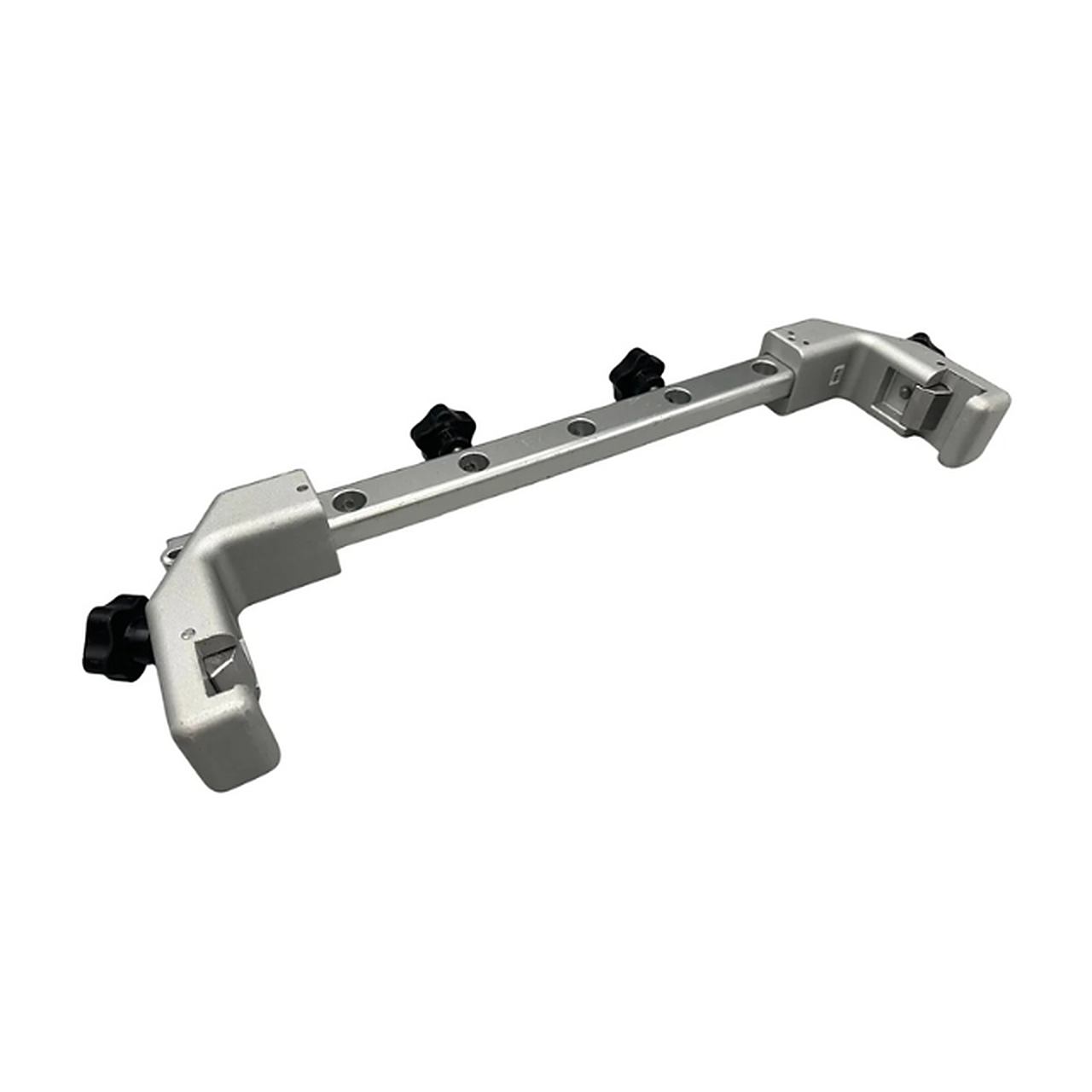 | Adjustable Mayfield Adaptor | Specifically engineered to securely mount Mayfield-style cranial fixation systems onto operating tables that lack built-in receptacle holes or require lateral offset positioning. |
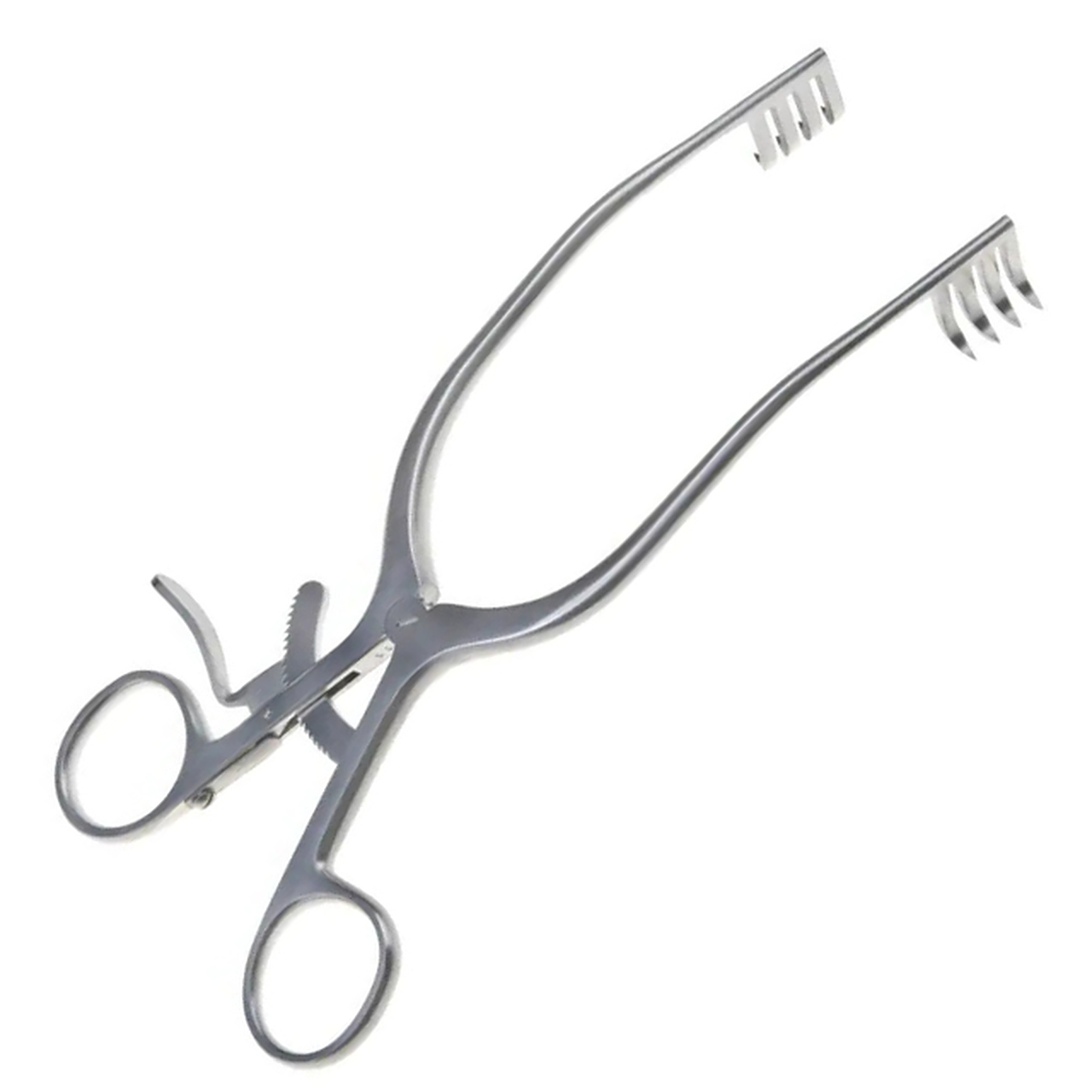 | Adson Cerebellum Retractor | Specifically designed to provide self-retaining muscle and soft-tissue retraction during posterior cranial fossa and neurosurgical procedures. |
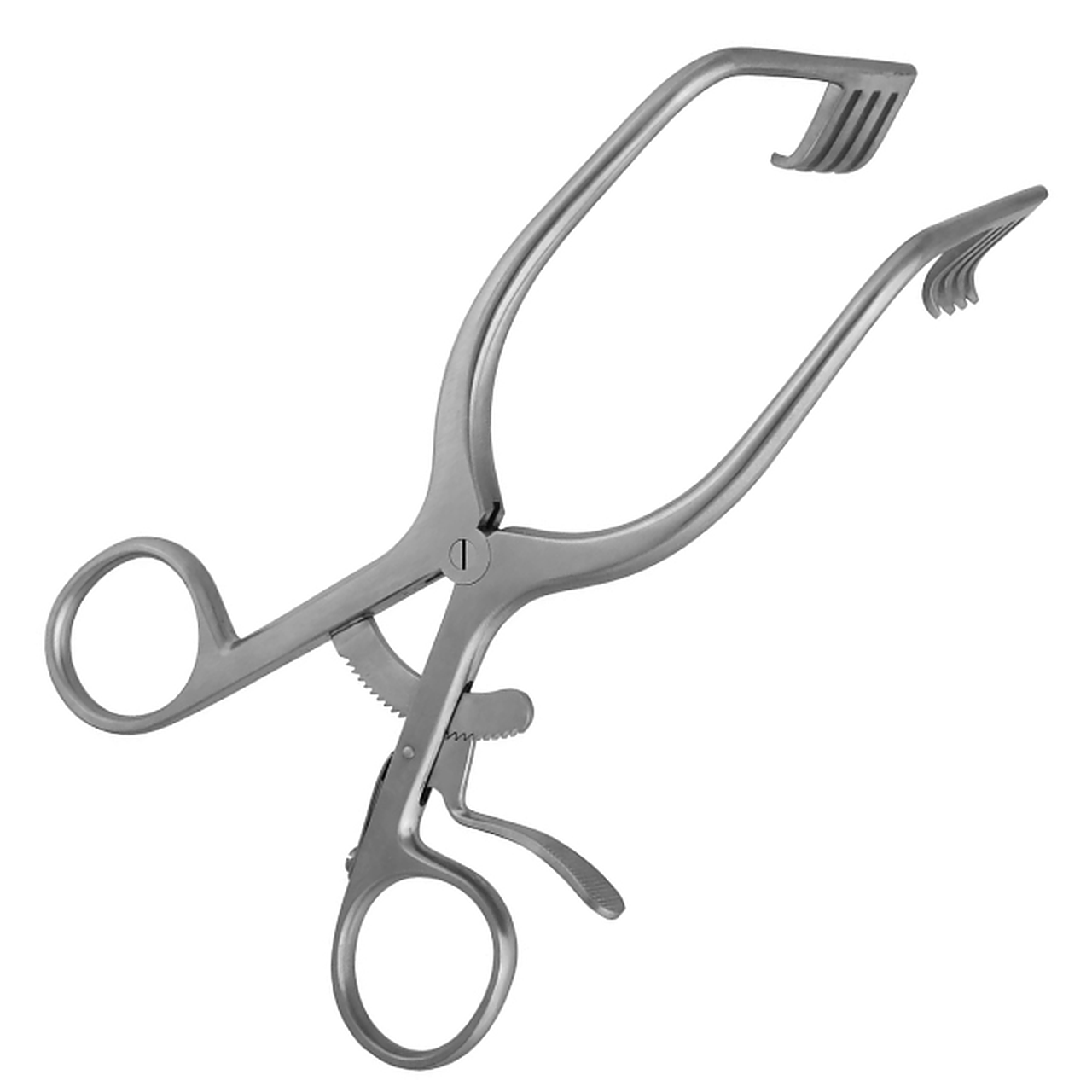 | Adson Self-Retaining Cerebellar Retractor | Specifically designed to provide self-retaining tissue retraction and maintain structured surgical exposure during cranial and spinal procedures. |
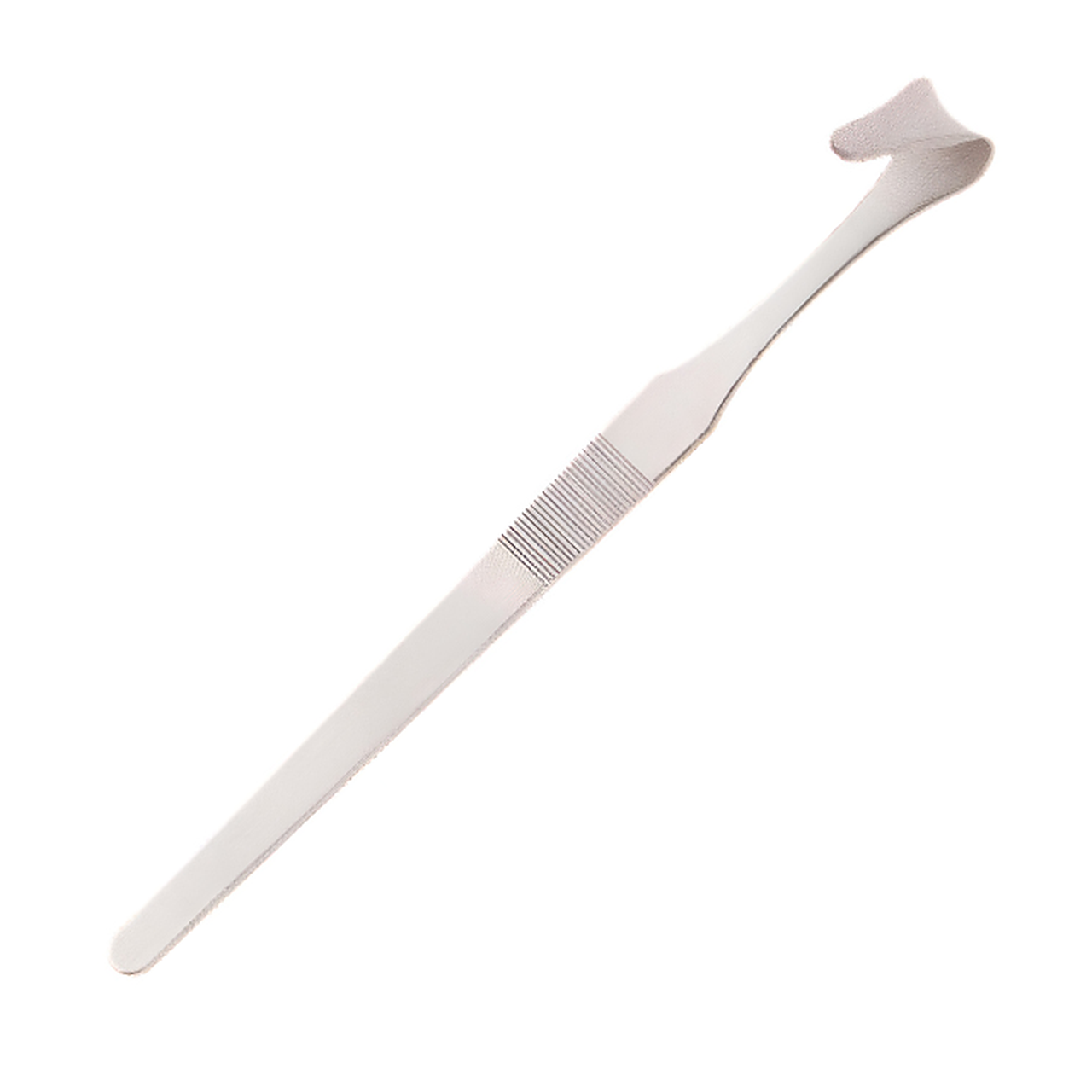 | Alar Retractor | Specifically designed for nasal wing retraction and alar cartilage exposure during rhinoplasty and ENT procedures. |
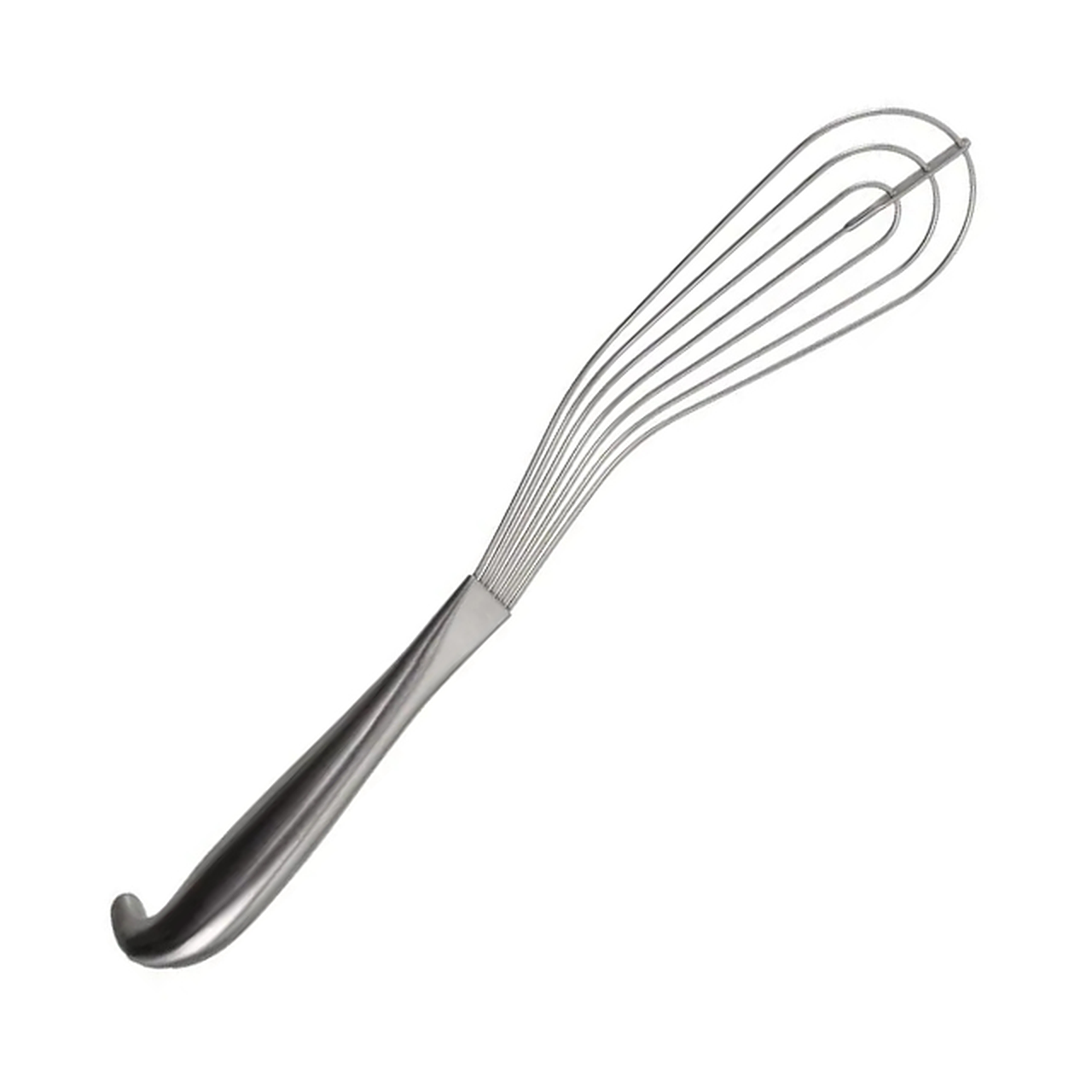 | Allison Lung Retractor | Designed to depress and displace pulmonary parenchyma atraumatically during thoracic and cardiovascular surgical interventions. |
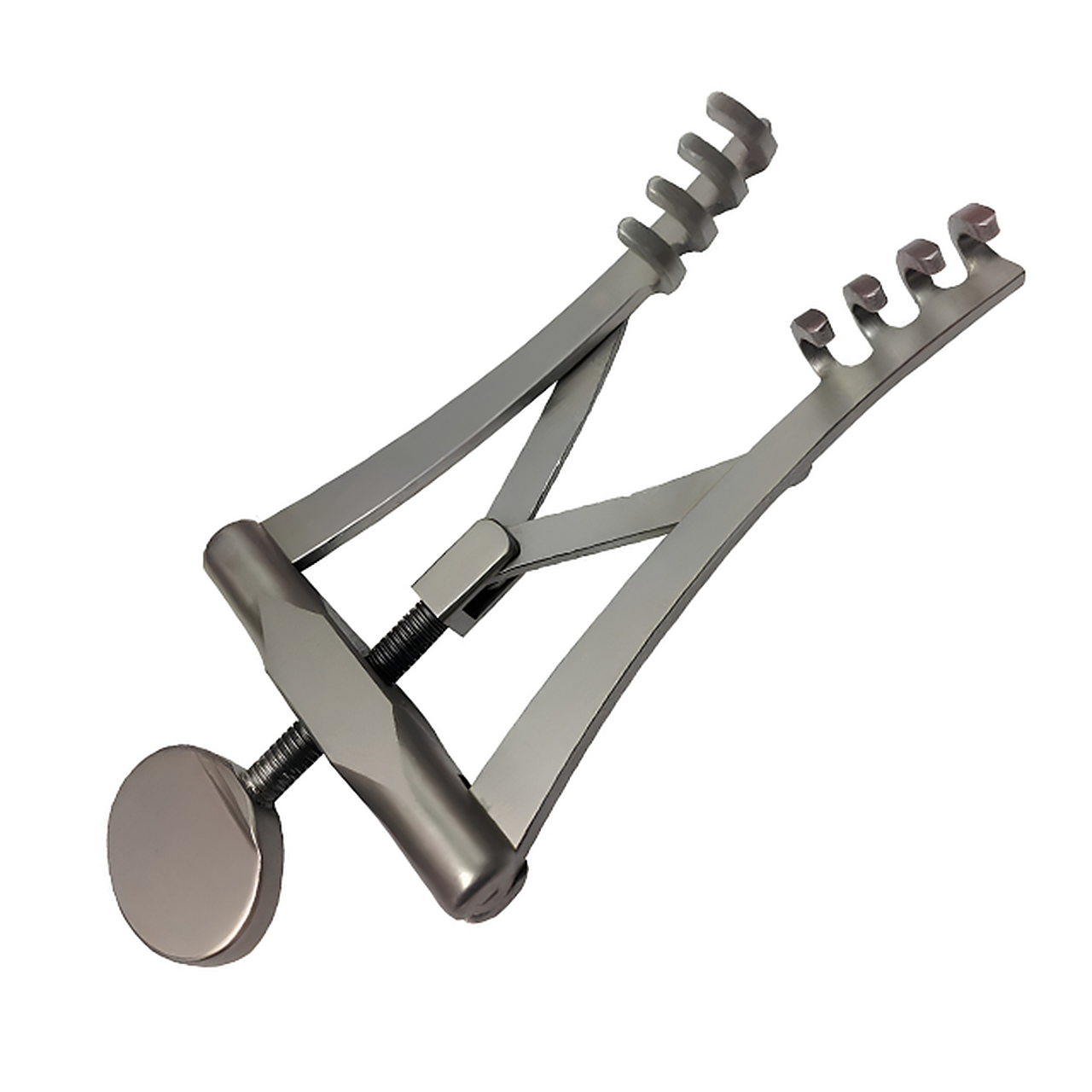 | Allport Mastoid Retractor | Specifically engineered to provide self-retaining soft-tissue retraction over the mastoid process during otologic and neurosurgical procedures. |
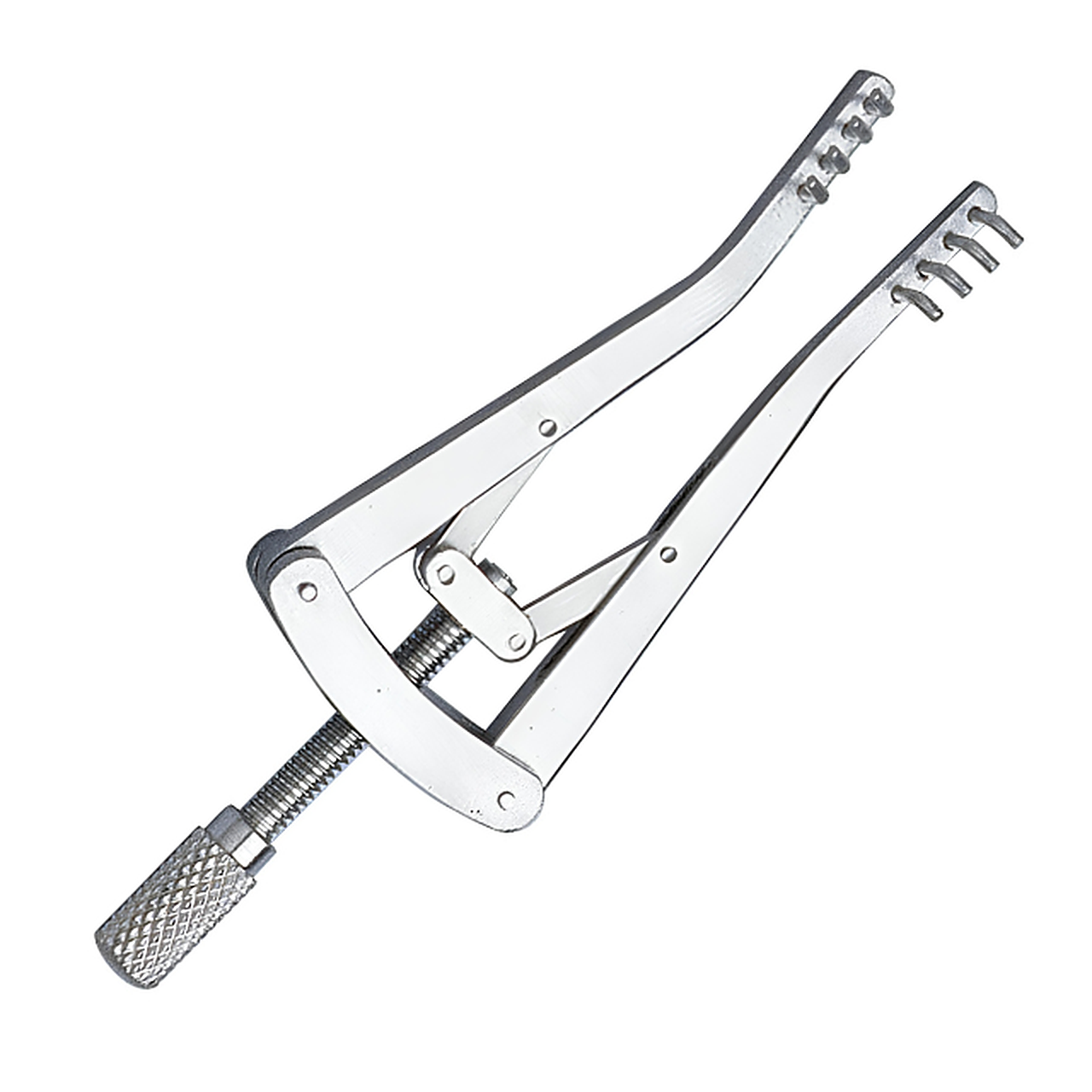 | ALM Self Retaining Retractor | Specifically designed to provide self-retaining tissue retraction during minor surgical, ophthalmic, plastic, and hand procedures. |
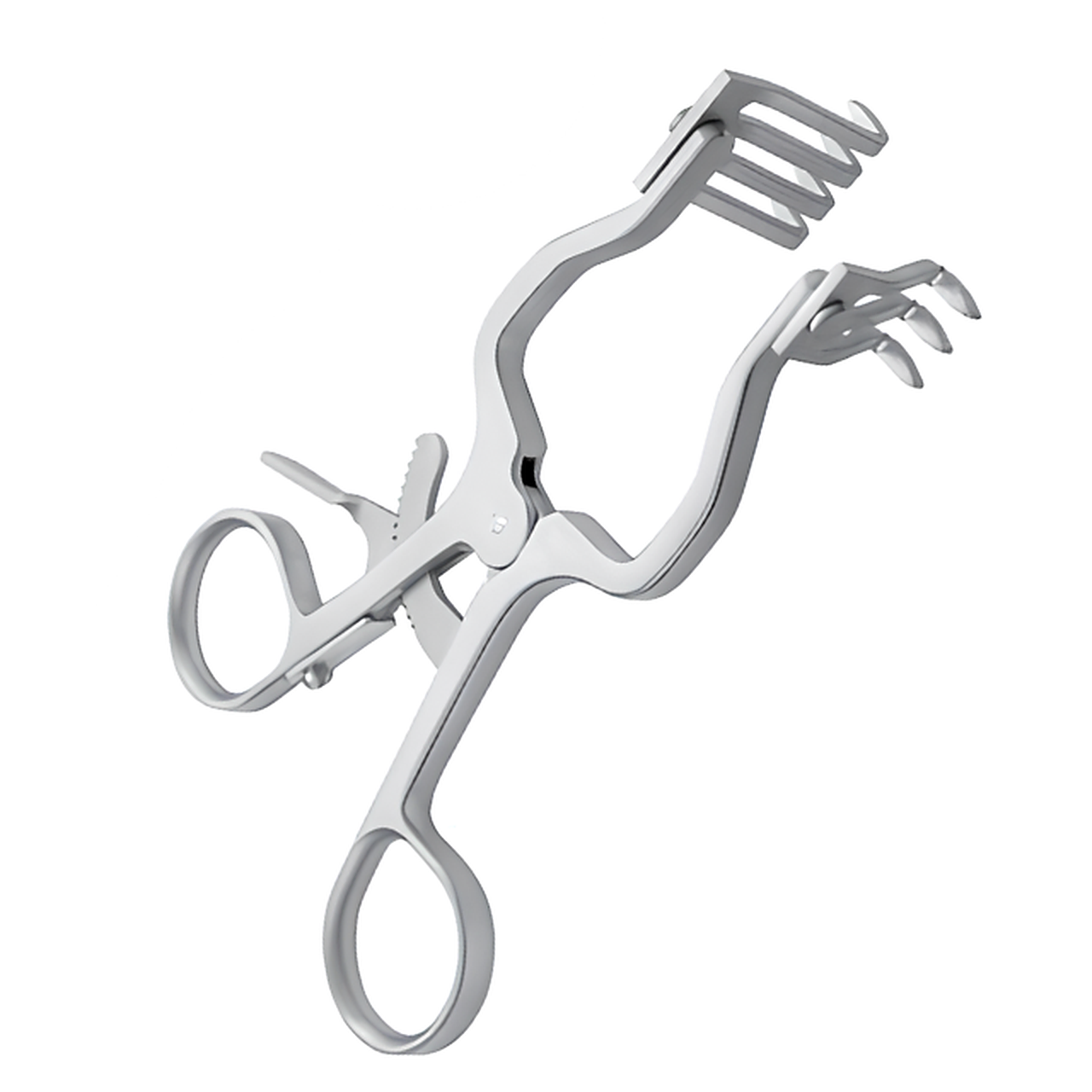 | Ambidextrous Self-Retaining Retractors | Specifically designed to provide reversible, hands-free soft tissue retraction operable from either side of the sterile field. |
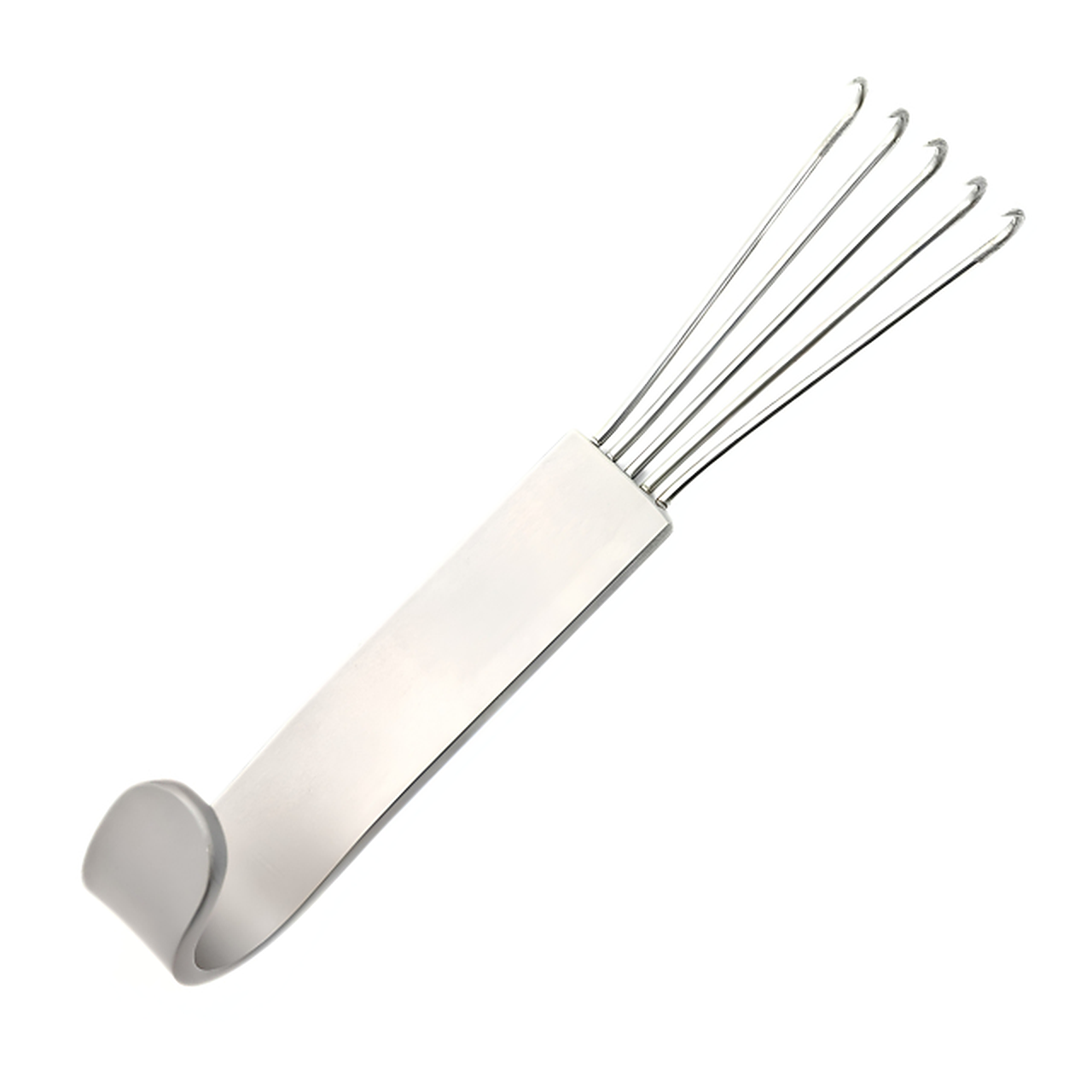 | Anderson Bear Claw Retractor | Specifically engineered for firm cutaneous traction, skin flap elevation, and soft-tissue retraction during plastic and reconstructive surgery. |
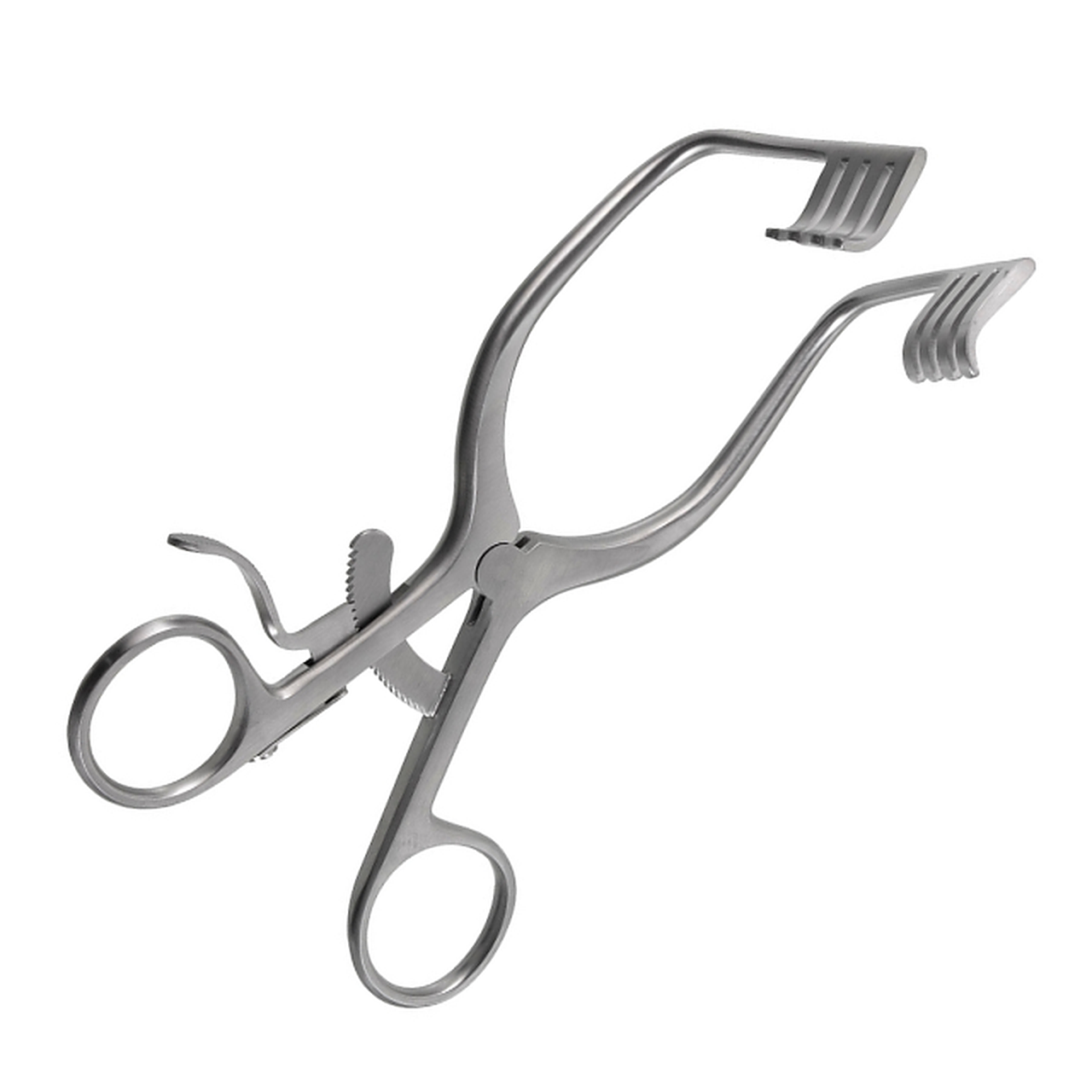 | Anderson-Adson Self-Retaining Cerebellar Retractor | Specifically designed to provide self-retaining muscle and tissue retraction during posterior cranial fossa and suboccipital neurosurgical procedures. |
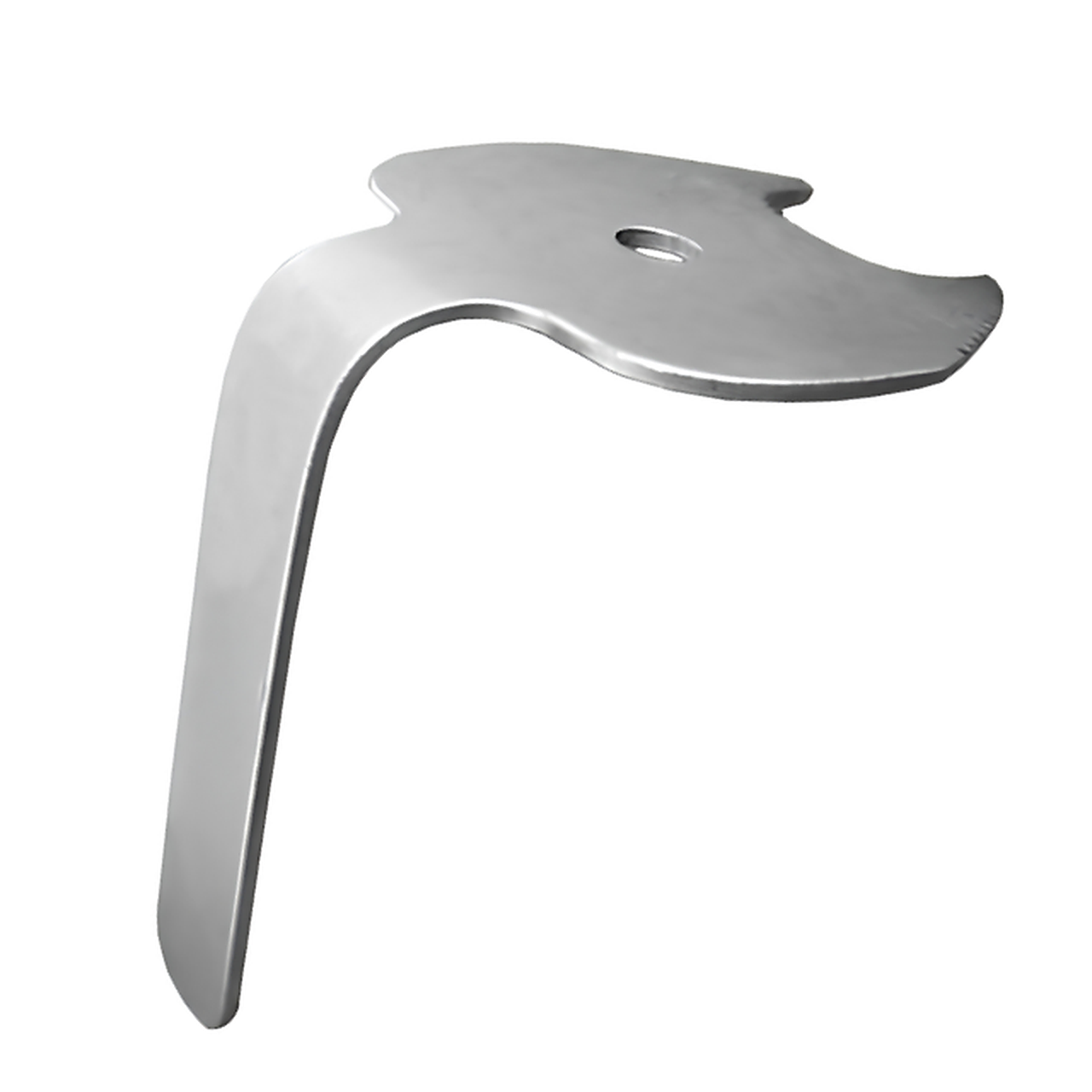 | Anterior Femoral Condylar Retractor | Specifically designed to expose the anterior femoral condyles and retract the extensor mechanism during total knee arthroplasty. |
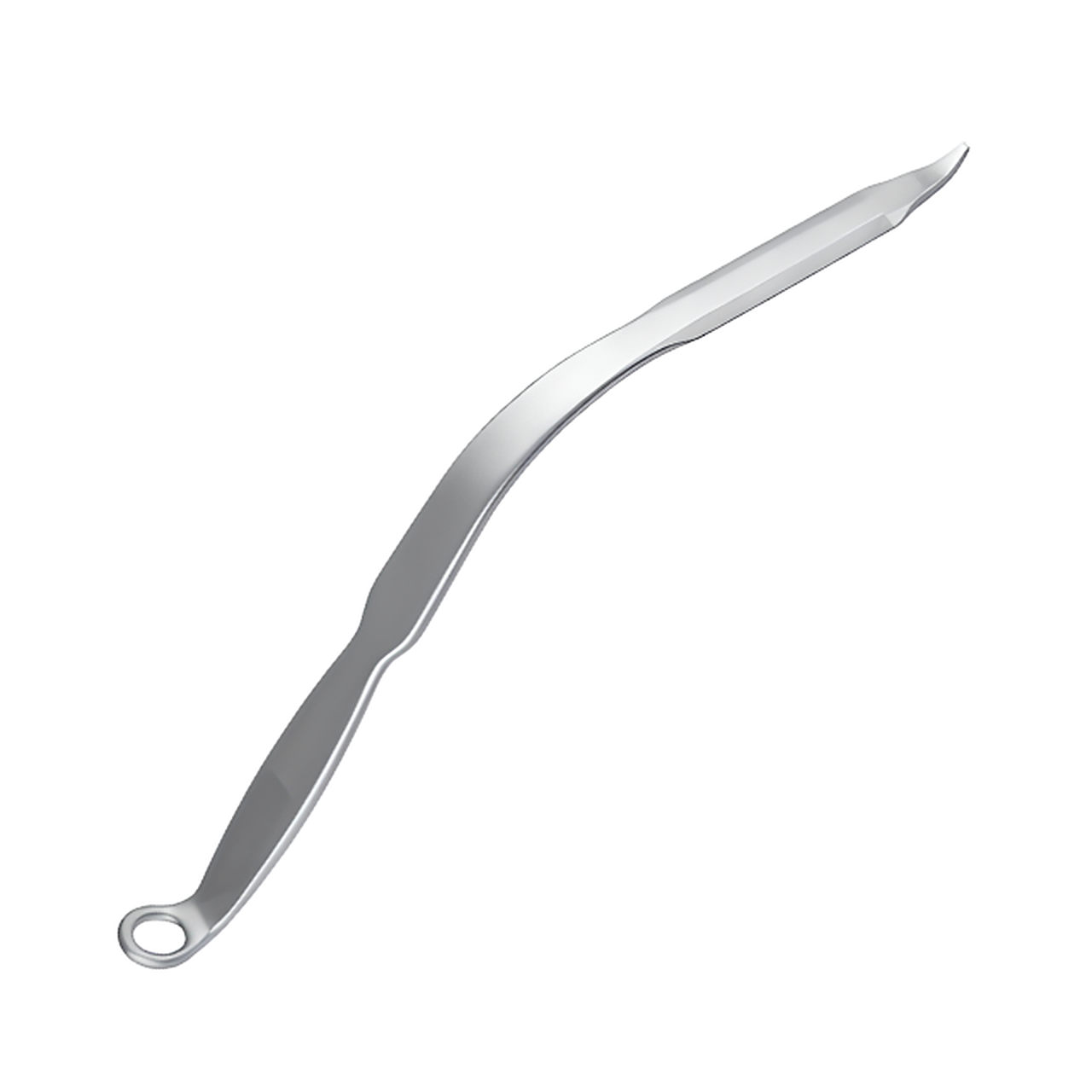 | Anterior Femoral Neck Anteromedial Rim Retractor | Specifically designed to expose the anterior femoral neck and anteromedial rim during hip arthroplasty and femoral head osteotomy. |
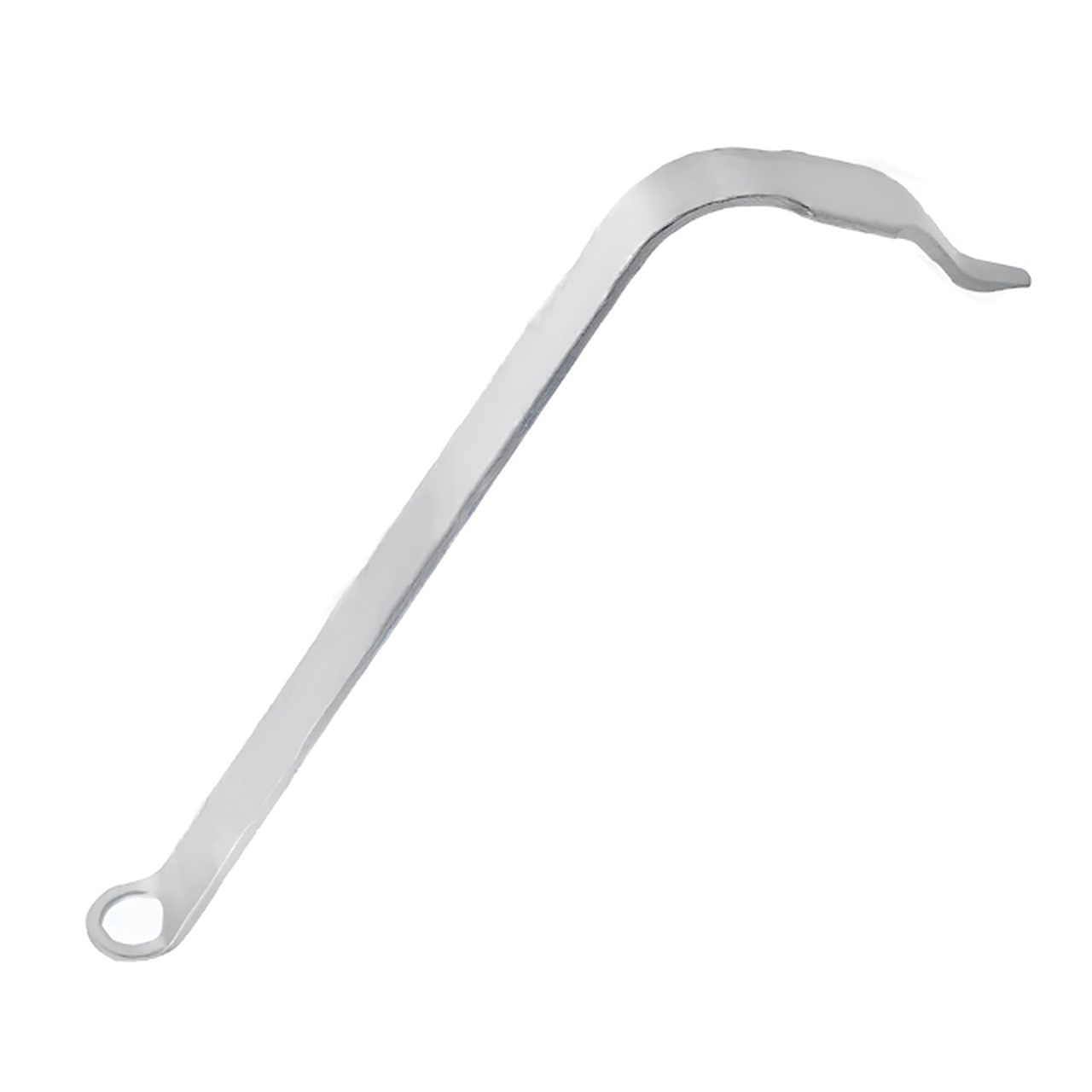 | Anterolateral Acetabular Rim Retractor | Specifically designed to expose the anterolateral acetabular rim and displace surrounding soft tissues during hip arthroplasty. |
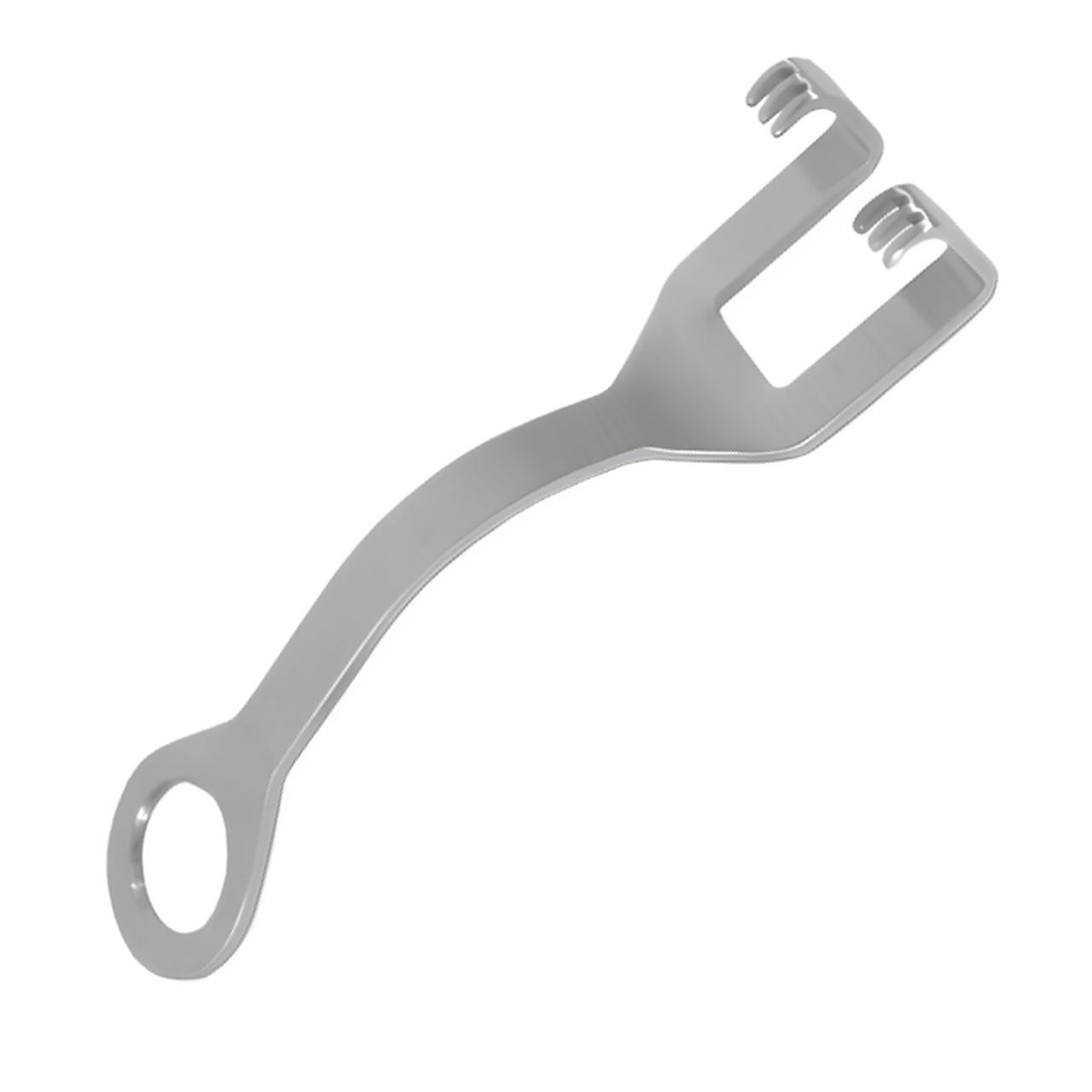 | AORI Patellar Retractor | Specifically engineered to retract and evert the patella during primary and revision total knee arthroplasty procedures. |
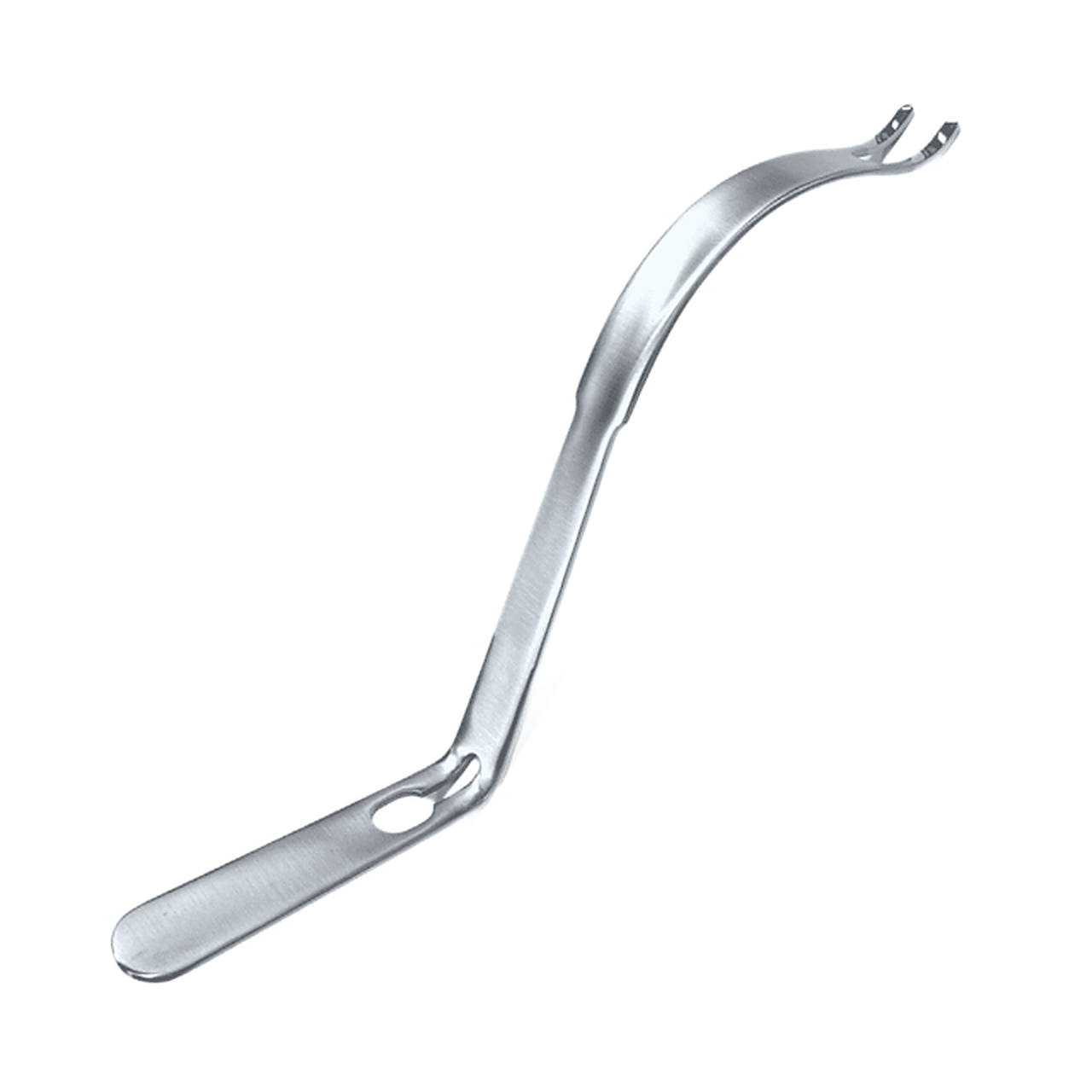 | APC Hip Retractor | Specifically designed to expose the acetabular margin and femoral neck during hip arthroplasty and reconstructive surgery. |
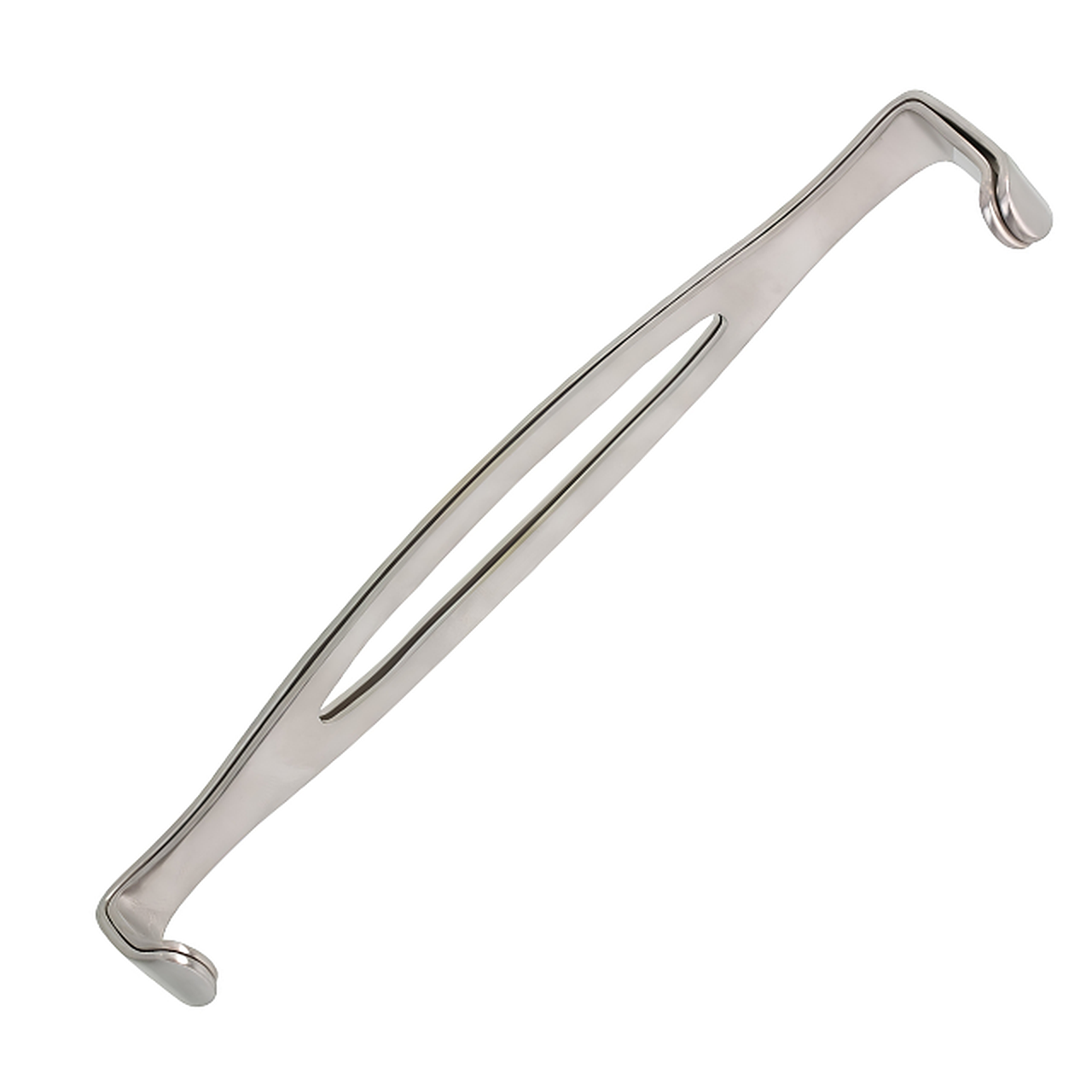 | Army-Navy Retractor-Set of Two | Designed to provide manual soft-tissue and wound margin retraction across superficial and intermediate operative fields. |
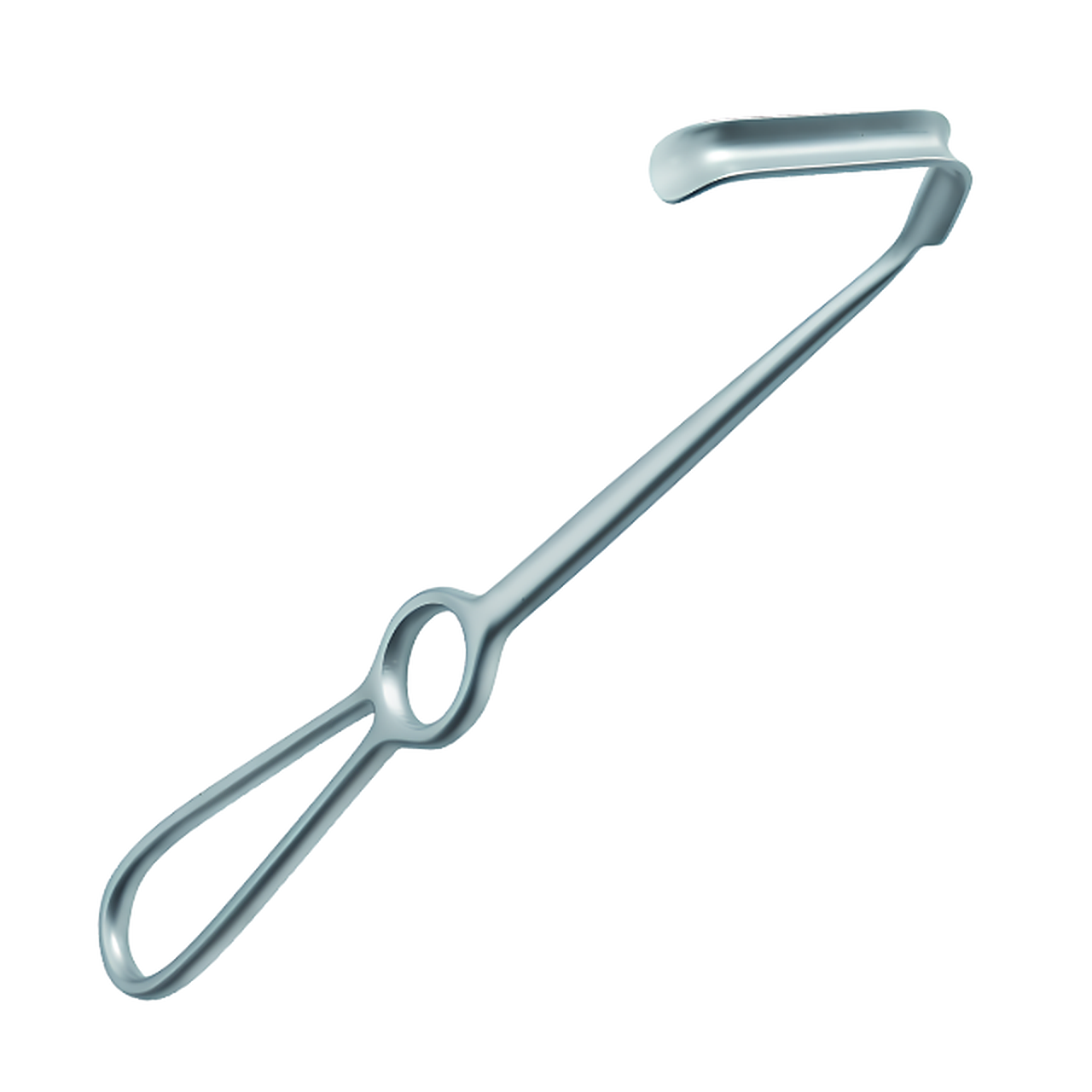 | Arnett Le Fort Upper Lip Retractor | Specifically designed to elevate and protect the upper lip and vestibular mucosa during Le Fort osteotomies and orthognathic surgery. |
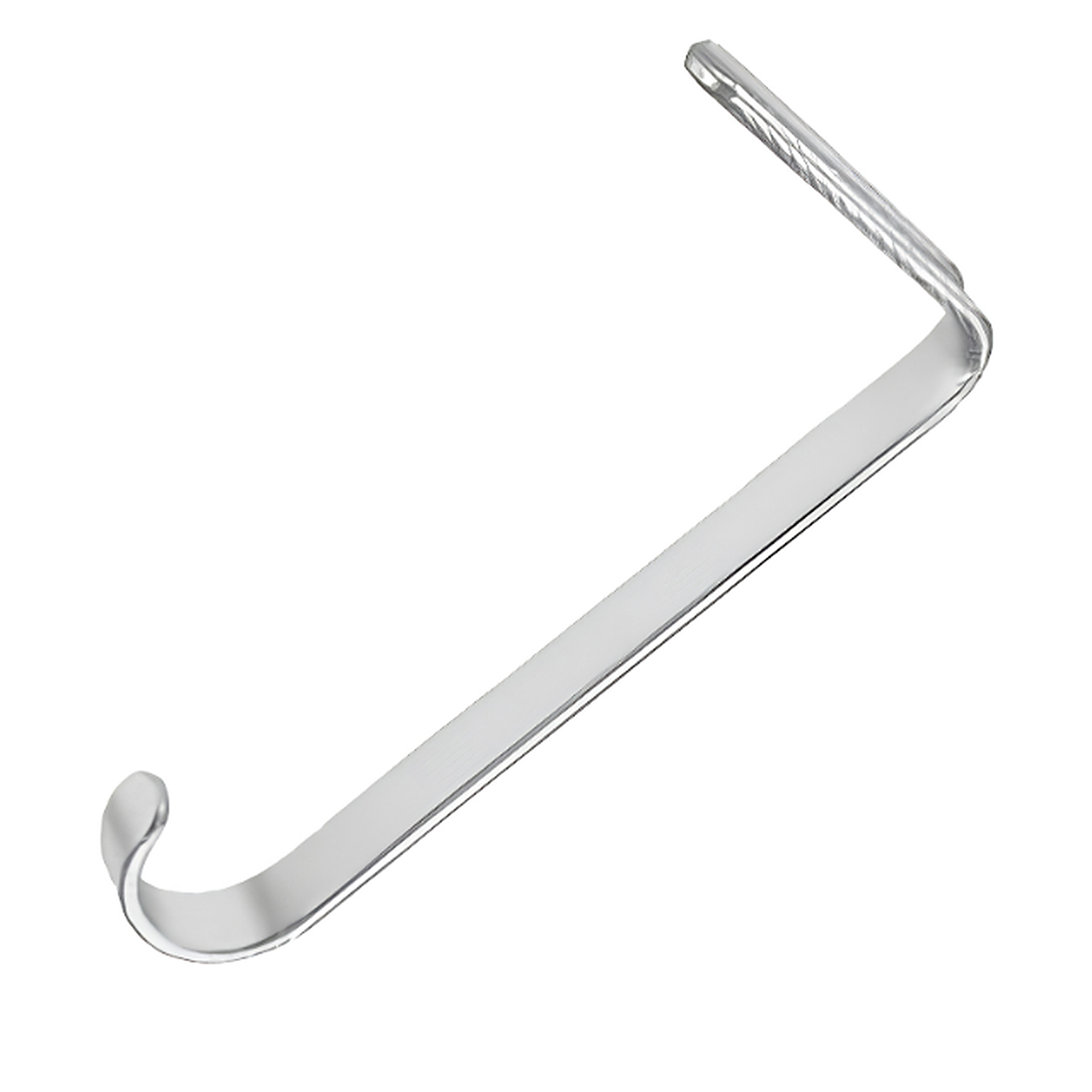 | Aufricht Daniel Nasal Retractor | Specifically designed to elevate the nasal dorsal skin-soft tissue envelope during aesthetic and reconstructive rhinoplasty. |
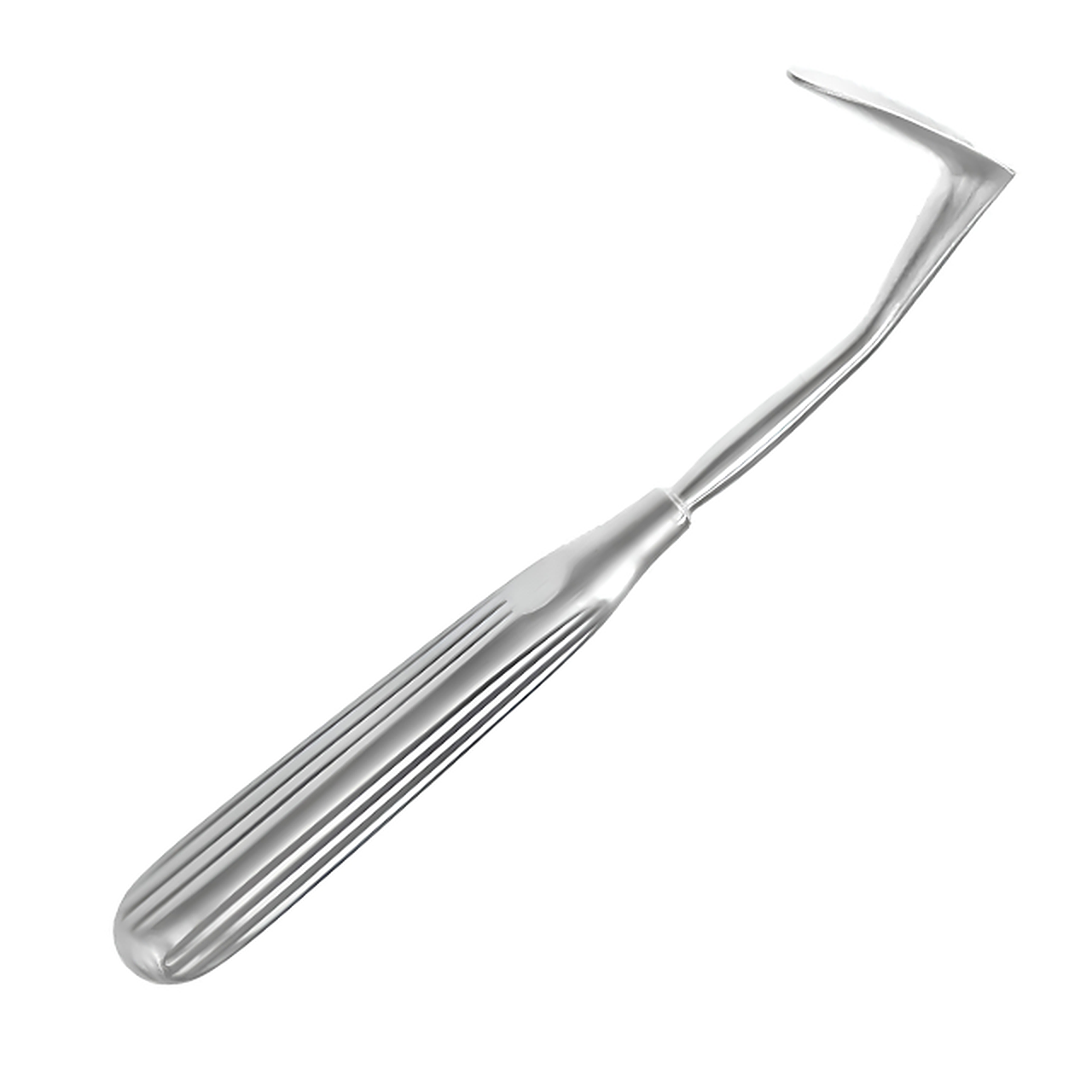 | Aufricht Nasal Retractor | Specifically engineered to elevate nasal cutaneous flaps and maintain clear visualization of the nasal bridge during rhinoplasty procedures. |
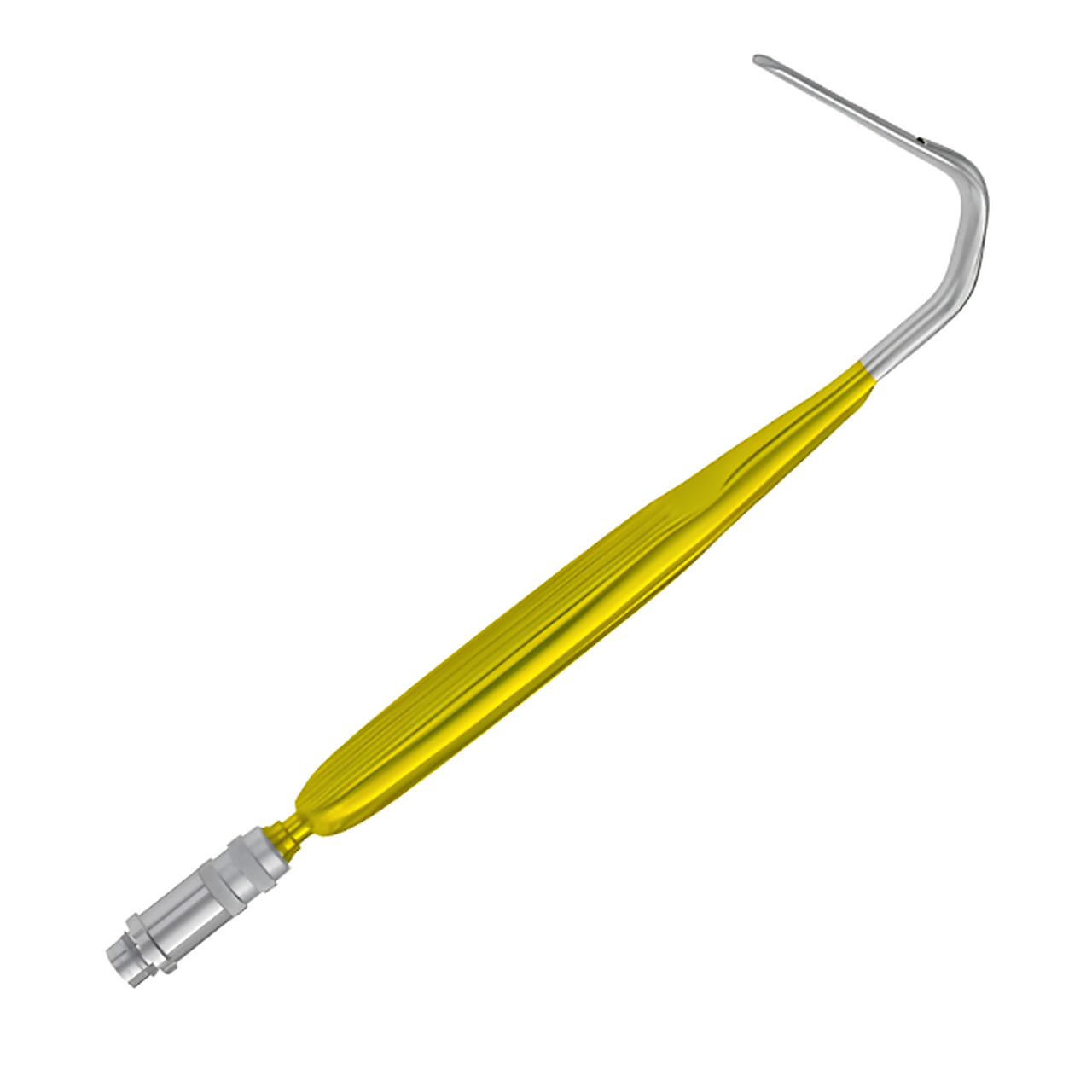 | Aufricht Nasal Retractor - Fiber Optic | Specifically designed to provide illuminated soft-tissue retraction and dorsal exposure during rhinoplasty and reconstructive nasal surgery. |
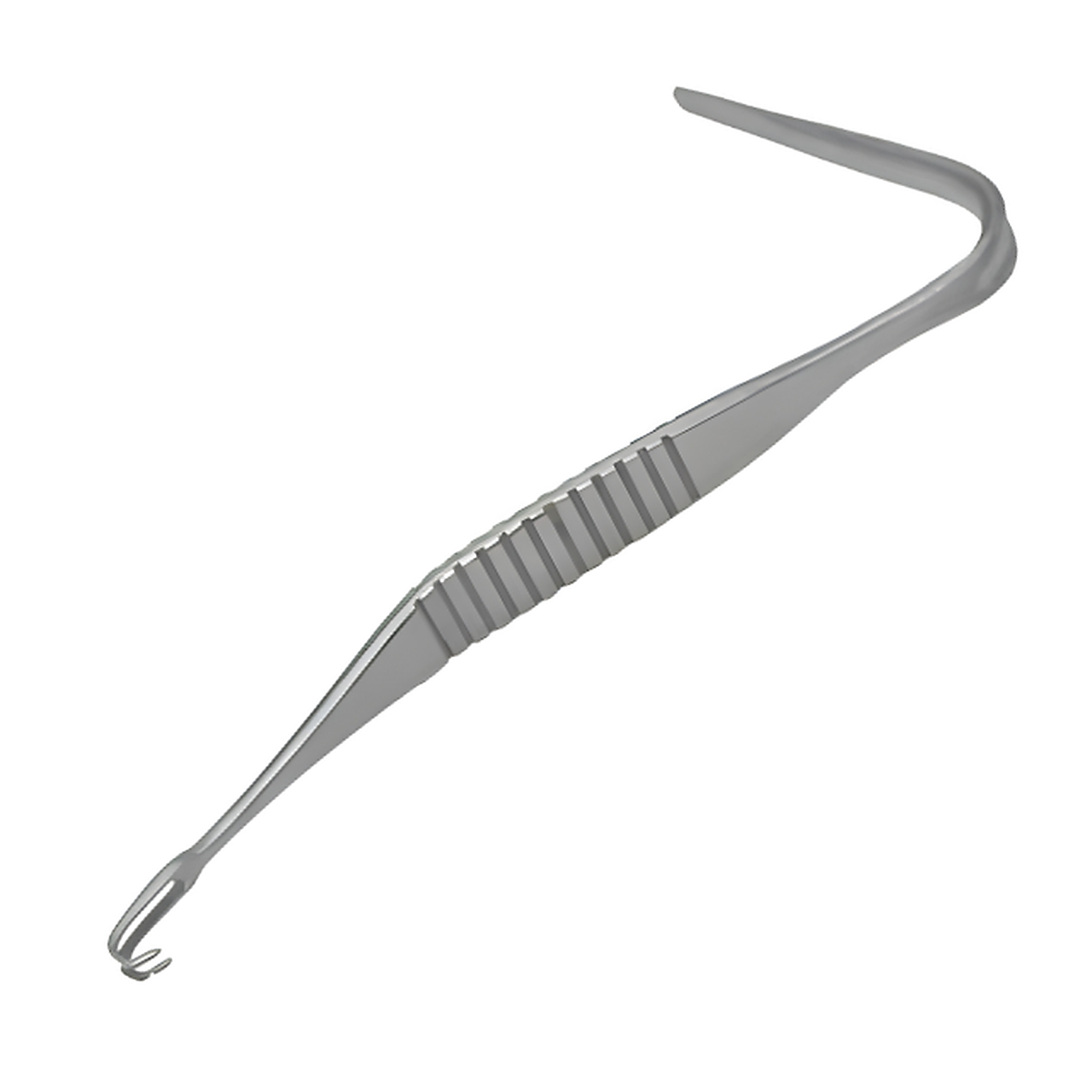 | Aufricht Walter Nasal Retractor | Specifically designed to provide double-ended soft-tissue retraction and mucosal flap elevation during rhinoplasty and nasal reconstruction. |
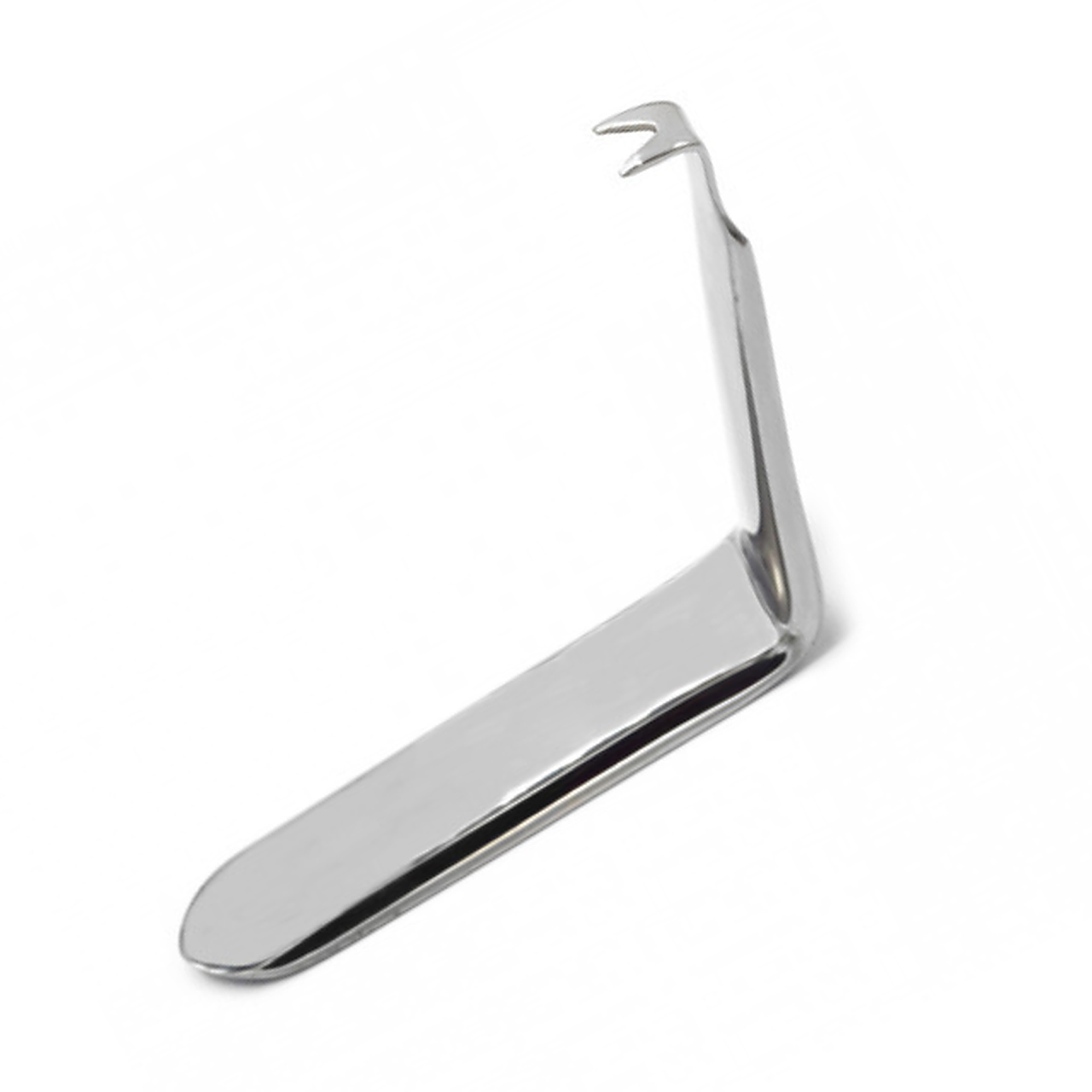 | Austin Tissue and Cheek Retractor | Specifically designed to retract the cheeks, lips, and mucoperiosteal flaps during intraoral, maxillofacial, and dental surgical procedures. |
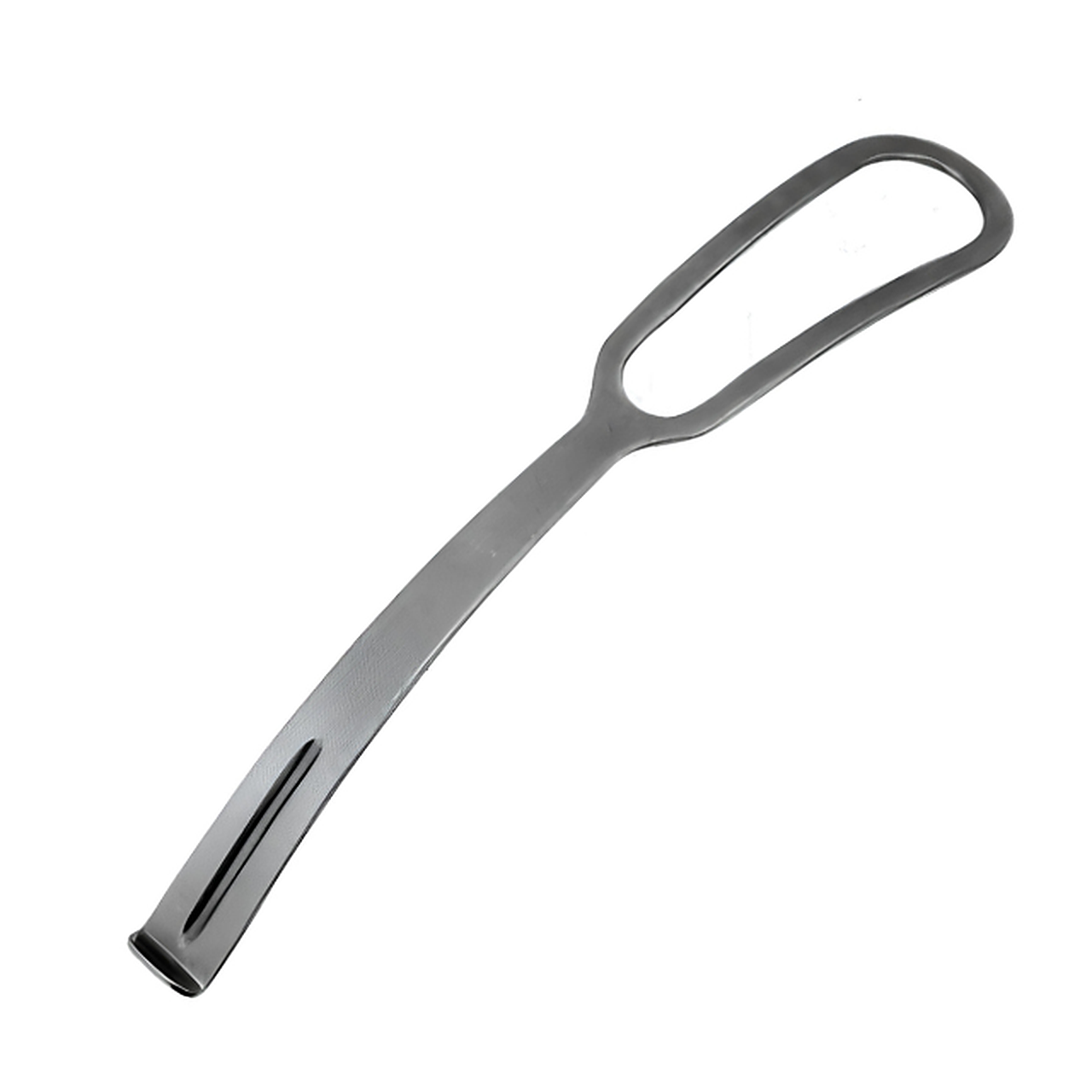 | Awty Condylar Neck Retractor | Specifically engineered to expose and protect the mandibular condylar neck during orthognathic and trauma osteotomies. |
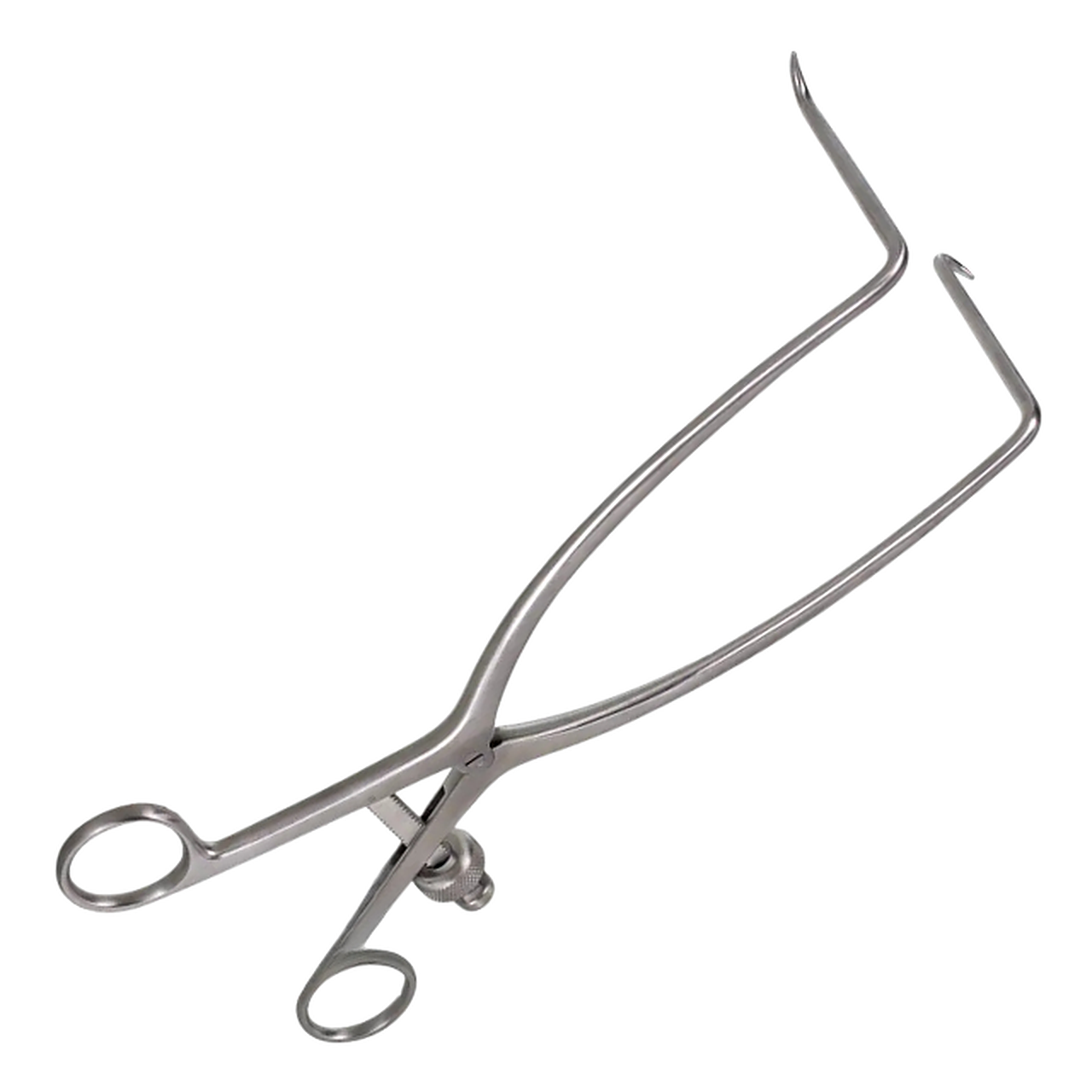 | B-Z Retractor | Specifically designed to provide self-retaining deep soft-tissue and paraspinal muscle retraction during orthopedic, spine, and pelvic surgery. |
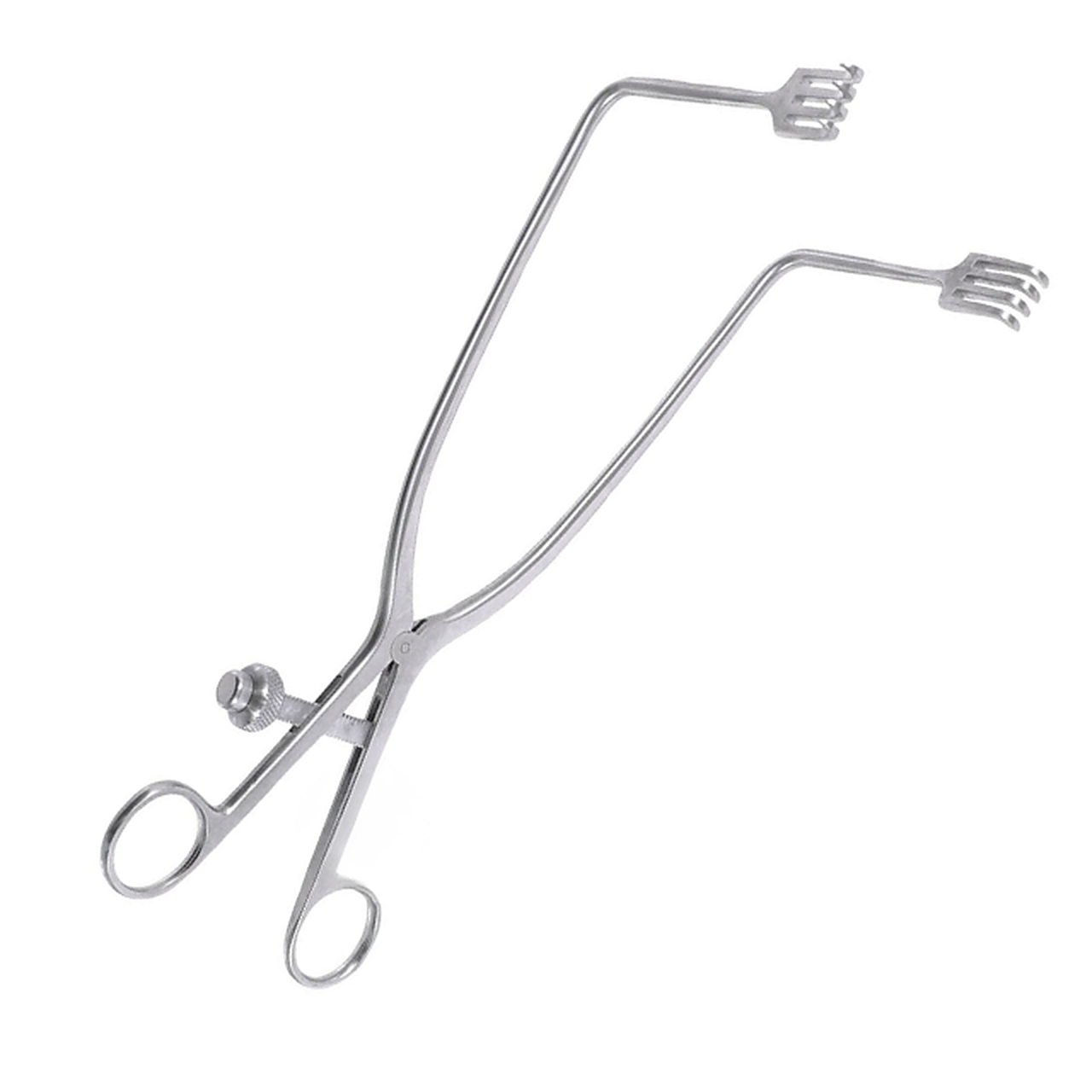 | B-Z Weitlaner Retractor | Specifically designed to provide self-retaining deep soft-tissue and muscle retraction during spinal, orthopedic, and pelvic surgery. |
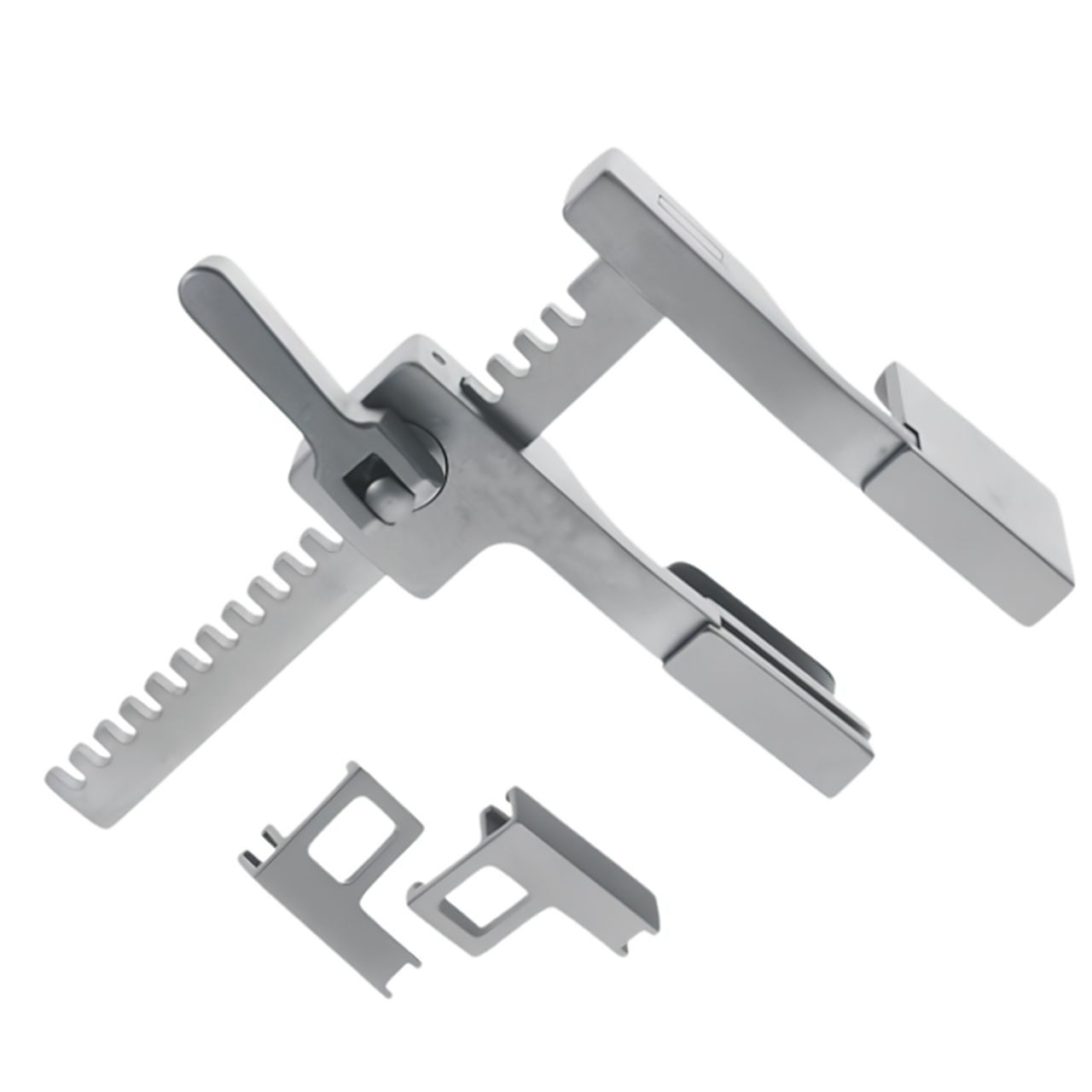 | Baby-Haight Rib Spreader | Specifically designed to separate ribs and provide thoracic access during neonatal and infant cardiothoracic surgery. |
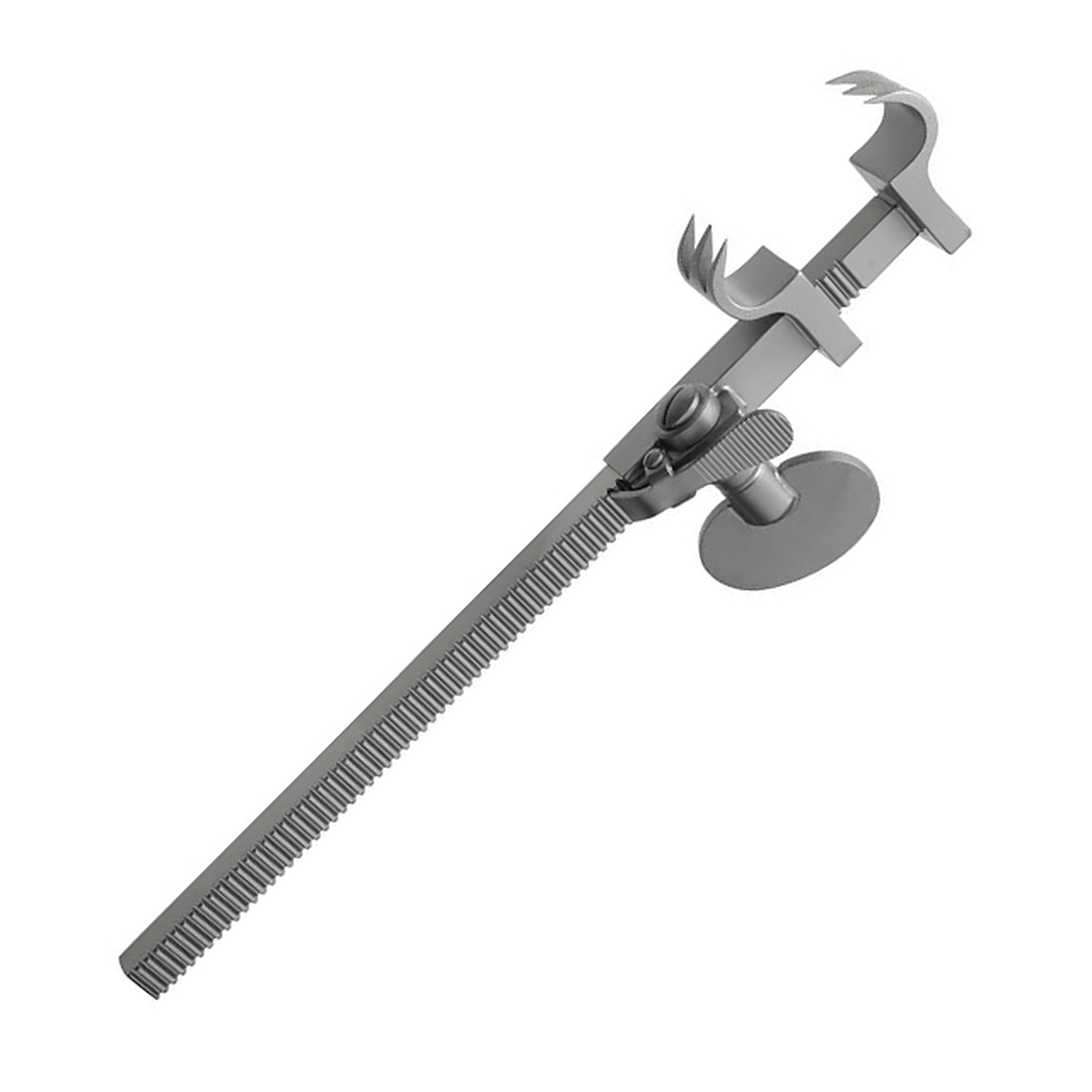 | Bailey Rib Contractor | Specifically designed to approximate ribs and stabilize the thoracic cage during thoracotomy wound closure. |
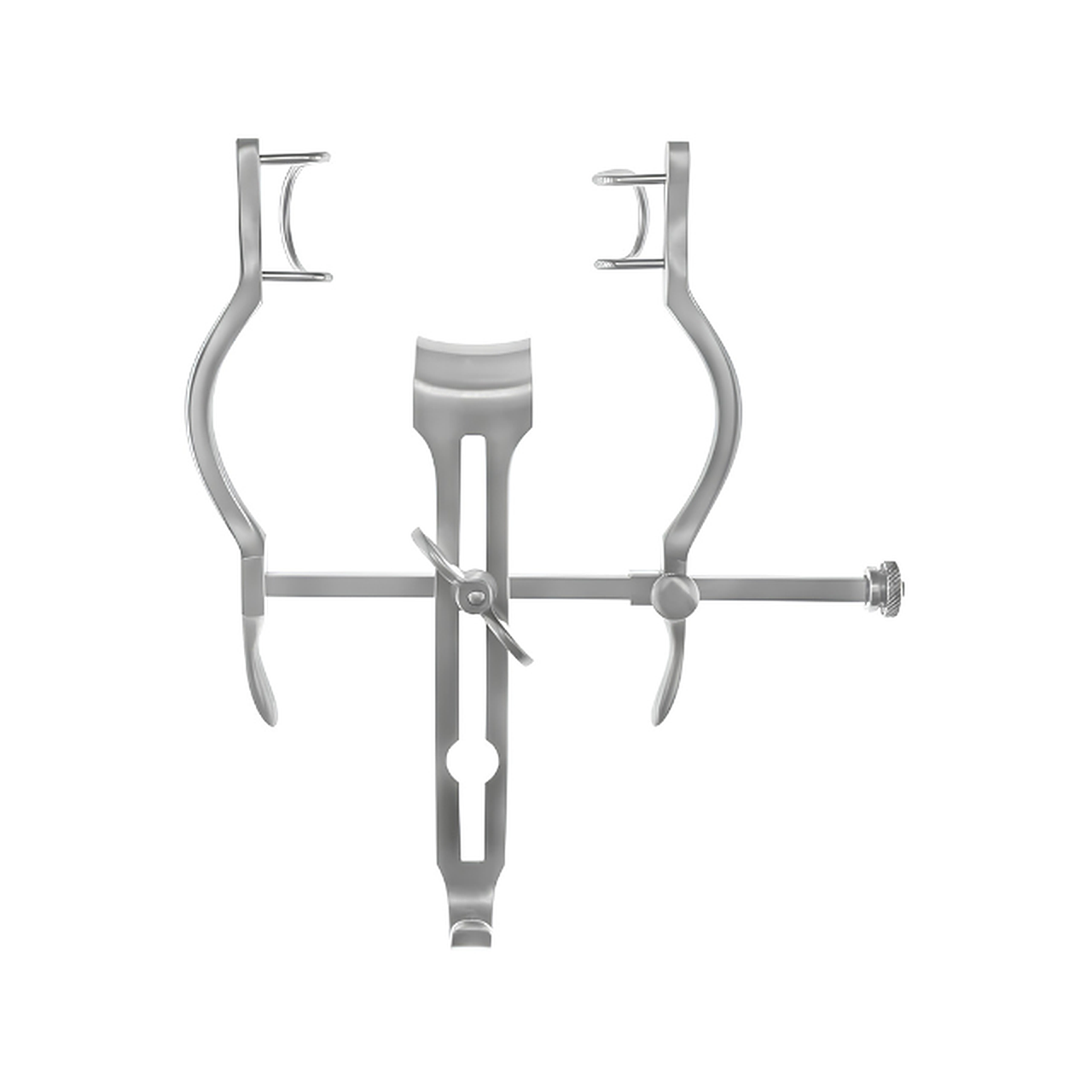 | Balfour Baby Self Retaining Retractor | Specifically designed to provide self-retaining tissue retraction and maintain structured surgical exposure across operative procedures. |
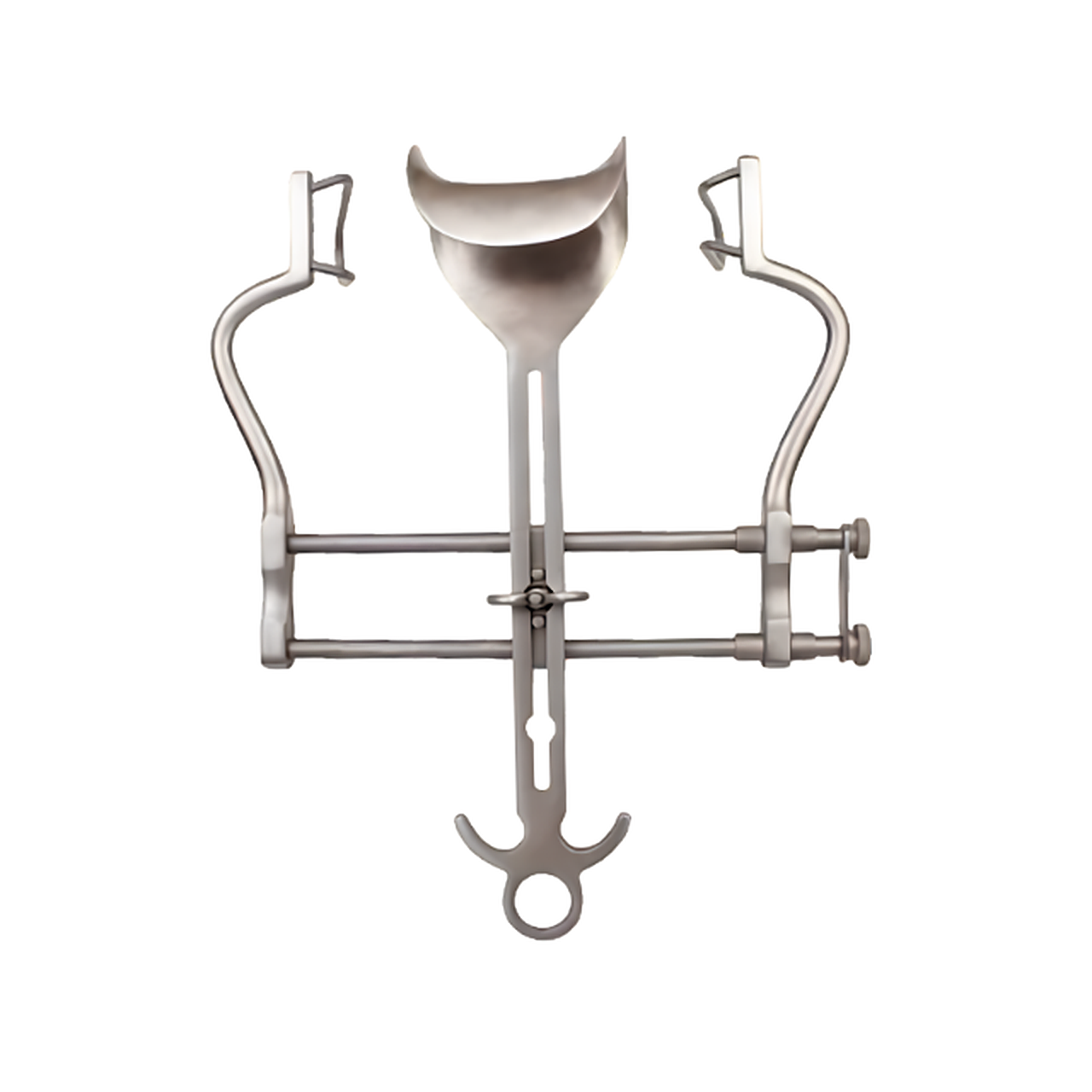 | Balfour Retractor | Designed to provide self-retaining soft-tissue retraction and maintain continuous, hands-free exposure of the operative field. |
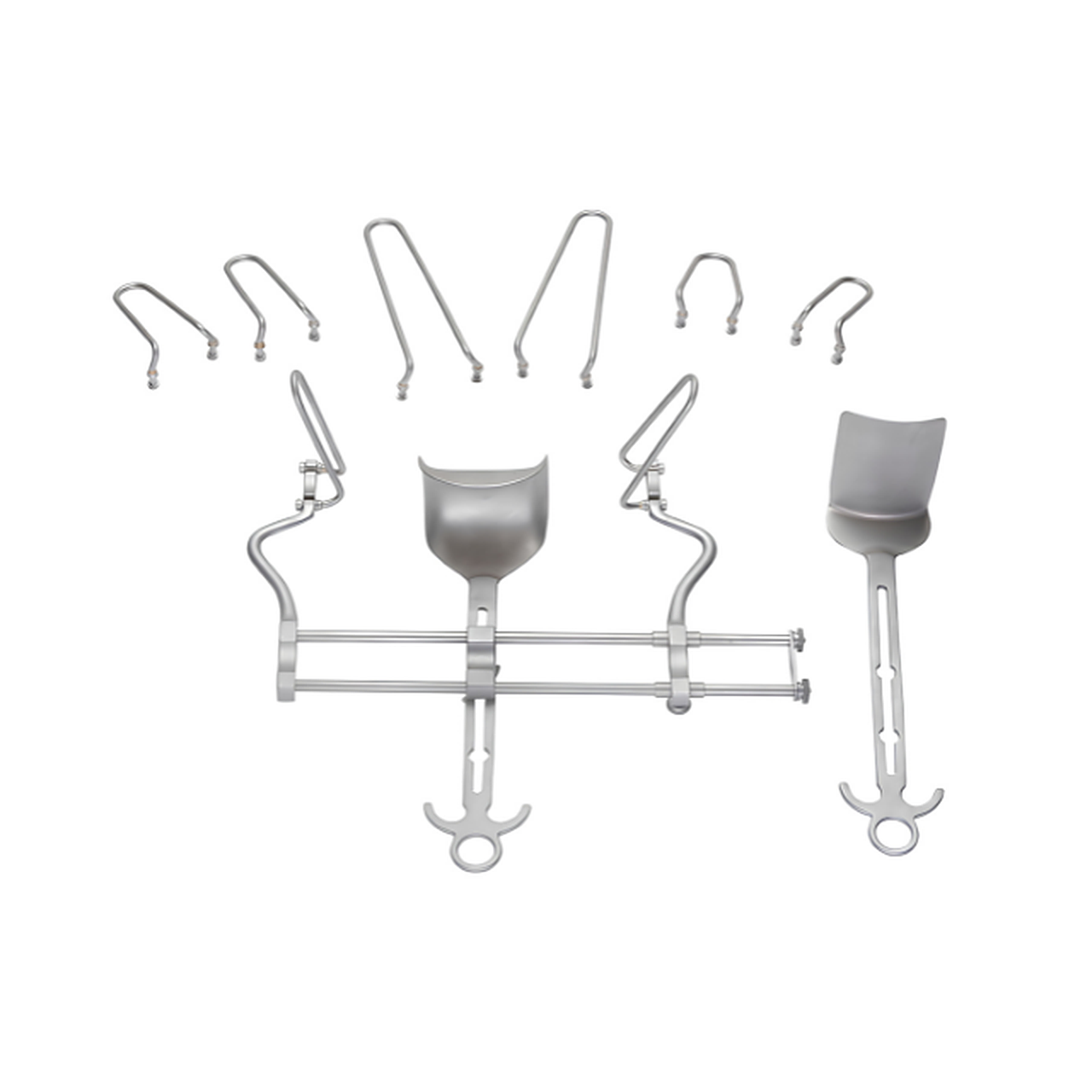 | Balfour USA Self Retaining Retractor | Specifically designed to provide self-retaining soft tissue retraction and maintain structured surgical exposure across operative procedures. |
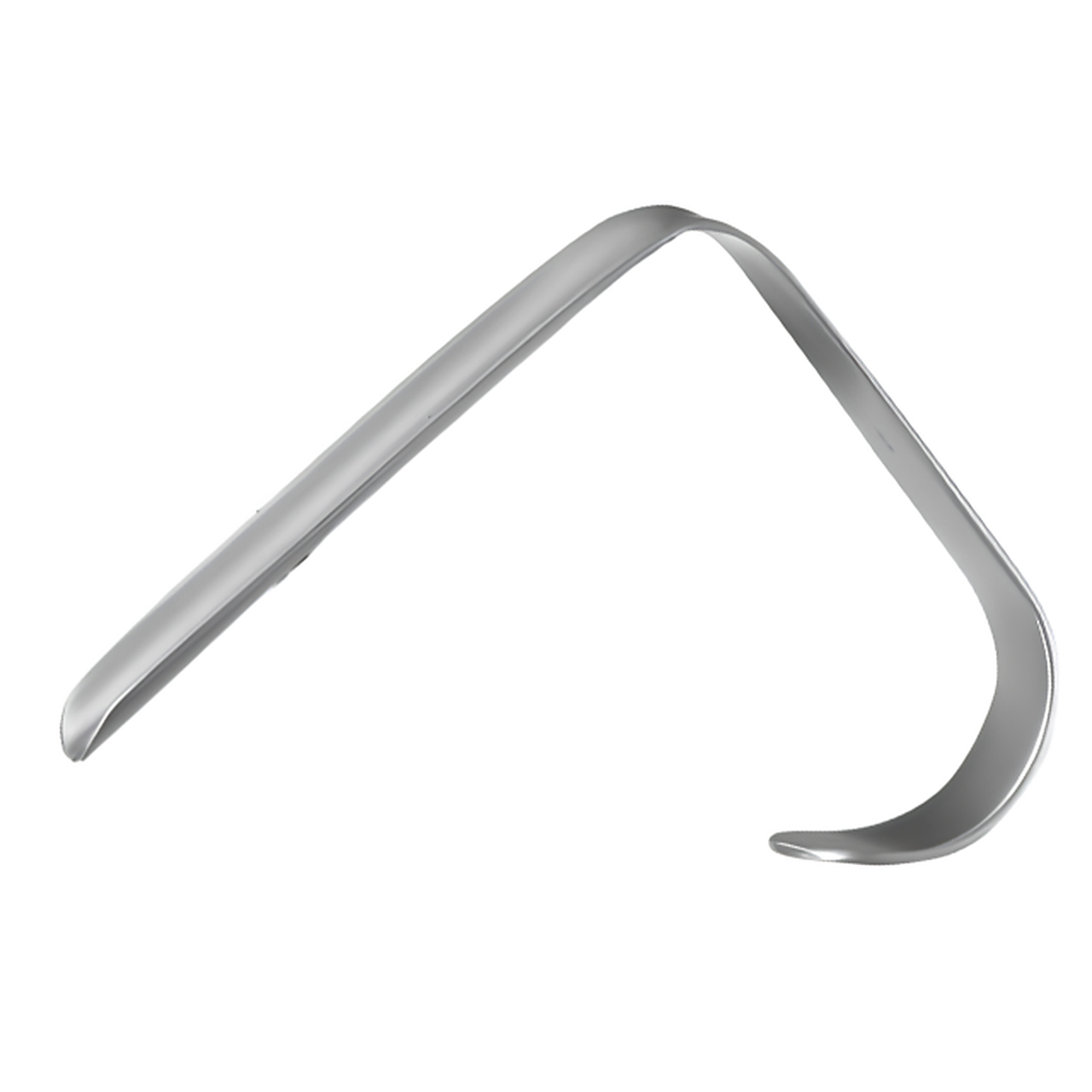 | Barsky Nasal Retractor | Specifically designed for alar rim and nasal wall soft-tissue retraction during rhinoplasty and cleft lip/nasal reconstruction. |
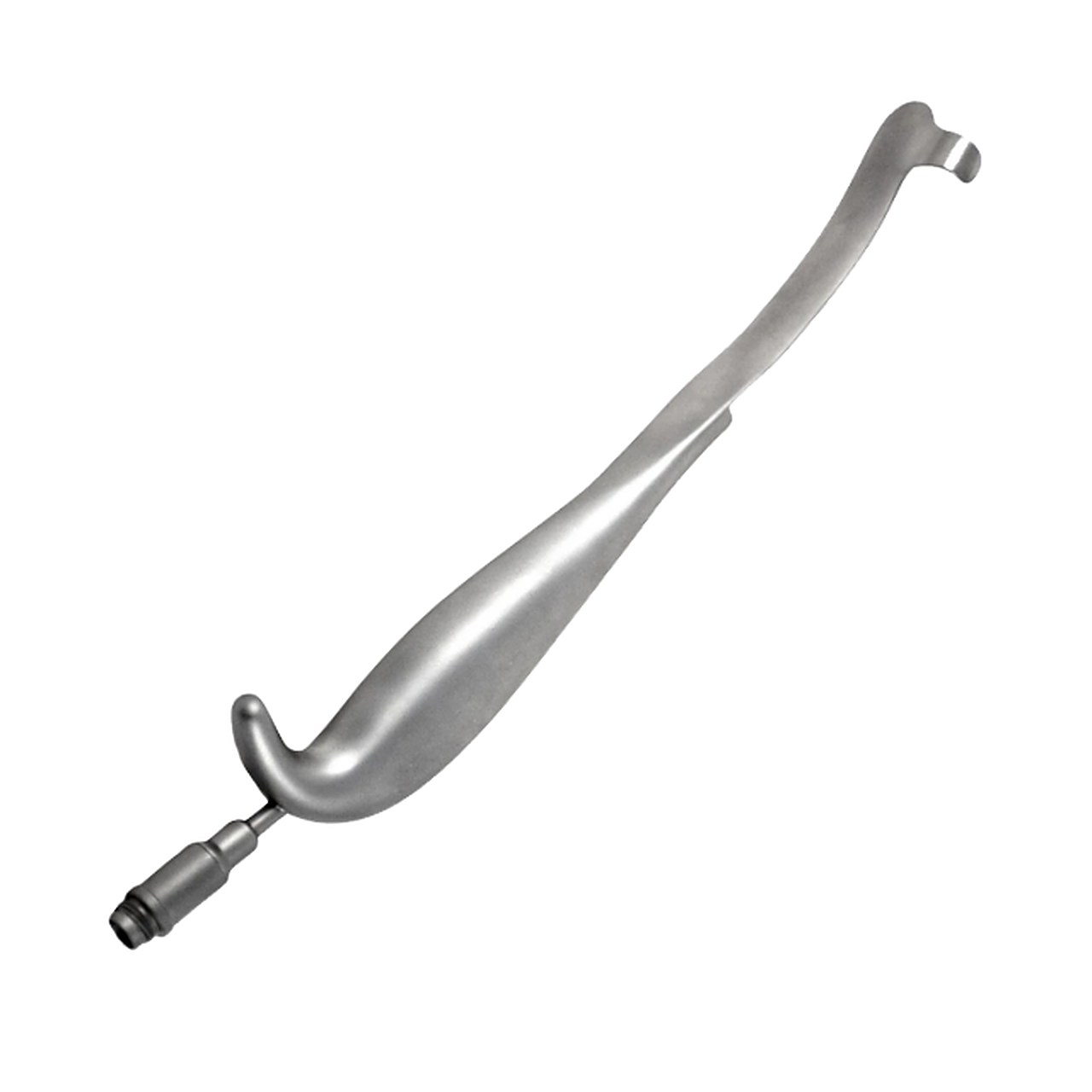 | Bauer Sigmoid Notch Intra Oral Retractor | Specifically designed to engage the mandibular sigmoid notch and retract soft tissue during ramus osteotomies and TMJ surgery. |
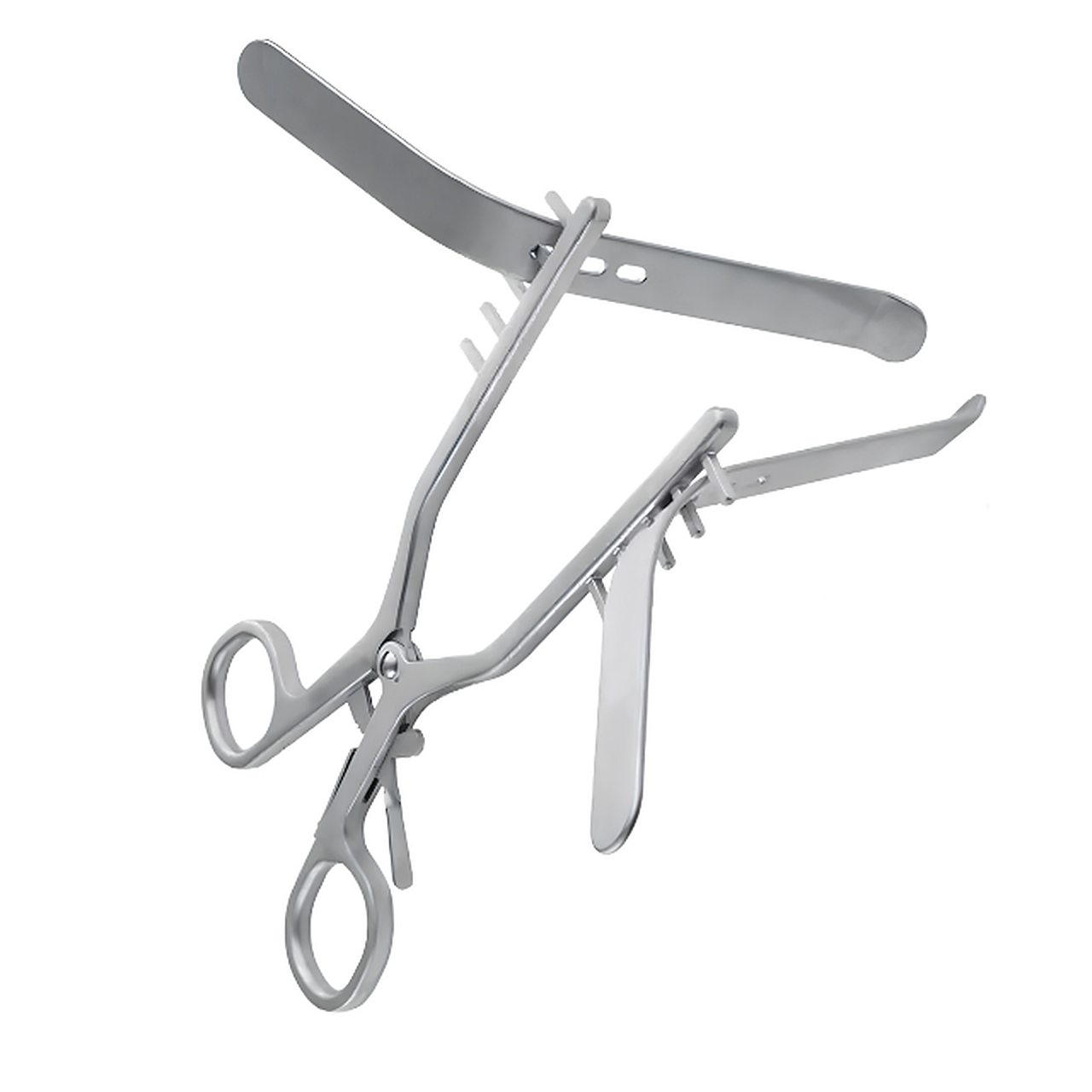 | Beard Distal Bicep Self-Retaining Retractor | Specifically engineered for hands-free soft-tissue retraction and radial tuberosity exposure during distal biceps tendon repairs. |
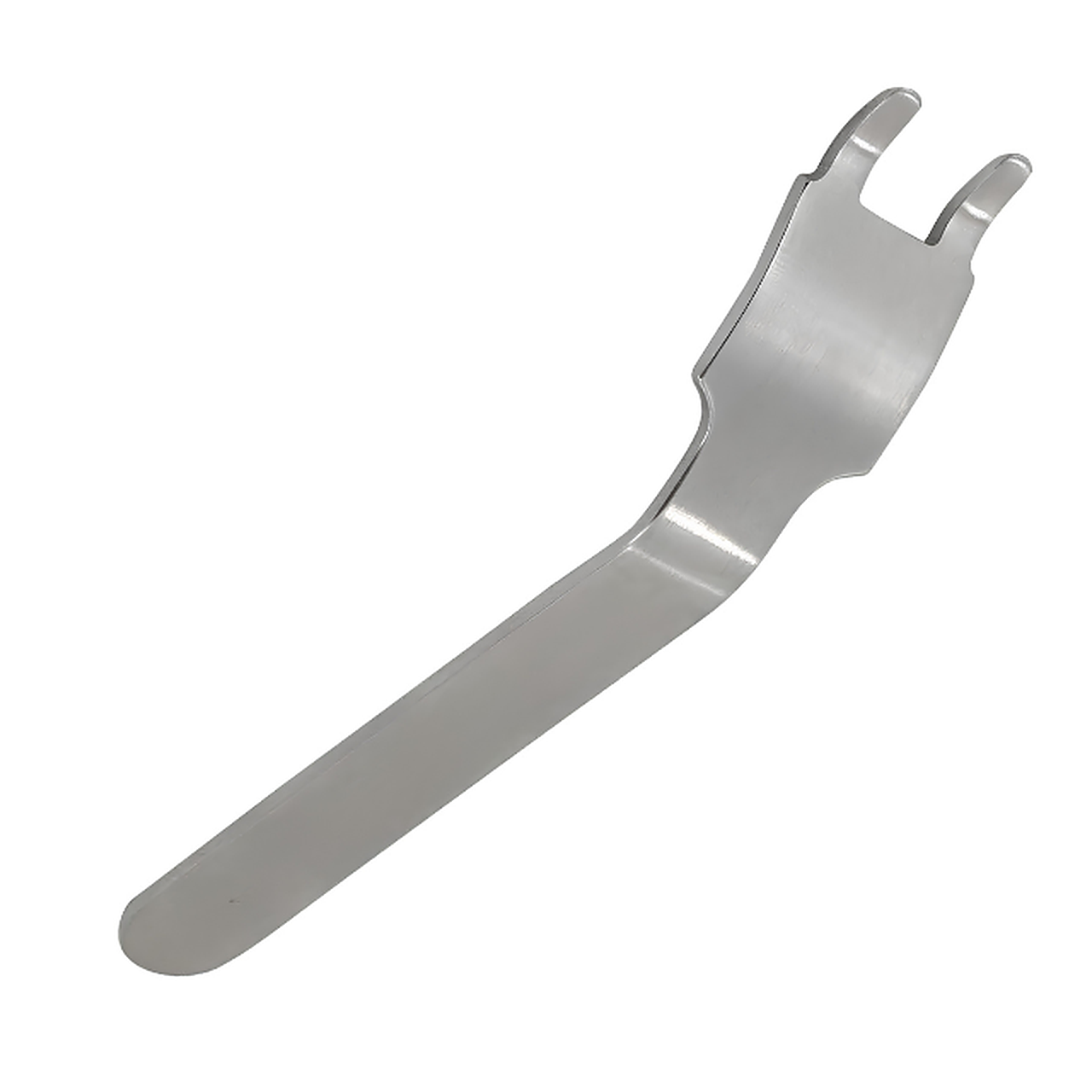 | Beard Distal Radius Wide Hohmann Retractor | Specifically designed to expose the distal radius and retract soft tissue and pronator quadratus during wrist fracture plating. |
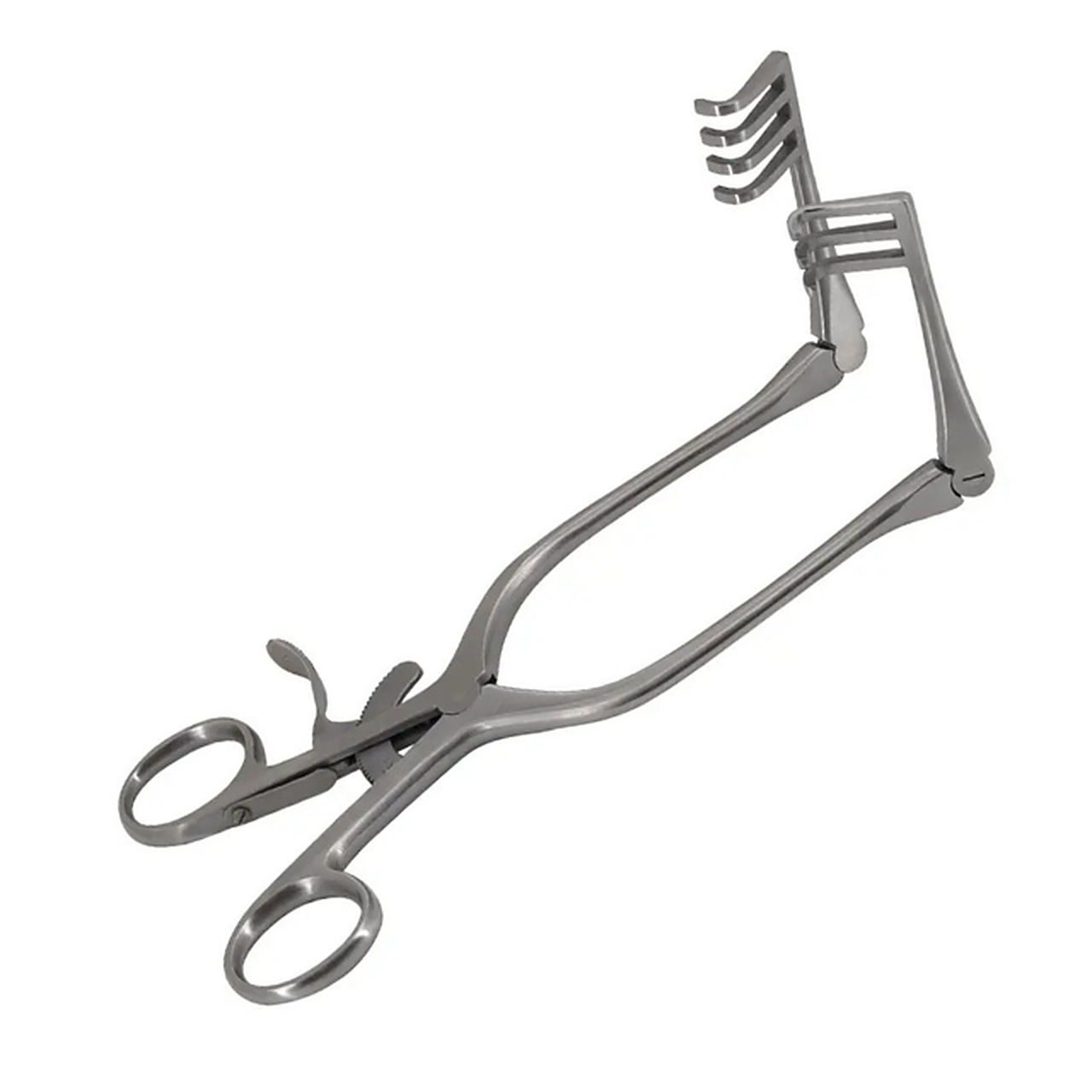 | Beckman-Weitlaner Self-Retaining Retractor | Specifically designed to provide self-retaining, articulated soft-tissue and muscle retraction during spinal and orthopedic surgery. |
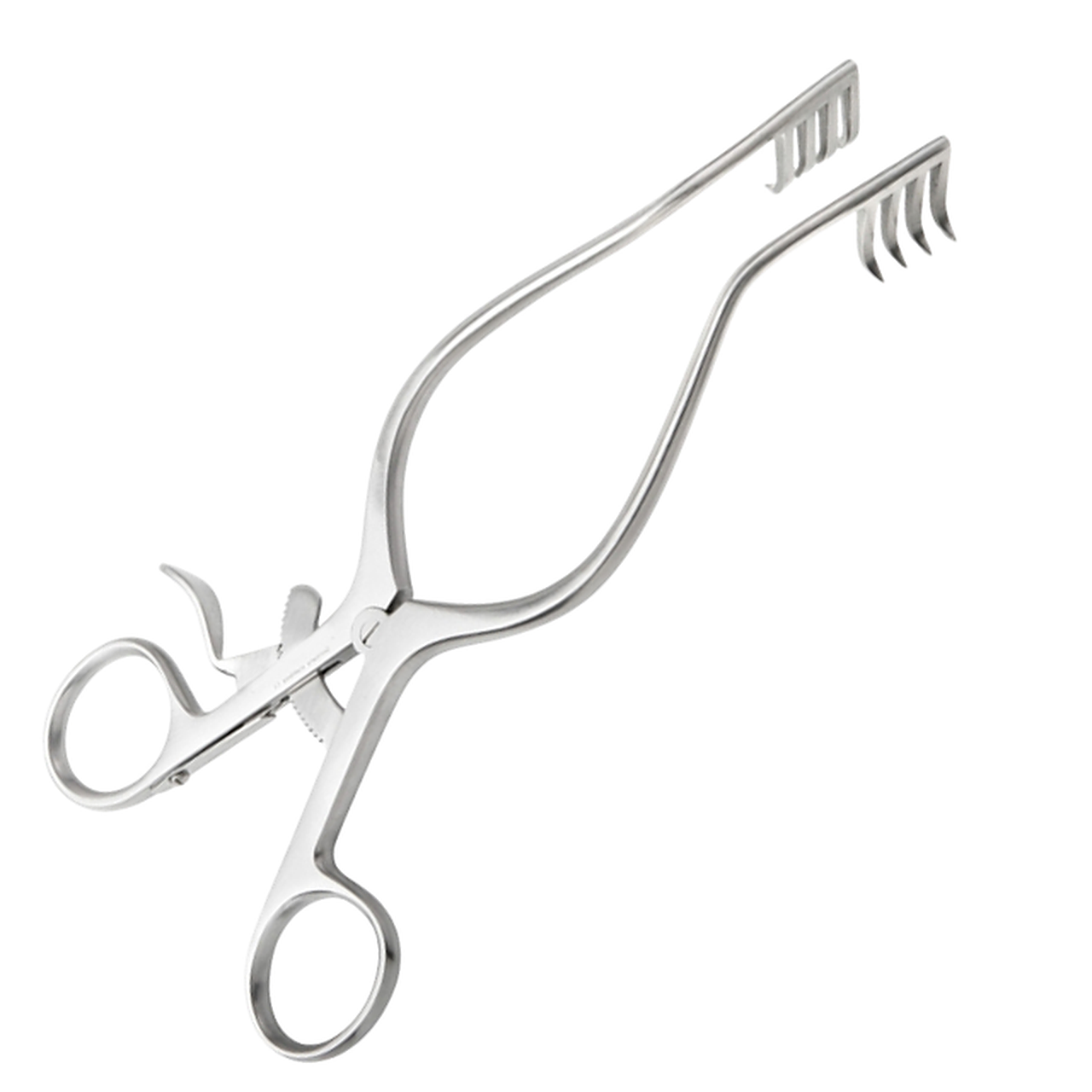 | Beckmann Adson Self-Retaining Retractor | Specifically designed to provide self-retaining paraspinal muscle and soft-tissue retraction during spinal and neurosurgical operations. |
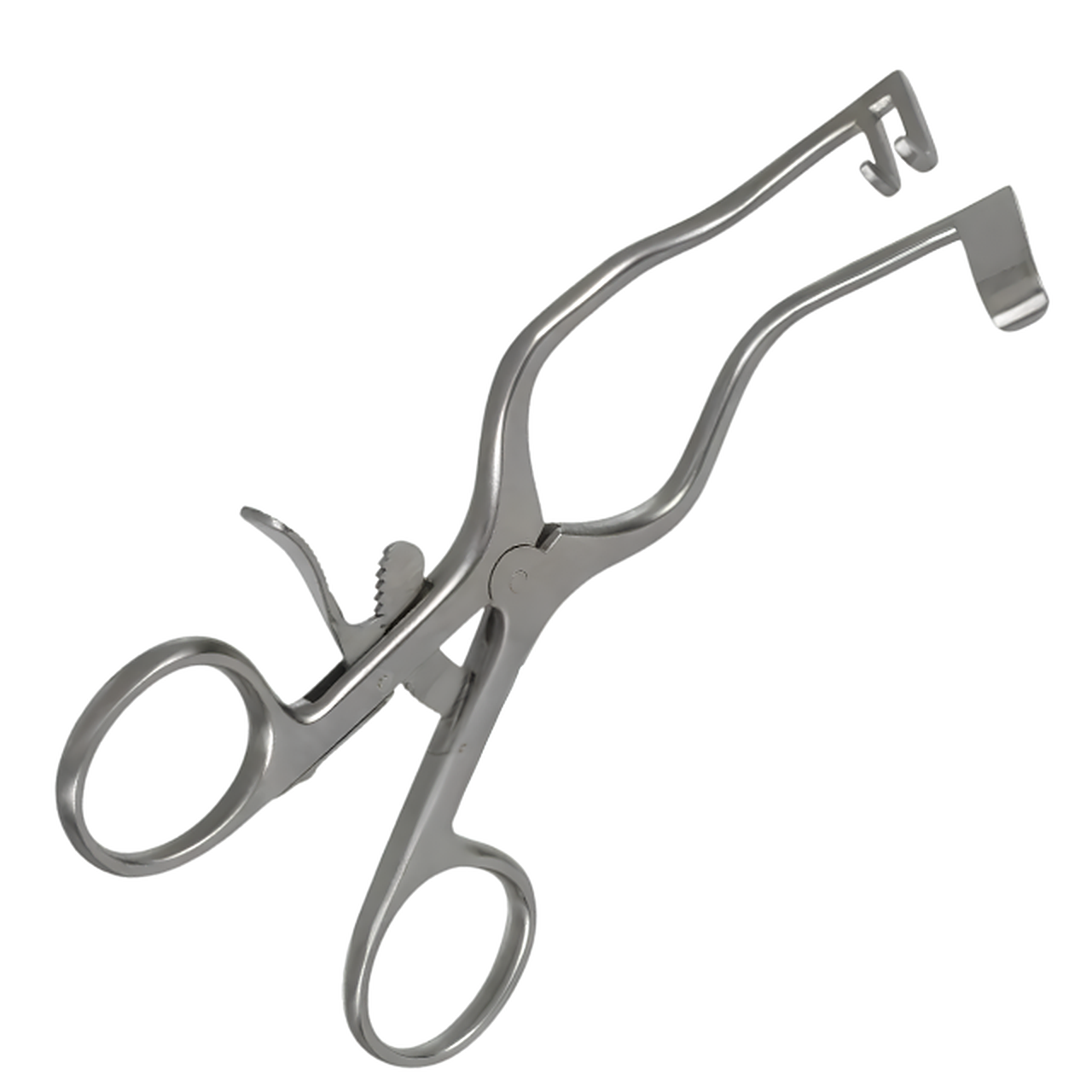 | Bellucci Endaural Retractors | Specifically engineered to expose the external auditory canal and tympanic ring during endaural ear surgery. |
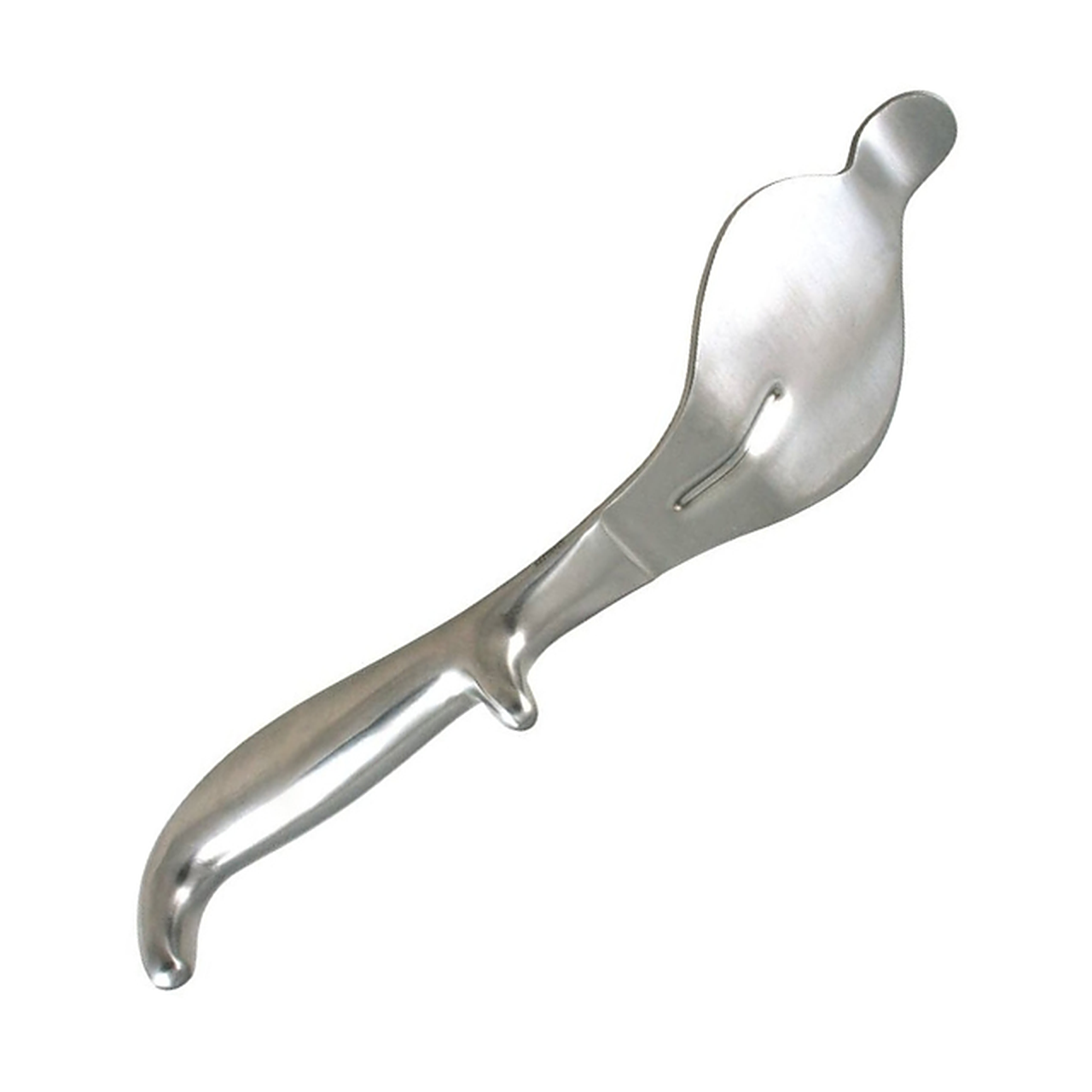 | Bennett Tibia Retractor | Specifically designed to retract bulky muscle and soft tissue away from the tibia during knee arthroplasty and tibial fracture fixation. |
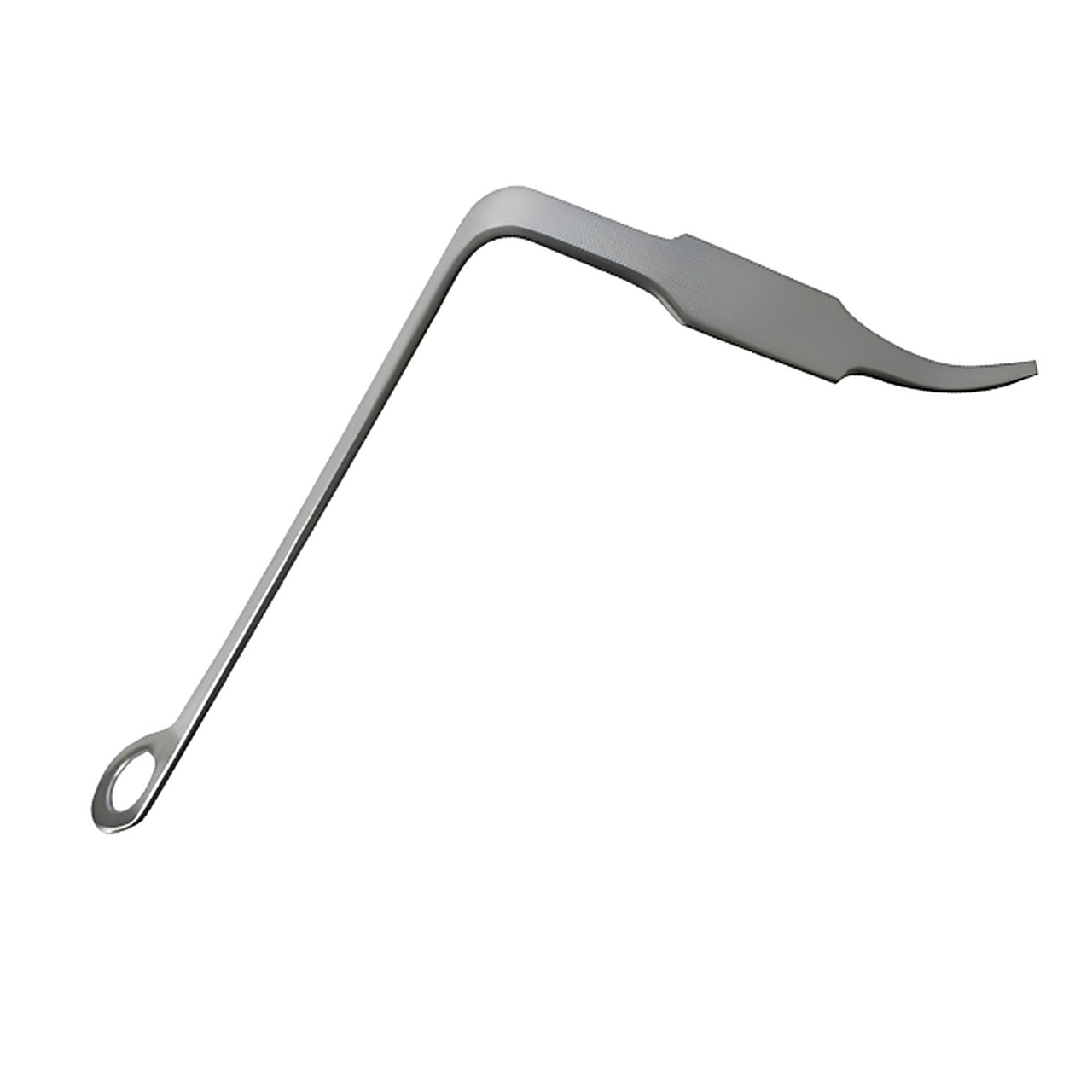 | Bent Hohmann Retractor | Specifically designed to leverage soft tissue and muscle away from bone during hip, knee, and long-bone orthopedic procedures. |
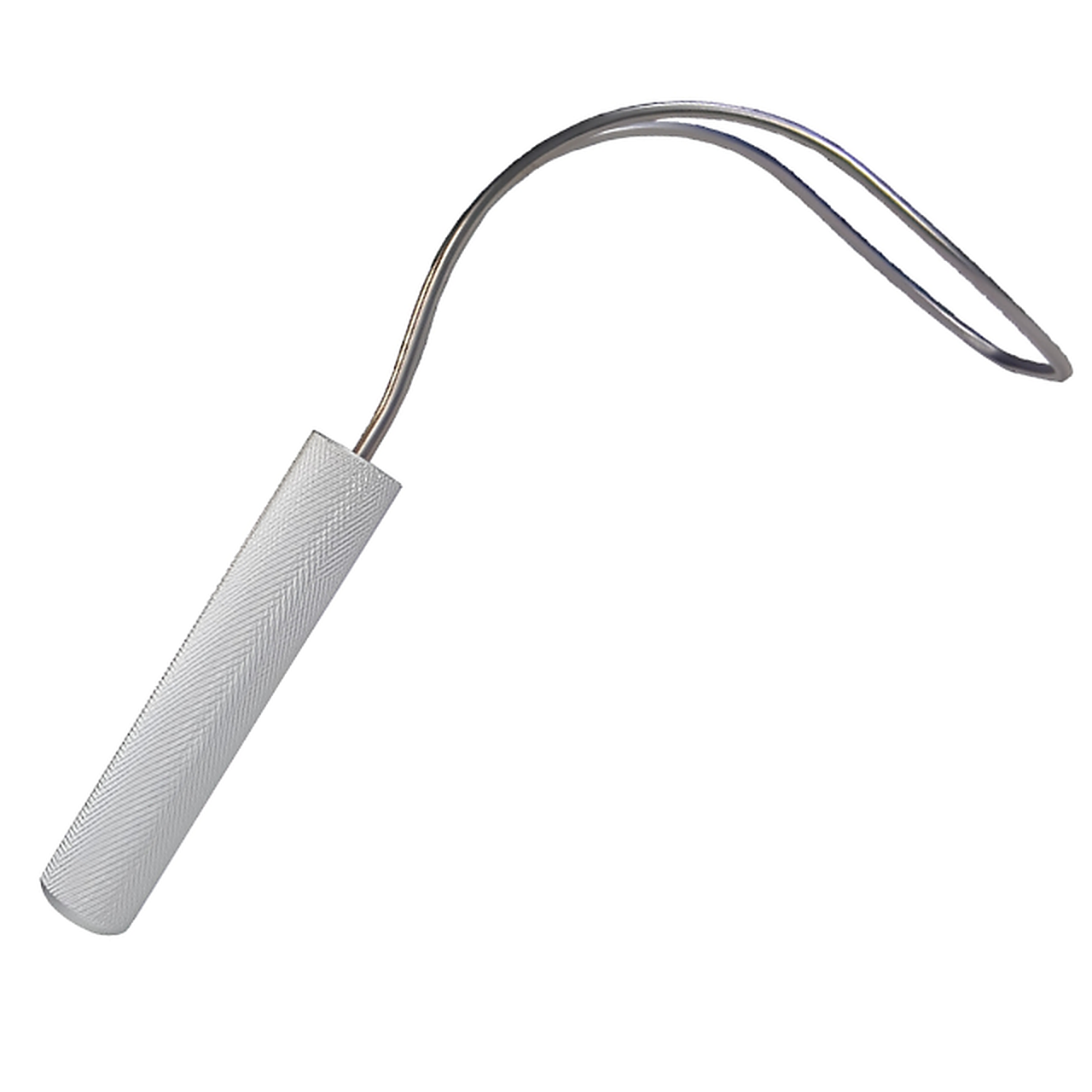 | Biggs Face Lift (Rhytidectomy) Retractor | Specifically designed to elevate facial cutaneous flaps and provide stable exposure during rhytidectomy and aesthetic plastic surgery. |
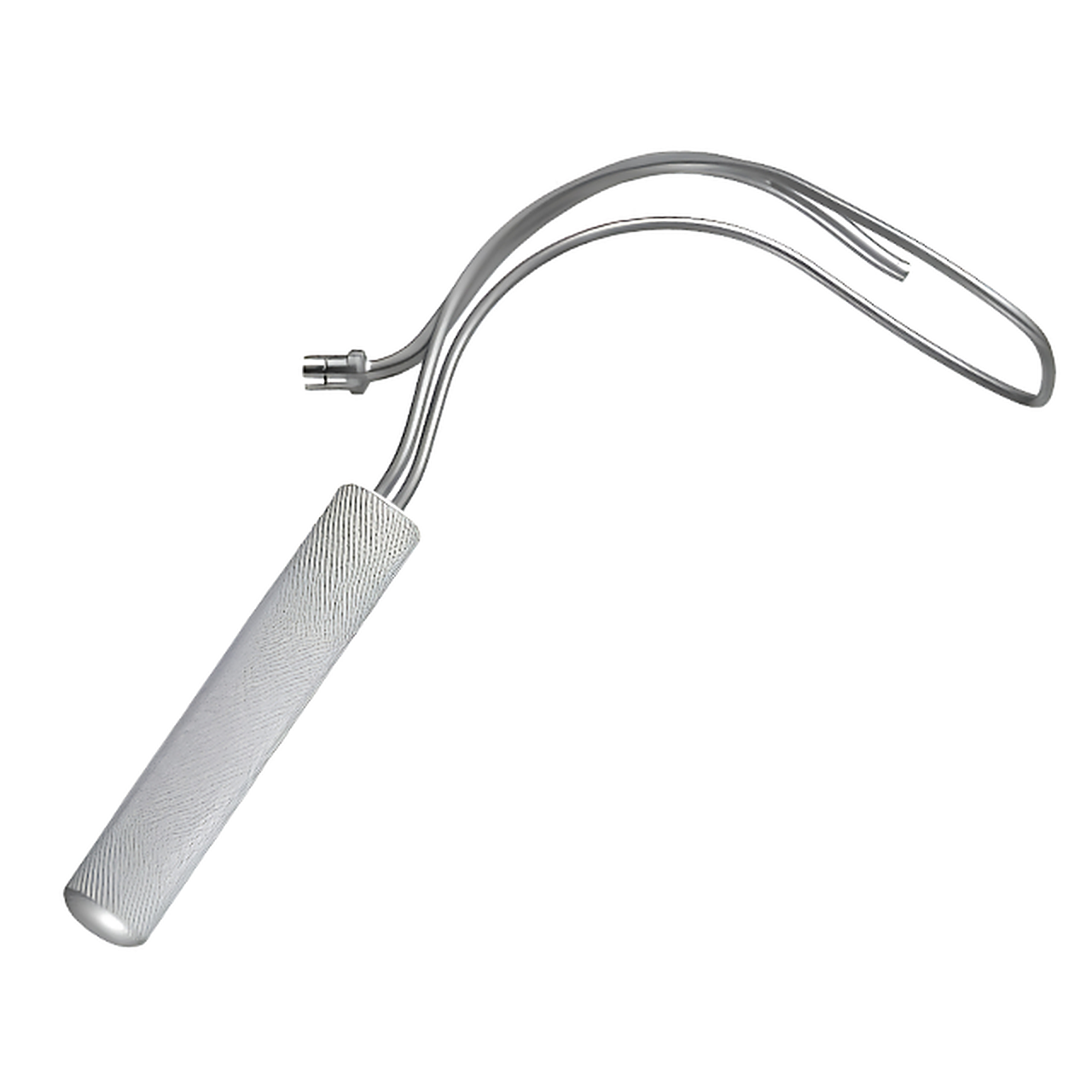 | Biggs Face Lift Retractor, With Fiber optic | Specifically designed to provide illuminated soft-tissue retraction and skin-flap elevation during rhytidectomy and facial plastic surgery. |
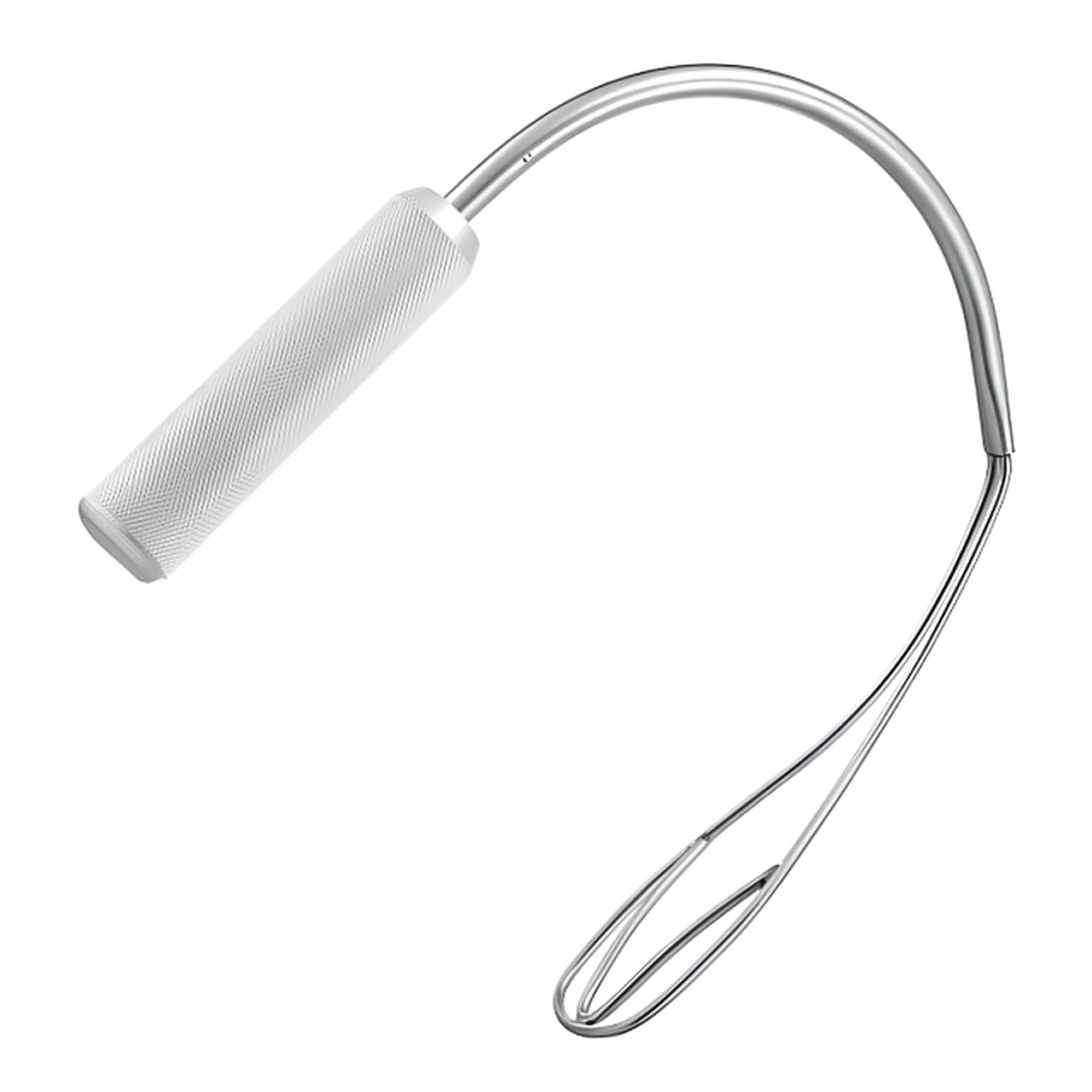 | Biggs Mammaplasty Retractor narrow | Specifically designed to elevate breast parenchyma and pectoral muscle flaps during mammaplasty and breast reconstruction. |
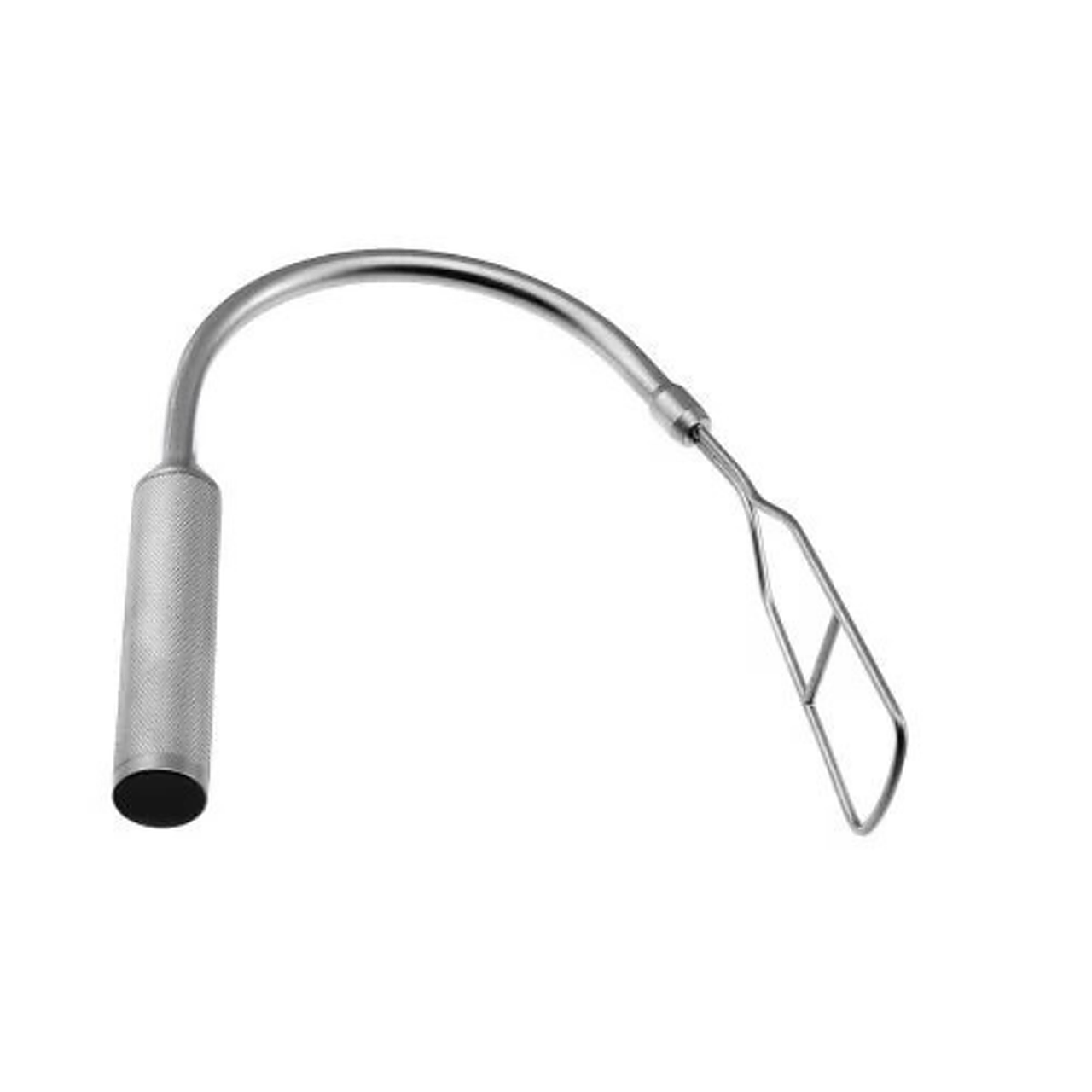 | Biggs Mammaplasty Retractor standard | Specifically designed to elevate breast parenchyma and pectoral muscle flaps during mammaplasty and breast reconstruction. |
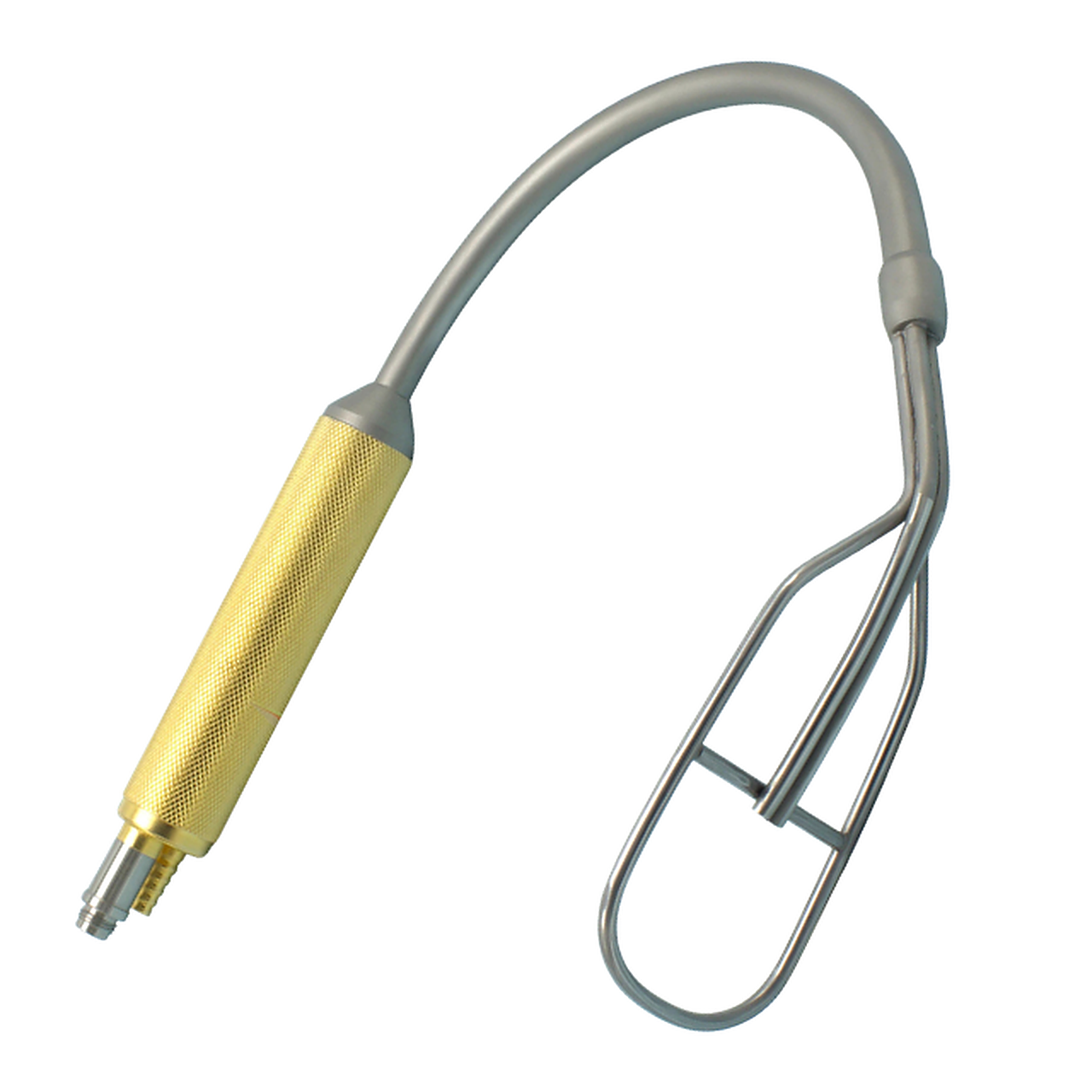 | Biggs Mammaplasty Retractor, Fiber Optics | Specifically designed to provide illuminated soft-tissue retraction, smoke evacuation, and pocket visualization during mammaplasty. |
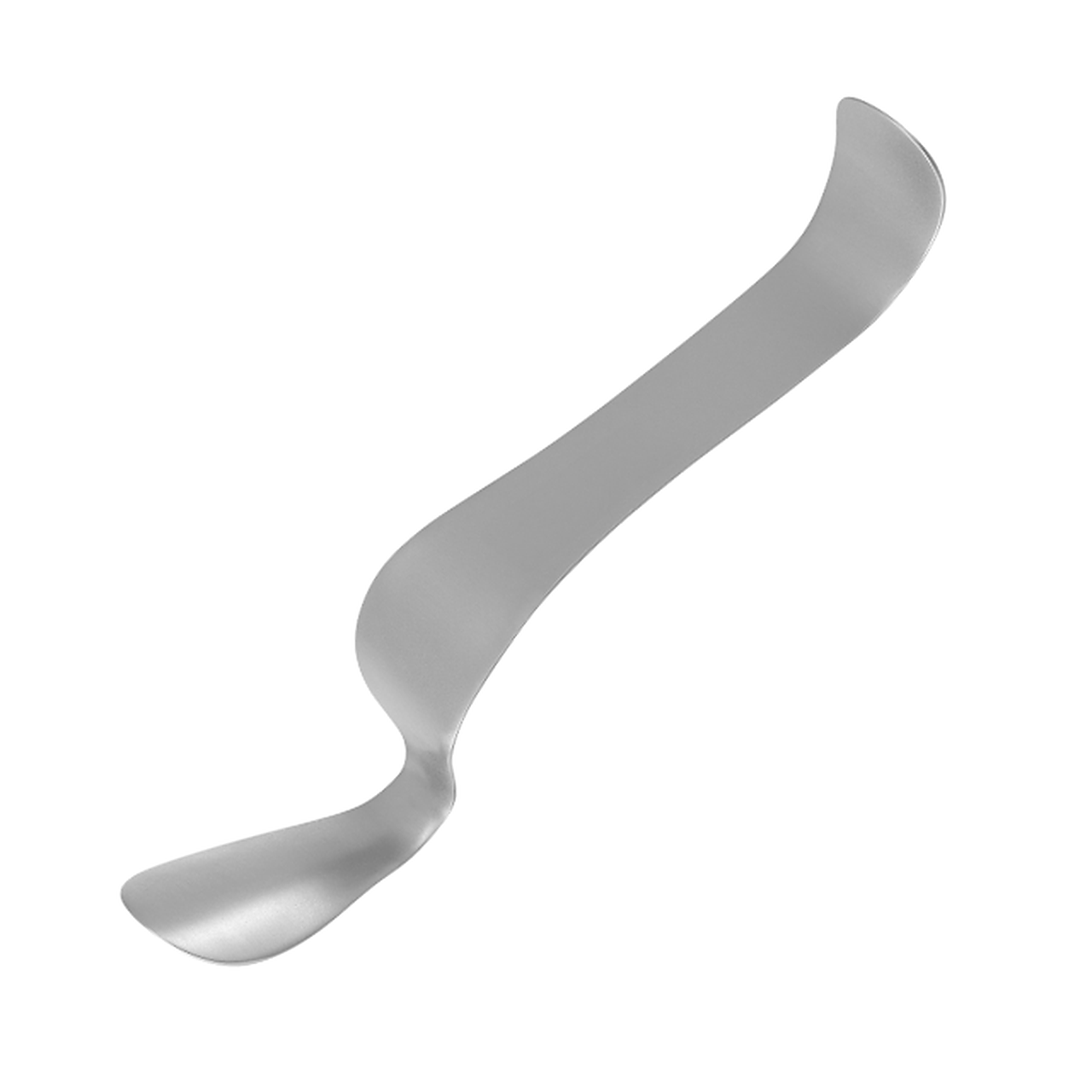 | Bishop Lip And Cheek Retractor | Specifically designed to retract and protect lips, cheeks, and buccal mucosa during intraoral and dental surgical procedures. |
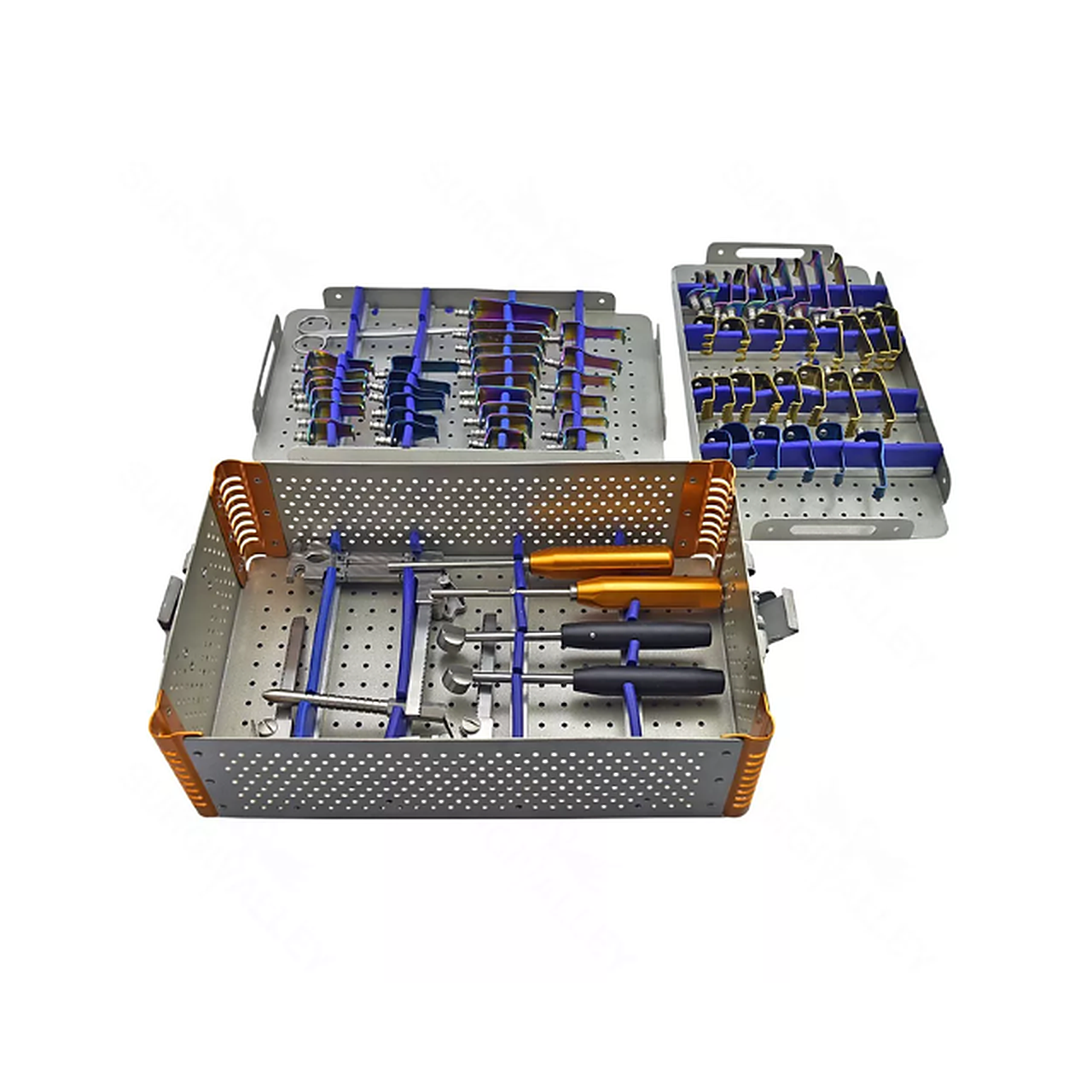 | Black Belt Cervical Retractor System | Specifically engineered to provide controlled tissue retraction and precise surgical exposure during cervical spine procedures. |
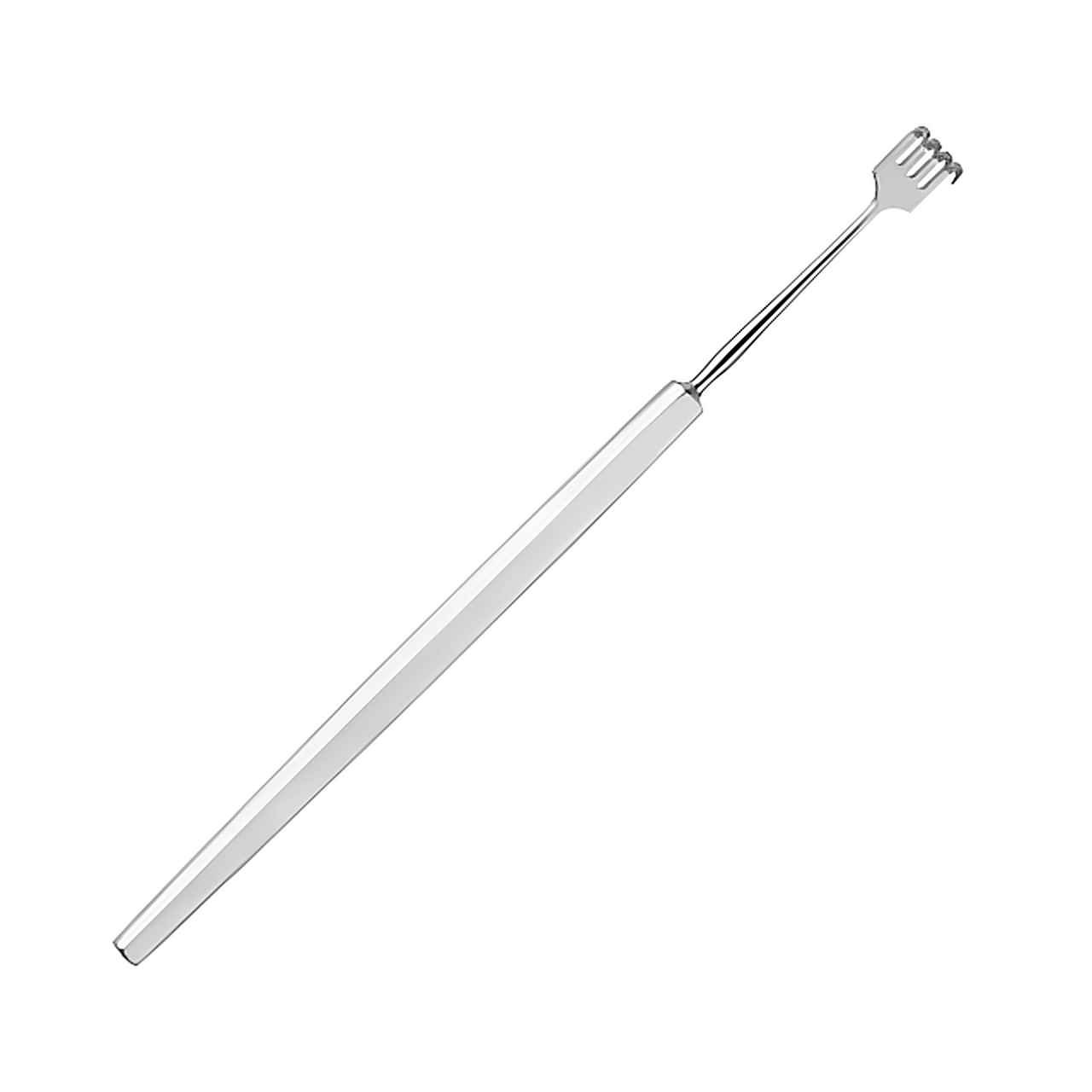 | Blair Finger Retractor | Specifically engineered for delicate skin flap elevation, soft-tissue retraction, and wound margin stabilization in plastic and hand surgery. |
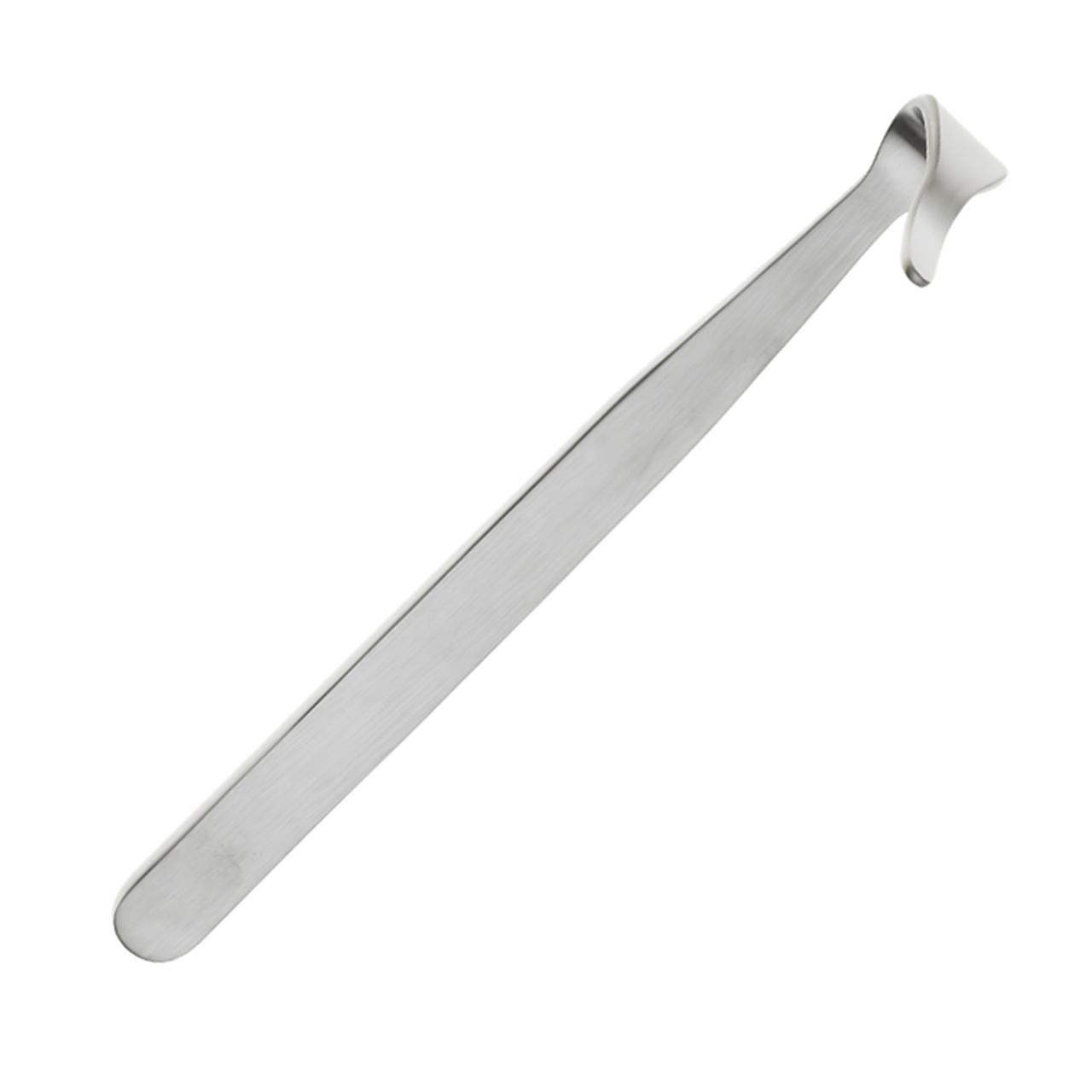 | Blount Knee Retractor | Specifically engineered to retract collateral ligaments and soft tissue during knee arthroplasty and reconstructive knee procedures. |
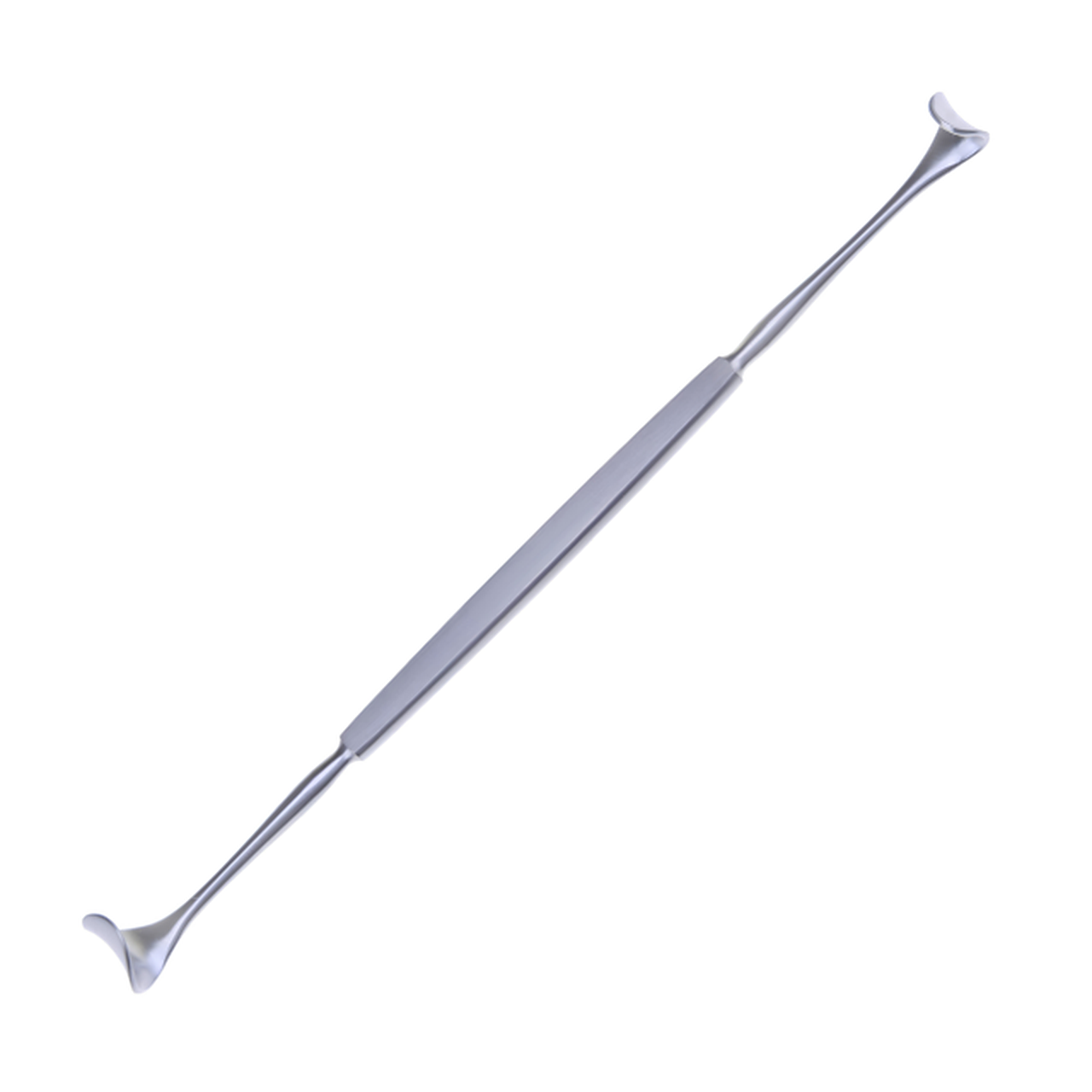 | Boley Retractor | Designed to provide manual soft-tissue and wound margin retraction across general, plastic, and orthopedic procedures. |
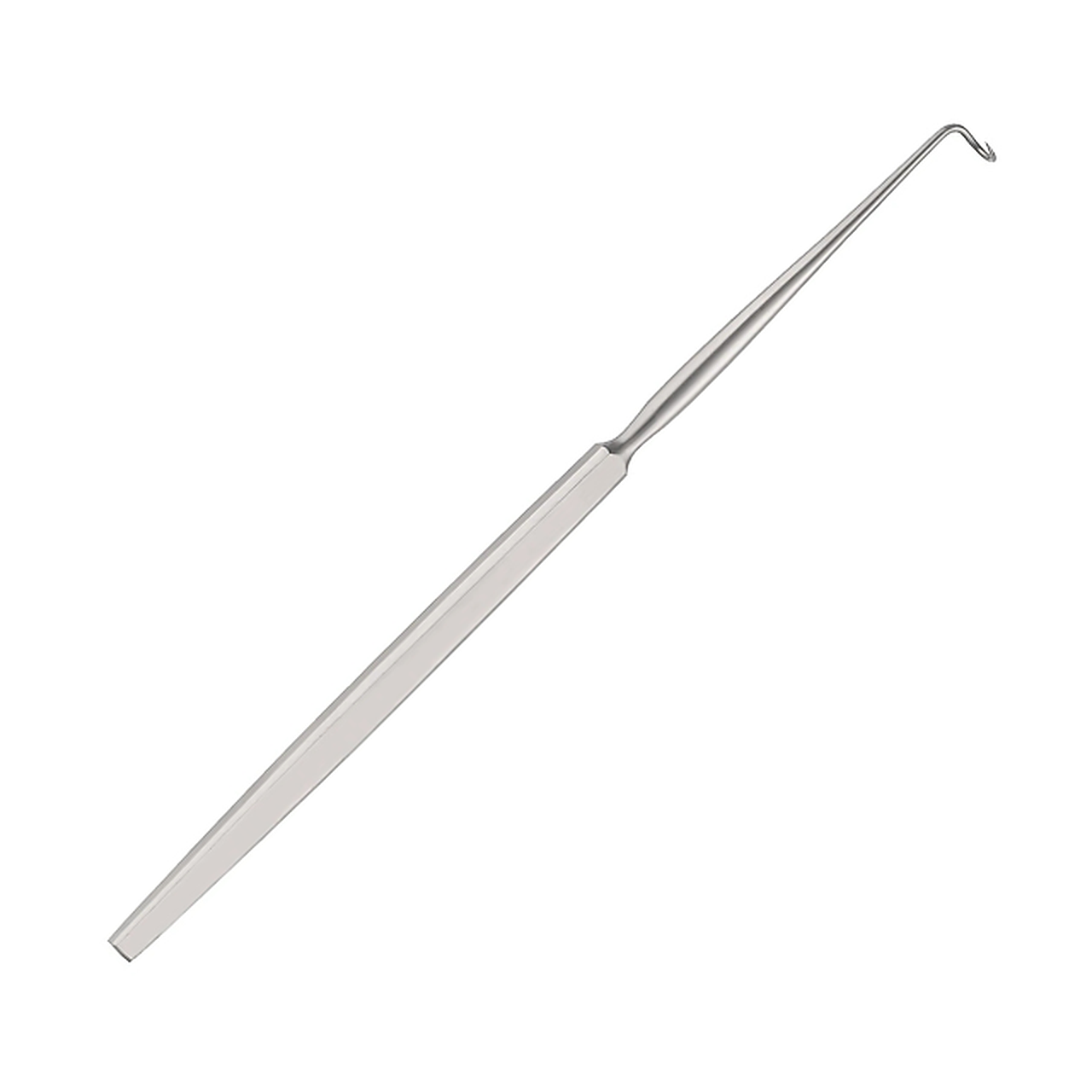 | Bose Tracheal Retractor | Specifically engineered to retract pretracheal tissues and stabilize tracheal cartilages during tracheostomy procedures. |
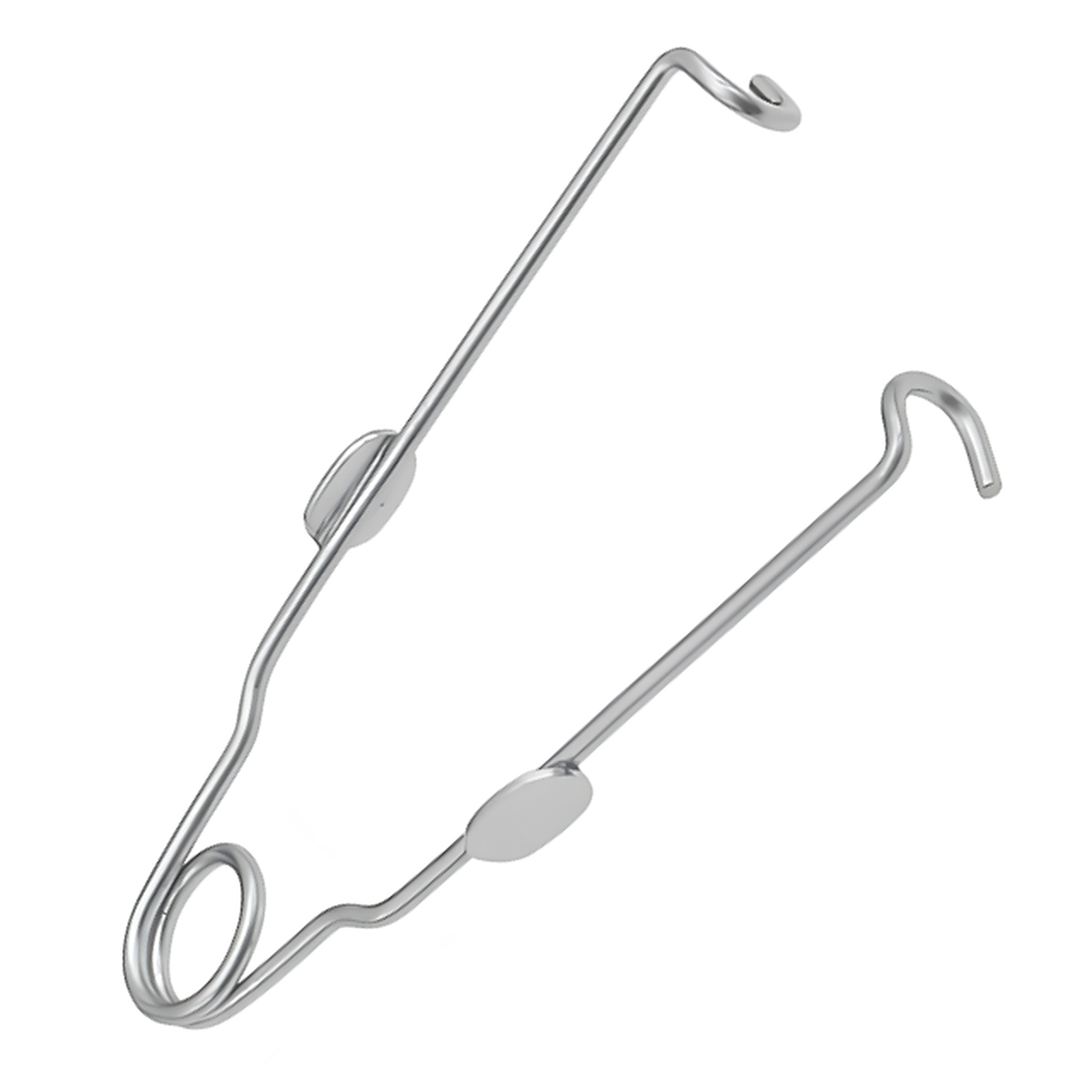 | Bose Tracheal Retractor Spring Type | Specifically designed to provide spring-assisted, self-retaining retraction and stabilization of tracheal margins during tracheostomy. |
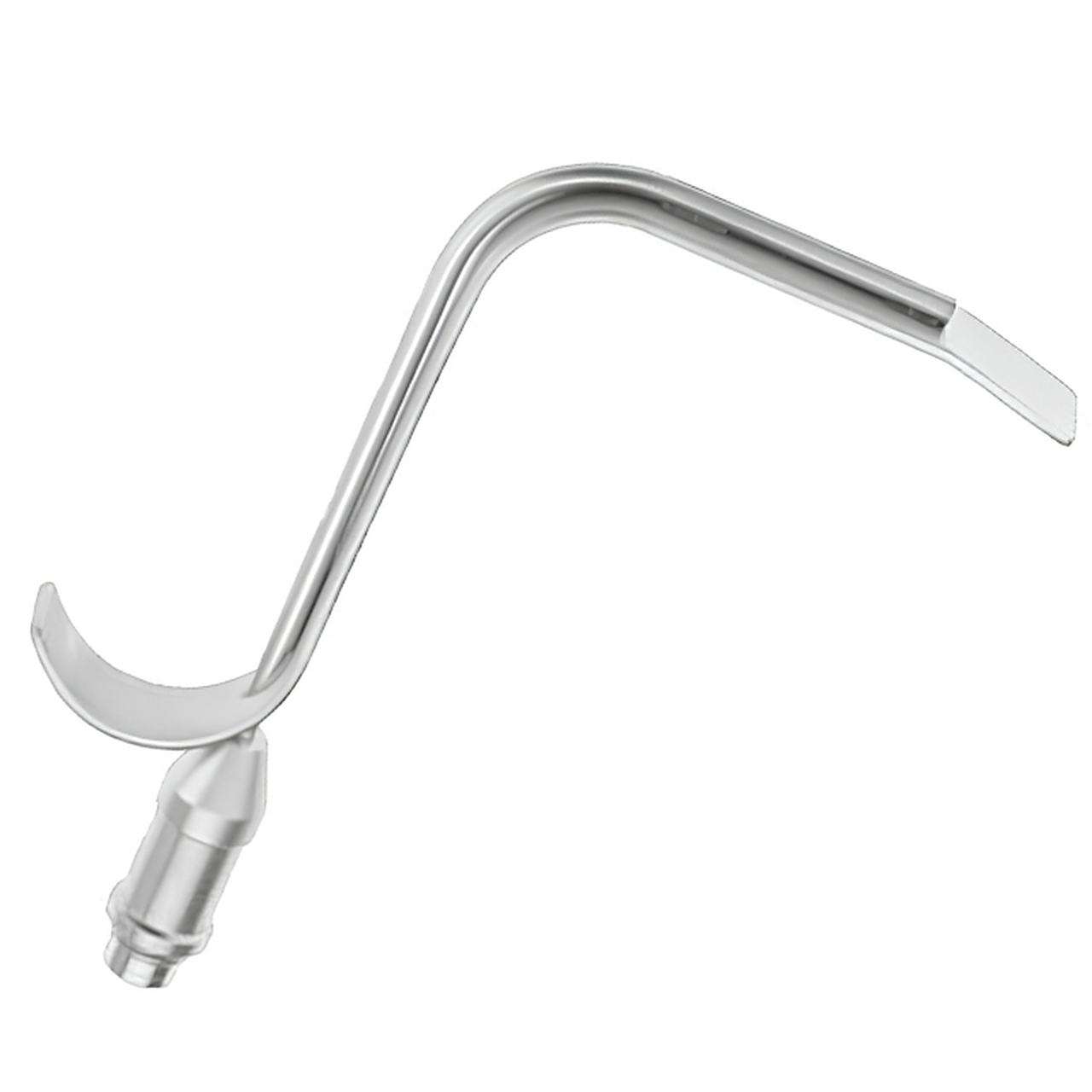 | Breast Engler Retractor | Specifically engineered to illuminate deep surgical cavities and elevate tissue flaps during breast augmentation and reconstruction. |
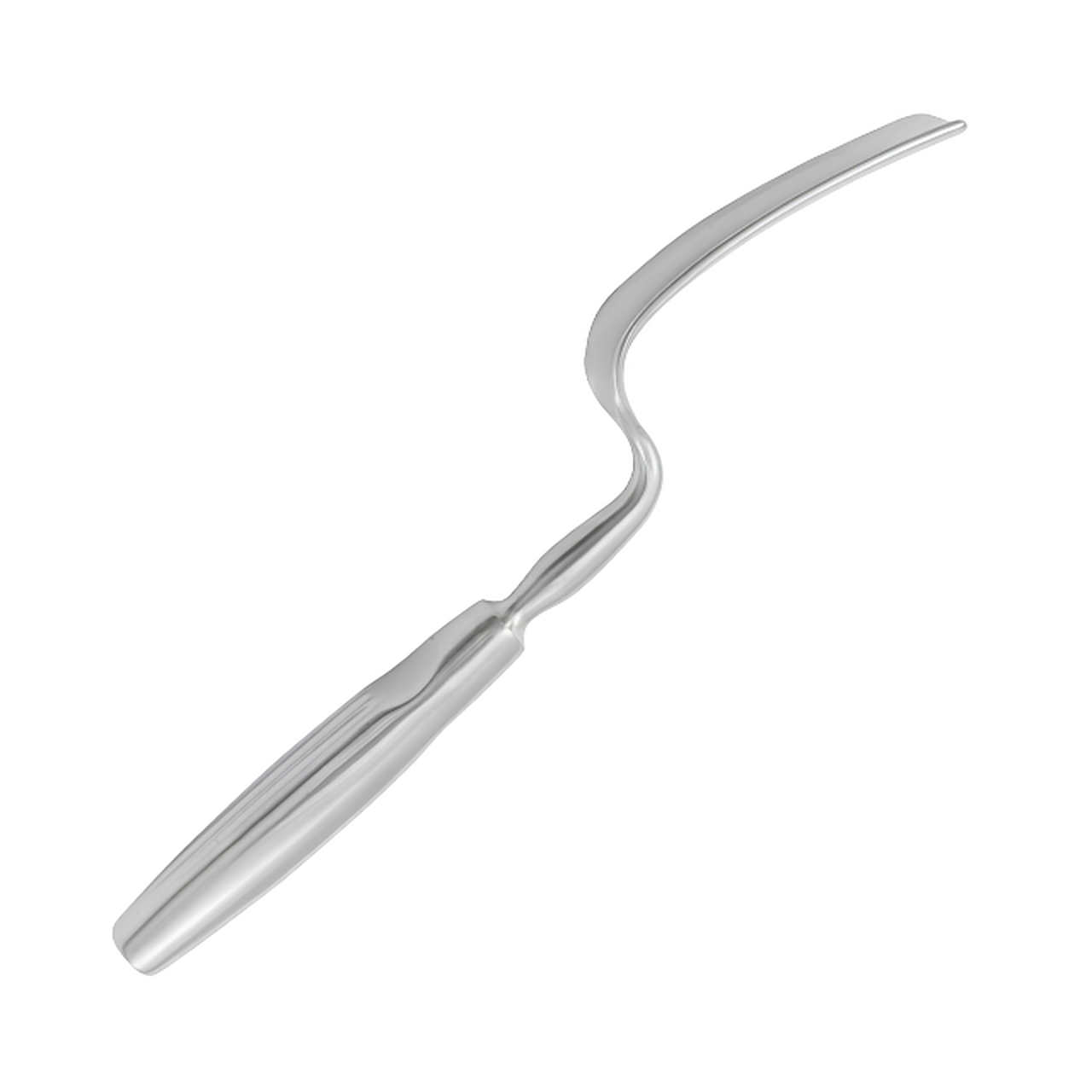 | Breisky Vaginal Retractor | Specifically designed to retract the vaginal walls and provide deep pelvic visualization during gynecological interventions. |
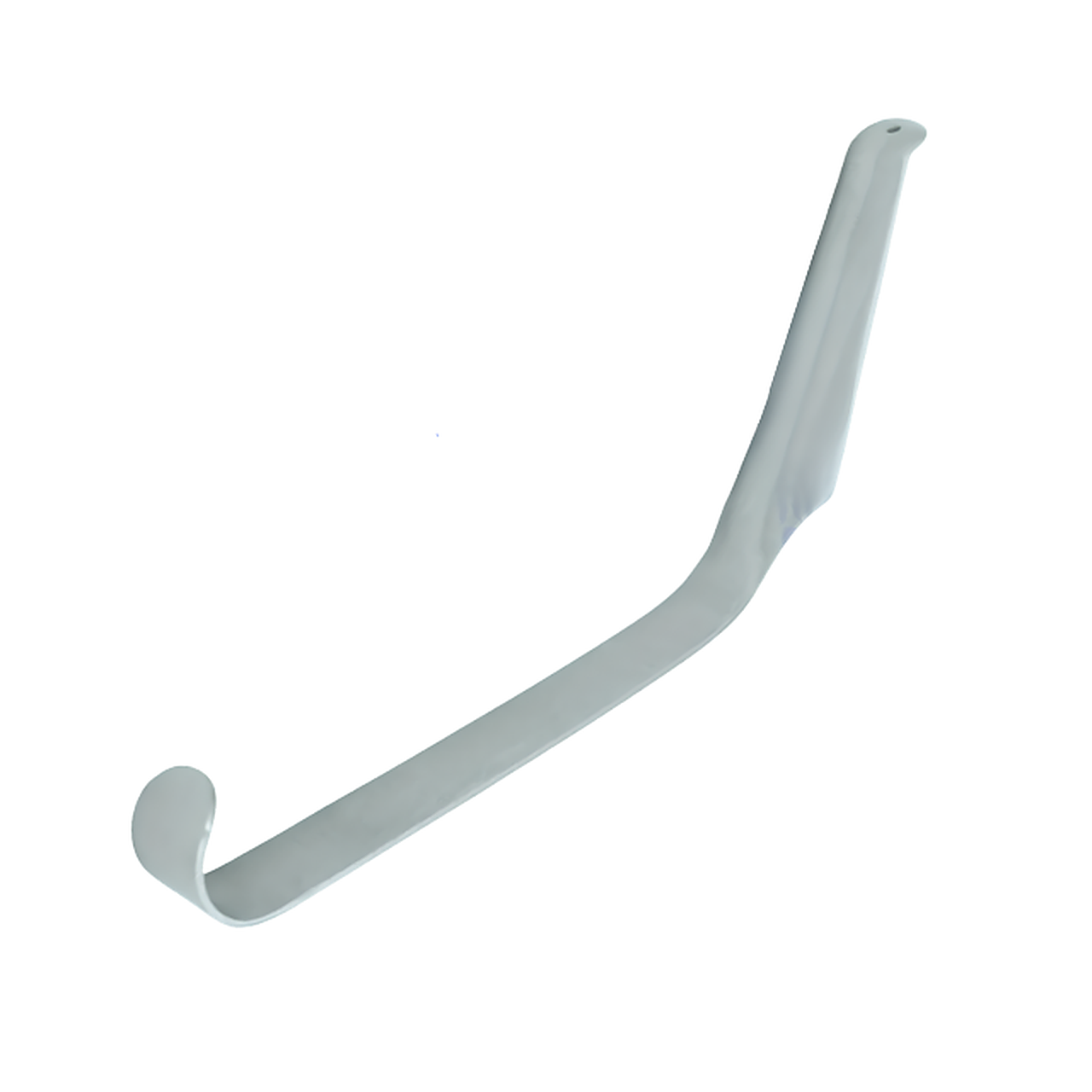 | Bremerich Mandibular Channel Retractor | Specifically designed to retract mucoperiosteal tissue and protect neurovascular structures along the mandibular border during ramus surgery. |
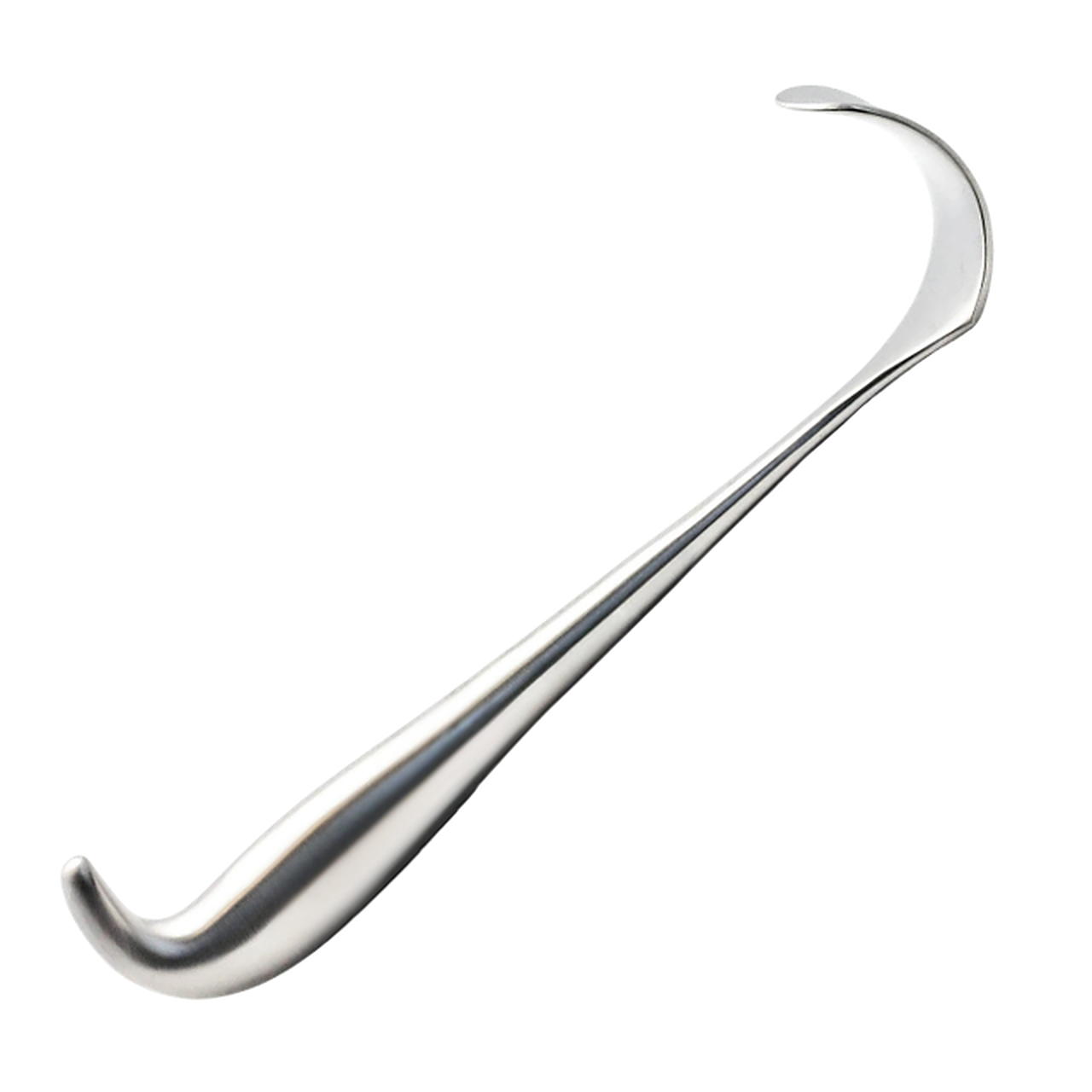 | Brewster Retractor | Specifically designed to retract muscle, fascia, and soft tissue during general, abdominal, and reconstructive surgery. |
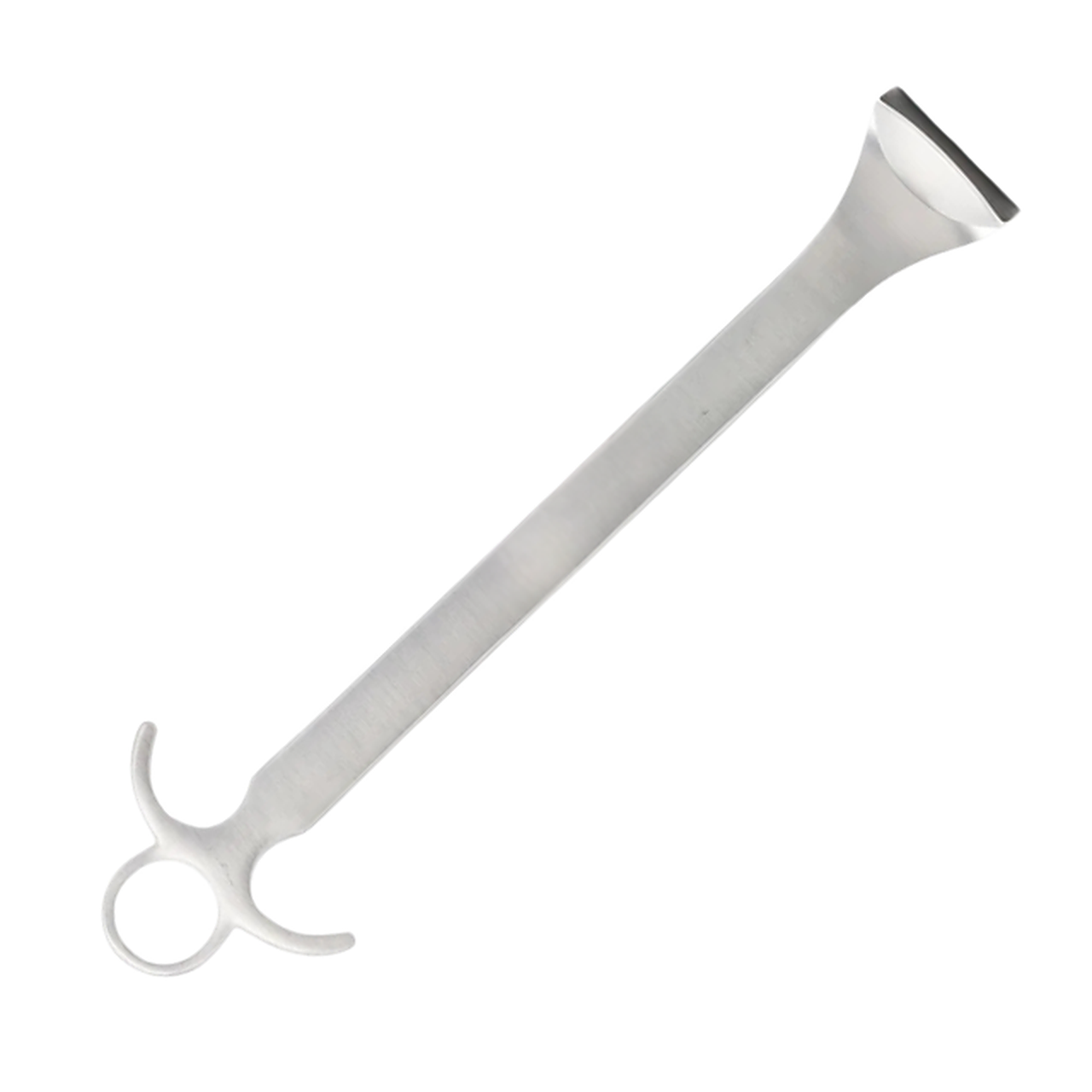 | Browne Deltoid Retractors | Specifically designed to retract the deltoid muscle and soft tissue during total shoulder arthroplasty and humeral fracture repair. |
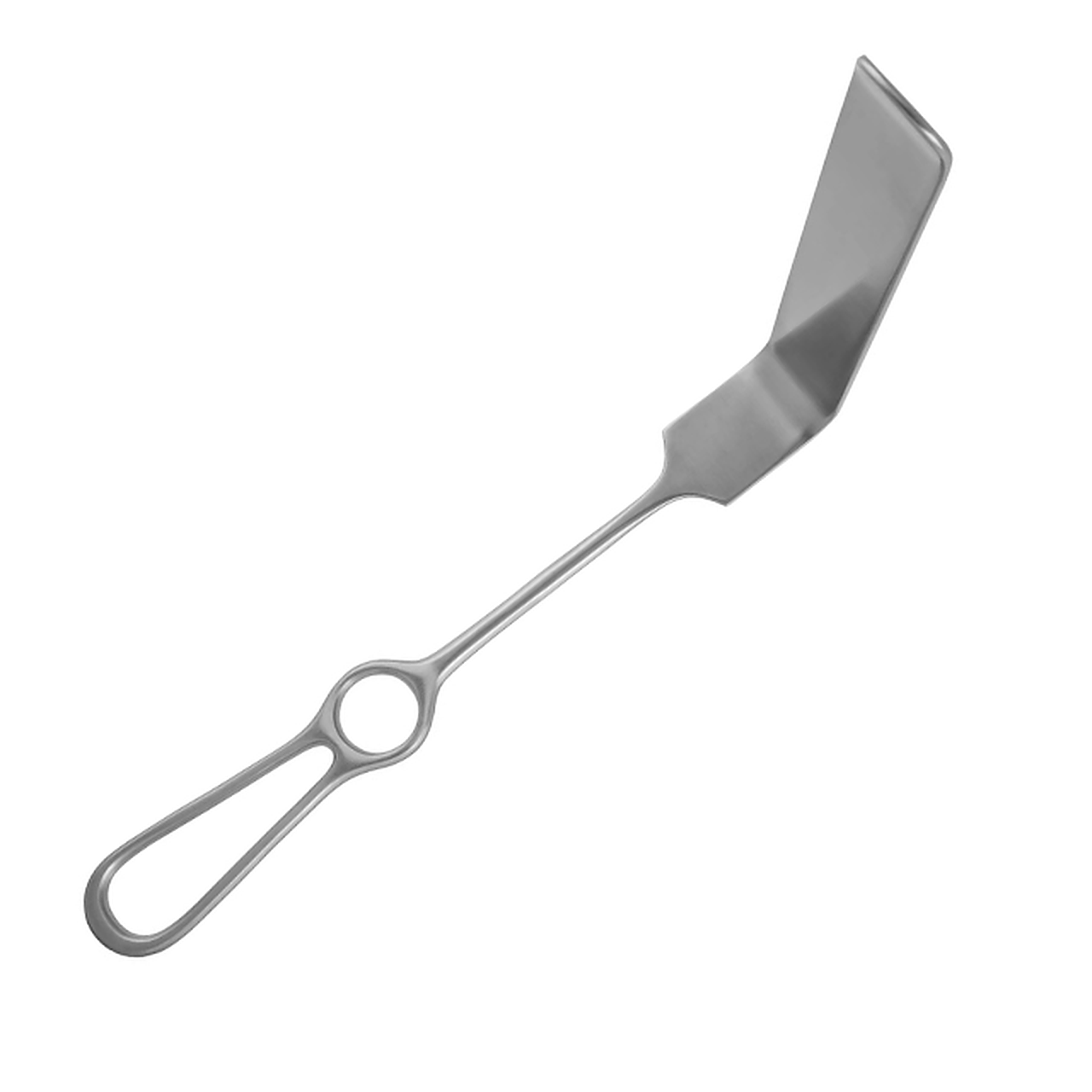 | Brunner Retractor | Specifically designed to retract muscle, viscera, and deep soft tissue during abdominal, pelvic, and thoracic surgery. |
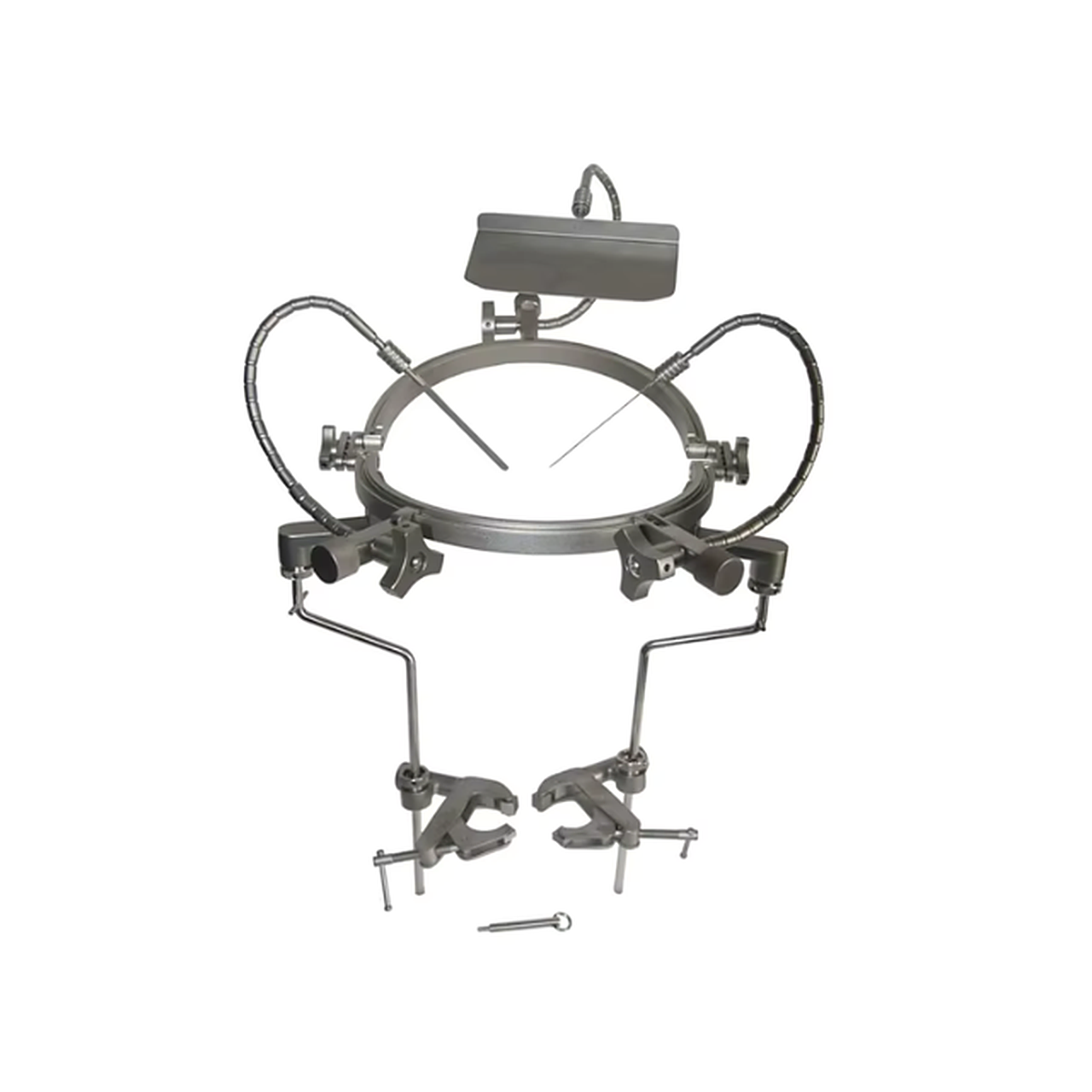 | Budde Halo Retractor | Specifically designed to attach directly to Mayfield Skull Clamps or operating table side rails, providing stable, hands-free brain tissue retraction and an integrated handrest for surgeon forearm support during delicate intracranial and posterior fossa procedures. |
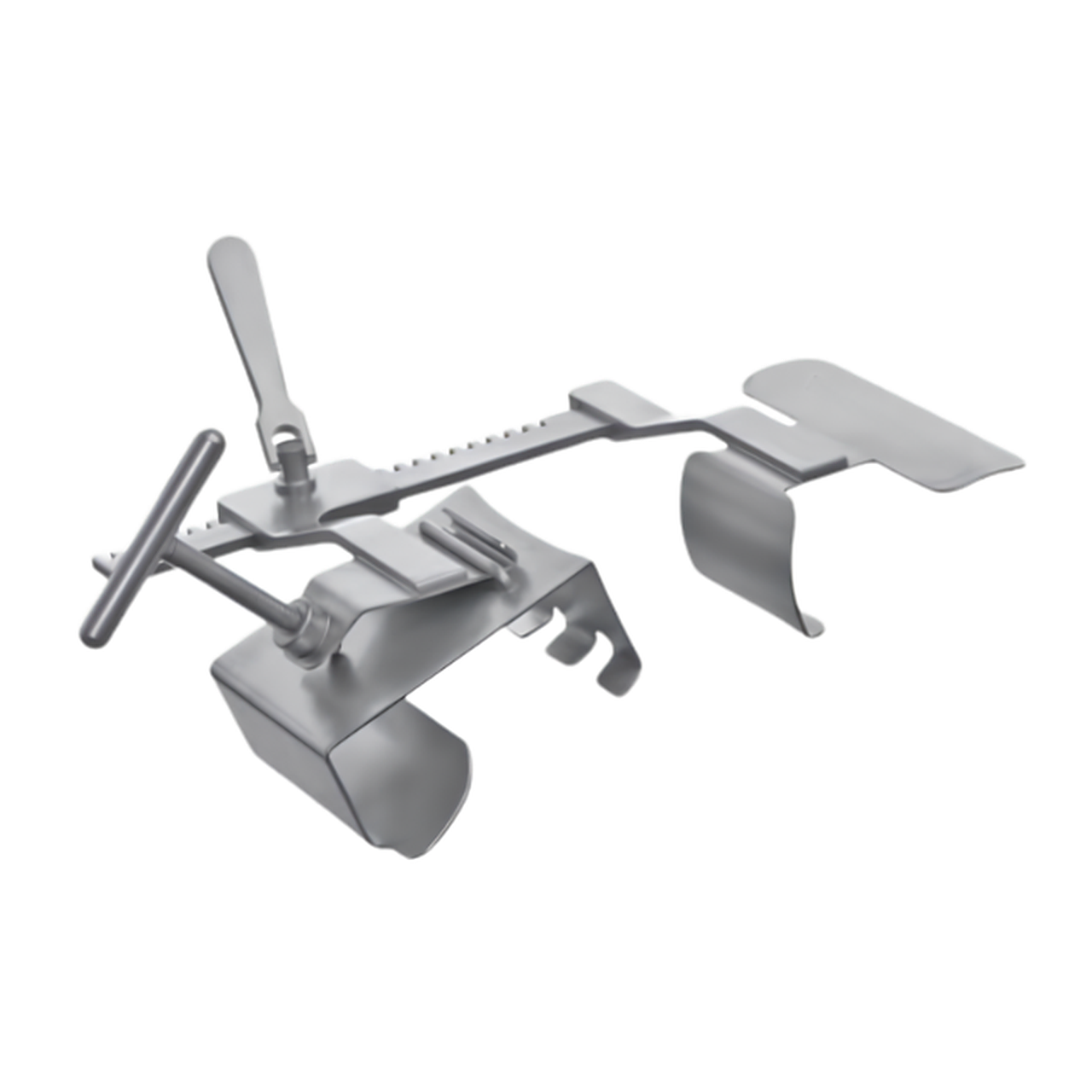 | Bugge Takedown I.M.A Mammaria Retractor | Specifically designed for unilateral sternal and chest wall elevation during internal mammary artery harvesting. |
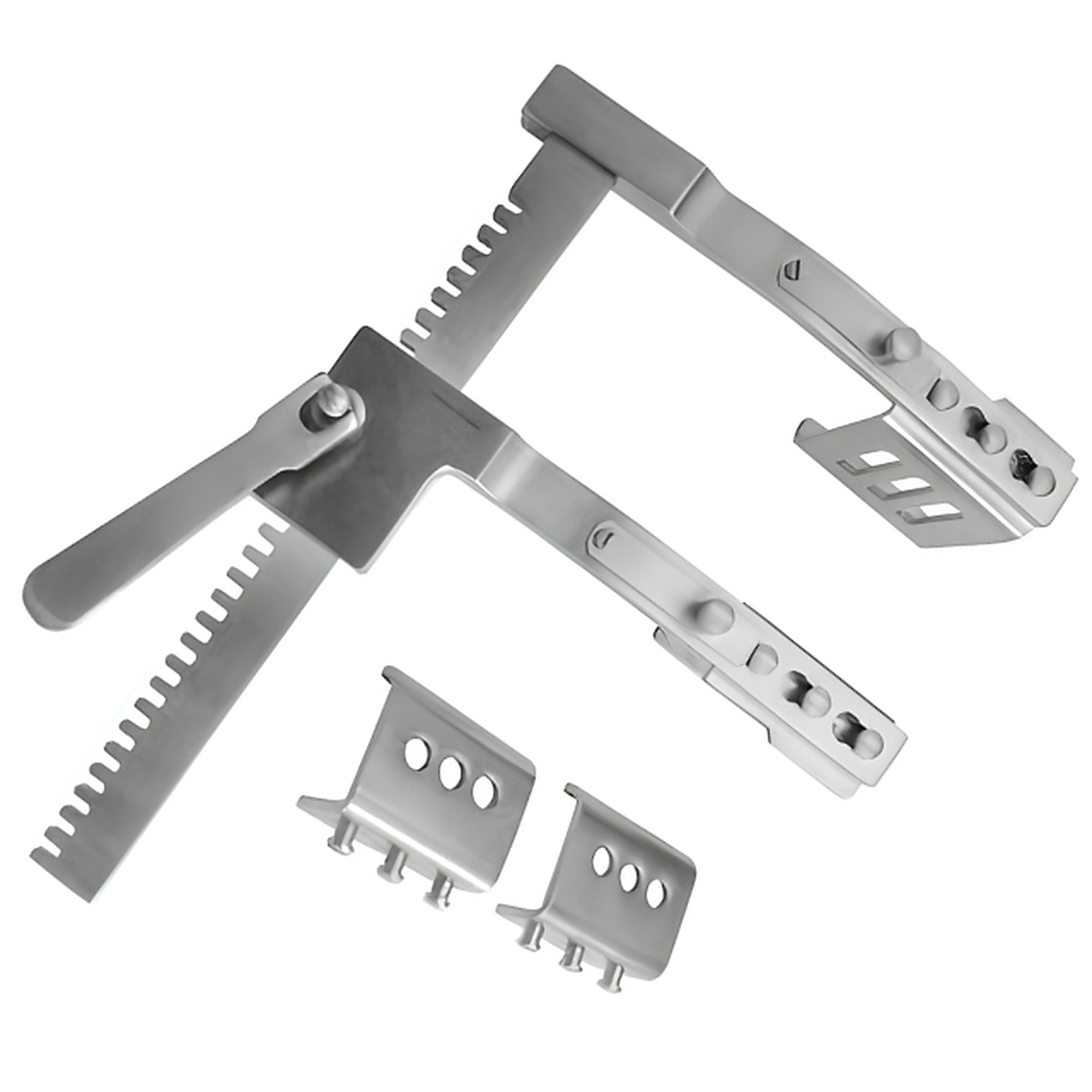 | Burford Rib Spreader | Specifically designed to separate adjacent ribs and expand the intercostal space during open thoracotomy. |
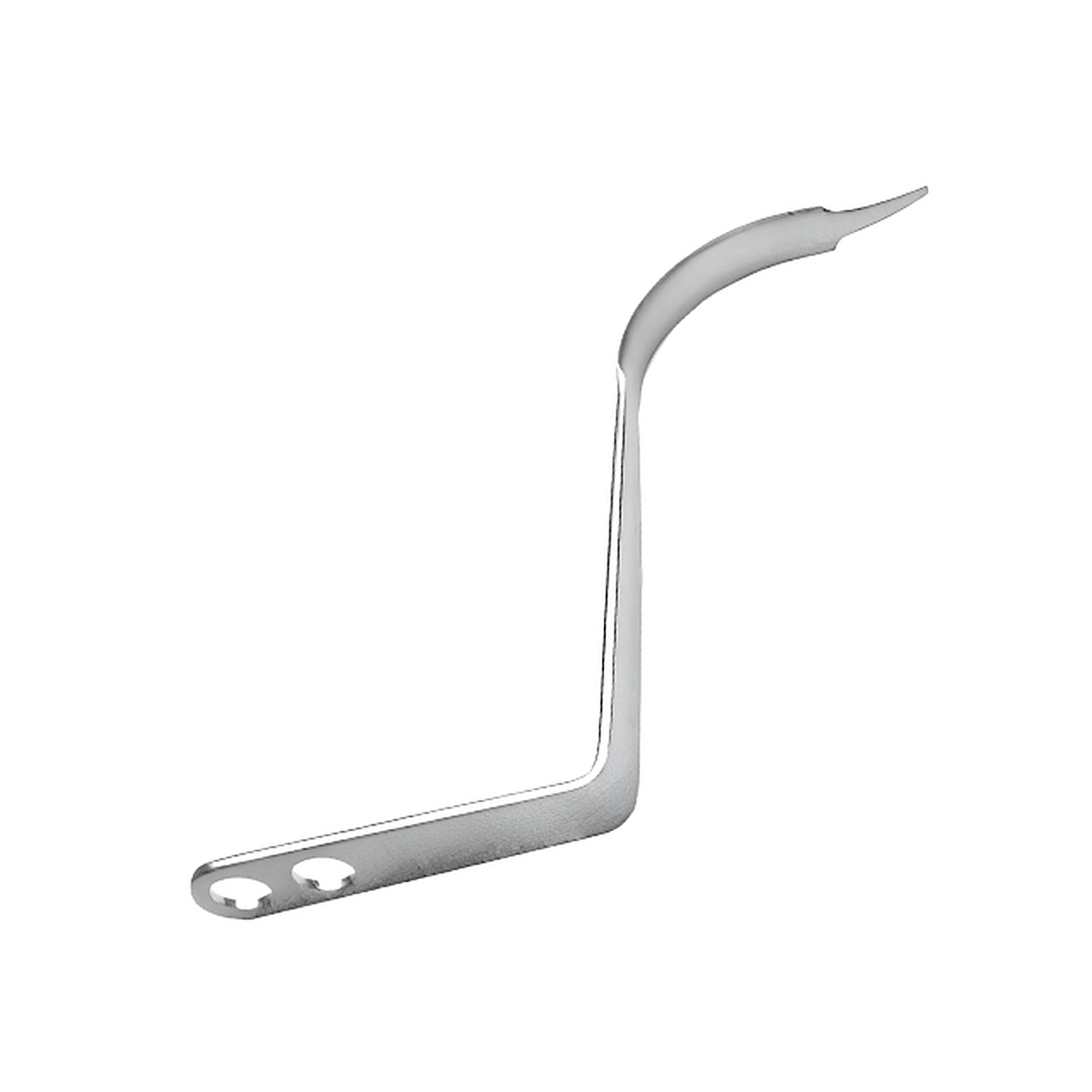 | C Retractors | Specifically engineered to leverage muscle and soft tissue away from bone during hip arthroplasty, pelvic osteotomy, and trauma reconstruction. |
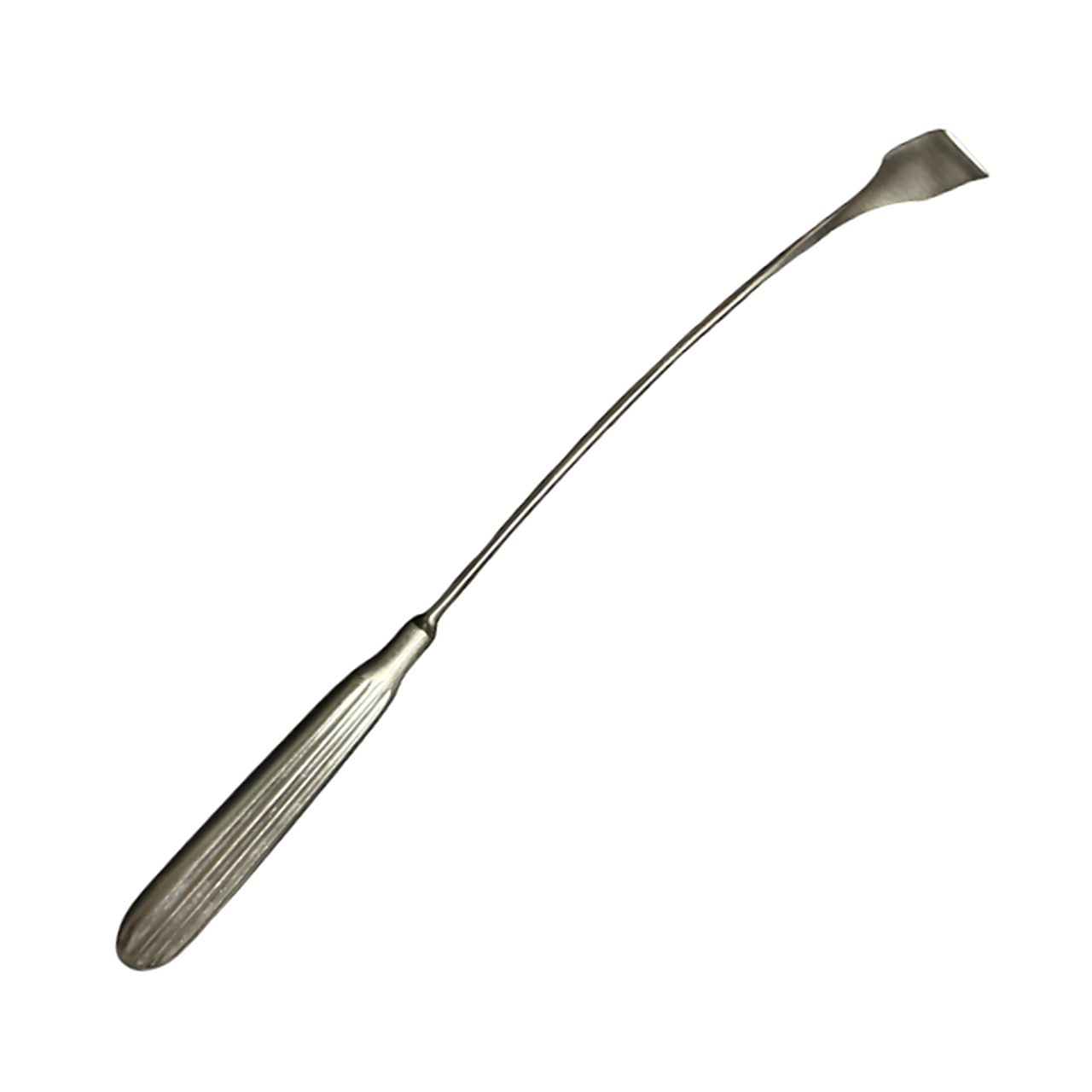 | Campbell Nerve Root Retractor | Specifically engineered to retract and protect spinal nerve roots and the thecal sac during discectomy and laminectomy procedures. |
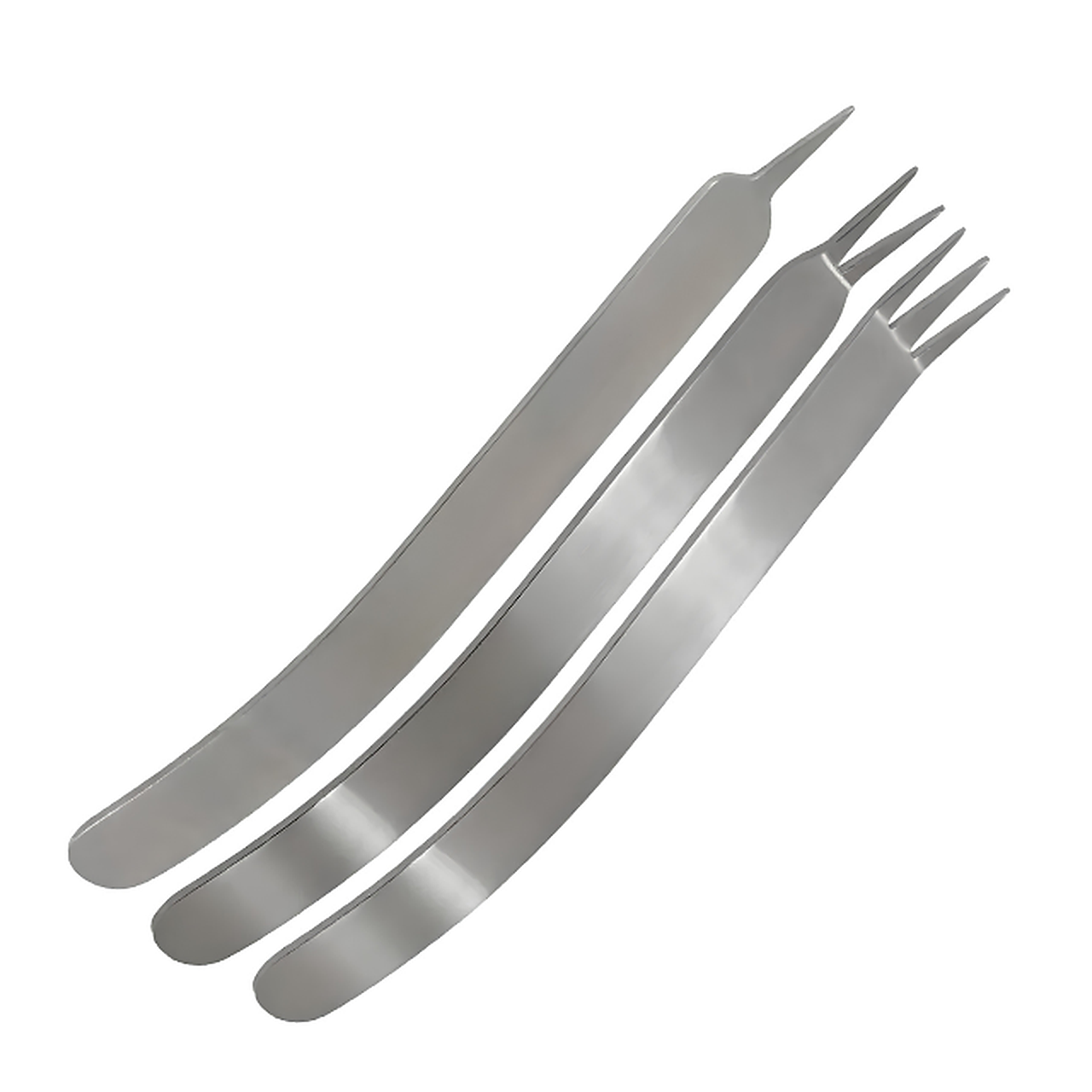 | Capsule Retractors | Specifically designed to retract fibrous joint capsules, ligaments, and soft tissue during hip, knee, and shoulder arthroplasty. |
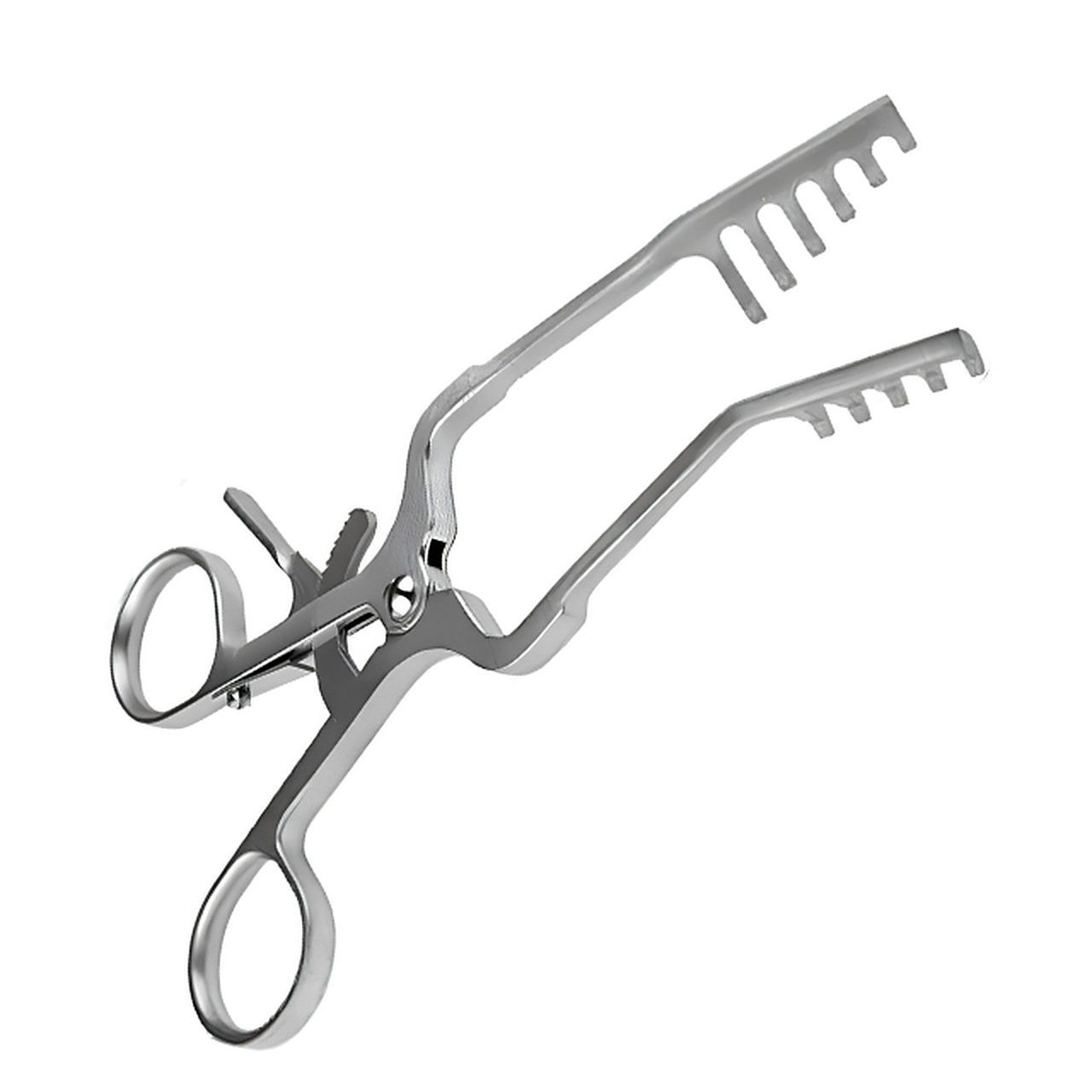 | Carpal Tunnel Self-Retaining Retractor | Specifically designed to provide self-retaining tissue retraction and median nerve visualization during open carpal tunnel release surgery. |
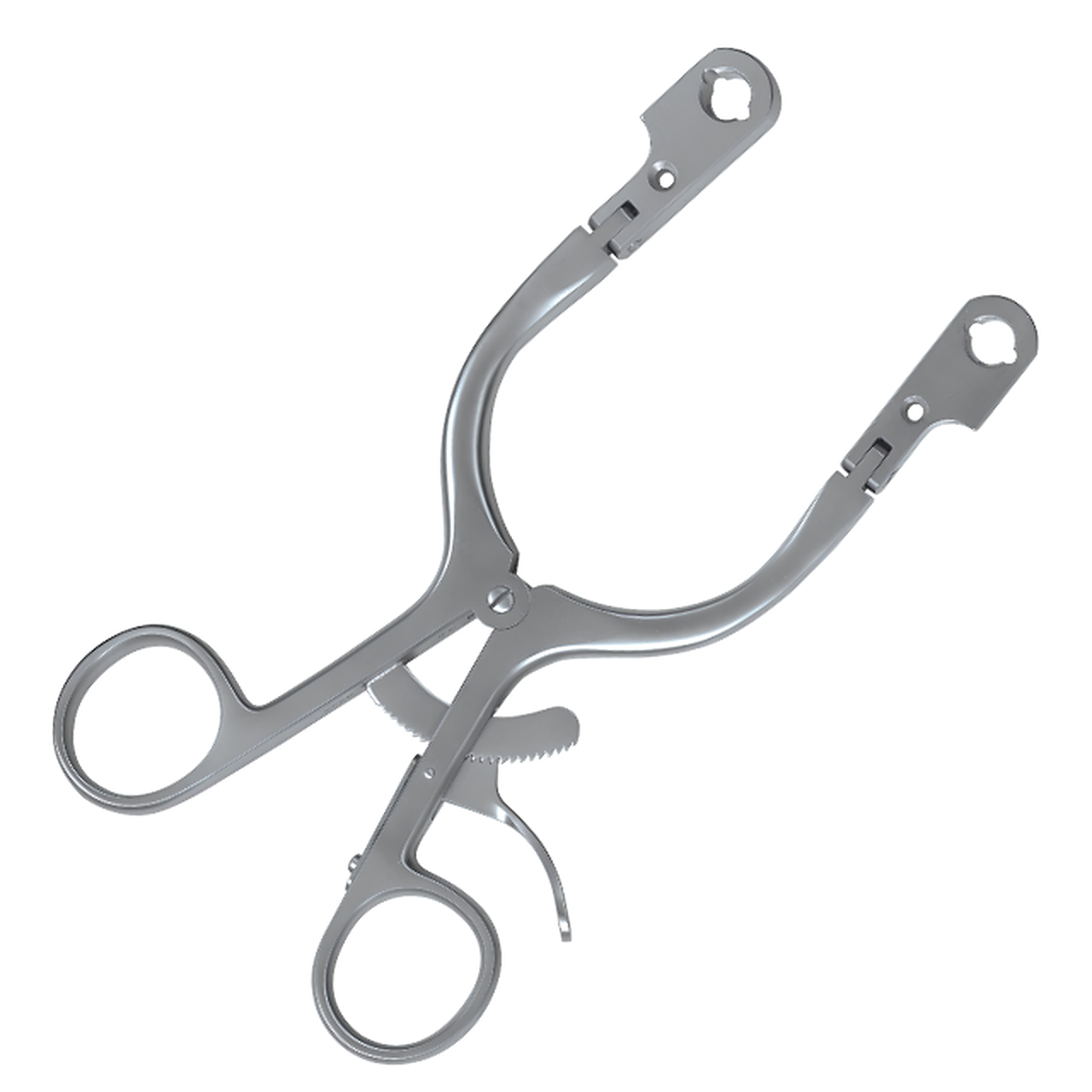 | Caspar Cervical Retractor With Ratchet | Specifically designed to provide self-retaining soft-tissue retraction and vertebral exposure during anterior cervical discectomy and fusion (ACDF). |
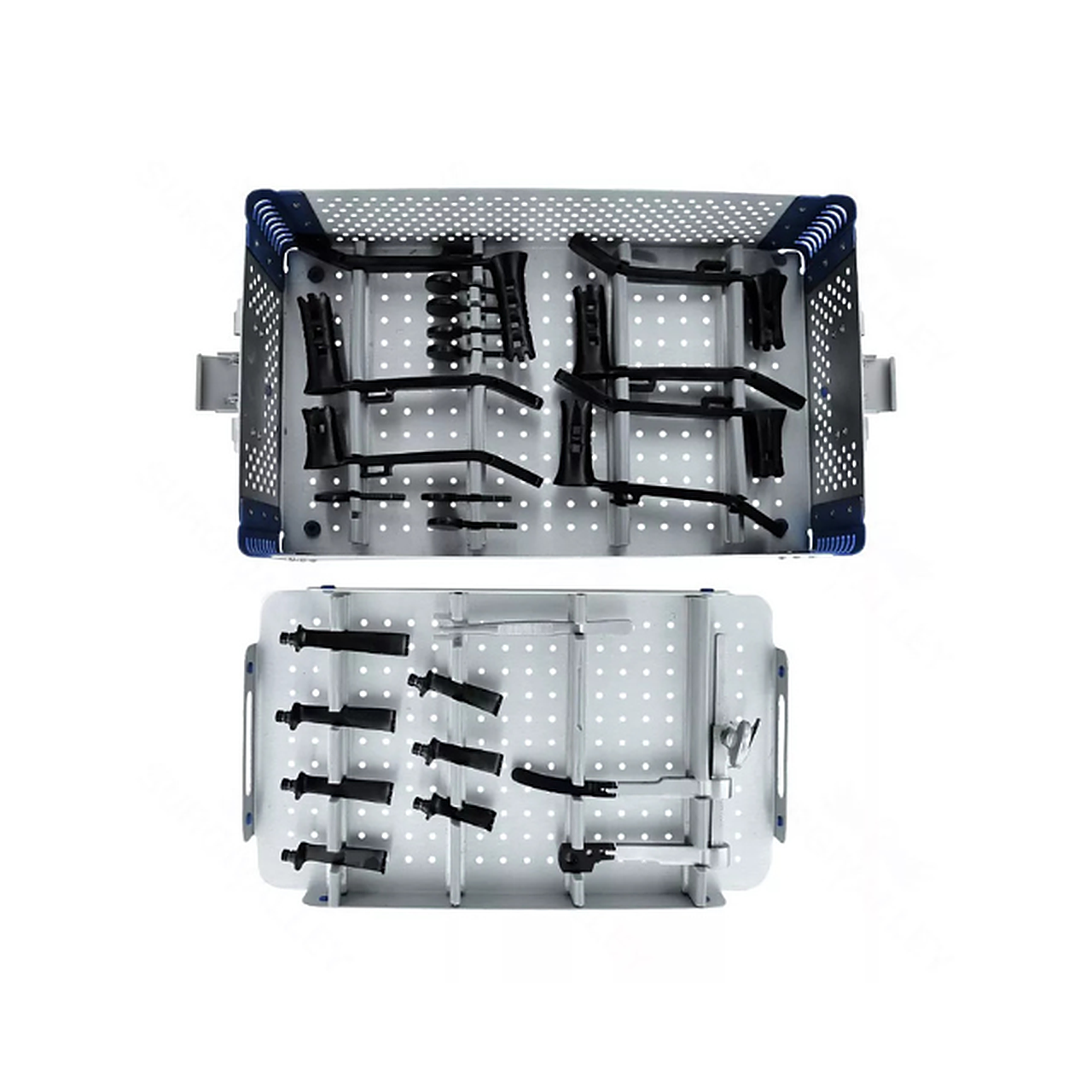 | Caspar Lumbar Microdiscectomy Retractor System | Specifically engineered to provide stable tissue retraction and surgical exposure during microsurgical lumbar discectomy procedures. |
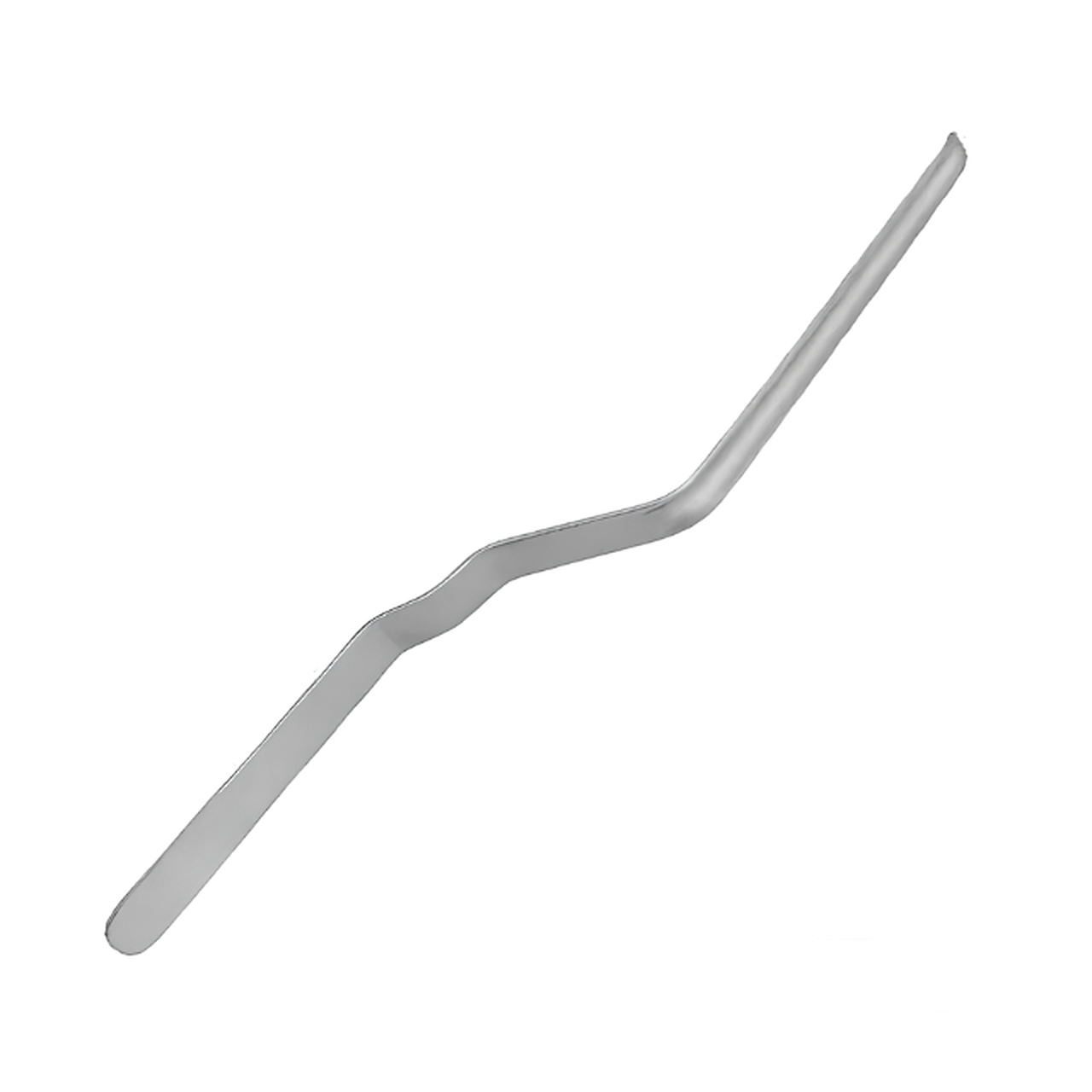 | Caspar Nerve Root Retractors | Specifically engineered to mobilize, cradle, and shield spinal nerve roots and the thecal sac during microsurgical lumbar discectomy. |
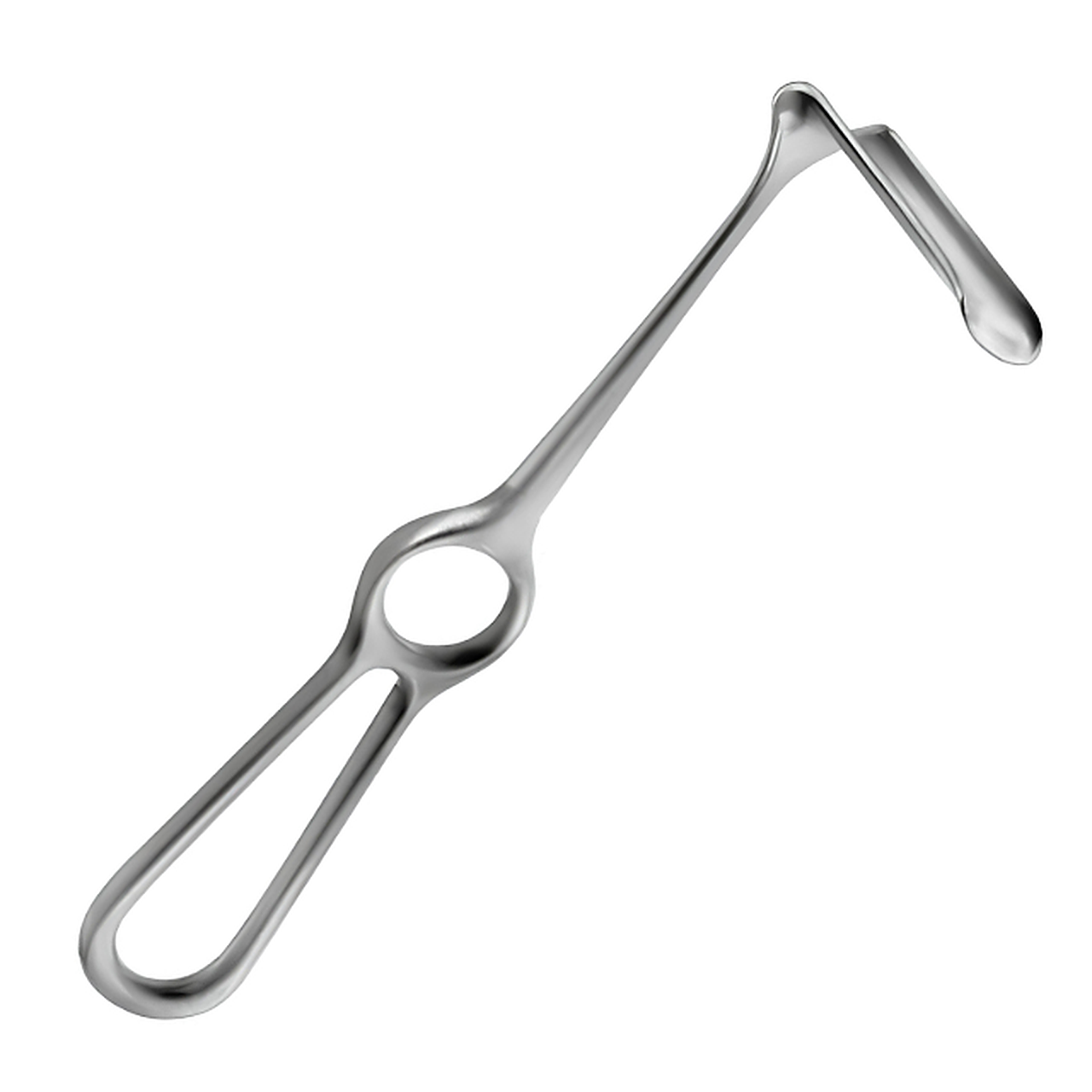 | Caspar Retractor | Specifically designed to retract muscle, fascia, and soft tissue during spinal, orthopedic, and reconstructive surgery. |
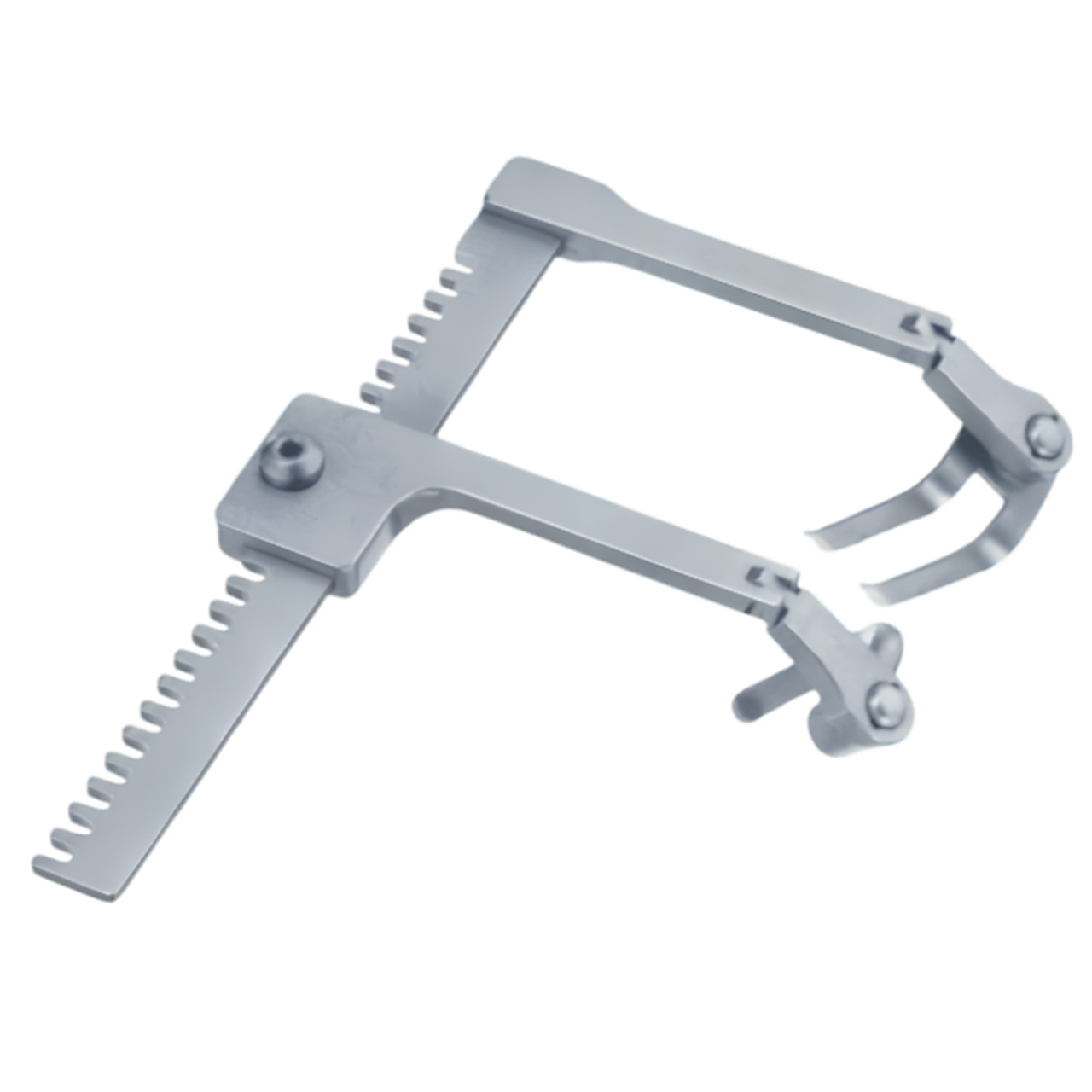 | Caspar Self Retaining Retractor | Specifically designed to retract the trachea, esophagus, and longus colli muscles during anterior cervical spine surgery. |
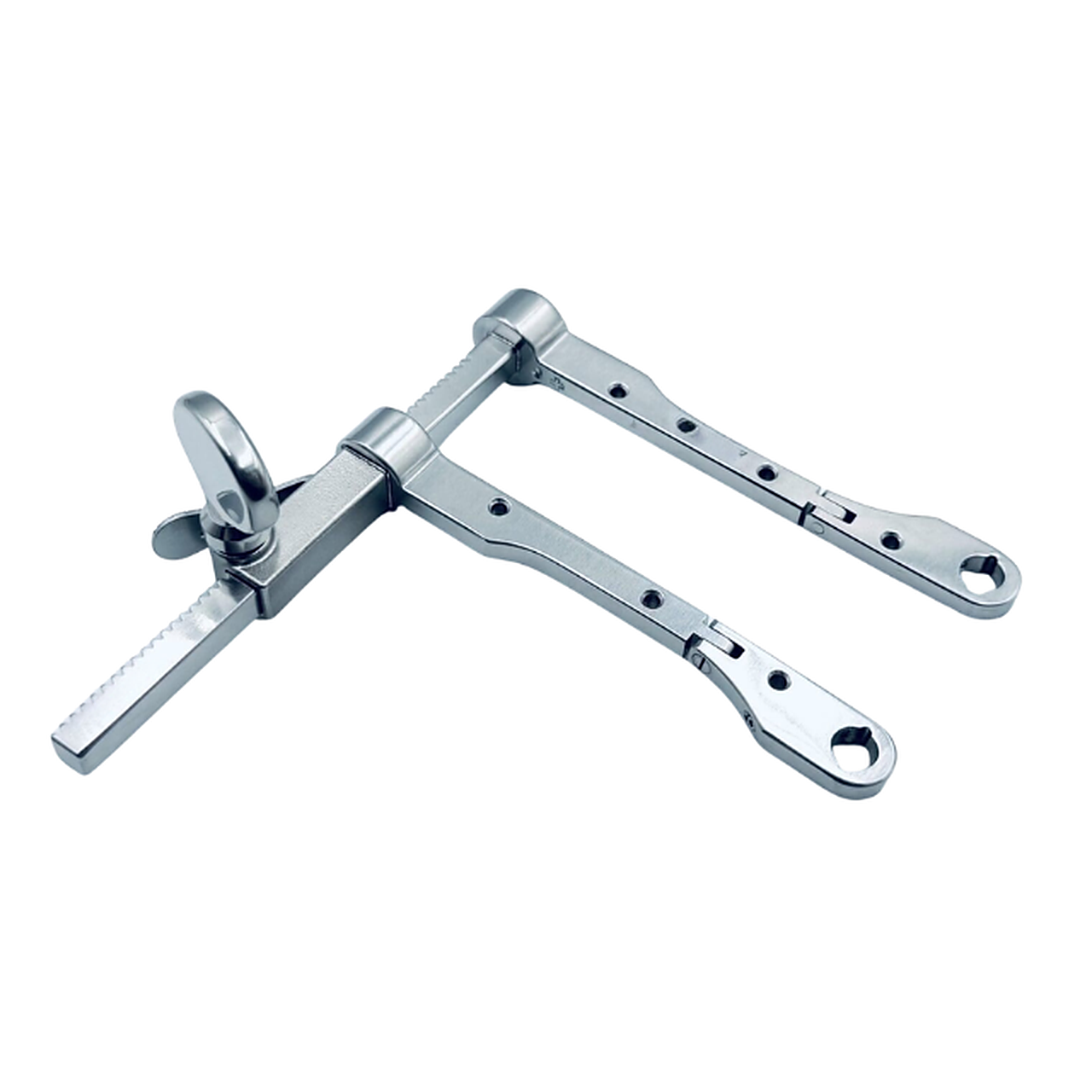 | Casper Cervical Retractor | Specifically engineered to provide self-retaining, articulated soft-tissue retraction and vertebral exposure during anterior cervical surgery. |
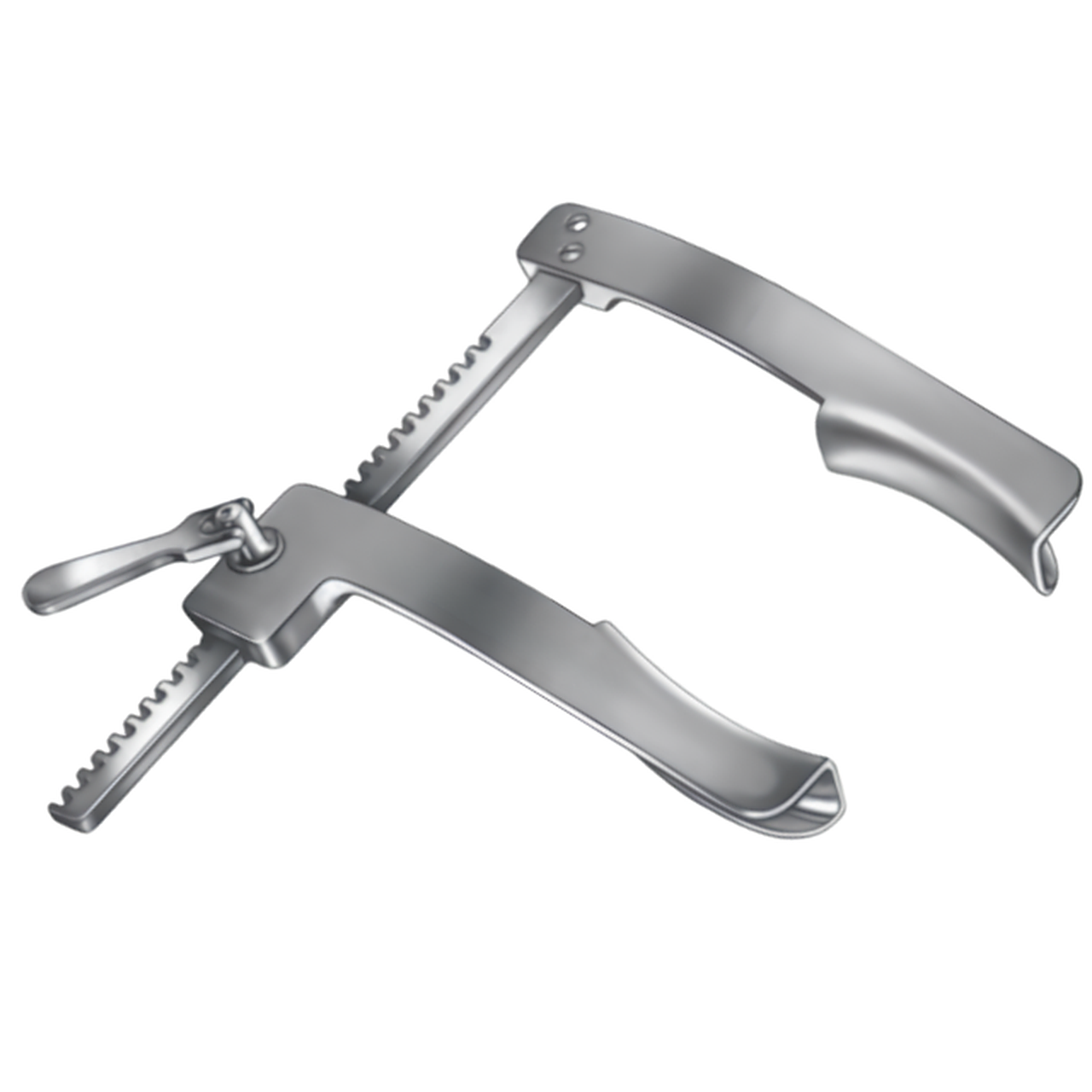 | Castaneda Rib Spreader | Specifically designed to separate ribs and provide thoracic cavity exposure during neonatal and pediatric cardiothoracic surgery. |
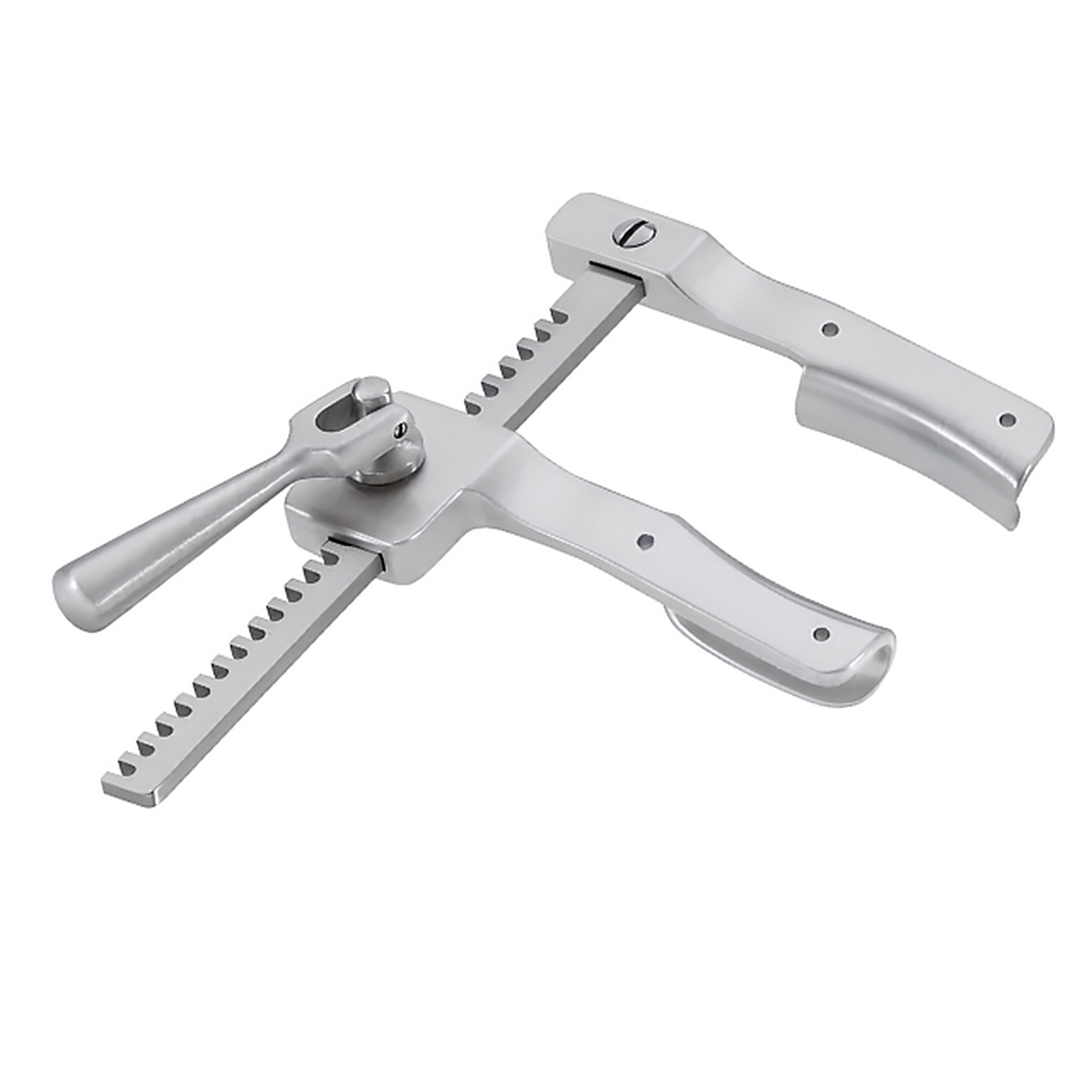 | Castaneda Sternal Retractor | Specifically designed for sternal separation and mediastinal exposure during pediatric, neonatal, and adult cardiac surgery. |
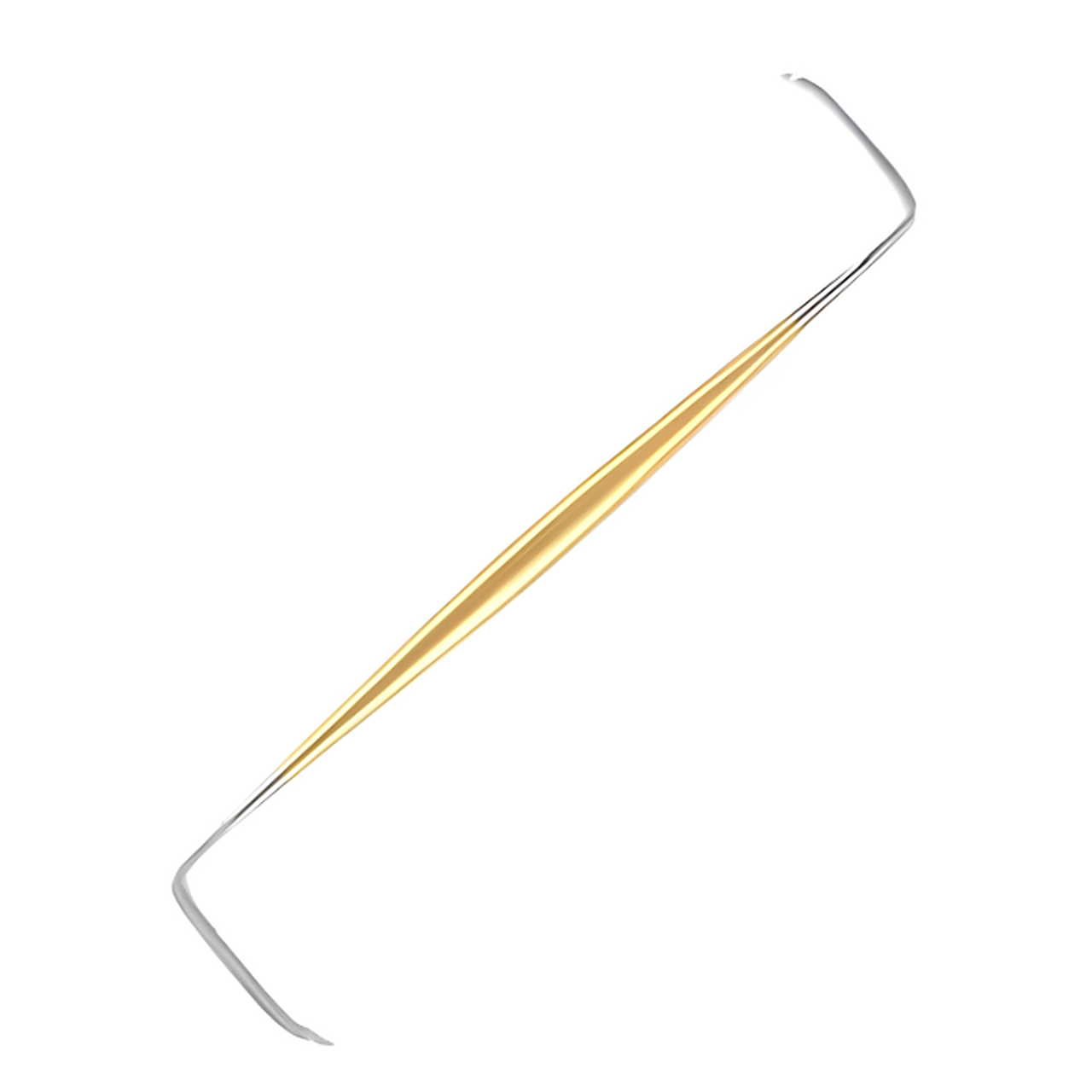 | Cerkes Double Ended Nasal Retractor | Specifically designed to elevate nasal soft-tissue envelopes and retract cartilages during open and closed rhinoplasty. |
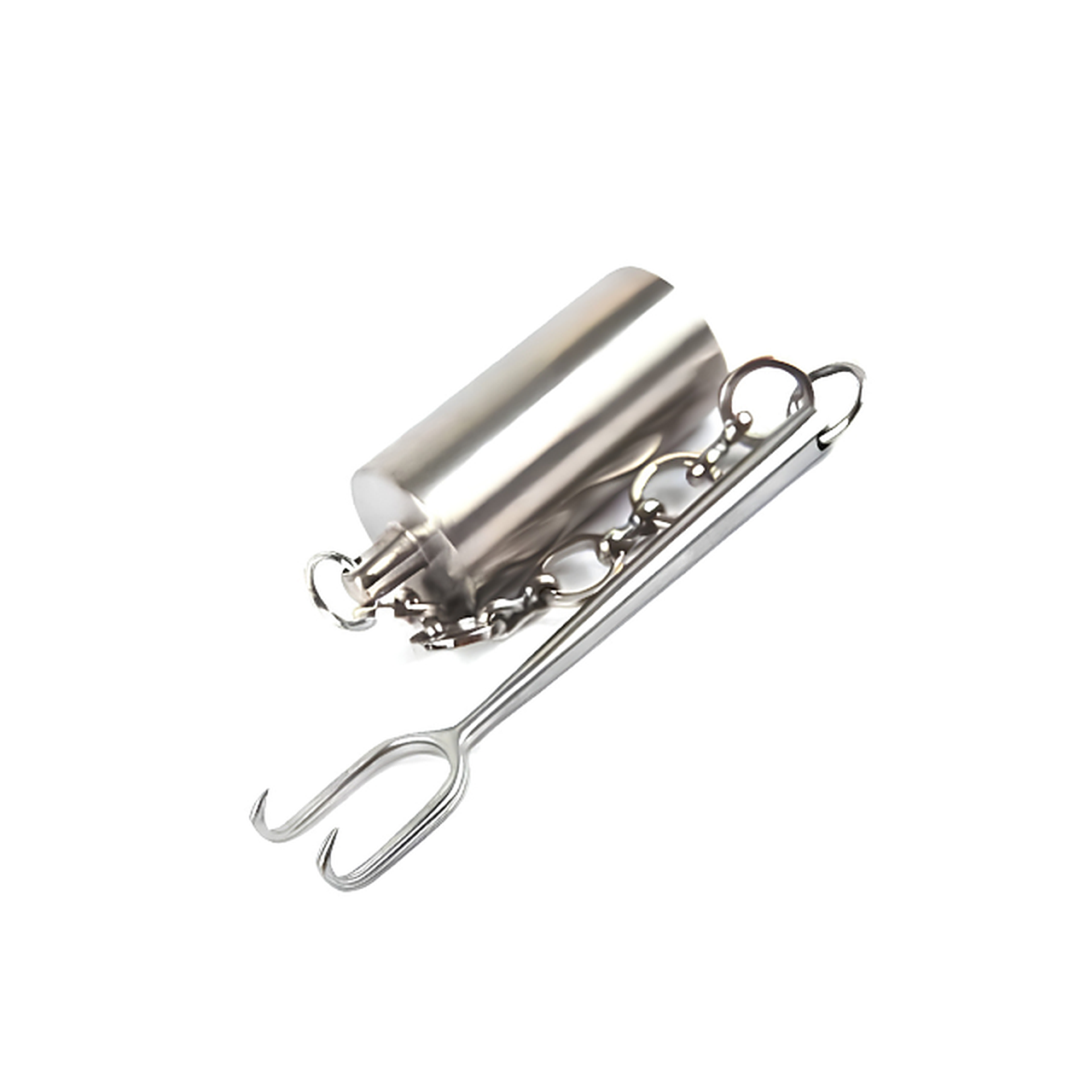 | Cerkes Nasal Retractor With Weight - Gruber Columella Retractor | Specifically designed to provide weighted, hands-free retraction of the columella and caudal septum during open rhinoplasty. |
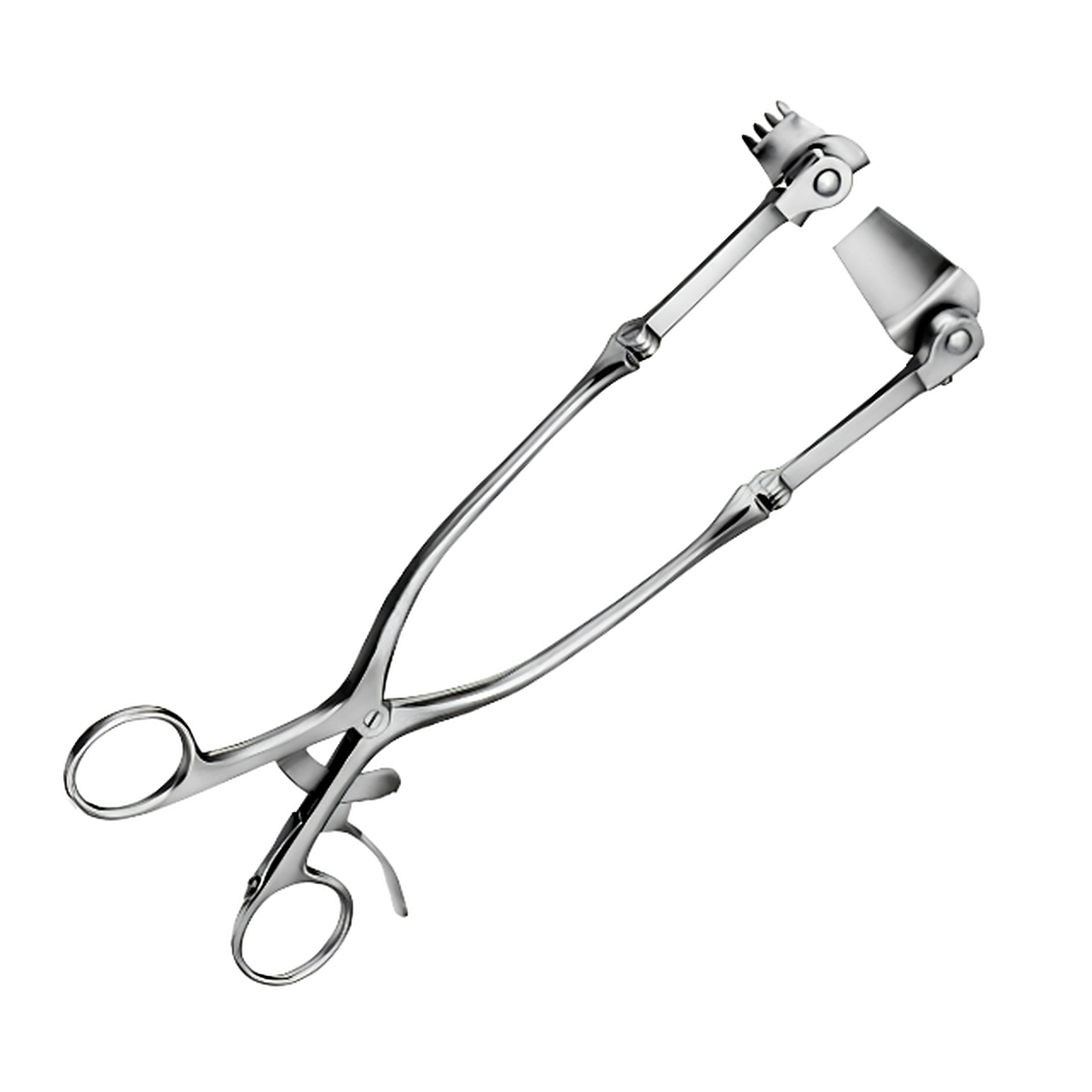 | Cervical Retractor Frame | Specifically designed to hold interchangeable retractor blades and provide longitudinal exposure during anterior cervical spine surgery. |
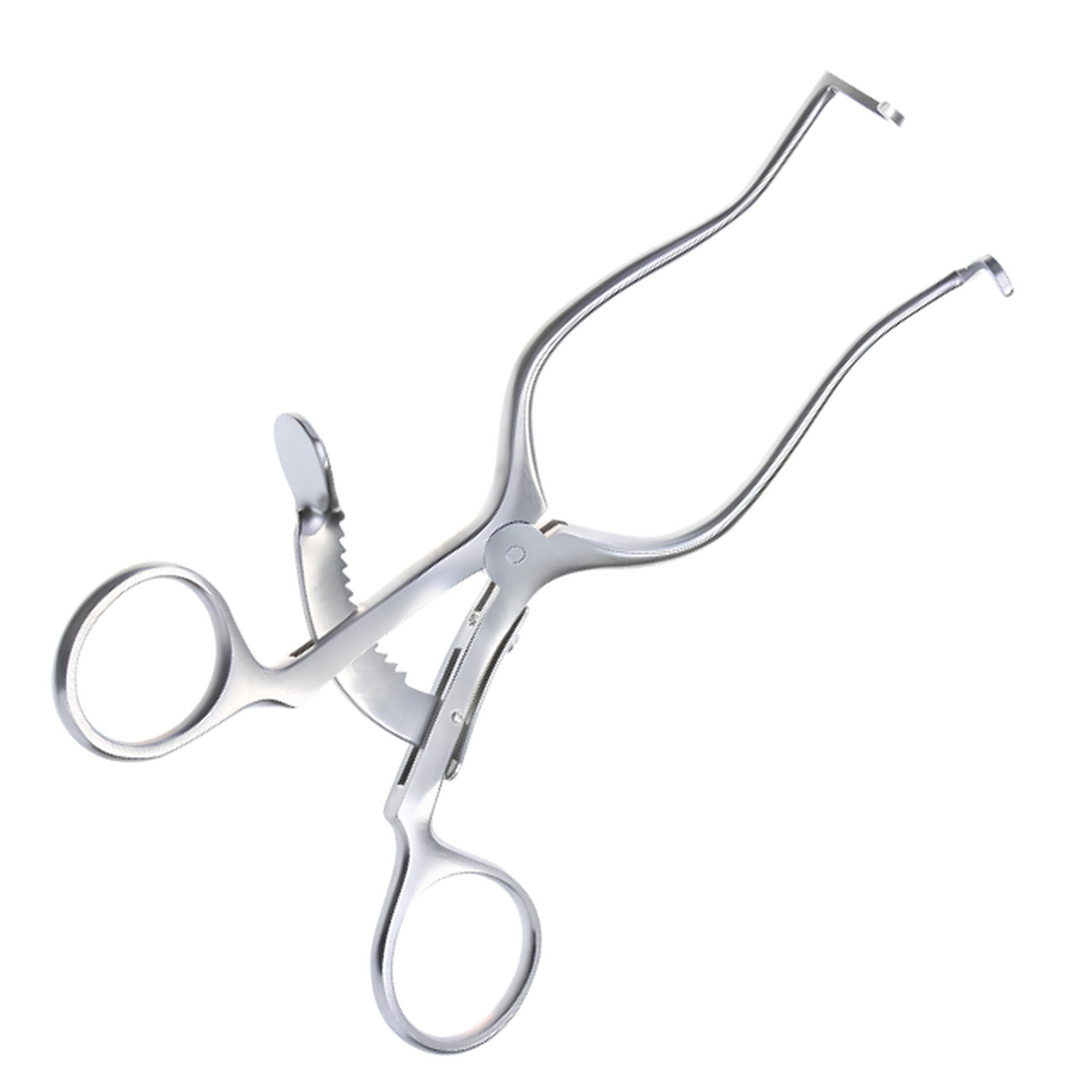 | Cervical Tissue Retractor | Specifically engineered to retract and mobilize delicate soft tissues and fascial planes during anterior cervical spine surgery. |
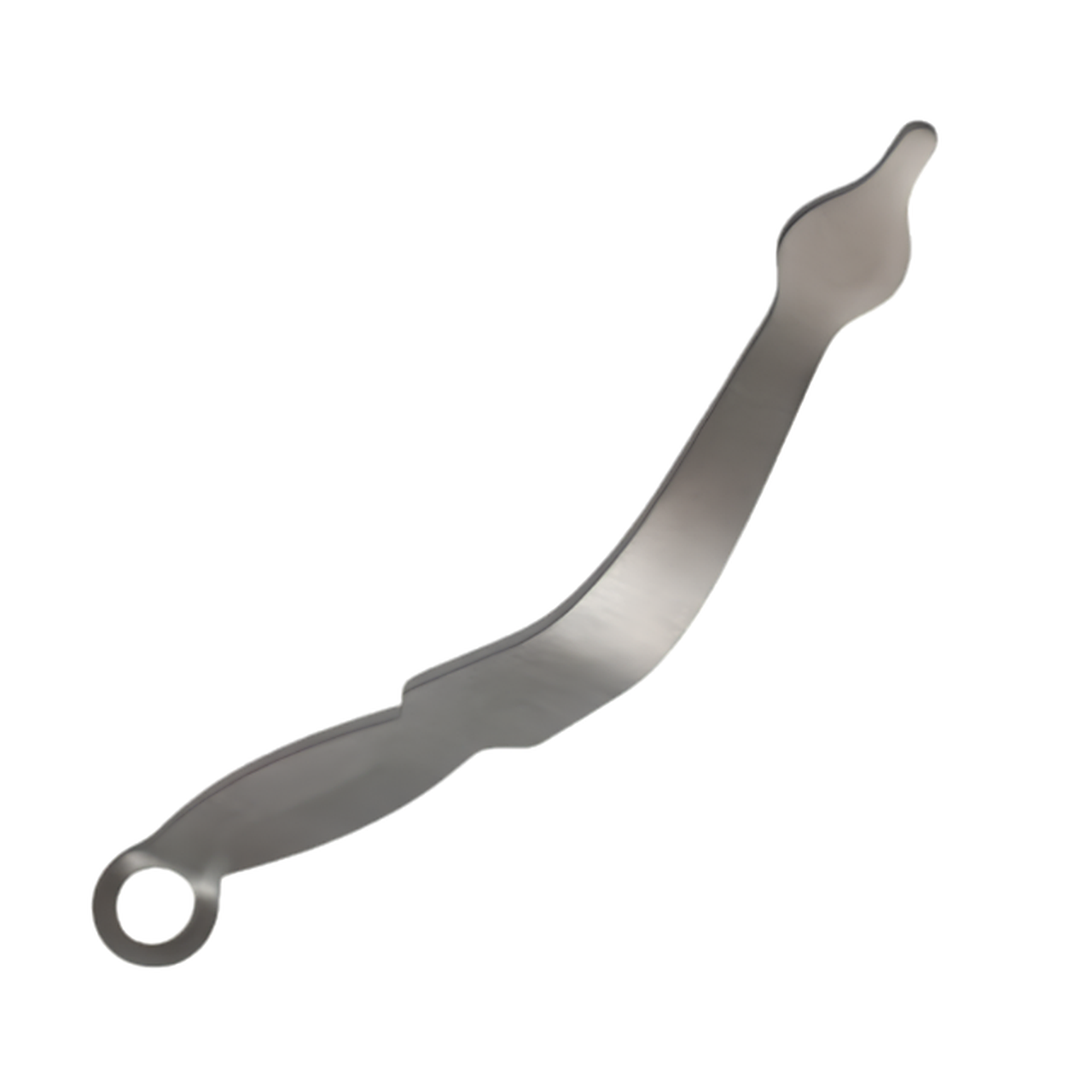 | Chandler Retractor | Specifically designed to leverage bone and retract heavy musculature during total hip arthroplasty and femoral reconstructive procedures. |
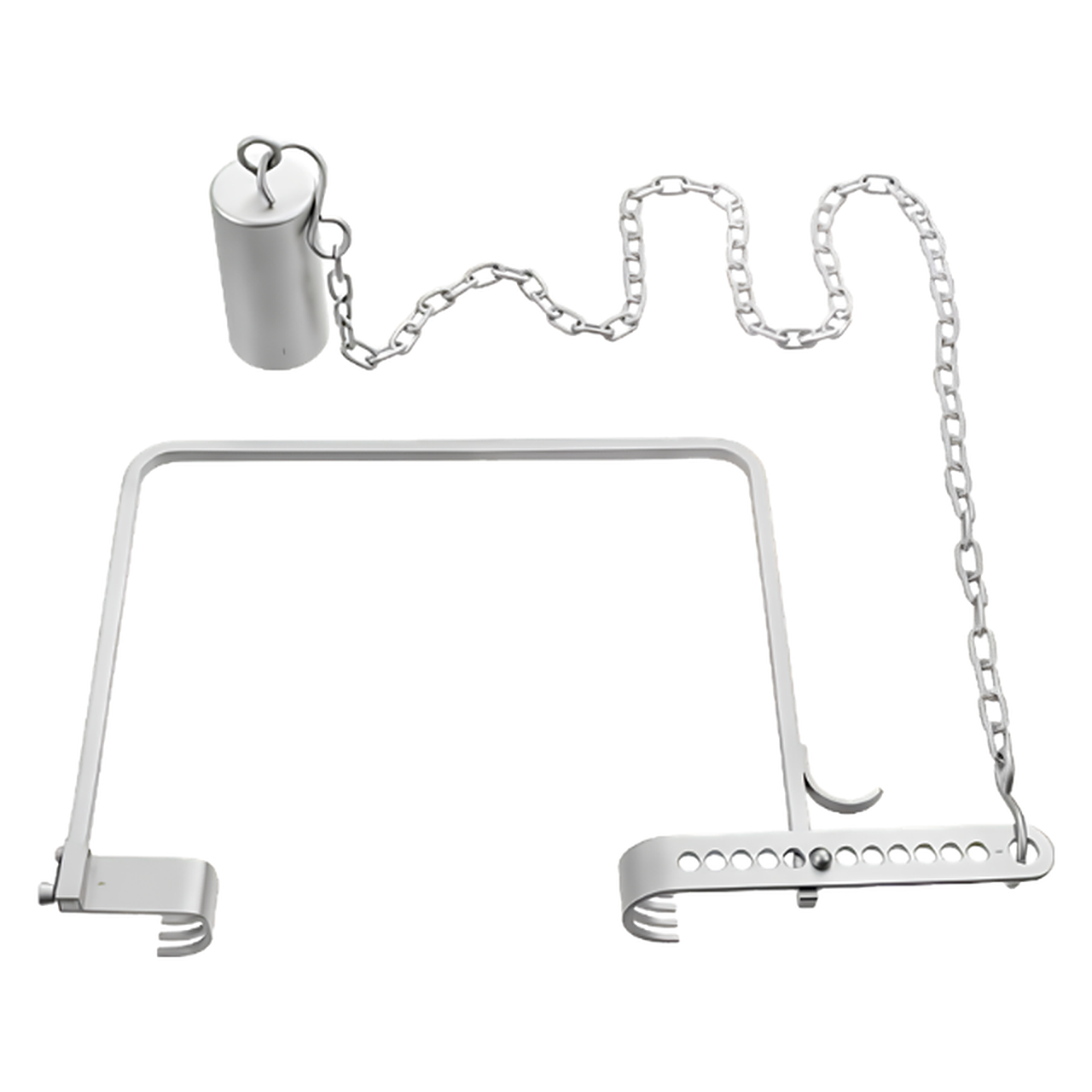 | Charnley Initial Incision Retractor | Specifically designed to retract skin margins and subcutaneous adipose tissue during the initial exposure in hip arthroplasty. |
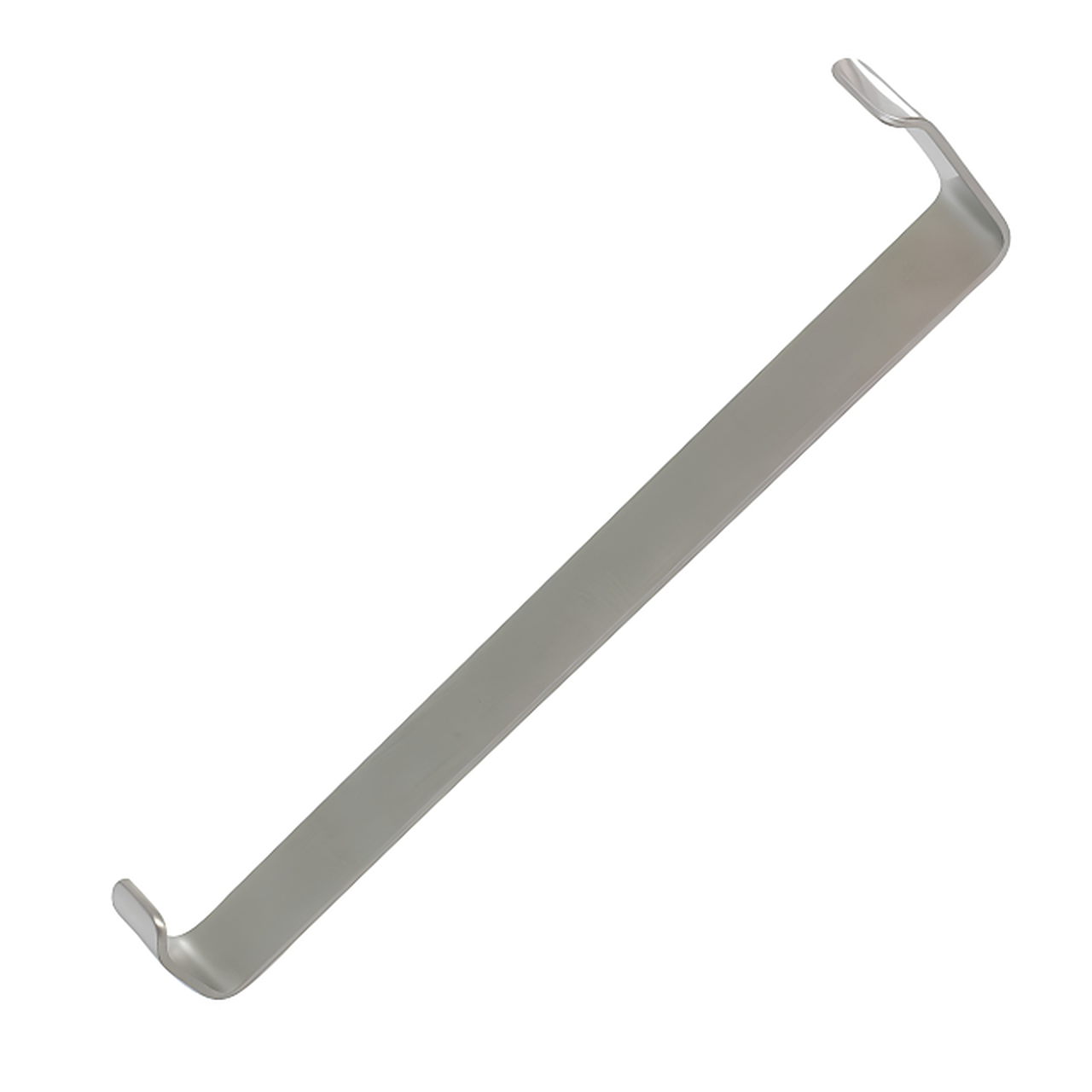 | Children's Hospital Retractor | Specifically designed to retract delicate skin, muscle, and soft tissue during pediatric and minor surgical procedures. |
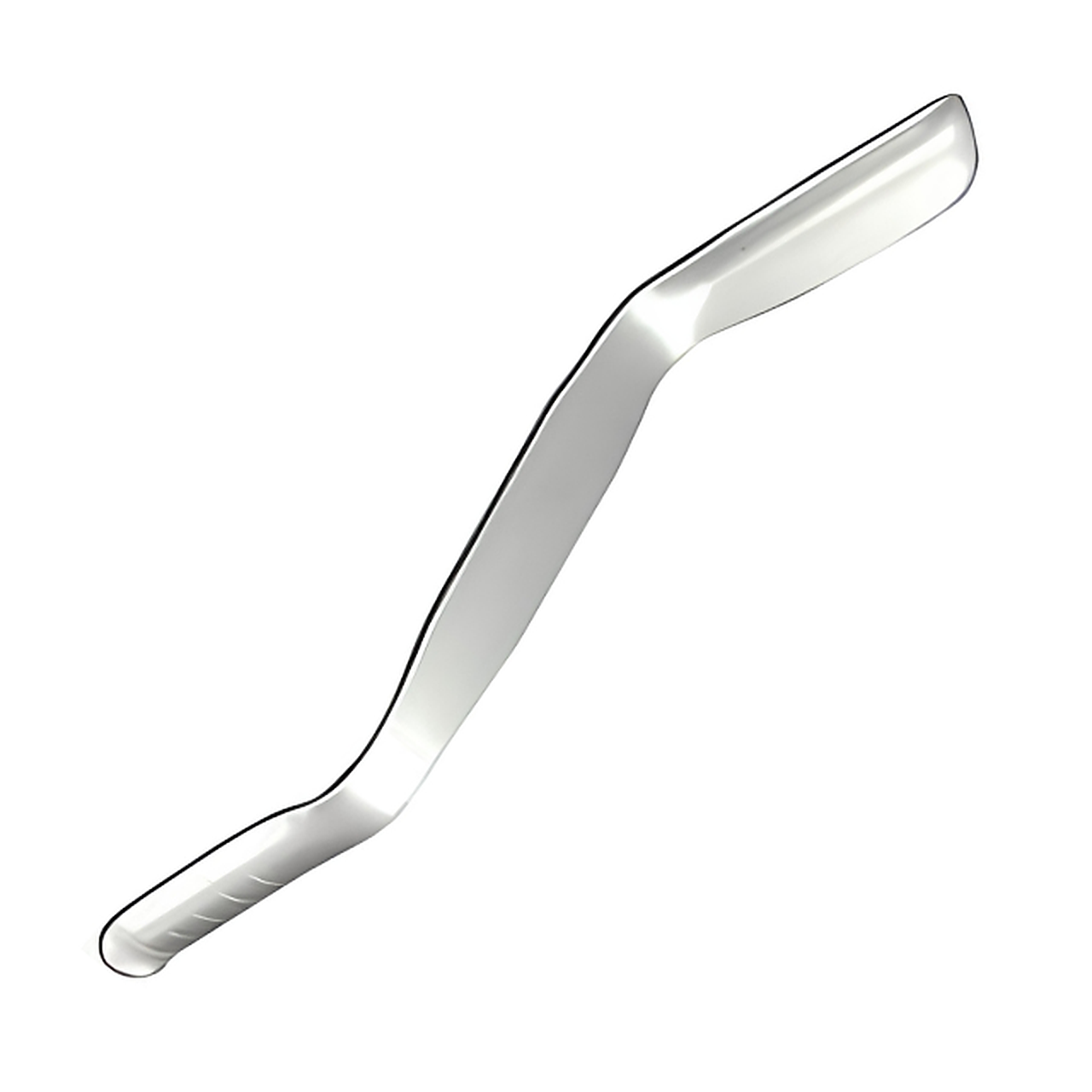 | Clodius Orbital Retractor | Specifically designed to retract orbital fat, elevate eyelid flaps, and protect the globe during blepharoplasty and periorbital surgery. |
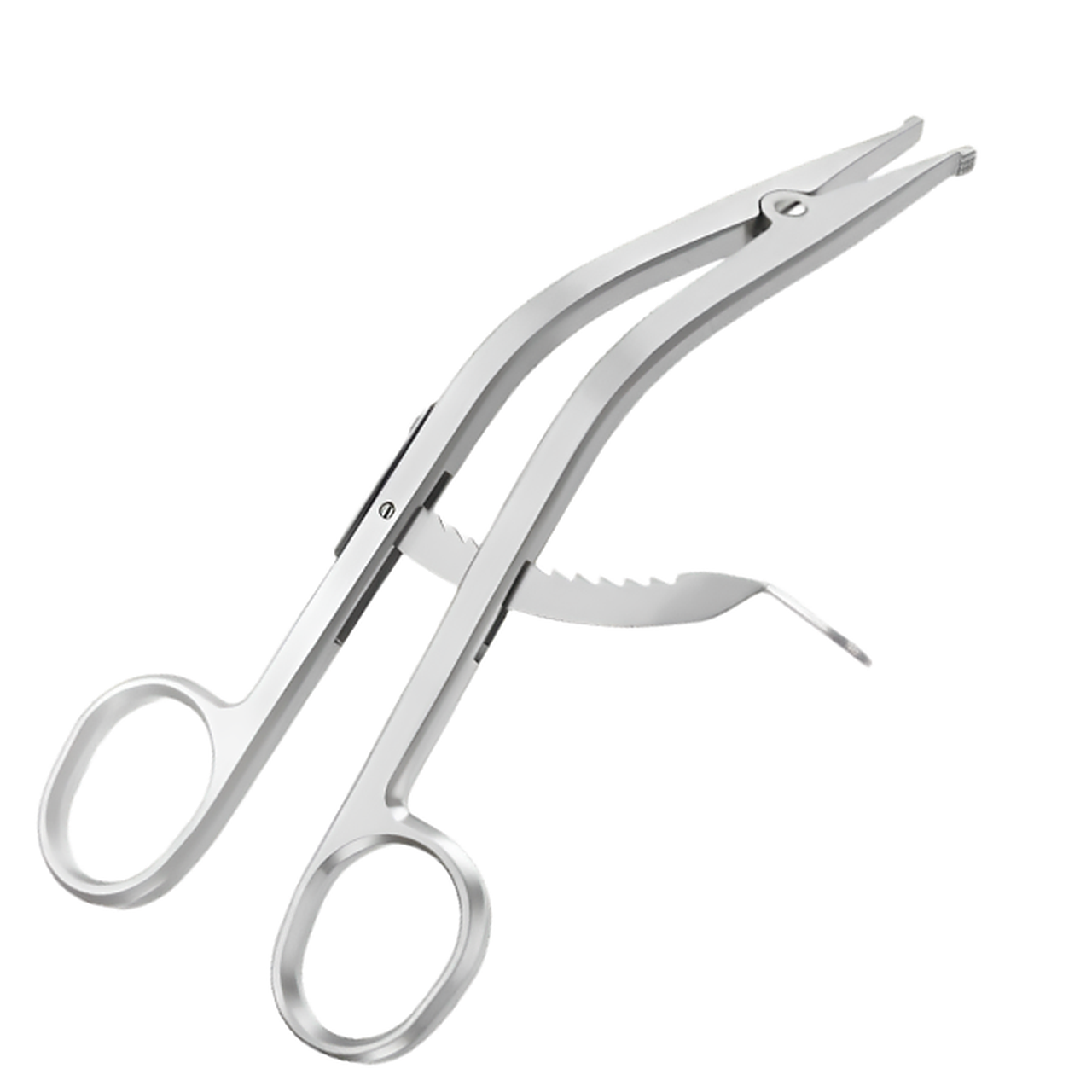 | Cloward Cervical/Lamina Retractor | Specifically designed to retract paraspinal muscles and expose the lamina and facet joints during cervical and upper thoracic spine surgery. |
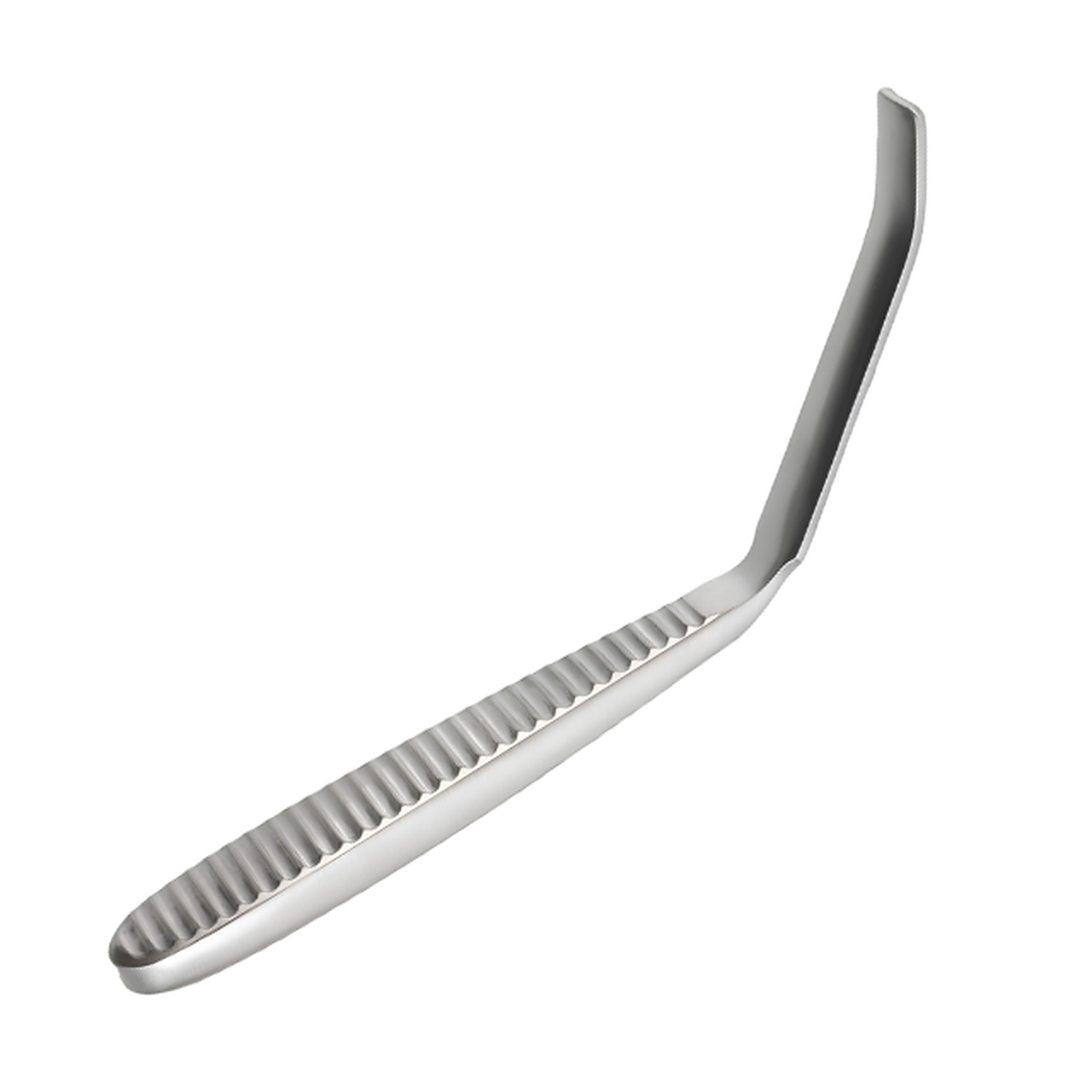 | Cloward-Style Blade Retractor | Specifically designed to retract muscle, fascia, and visceral soft tissue during anterior cervical spine surgery. |
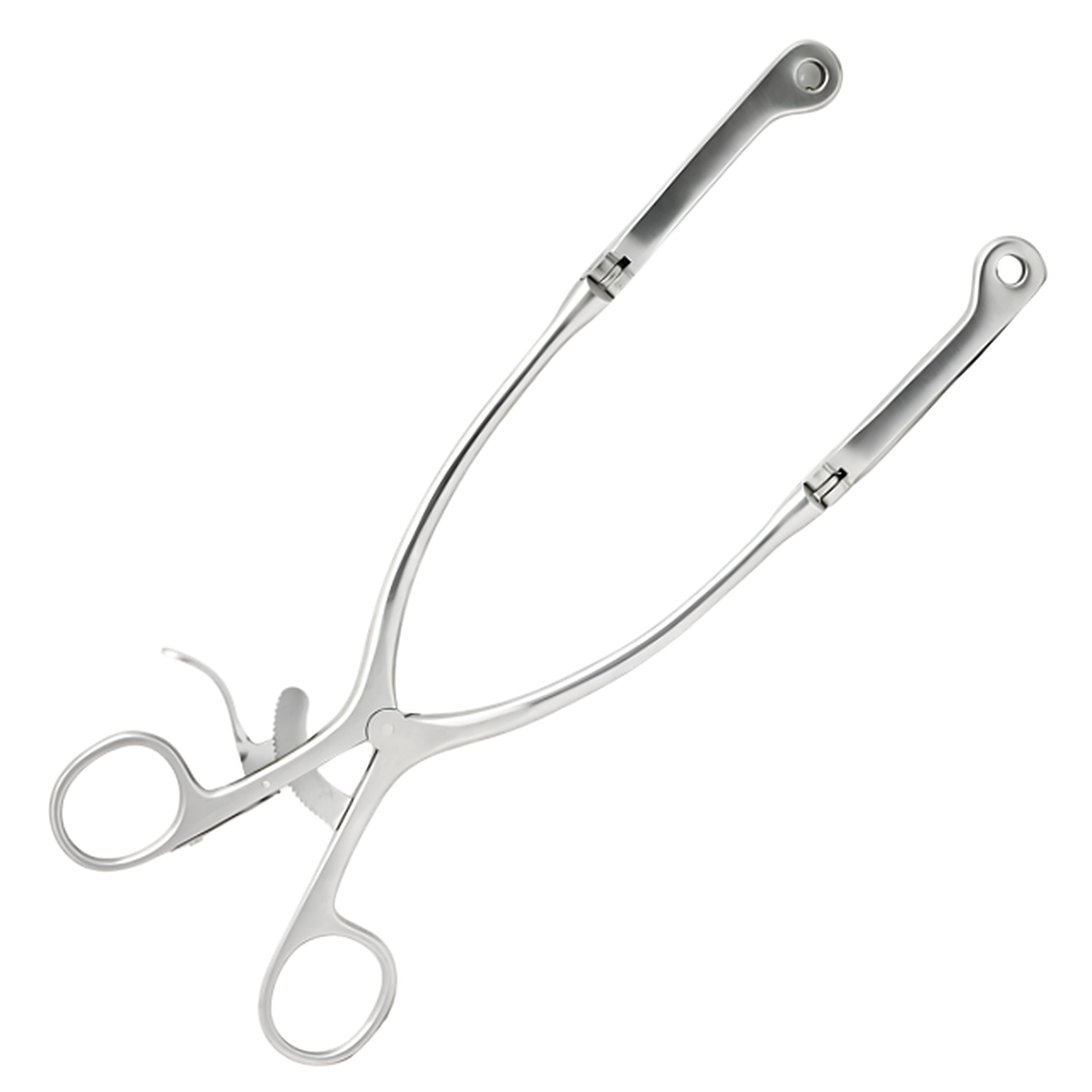 | Cloward-Style Cervical Retractor | Specifically engineered to provide self-retaining soft-tissue retraction and vertebral exposure during anterior cervical discectomy and fusion. |
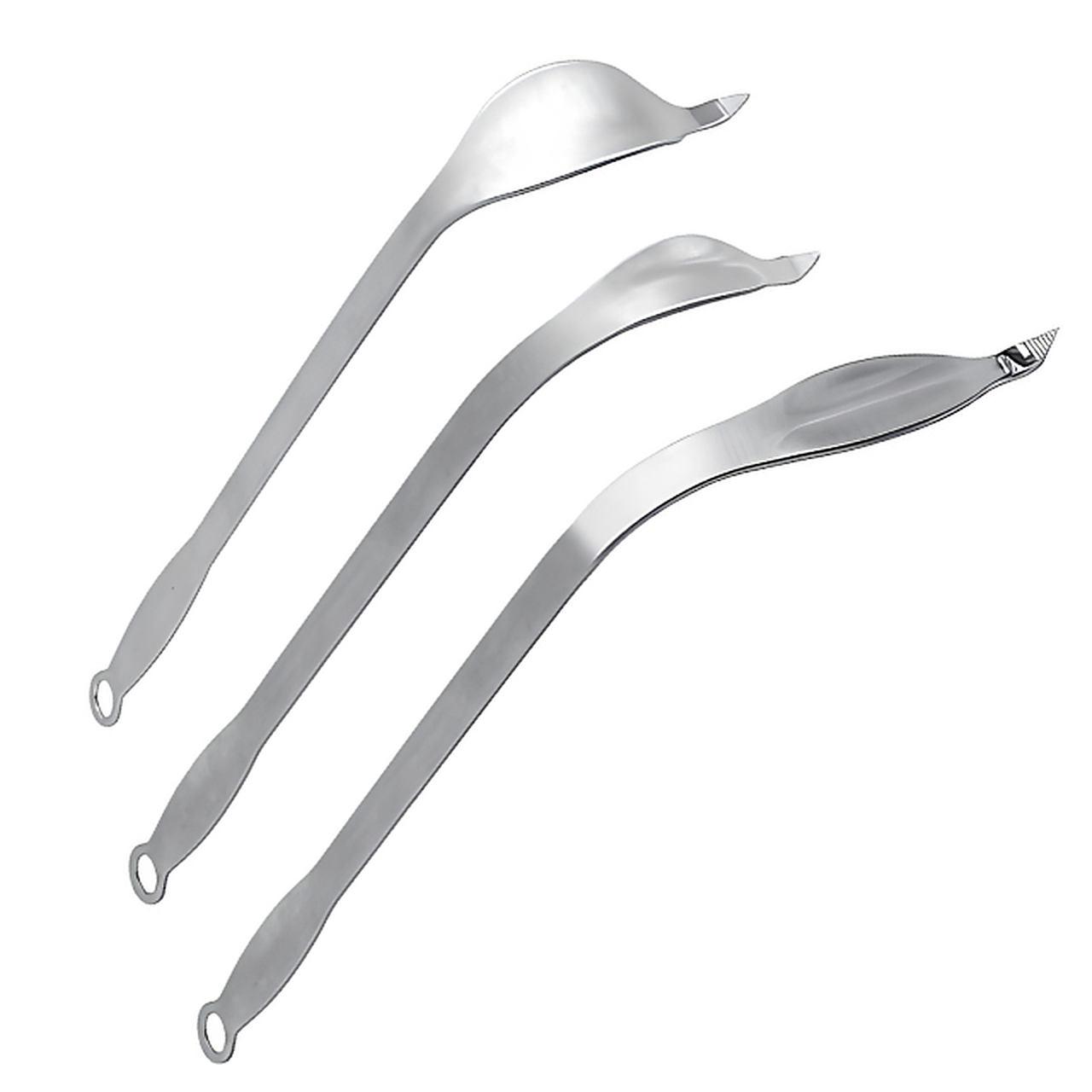 | Cobra Retractor | Specifically designed to leverage bone and retract heavy musculature during total hip arthroplasty, pelvic osteotomies, and femur surgery. |
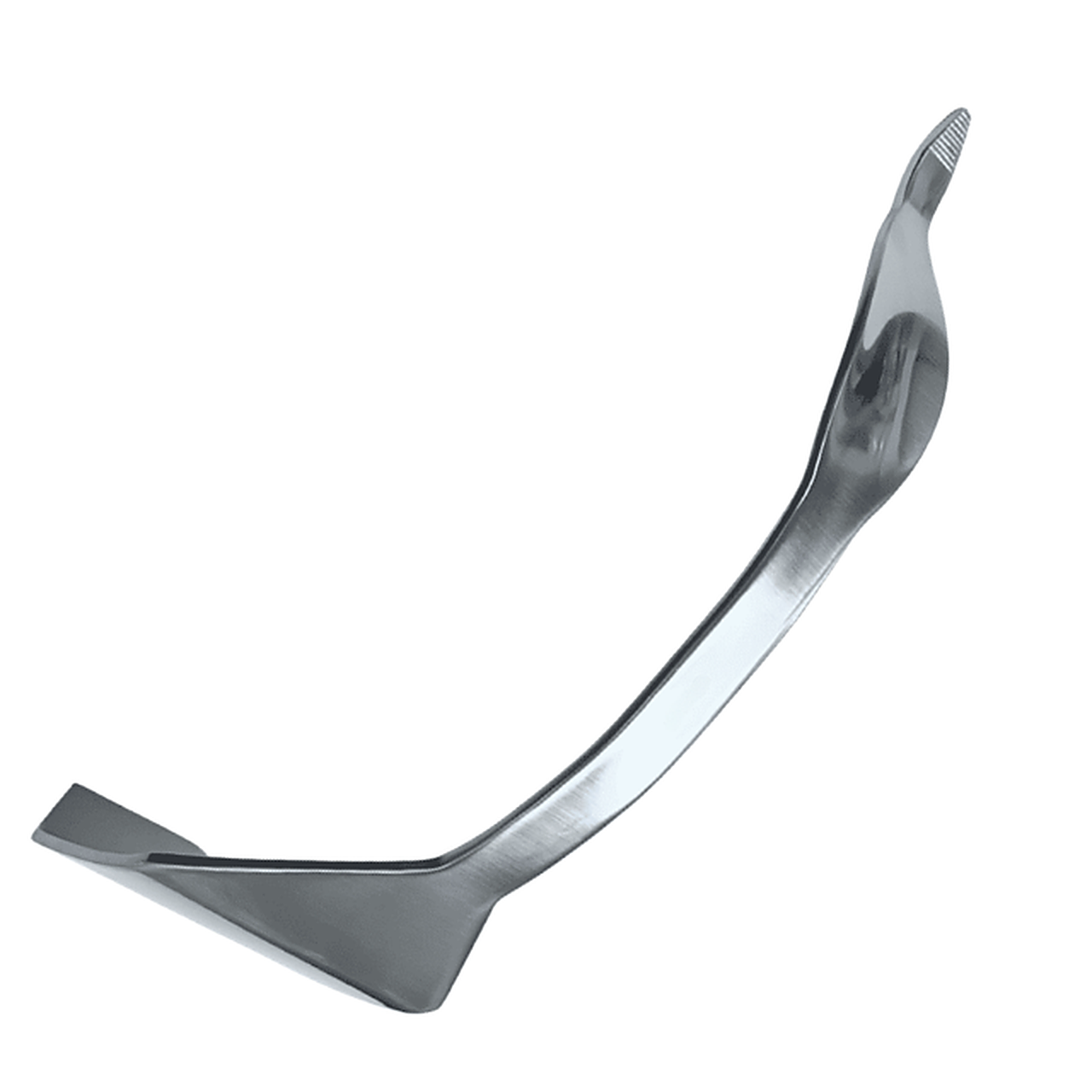 | Cobra Retractor with Hand Rest | Specifically designed to leverage bone and retract heavy musculature while reducing assistant hand strain during hip arthroplasty. |
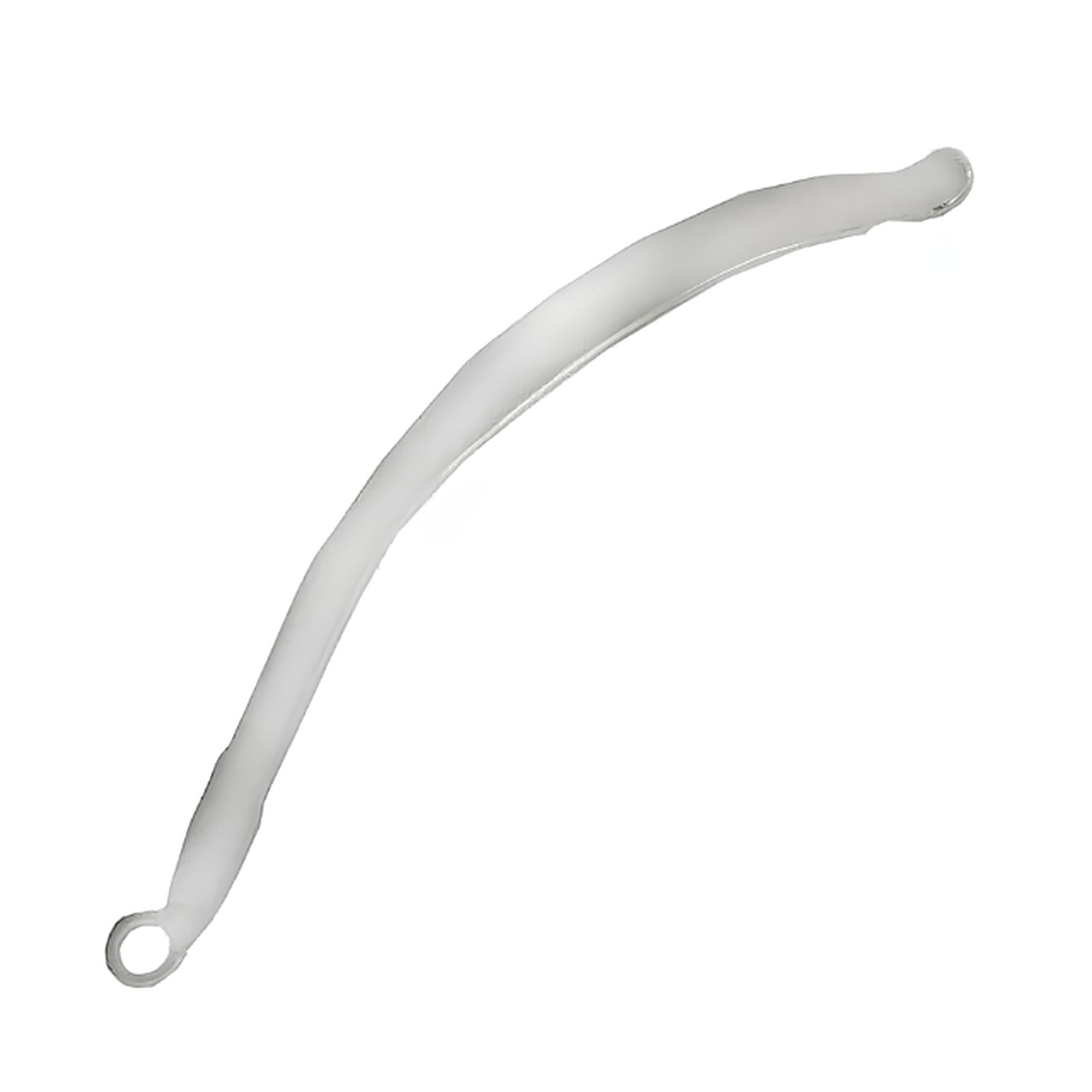 | Cobra Style Femur Retractor | Specifically engineered to retract heavy musculature and expose the femoral shaft during hip arthroplasty and femoral fracture repair. |
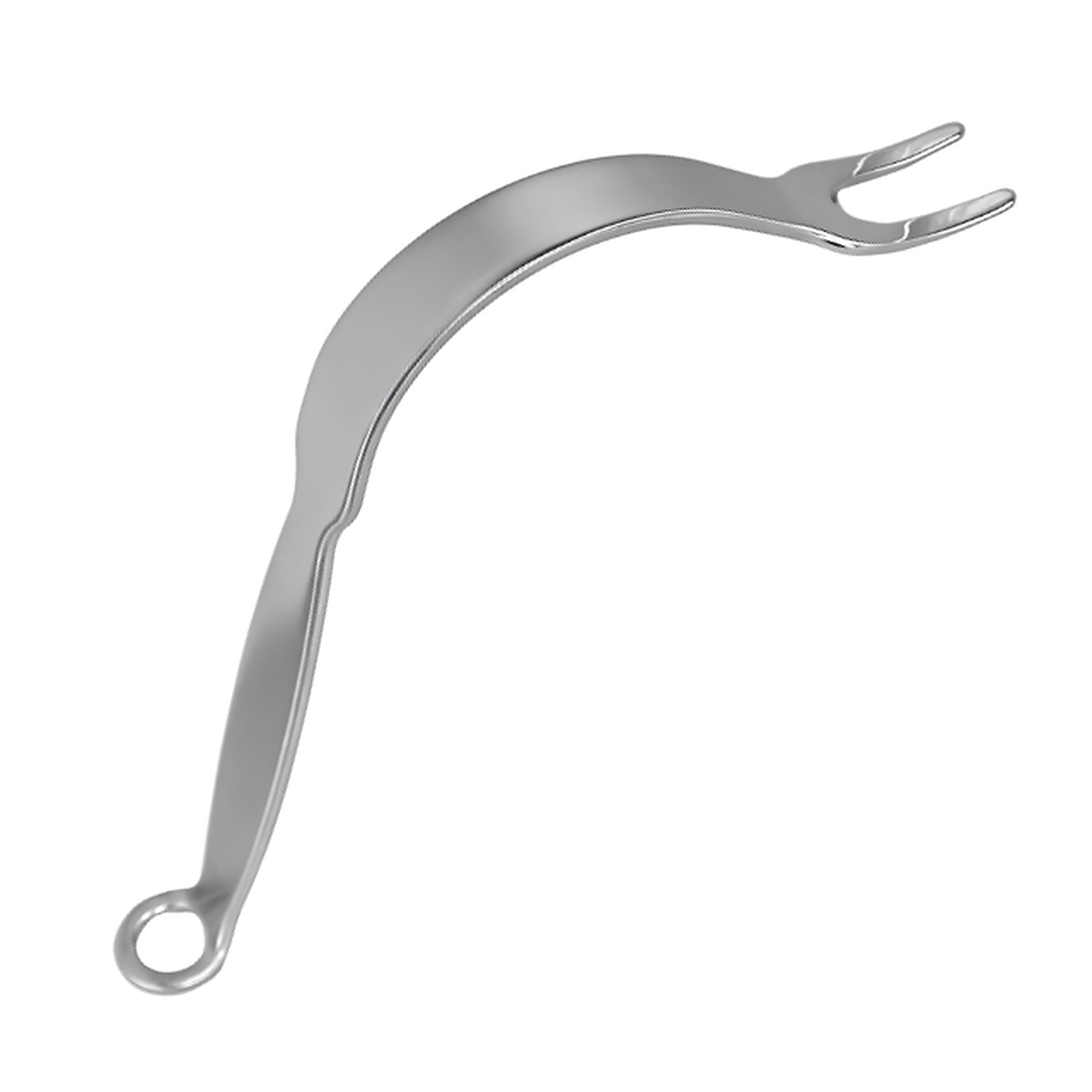 | Collateral Ligament Retractors | Specifically designed to retract and protect collateral ligaments and capsule during total knee arthroplasty. |
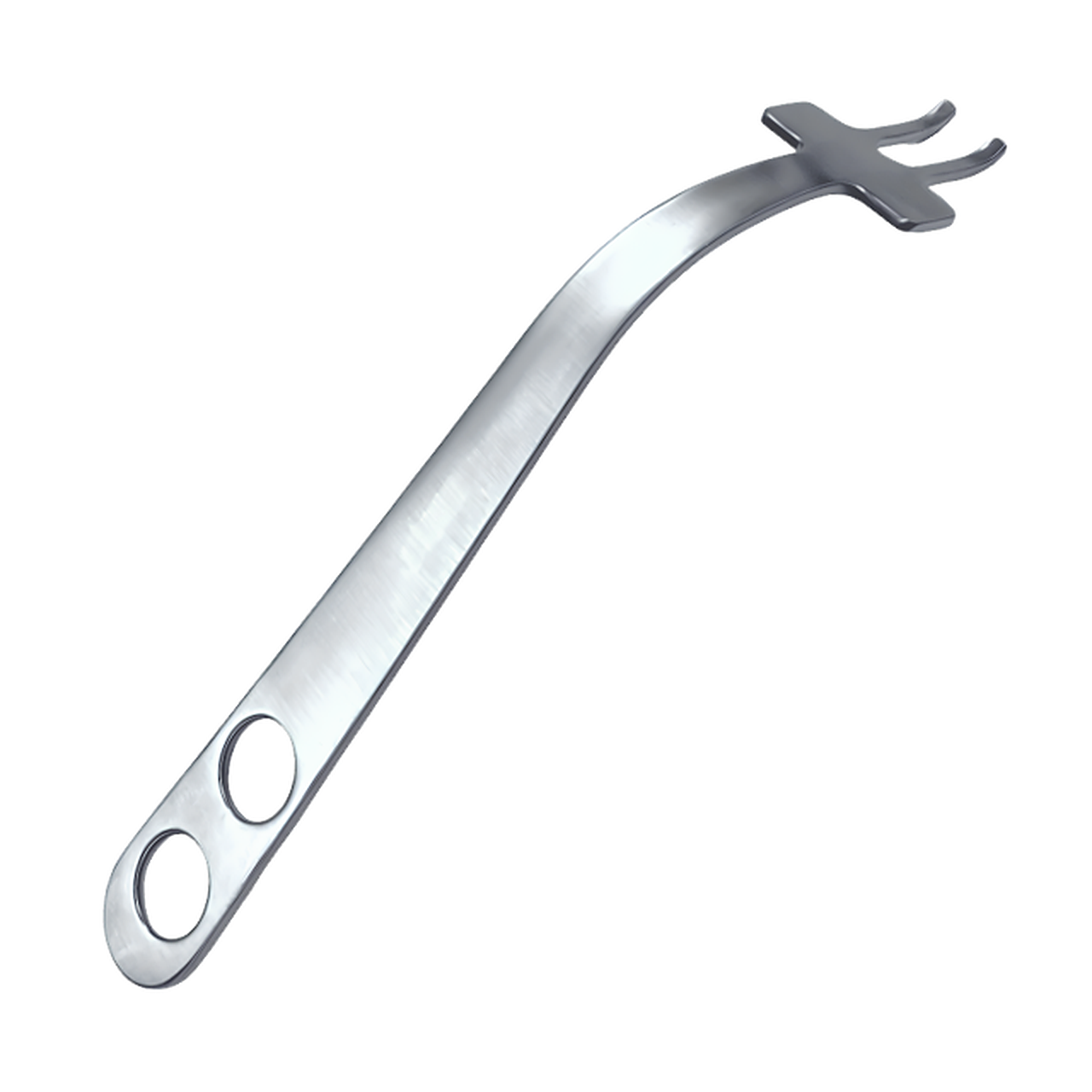 | Collateral Soft Tissue Retractor | Specifically designed to retract collateral ligaments and periarticular soft tissues during knee arthroplasty and reconstructive surgery. |
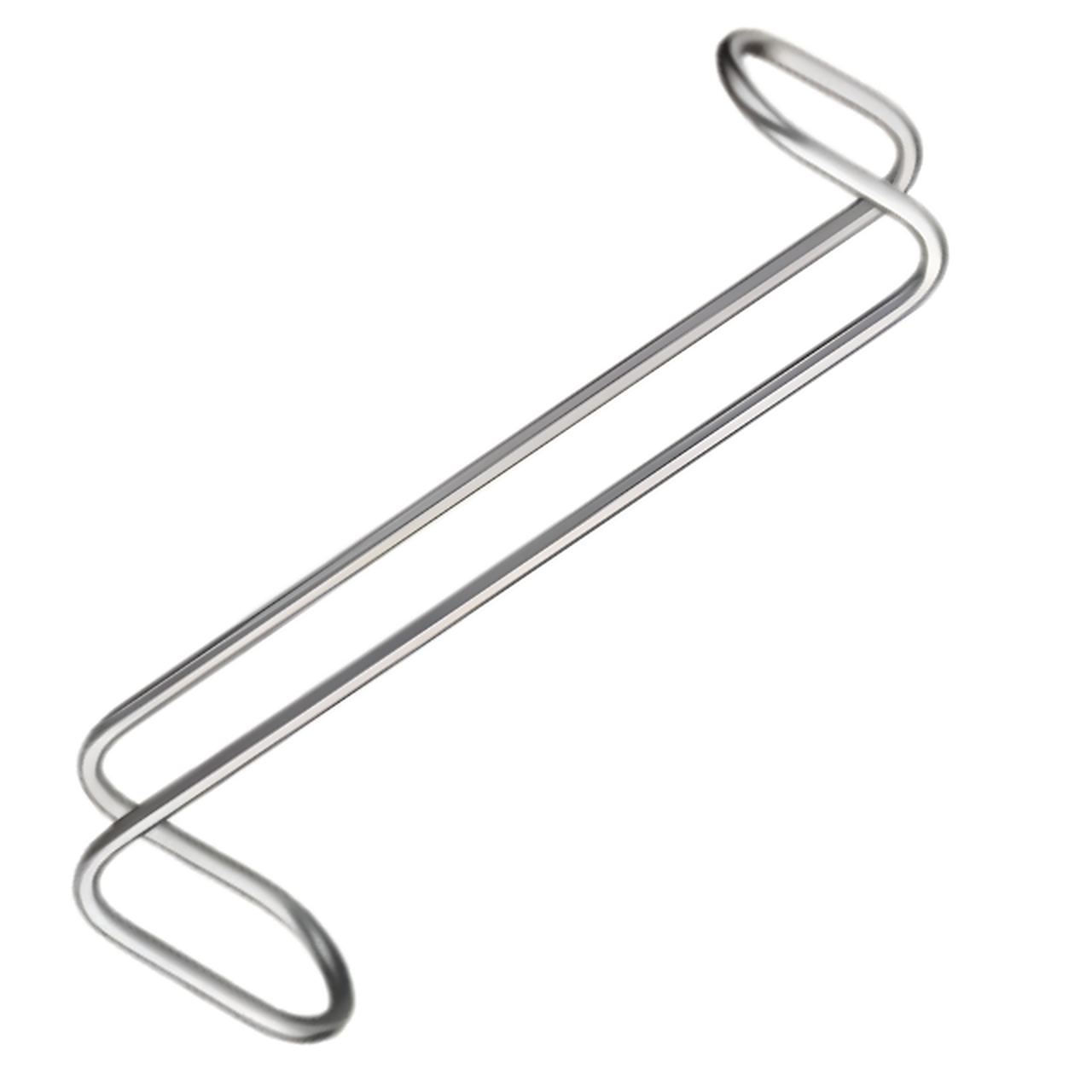 | Collin Hartmann S-Shaped Retractor | Specifically designed to retract muscle, fascia, and wound margins during general, gynecological, and plastic surgery. |
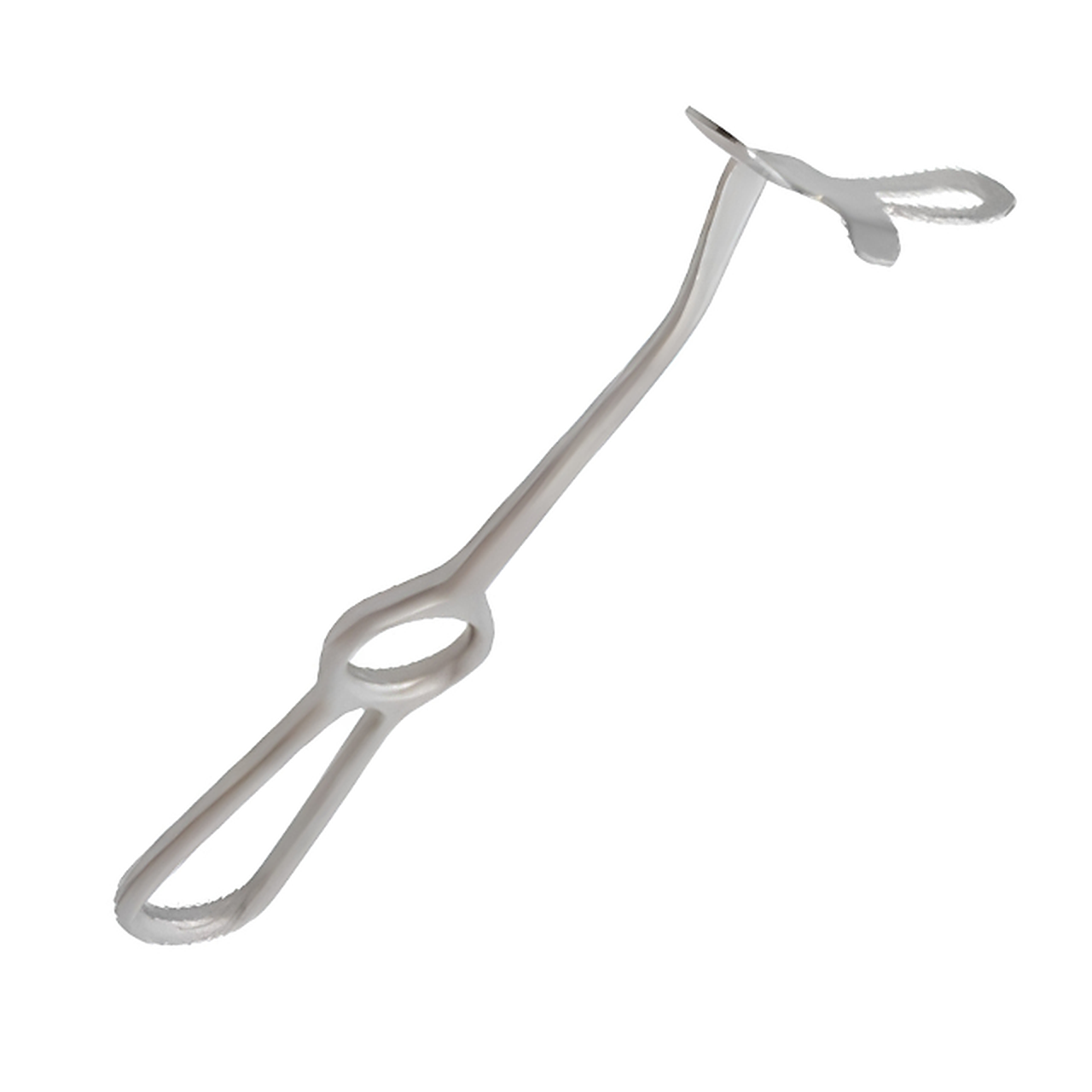 | Combination Wound and Cheek Retractor | Specifically designed to retract cheeks, lips, and wound margins during oral, maxillofacial, and plastic surgery. |
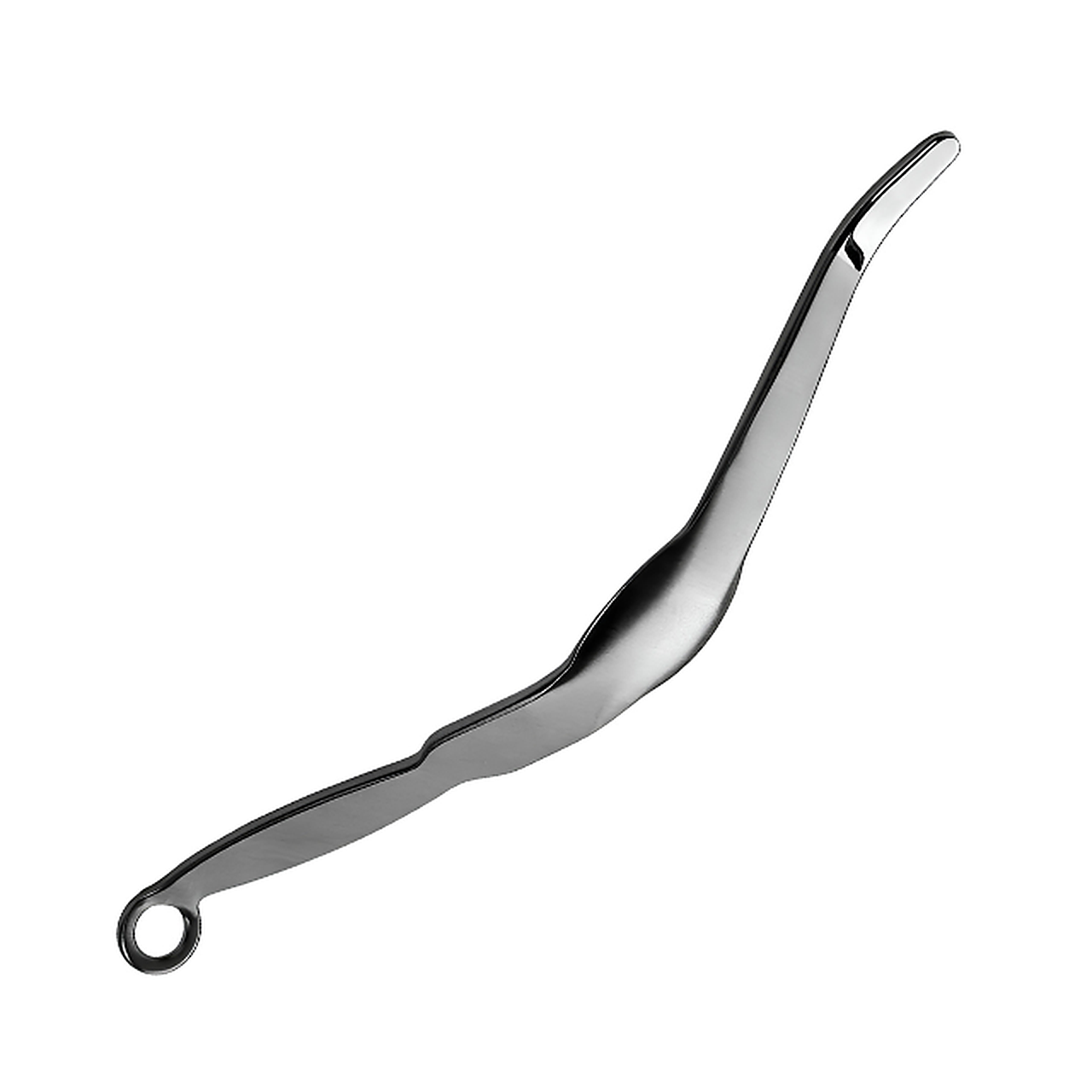 | Concave Knee Retractor | Specifically designed to retract collateral ligaments and periarticular soft tissues while leveraging bone during total knee arthroplasty. |
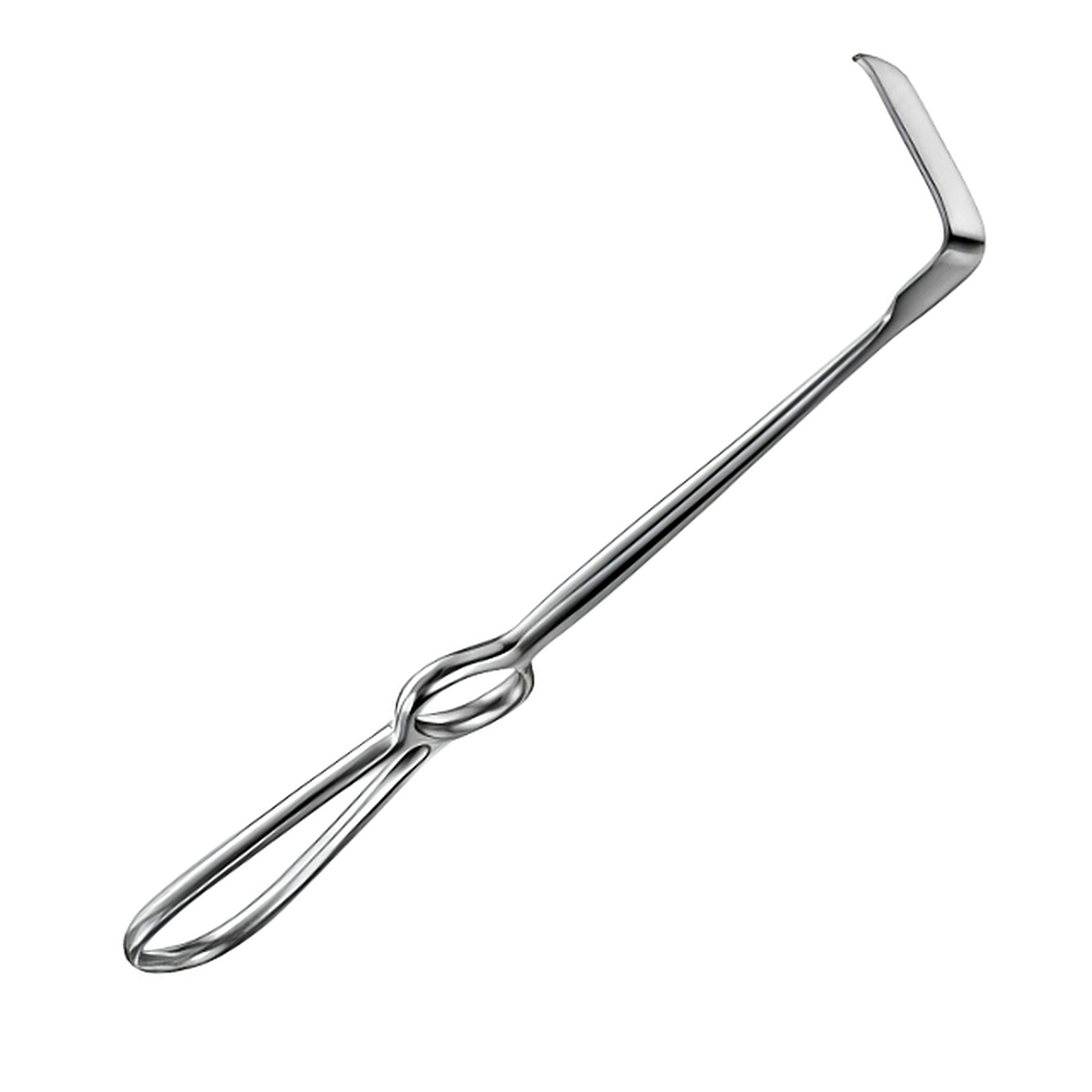 | Condyle Retractor | Specifically engineered to engage the mandibular ramus and condylar neck during orthognathic and facial trauma surgery. |
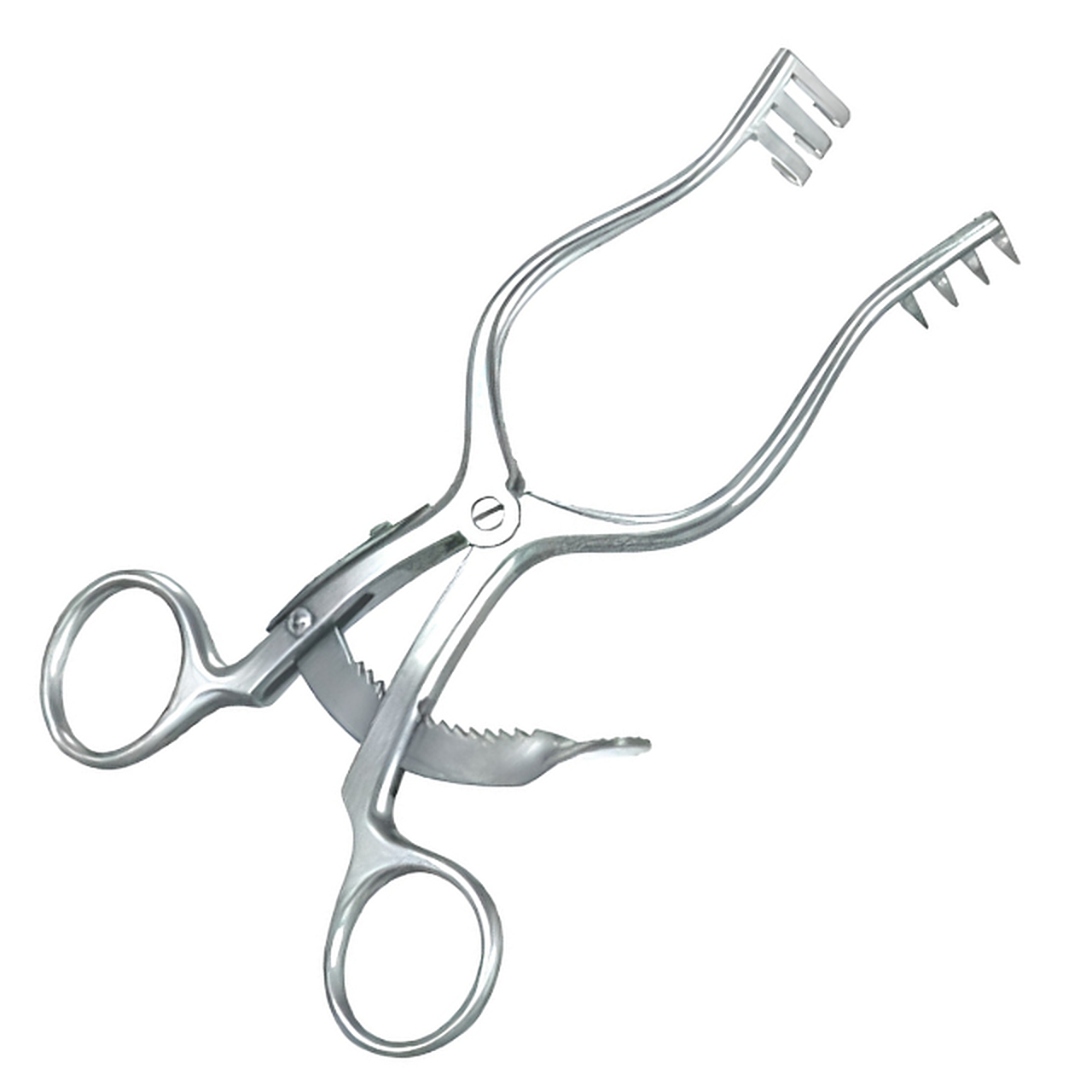 | Contour Self-Retaining Scalp Retractor | Specifically engineered to retract scalp flaps, galea, and muscle during craniotomies and cranial surgery. |
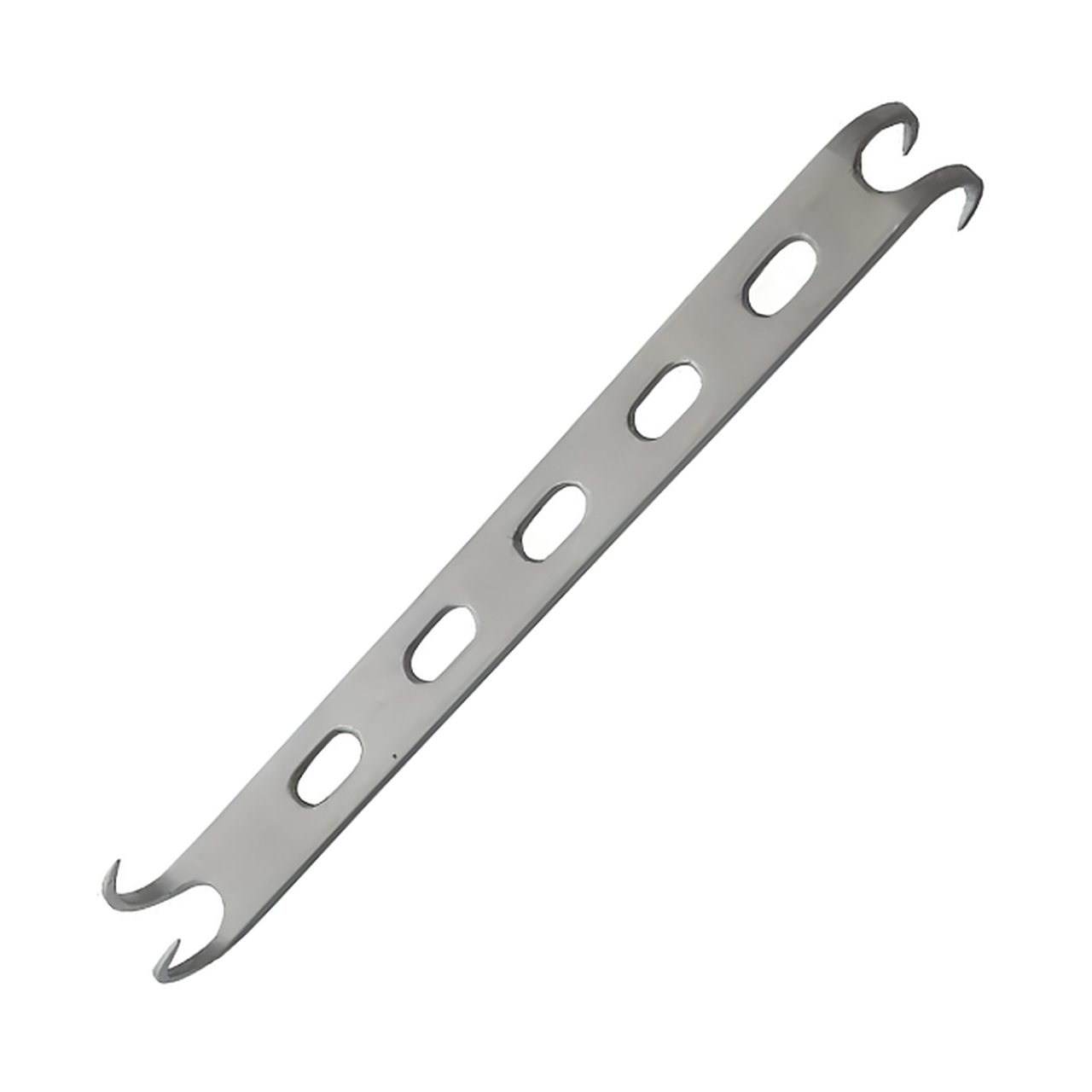 | Converse Alar Retractor Double Ended | Specifically designed to retract the alar margin, nostril rim, and lower lateral cartilage during rhinoplasty. |
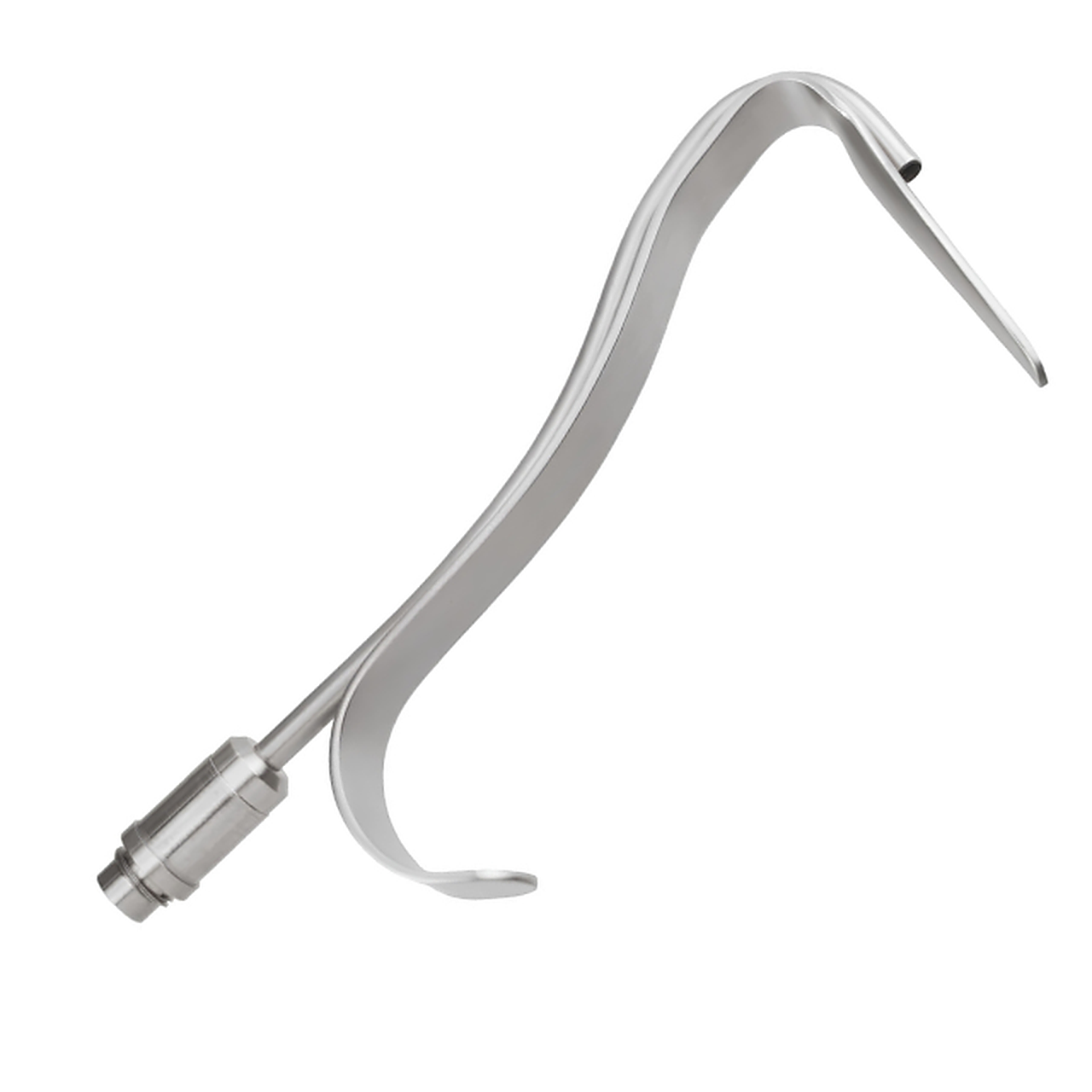 | Converse Nasal Retractor | Specifically designed to elevate nasal cutaneous flaps and provide direct visualization of the nasal dorsum during rhinoplasty. |
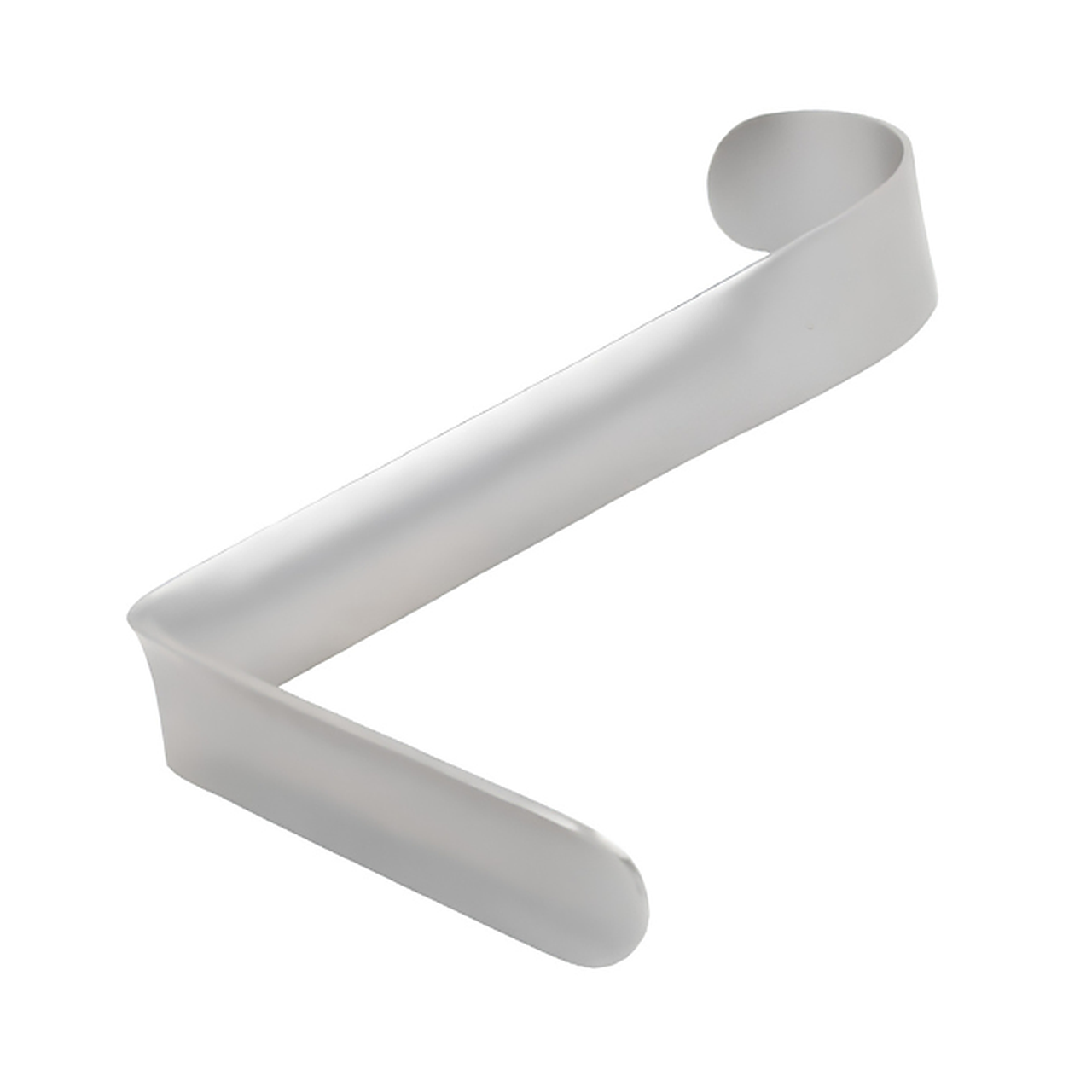 | Converse Nasal retractor, 10 cm | Specifically designed to elevate nasal soft-tissue flaps and expose the cartilaginous framework during rhinoplasty. |
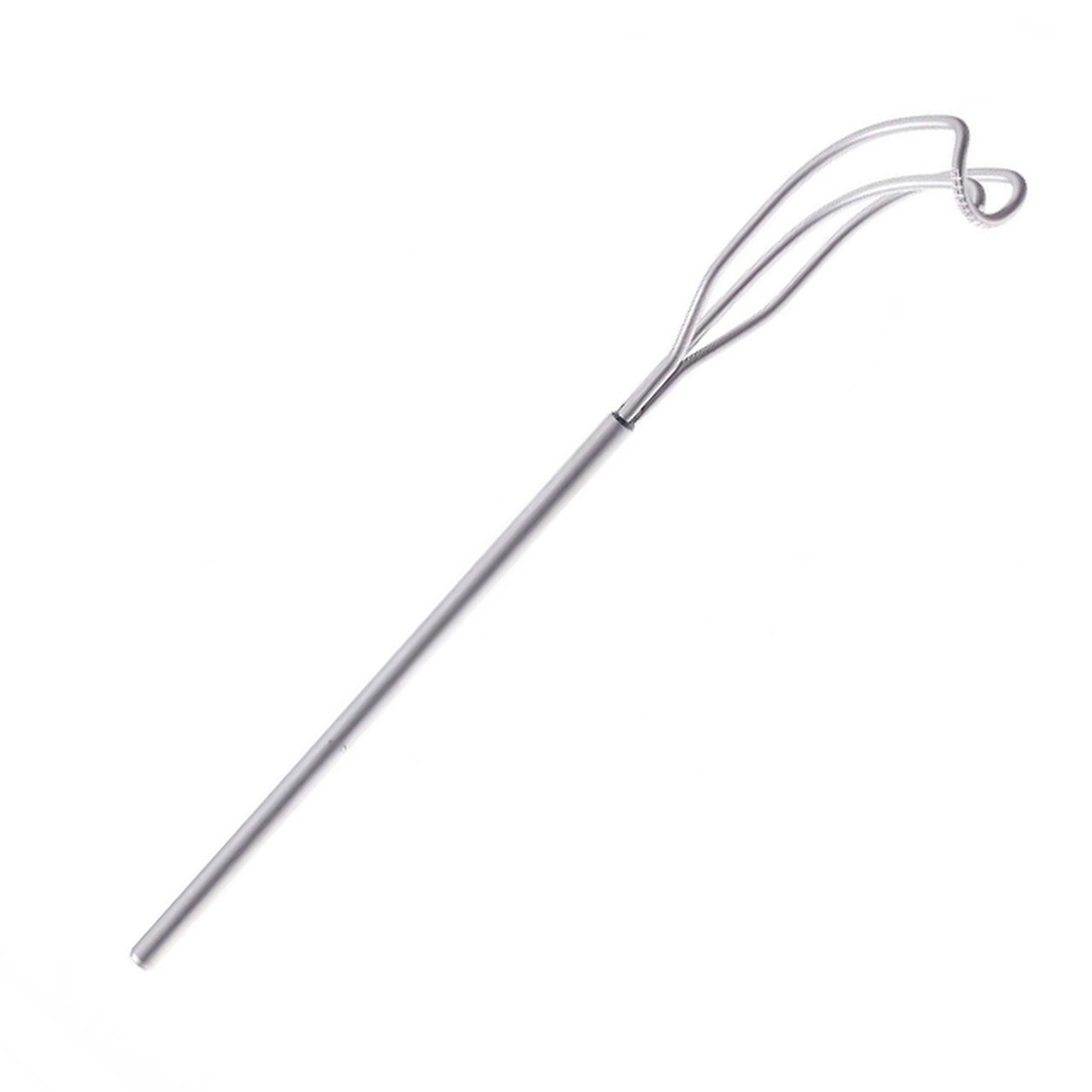 | Cooley Atrial Retractor | Specifically designed to retract the atrial wall and provide structured operative exposure during cardiac valve procedures. |
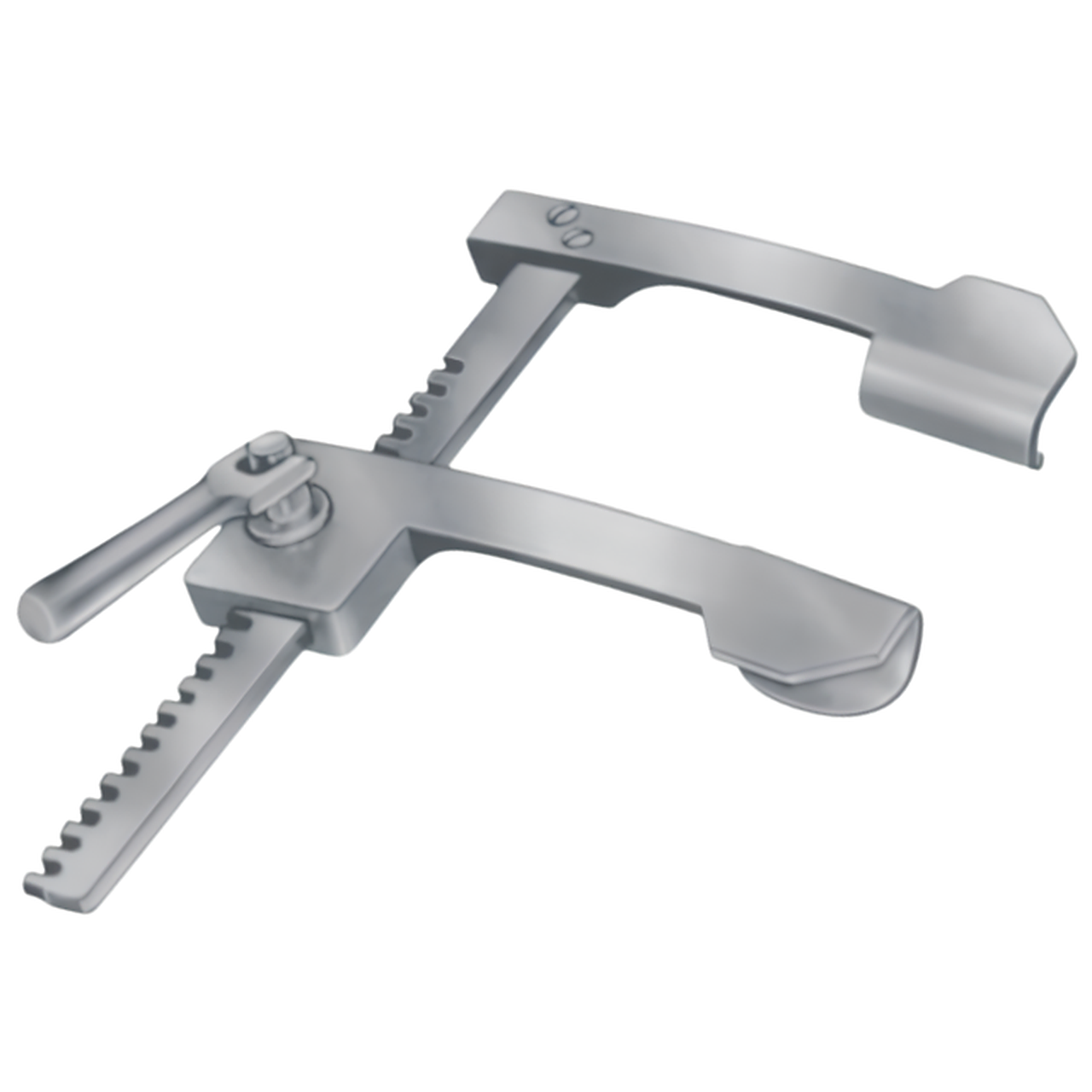 | Cooley Rib Spreader | Specifically designed to separate adjacent ribs and maintain an open chest corridor during cardiothoracic surgery. |
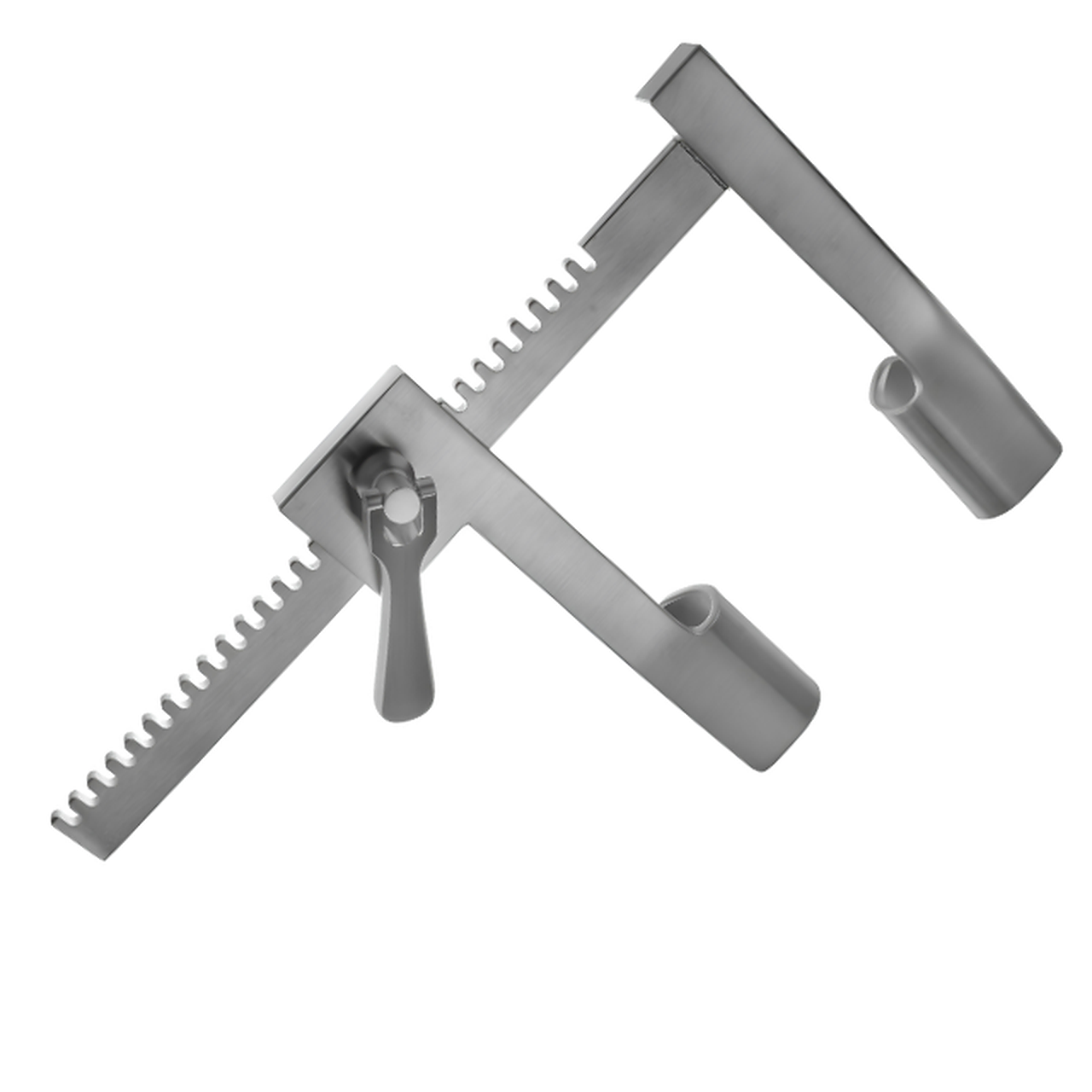 | Cooley Sternal Retractor | Specifically engineered to separate and retract the sternum during open cardiothoracic and mediastinal procedures. |
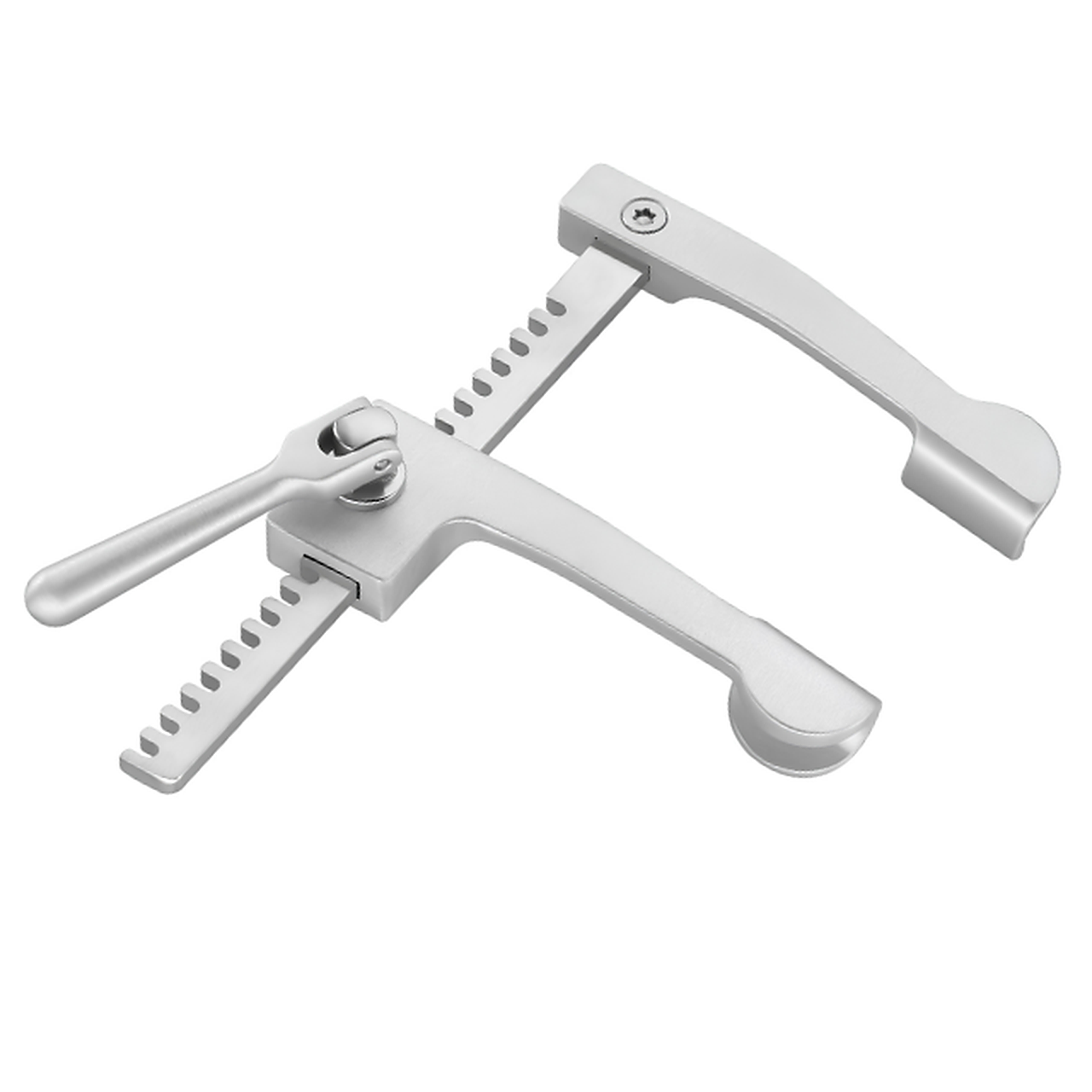 | Cooley Sternotomy Retractor | Specifically designed for precise sternal separation and exposure during neonatal and pediatric cardiac surgery. |
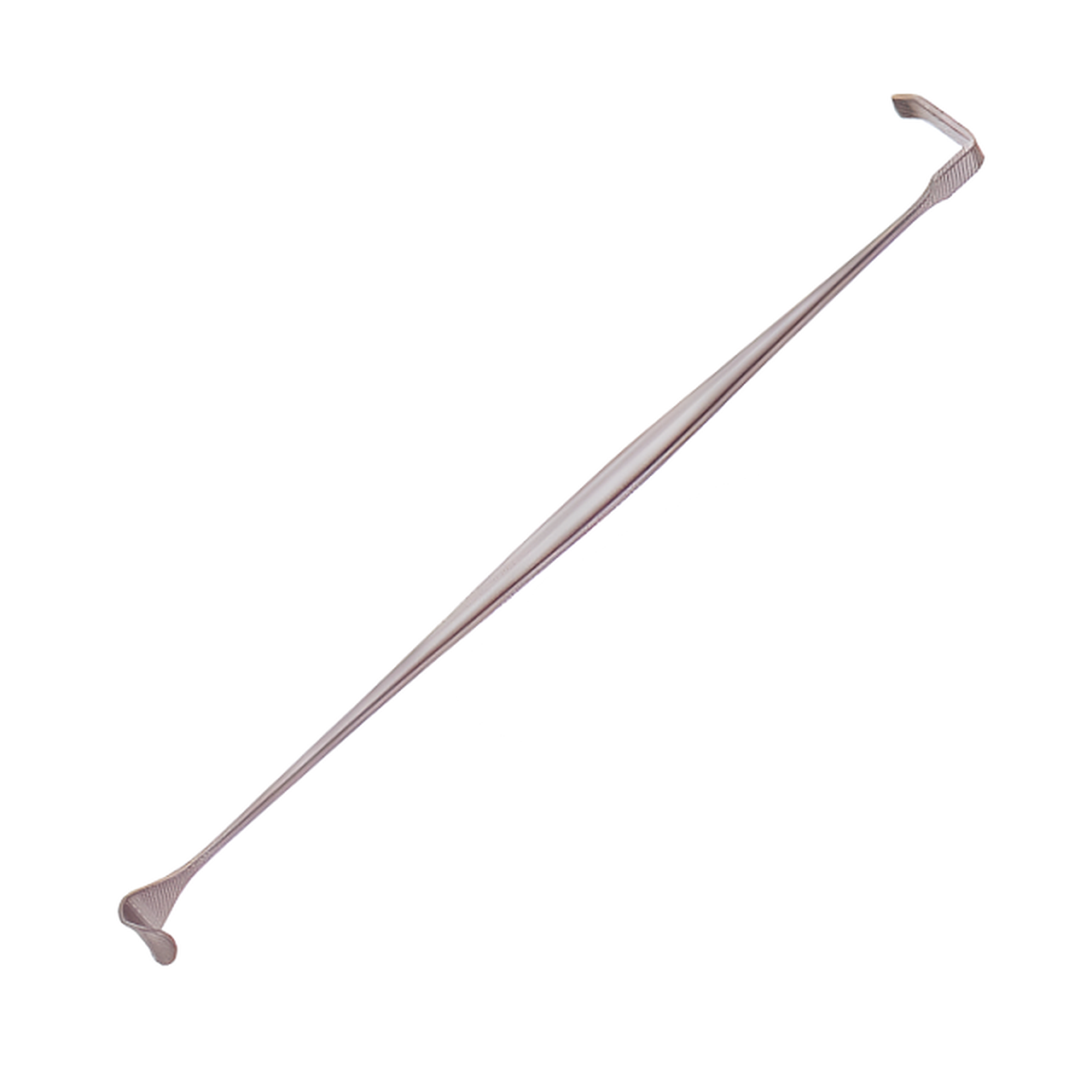 | Cope Retractor Double Ended | Specifically designed to retract skin, fascia, and soft tissue during general, plastic, and ENT surgical procedures. |
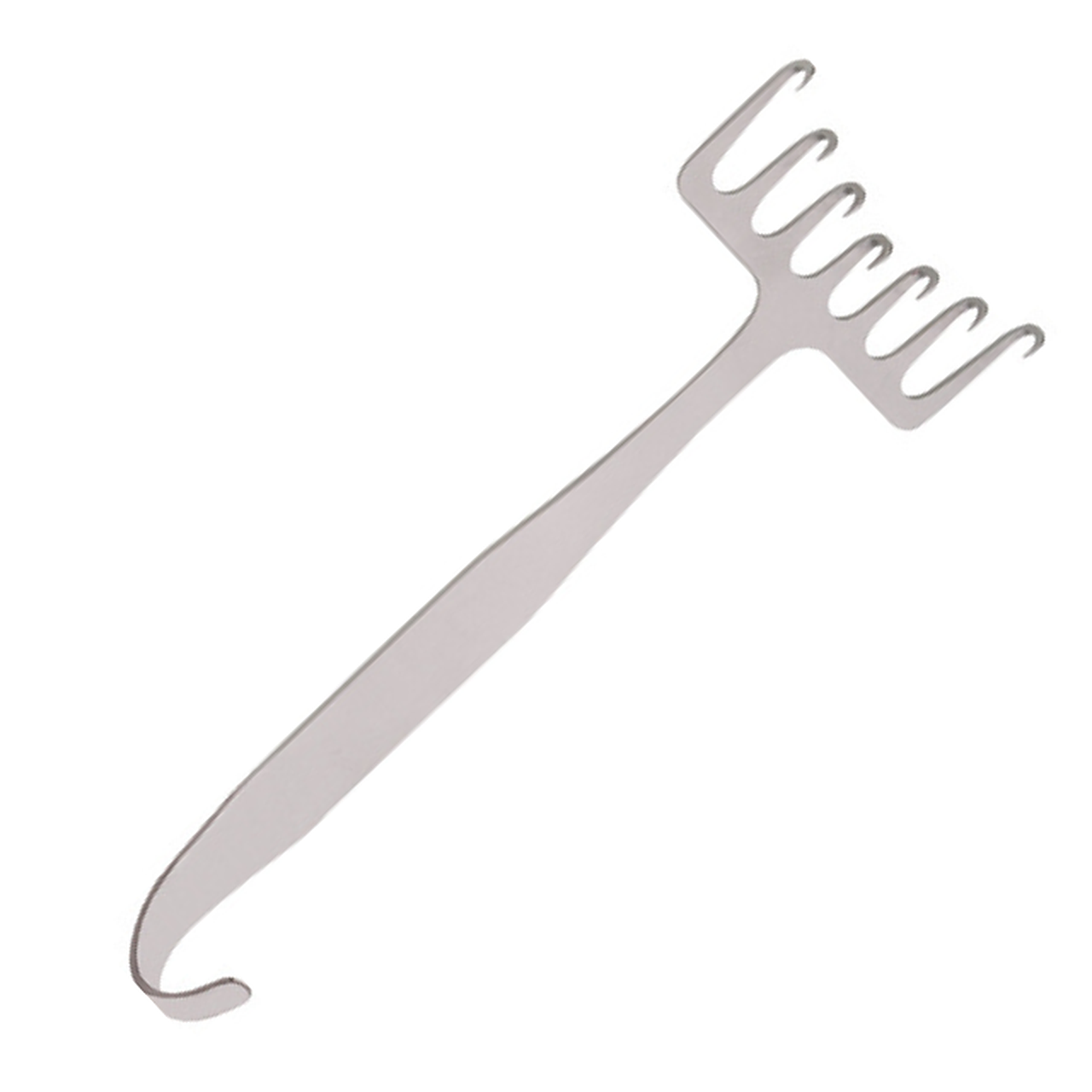 | Coronal Brow Lift Retractor | Specifically designed to retract dense scalp flaps, galea, and forehead tissues during open coronal brow lift procedures. |
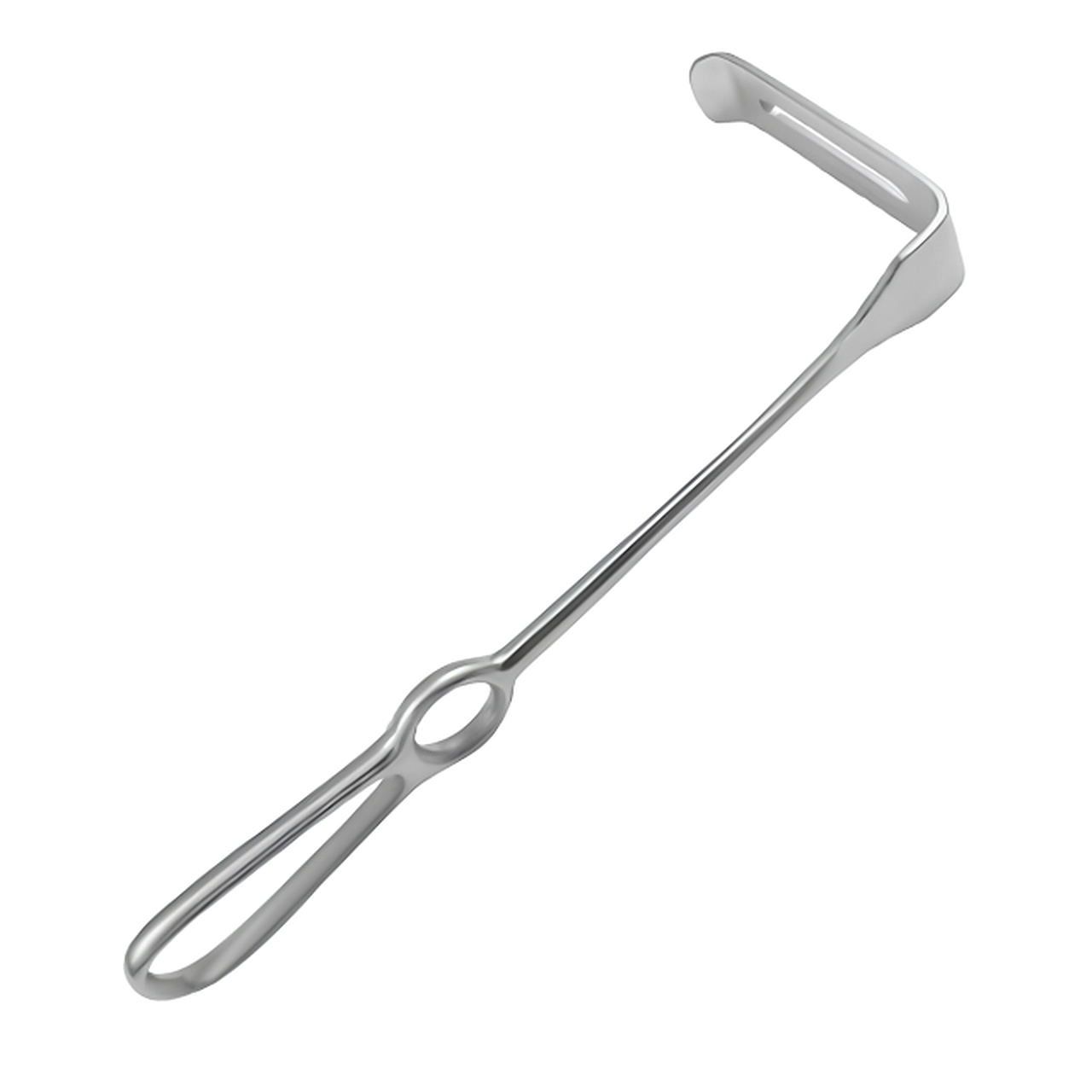 | Coryllos Retractors | Specifically designed to retract chest wall musculature, ribs, and lung tissue during open thoracic surgery. |
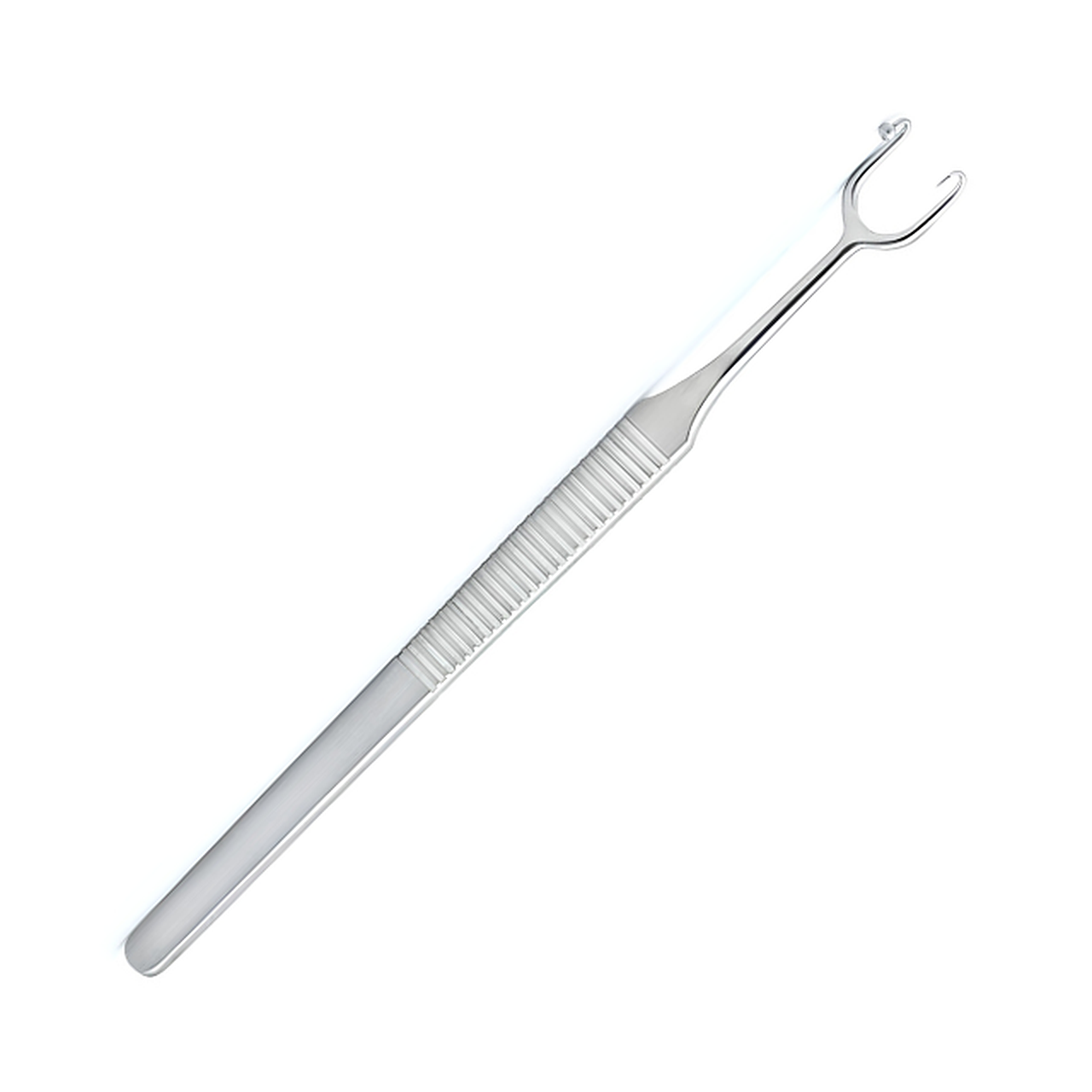 | Cottle Alar Nasal Retractor / Hook | Specifically designed to retract the alar rim and nostril margins during aesthetic and reconstructive rhinoplasty. |
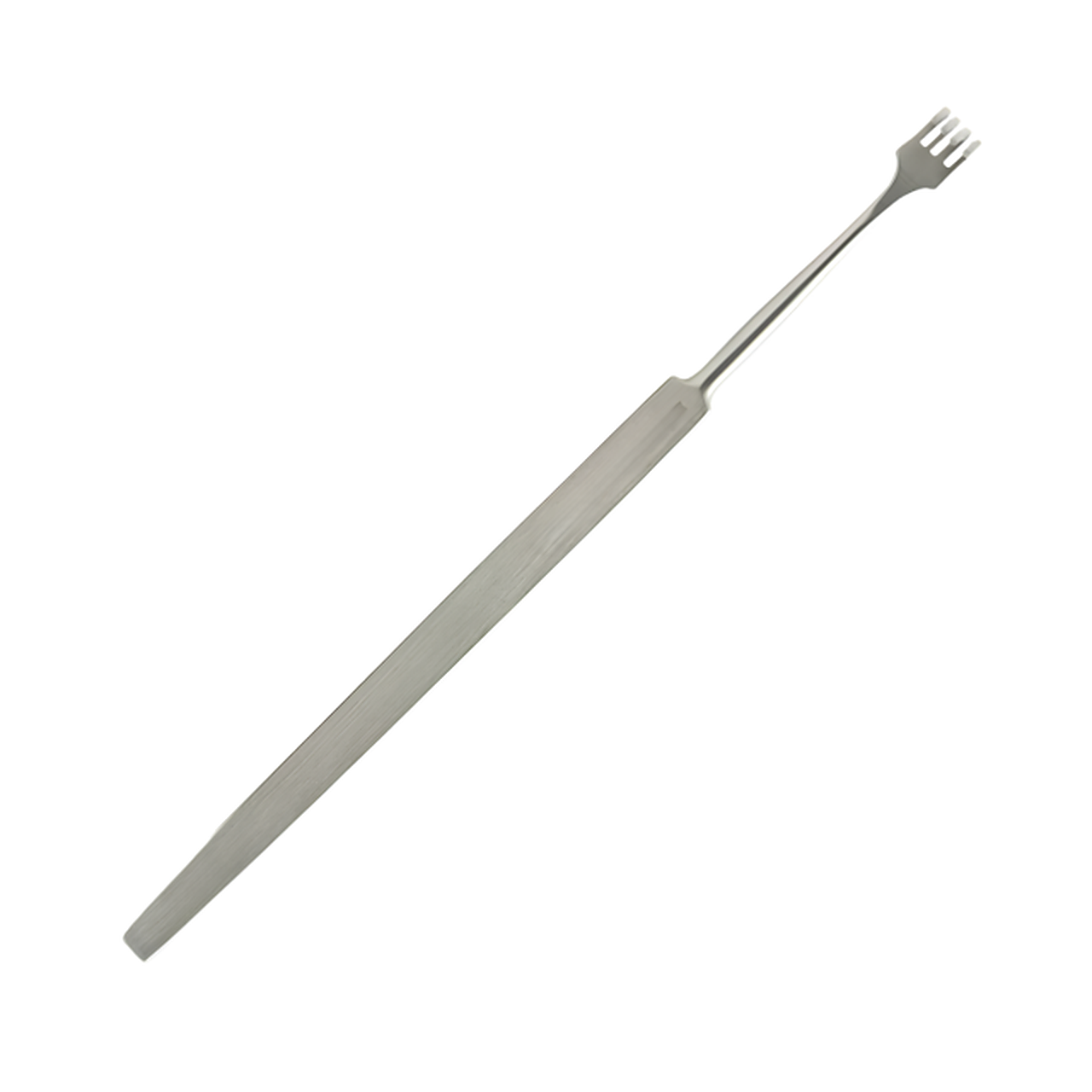 | Cottle Nasal Retractor - 4 Blunt Prongs | Specifically designed to retract the alar rim, columella, and vestibular mucosa during rhinoplasty and septoplasty. |
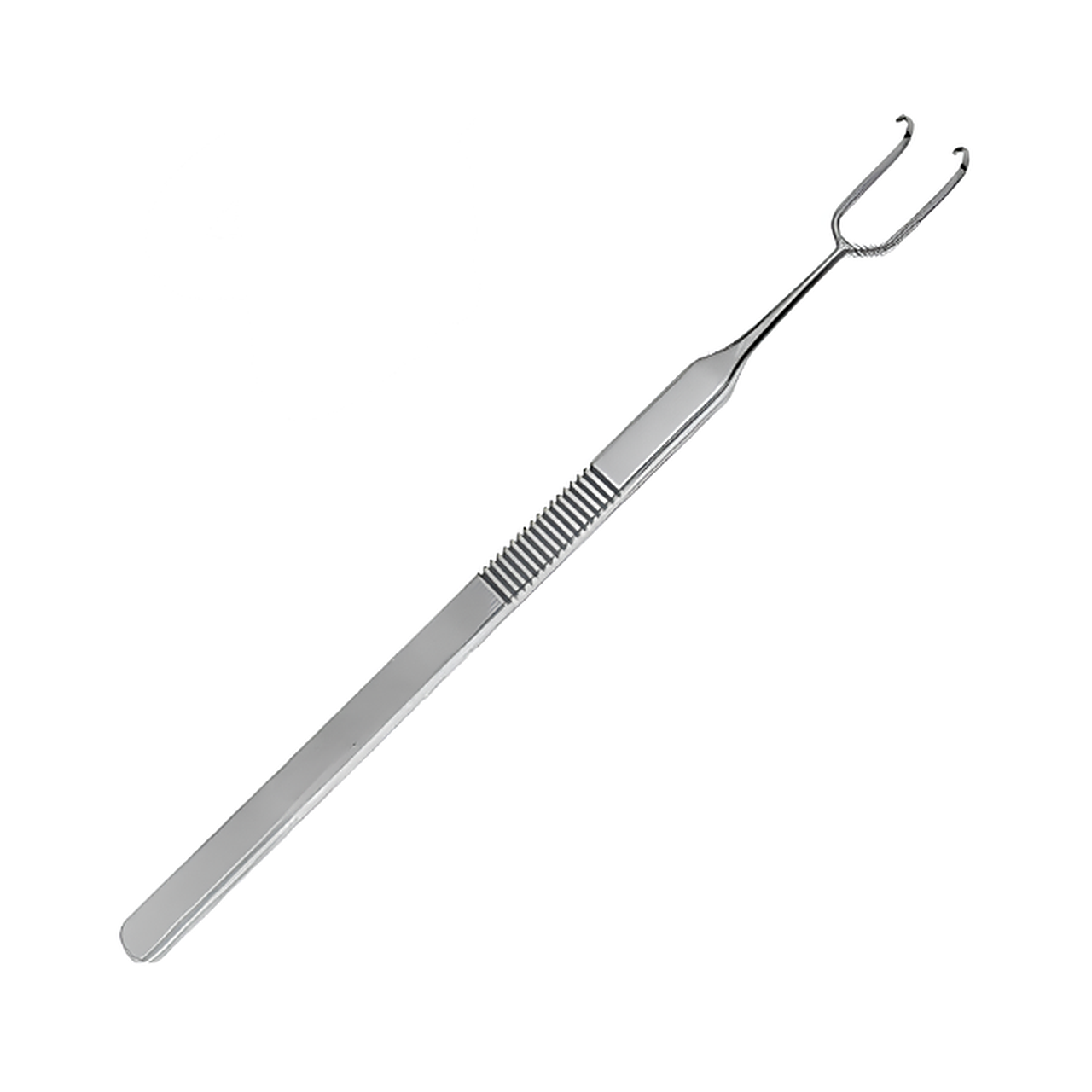 | Cottle Retractor Hook 2 Prong | Specifically designed to retract skin flaps, mucosa, and cartilages during rhinoplasty and facial plastic surgery. |
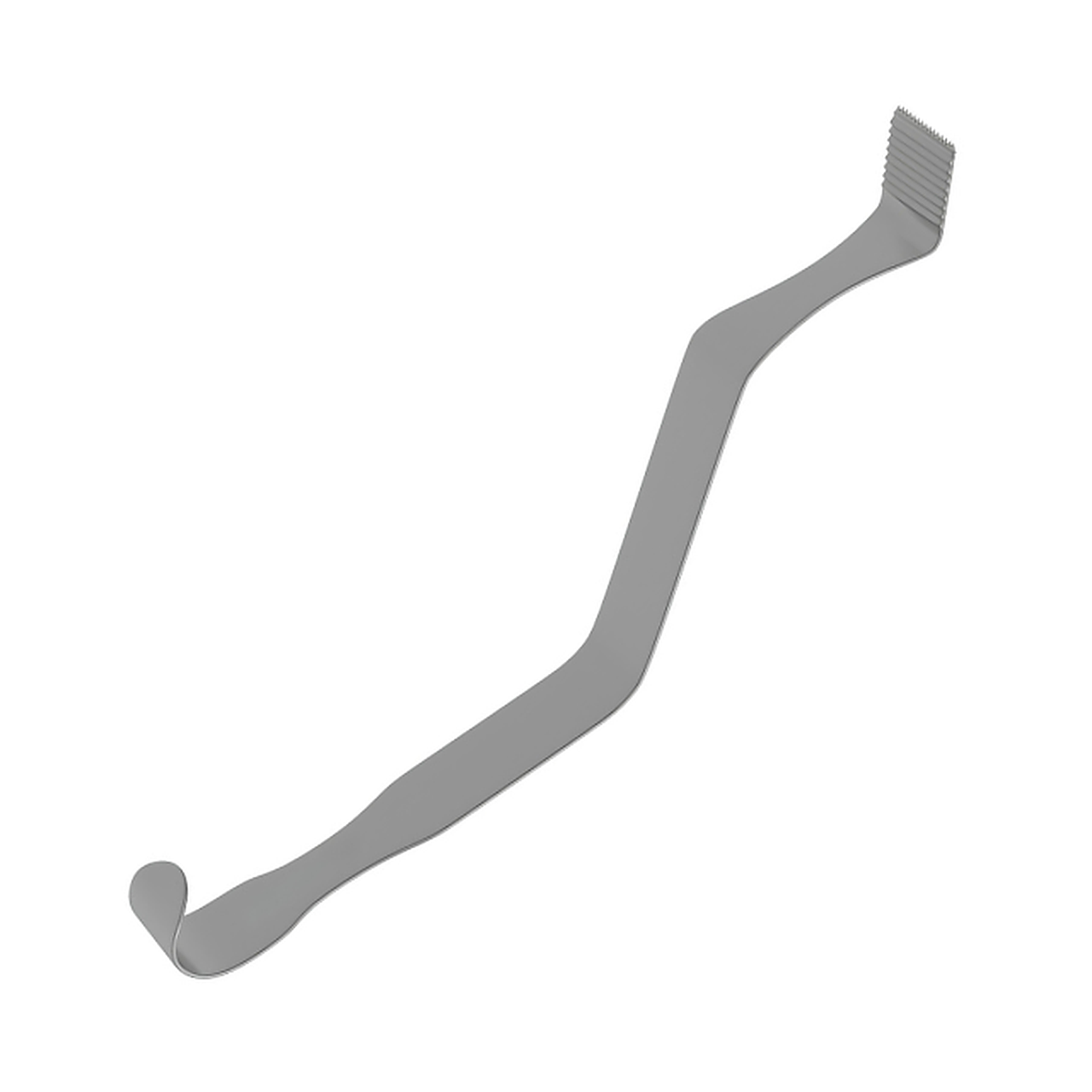 | Crawford Aortic Retractor | Specifically designed to retract the aorta, vena cava, and large vessels during vascular reconstruction and aneurysm surgery. |
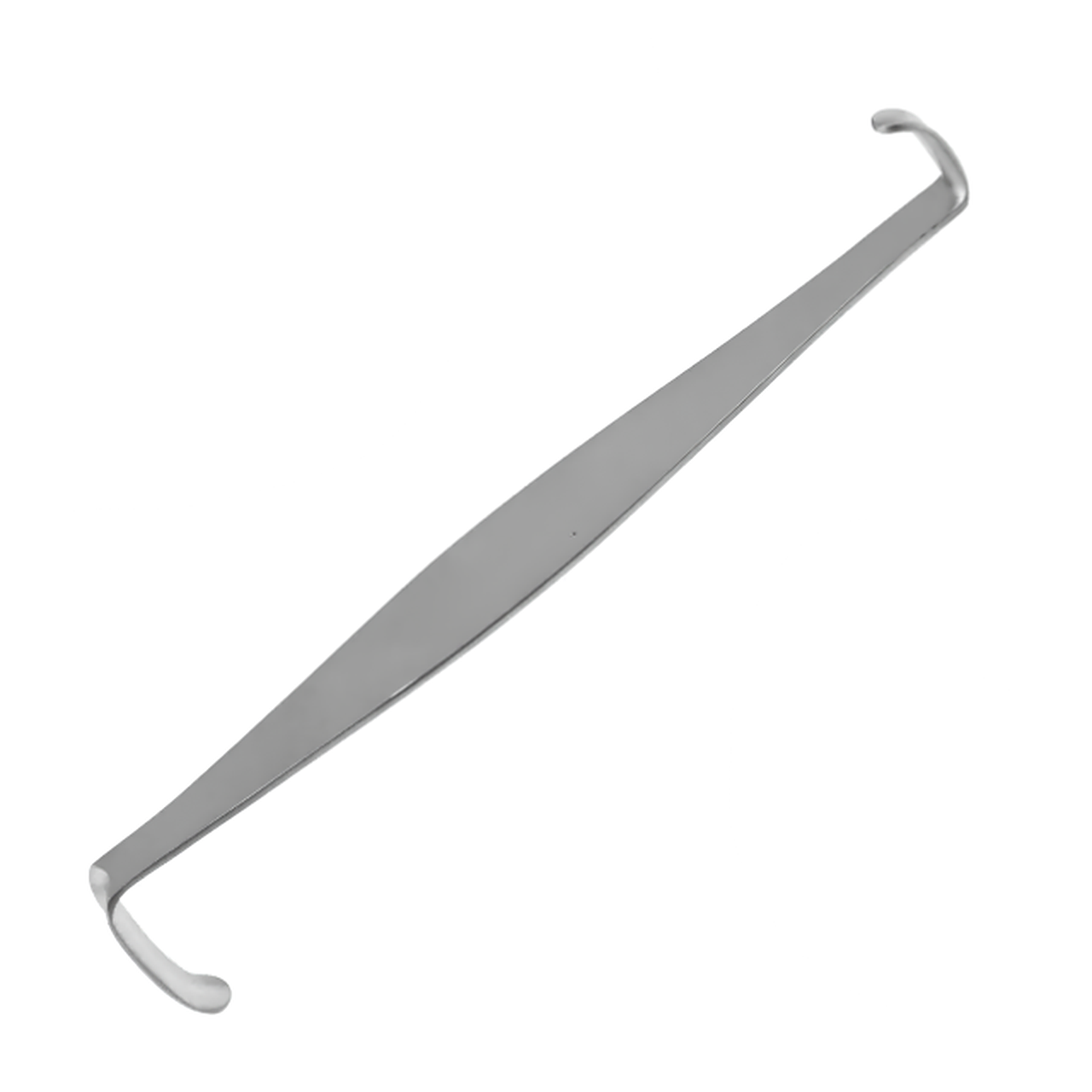 | Crile Retractor Double-Ended | Specifically designed to retract skin margins, fascia, and subcutaneous soft tissue during minor surgical and plastic procedures. |
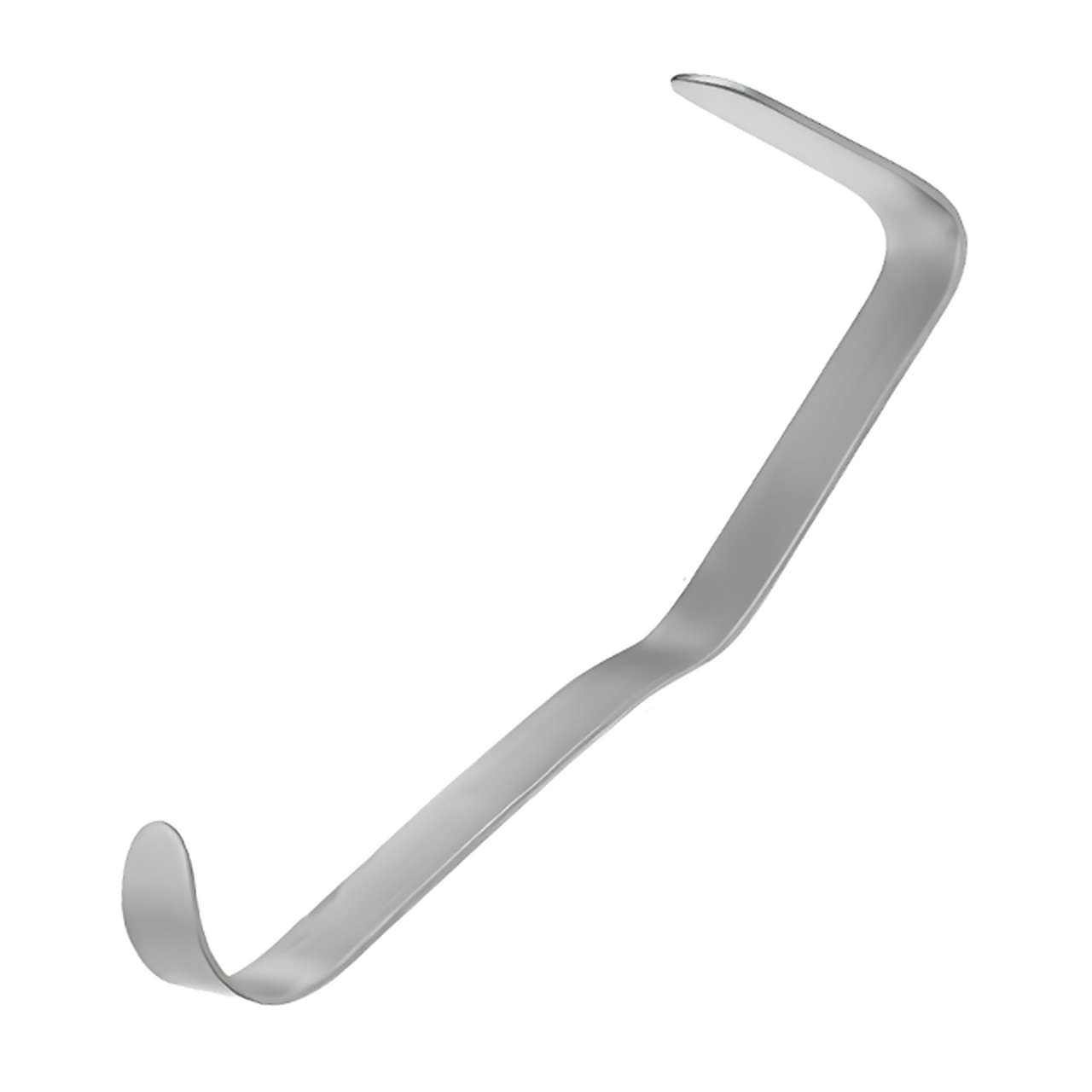 | Cronin Cheek Retractor | Specifically designed to retract the cheeks, lips, and buccal mucosa during oral, maxillofacial, and cleft palate surgery. |
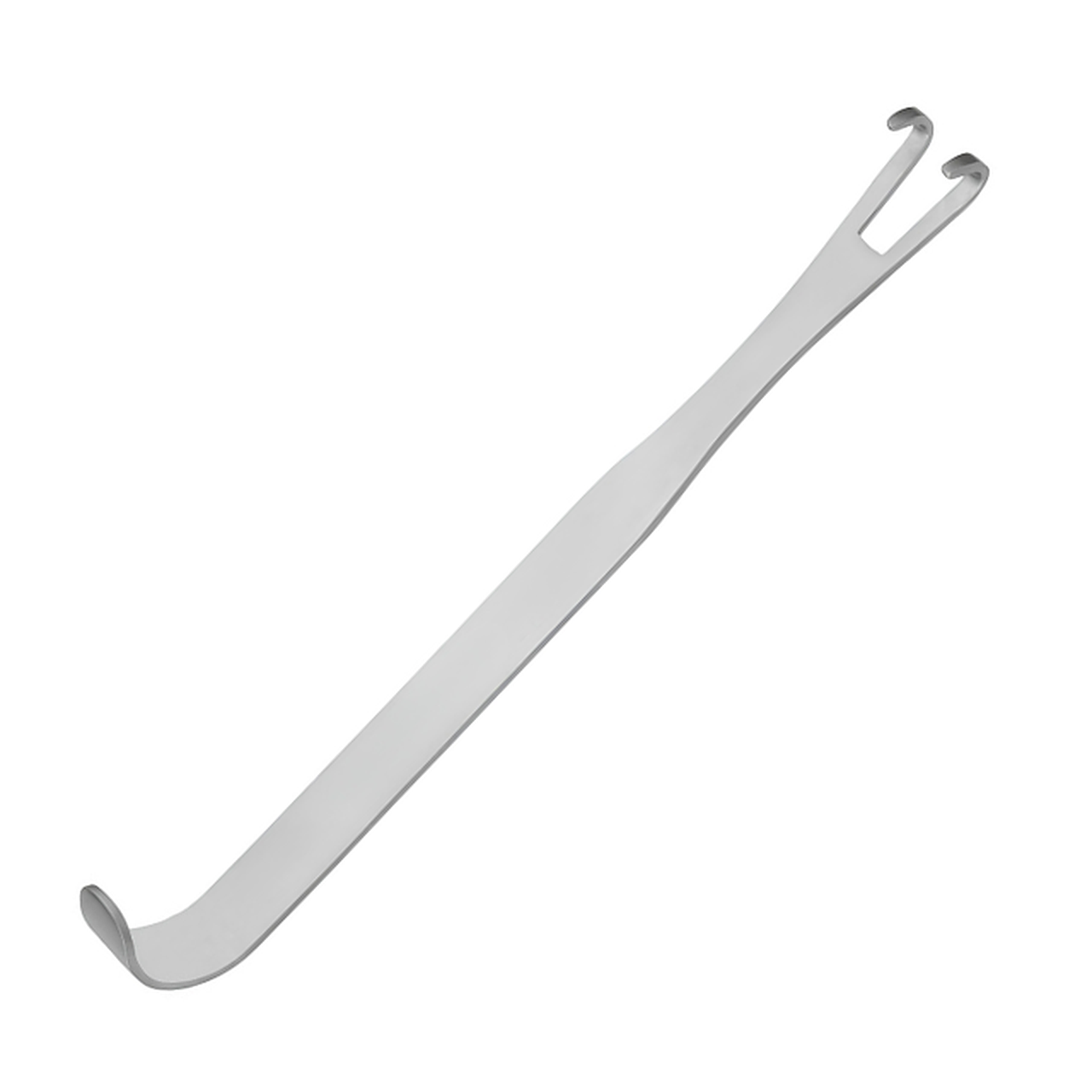 | Cronin Lip & Nostril Retractor | Specifically designed to retract the nostrils and elevate the upper lip during cleft lip repair and rhinoplasty. |
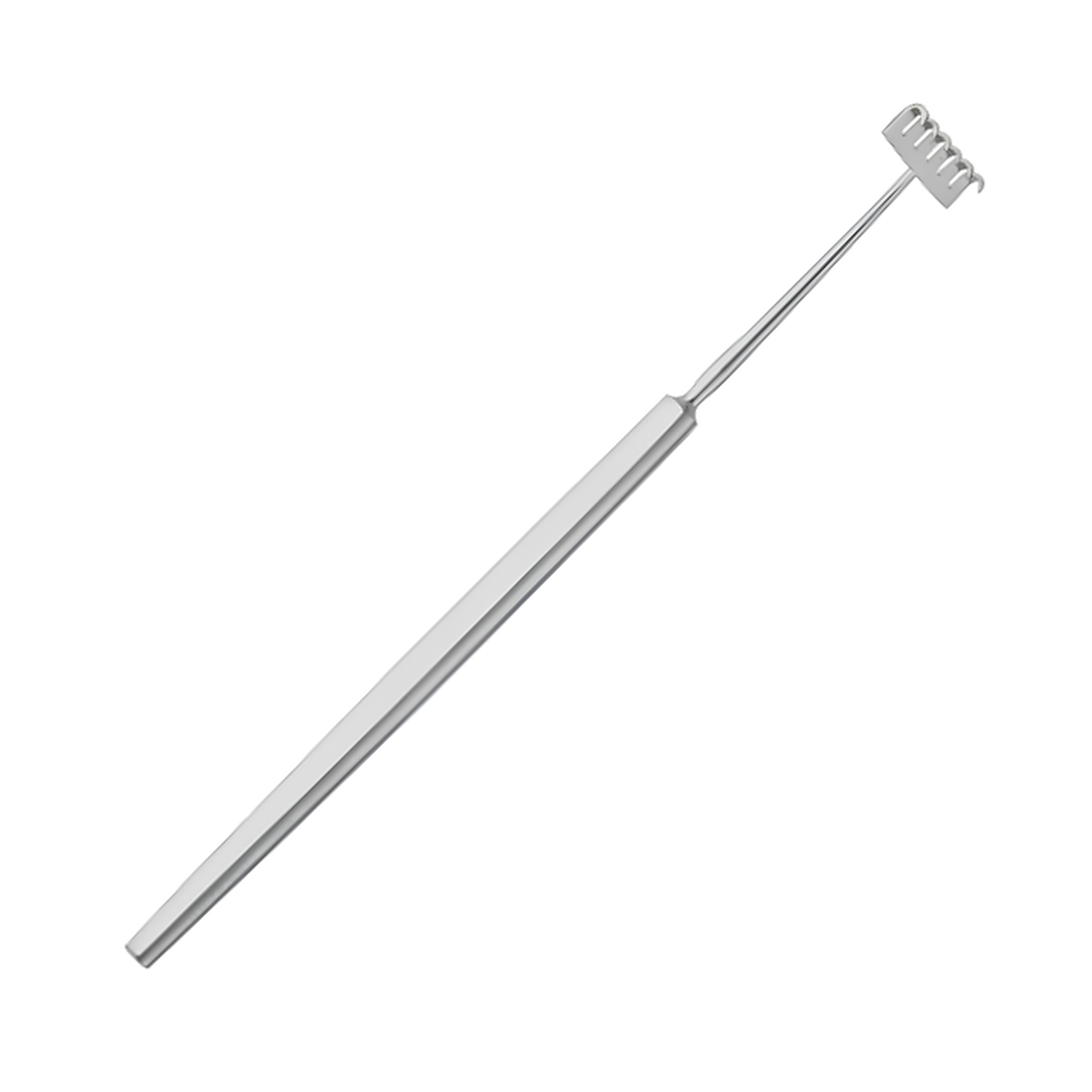 | Curtin Skin and Tissue Retractor | Specifically engineered for skin flap elevation, cutaneous traction, and subcutaneous soft-tissue retraction during plastic surgery. |
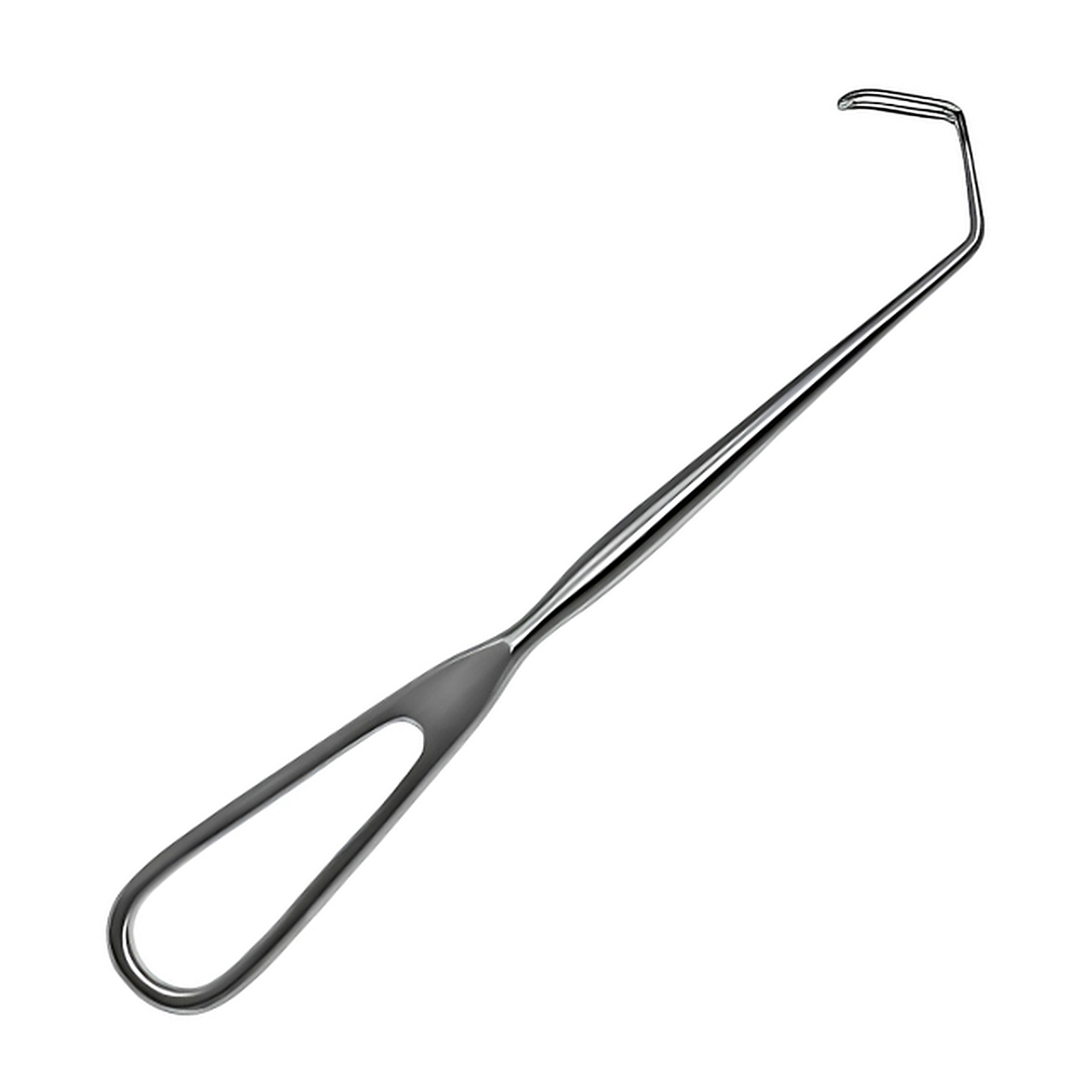 | Cushing Decompression Retractor | Specifically designed to retract nerve roots, thecal sac, and dura while maximizing line-of-sight during cranial and spinal decompression. |
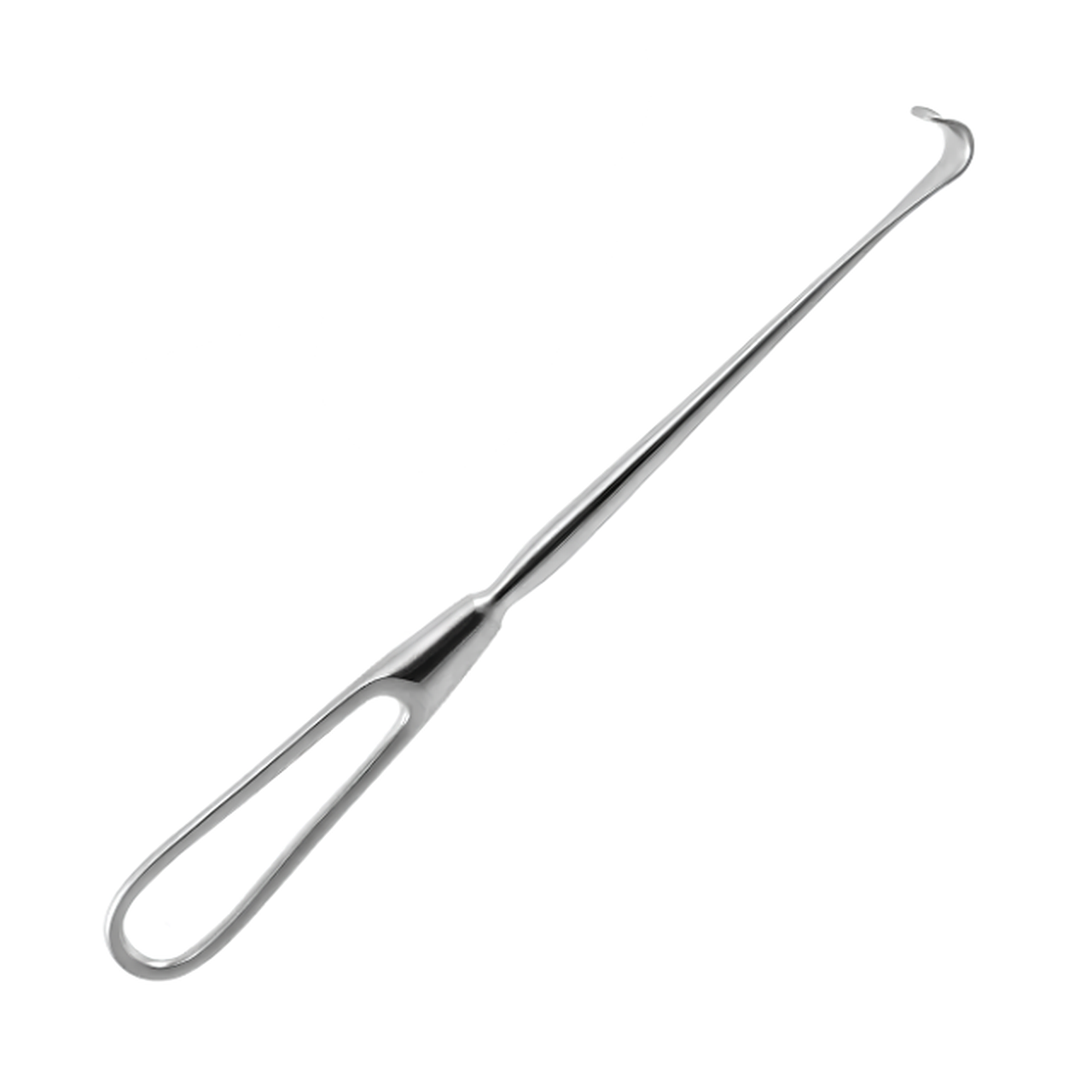 | Cushing Vein Retractor | Specifically designed to mobilize, isolate, and retract delicate veins, arteries, and nerve trunks during vascular, spinal, and general surgery. |
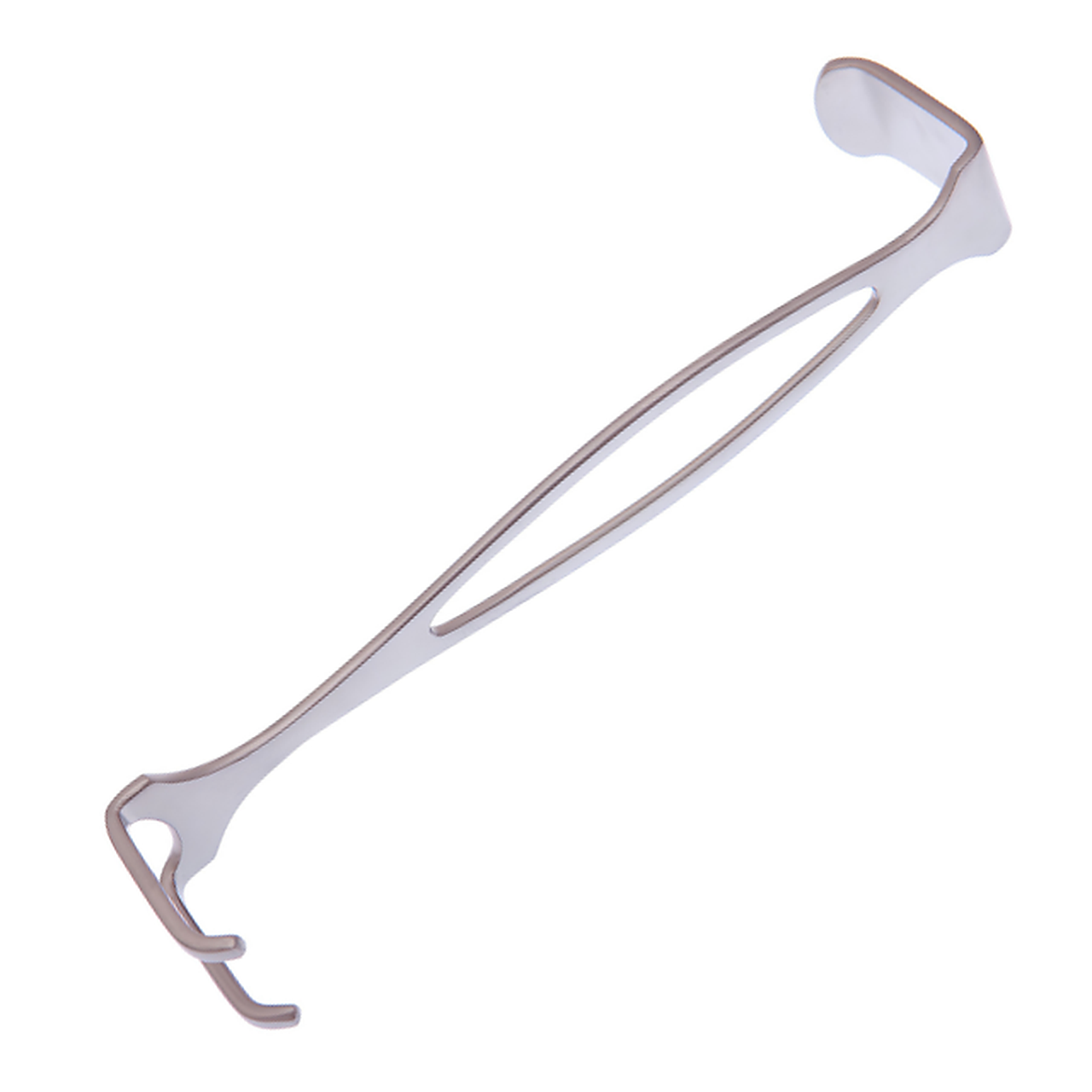 | Czerny Retractor Double-Ended | Specifically designed to retract skin, fascia, and abdominal wall musculature during laparotomy and pelvic procedures. |
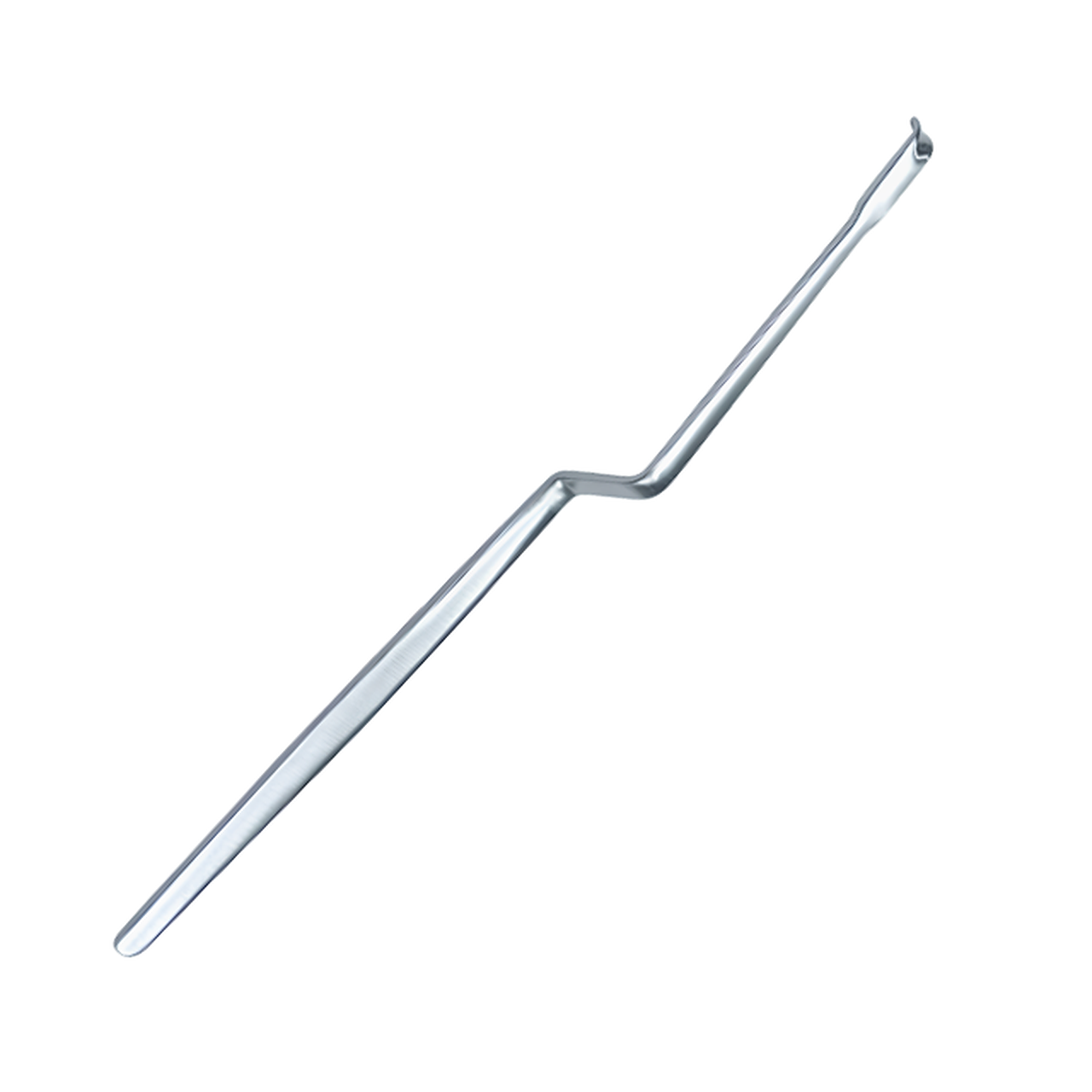 | D'Errico Nerve Root Retractor | Specifically engineered to mobilize, cradle, and shield spinal nerve roots and the thecal sac during microsurgical lumbar discectomy. |
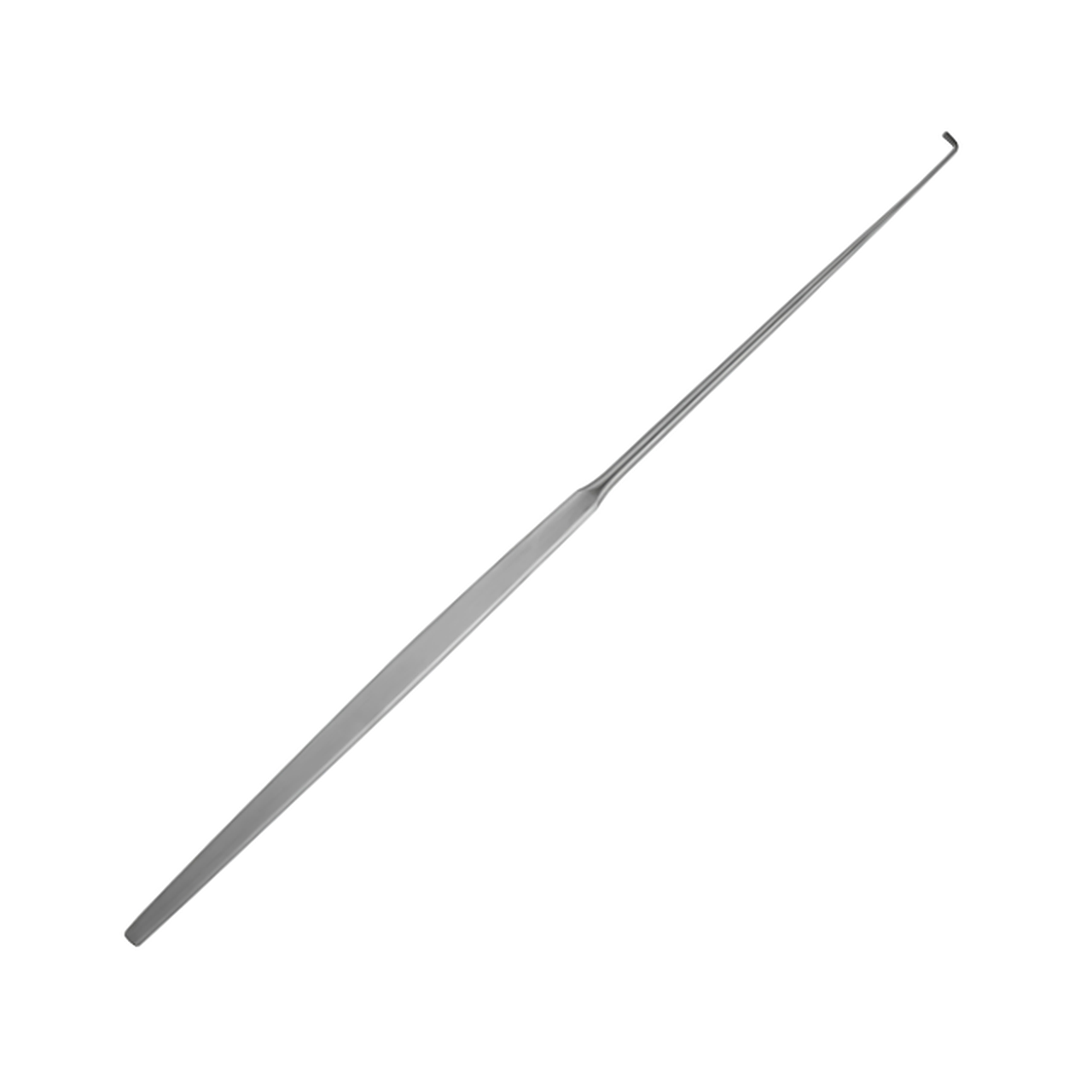 | Dandy Nerve Retractor | Specifically designed to manipulate, explore, and retract cranial nerves and vascular bundles during microneurosurgery. |
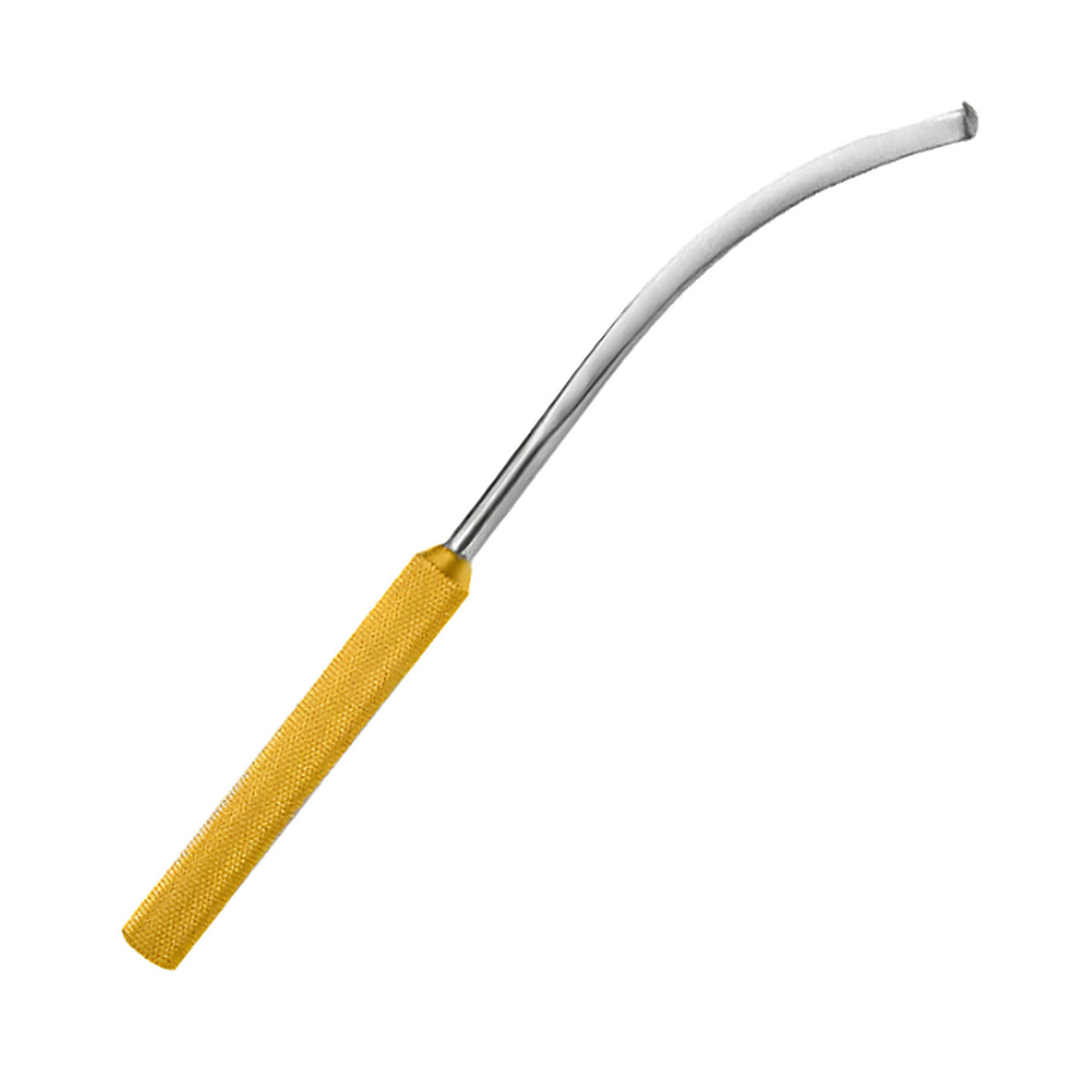 | Daniel Endoscopic Forehead Nerve Retractor | Specifically designed to retract soft tissues and protect neurovascular bundles during endoscopic forehead and brow lifts. |
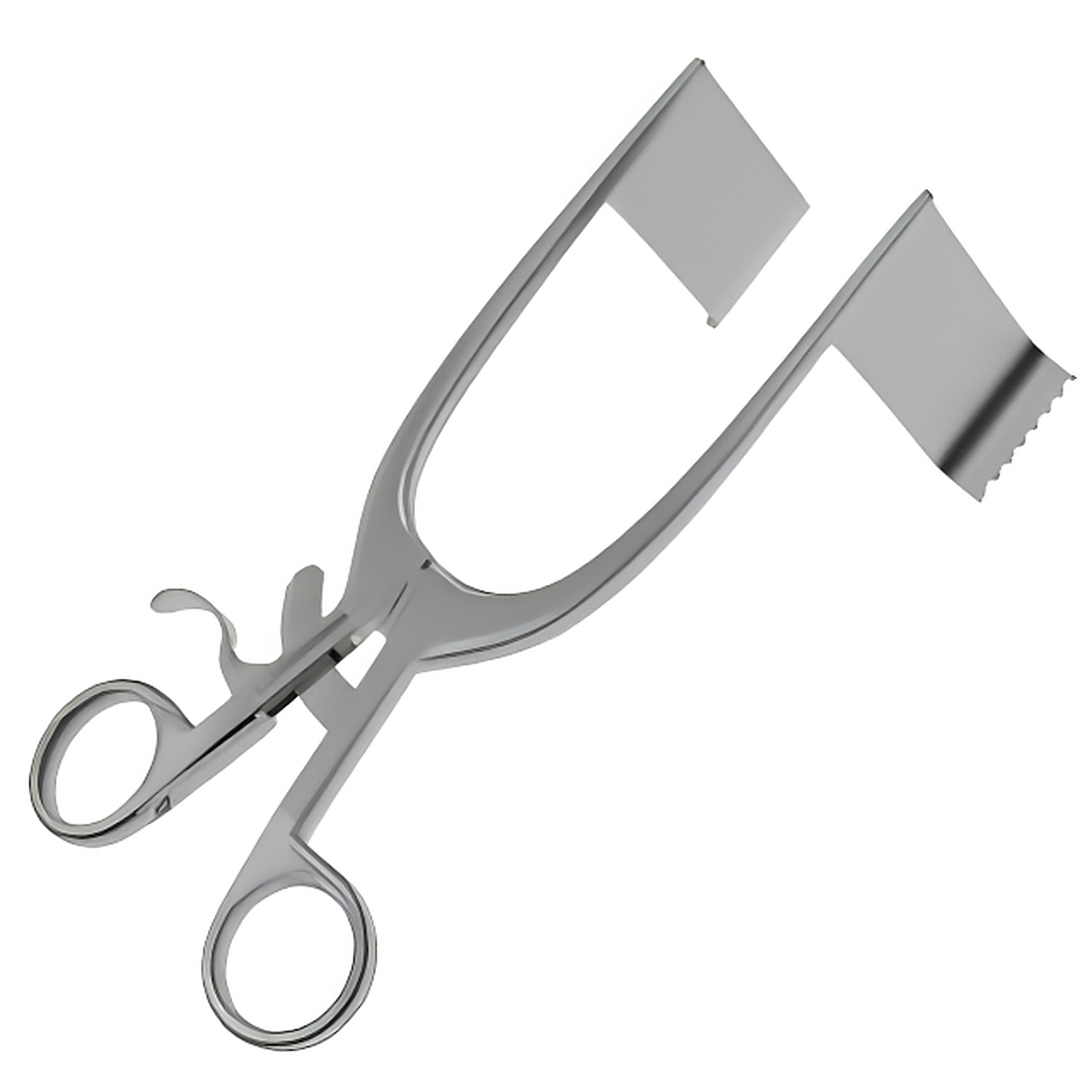 | Darling Popliteal Self-Retaining Retractor | Specifically designed to provide self-retaining soft-tissue and muscular retraction in the popliteal space during vascular procedures. |
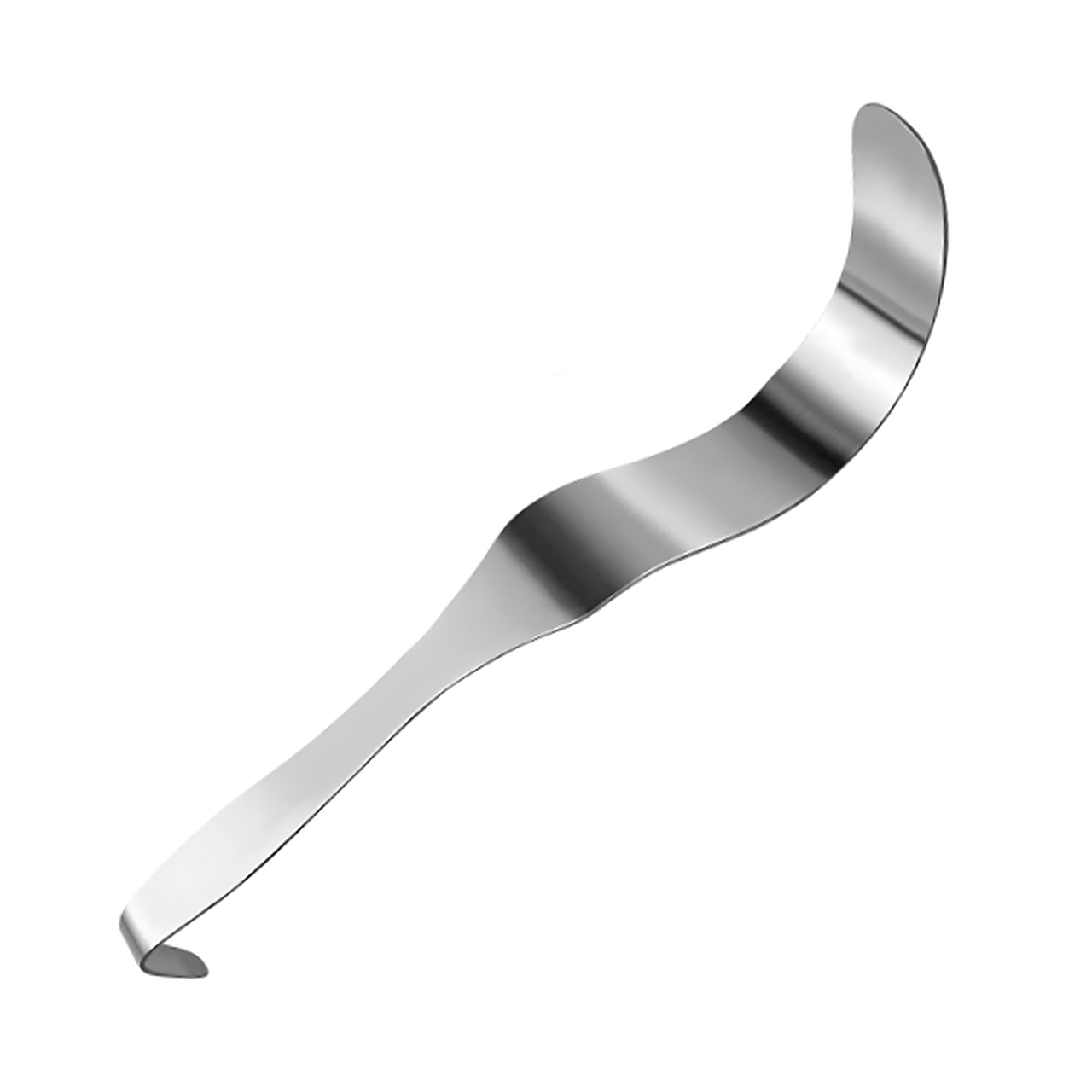 | Deaver Retractor | Specifically designed to retract deep visceral organs, abdominal wall musculature, and pelvic tissues during open surgery. |
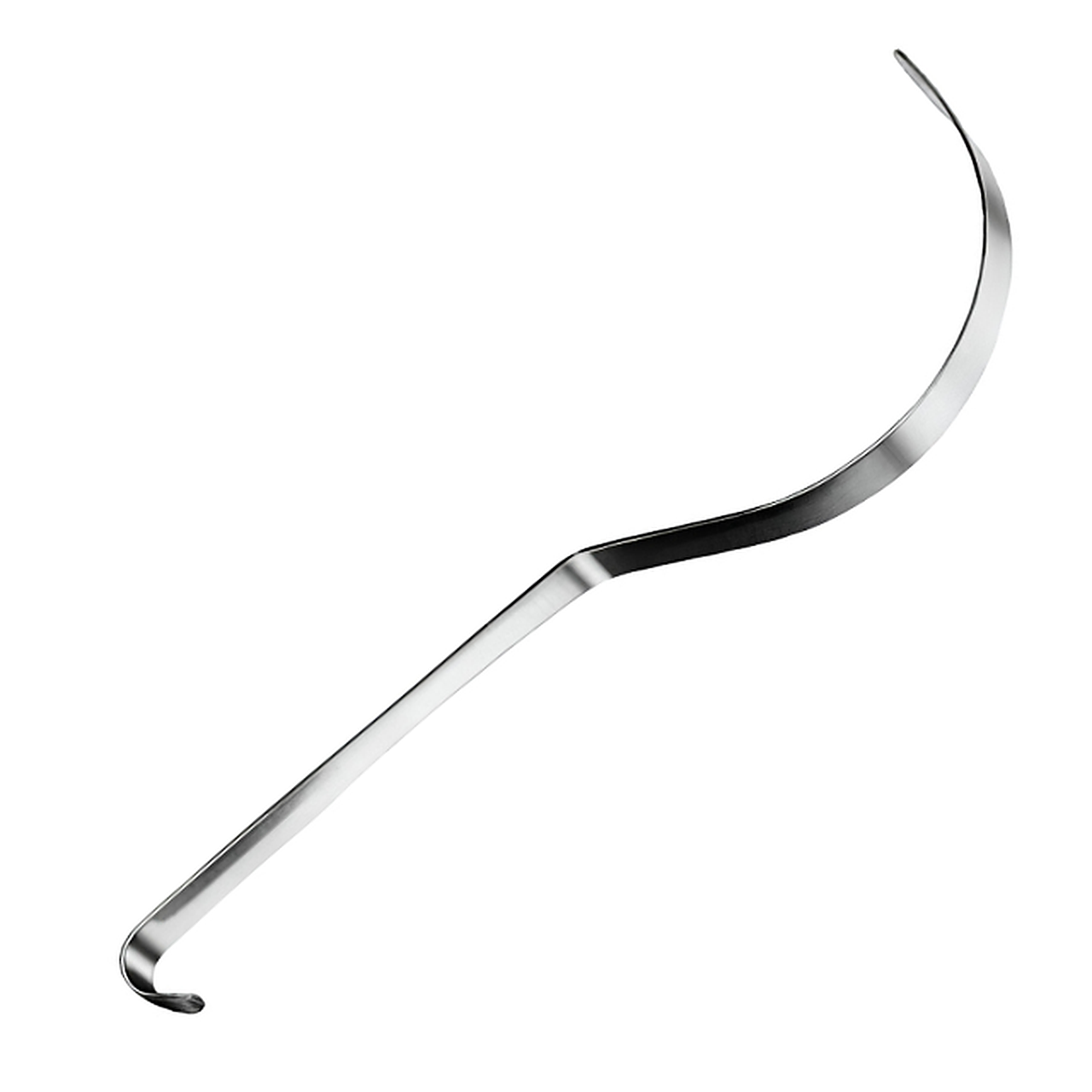 | Deaver Retractor Thin Handle | Specifically designed to retract deep soft-tissue, visceral organs, and muscle while reducing user fatigue via a lightweight handle. |
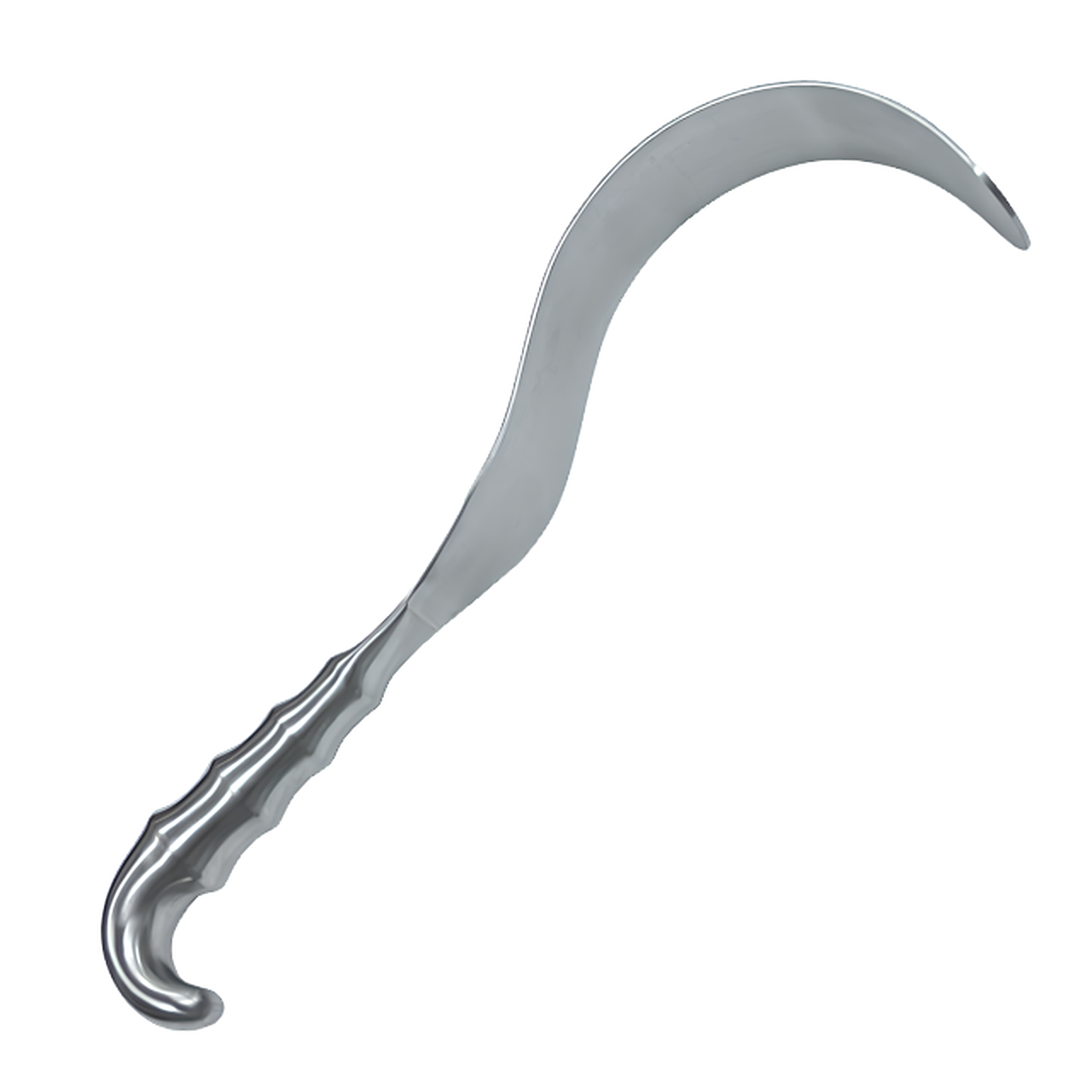 | Deaver Retractors Hollow Grip Handle | Specifically designed to retract visceral organs and muscle layers during deep abdominal, pelvic, and thoracic surgery while minimizing hand fatigue. |
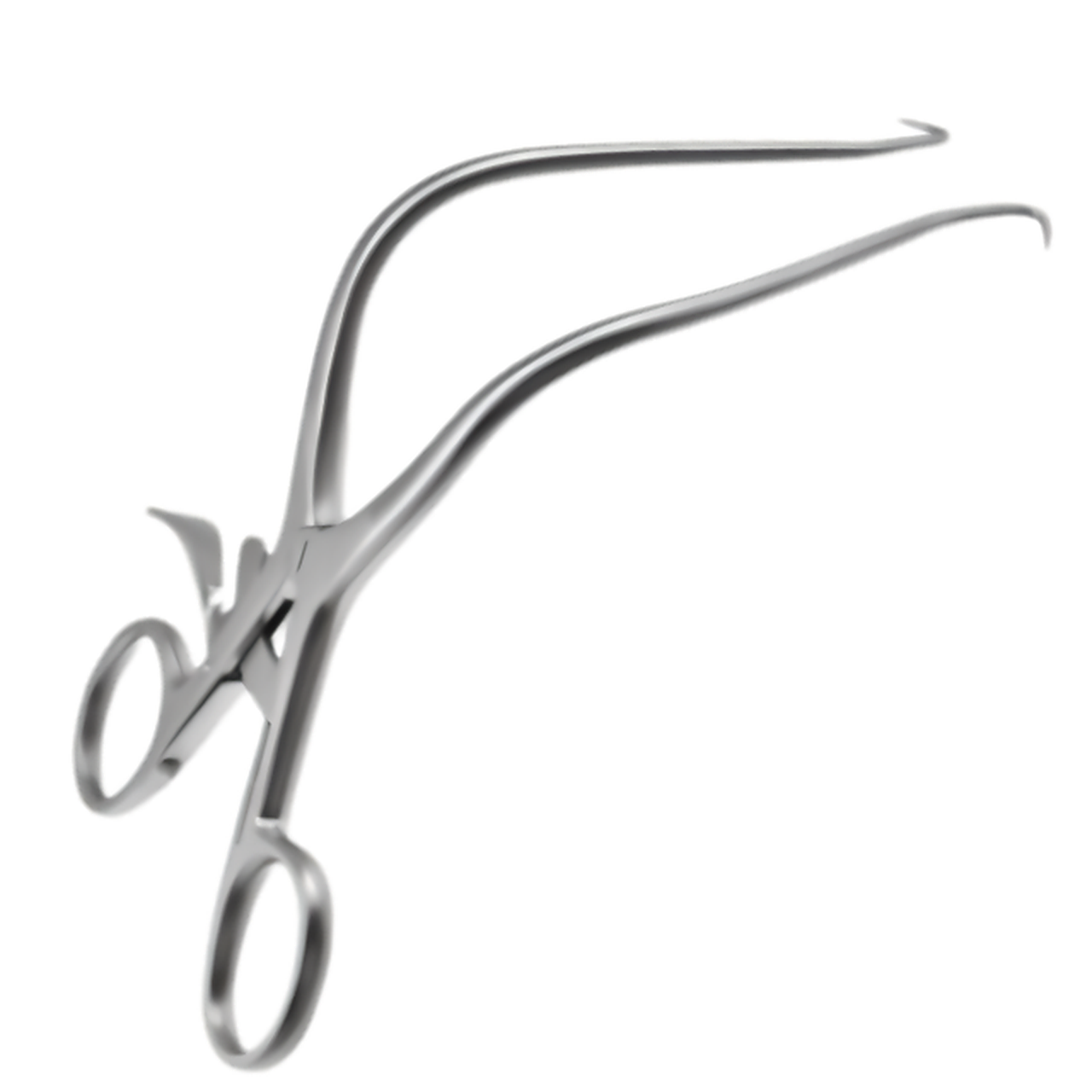 | DeBakey Retractor | Specifically designed to retract skin margins, fascia, and vascular soft tissue during surgical procedures. |
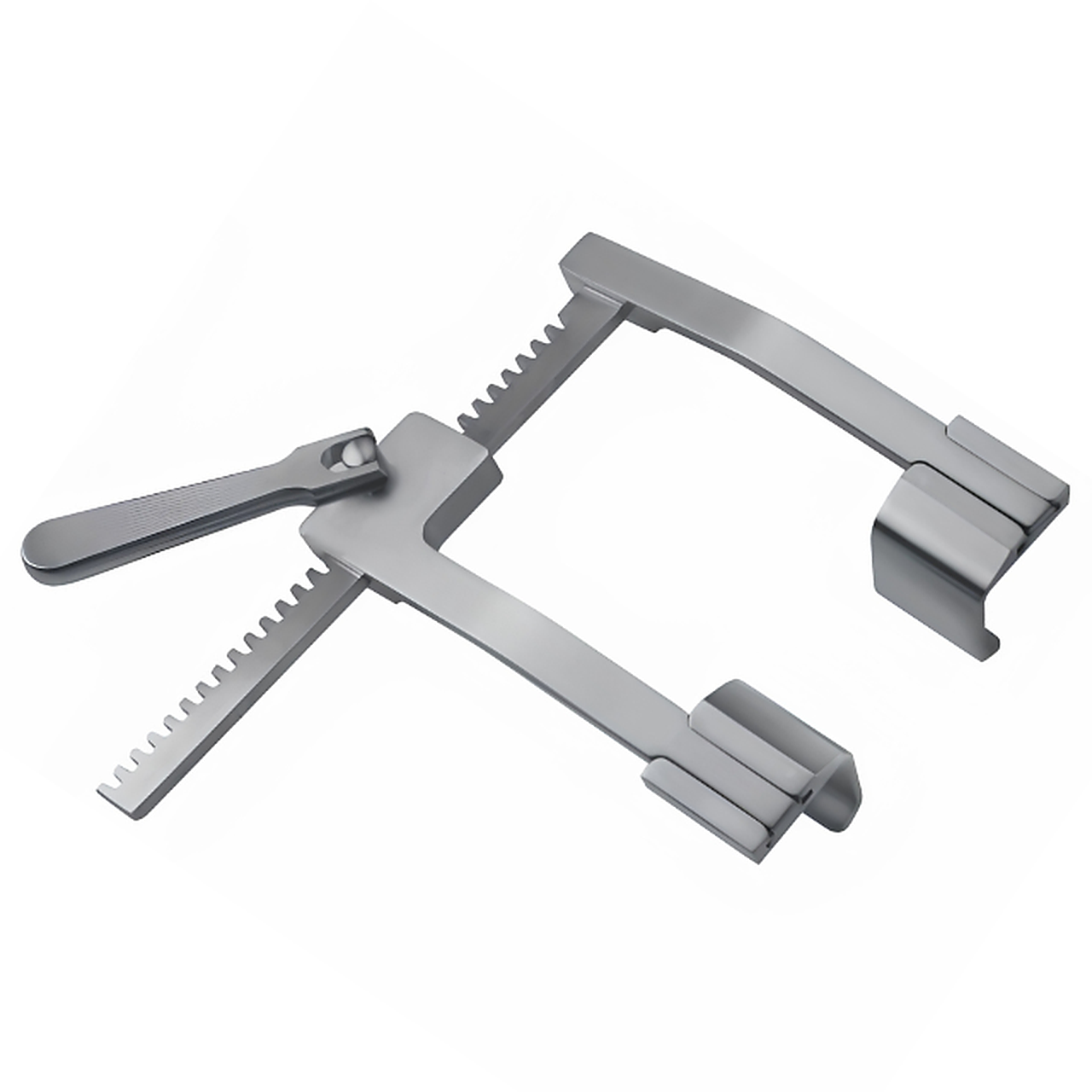 | DeBakey Rib Spreader | Specifically designed to separate adjacent ribs and expand the intercostal space during cardiac and thoracic surgery. |
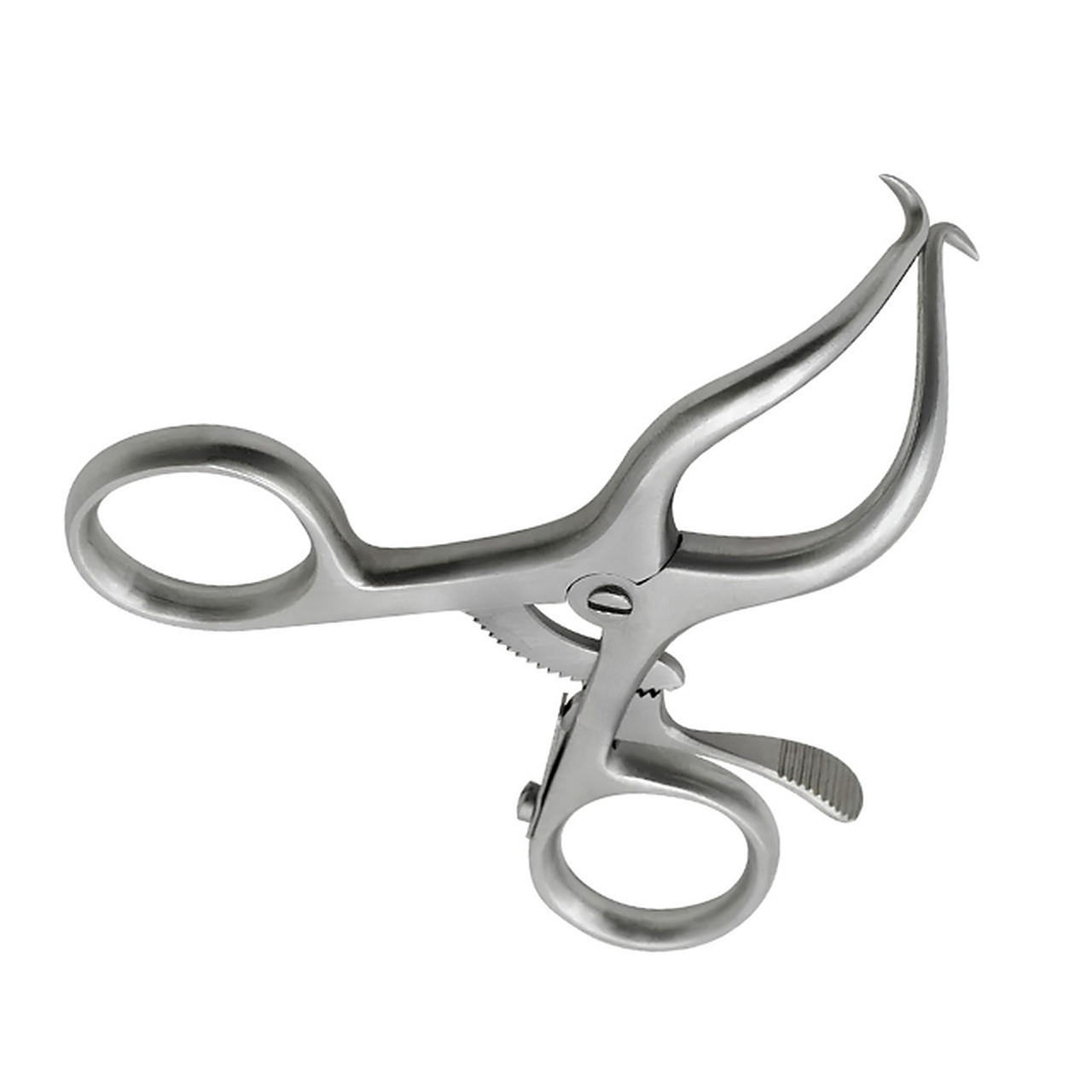 | Deep Gelpi Retractor | Specifically designed to provide self-retaining soft-tissue and muscular retraction during spinal, orthopedic, and neurosurgical procedures. |
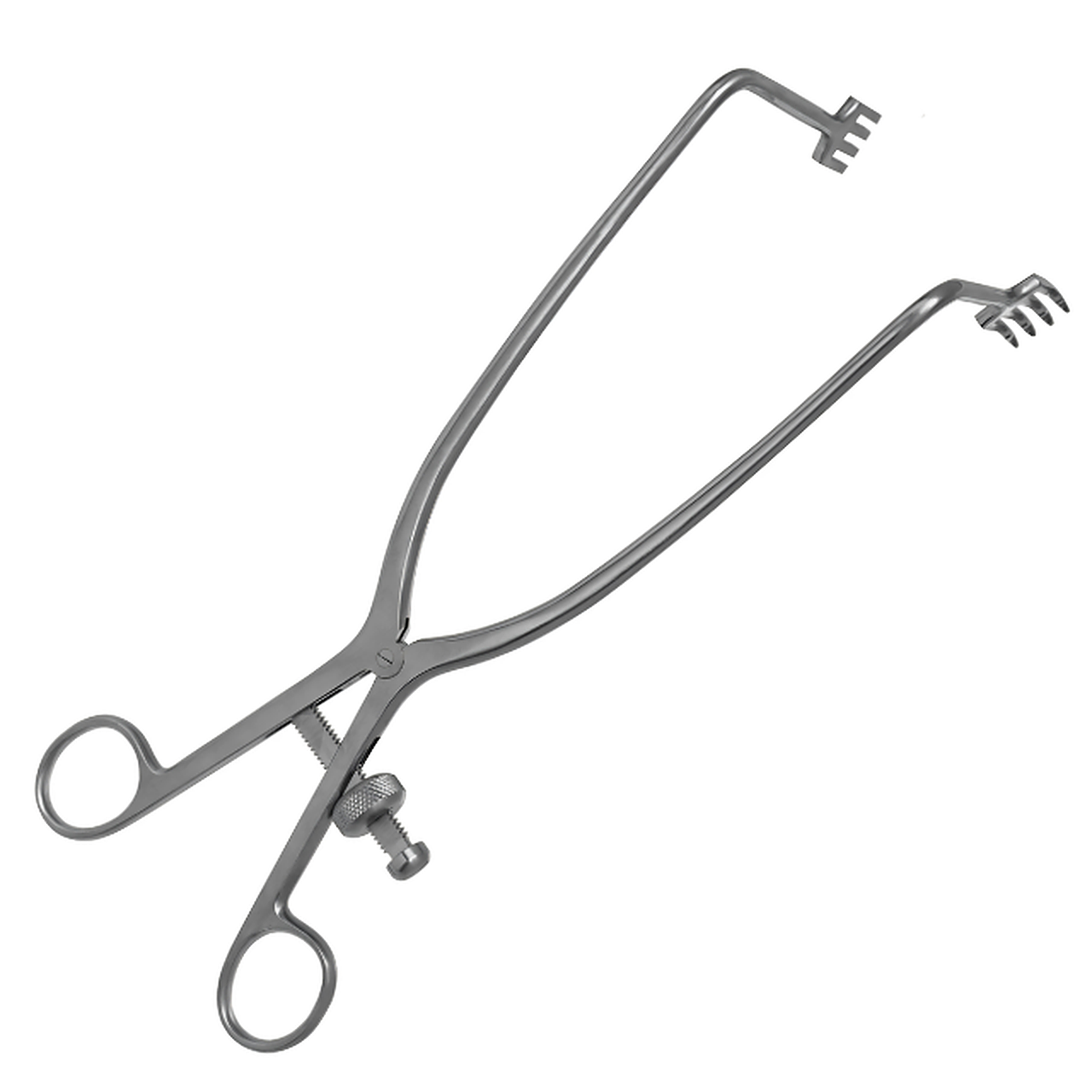 | Deep Gelpi Self Retaining Retractor | Specifically designed to provide self-retaining muscle and tissue retraction in deep surgical wounds during spinal and orthopedic procedures. |
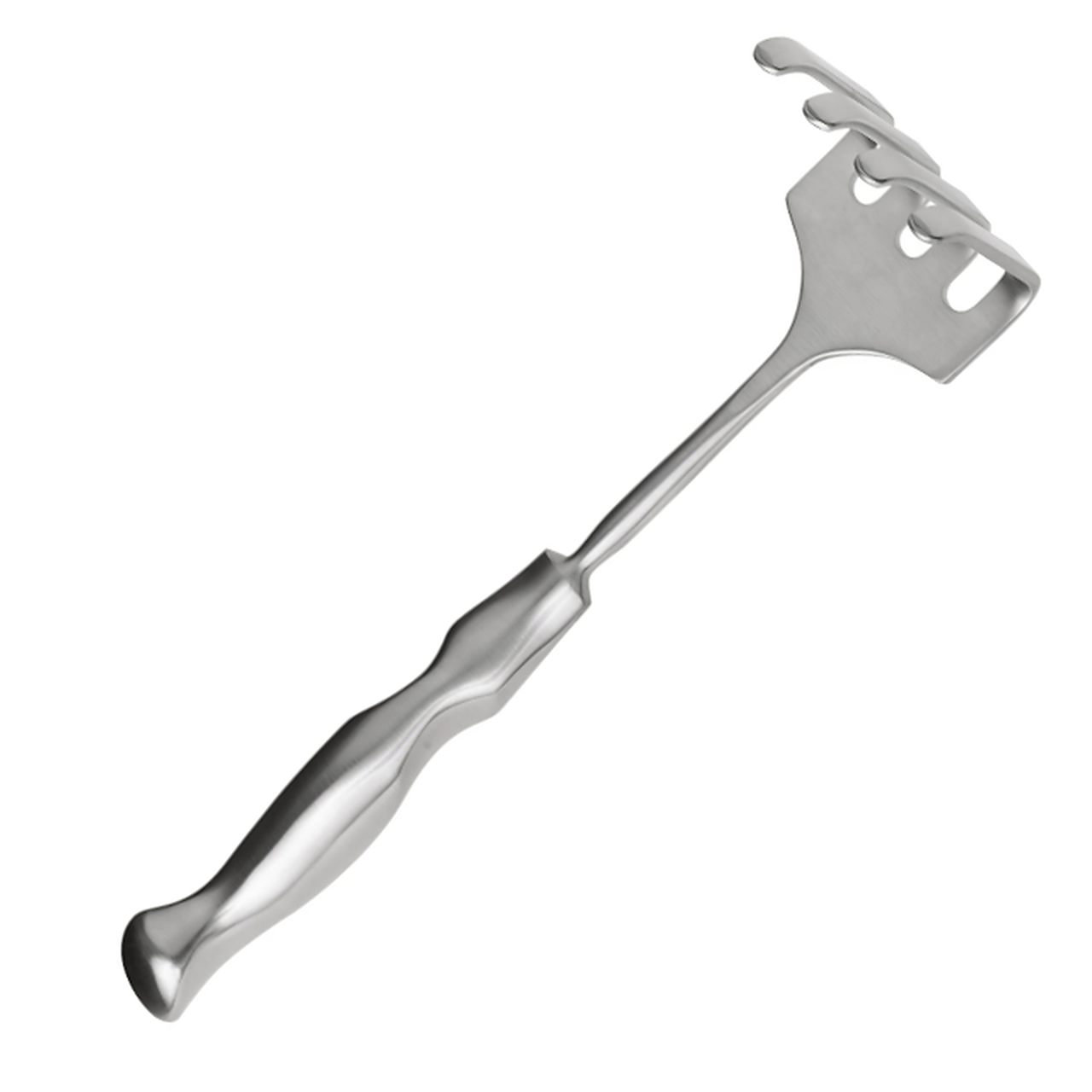 | Deep Rake Retractor | Specifically designed to retract heavy muscle, fascia, and deep soft tissue during open abdominal, pelvic, and orthopedic surgery. |
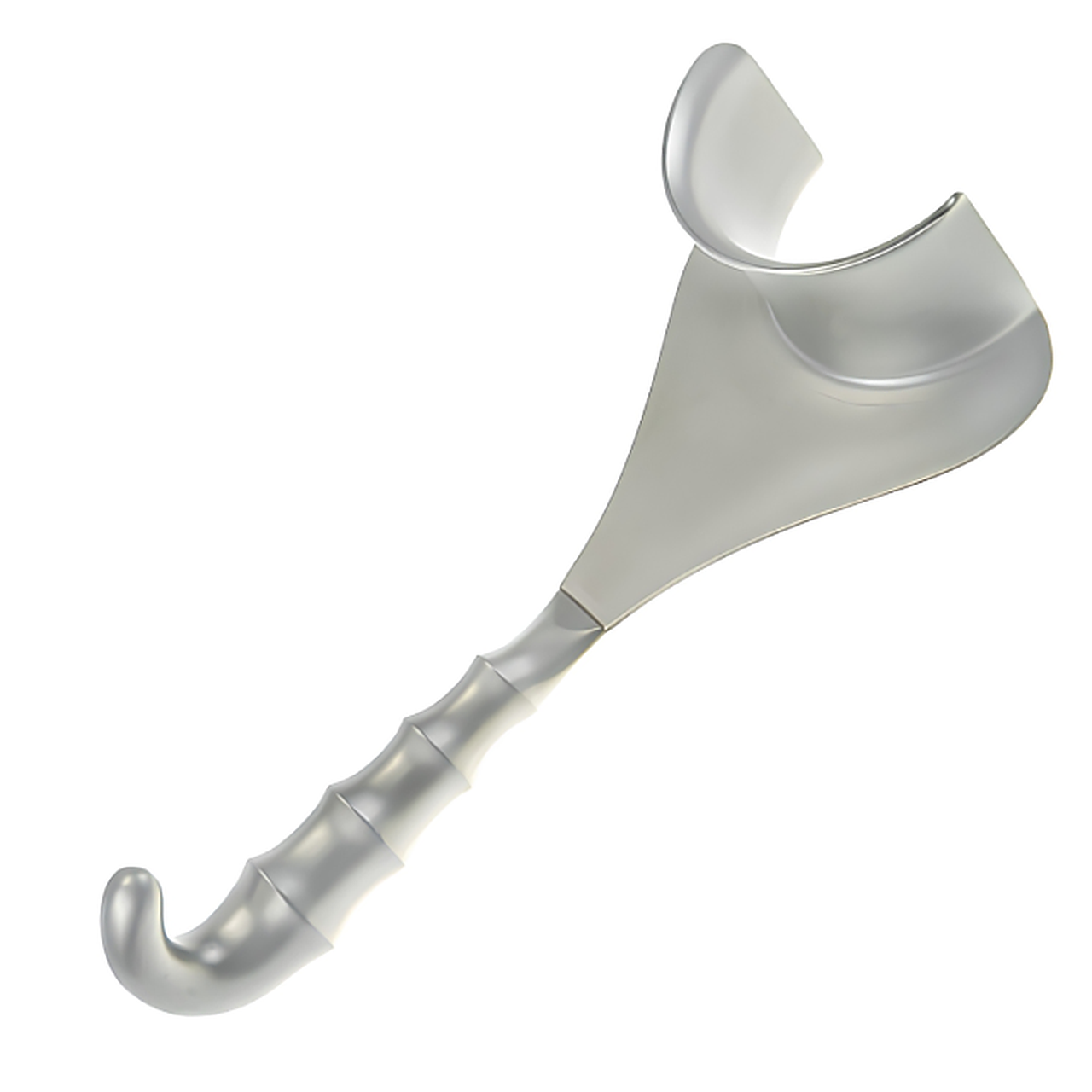 | Delee Universal Retractor | Specifically designed to retract and protect the bladder and abdominal wall during cesarean sections and gynecological surgery. |
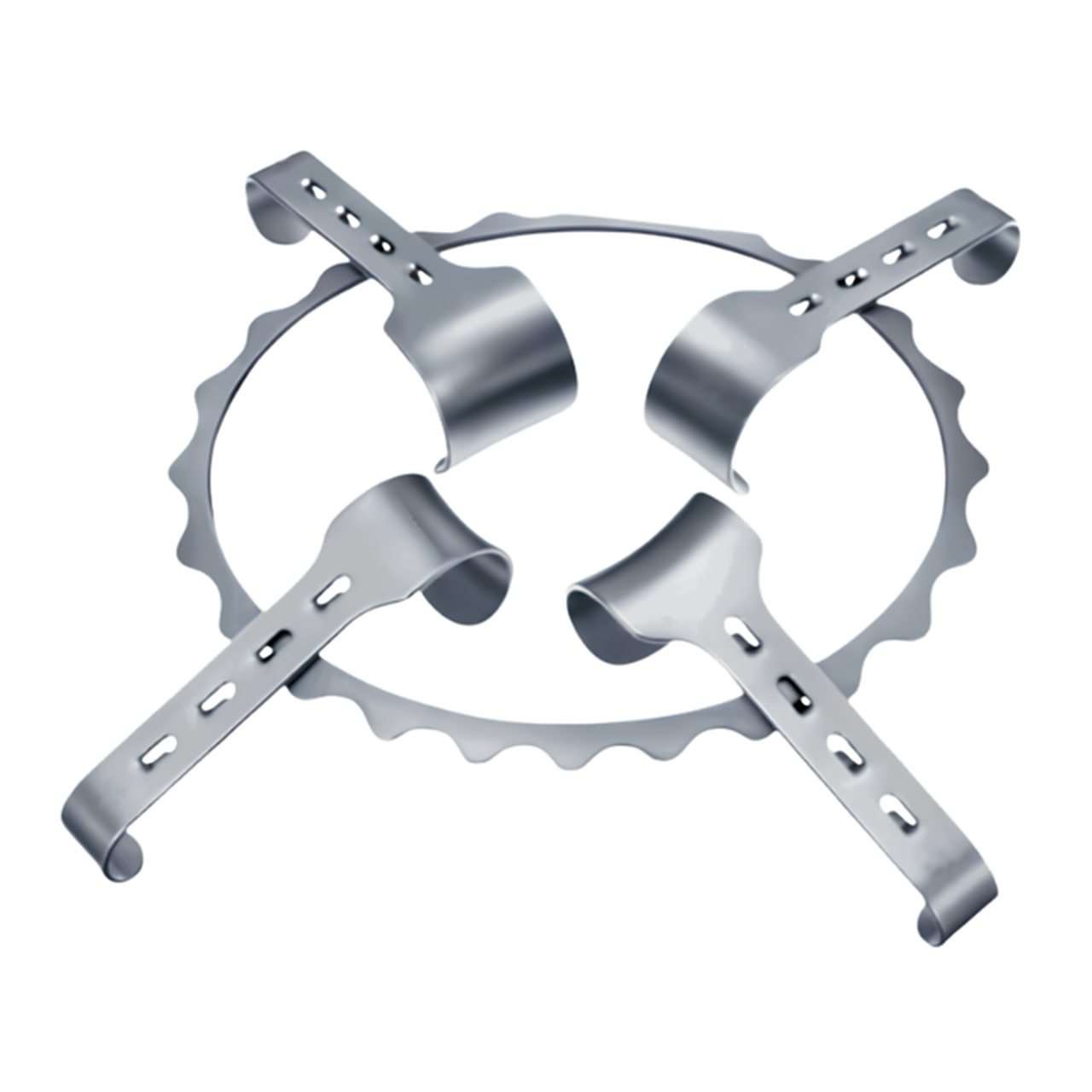 | Denis-Browne Retractor | Specifically designed to provide 360-degree self-retaining wound margin and visceral retraction during abdominal and pelvic surgery. |
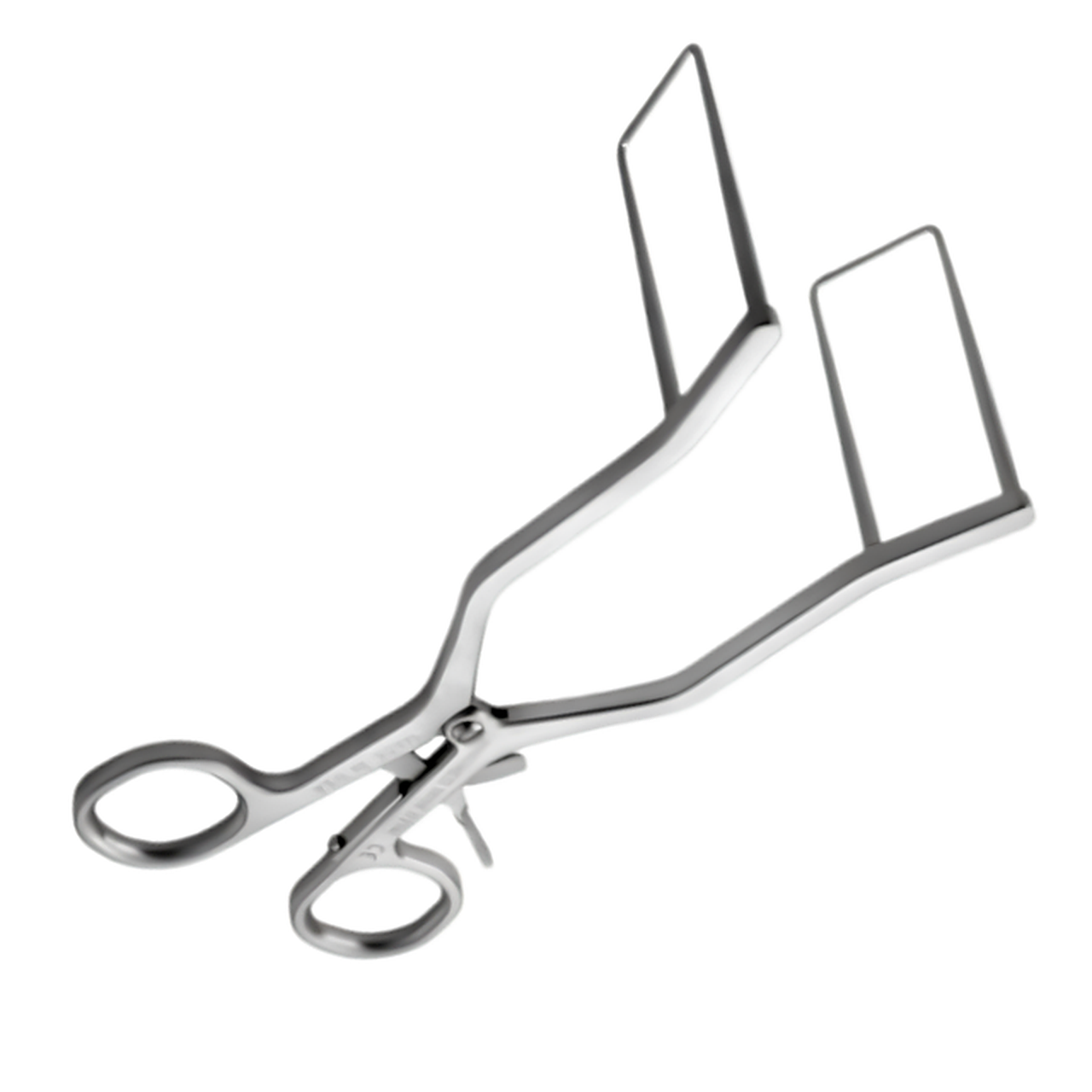 | Desai Self Retaining Retractor | Specifically designed to provide self-retaining wound margin retraction with direct-access window visibility during abdominal and pelvic surgery. |
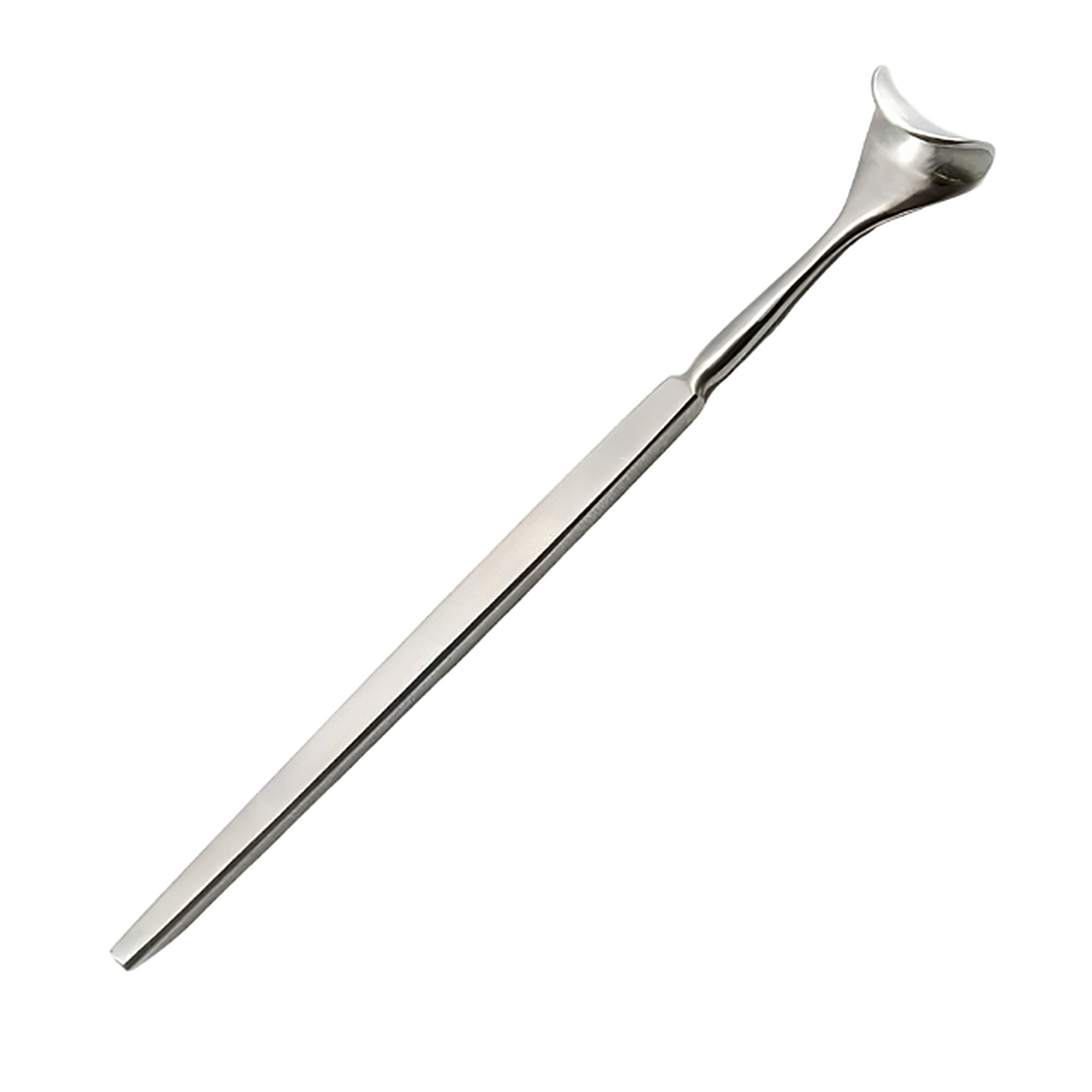 | Desmarres EyeLid Retractor | Specifically designed to retract eyelids, mobilize tarsal plates, and shield the globe during blepharoplasty and ocular surgery. |
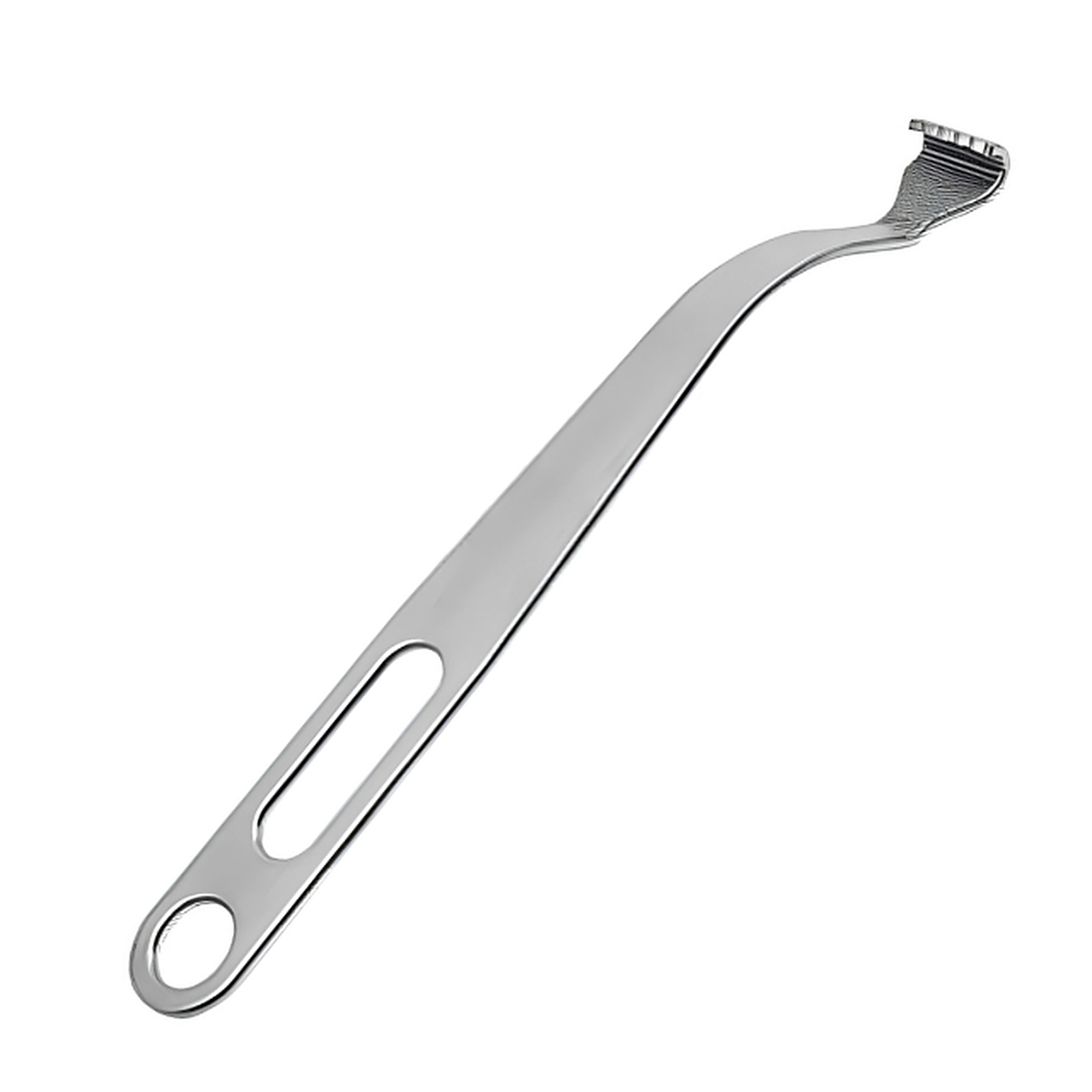 | Dingo Modified Humeral Head Retractors | Specifically designed to lever the humeral head and expose the glenoid cavity during shoulder arthroplasty and reconstructive surgery. |
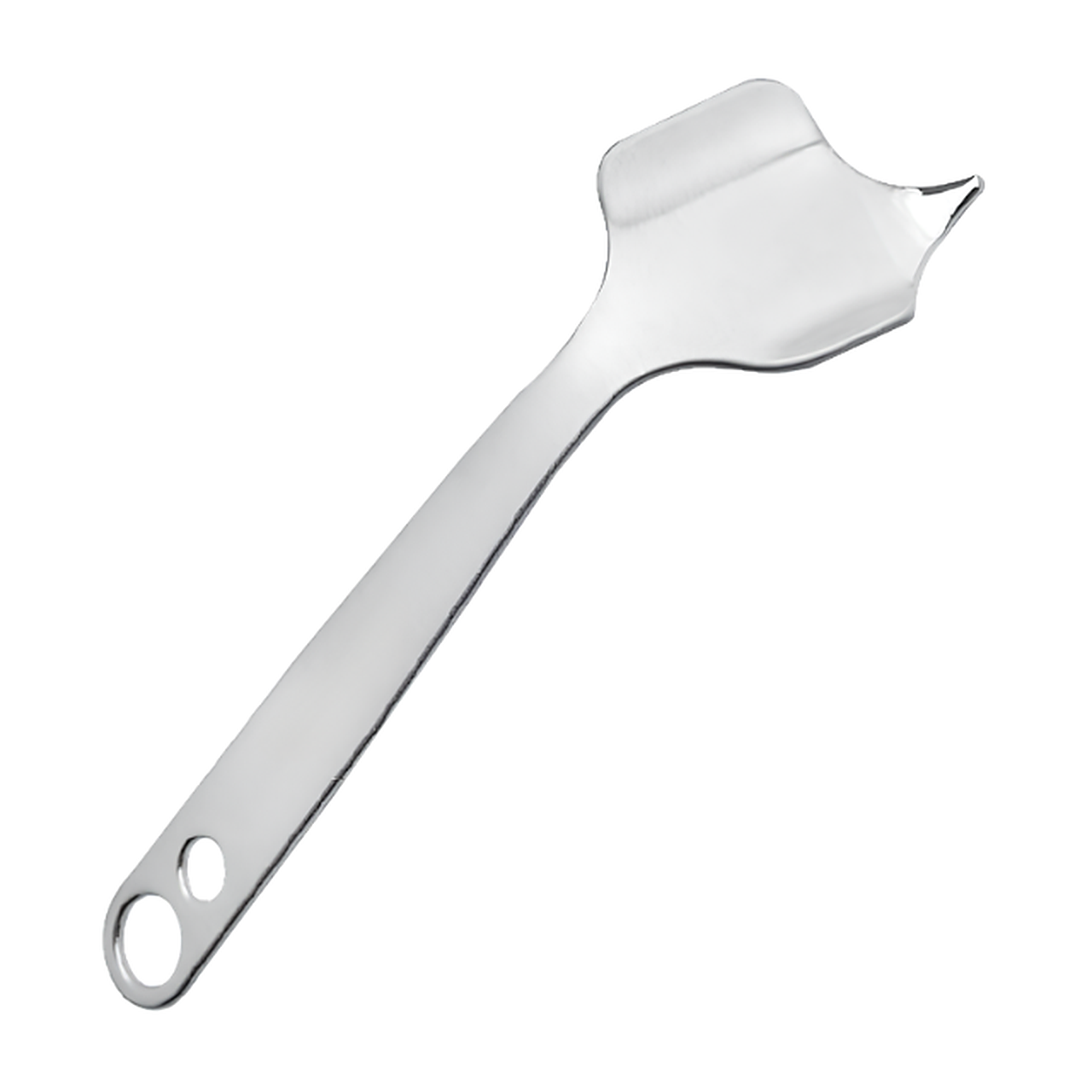 | Direct Access Anterior Broaching Retractor | Specifically designed to elevate the proximal femur and retract soft tissue during femoral broaching in direct anterior hip arthroplasty. |
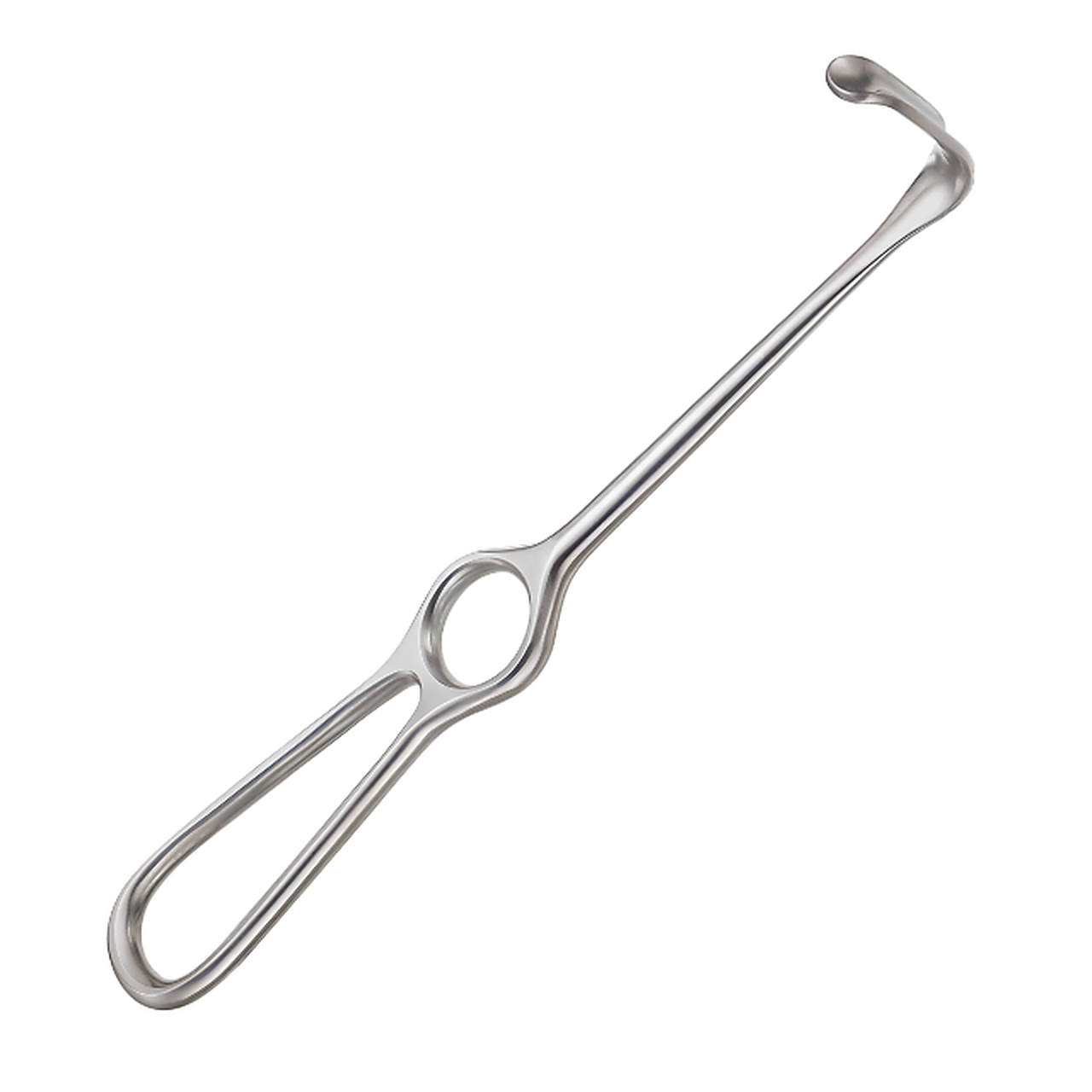 | Dockhorn Retractor | Specifically designed to retract wound margins, fascia, and soft tissues during oral, maxillofacial, and general surgery. |
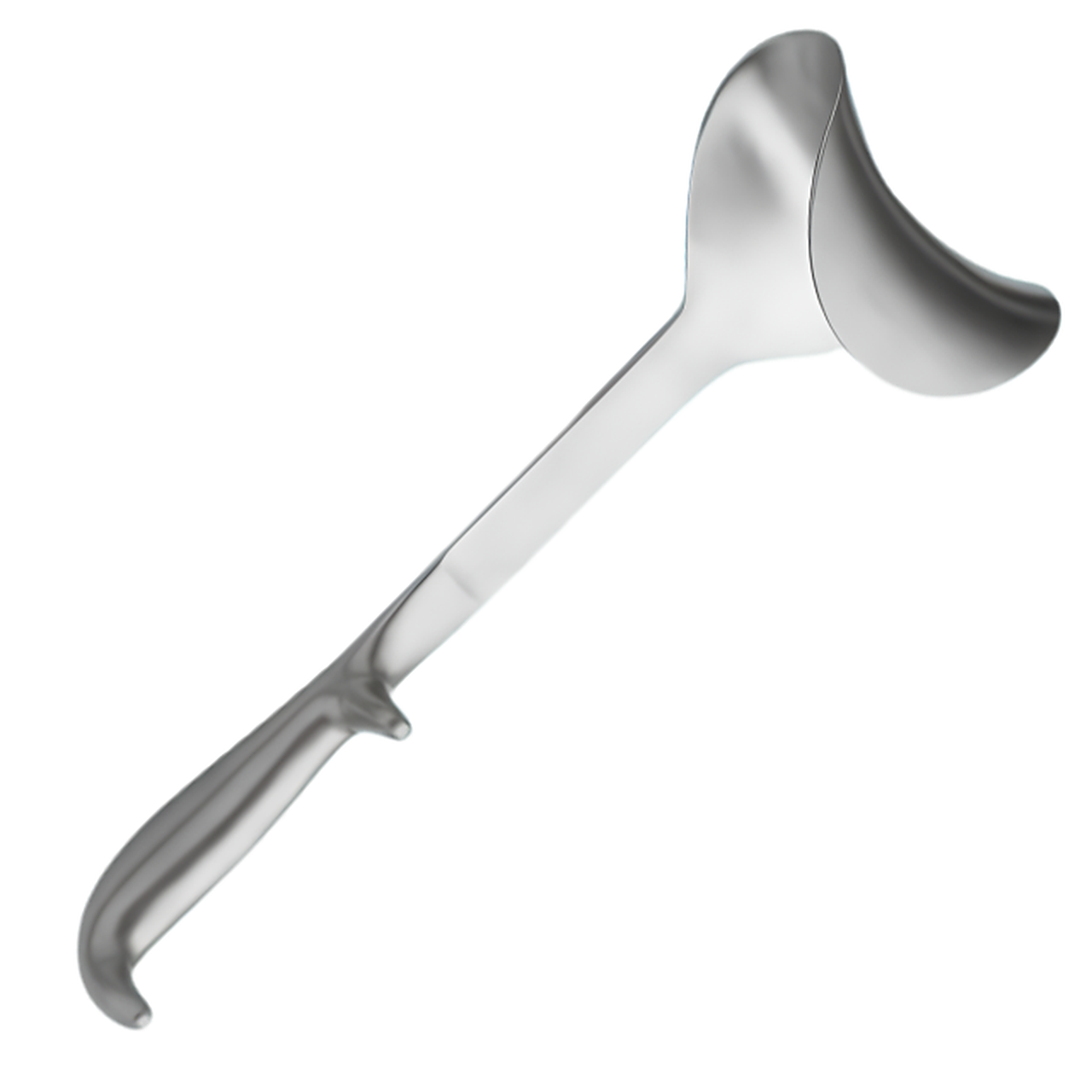 | Doyen Abdominal Retractor | Specifically designed to retract the abdominal wall, visceral organs, and pelvic musculature during open laparotomy procedures. |
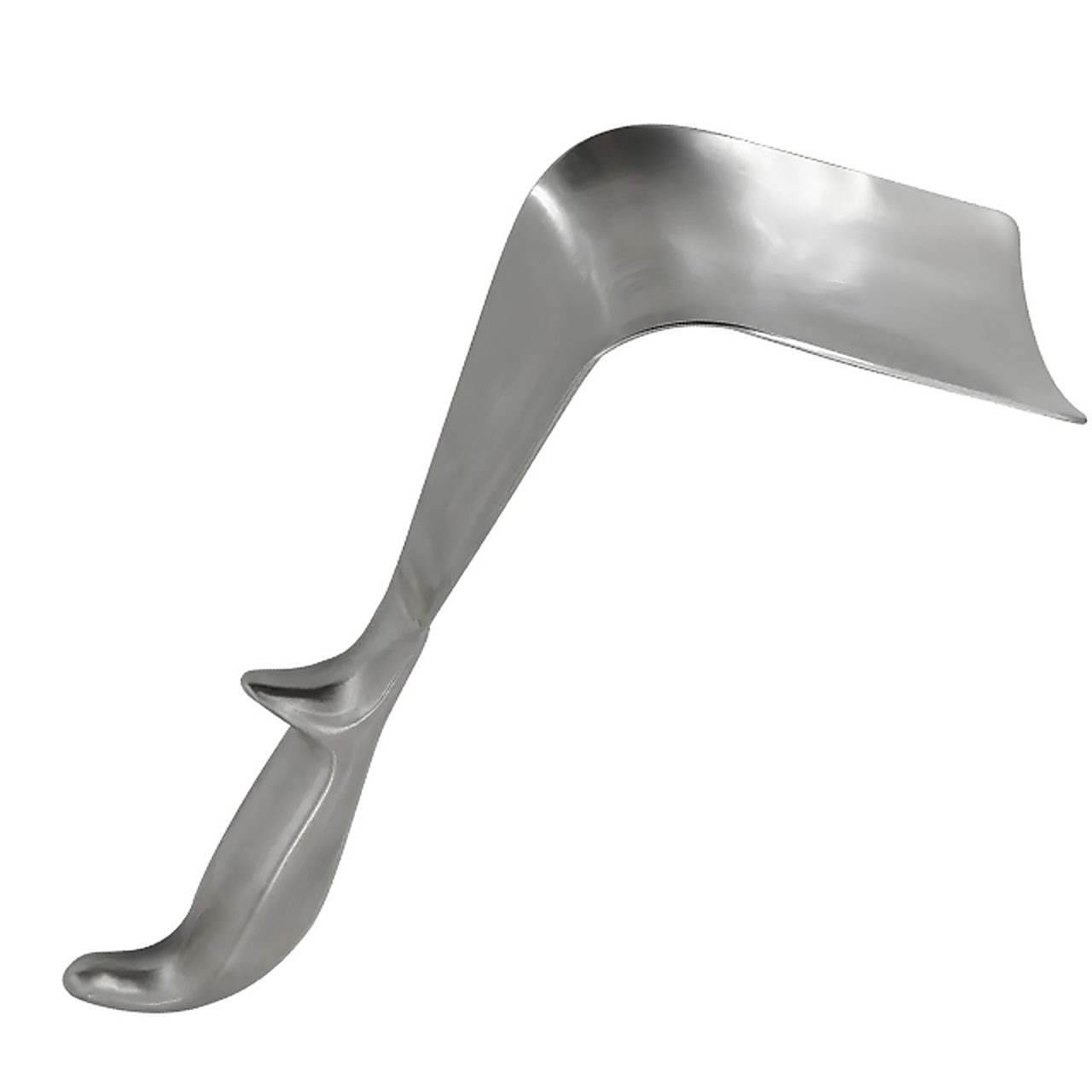 | Doyen Retractor | Specifically designed to displace the abdominal wall and protect viscera during open general and gynecological surgery. |
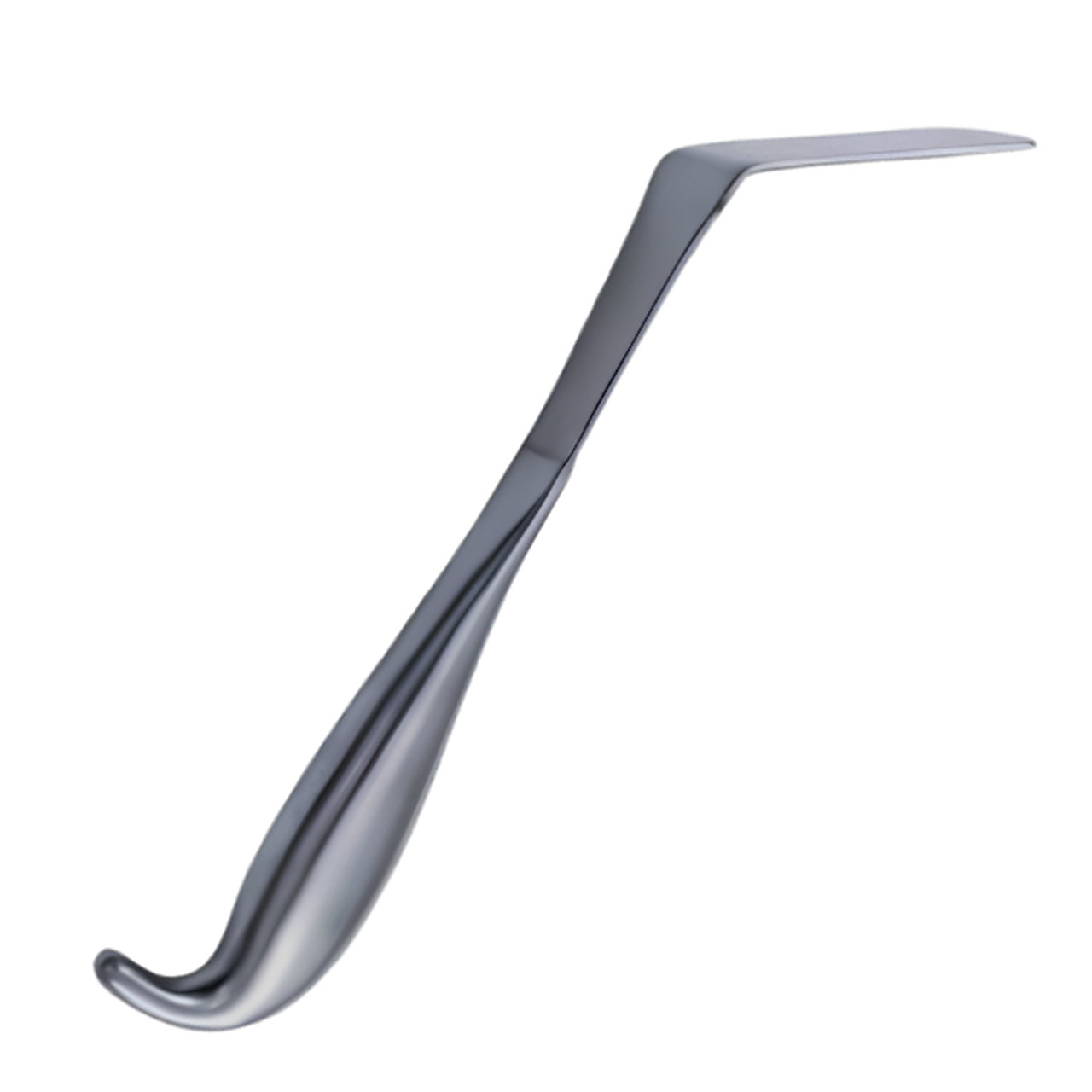 | Doyen Vaginal Retractor | Specifically designed to retract the vaginal wall and expose the cervix and pelvic floor during gynecological procedures. |
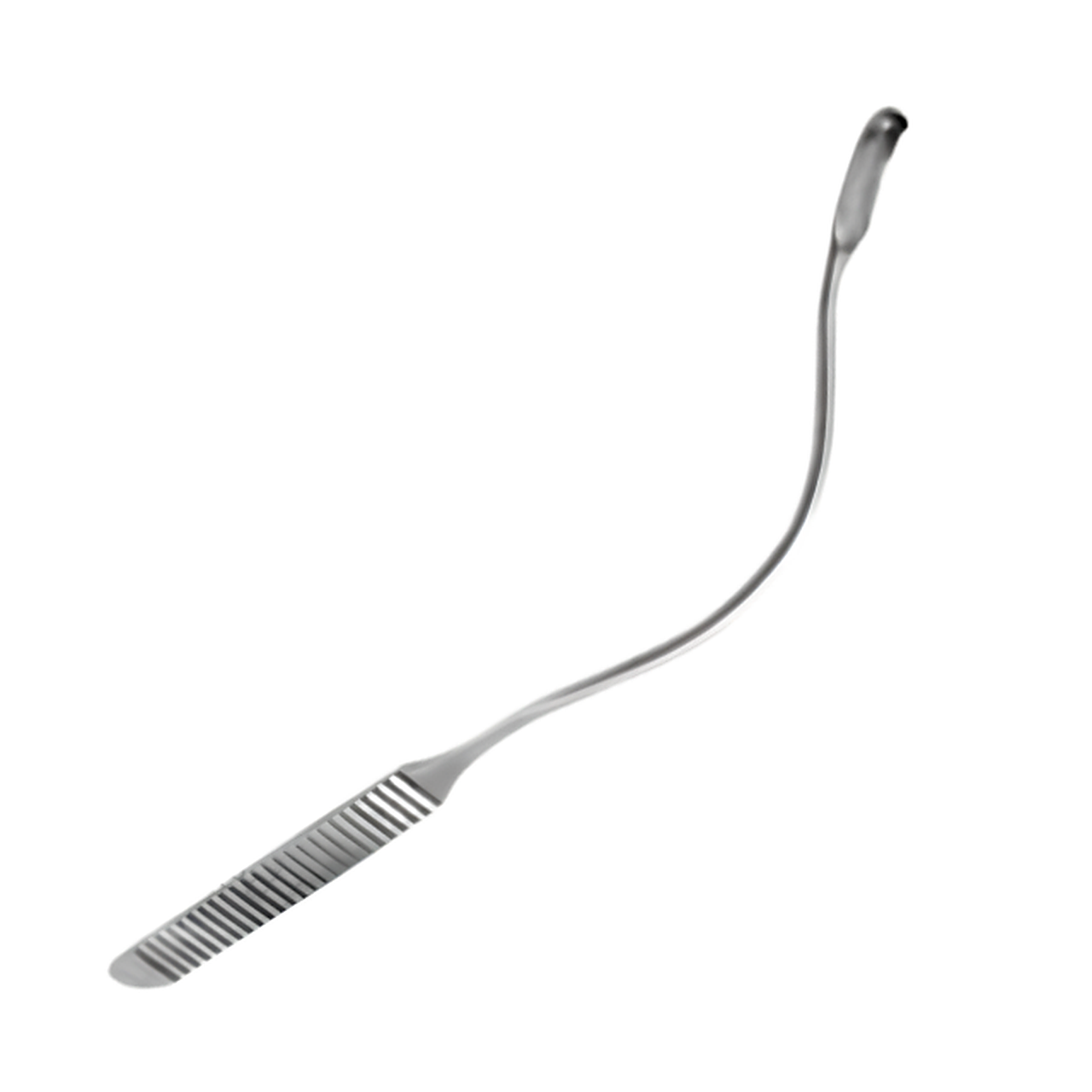 | Dumbach Mandibular Channel Retractor | Specifically designed to retract soft tissue and shield neurovascular structures along the mandibular border during ramus osteotomies. |
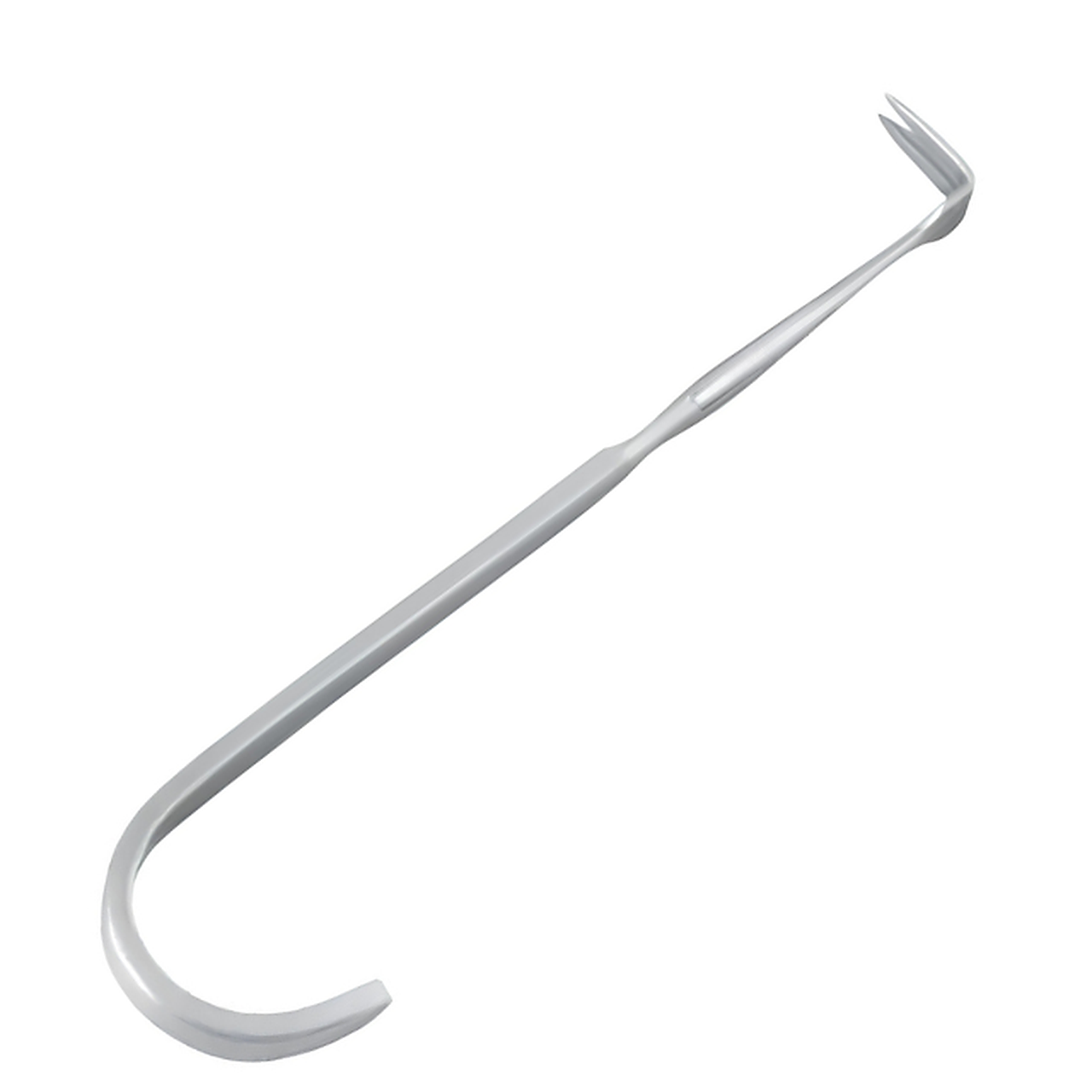 | Dunn Dautrey Lateral Retractor | Specifically designed to retract lateral soft tissue and expose the mandibular ramus during orthognathic and oral surgery. |
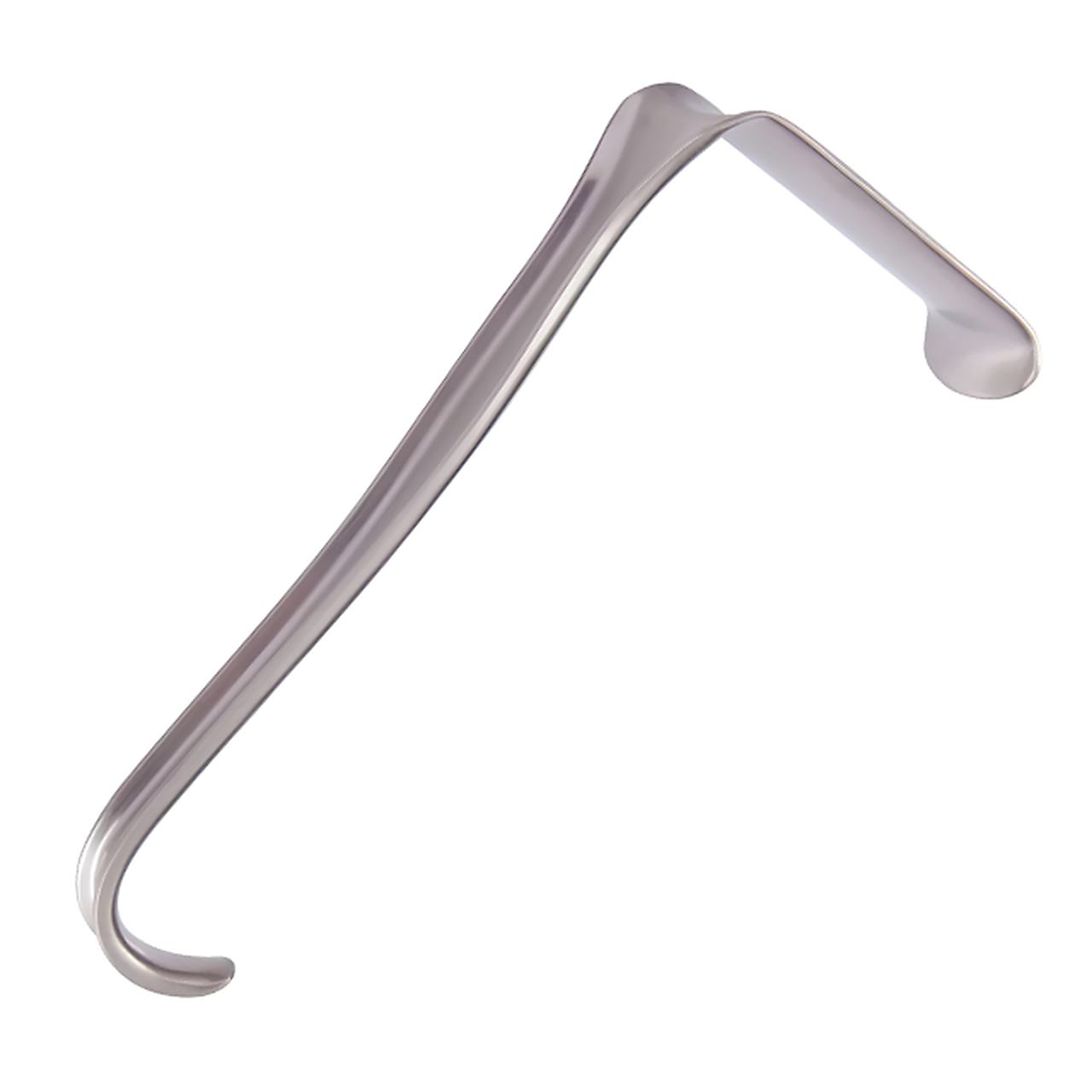 | Eastman Vaginal Retractor | Specifically designed to retract the vaginal walls and provide deep visualization during gynecological and pelvic reconstructive surgery. |
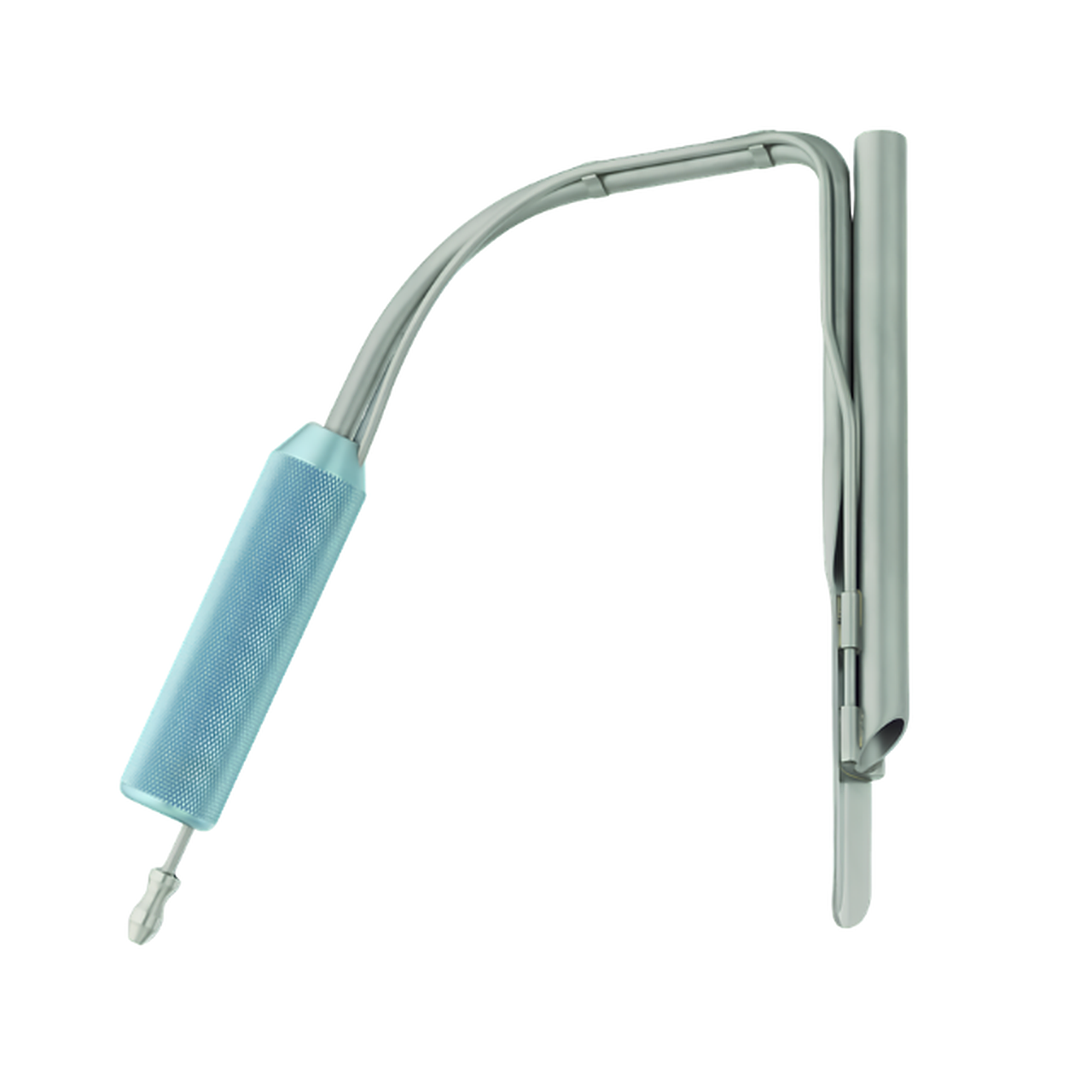 | EMORY Endo-Plastic Retractor | Specifically designed to elevate tissue flaps and guide a 10 mm endoscope during endoscopic aesthetic and plastic surgery. |
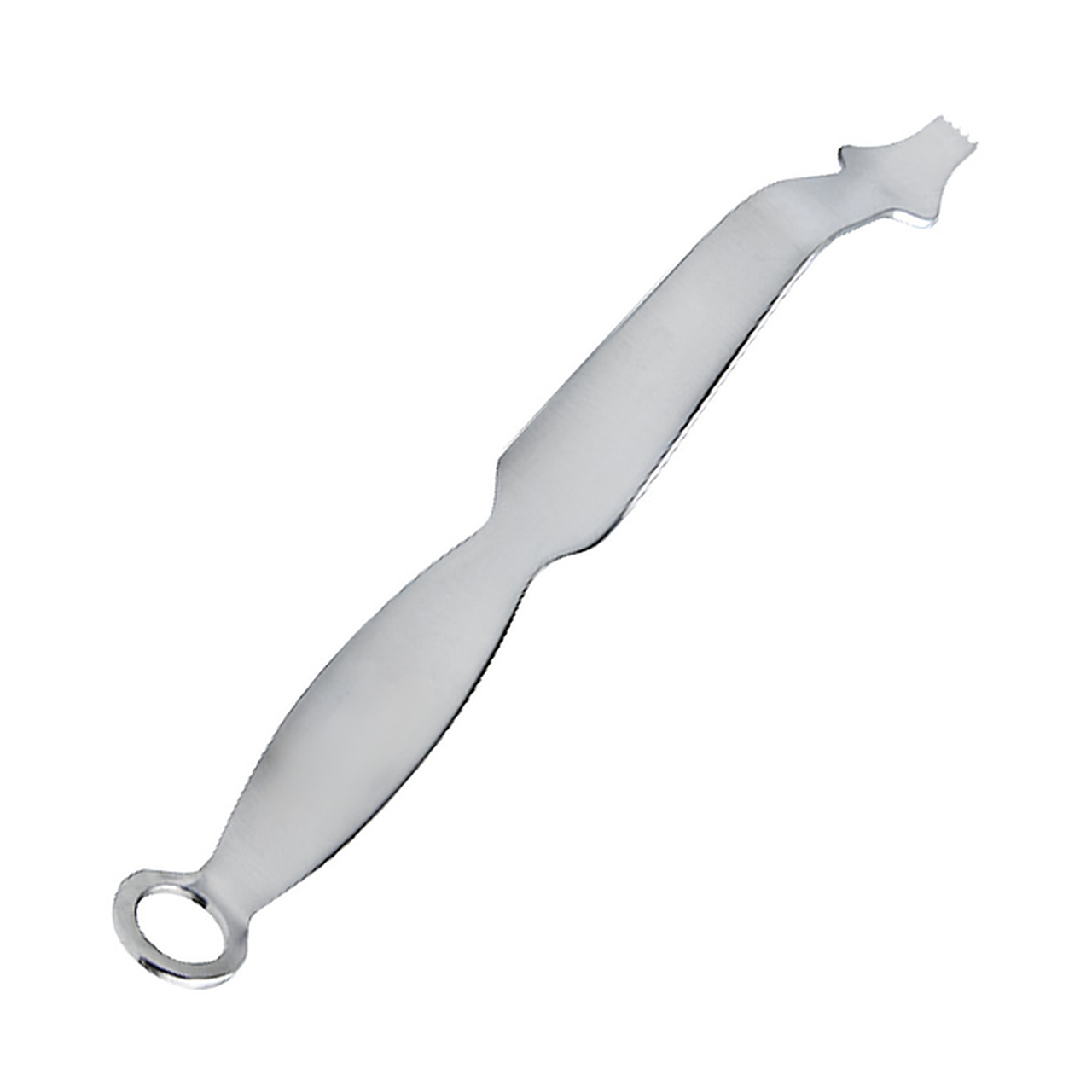 | Engh Intercondylar Notch Retractor | Specifically designed to expose the intercondylar notch and protect posterior knee structures during total knee arthroplasty. |
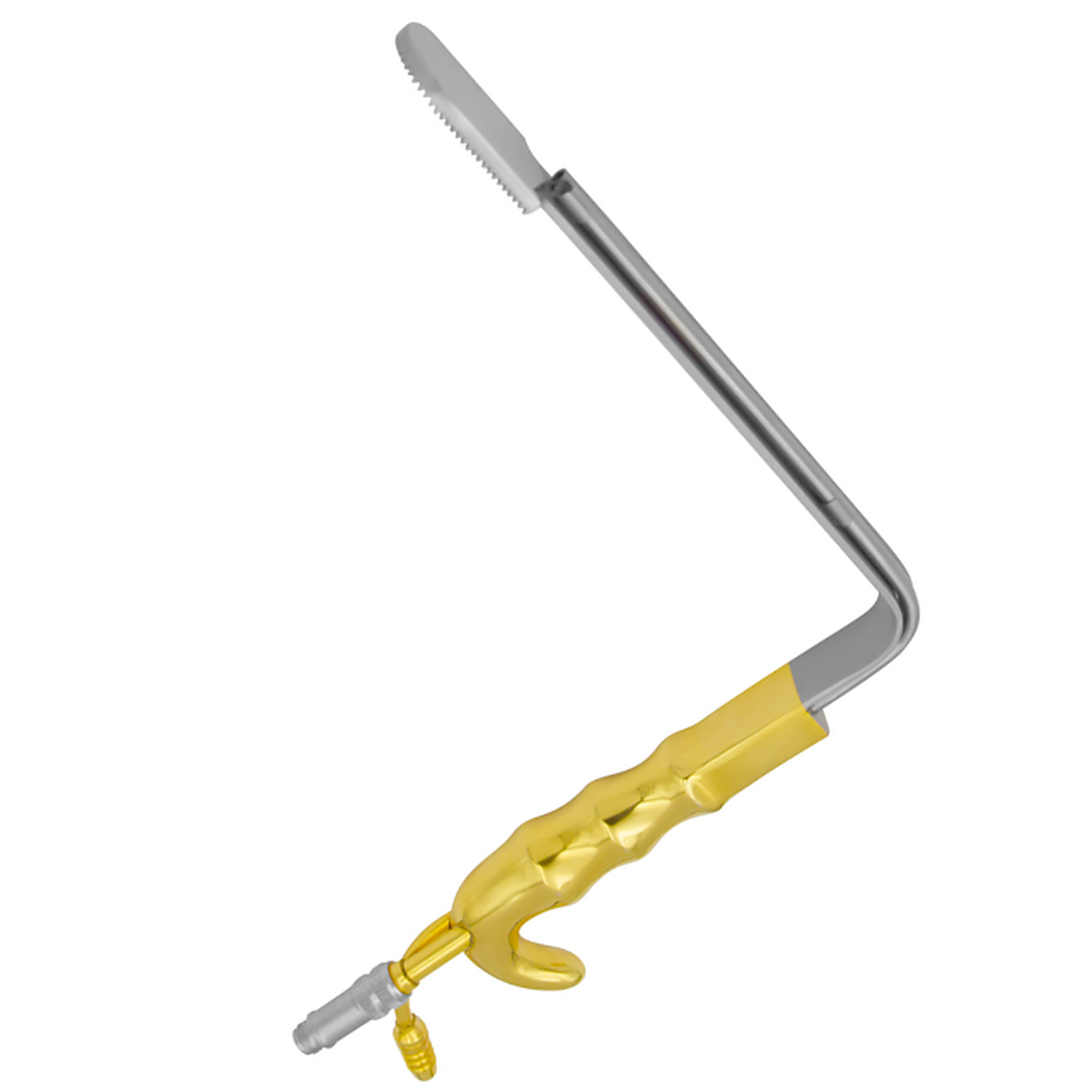 | Epstein Breast Retractor | Specifically designed to elevate tissue flaps and create subpectoral or subglandular pockets during breast augmentation and reconstruction. |
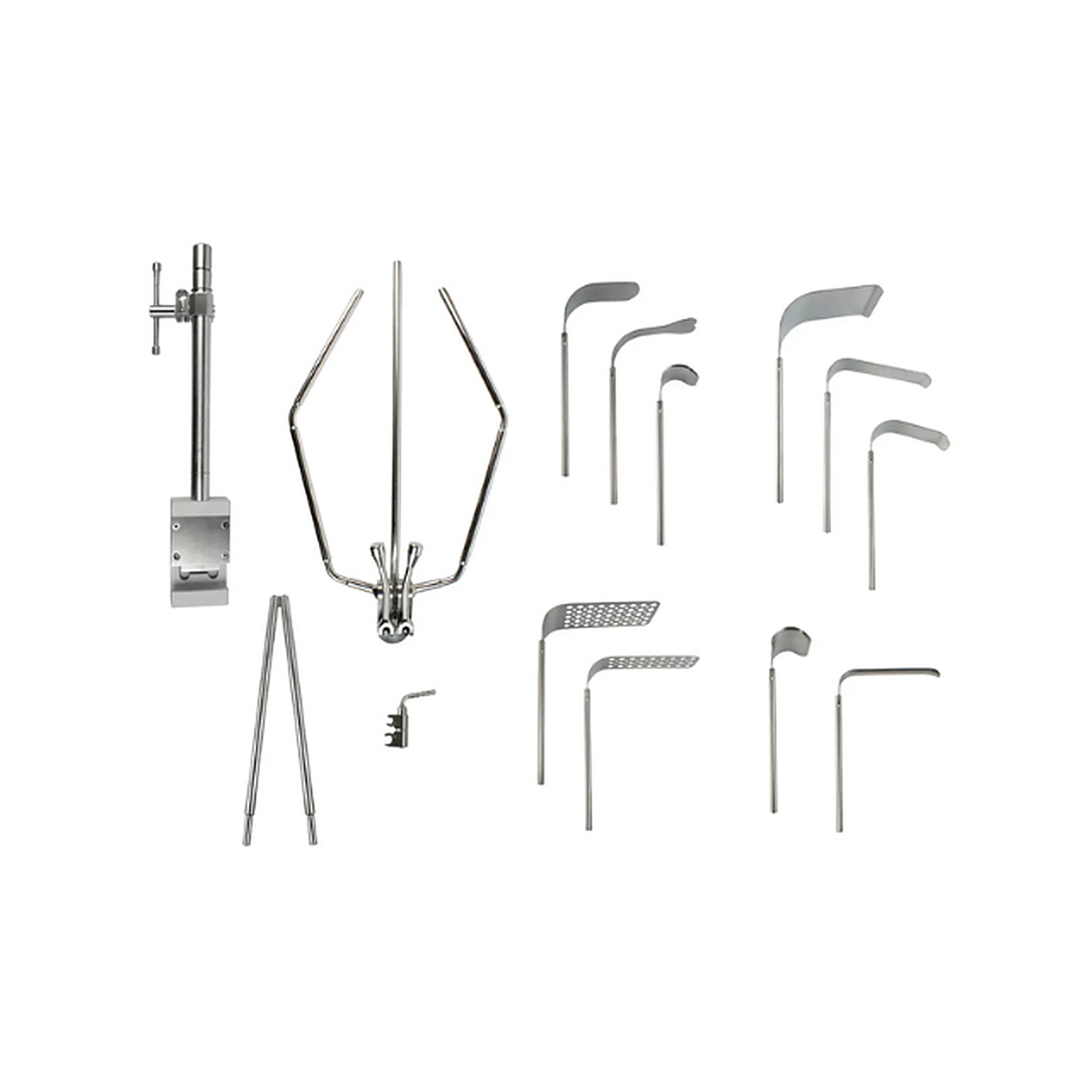 | Expanded Vascular Lobster Retractor | Specifically designed to provide table-mounted, self-retaining soft tissue retraction and surgical field exposure during vascular surgical procedures. |
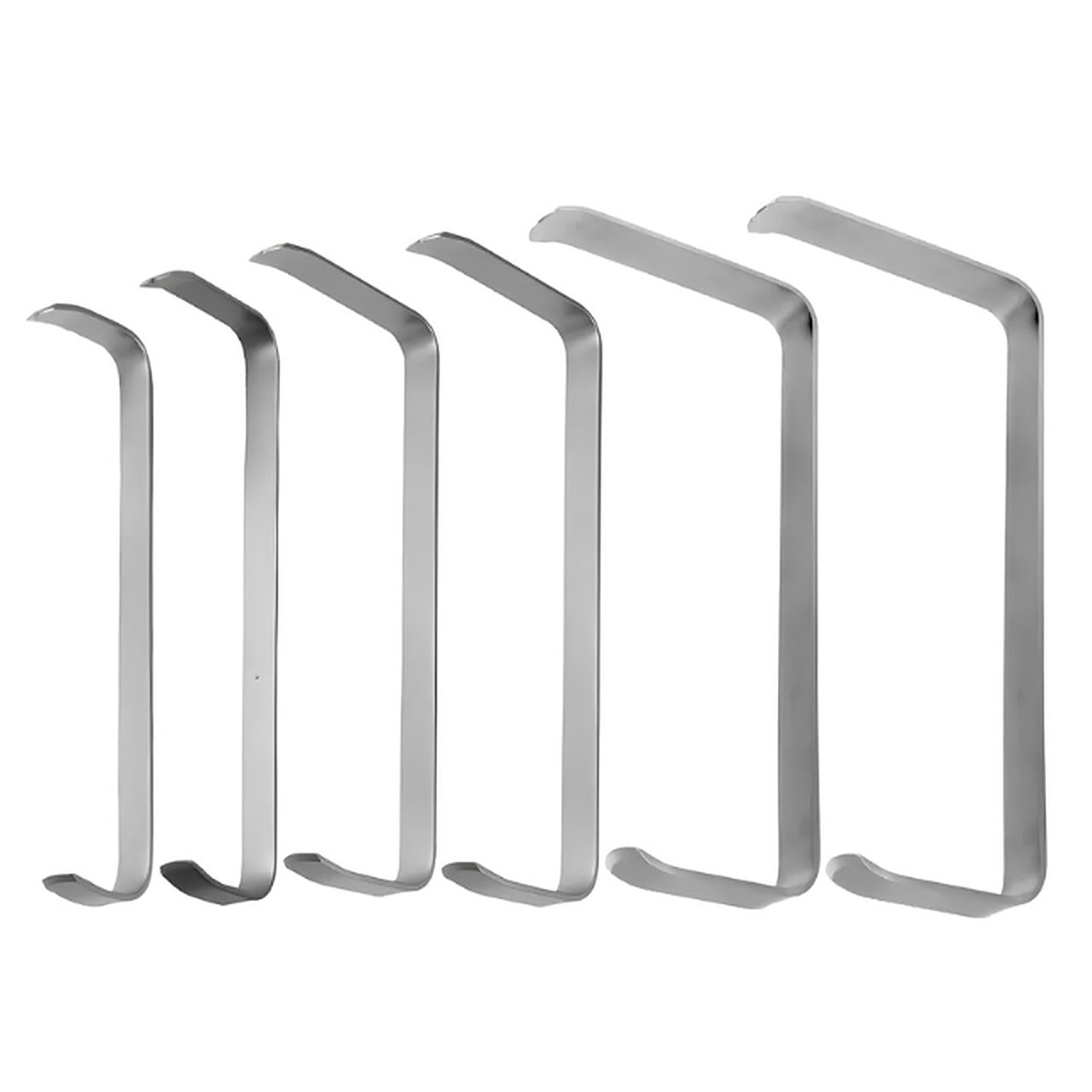 | Farabeuf Retractor | Specifically designed to retract skin, fascia, and soft tissues across superficial and intermediate surgical incisions. |
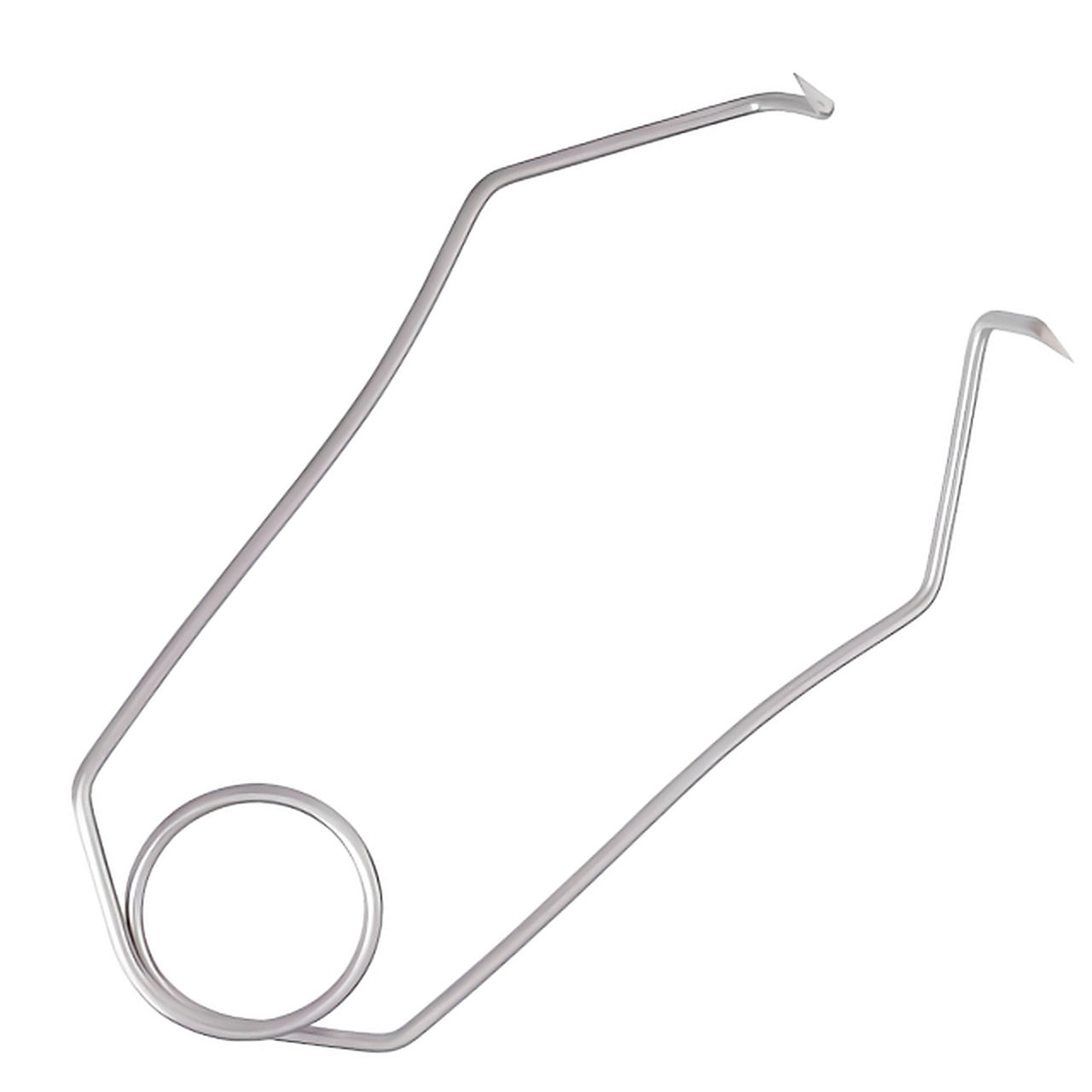 | Farr Spring Retractor | Specifically designed to provide spring-assisted, self-retaining tissue retraction during plastic, pediatric, and minor surgical procedures. |
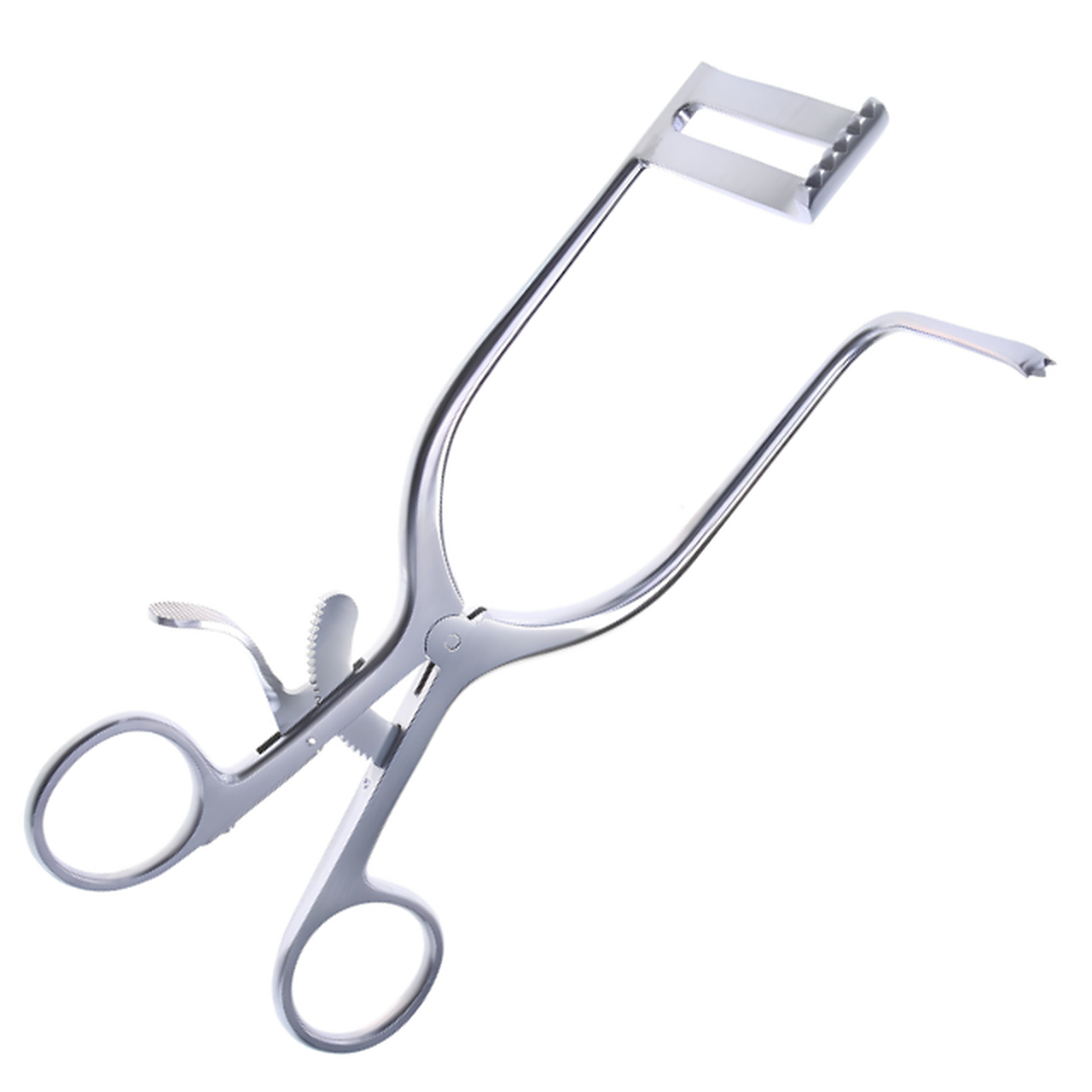 | Feler-Ducker Retractor | Specifically designed to provide self-retaining paraspinal muscle and soft-tissue retraction during spinal laminectomy and lead implantation. |
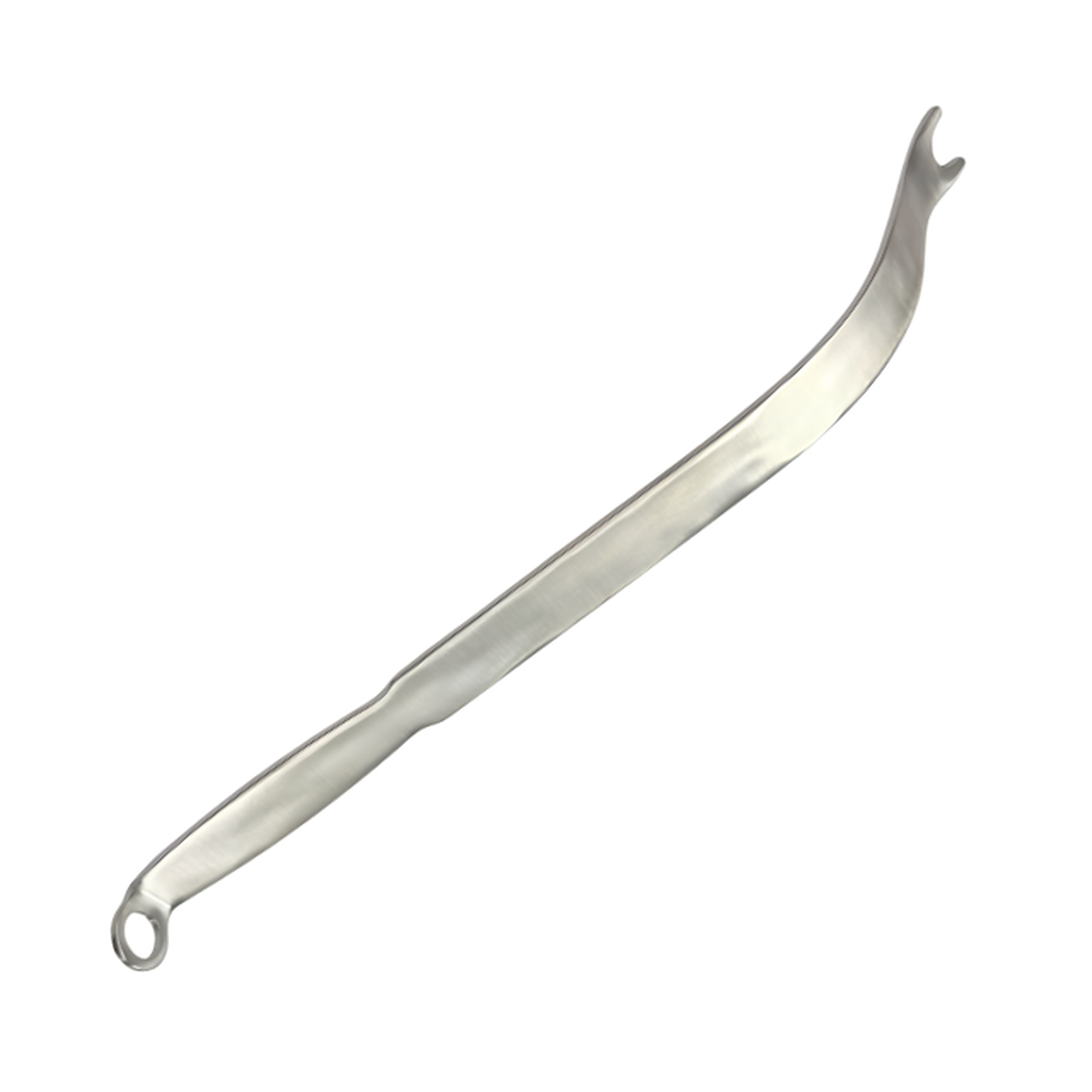 | Femoral Calcar Retractor | Specifically designed to expose the calcar femorale and retract soft tissue during femoral canal preparation in hip arthroplasty. |
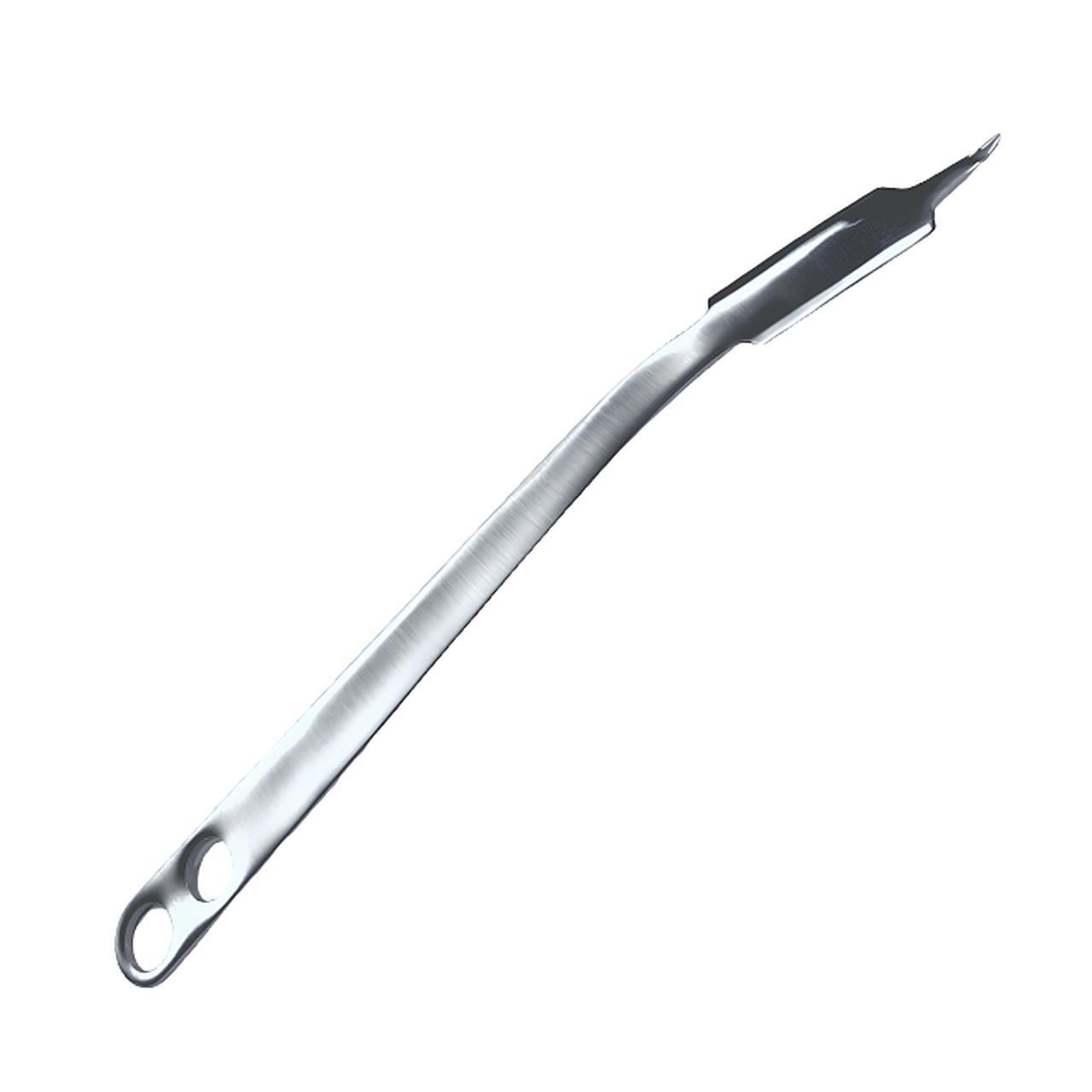 | Femoral/Gluteus Medius Minimus Retractor | Specifically designed to retract heavy gluteal musculature and expose the acetabulum and femur during hip arthroplasty. |
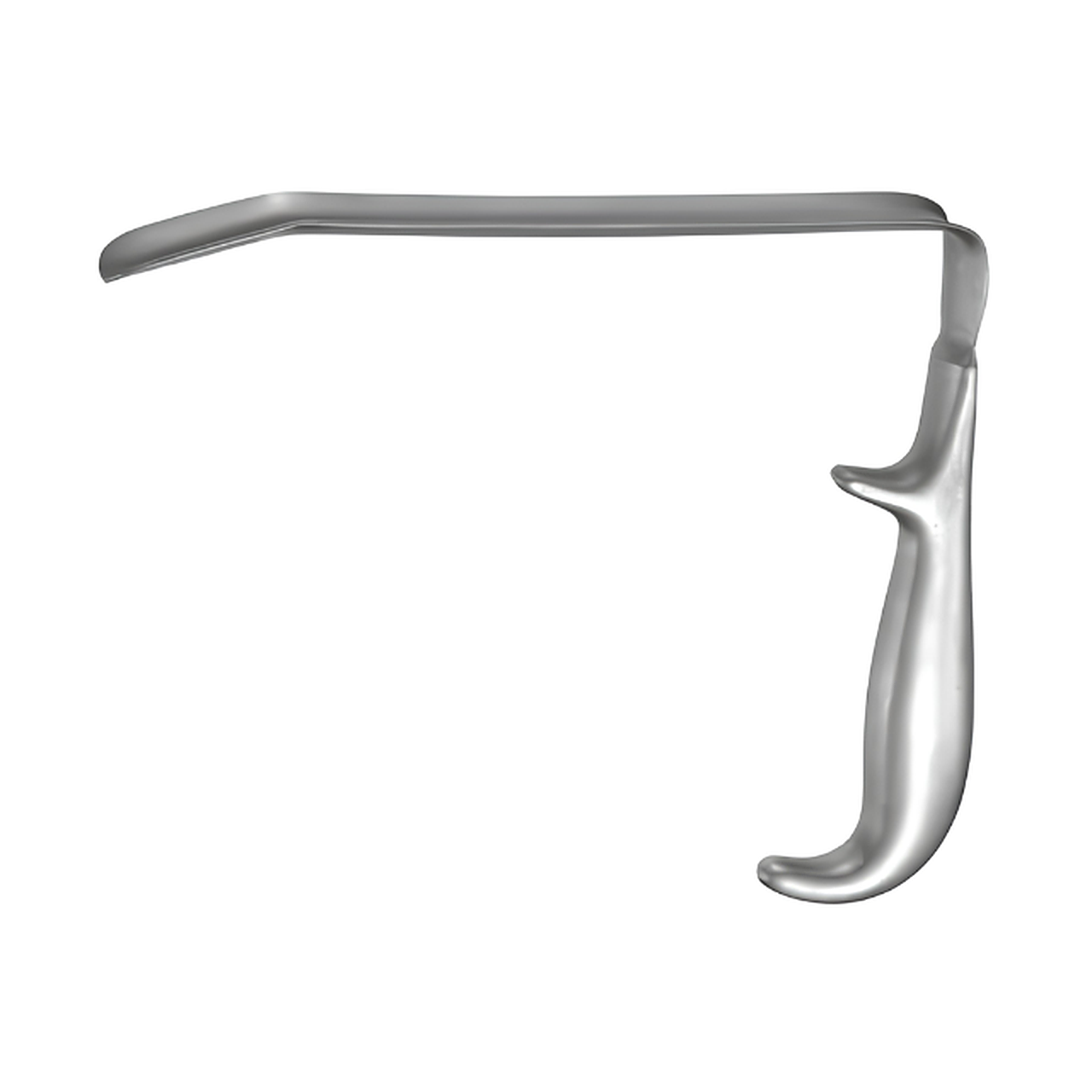 | Ferreira breast augmentation Retractor | Specifically designed to elevate tissue flaps and create submuscular or subglandular pockets during breast augmentation and reconstruction. |
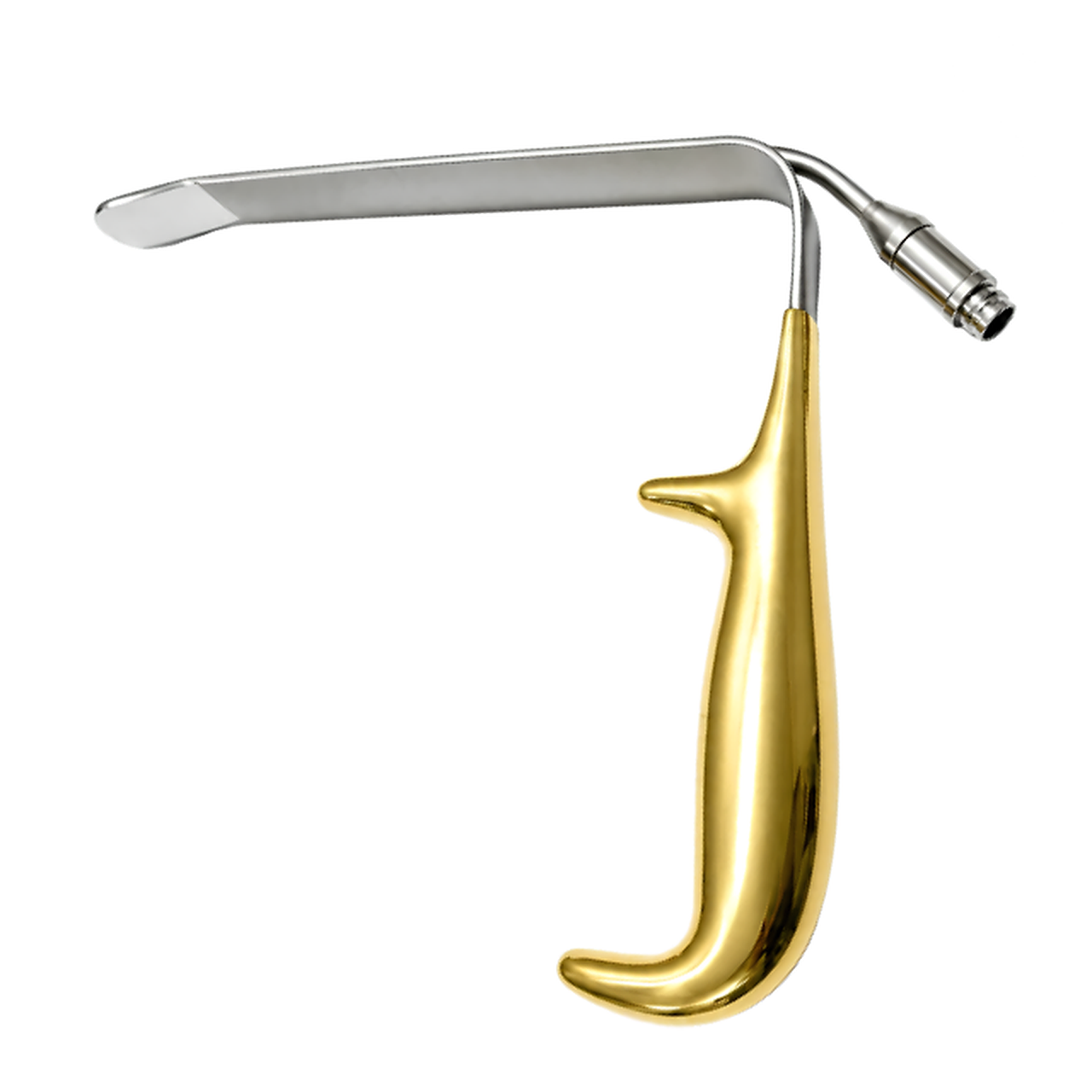 | Ferreira Breast Augmentation Retractor - Fiber Optics | Specifically designed to provide illuminated soft-tissue retraction and pocket visualization during breast augmentation and reconstruction. |
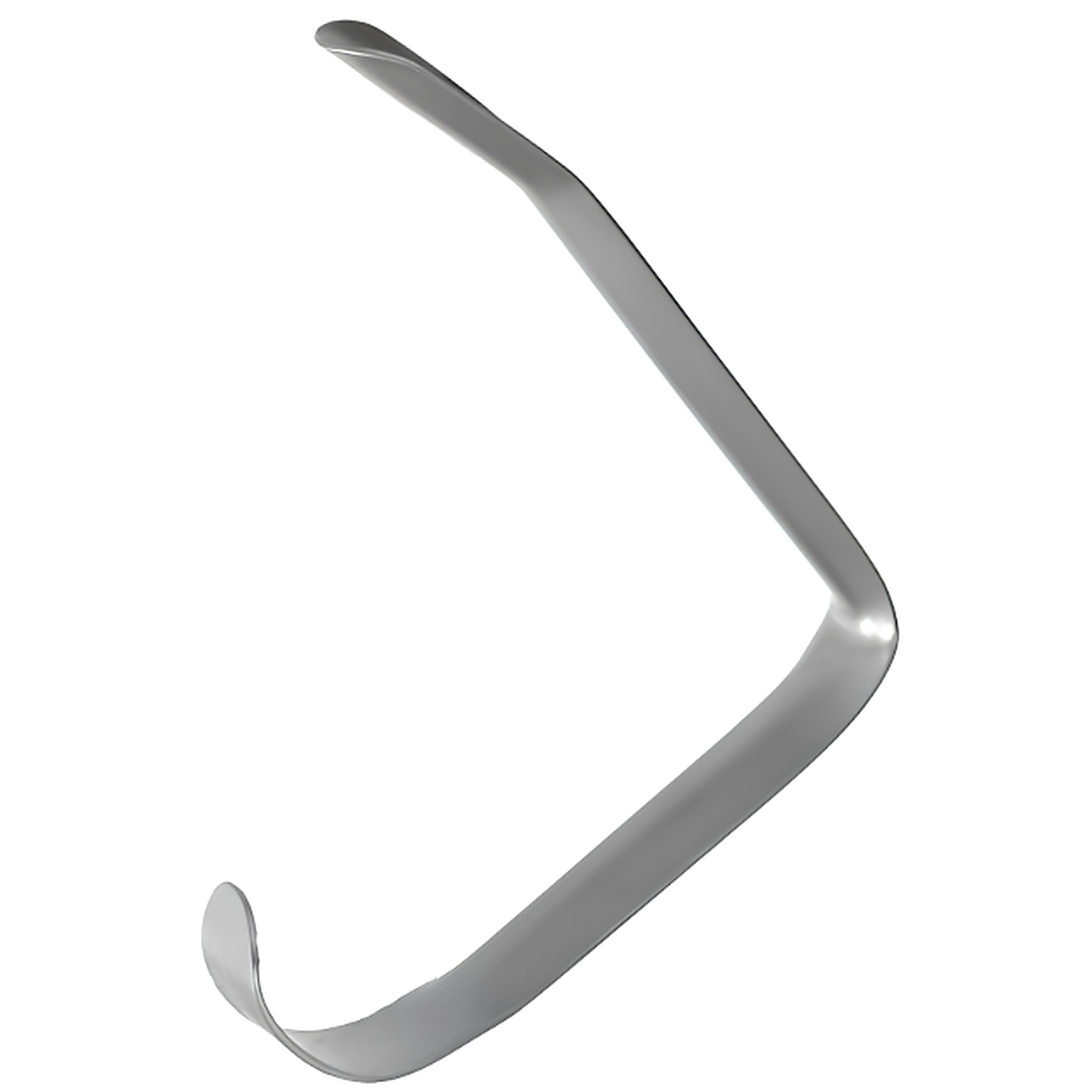 | Ferreira Face Lift Retractor | Specifically designed to elevate facial skin flaps and SMAS layers during rhytidectomy and aesthetic facial surgery. |
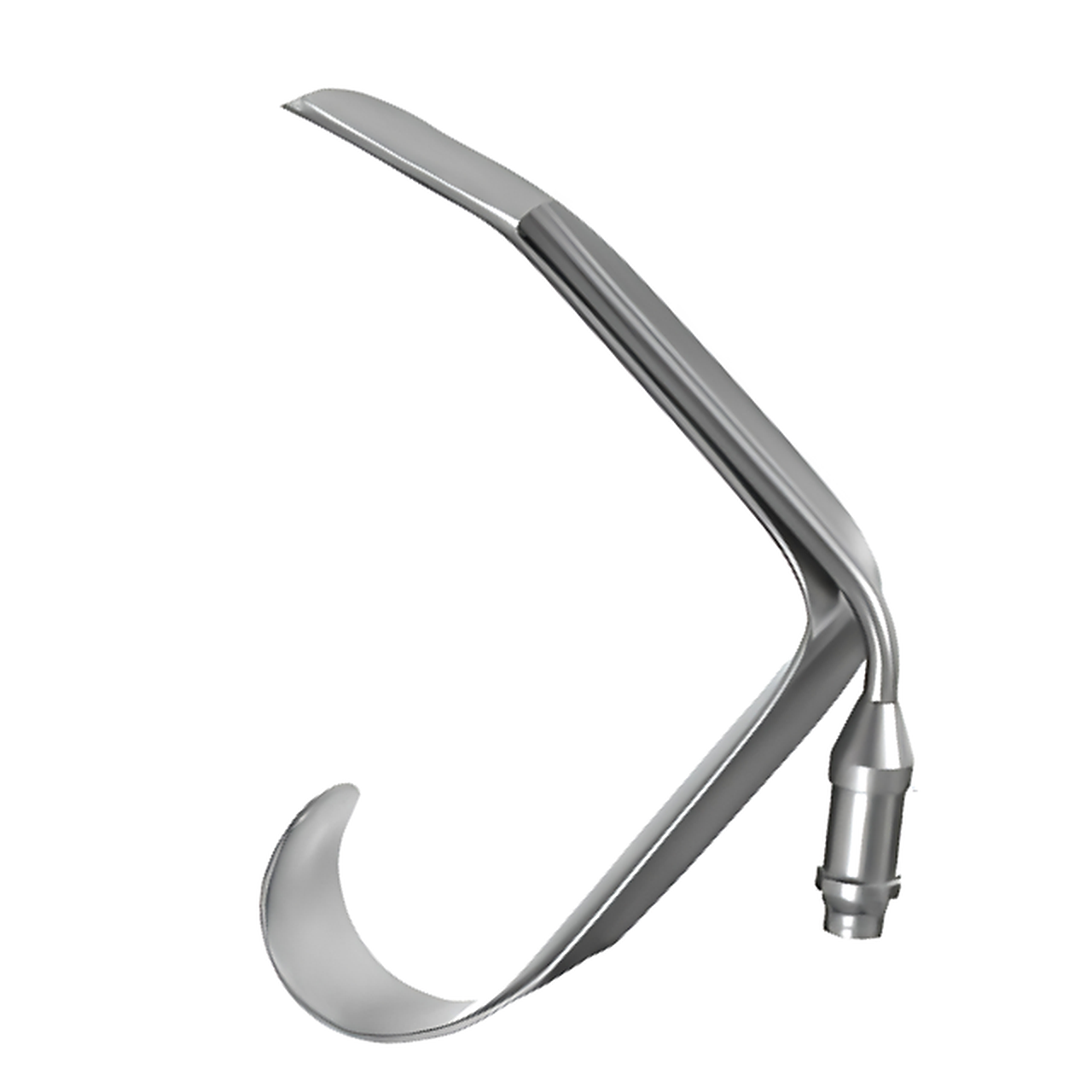 | Ferreira Fiber Optic Face Lift Retractor | Specifically designed to provide illuminated soft-tissue retraction and facial skin flap elevation during rhytidectomy. |
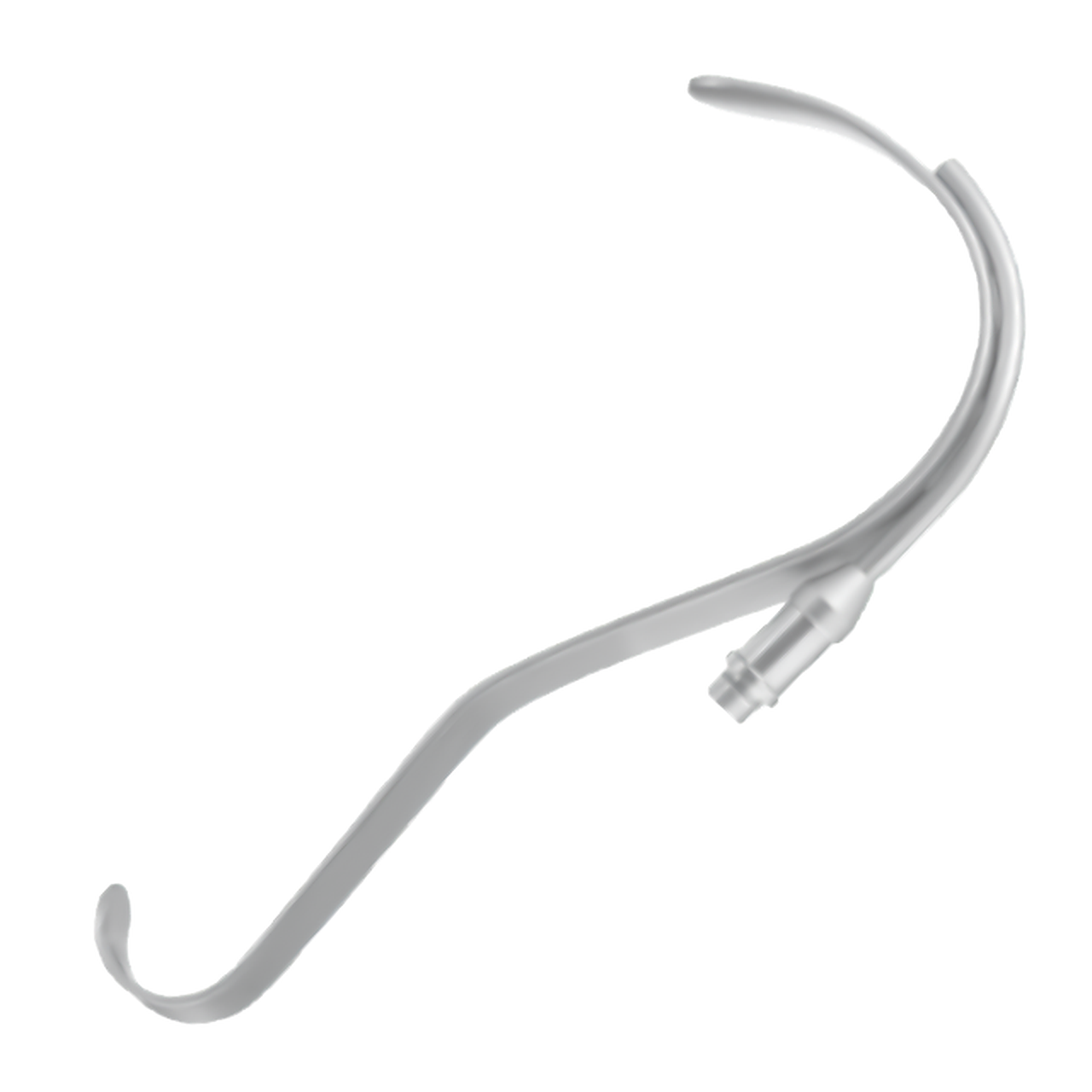 | Fiber optic Deaver Retractor | Specifically designed to retract visceral organs and provide direct illumination during deep abdominal and pelvic surgery. |
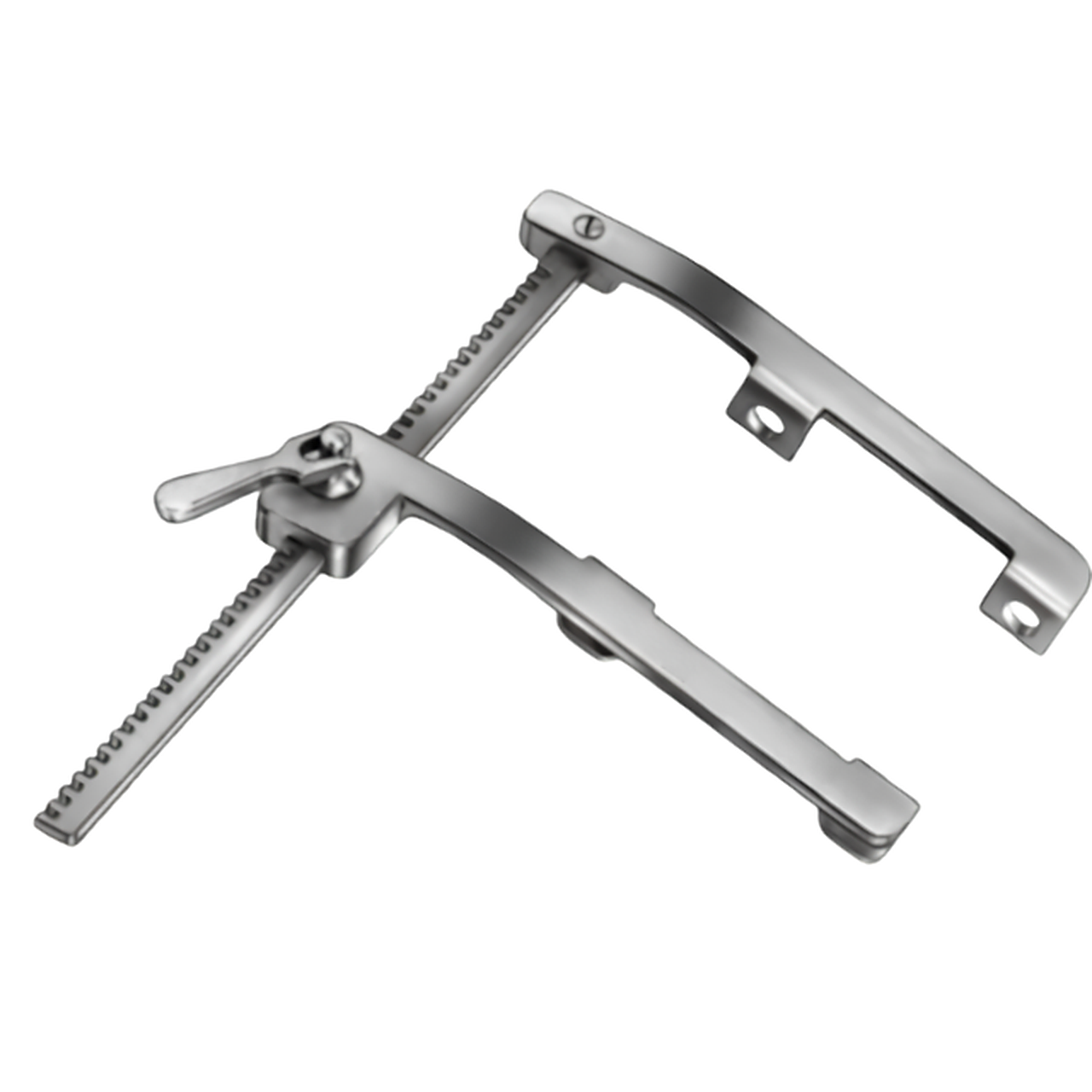 | Finochietto (Modif) Rib Spreader | Specifically designed to separate ribs and provide thoracic access during anterior and lateral thoracotomy. |
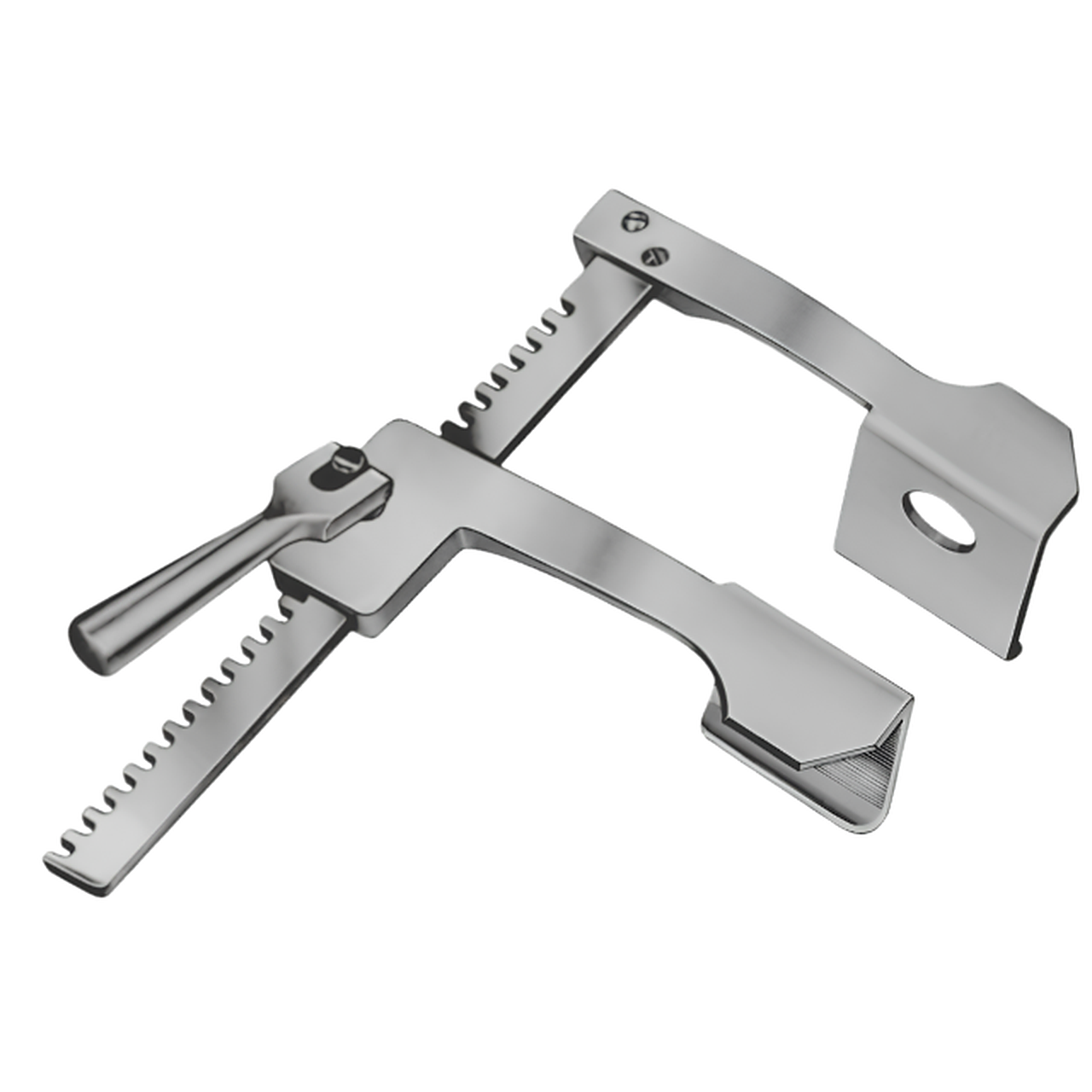 | Finochietto Rib Spreader | Specifically designed to separate ribs and expand the thoracic cavity during open thoracotomy procedures. |
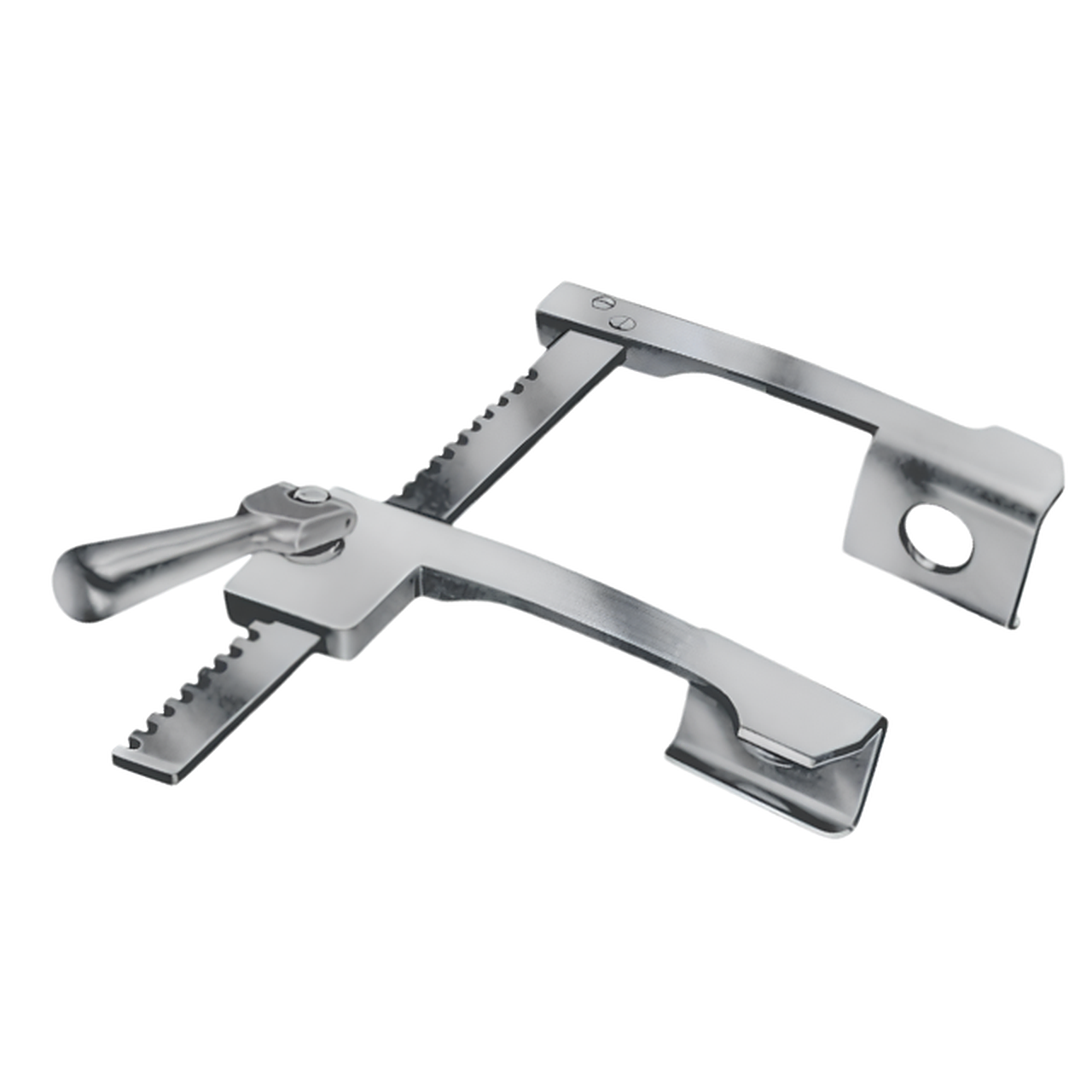 | Finochietto-Baby Rib Spreader | Specifically designed to separate ribs and provide thoracic access during neonatal and pediatric cardiothoracic surgery. |
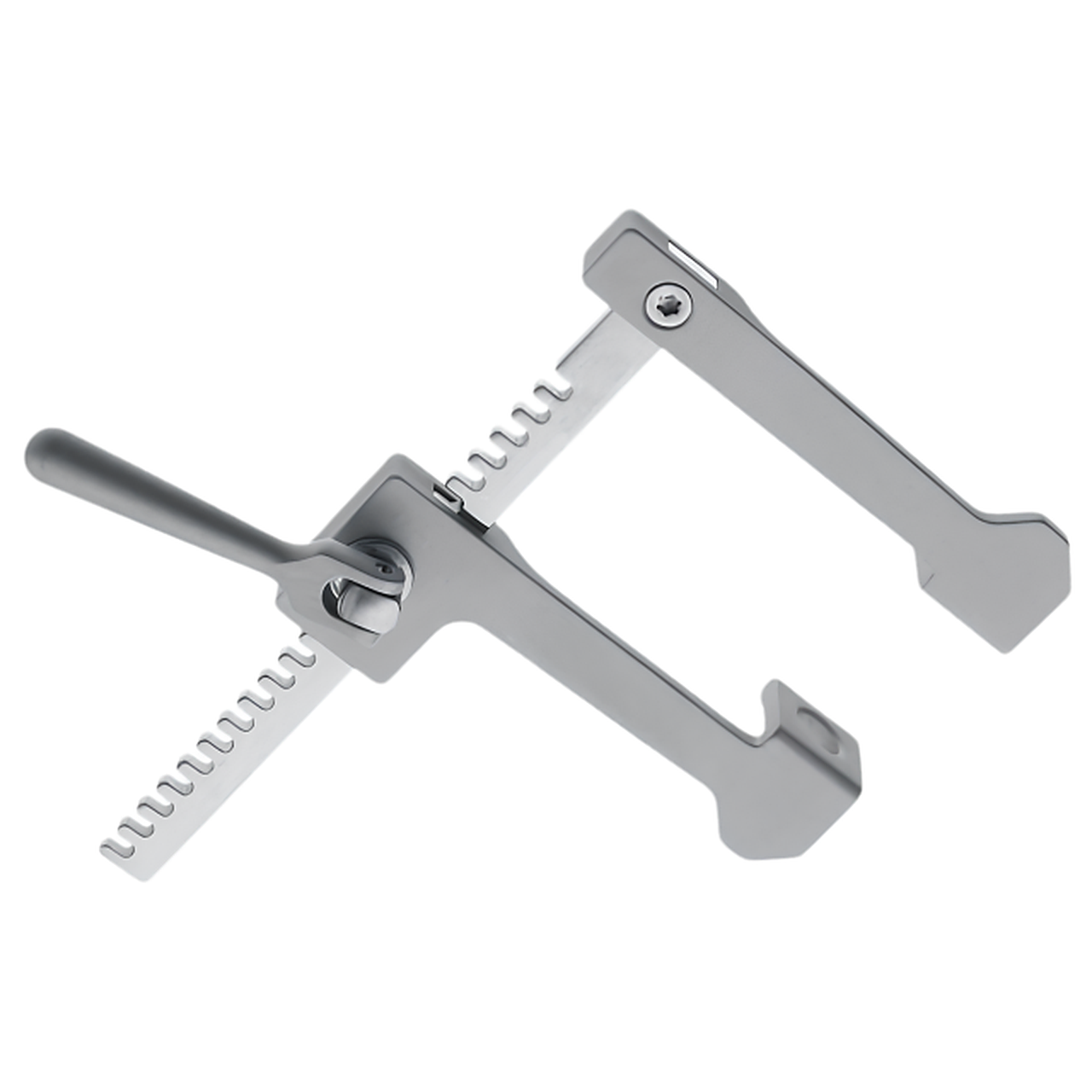 | Finochietto-Infant Rib Spreader | Specifically designed to separate delicate infant ribs during neonatal and infantile cardiothoracic surgery. |
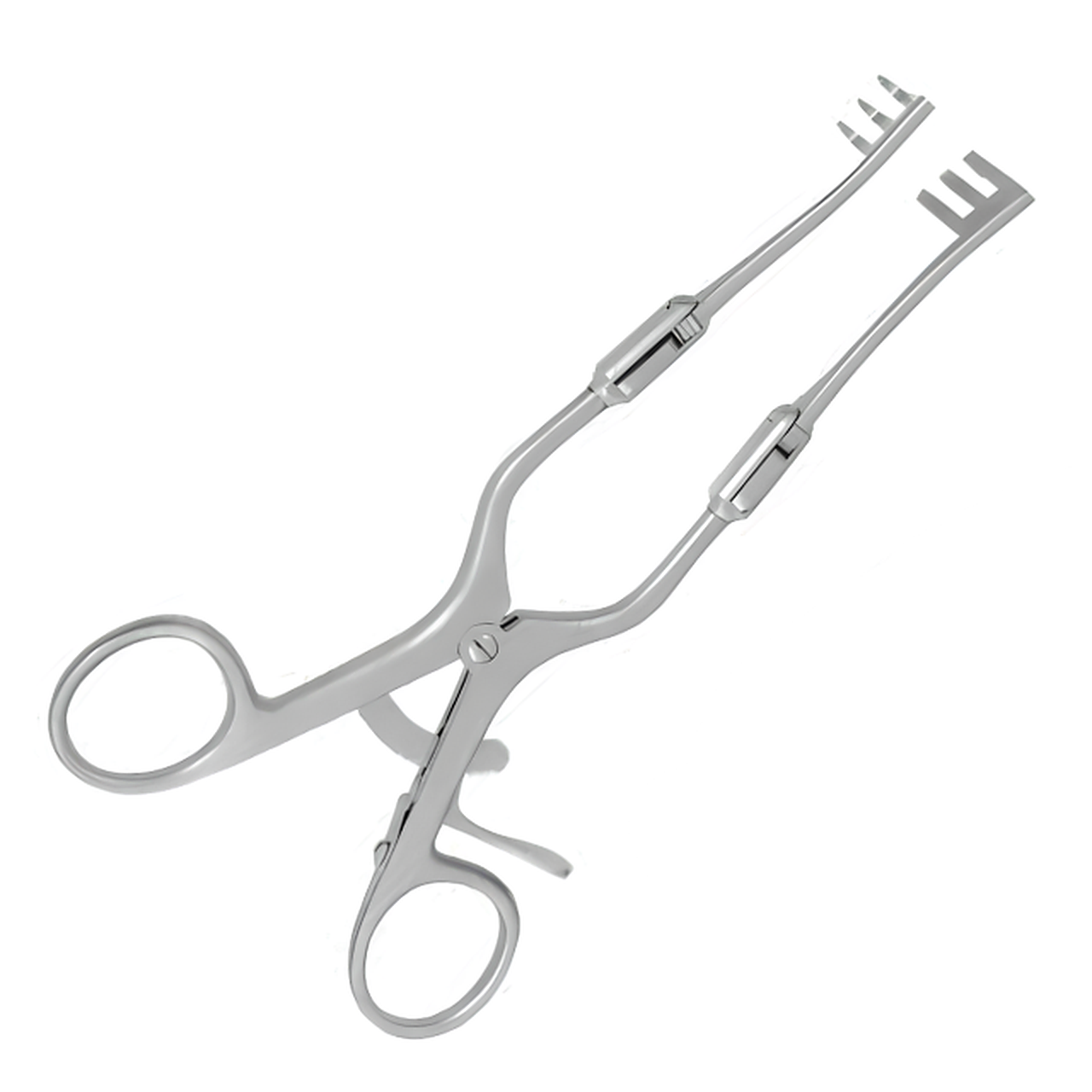 | Fisch Retractor with Joint | Specifically designed to retract the retroauricular soft tissue flap and periosteum during mastoid and lateral skull base surgery. |
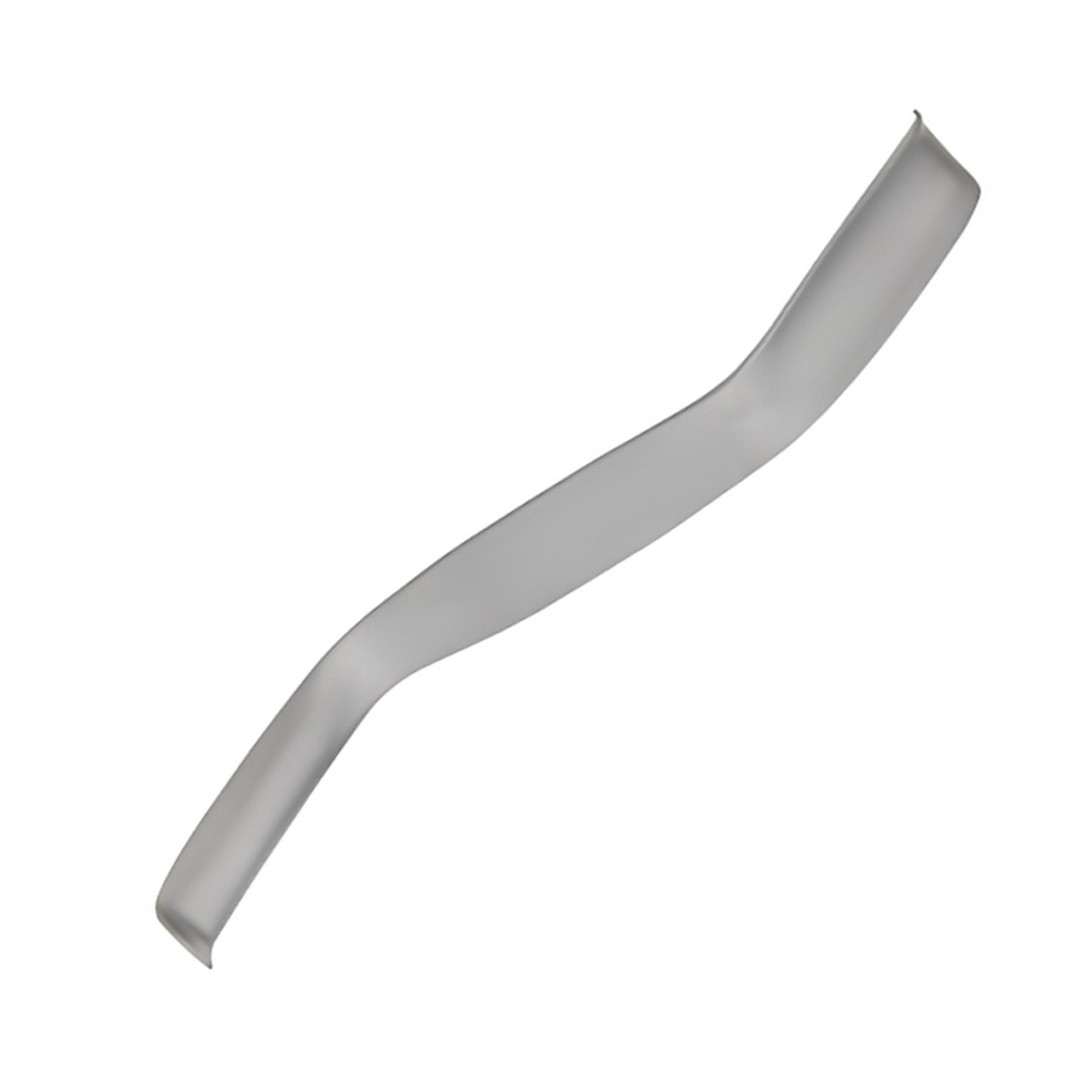 | Fischl Shoe Horn Retractor | Specifically designed to retract skin flaps, guide prostheses, and separate tissue planes during plastic and general surgery. |
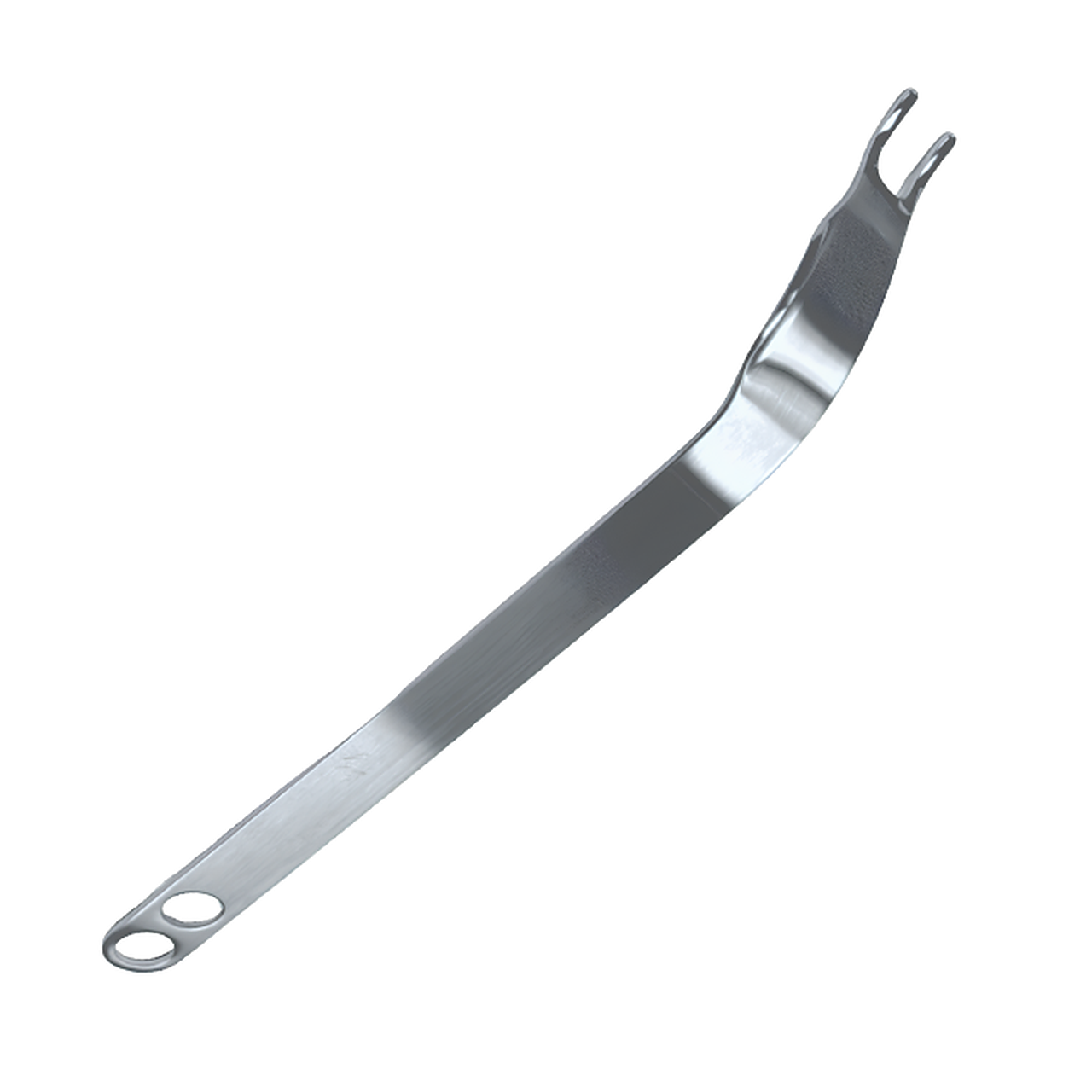 | Flared Cobra Retractors | Specifically designed to leverage bone and retract heavy musculature during total hip arthroplasty, pelvic osteotomy, and femur reconstruction. |
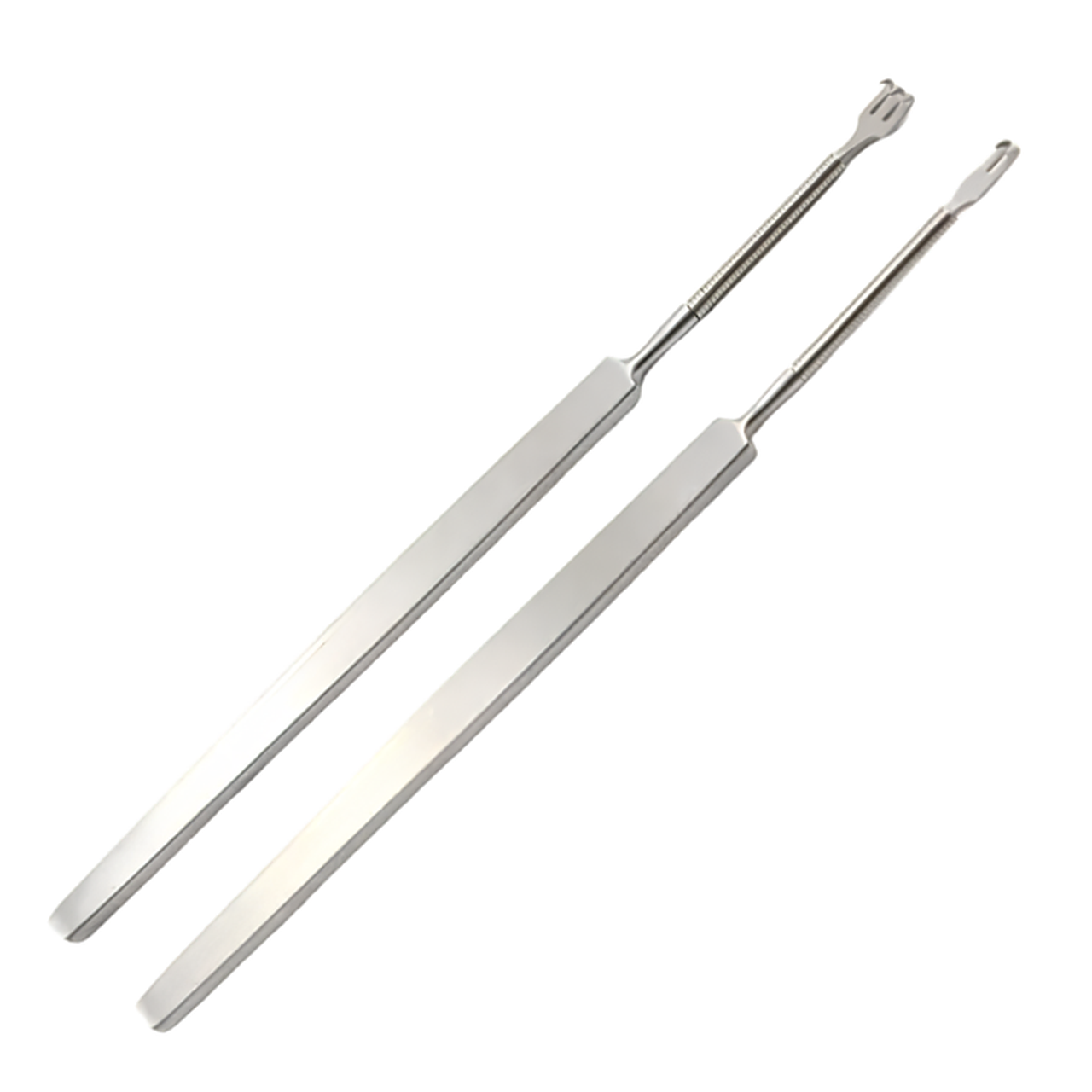 | Flexible Neck Retractor | Specifically designed to retract skin flaps, strap muscles, and fascial tissue during thyroid, neck, and plastic surgery. |
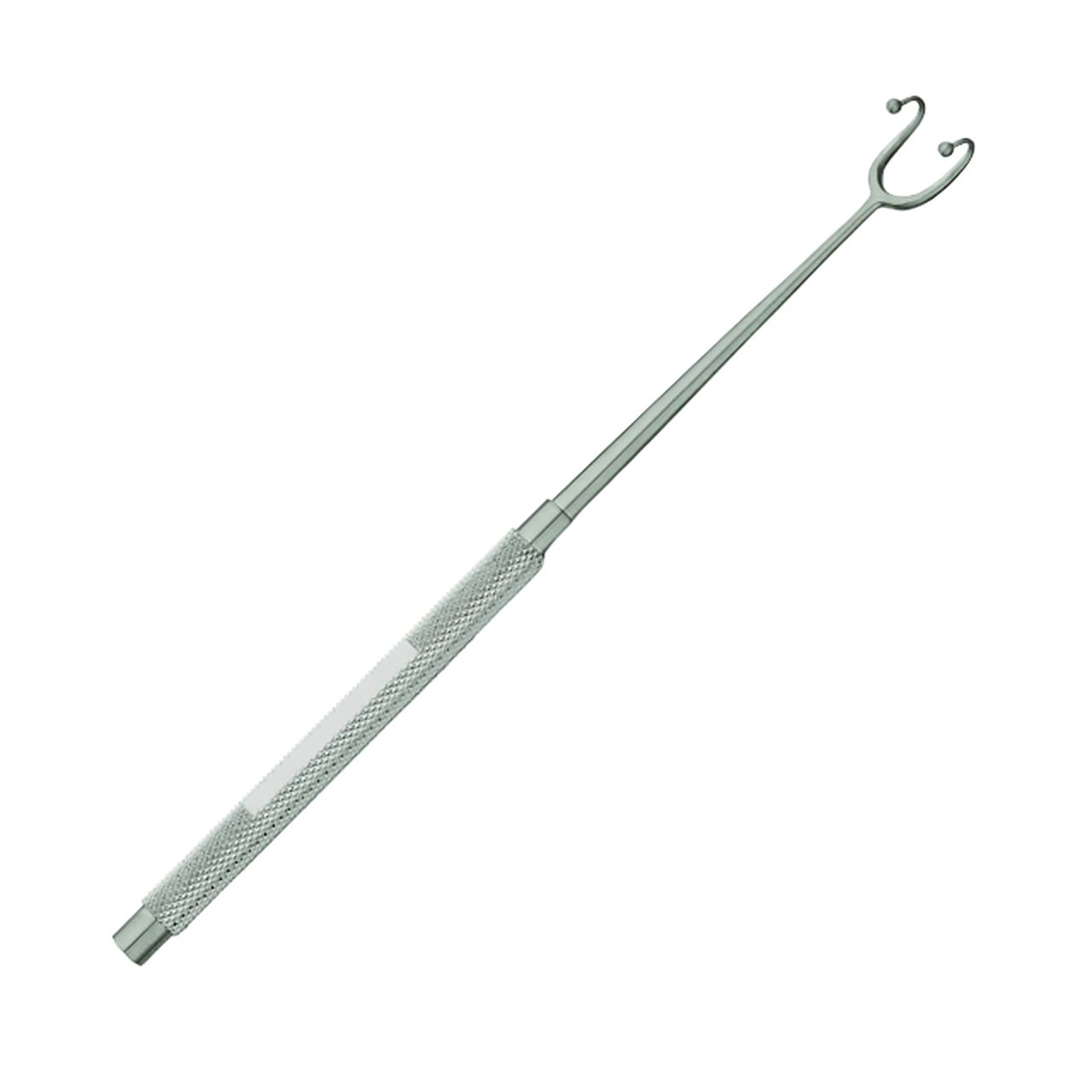 | Fomon Retractor | Specifically designed to retract the alar rim, lower lateral cartilage, and nostril margins during rhinoplasty. |
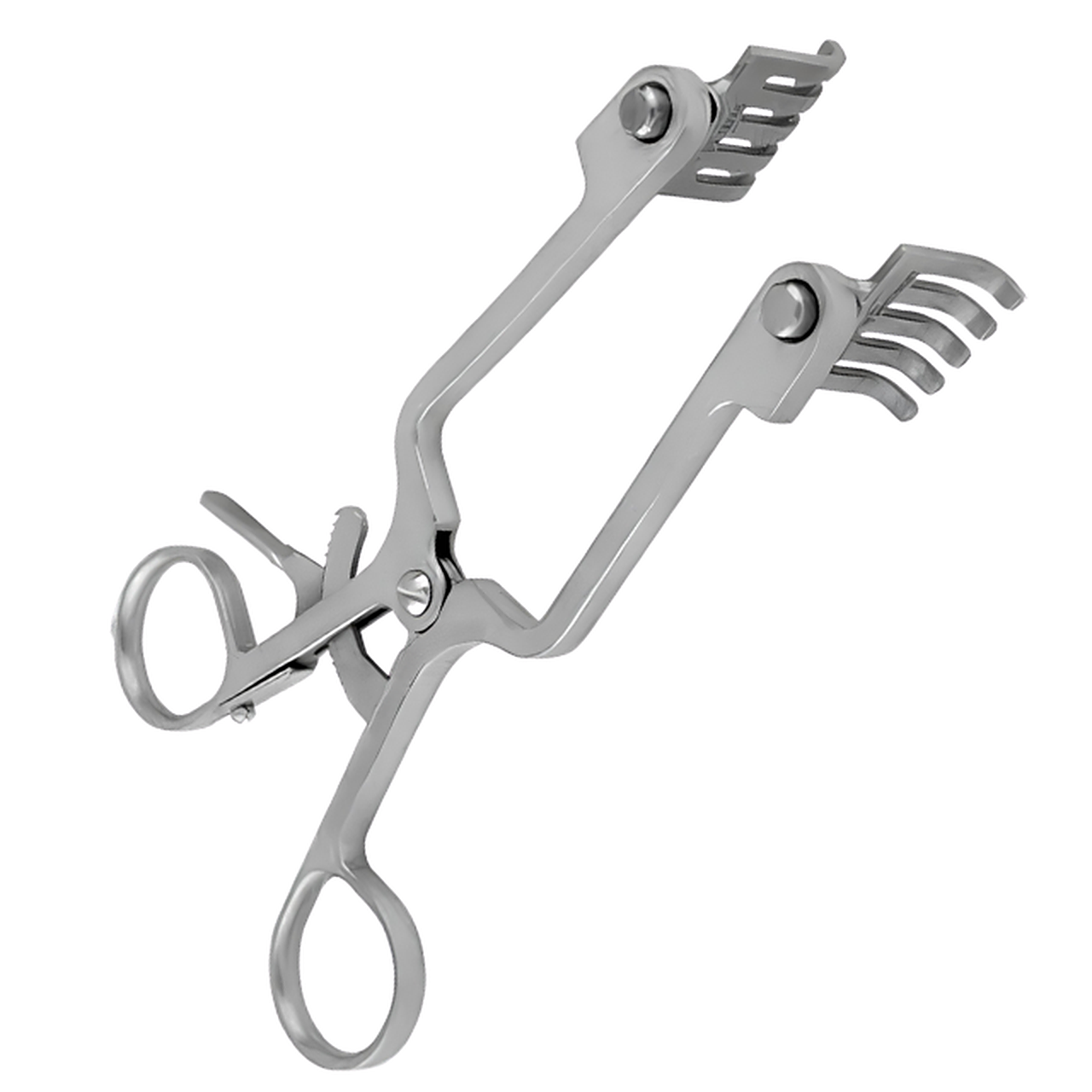 | Forearm Swivel Blade Retractor | Specifically designed to provide self-retaining soft-tissue retraction and bone distraction during forearm and wrist surgery. |
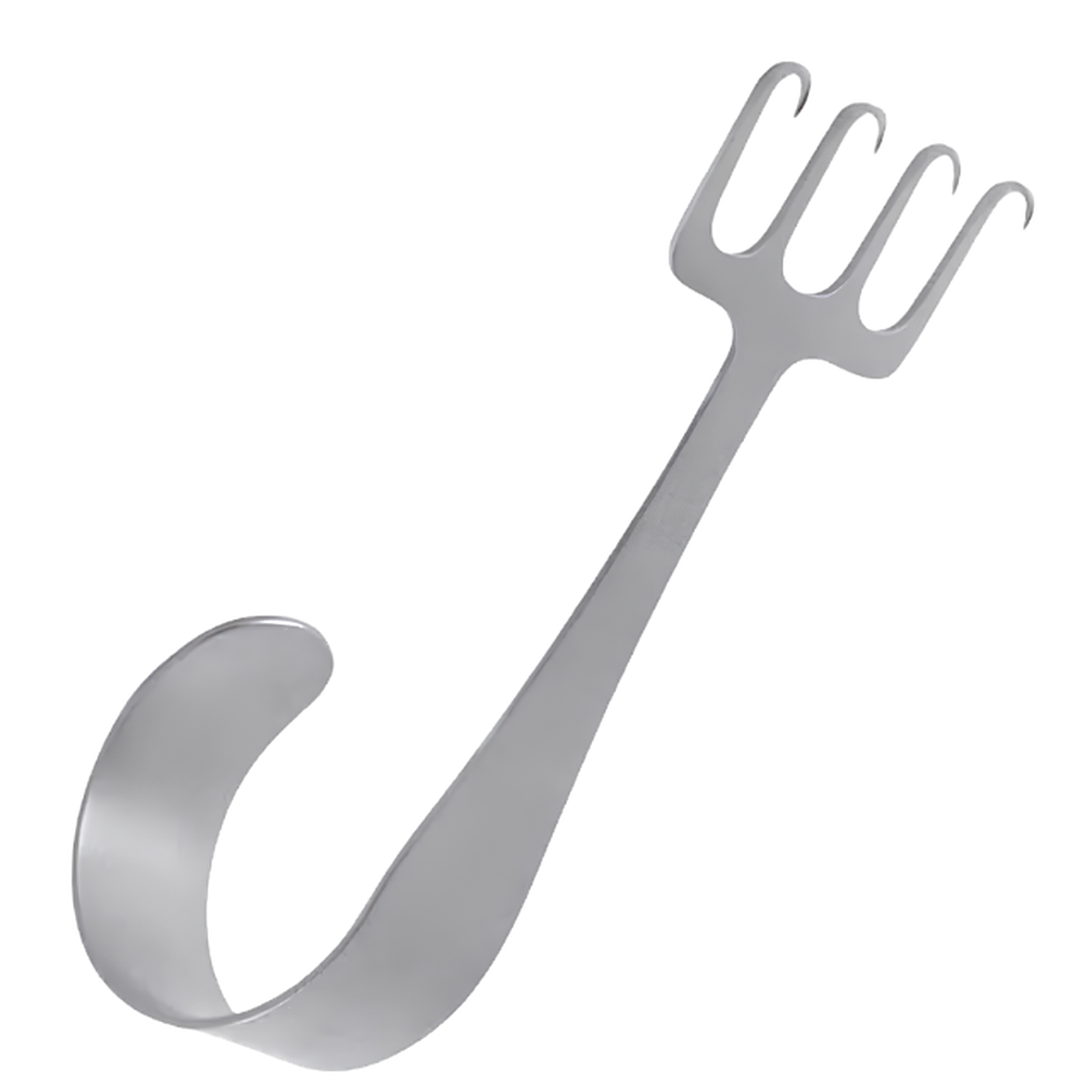 | Freeman Face Lift Retractors | Specifically designed to elevate facial skin flaps and the SMAS layer during rhytidectomy and aesthetic facial surgery. |
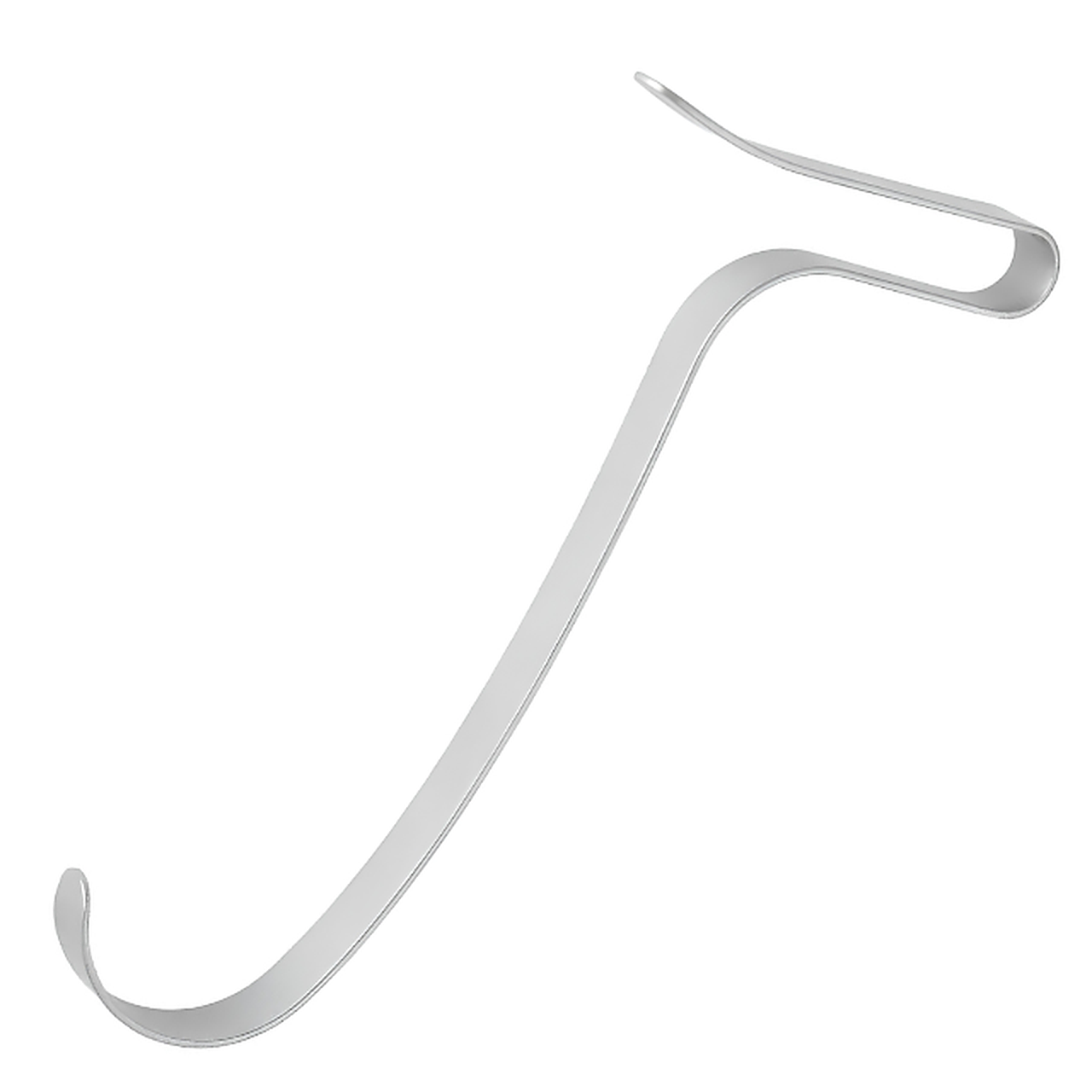 | Freeman Flap Retractor | Specifically designed to elevate and retract skin flaps and subcutaneous tissue during plastic, breast, and reconstructive surgery. |
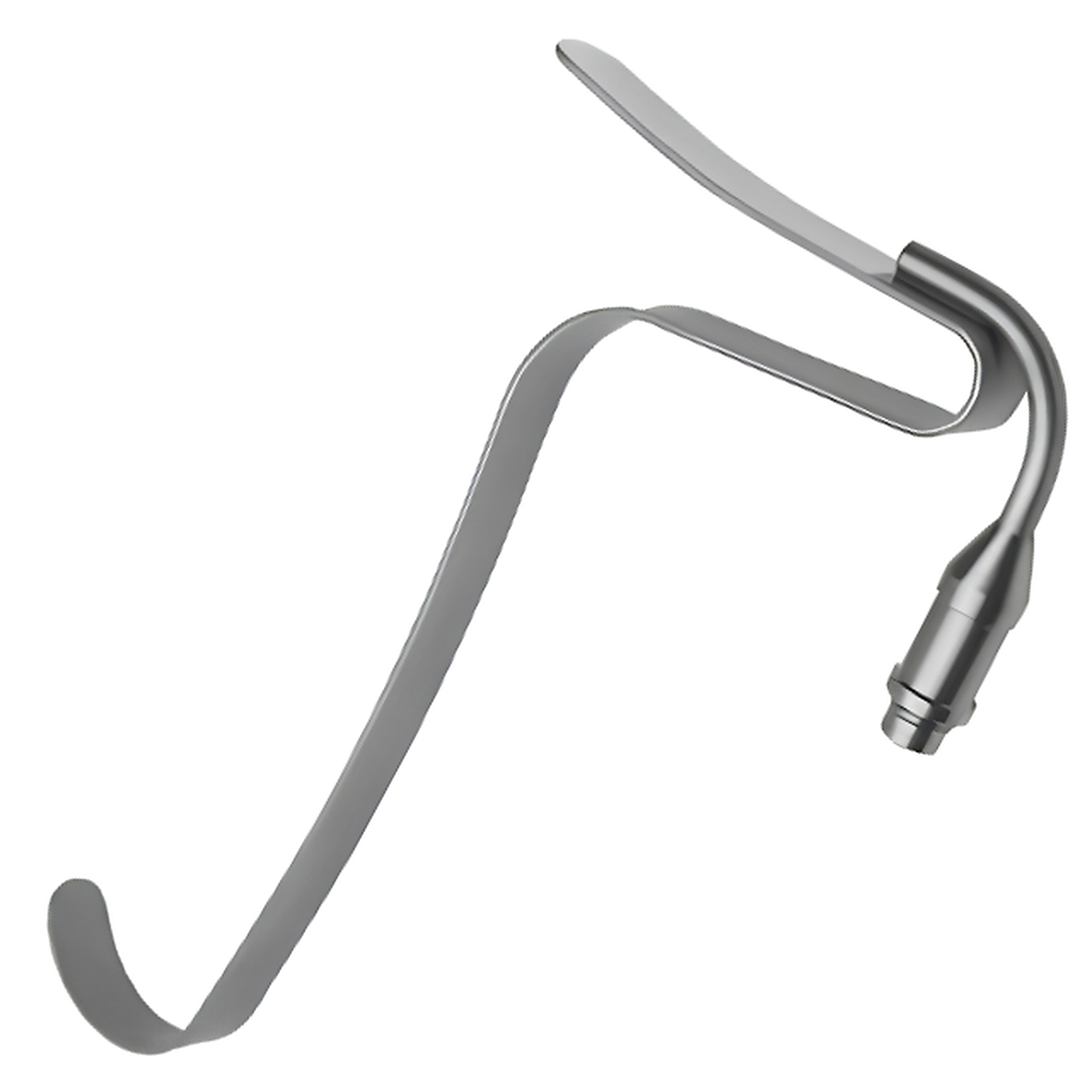 | Freeman Flap Retractor With Fiber Optic Illumination | Specifically designed to provide illuminated soft-tissue retraction and flap elevation during aesthetic and reconstructive plastic surgery. |
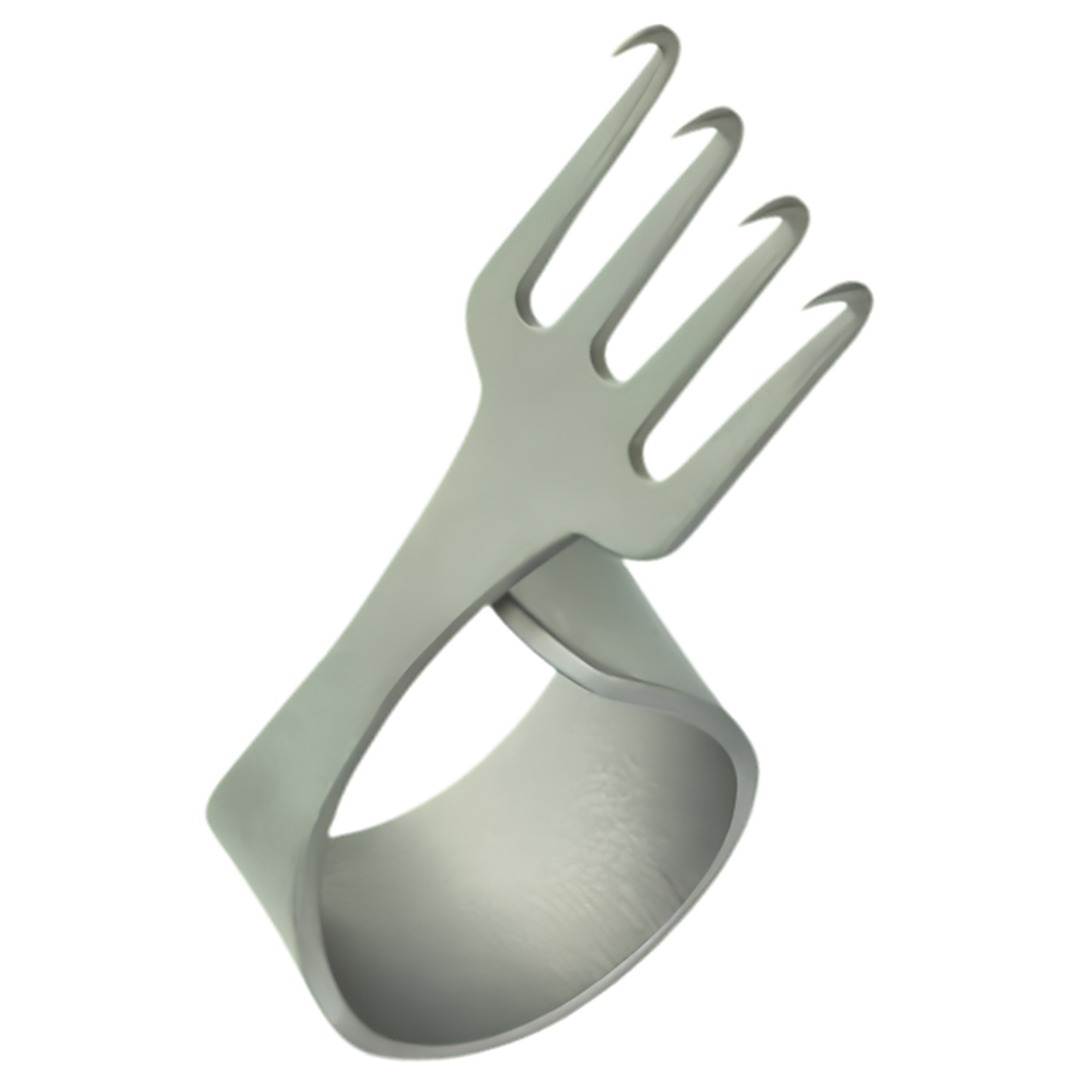 | Freeman Mini Rake Retractor | Specifically designed for minute skin flap elevation and delicate soft-tissue traction in tight anatomical pockets. |
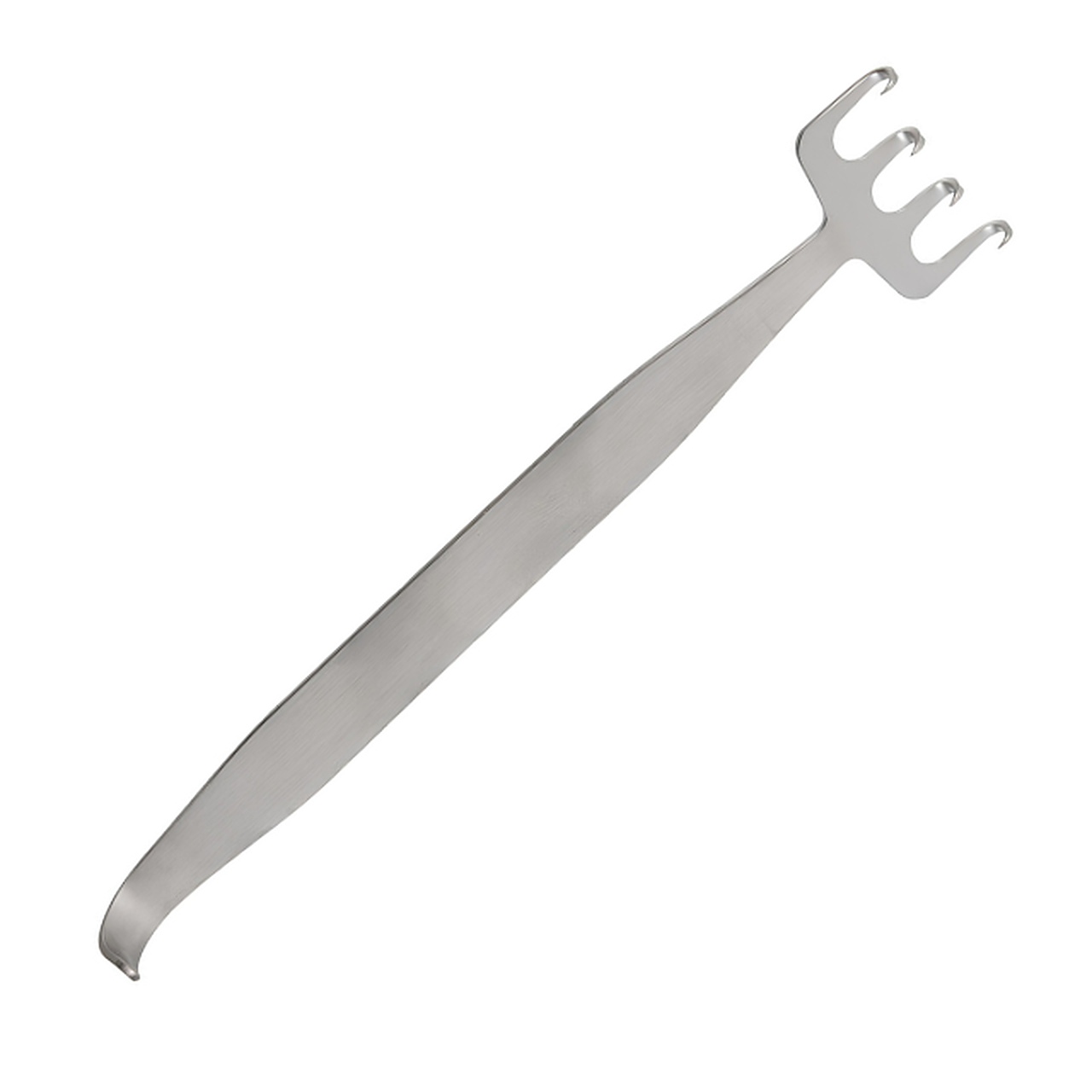 | Freeman Rake Retractor | Specifically designed to elevate and retract skin flaps during rhytidectomy and reconstructive plastic surgery. |
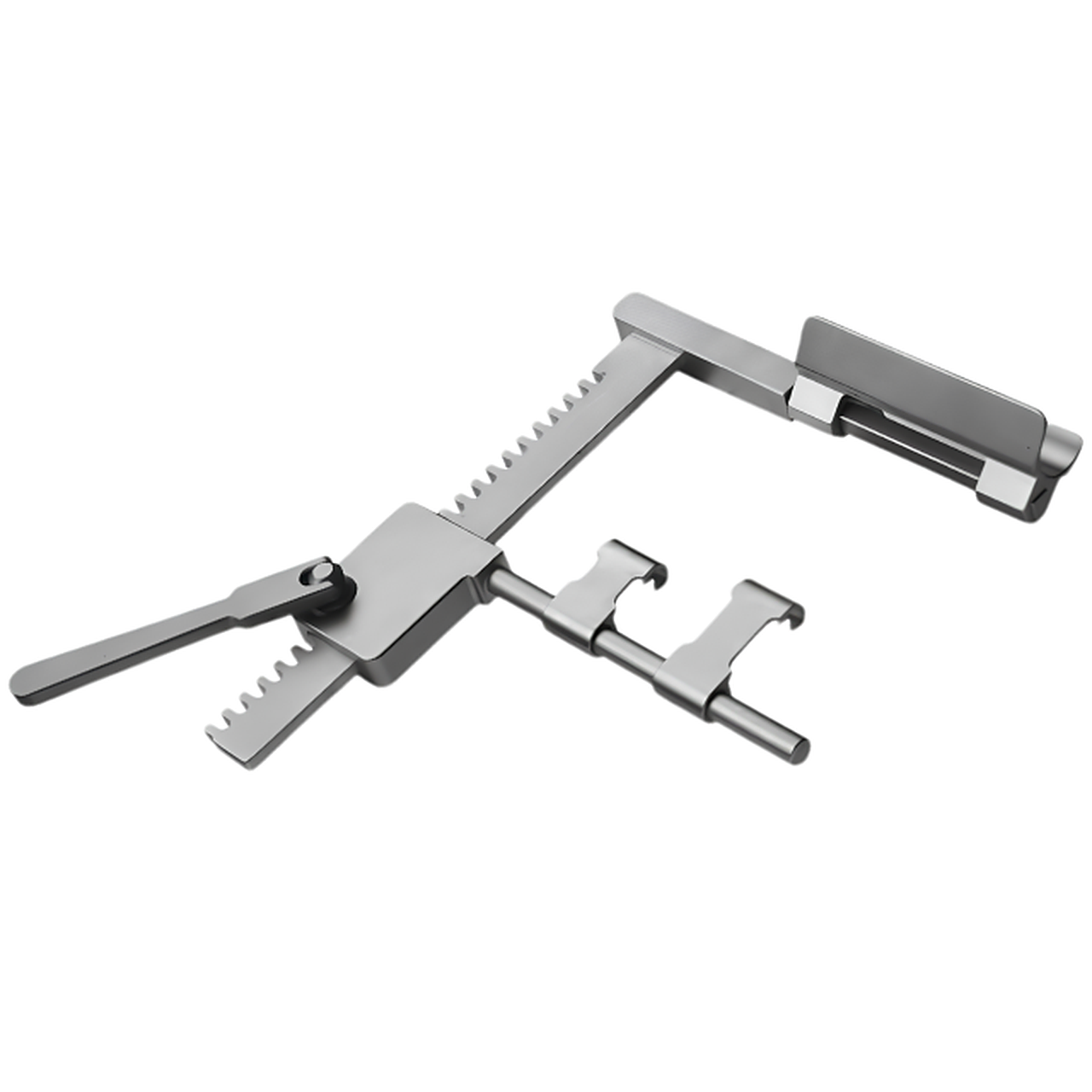 | French Pattern I.M.A Sternal Retractor | Specifically designed for unilateral sternal elevation during internal mammary artery harvesting in CABG surgery. |
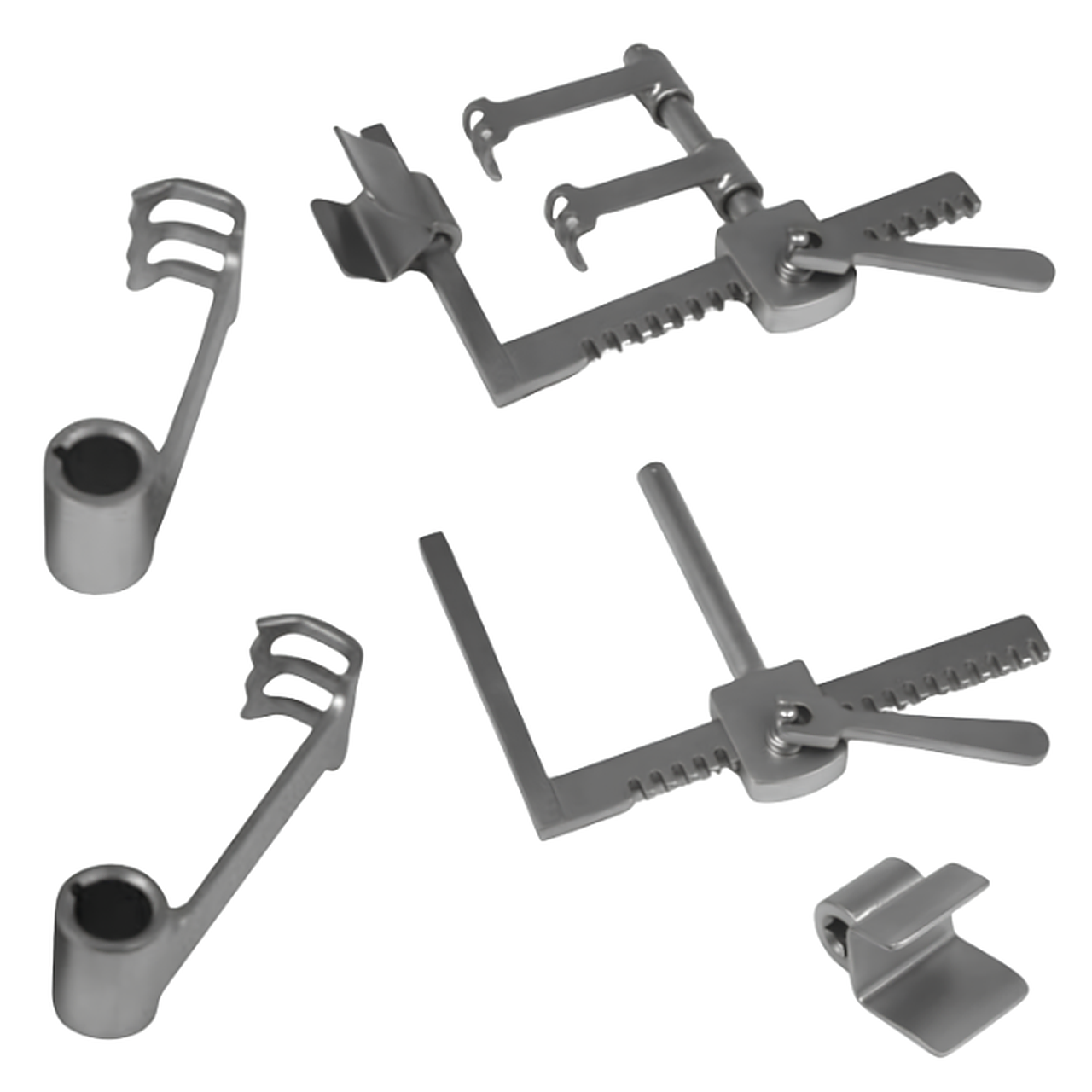 | French Pattern I.M.A. Sternal Retractor for Ministernotomy | Specifically designed for unilateral sternal elevation during ministernotomy and minimally invasive cardiac surgery. |
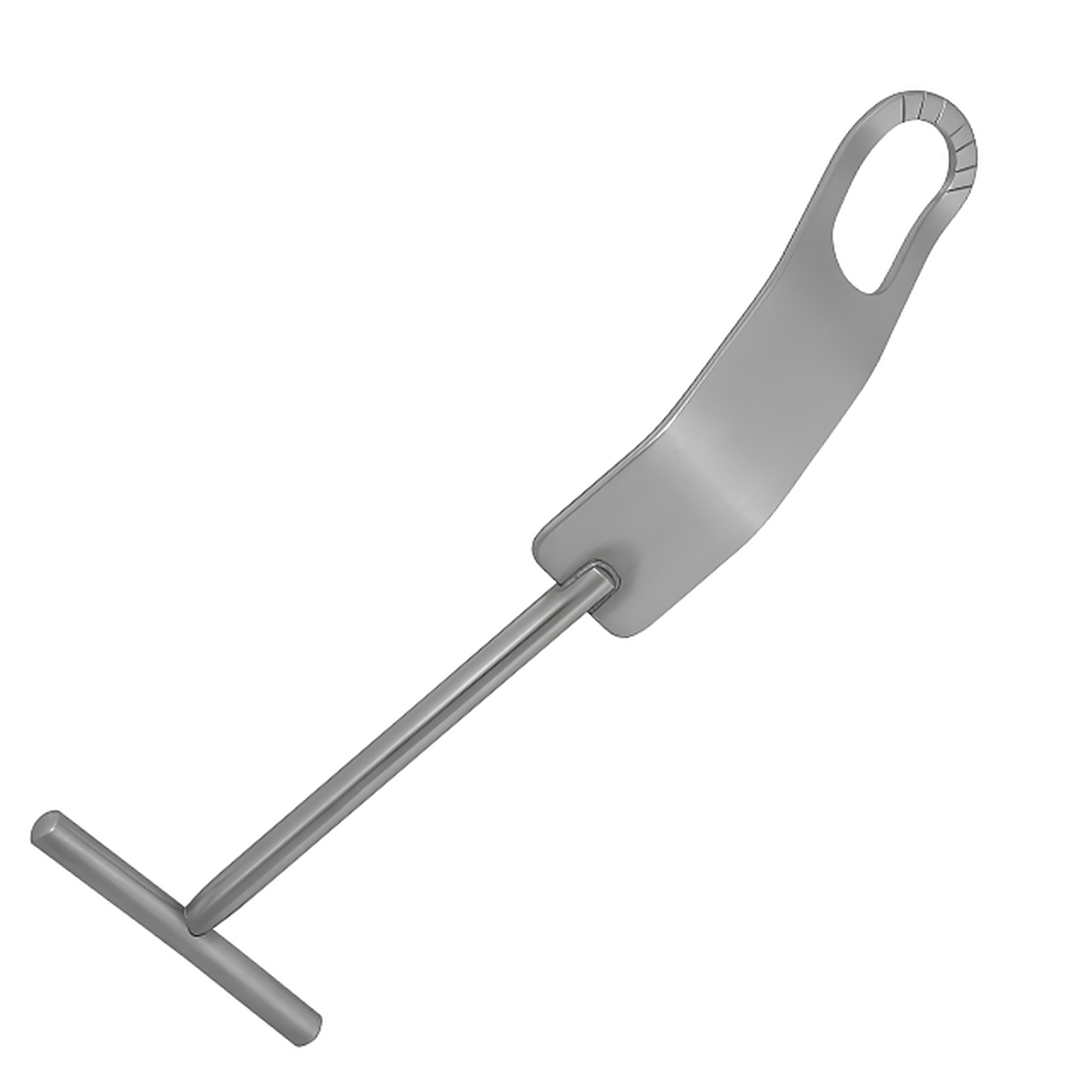 | Fukuda Kujat Style Retractor | Specifically designed to displace the humeral head posteriorly and expose the glenoid cavity during shoulder arthroplasty. |
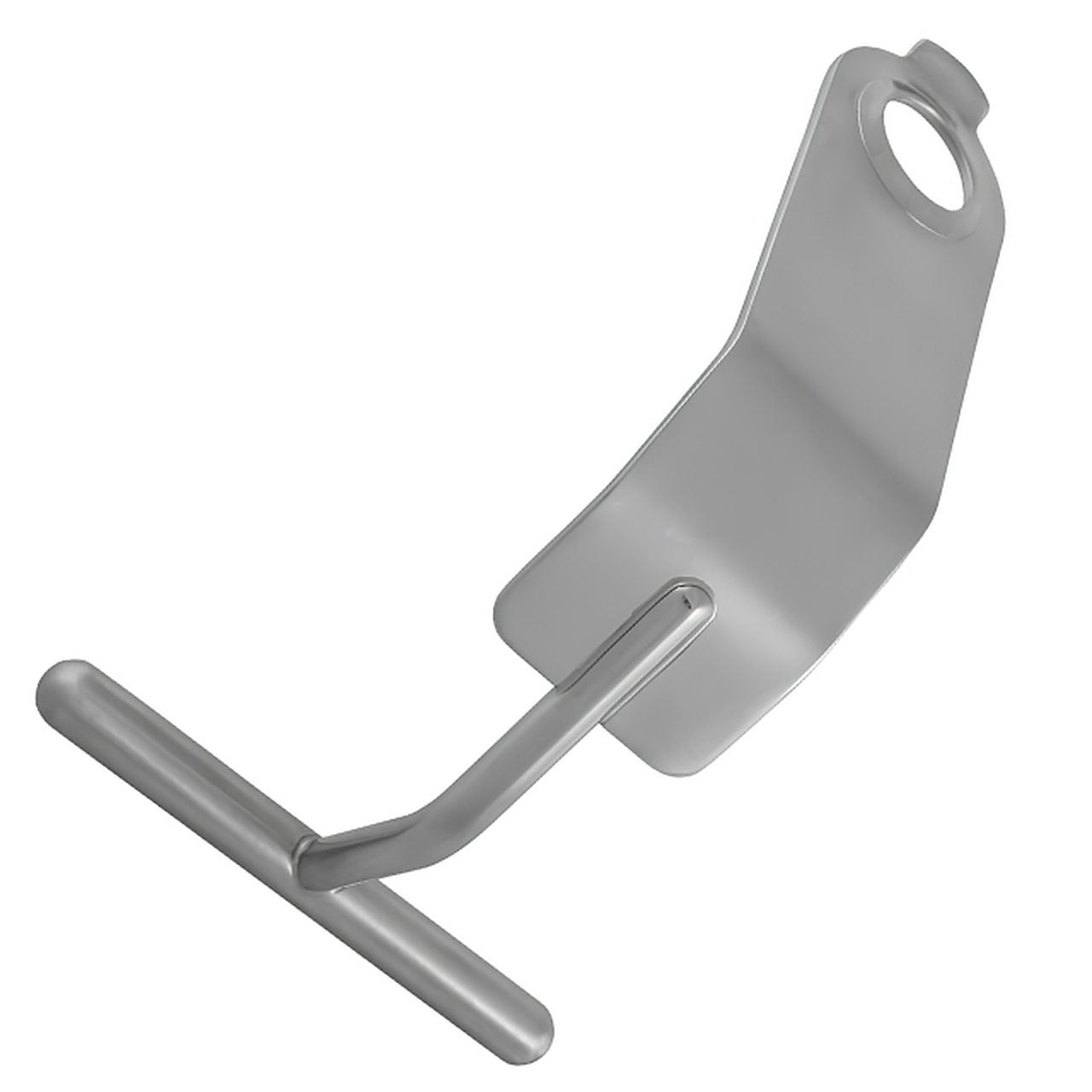 | Fukuda Style Retractors | Specifically designed to retract the humeral head and expose the glenoid cavity during shoulder arthroplasty and reconstructive procedures. |
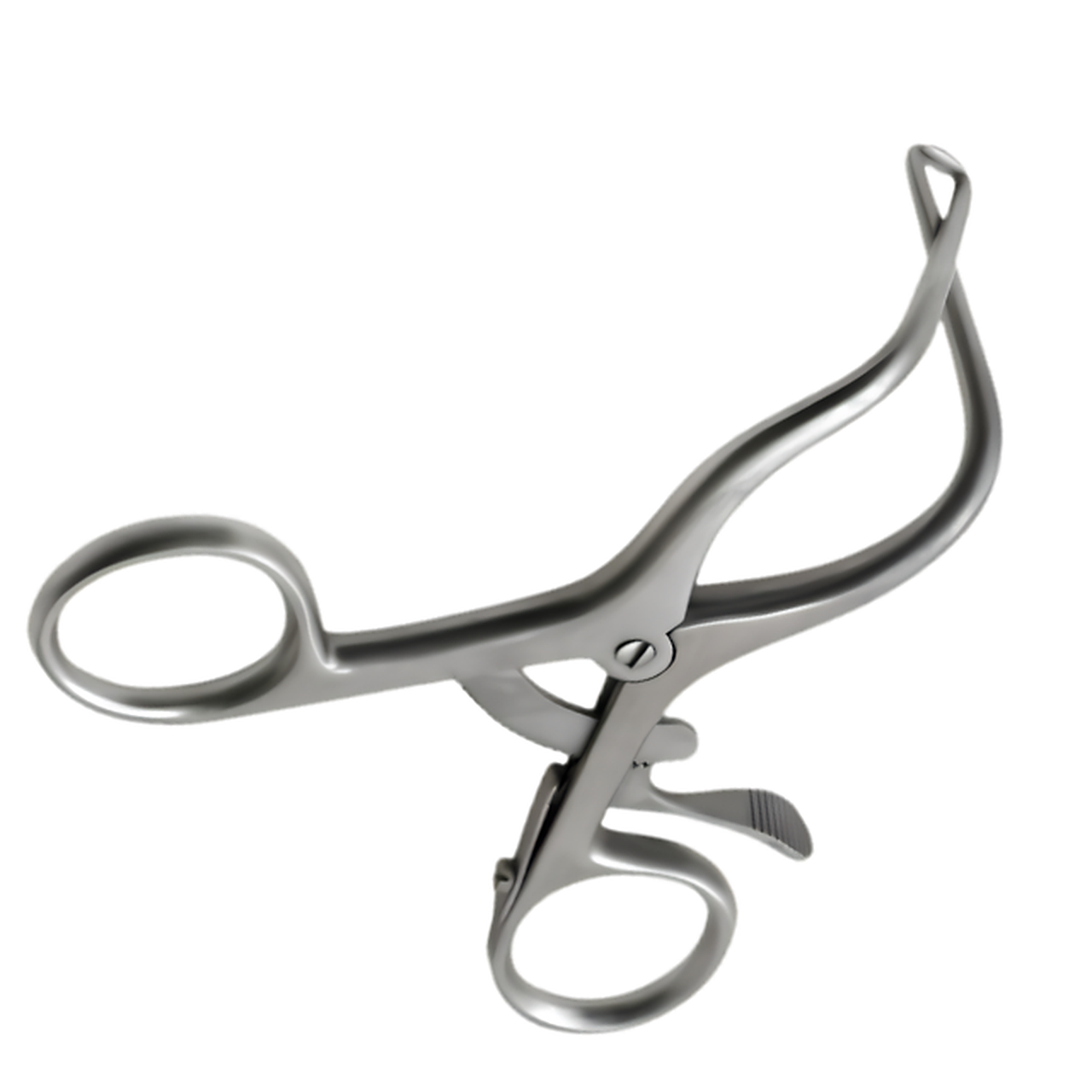 | Gelpi Crossover Retractor - Deep Angles | Specifically designed to provide self-retaining tendon, muscle, and soft-tissue retraction during extremity and spinal surgery. |
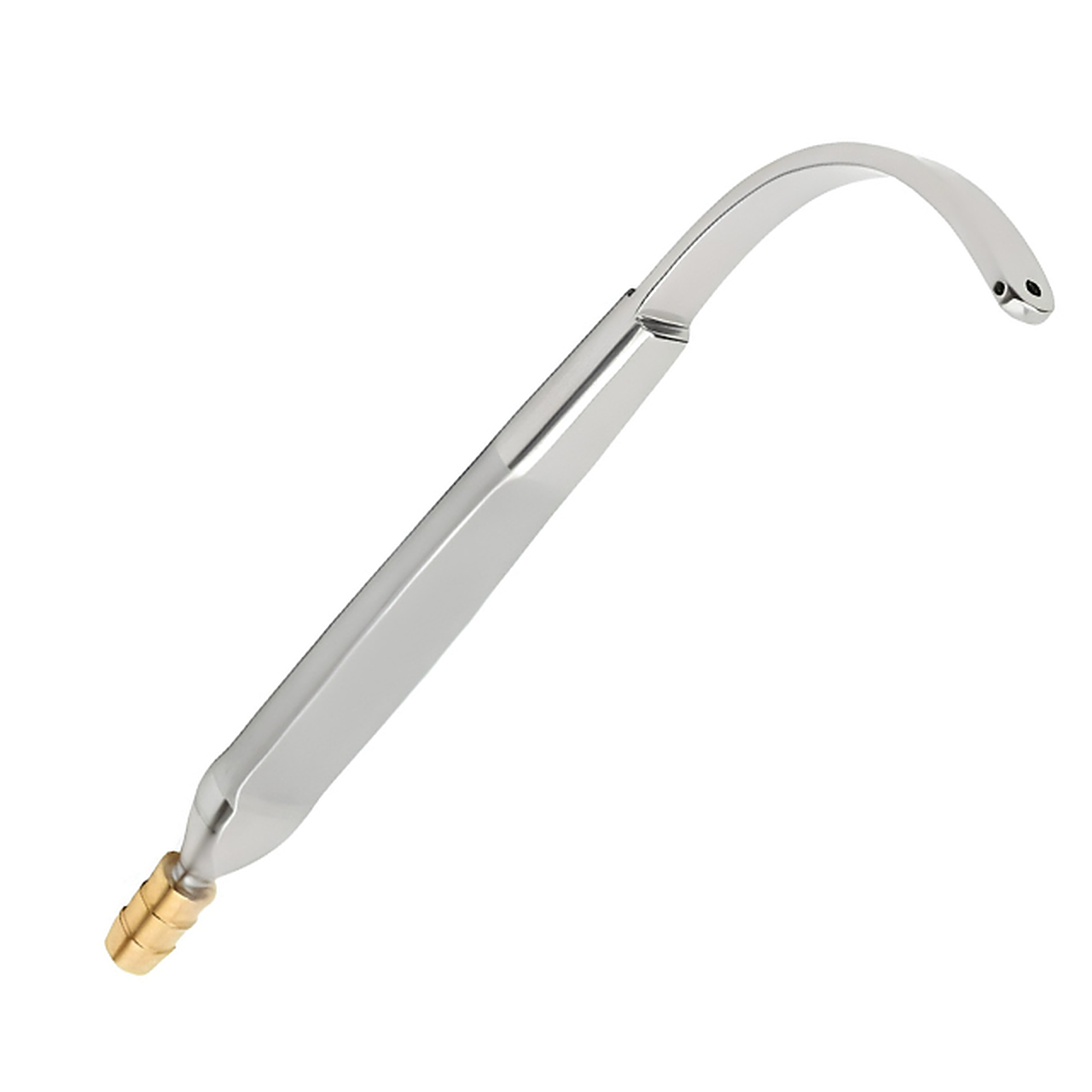 | Gerbault Tebbett’s Suction Retractor | Specifically designed to elevate nasal soft-tissue envelopes while providing simultaneous smoke/fluid evacuation and illumination during rhinoplasty. |
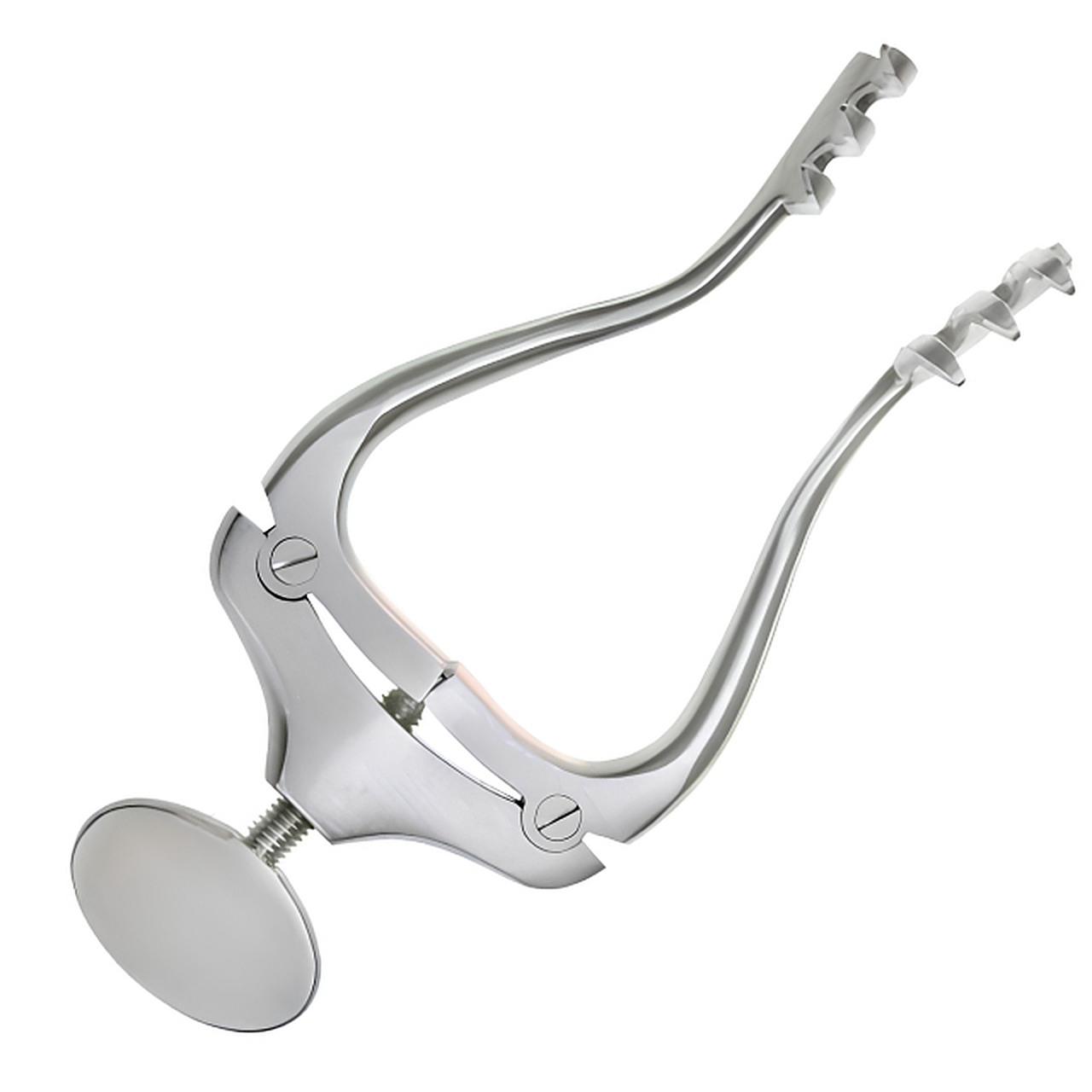 | Gifford-Jansen Retractor | Specifically designed to provide self-retaining wound margin and periosteal retraction during mastoid, ear, and scalp surgery. |
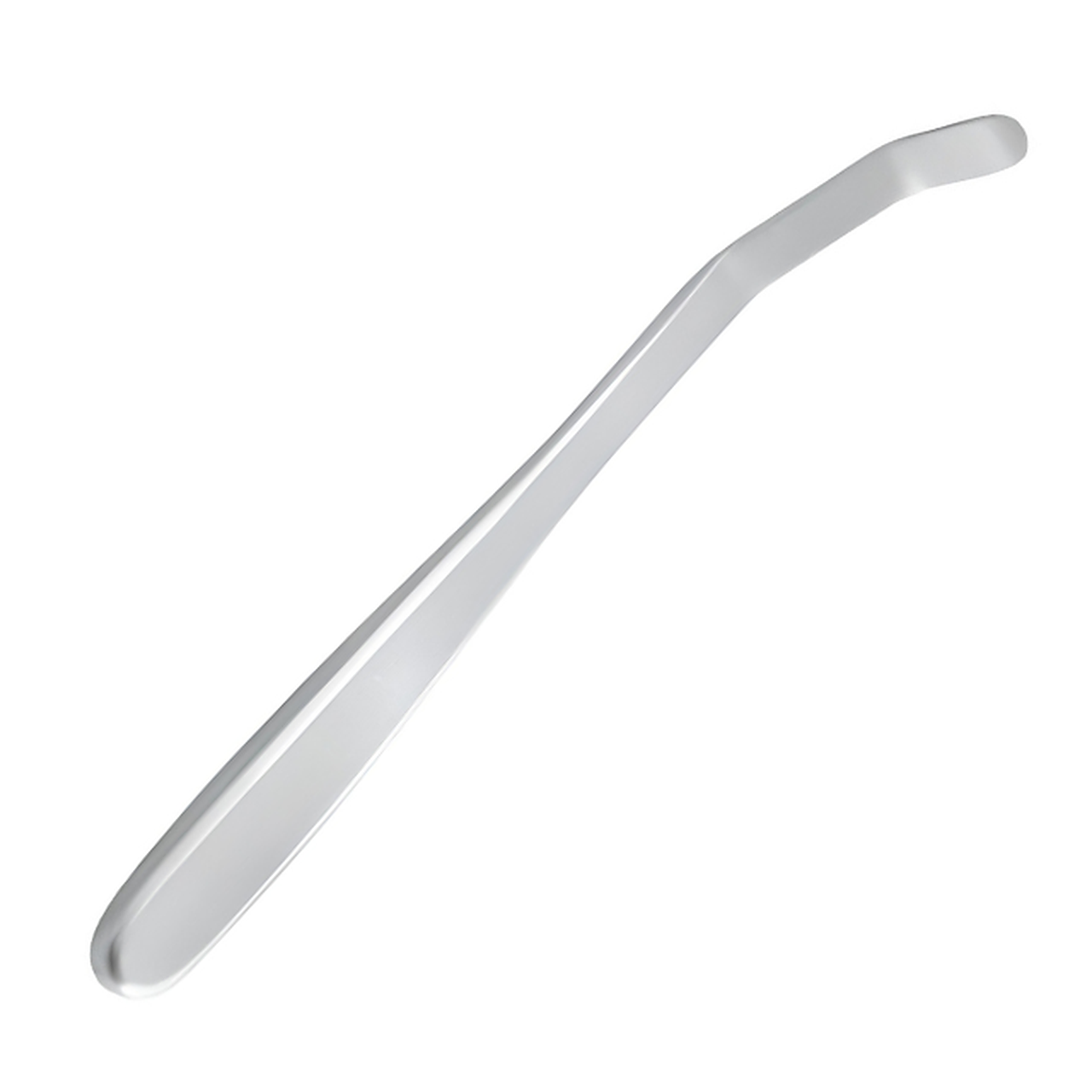 | Glenoid Condyle Retractor | Specifically designed to leverage bone margins and retract joint capsules during shoulder, condylar, and orthopedic procedures. |
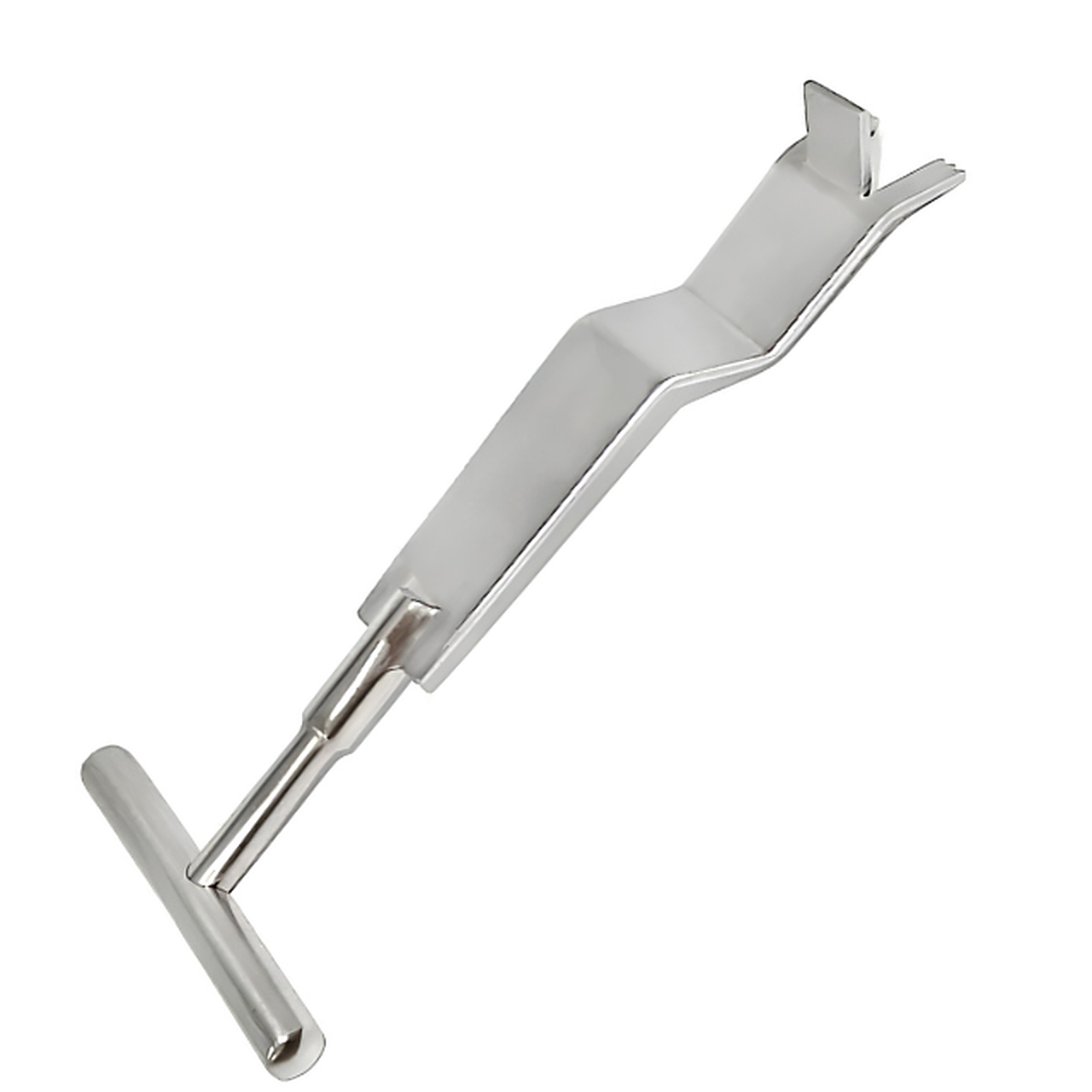 | Glenoid Retractors | Specifically designed to expose the glenoid rim and retract capsular soft tissue during total and reverse shoulder arthroplasty. |
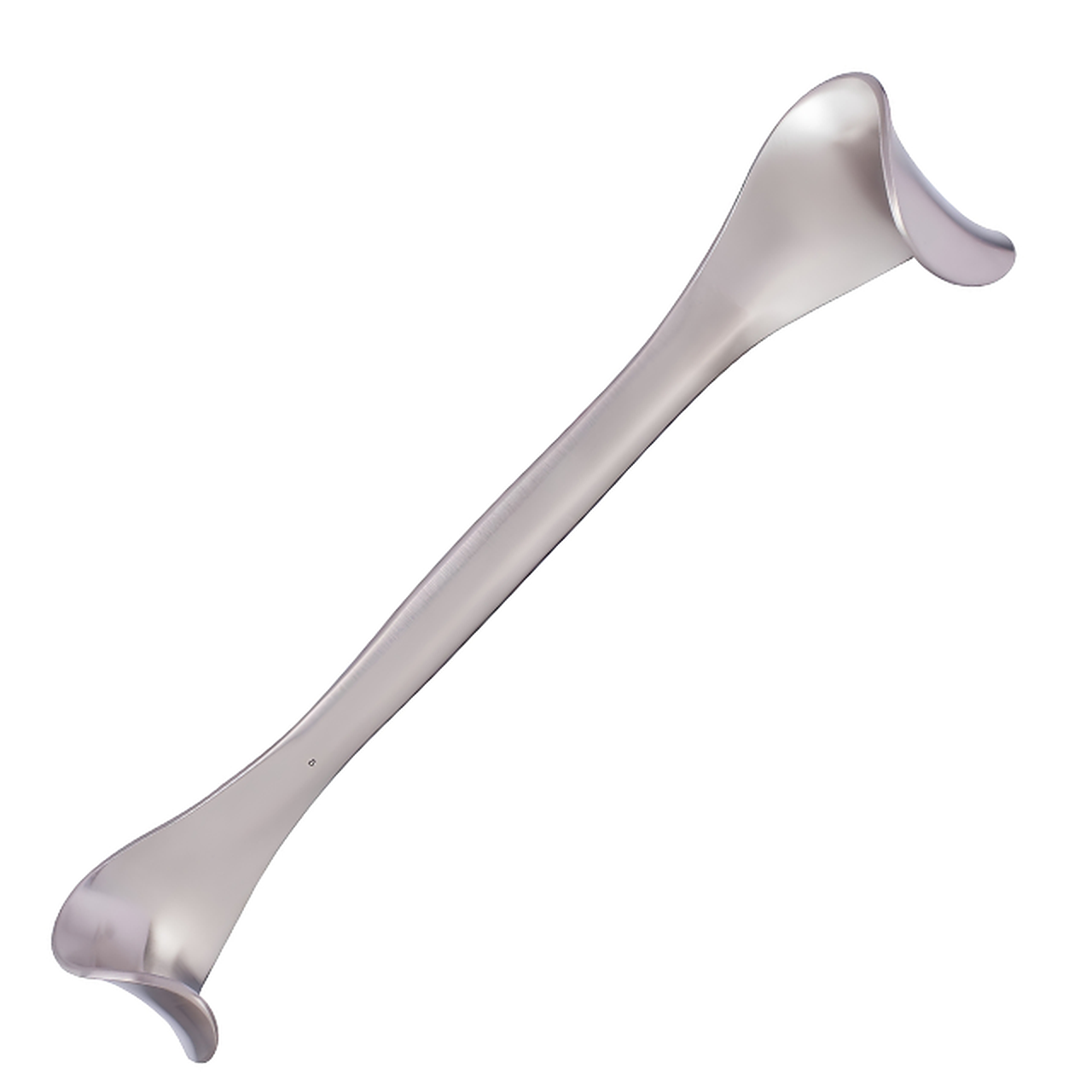 | Goelet Retractor | Specifically designed to retract skin, subcutaneous fat, and muscle tissue during superficial and intermediate surgical procedures. |
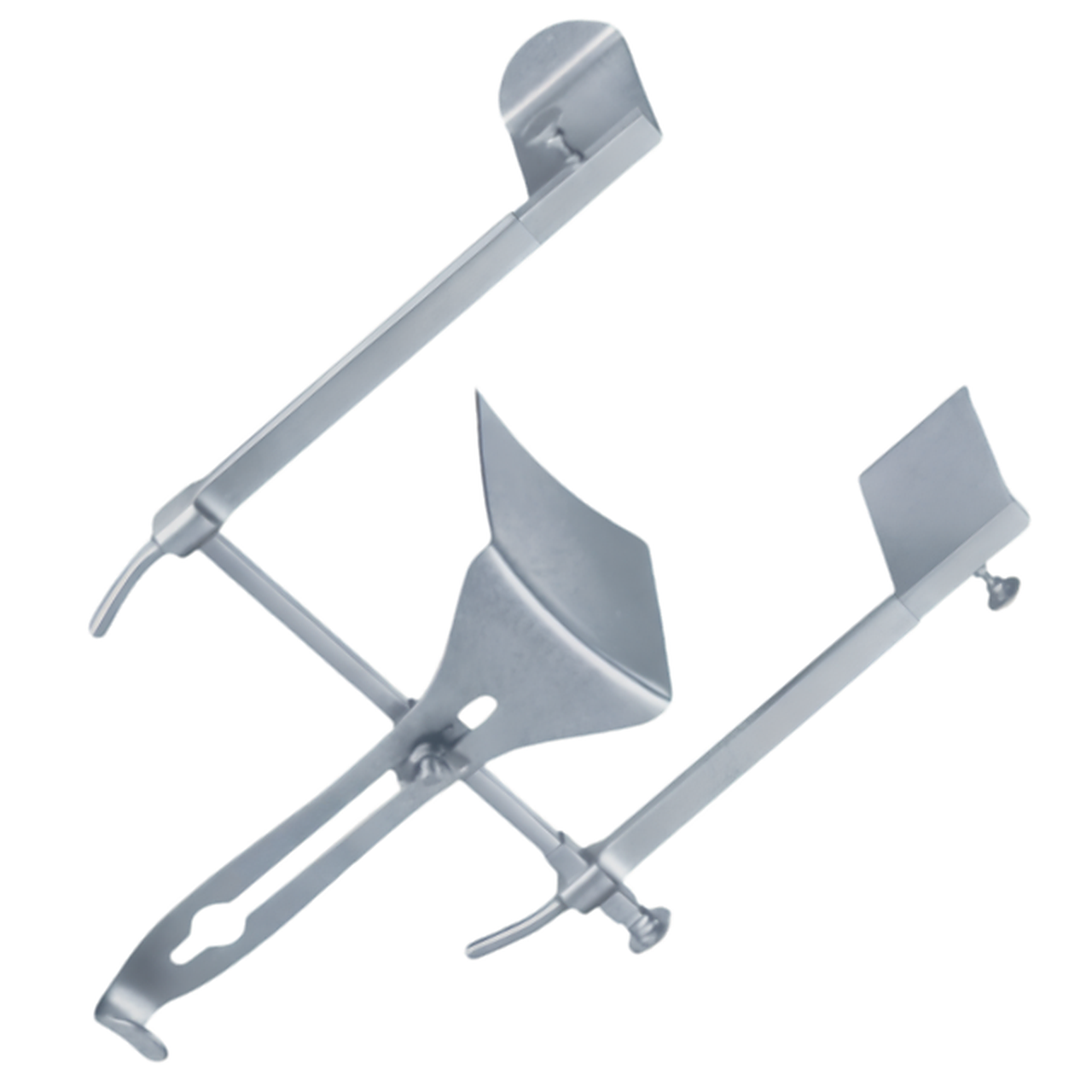 | Golligher Self Retaining Retractor | Specifically designed to provide self-retaining multi-directional abdominal wall and visceral retraction during colorectal surgery. |
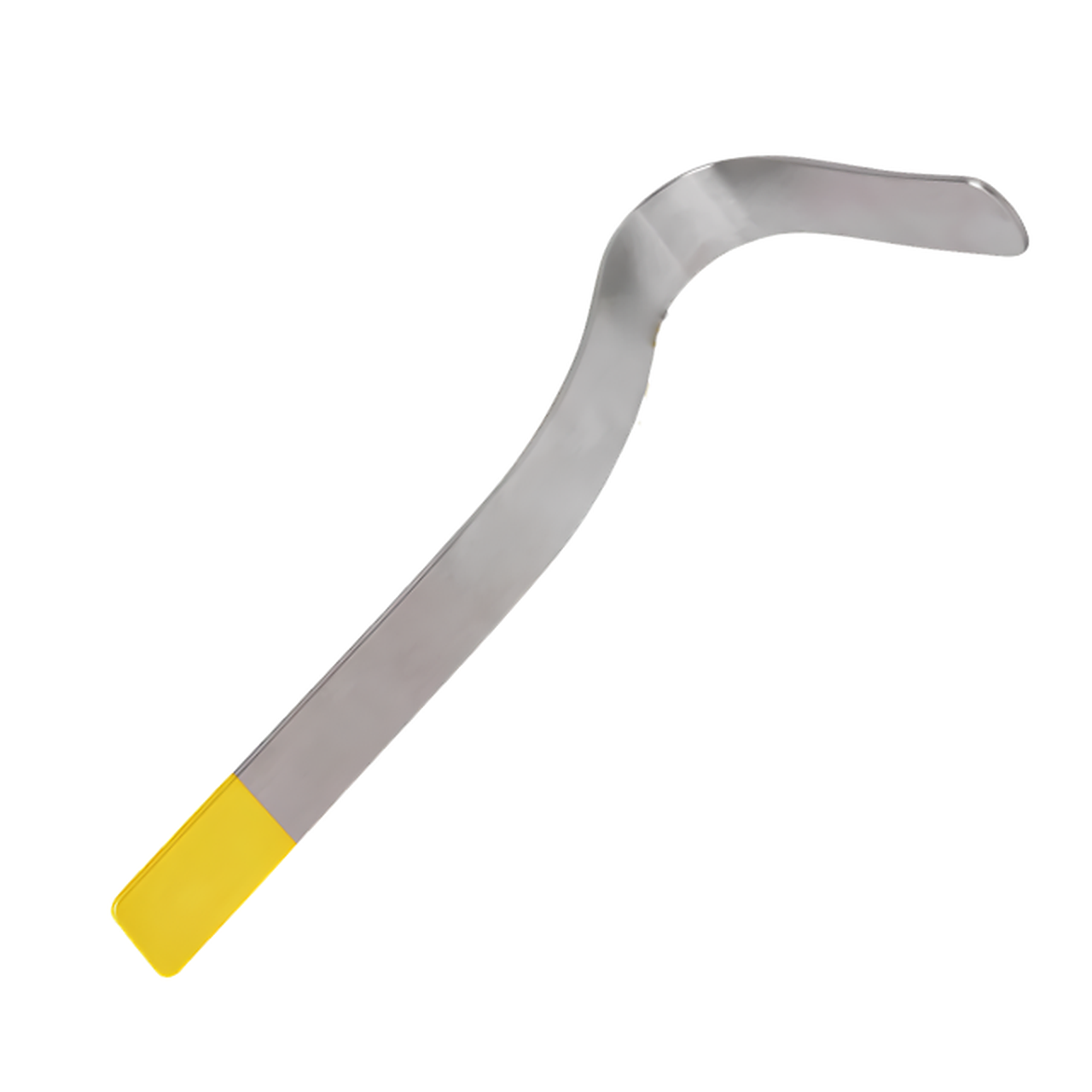 | Gonzalez Gluteal L-Shaped Retractor | Specifically designed to elevate and retract gluteal muscle layers and soft tissues during buttock augmentation and reconstruction. |
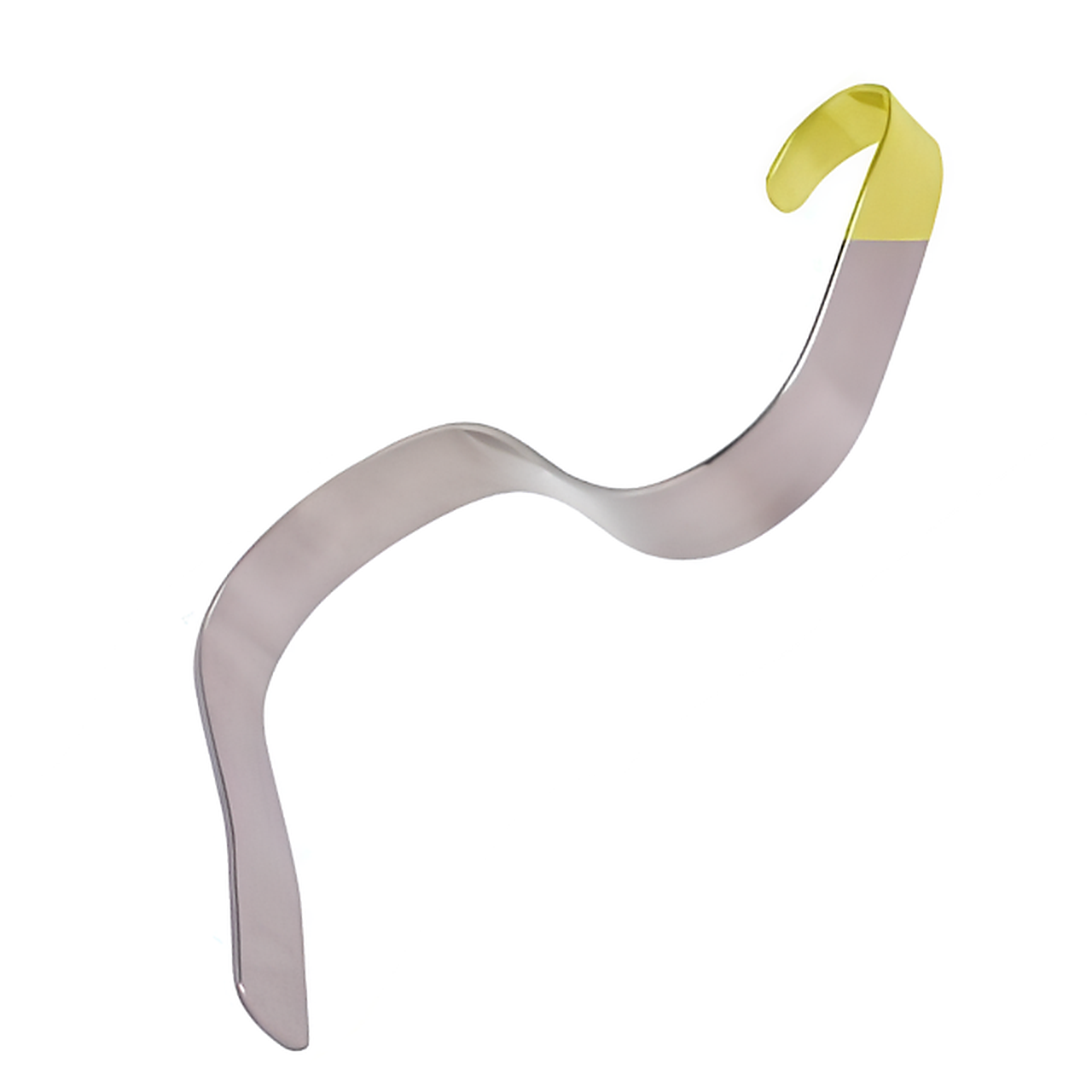 | Gonzalez Gluteal S-Shaped Retractor | Specifically designed to elevate and retract the gluteus maximus muscle and soft tissues during gluteal implant surgery. |
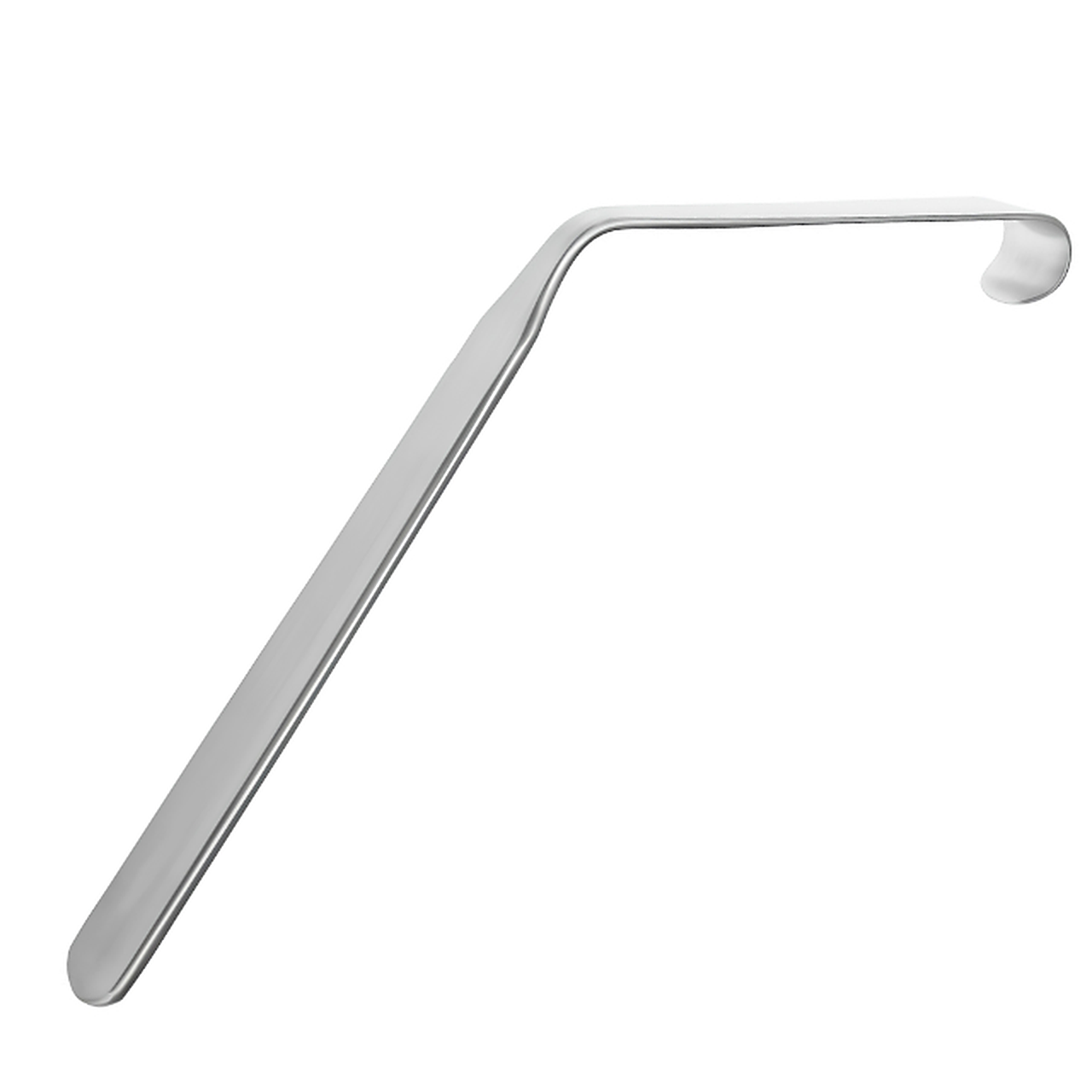 | Goodyear Uvula Retractor | Specifically designed to retract and elevate the uvula and soft palate during pharyngeal and adenoid surgical procedures. |
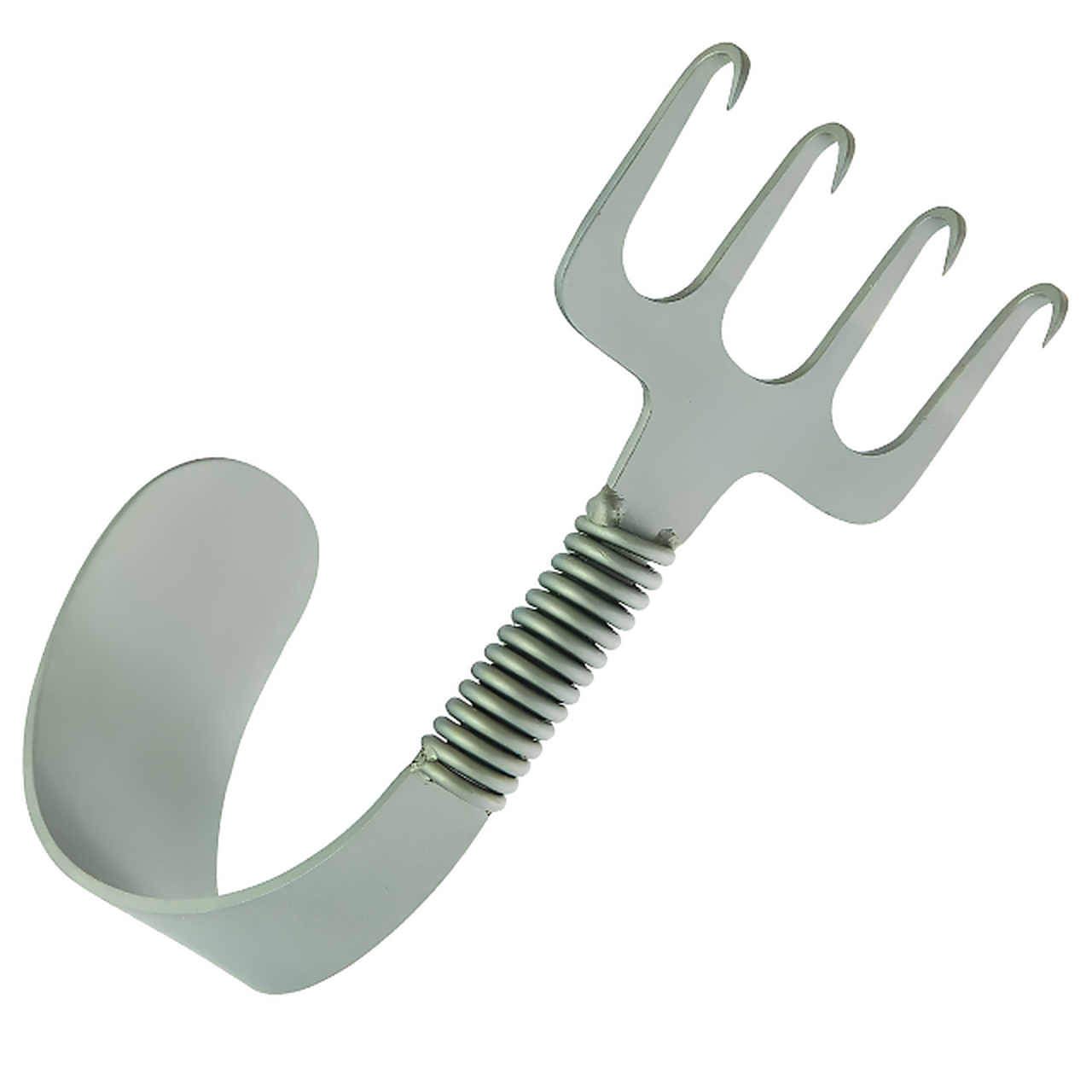 | Gorney Rake Retractor | Specifically designed to elevate and retract skin flaps and subcutaneous tissue during rhytidectomy and aesthetic surgery. |
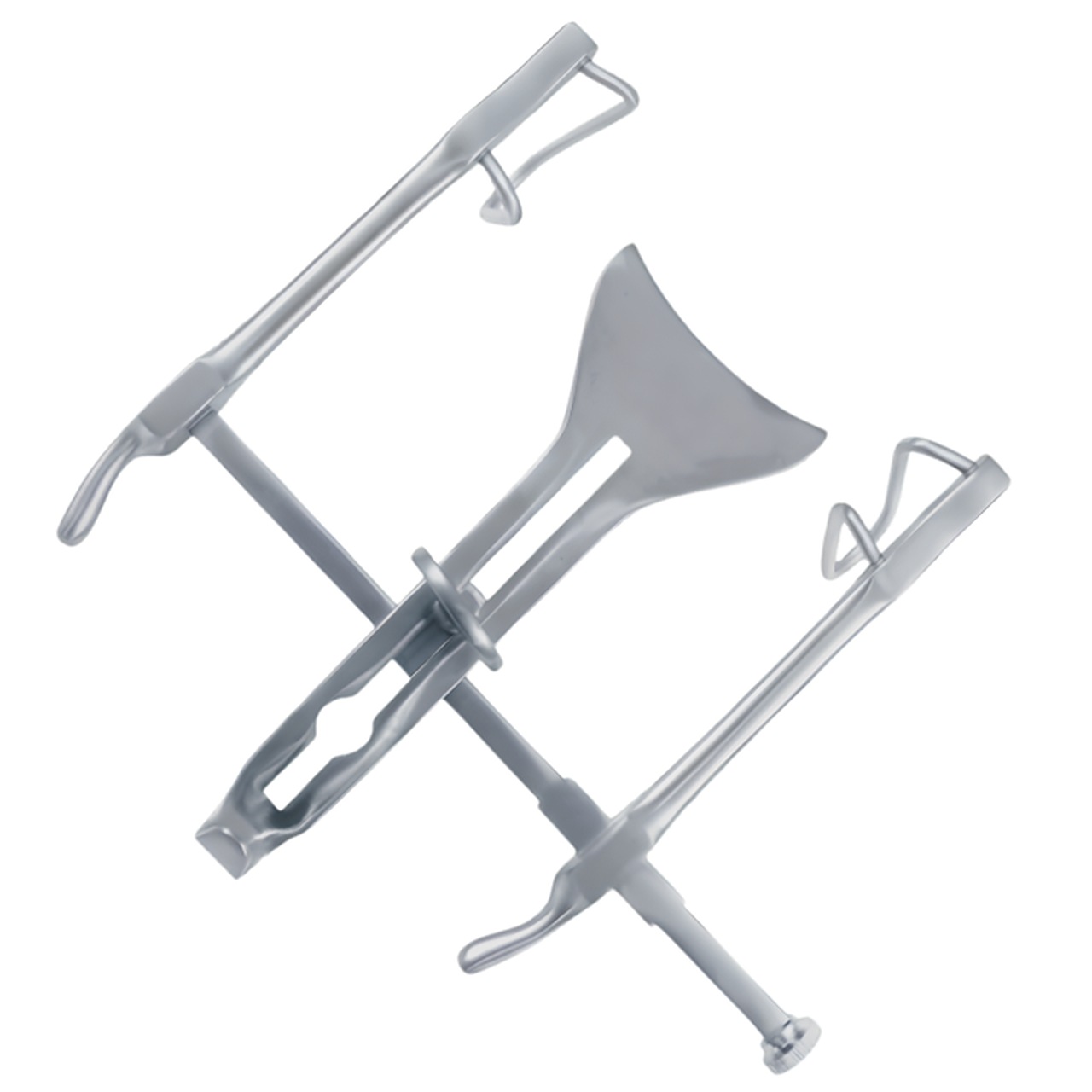 | Gosset Self Retaining Retractor | Specifically designed to provide self-retaining abdominal wall retraction during open laparotomy and pelvic surgery. |
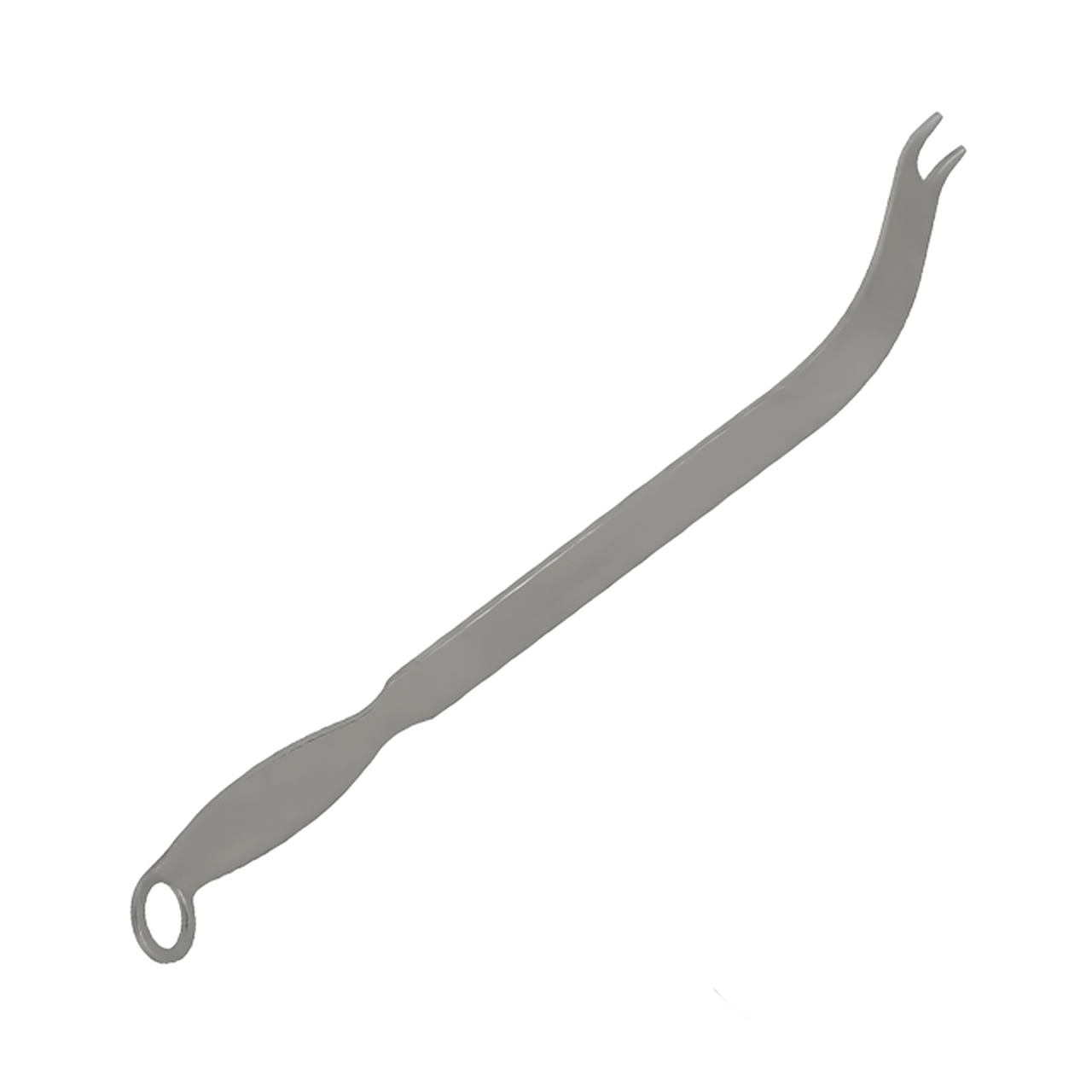 | Greater Trochanteric Retractor | Specifically designed to retract gluteal musculature and expose the greater trochanter during total hip arthroplasty and femoral osteotomies. |
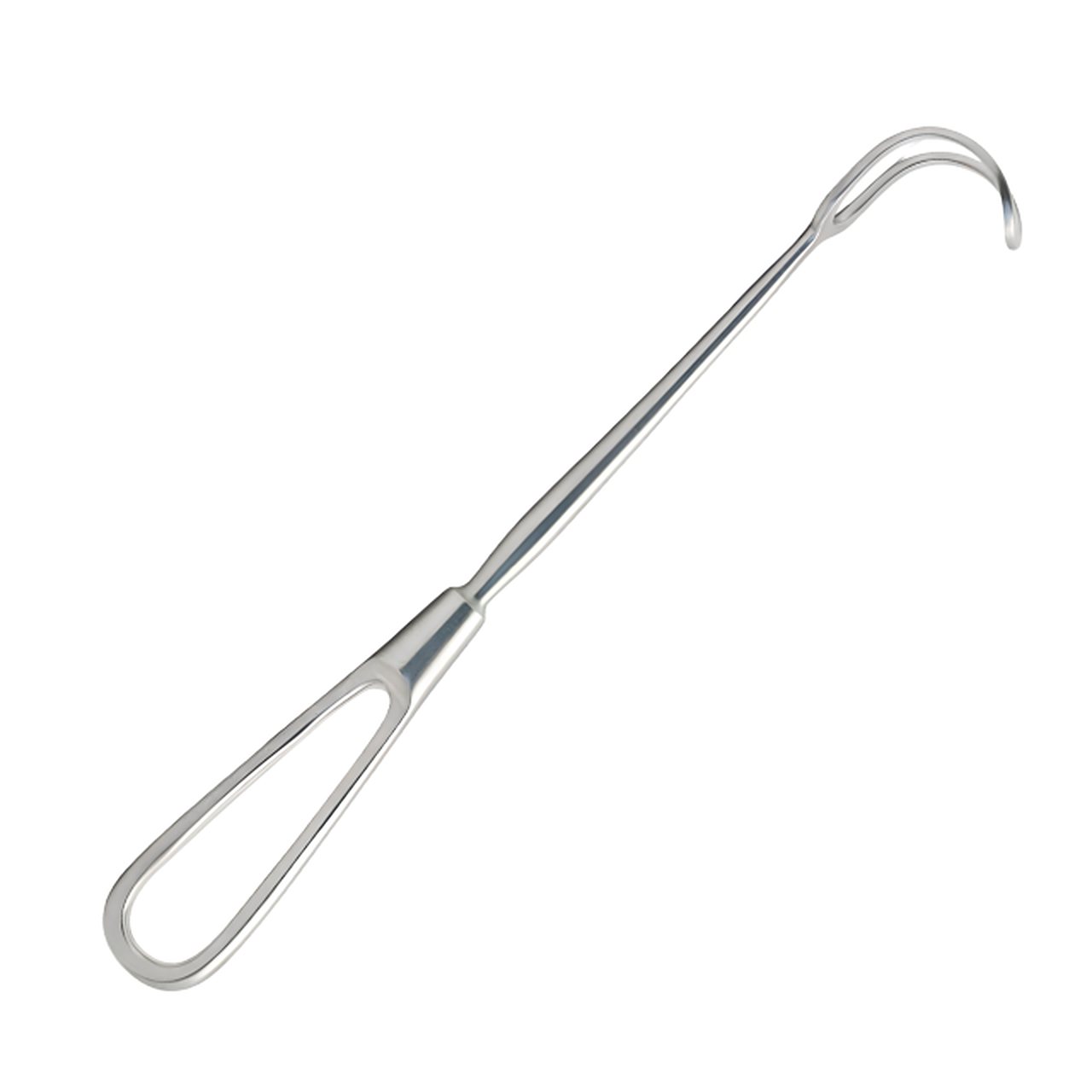 | Green Thyroid Retractor | Specifically designed to retract strap muscles, thyroid tissue, and cervical fascia during endocrine neck surgery. |
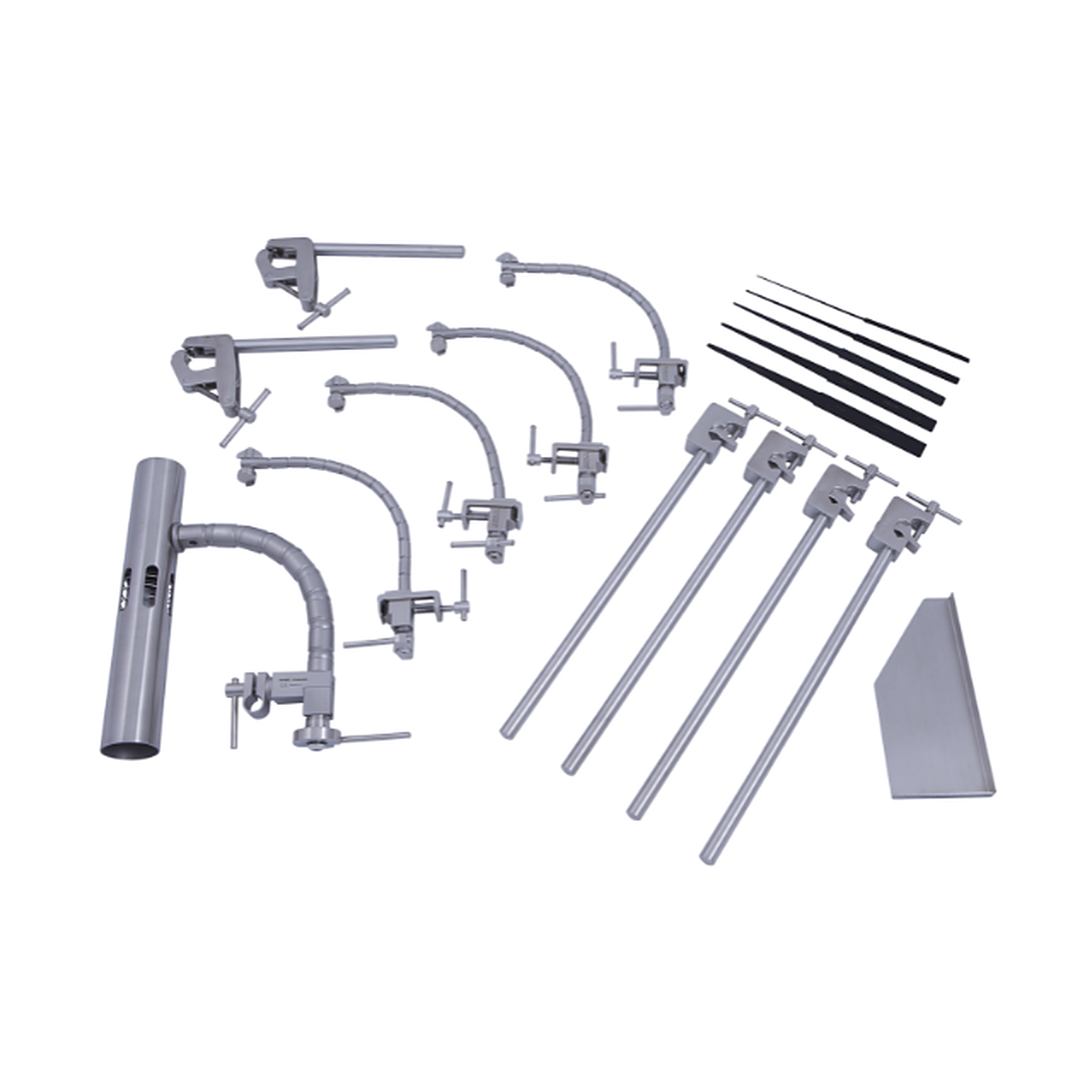 | Greenberg Retractor Kit | Designed to provide precision, stable, self-retaining retraction of delicate brain tissue and cranial structures during intracranial, skull base, and microneurosurgical procedures. |
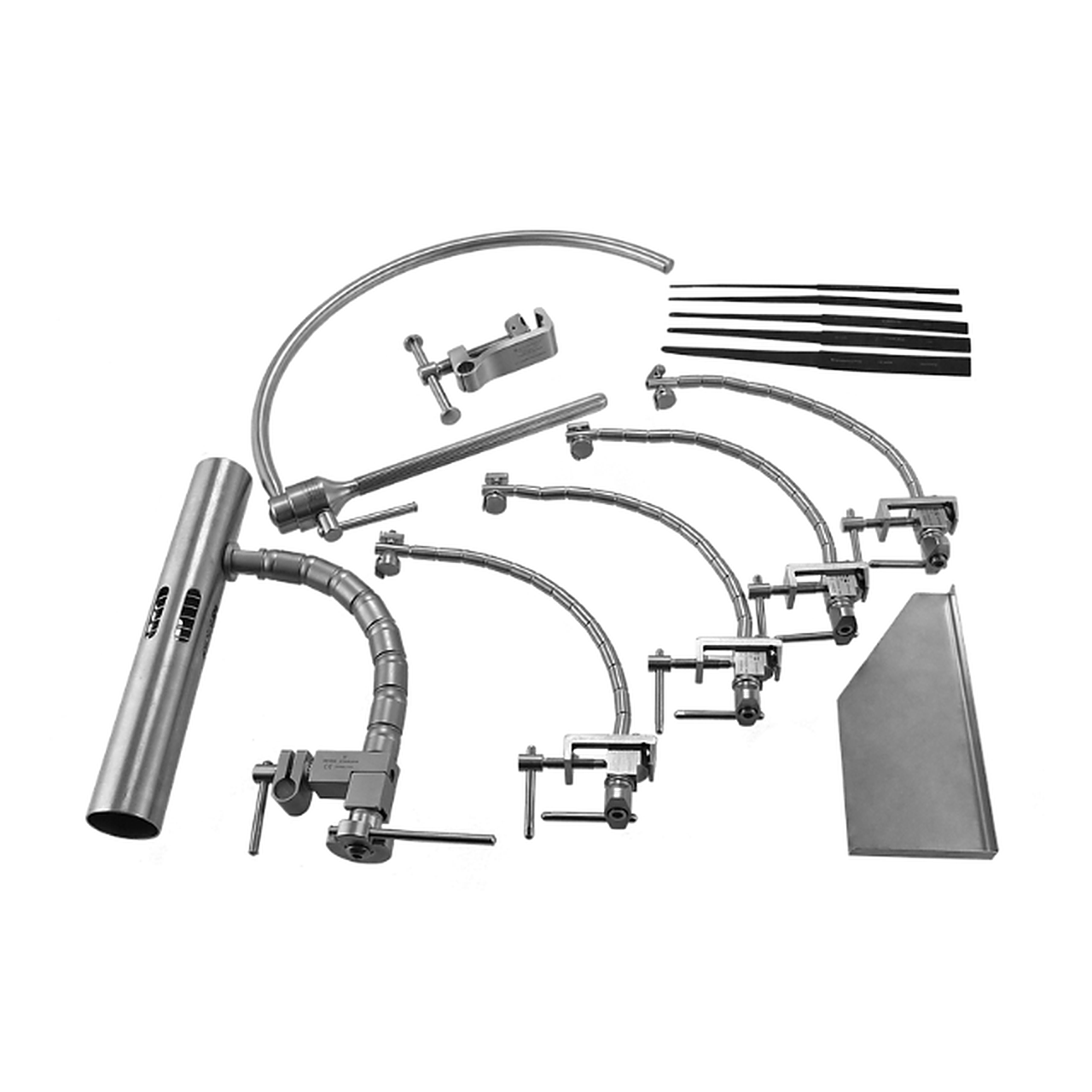 | Greenberg Simplicity Retractor | Specifically engineered for fast setup, compact footprint, and precise, self-retaining tissue retraction during focused craniotomies, microvascular decompressions (MVD), and keyhole microsurgical procedures. |
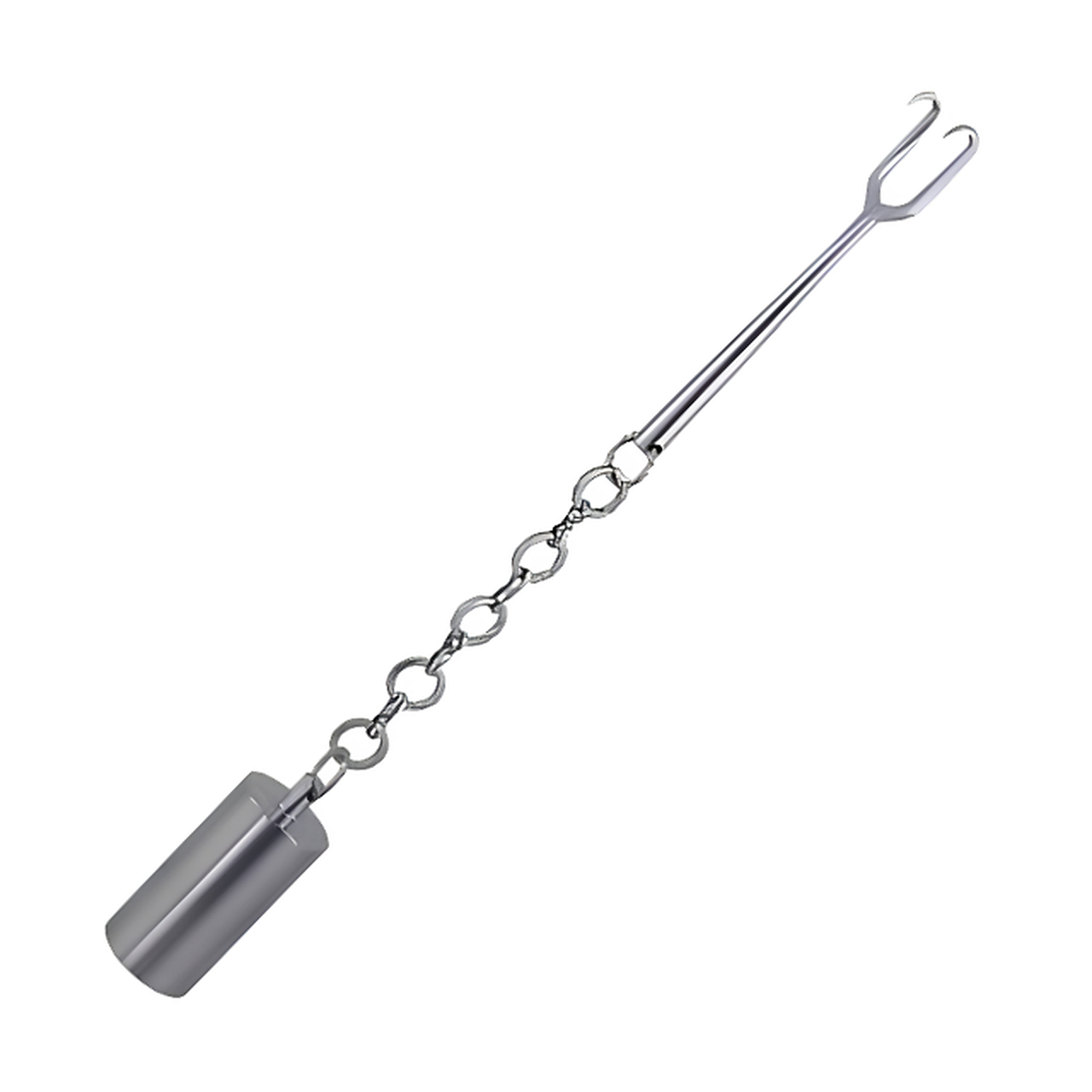 | Gruber Rhinoplasty Retractor | Specifically designed to grasp and retract nasal skin flaps and cartilages during rhinoplasty procedures. |
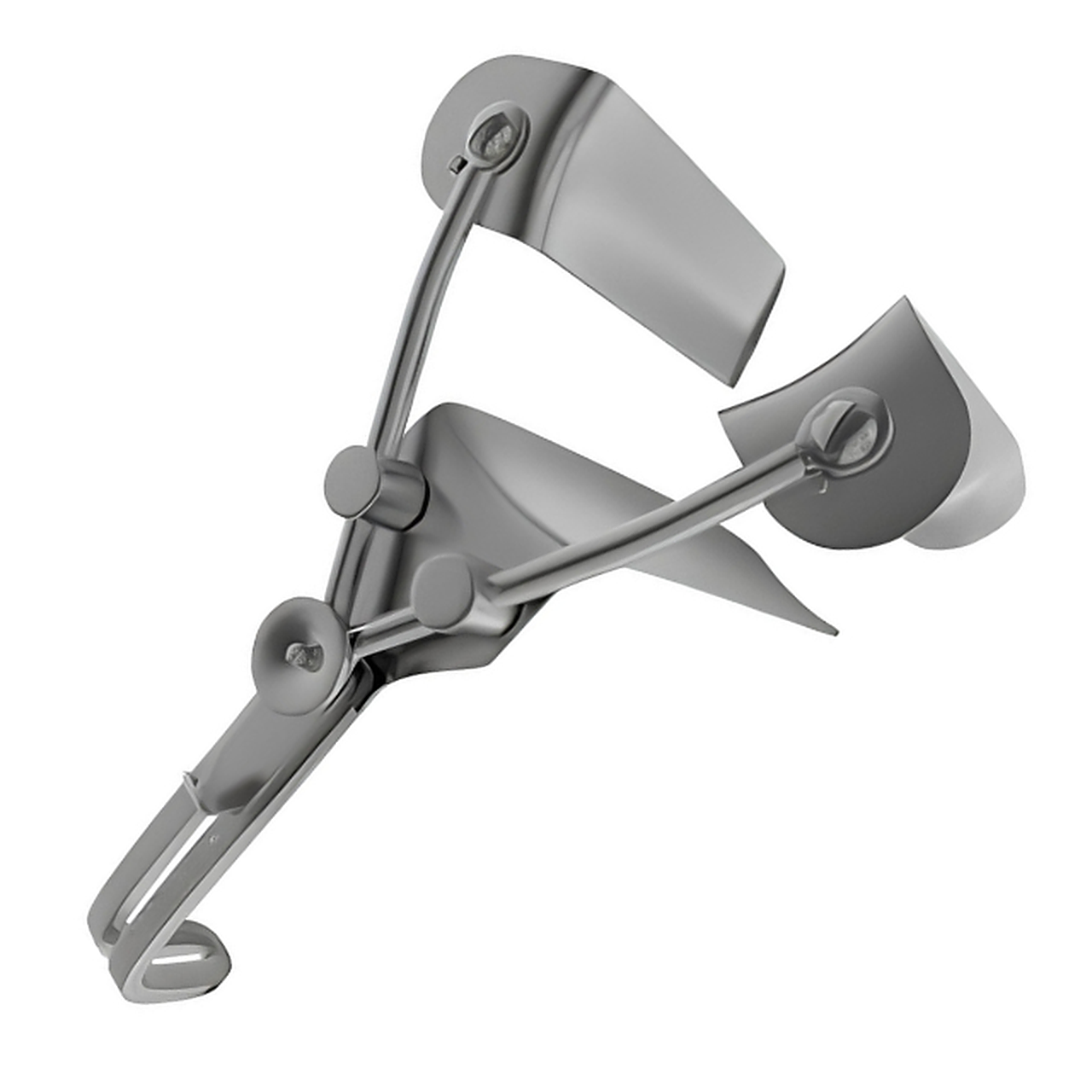 | Guttman Obstetrical Retractor | Specifically designed to retract and protect the bladder and lower abdominal wall during cesarean sections and pelvic surgery. |
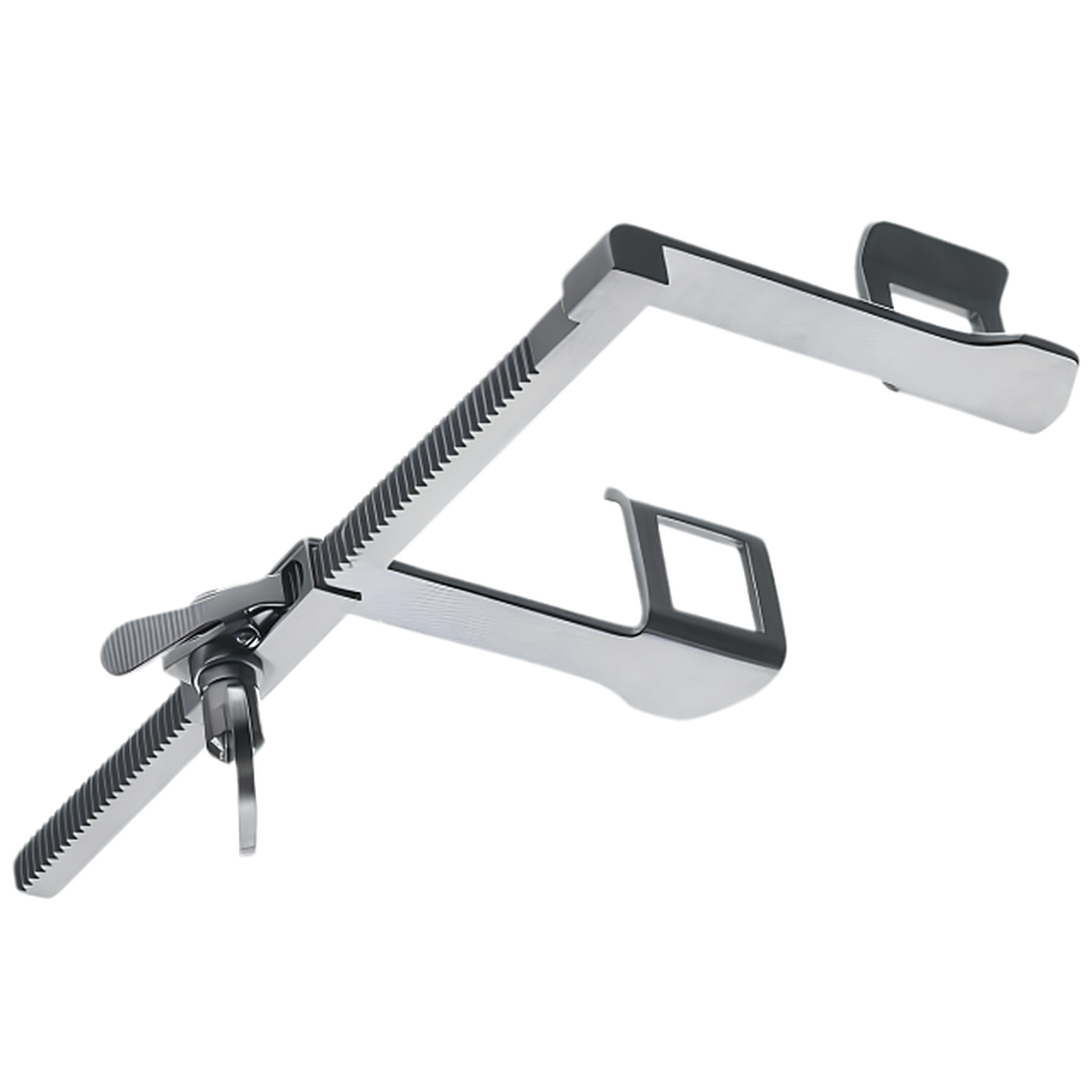 | Haight Rib Spreader | Specifically designed to separate adult ribs and expand the thoracic cavity during open thoracotomy. |
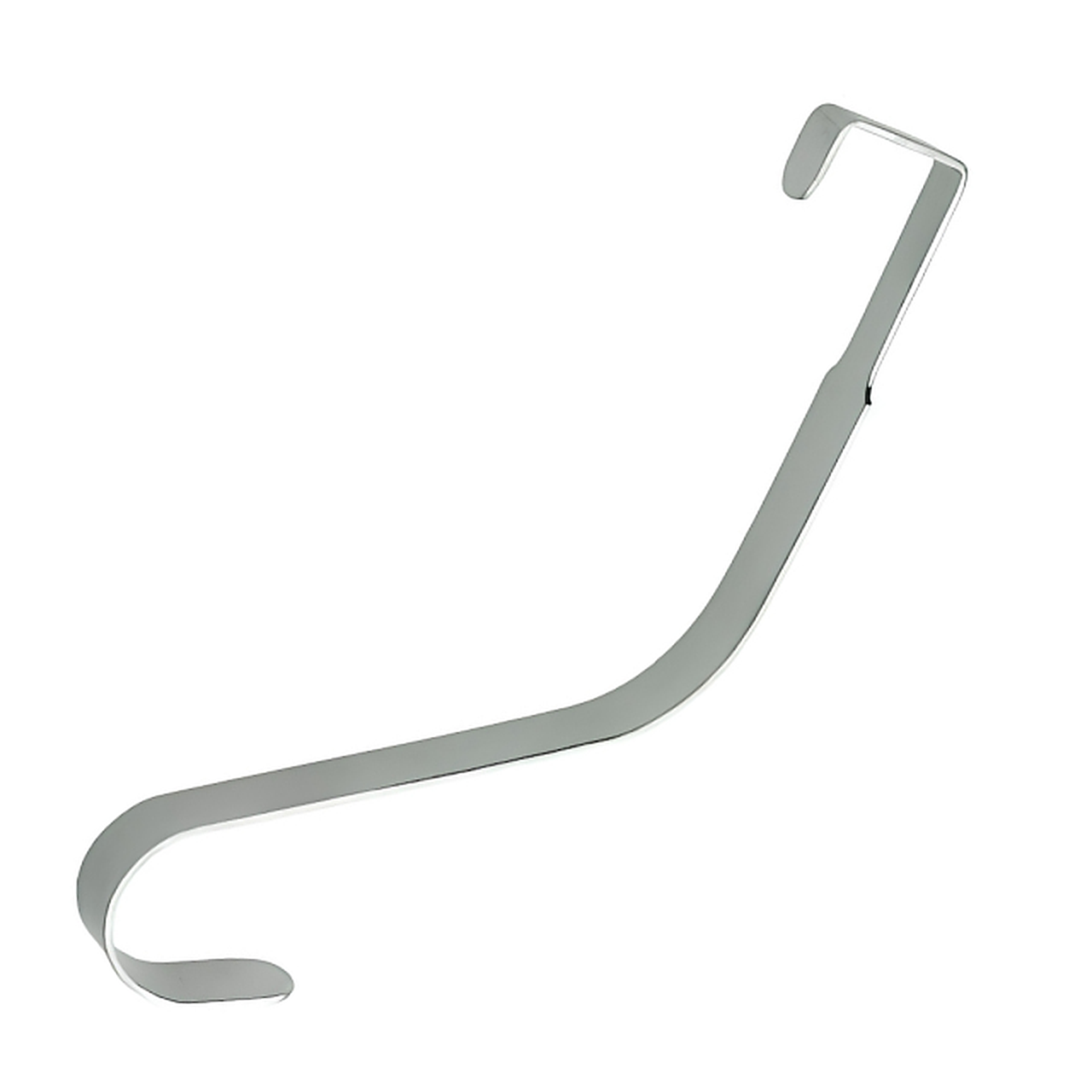 | Hajek Cheek Retractor | Specifically designed to retract the cheeks, lips, and buccal mucosa during oral, maxillofacial, and dental surgical procedures. |
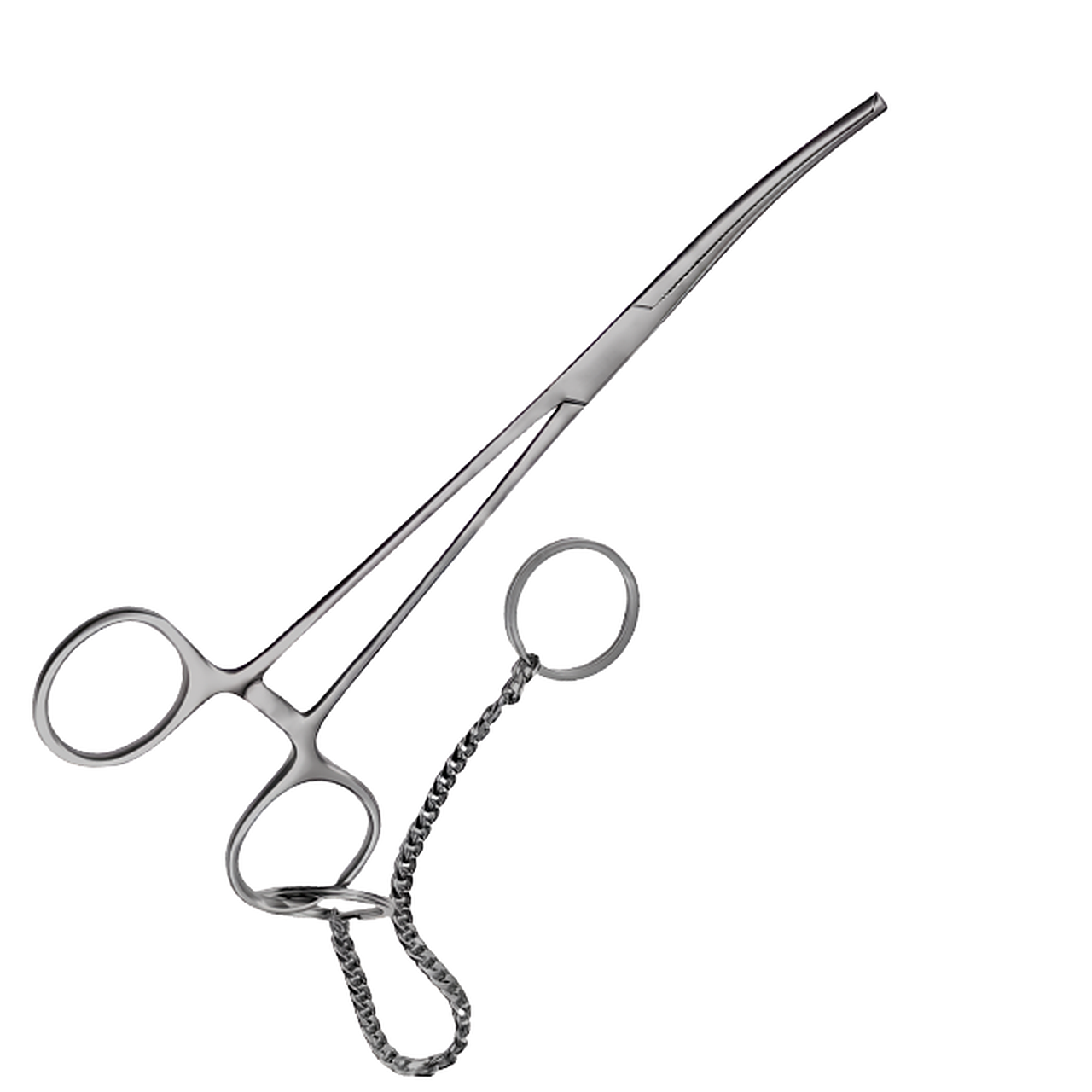 | Hargis Coronoid Retractor With Chain | Specifically designed to retract the coronoid process and temporalis tendon during orthognathic and ramus osteotomy procedures. |
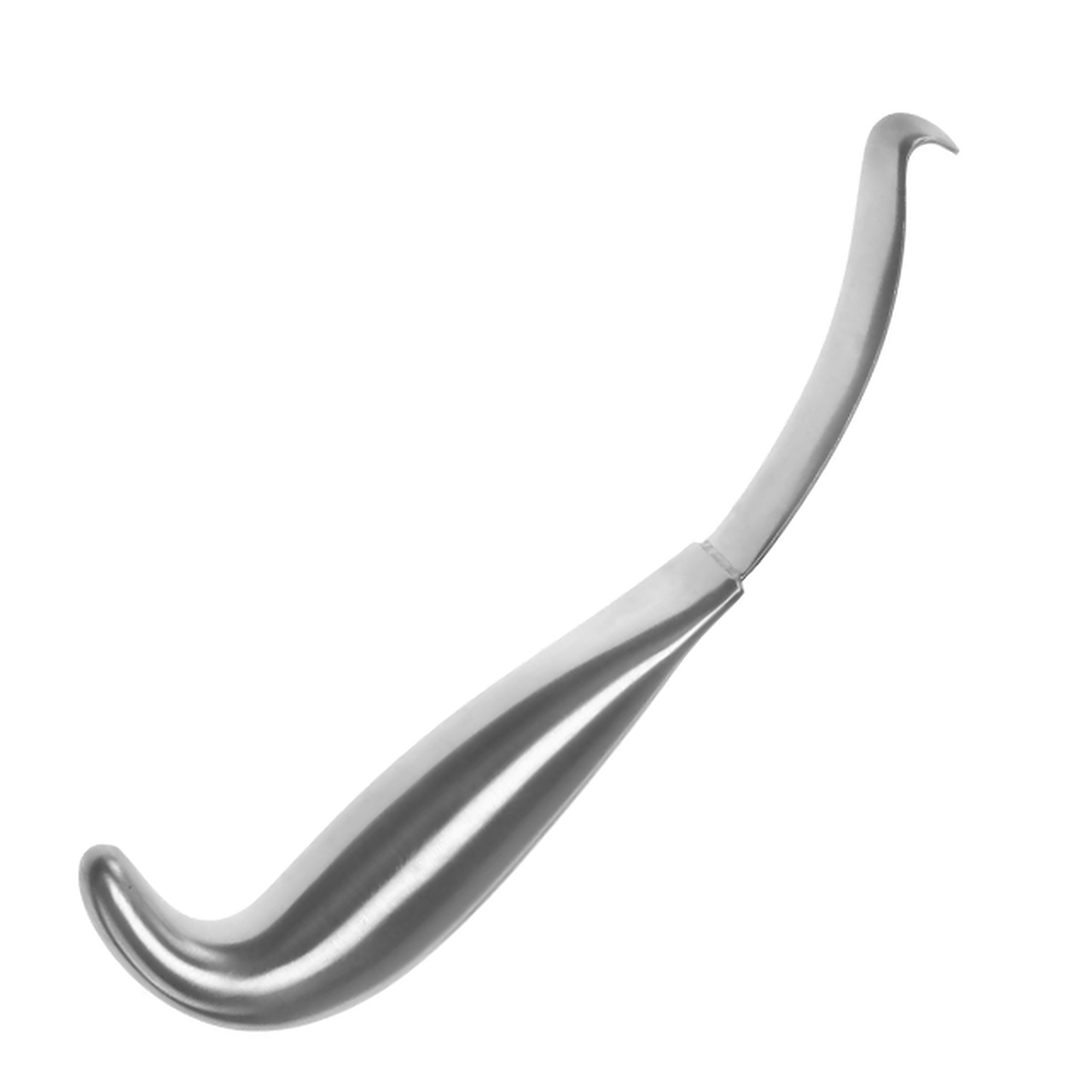 | Hargis Mandibular Body Retractor | Specifically designed to retract soft tissue and protect neurovascular bundles along the mandibular body during orthognathic procedures. |
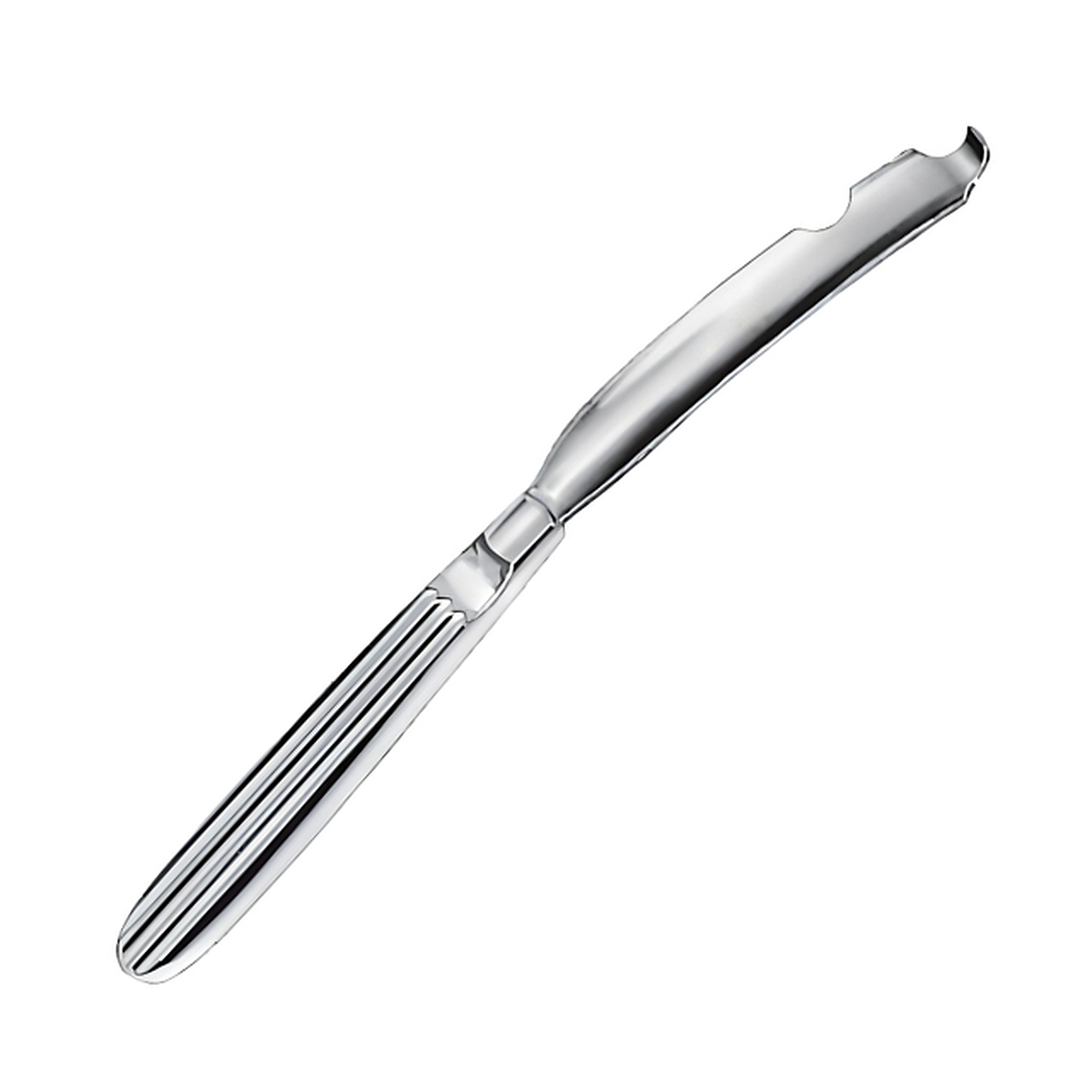 | Hargis Medial Ramus Retractor | Specifically designed to retract the medial pterygoid muscle and protect the inferior alveolar nerve during sagittal split ramus osteotomies. |
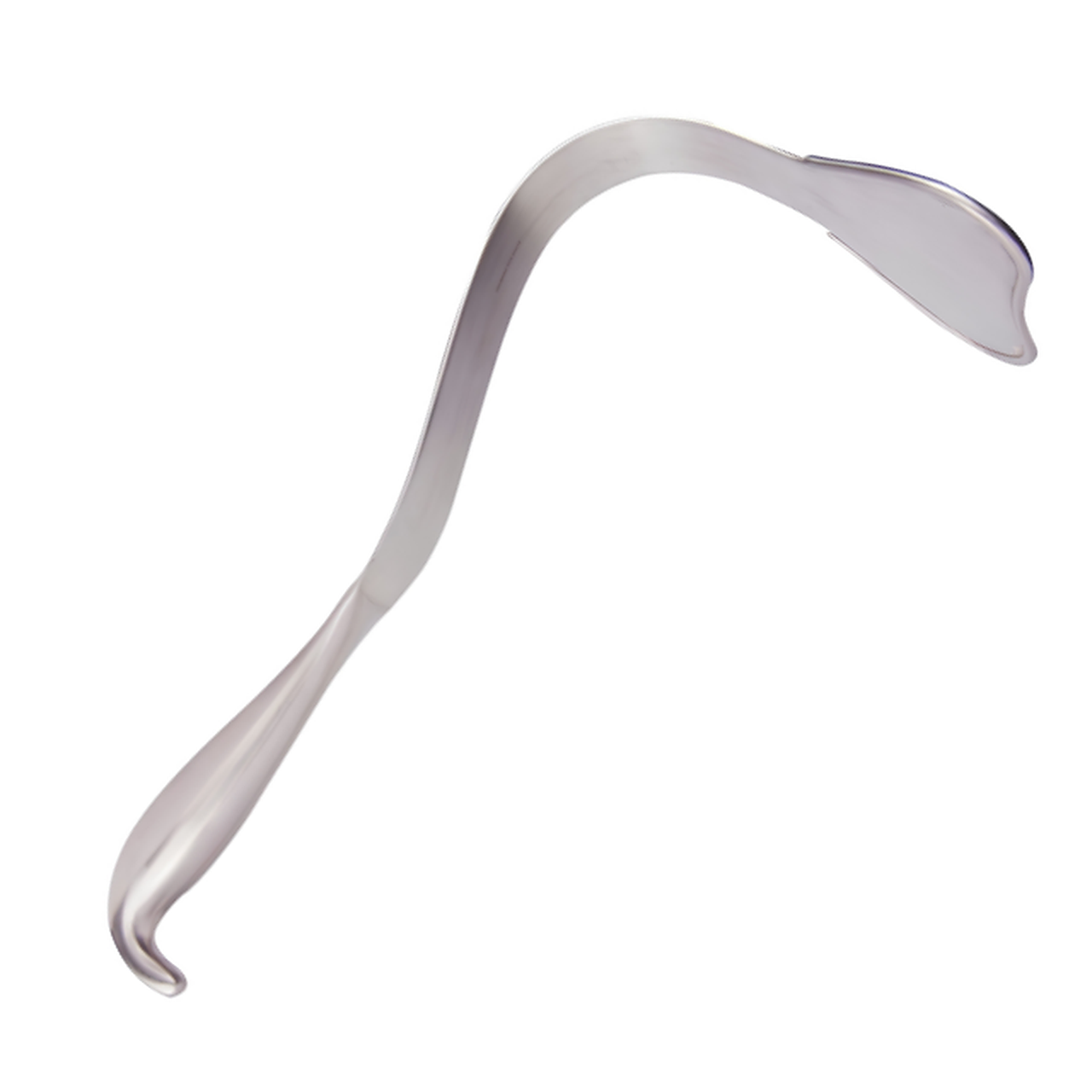 | Harrington Splanchnic Retractor | Specifically designed to retract and protect abdominal viscera, liver, spleen, and pelvic structures during deep open surgery. |
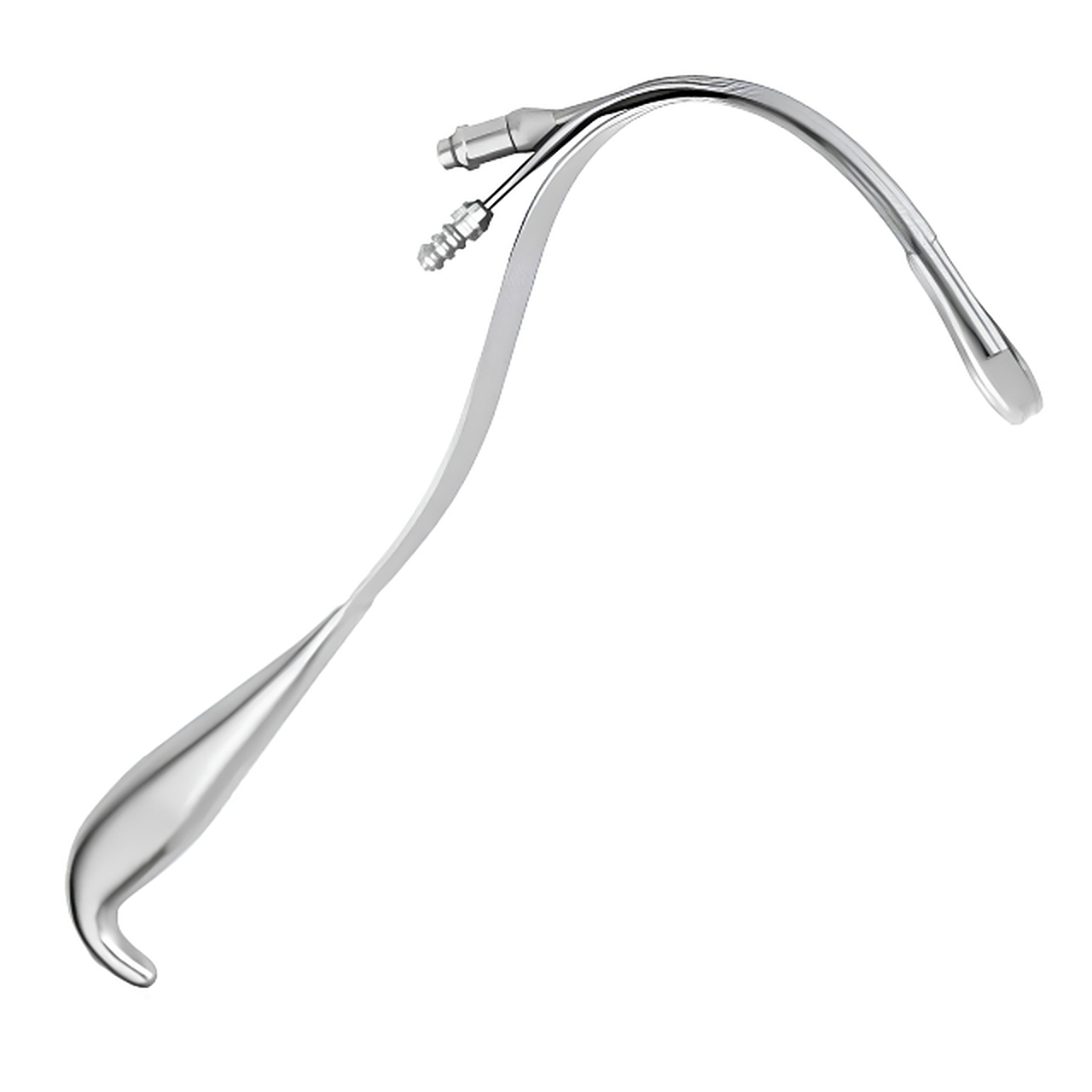 | Harrington Splanchnic Retractor With Fiber Optic | Specifically designed to provide illuminated visceral retraction and continuous suction-irrigation during deep abdominal and pelvic surgery. |
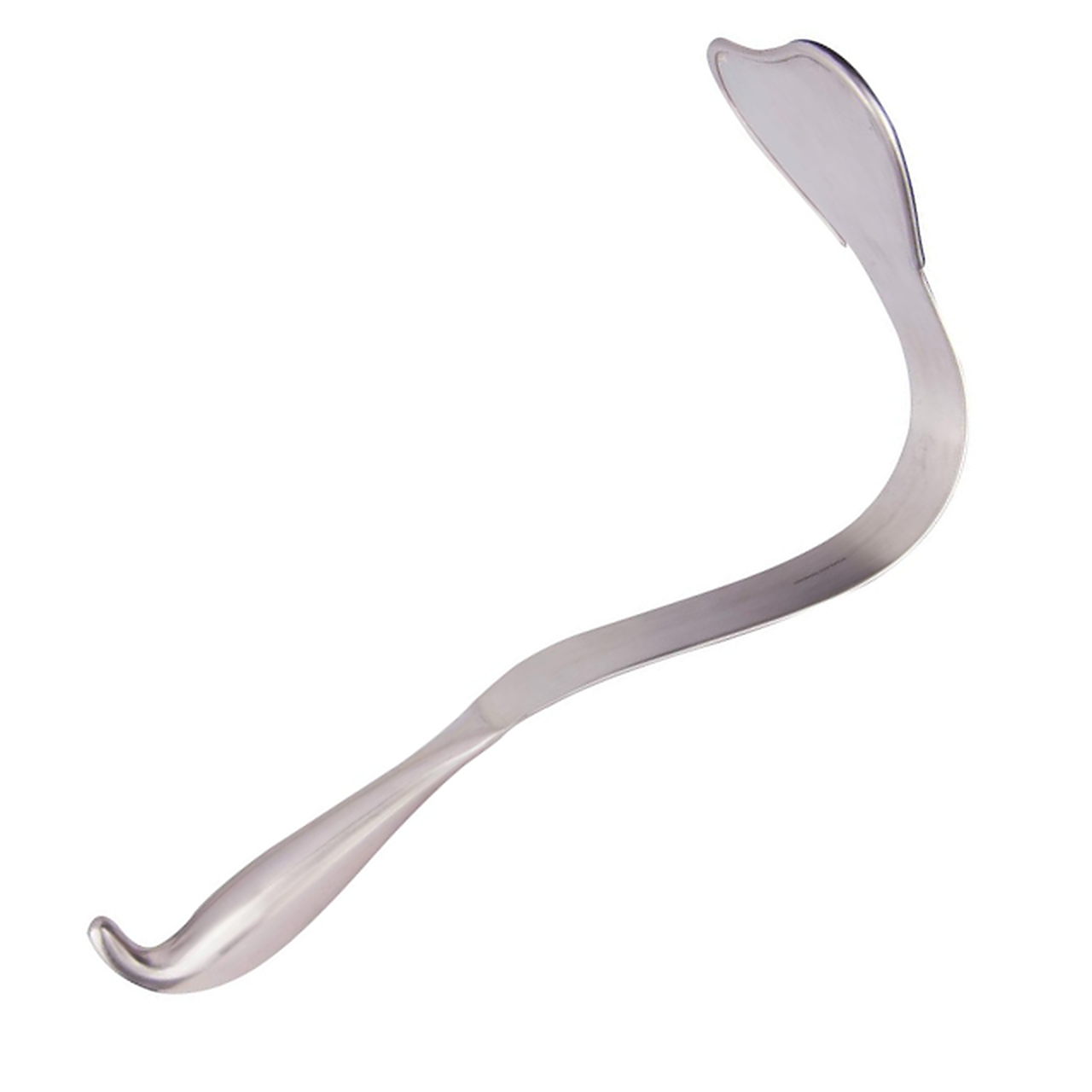 | Harrington Sweetheart Retractor | Specifically designed to retract and protect abdominal viscera, liver lobes, spleen, and bladder during deep abdominal and pelvic surgery. |
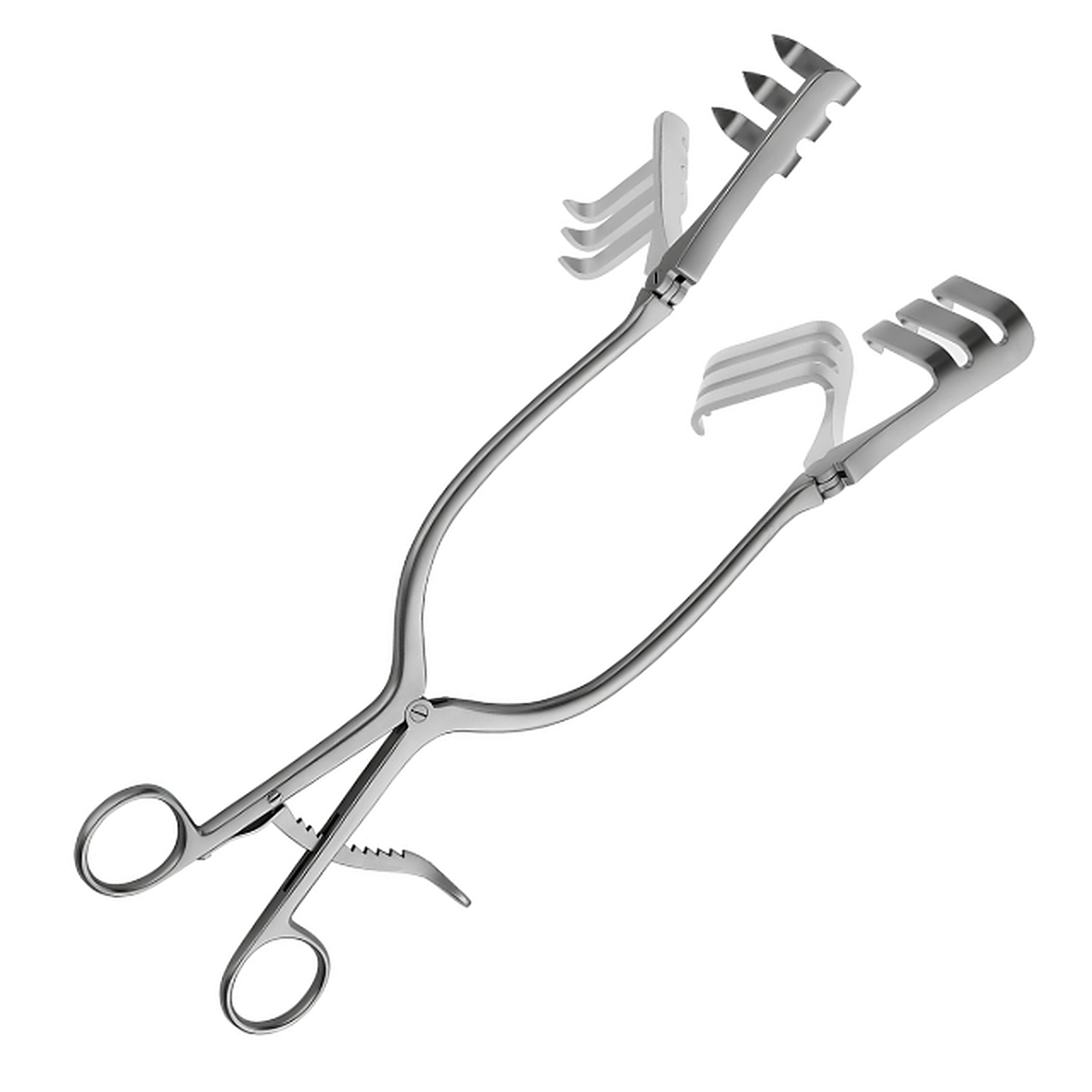 | Harvey Jackson Self Retaining Retractor | Specifically designed to provide self-retaining paraspinal muscle and soft-tissue retraction during spinal and orthopedic procedures. |
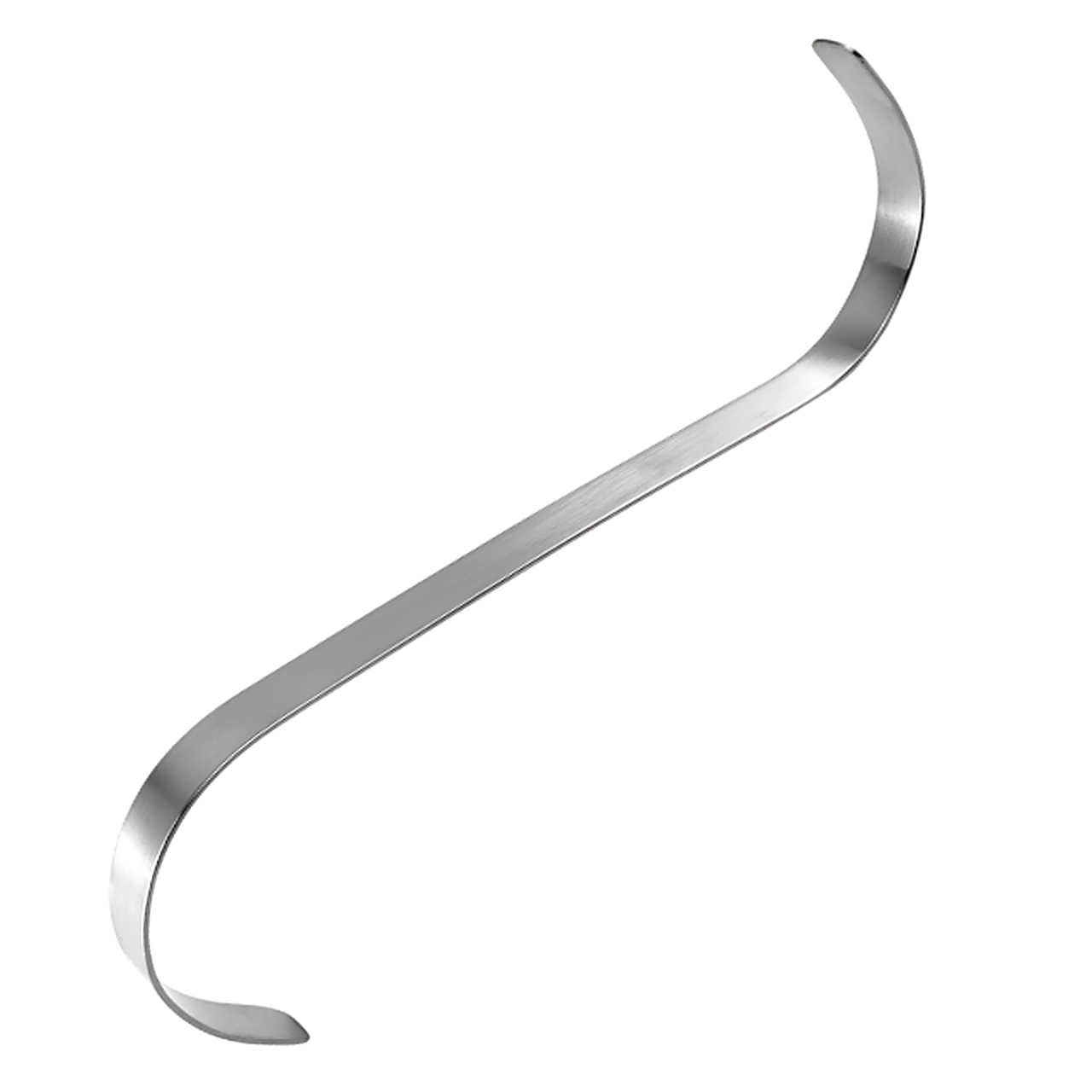 | Hasson S Retractor | Specifically designed to retract umbilical fascial margins and elevate the abdominal wall during open Hasson laparoscopic cut-down procedures. |
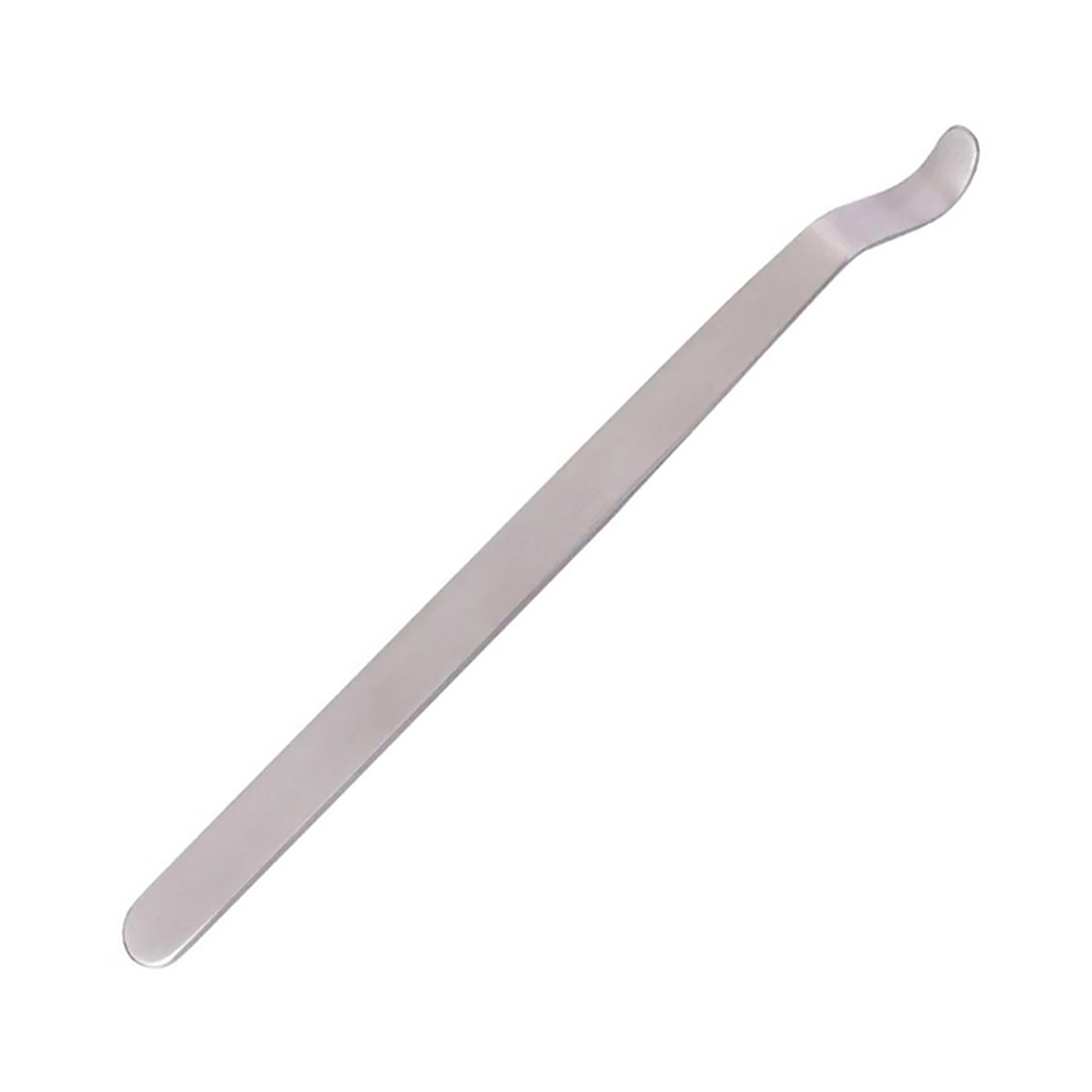 | Hayes Hand Retractors | Specifically designed to provide atraumatic soft-tissue retraction and surgical exposure during hand, wrist, and plastic reconstructive procedures. |
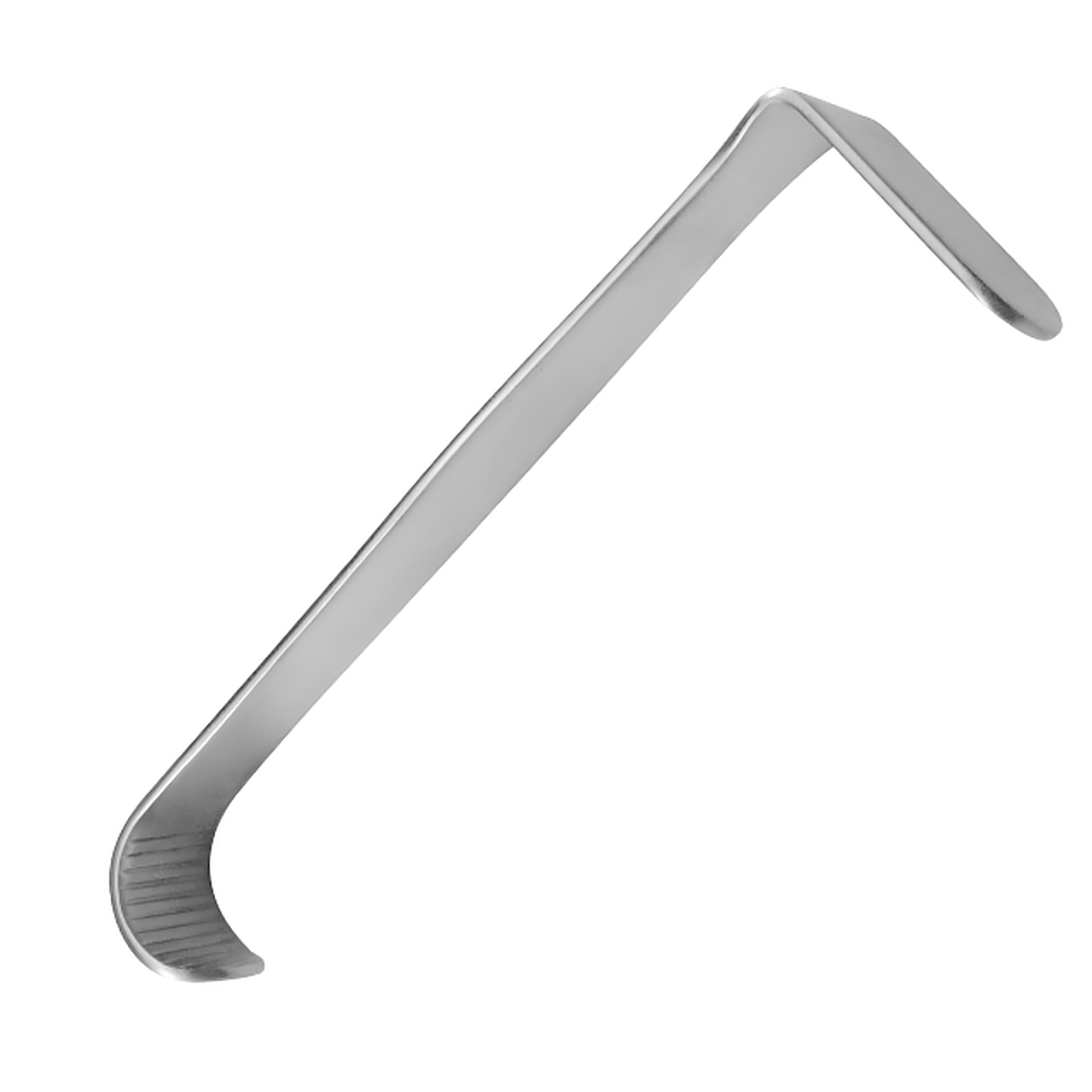 | Heaney Hysterectomy Retractor | Specifically designed to retract the vaginal wall and pelvic tissue during vaginal hysterectomy and pelvic floor reconstructive surgery. |
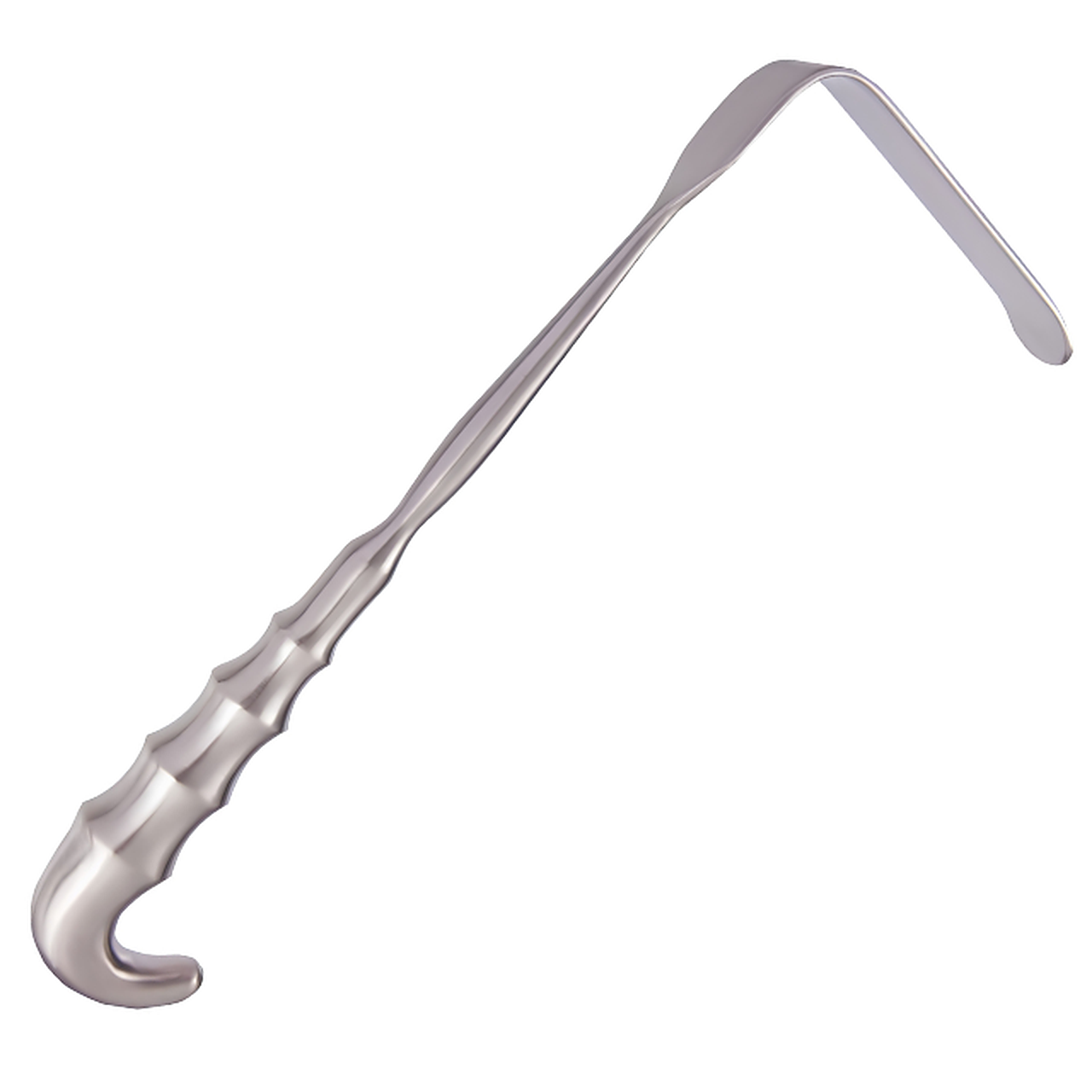 | Heaney Simon Vaginal Retractor | Specifically designed to retract the posterior and lateral vaginal walls during vaginal hysterectomy and pelvic floor surgery. |
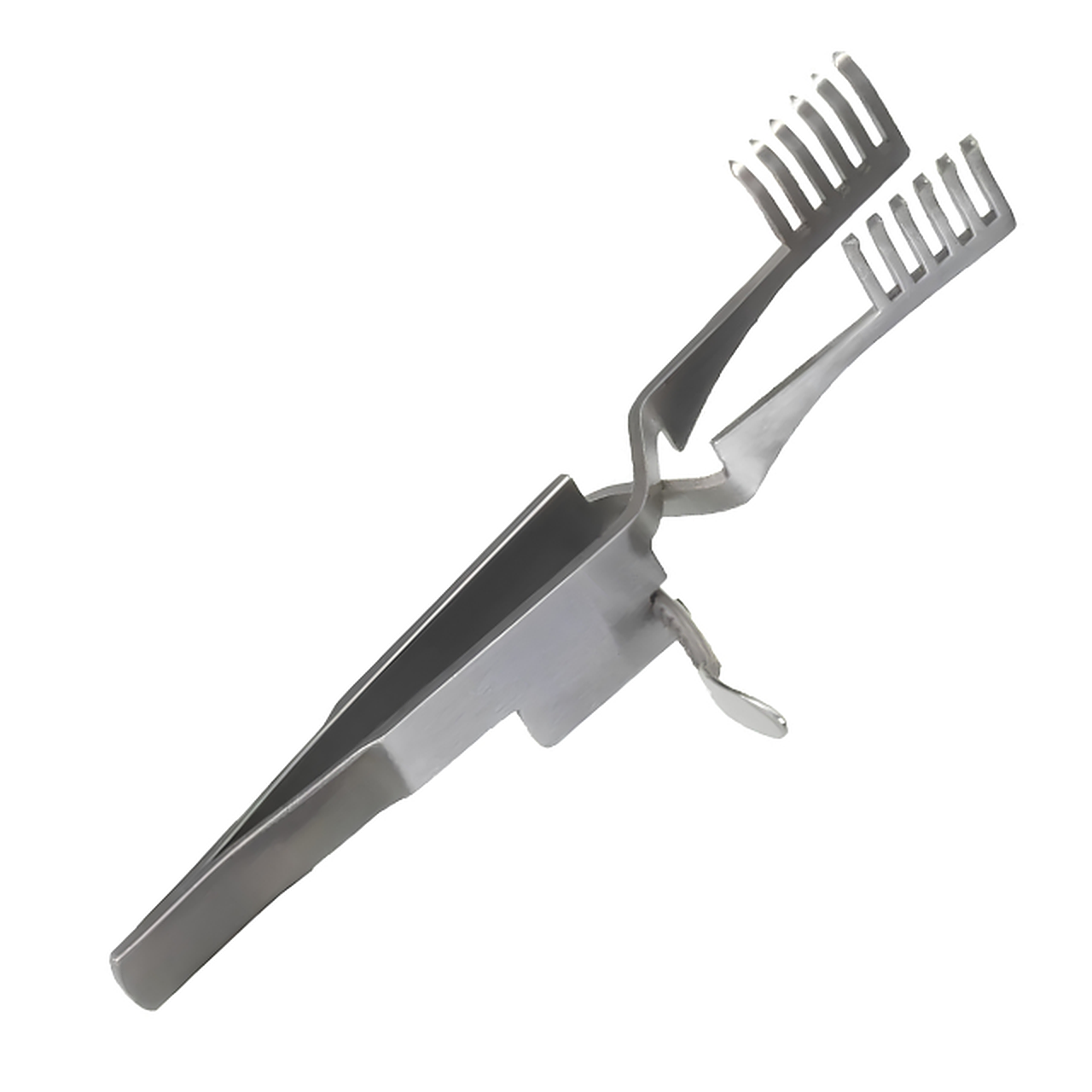 | Heiss Wound Retractor | Specifically designed to provide self-retaining tissue retraction during minor surgical, ophthalmic, plastic, and hand procedures. |
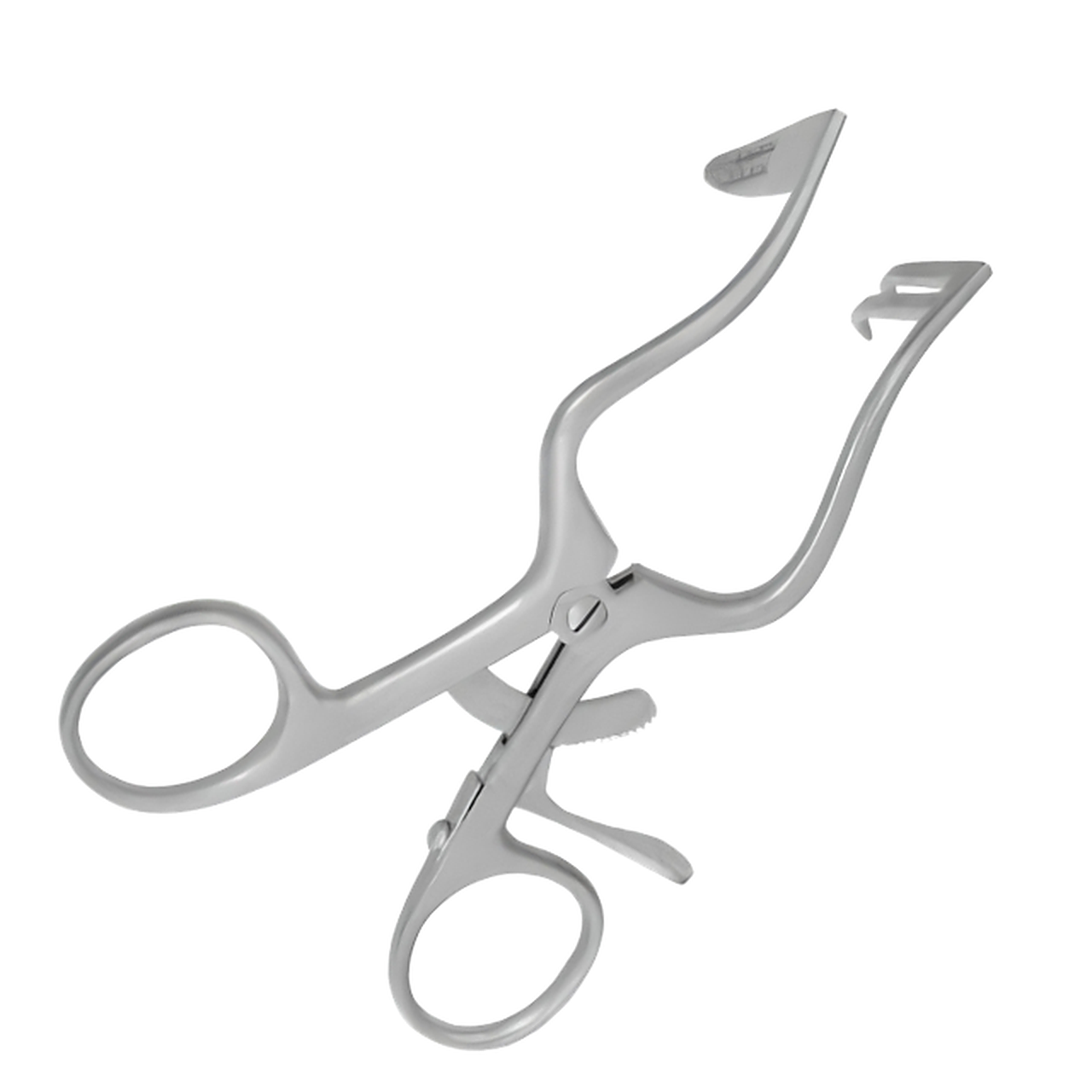 | Helms Retractor | Specifically designed to provide self-retaining, atraumatic tissue retraction in narrow otologic and microsurgical fields. |
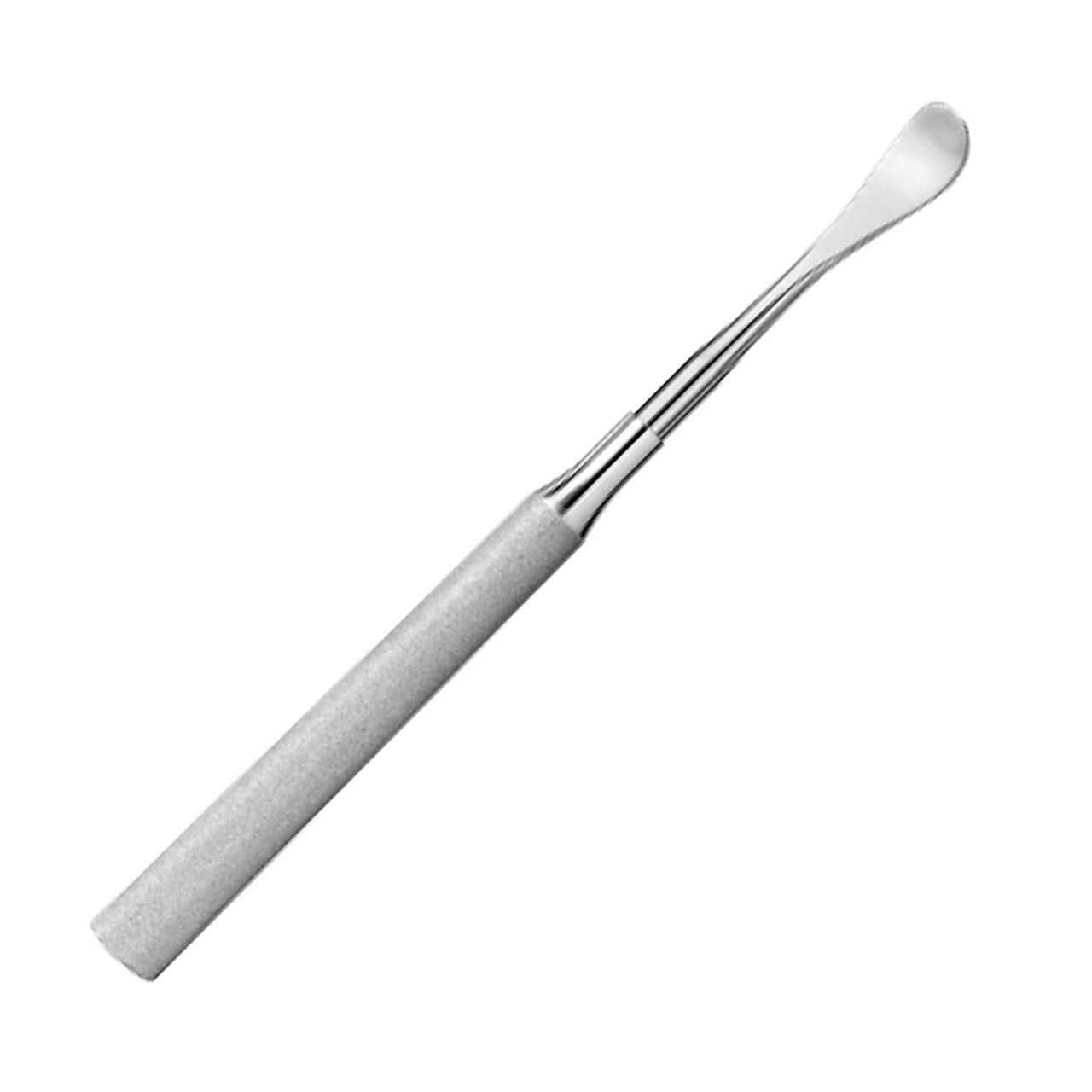 | Henahan Retractor | Specifically designed to retract cheeks, lips, and mucoperiosteal tissue during oral, dental, and maxillofacial surgery. |
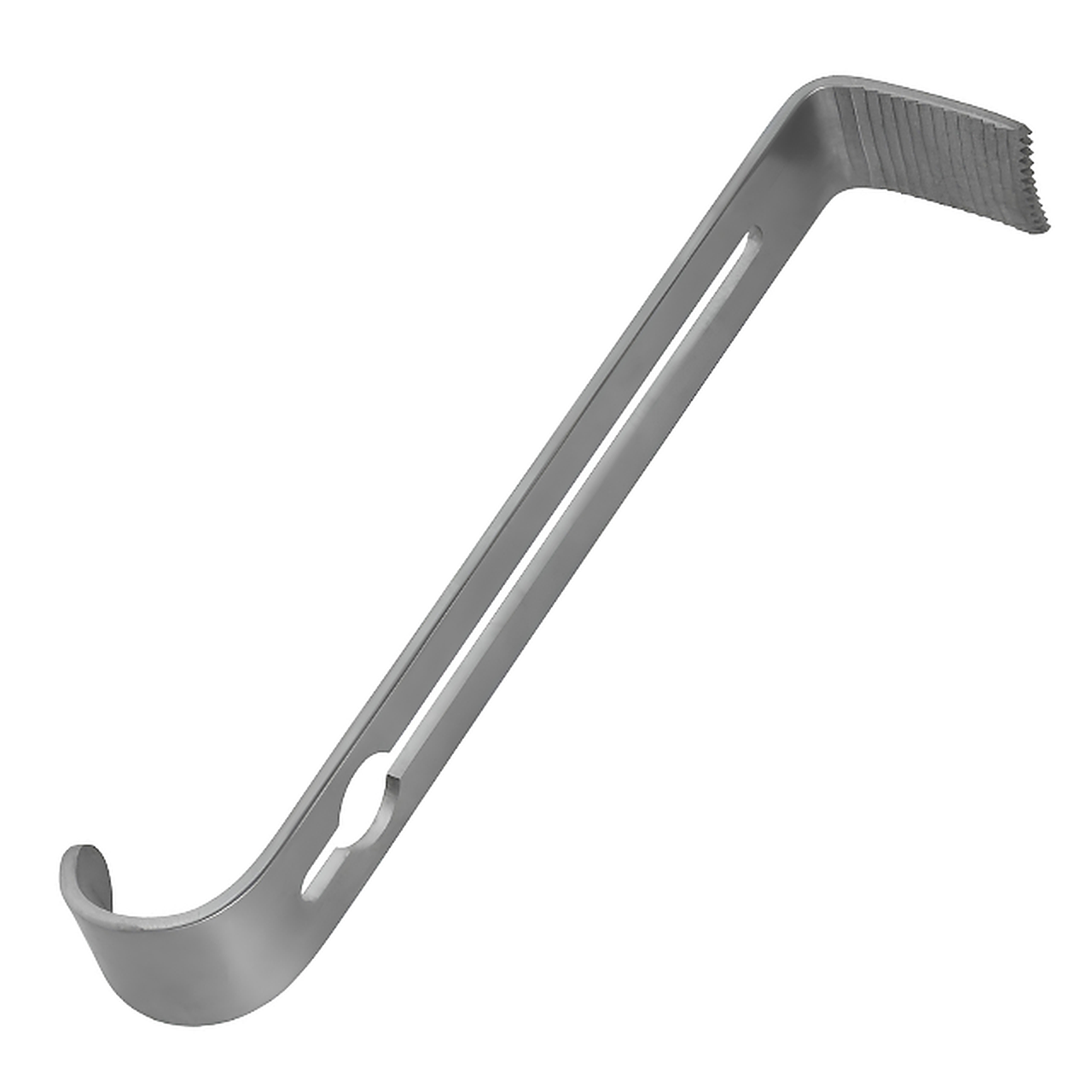 | Henly Retractor Center Blade | Specifically designed to mount onto a Henly retractor frame to provide center-wall tissue retraction in vascular and general surgery. |
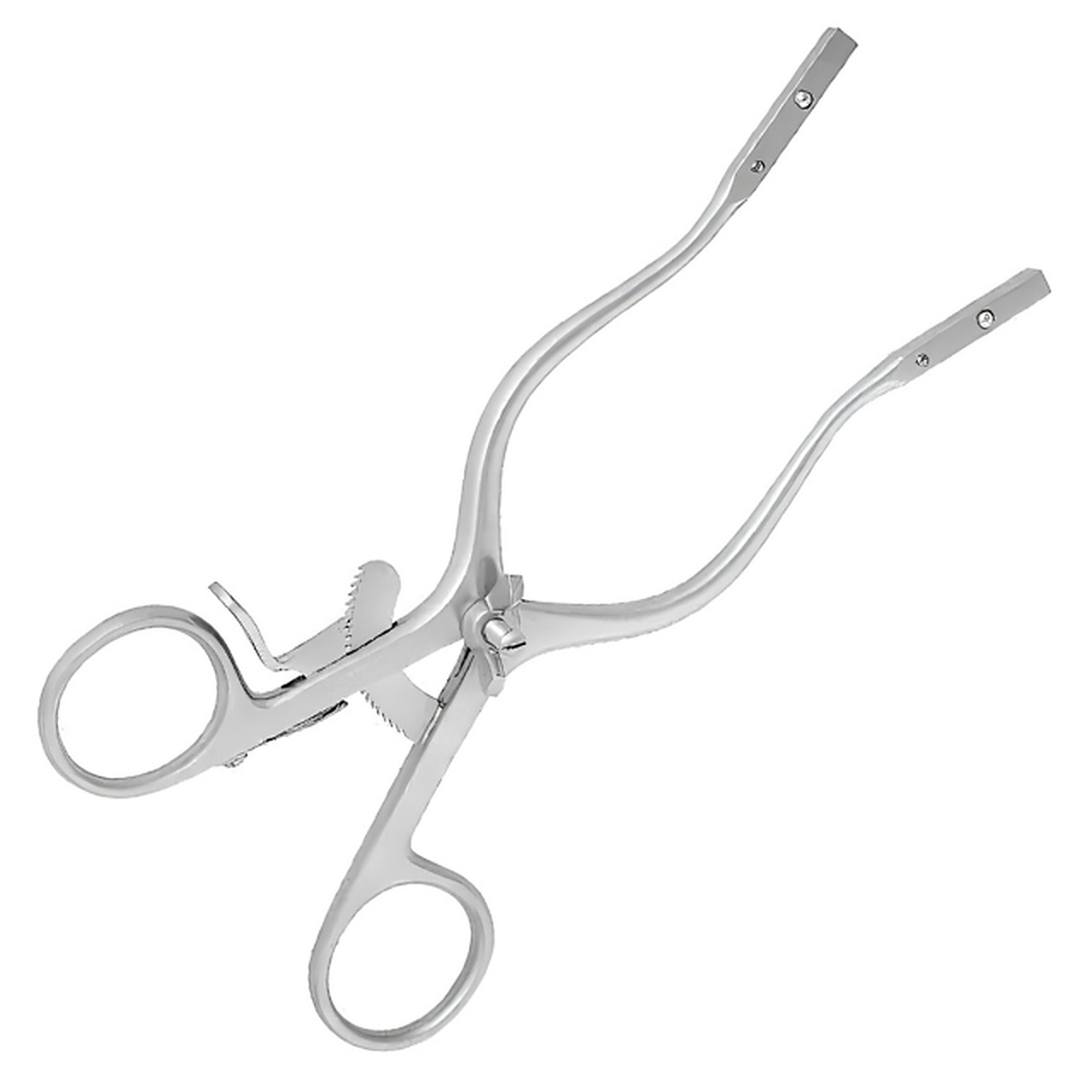 | Henly Retractor Frame | Specifically designed to mount interchangeable side and center blades for hands-free retraction in vascular and orthopedic surgery. |
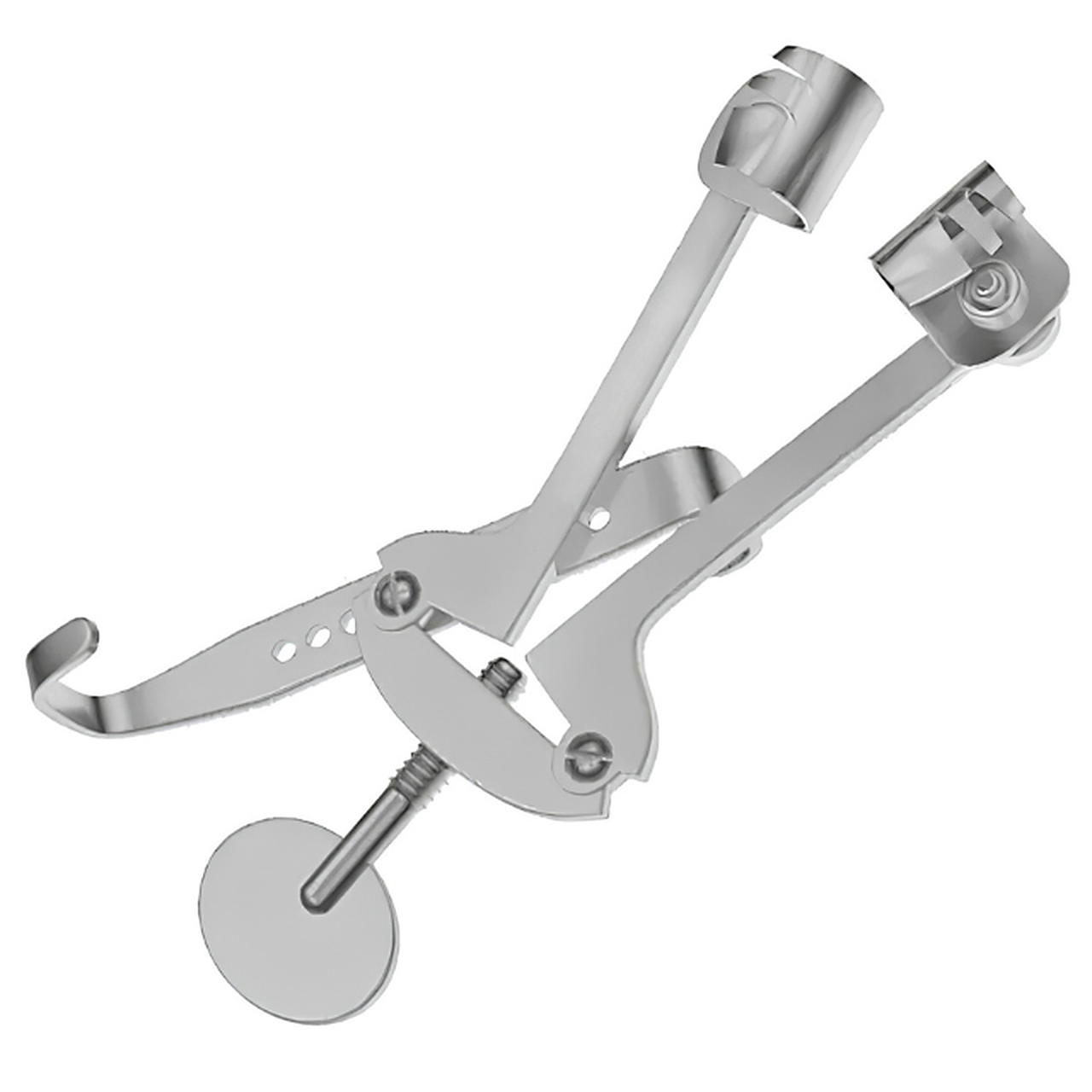 | Henner Endaural Retractor | Specifically designed to retract the endaural incision margins and external auditory canal during otologic ear surgery. |
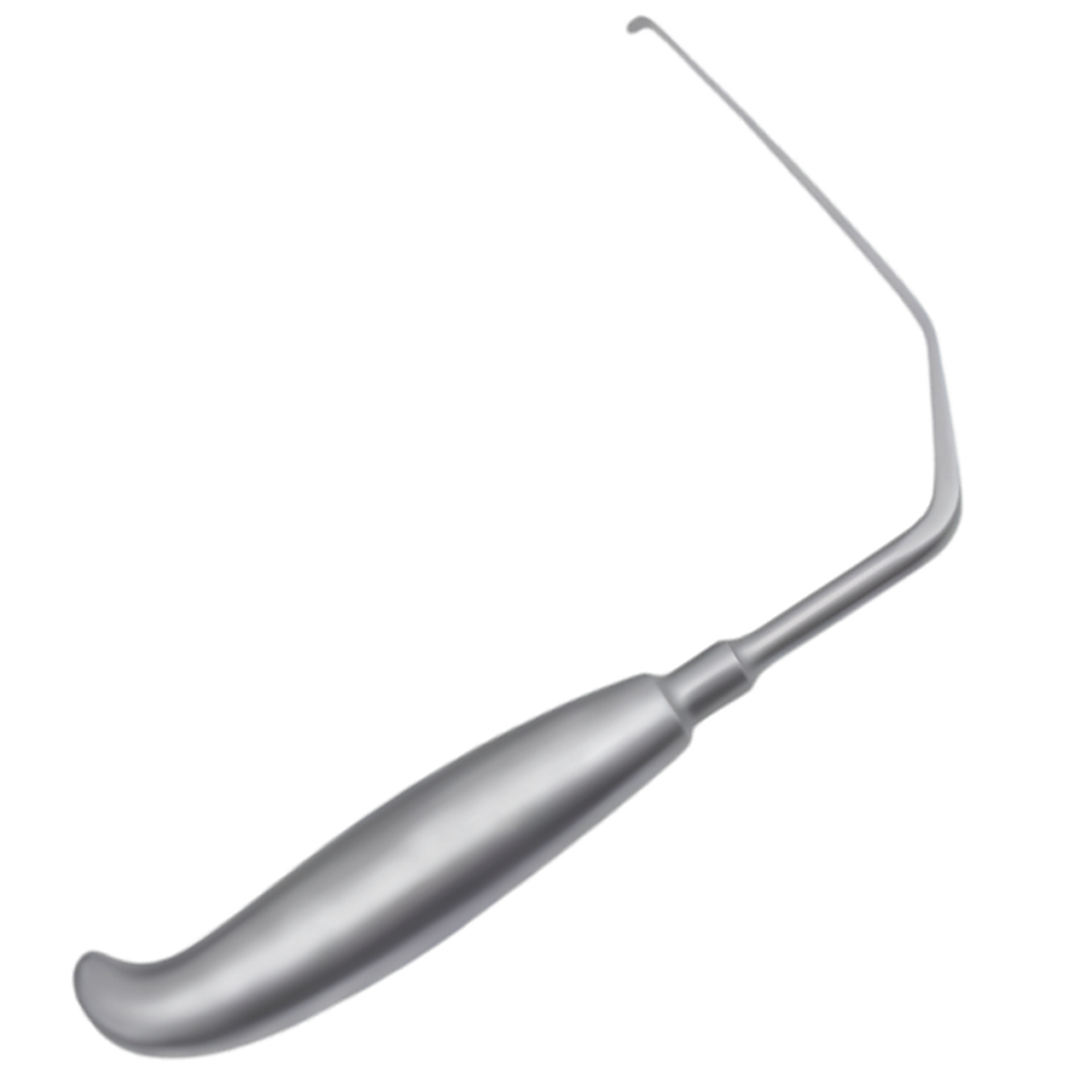 | Hess Nerve Root Retractor | Specifically designed to retract and protect traversing spinal nerve roots and the dural sac during microsurgical lumbar discectomy. |
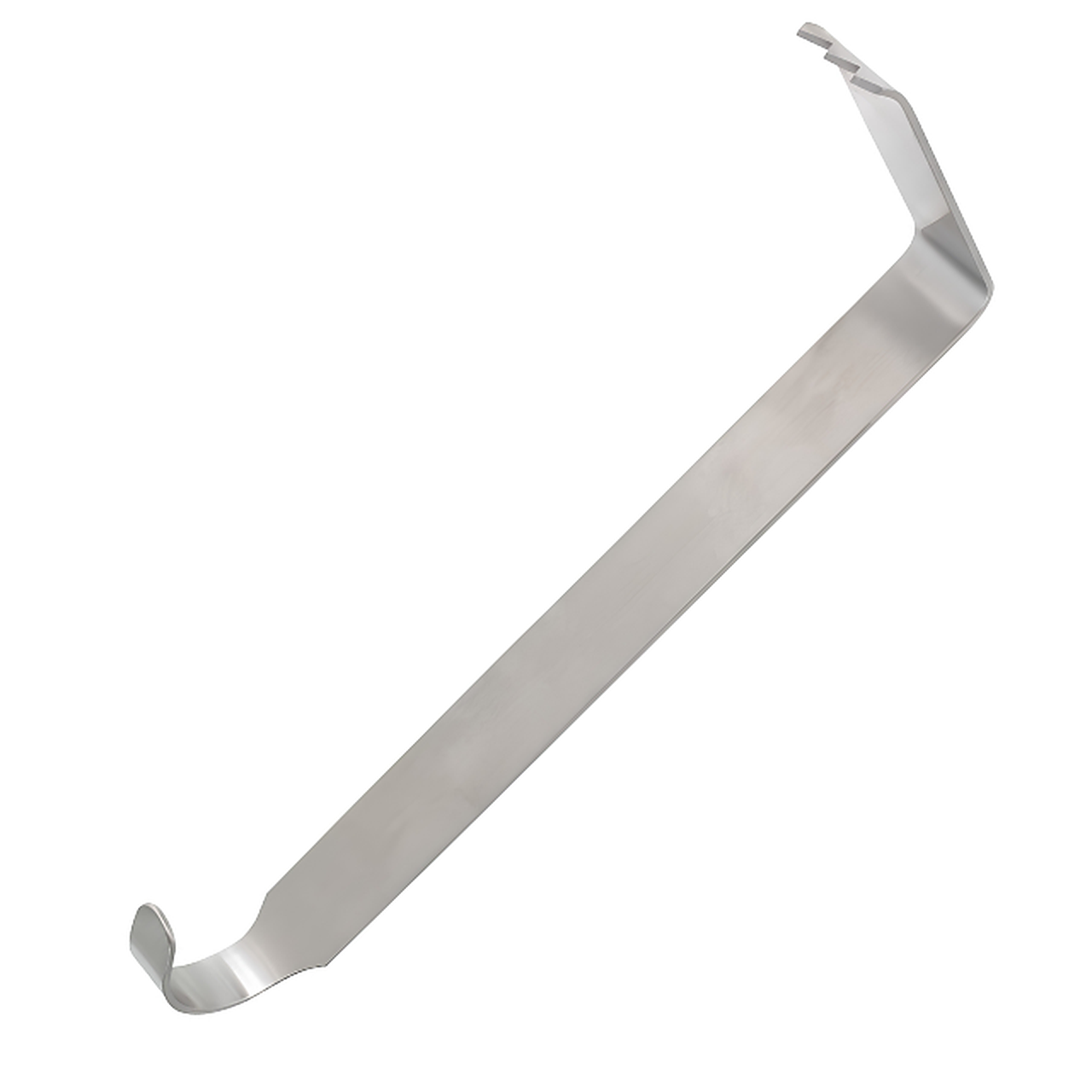 | Hibbs Retractor | Specifically designed to retract heavy paraspinal musculature and deep soft tissue during spinal and orthopedic surgery. |
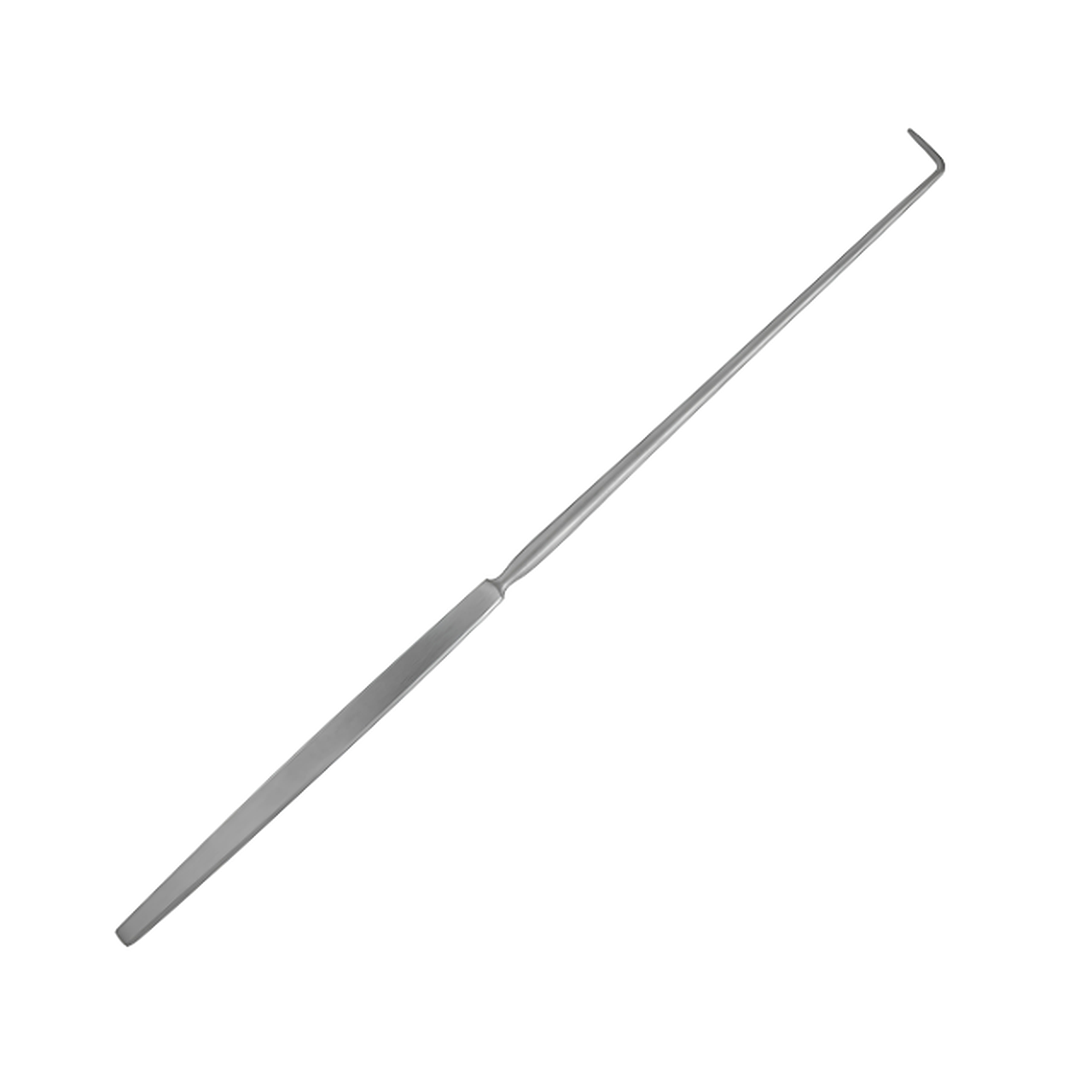 | Hoen Nerve Retractor | Specifically designed to mobilize, explore, and retract spinal nerve roots and the thecal sac during microsurgery. |
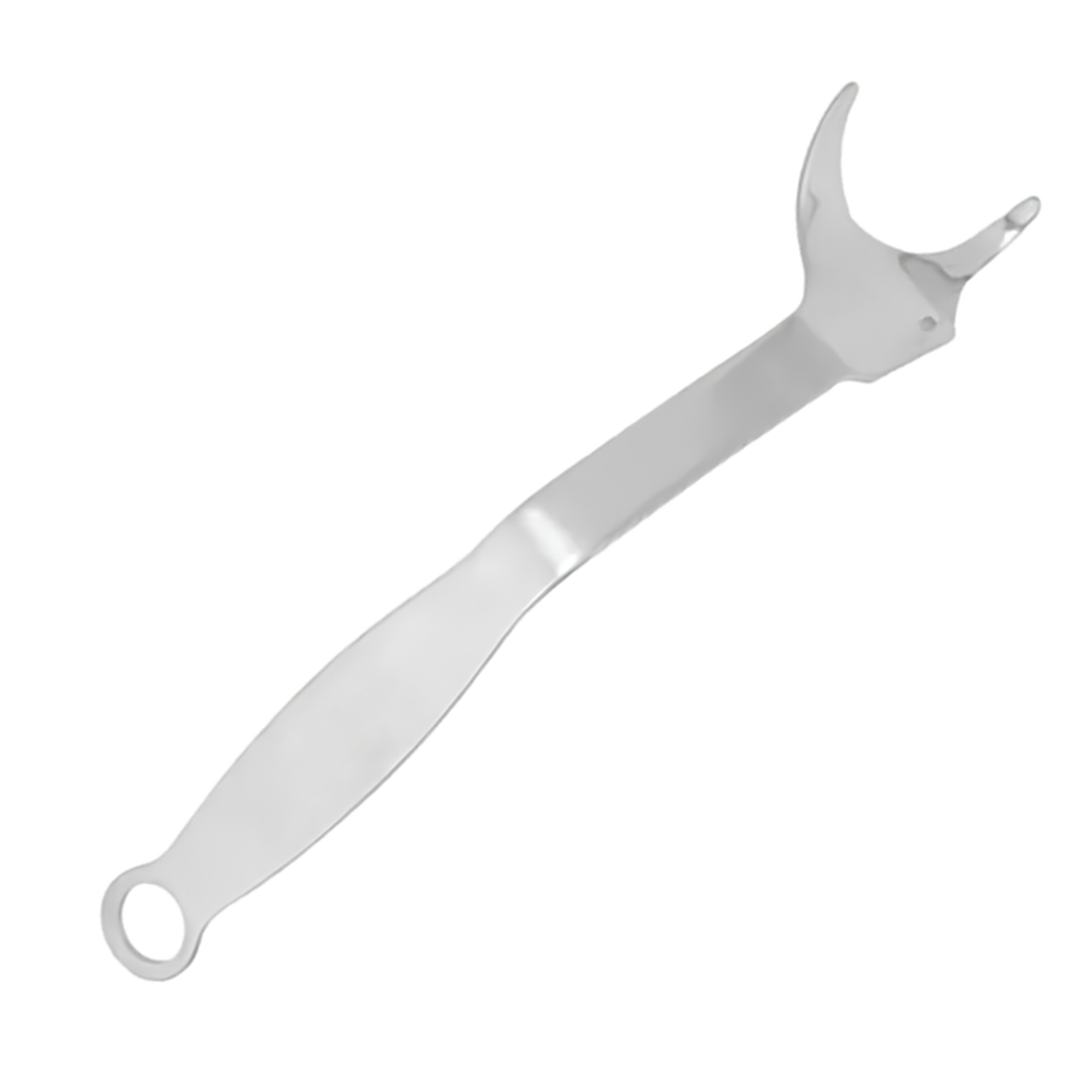 | Hohmann Posterior Inferior Retractor | Specifically designed to expose the posterior-inferior acetabular rim and retract capsular tissue during total hip arthroplasty. |
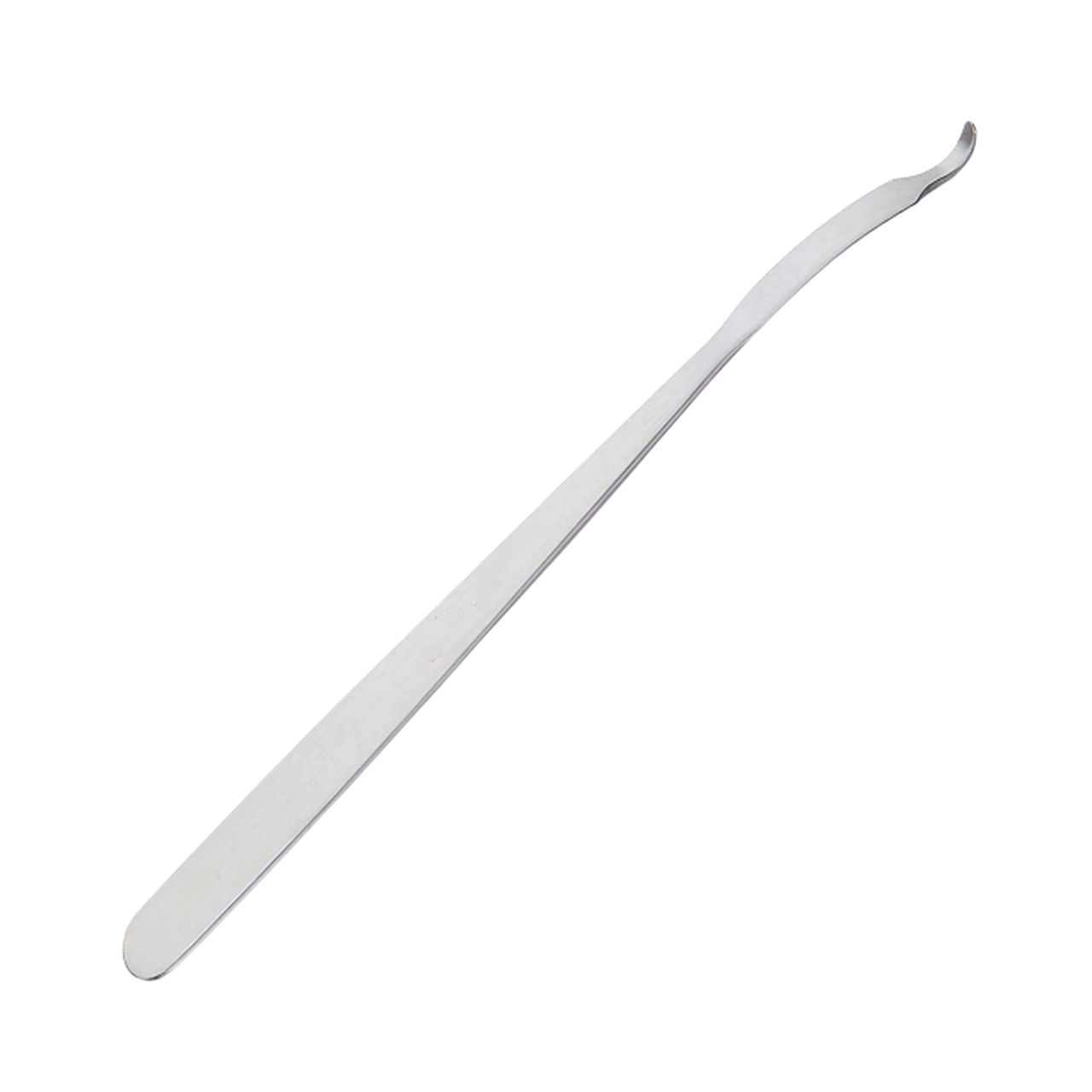 | Hohmann Retractor | Specifically designed to leverage bone and retract heavy musculature during hip, knee, and long-bone orthopedic procedures. |
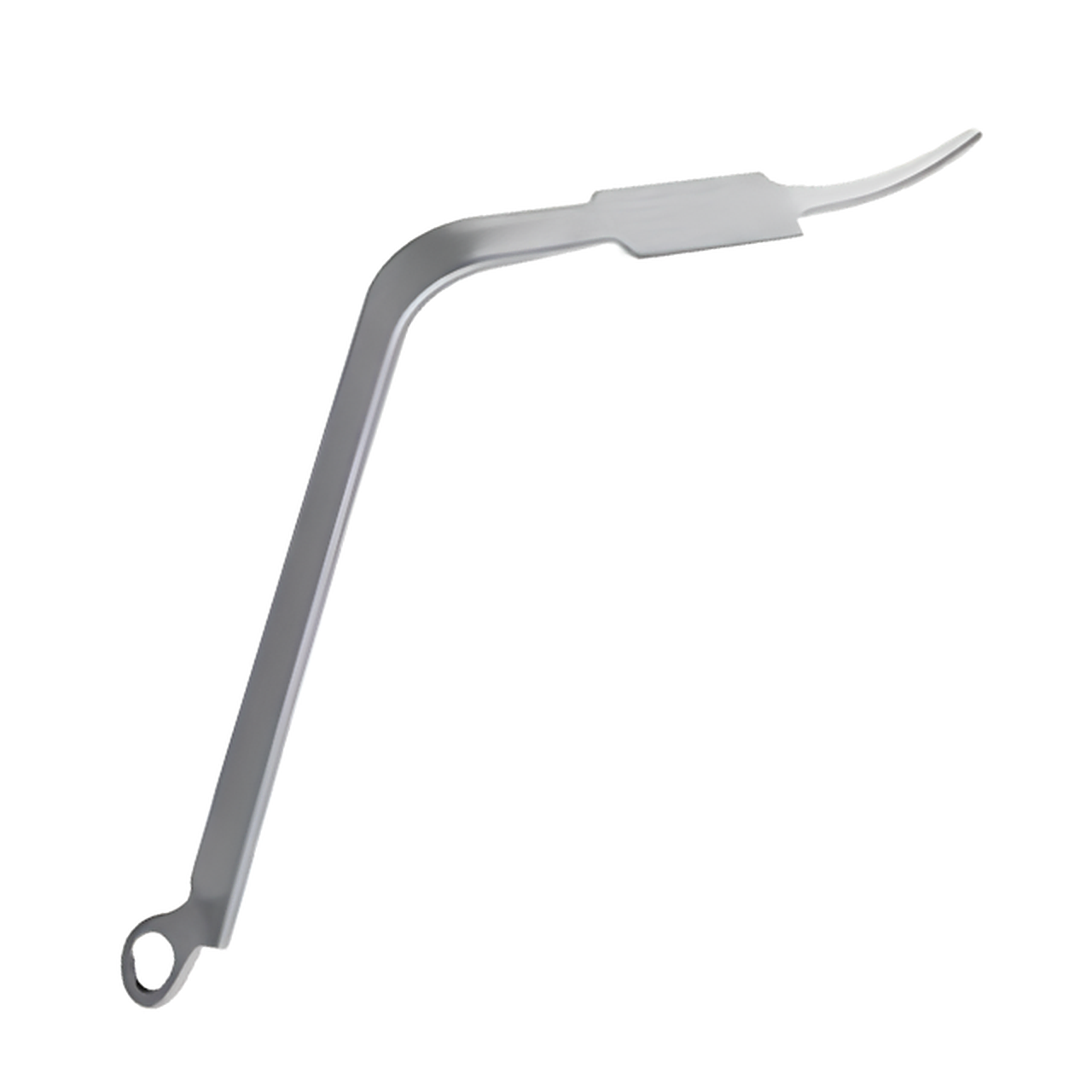 | Hohmann Retractor Bent Extra Long Handle | Specifically designed to leverage bone and retract heavy musculature while dropping the handle away from deep surgical fields during orthopedic surgery. |
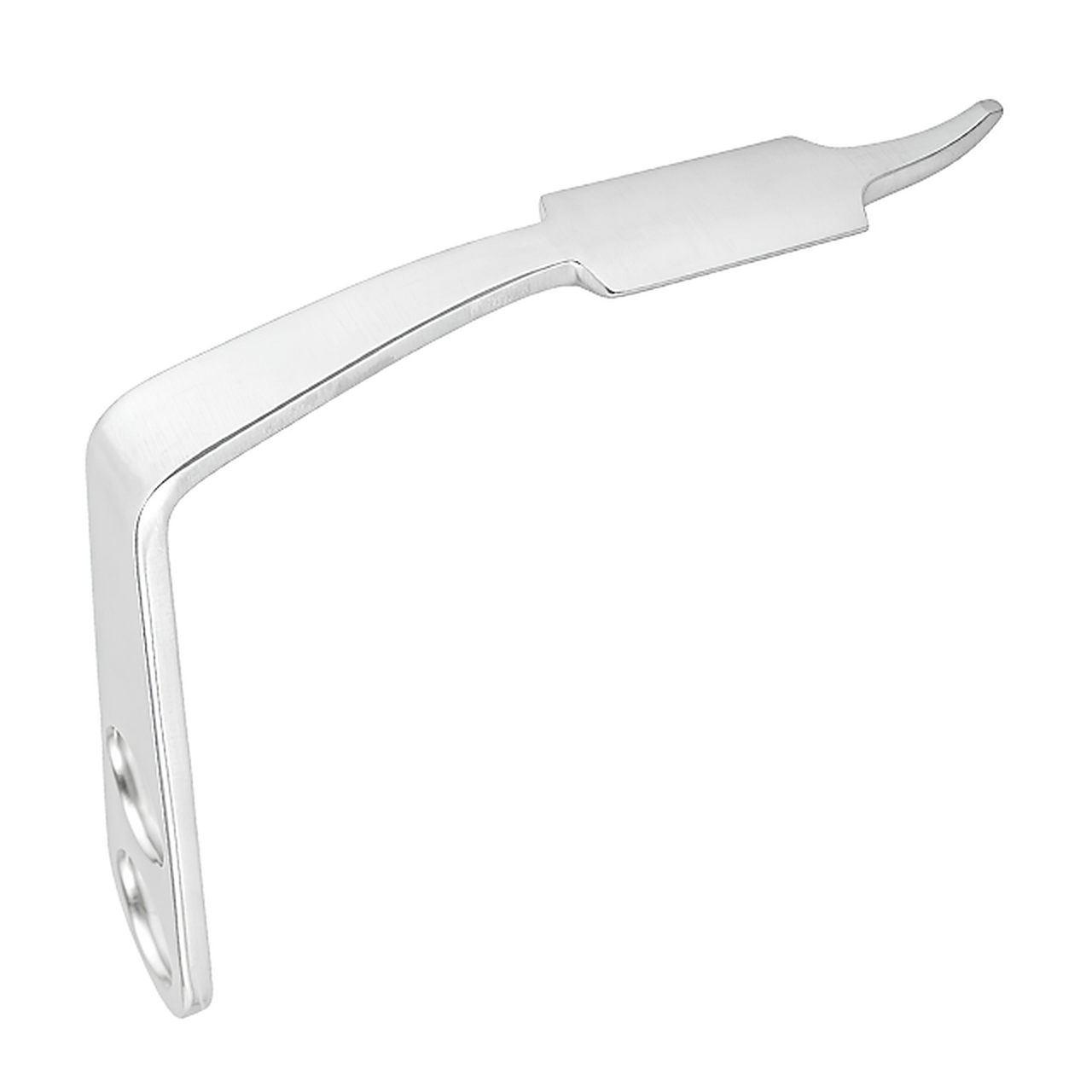 | Hohmann Retractor Right Angled | Specifically designed to leverage bone and retract muscle at right angles during deep hip, pelvic, and femoral surgery. |
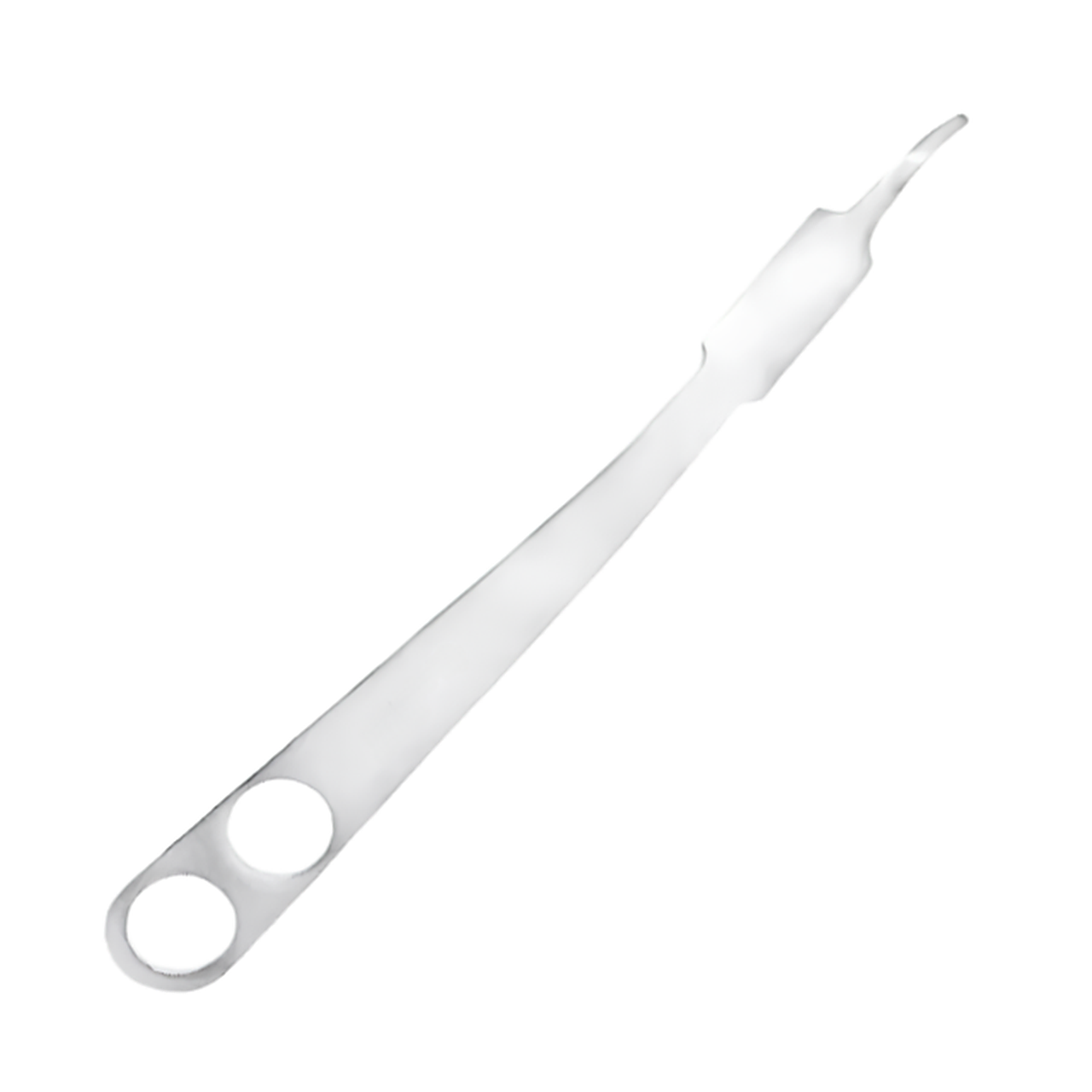 | Hohmann Retractor Rounded End | Specifically designed to leverage bone and retract soft tissue atraumatically during hip, knee, and long-bone orthopedic surgery. |
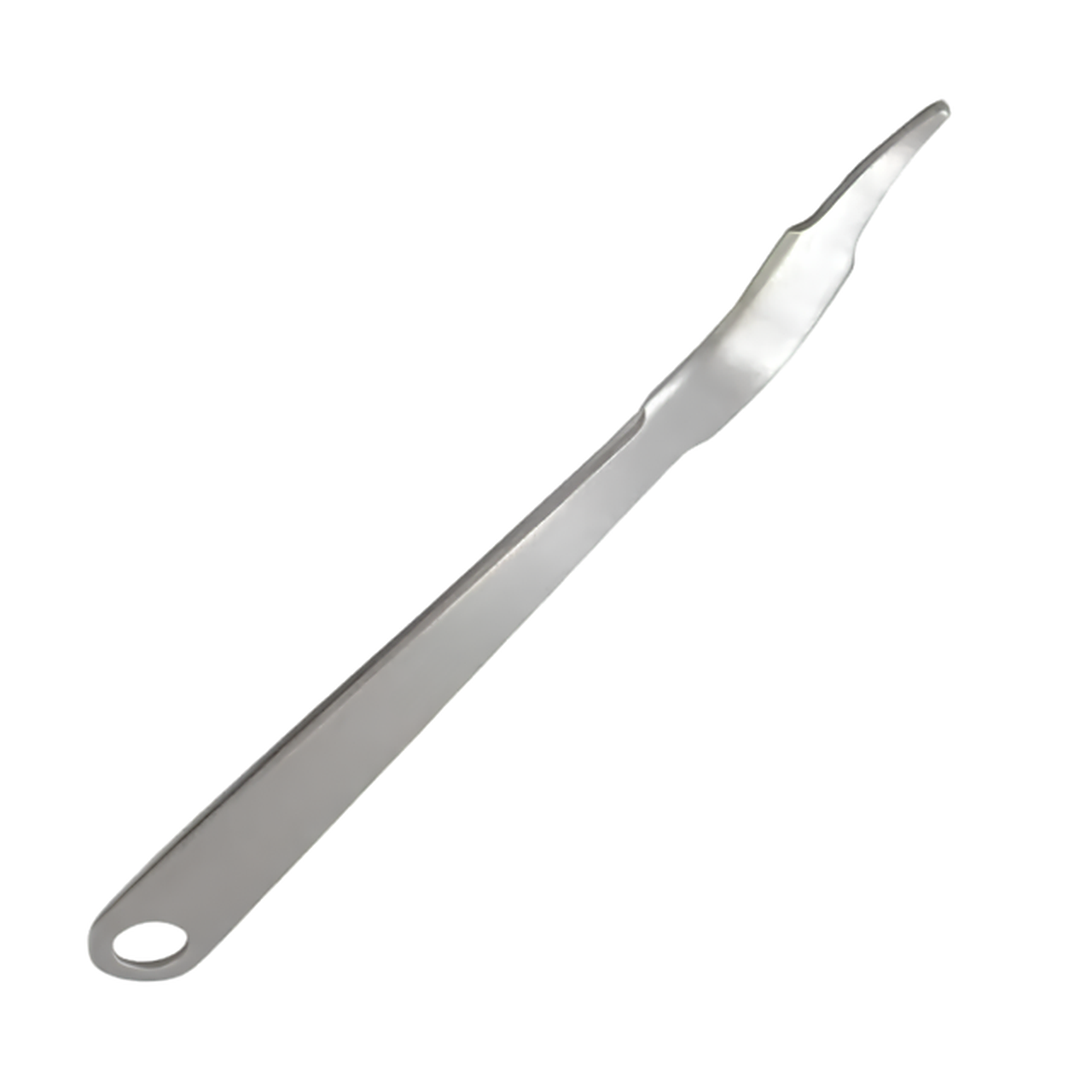 | Hohmann Retractor Square End | Specifically designed to leverage flat bone cortices and retract soft tissue during knee, hip, and trauma orthopedic surgery. |
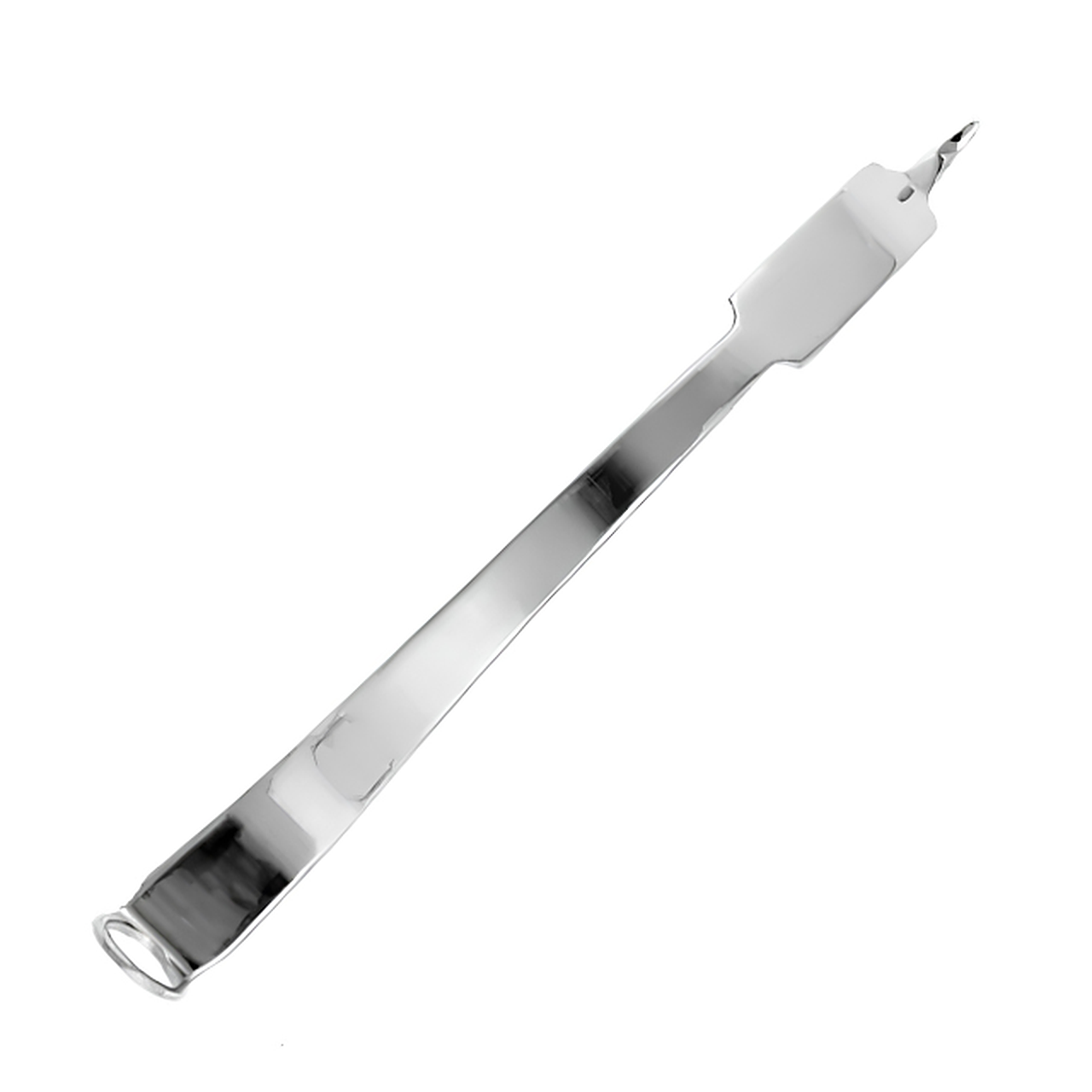 | Hohmann Retractors Angled | Specifically designed to leverage bone and retract muscle away from deep joints and long bones during orthopedic surgery. |
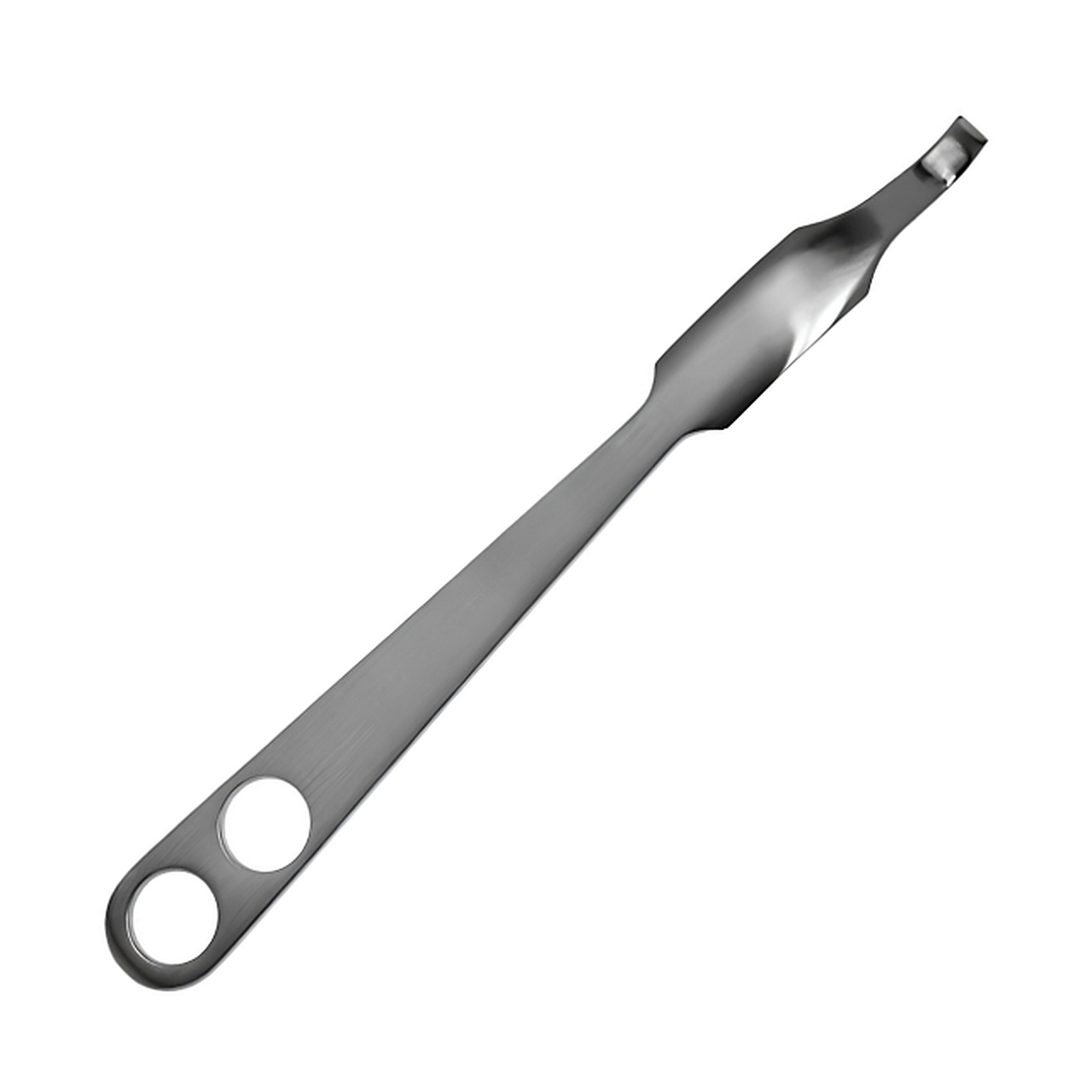 | Hohmann Retractors Square Blade | Specifically designed to leverage bone cortices and retract dense muscle layers during hip, knee, and long-bone orthopedic procedures. |
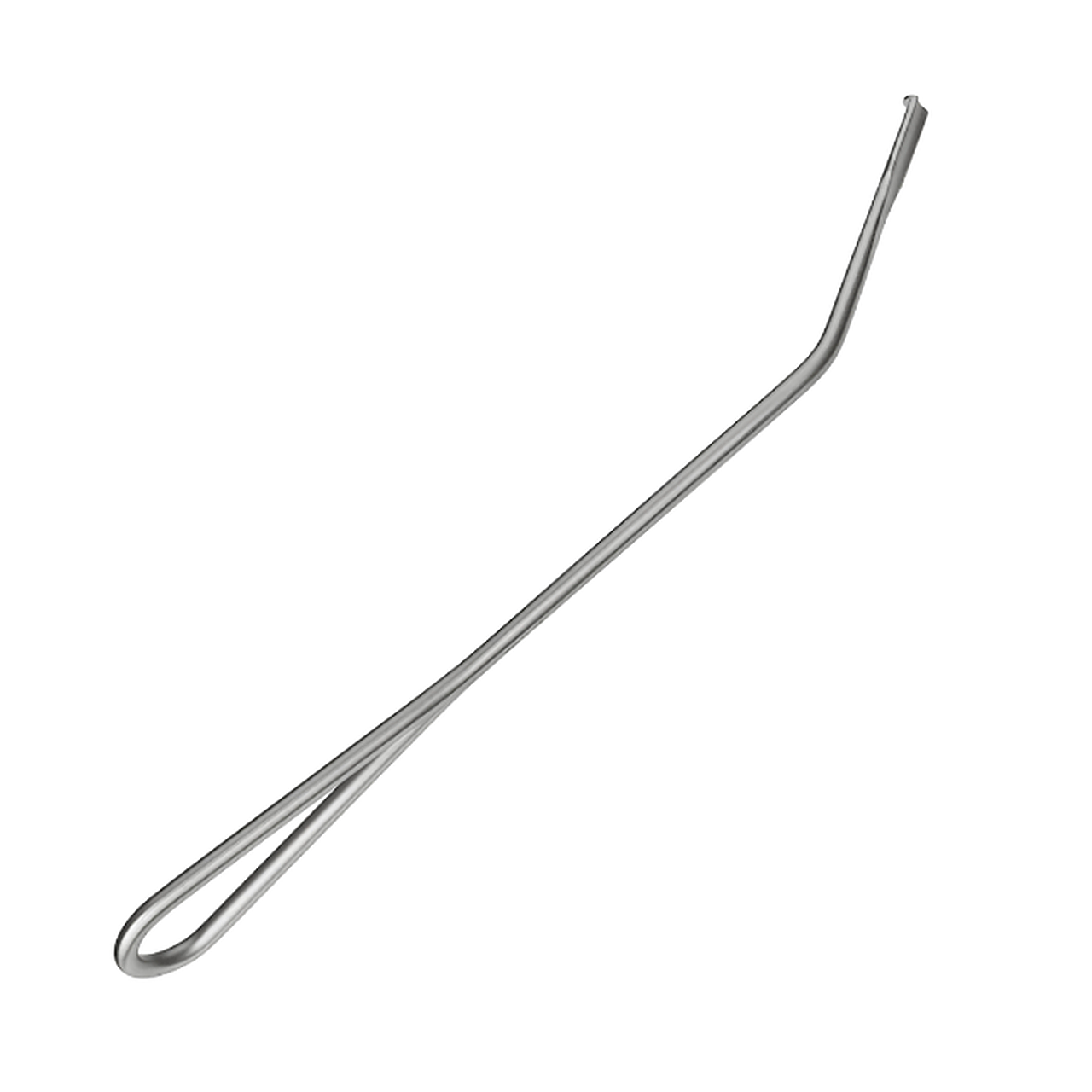 | Holscher Retractors | Specifically designed to retract and protect spinal nerve roots and the thecal sac during discectomy and laminectomy procedures. |
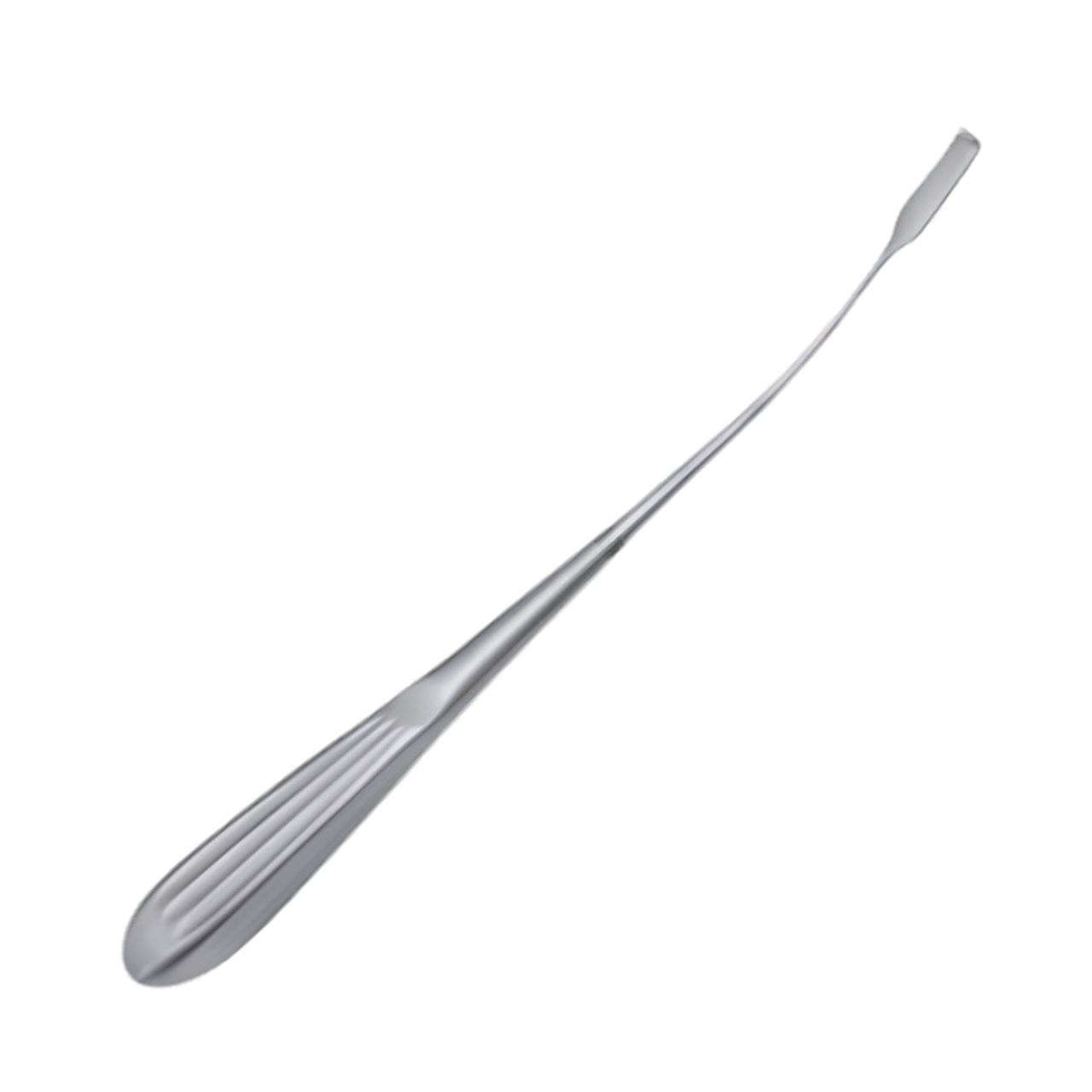 | Holsher Nerve Root Retractor | Specifically designed to retract and protect spinal nerve roots and the thecal sac during microsurgical lumbar discectomy. |
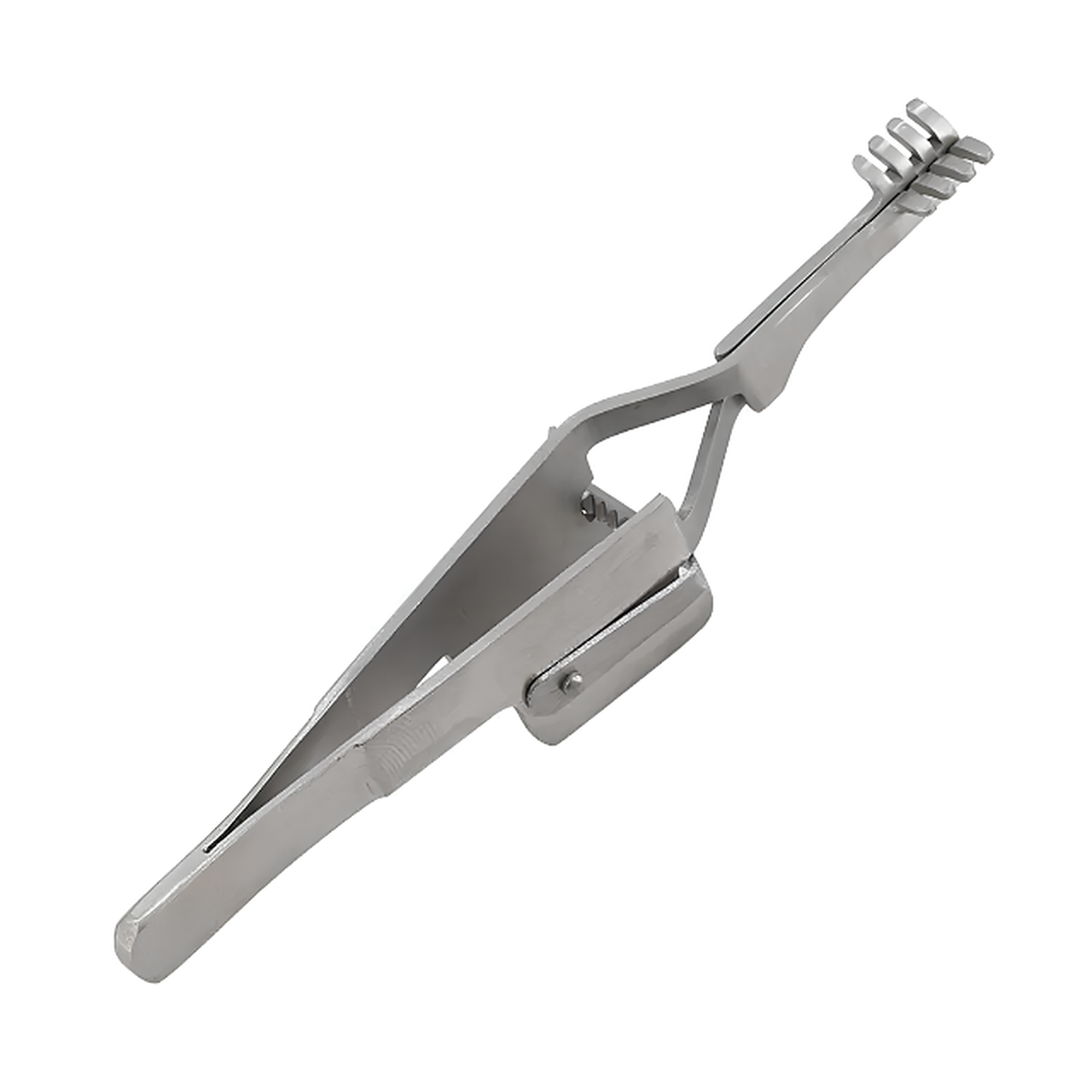 | Holzhimer Self-Retaining Retractor | Specifically designed to provide self-retaining tissue retraction during minor surgical, ophthalmic, plastic, and hand procedures. |
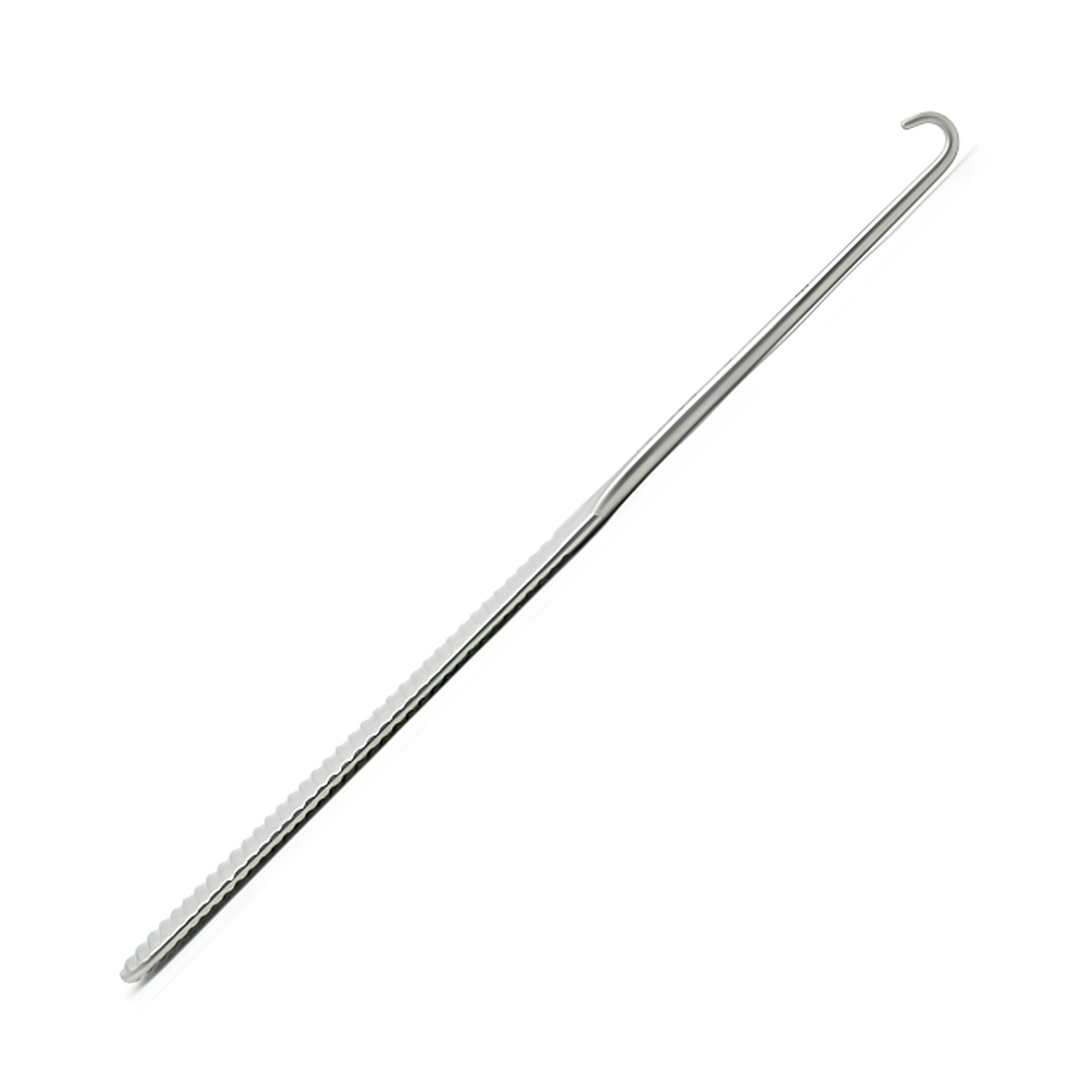 | Hook Retractor | Specifically designed to retract skin flaps, cutaneous margins, and superficial soft tissues during surgical procedures. |
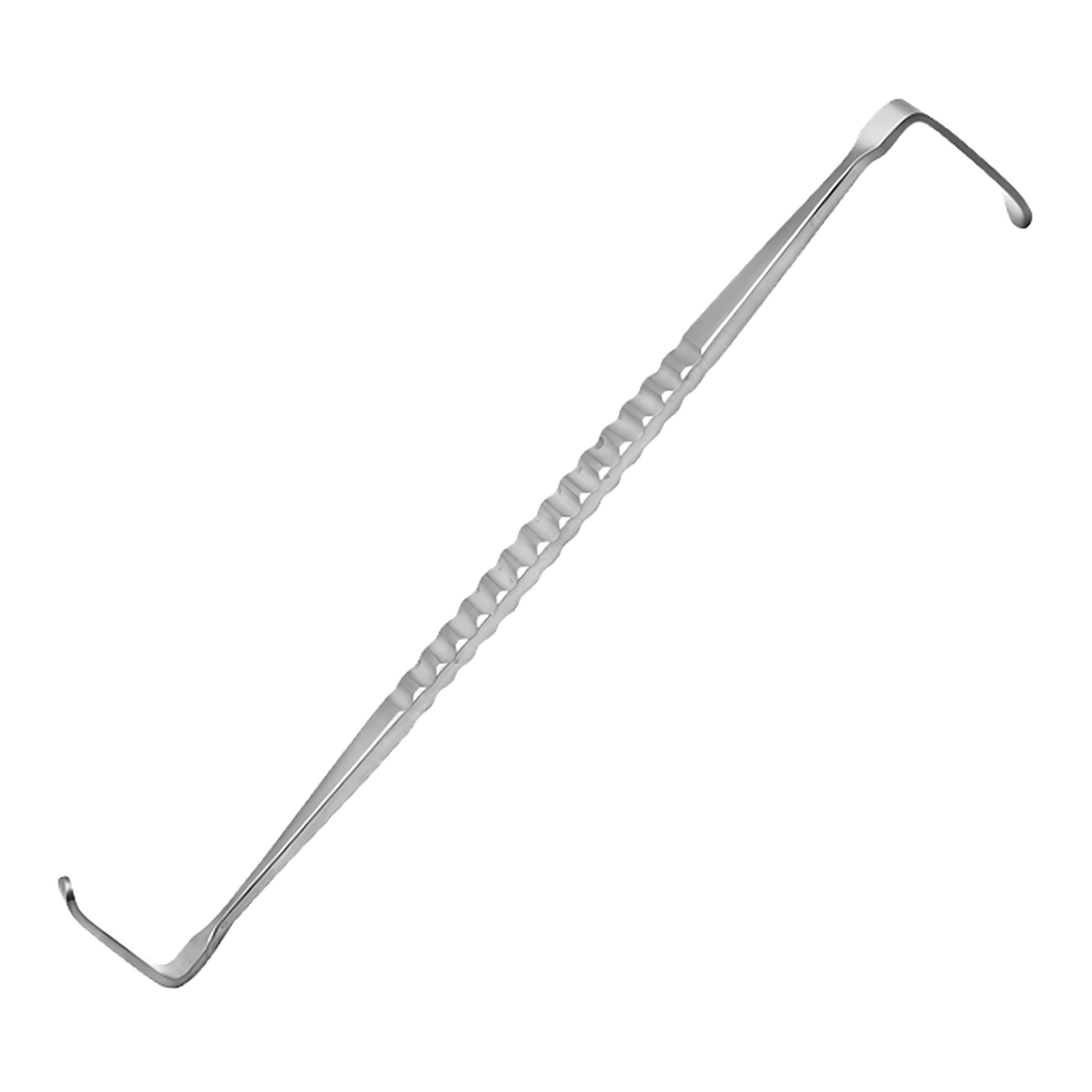 | House Hand Retractor | Specifically designed to retract skin margins, meatal tissue, and fascia during otologic, ENT, and plastic surgery. |
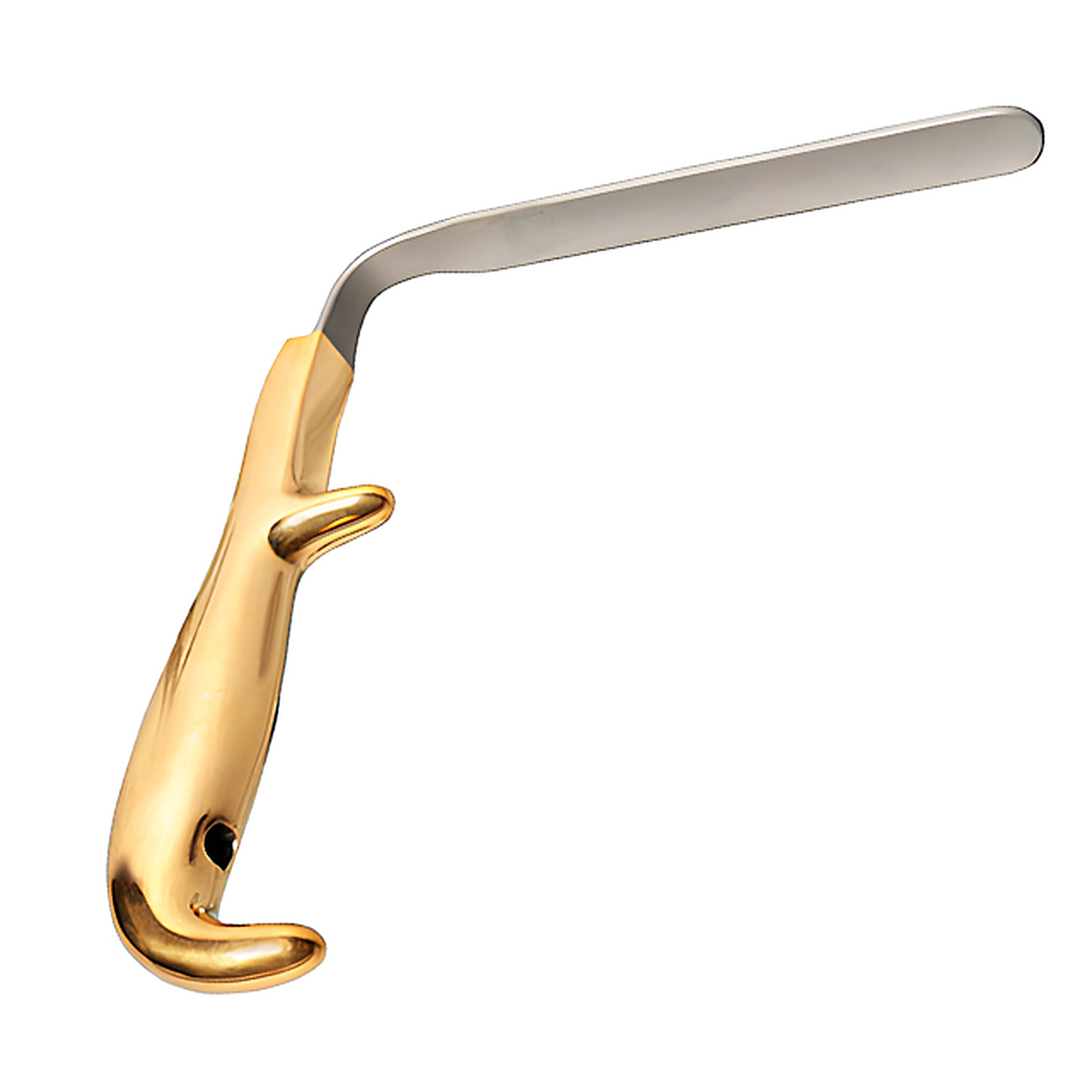 | Hoyos Distal Retractor | Specifically designed to elevate abdominal cutaneous flaps and provide distal pocket exposure during high-definition abdominoplasty. |
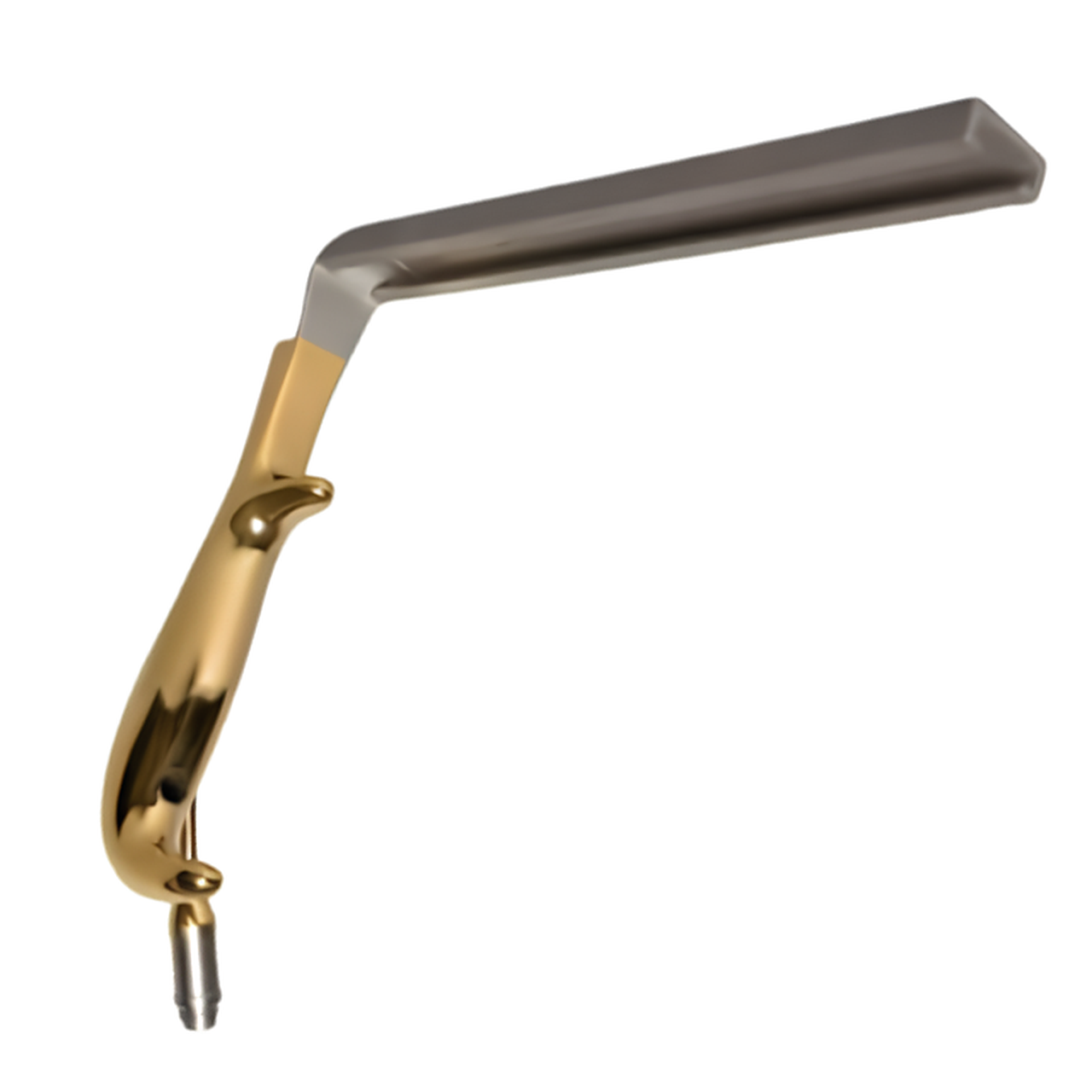 | Hoyos Proximal Retractor | Specifically designed to elevate proximal abdominal flaps and expose the epigastrium during high-definition abdominoplasty. |
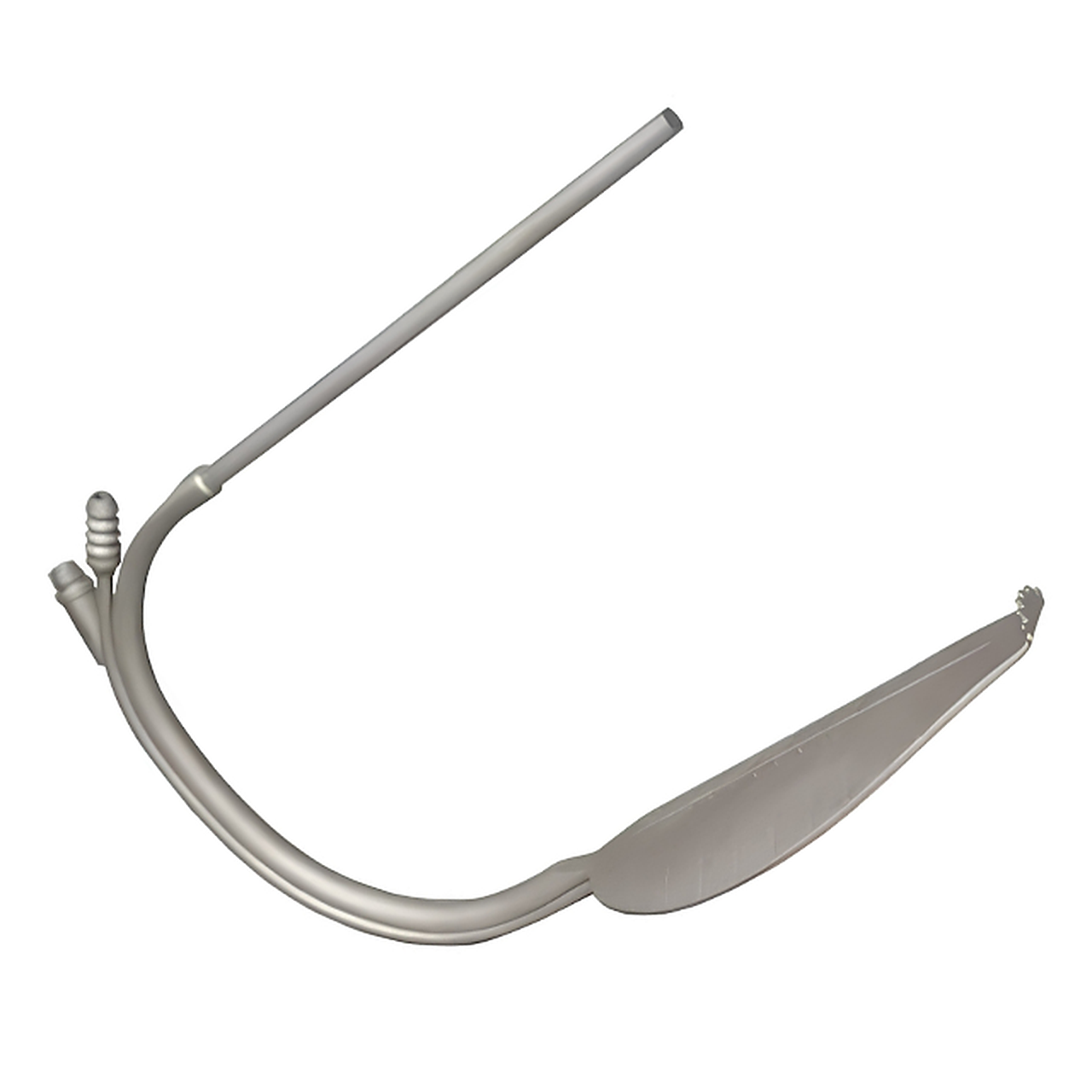 | Hoyos Remora Retractor | Specifically designed to provide illuminated soft-tissue retraction, smoke evacuation, and stabilization during high-definition body sculpting. |
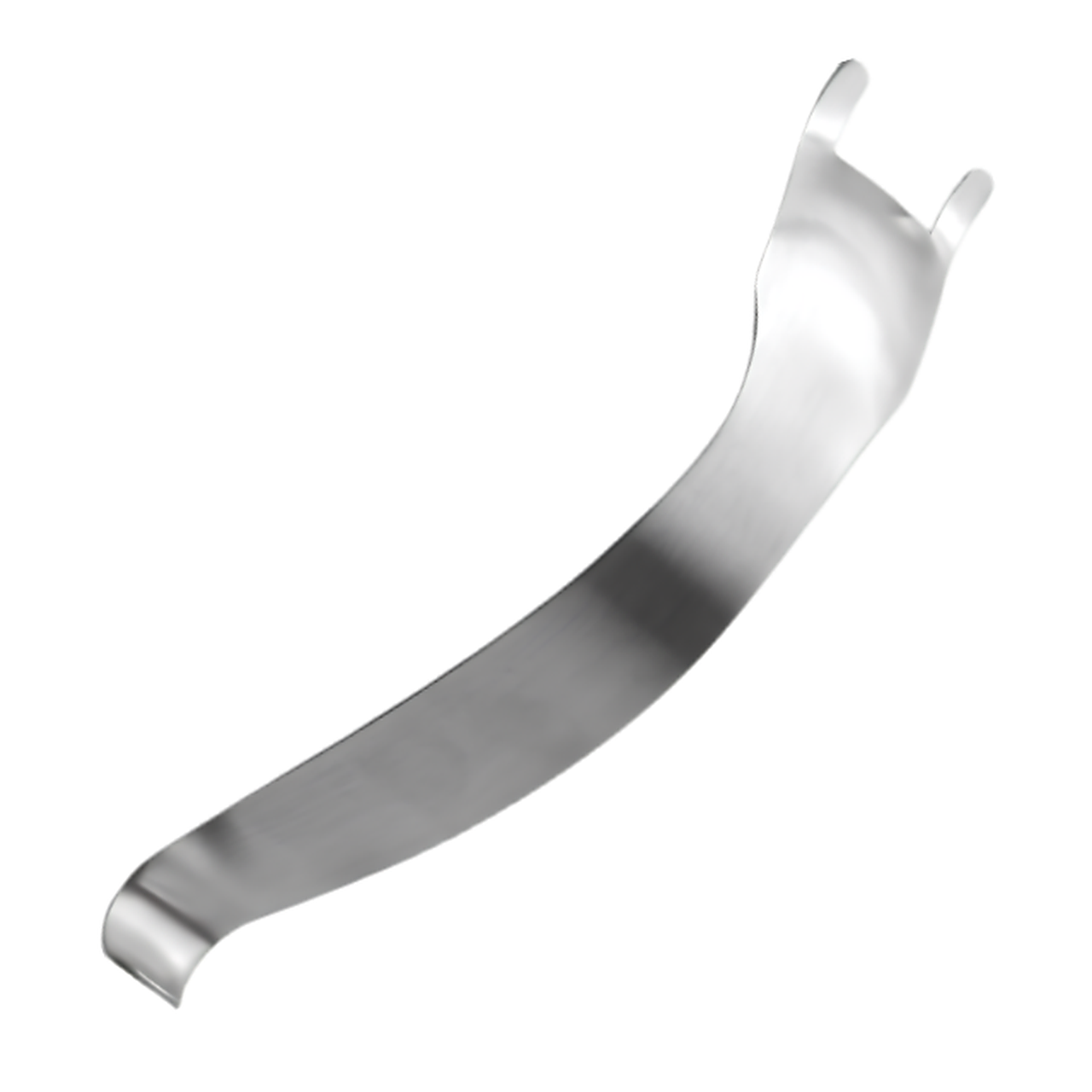 | Humeral Head Retractor | Specifically designed to displace the humeral head posteriorly and expose the glenoid cavity during shoulder arthroplasty. |
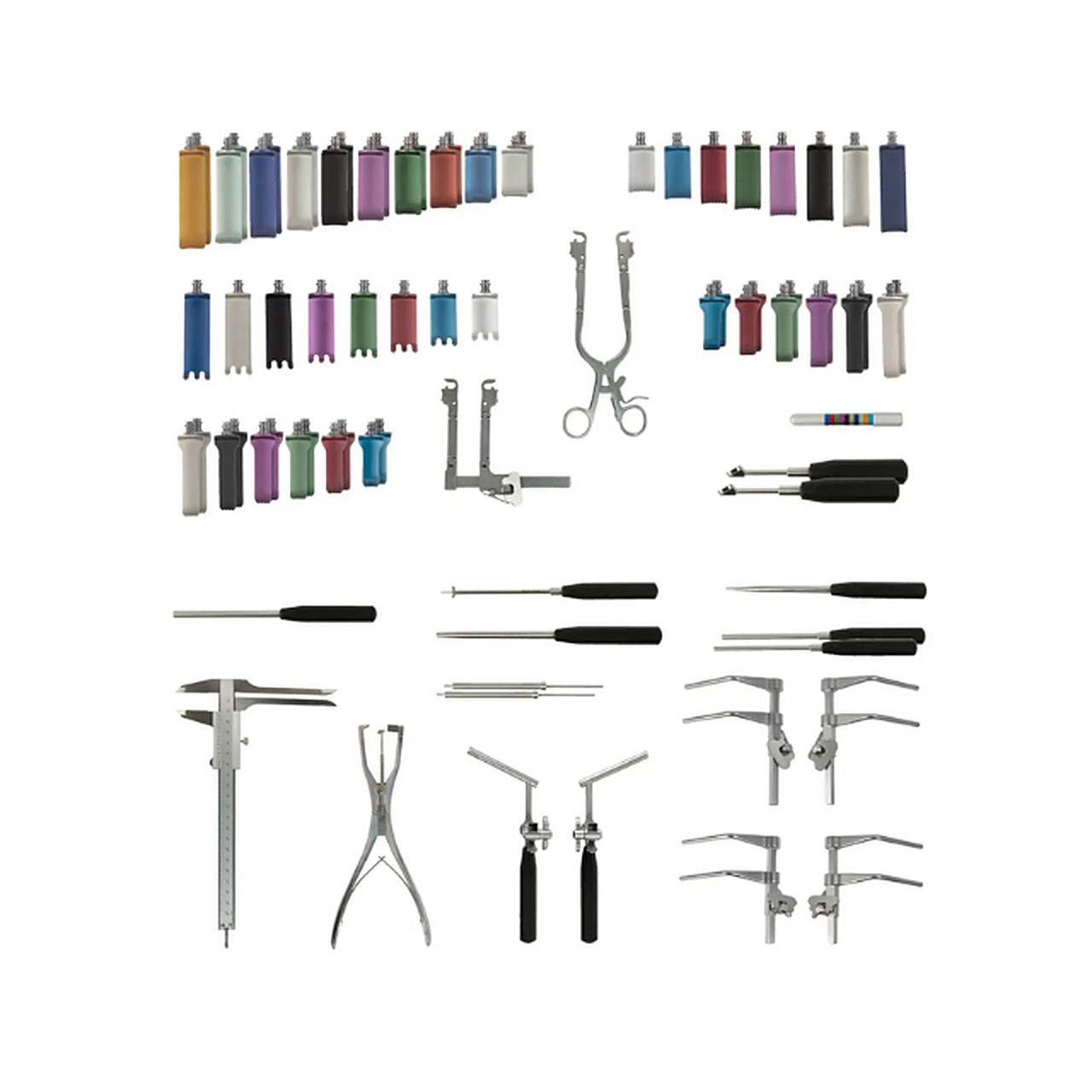 | Image-Line ACF Retractor With Distraction Classic Set | Specifically engineered for soft tissue retraction, intervertebral body distraction, and bone graft placement during anterior cervical fusion (ACF) spinal procedures. |
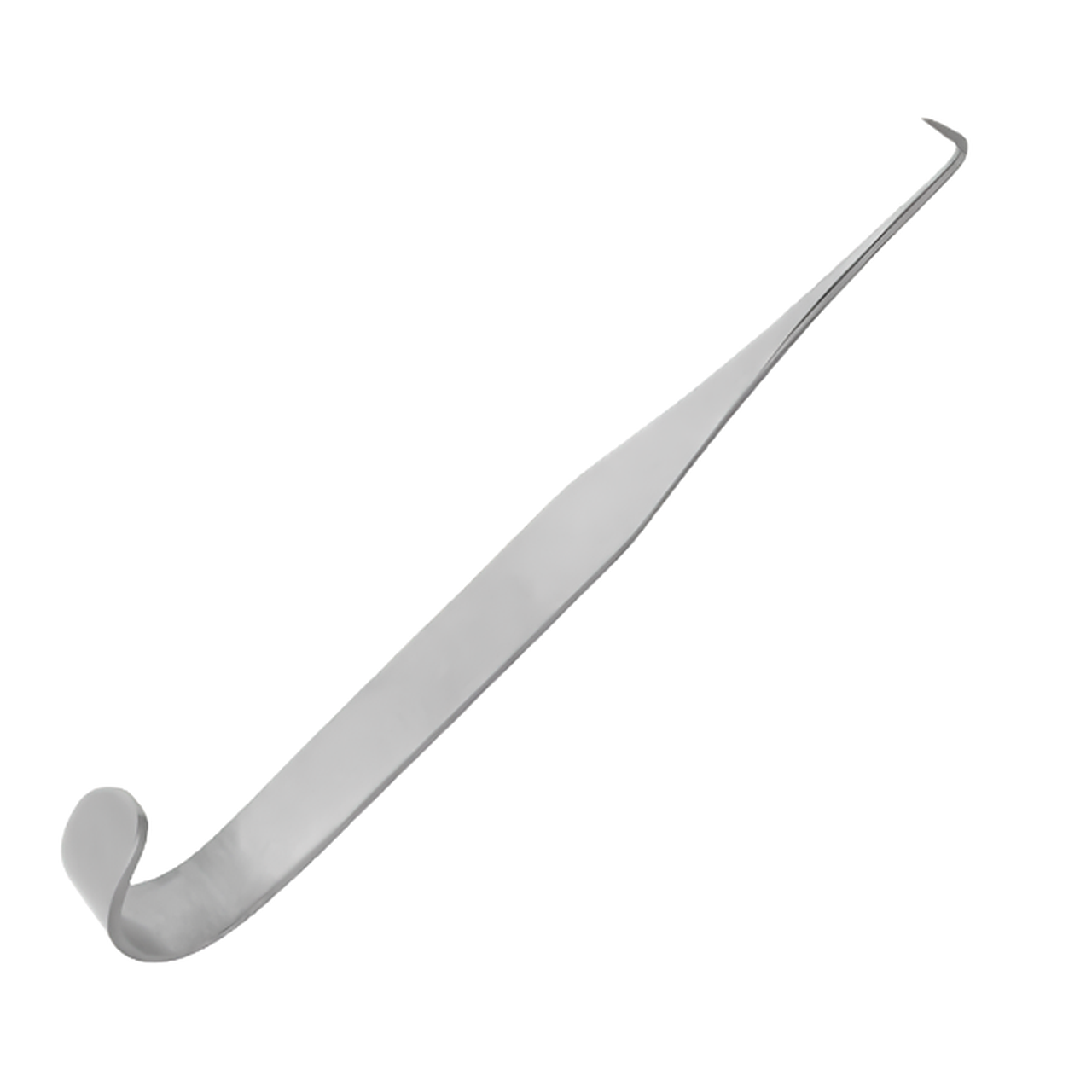 | Jackson Tracheal Retractor | Specifically designed to elevate and stabilize the trachea and retract pretracheal tissues during tracheostomy. |
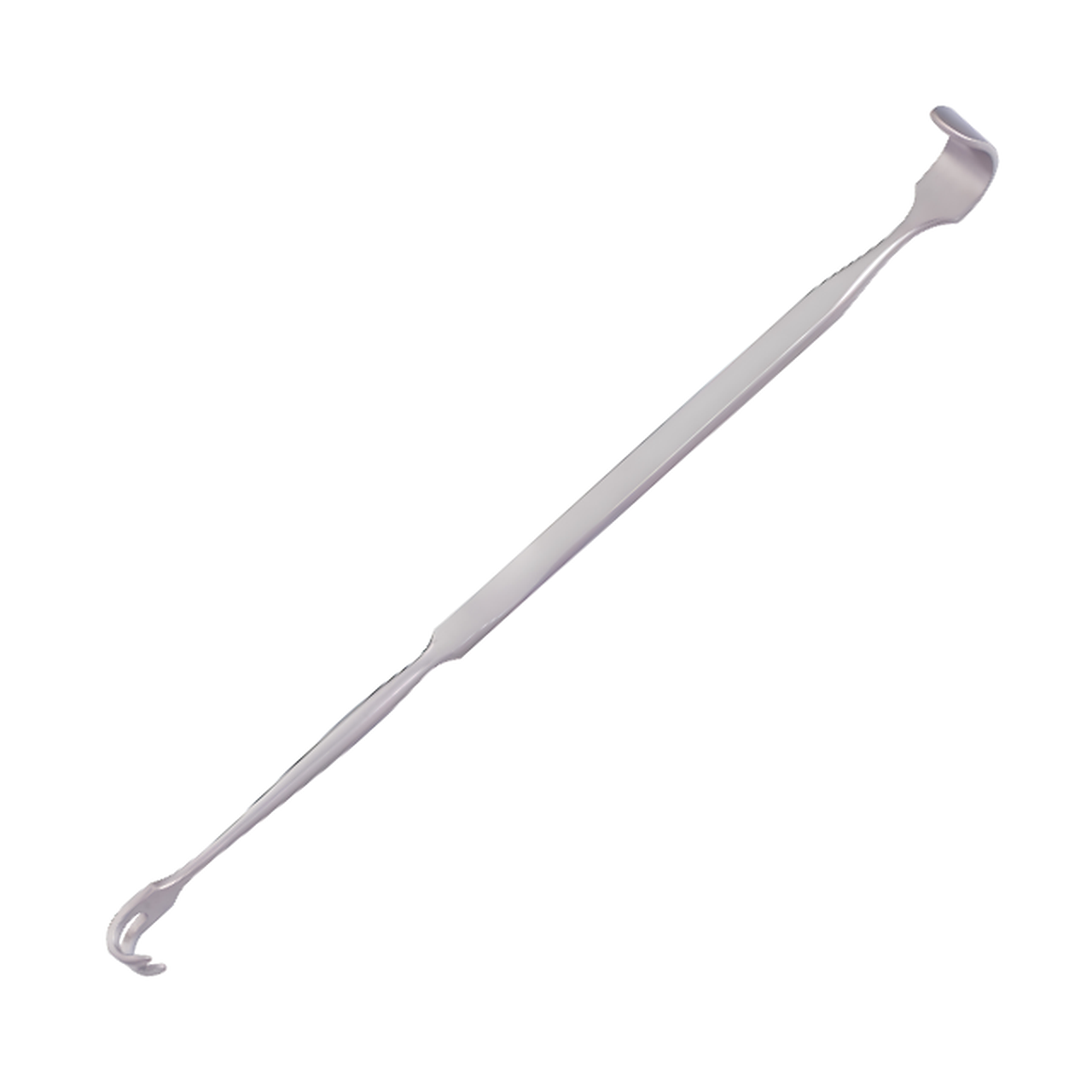 | Jackson Tracheal Retractor-Double Ended | Specifically designed to retract pretracheal tissue and elevate tracheal cartilages during tracheostomy and airway surgery. |
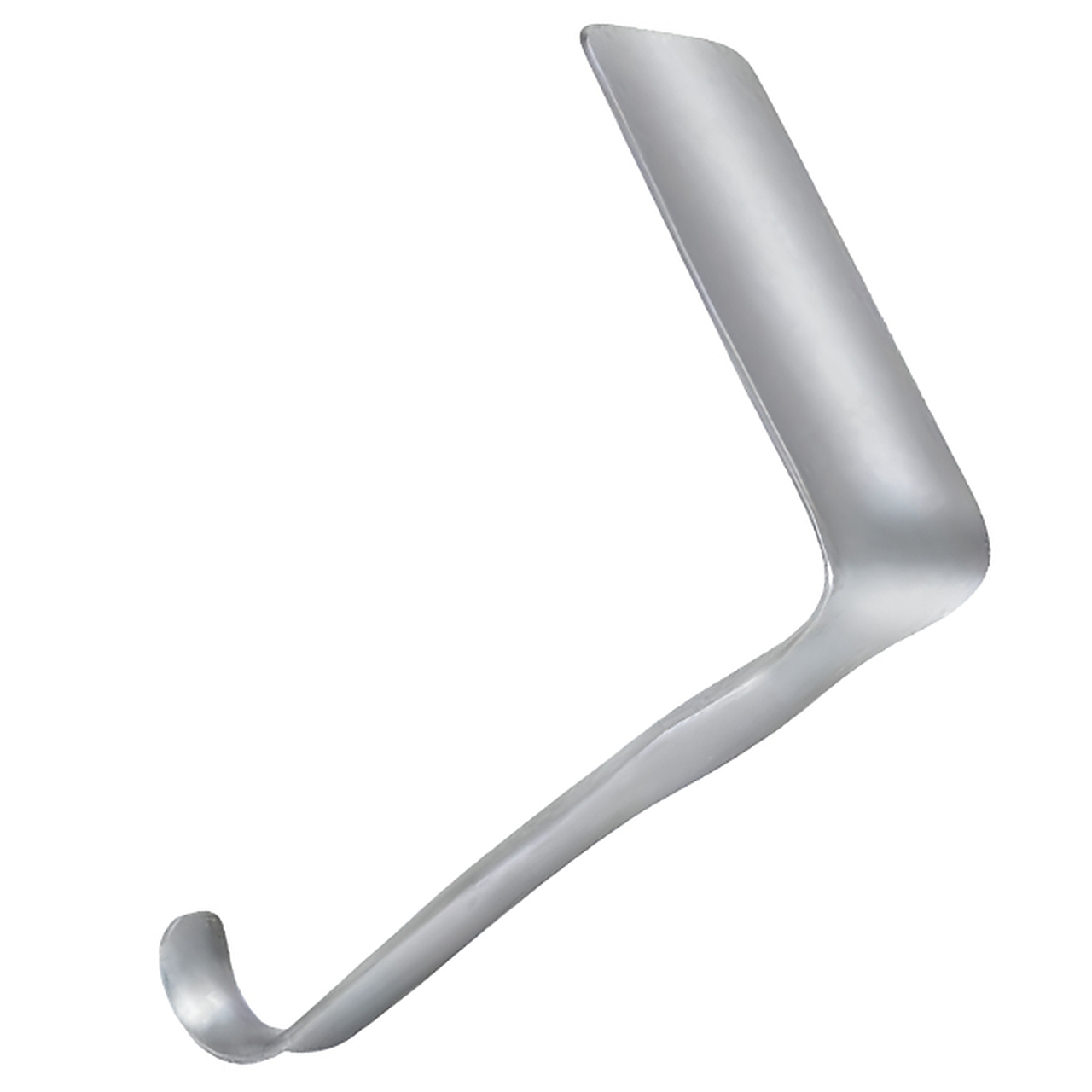 | Jackson Vaginal Retractor | Specifically designed to retract vaginal walls and provide pelvic vault visualization during gynecological procedures. |
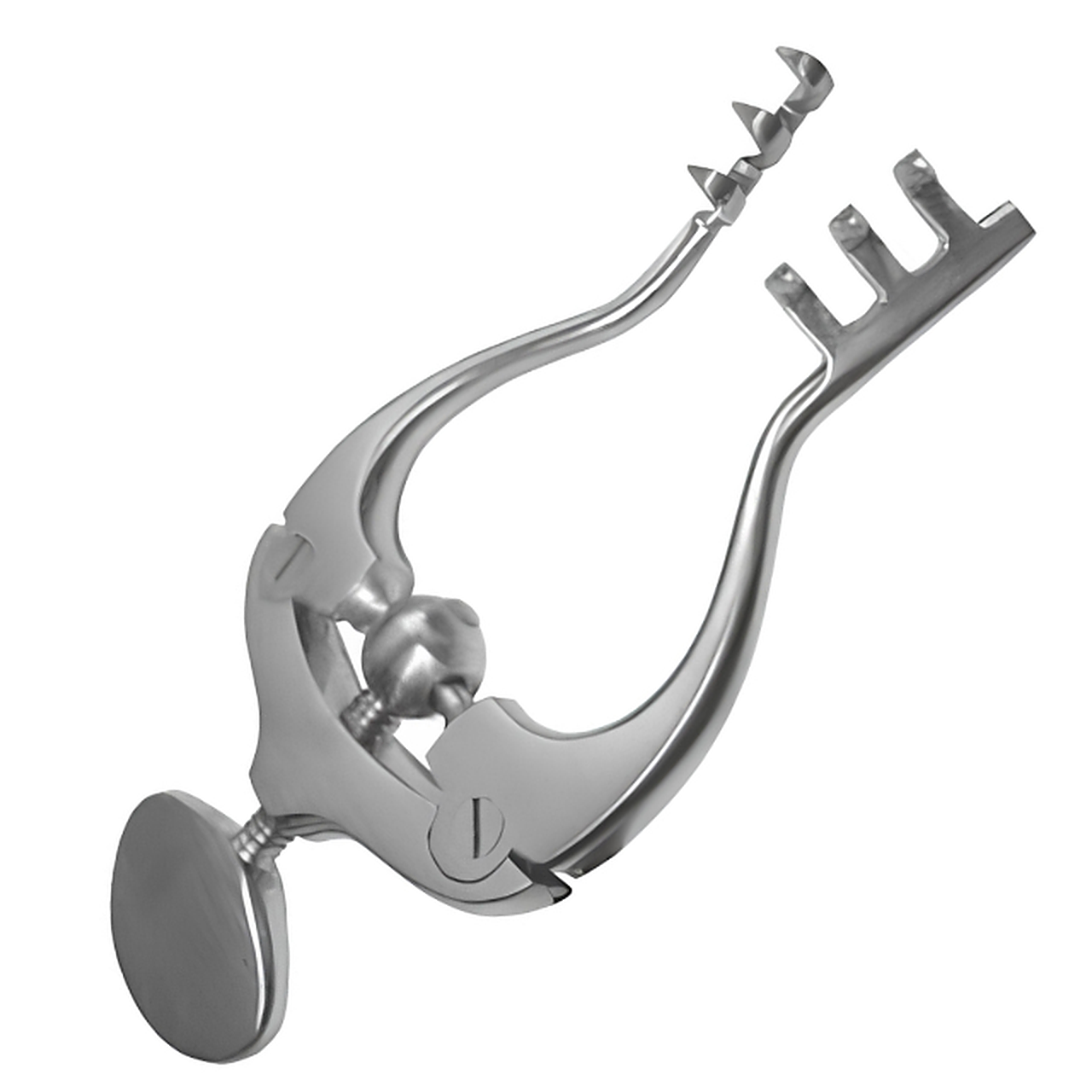 | Jansen Mastoid Retractor | Specifically designed to provide self-retaining periosteal and wound margin retraction during mastoid and scalp surgery. |
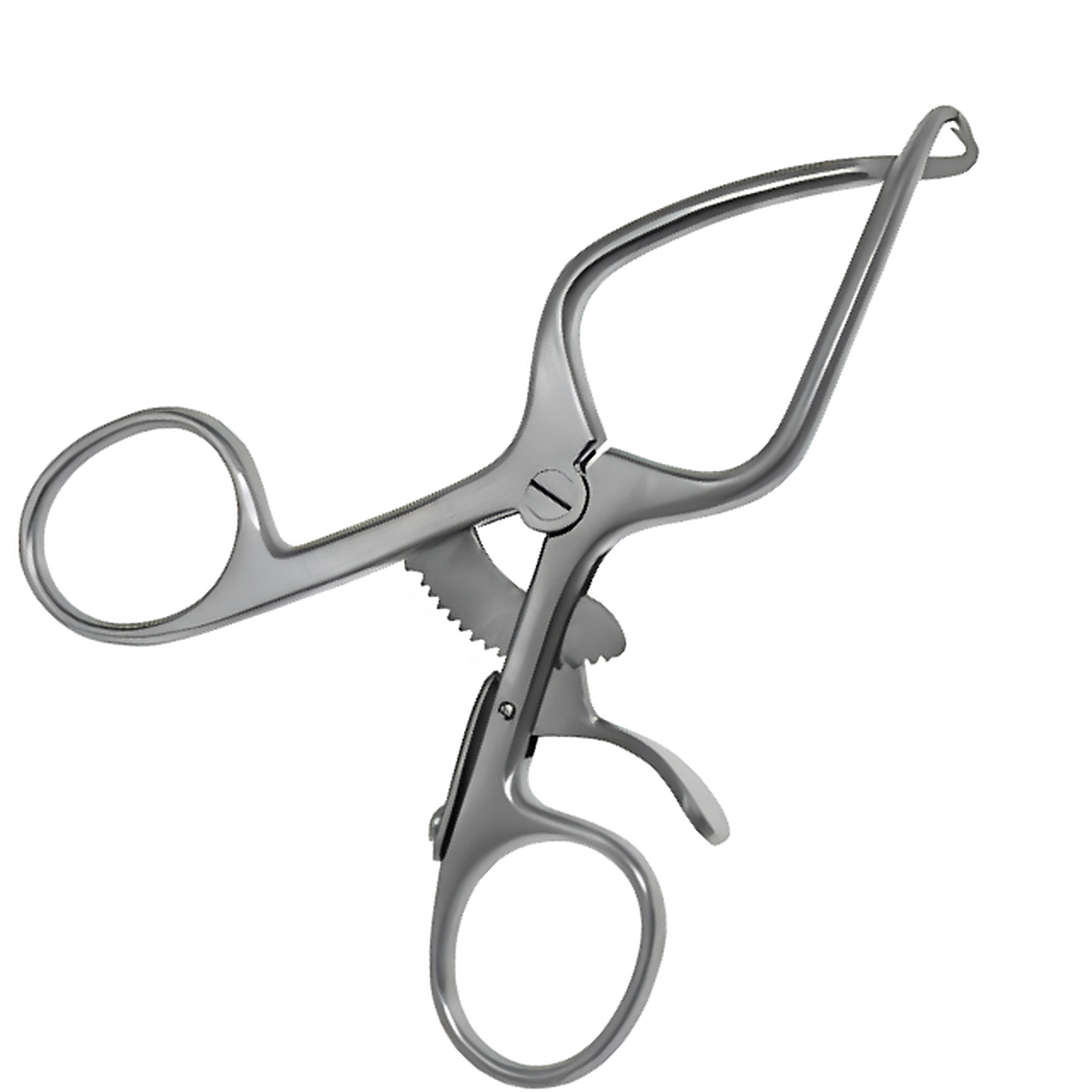 | Johnson Neuroma Retractor | Specifically designed to retract intermetatarsal tissues and metatarsal heads during Morton's neuroma excision and foot surgery. |
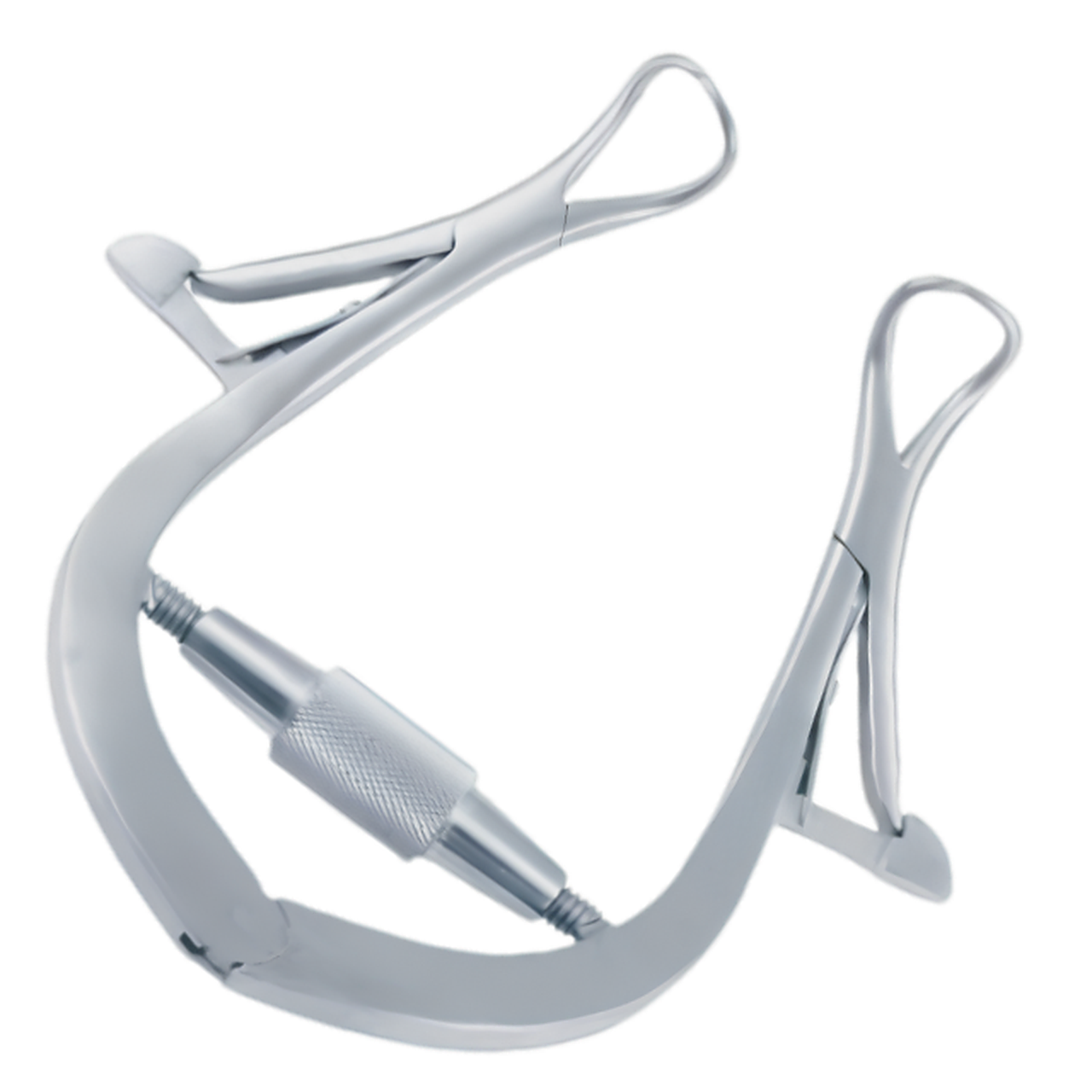 | Jolls Friedman Self Retaining Retractor | Specifically designed to provide self-retaining strap muscle and soft-tissue retraction during thyroidectomy and cervical surgery. |
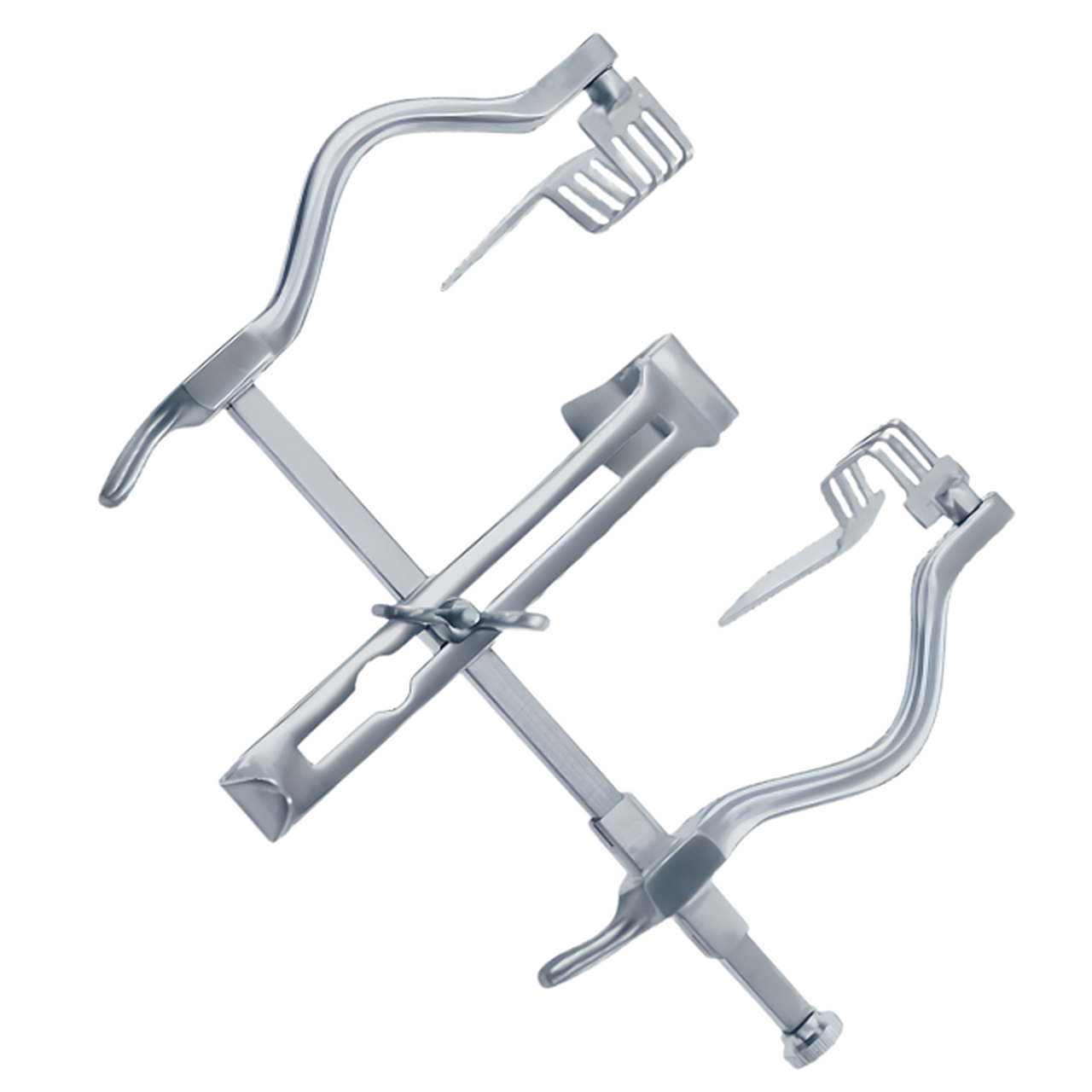 | Judd-Masson Self Retaining Retractor | Specifically designed to provide self-retaining retraction during suprapubic bladder, prostate, and pelvic surgery. |
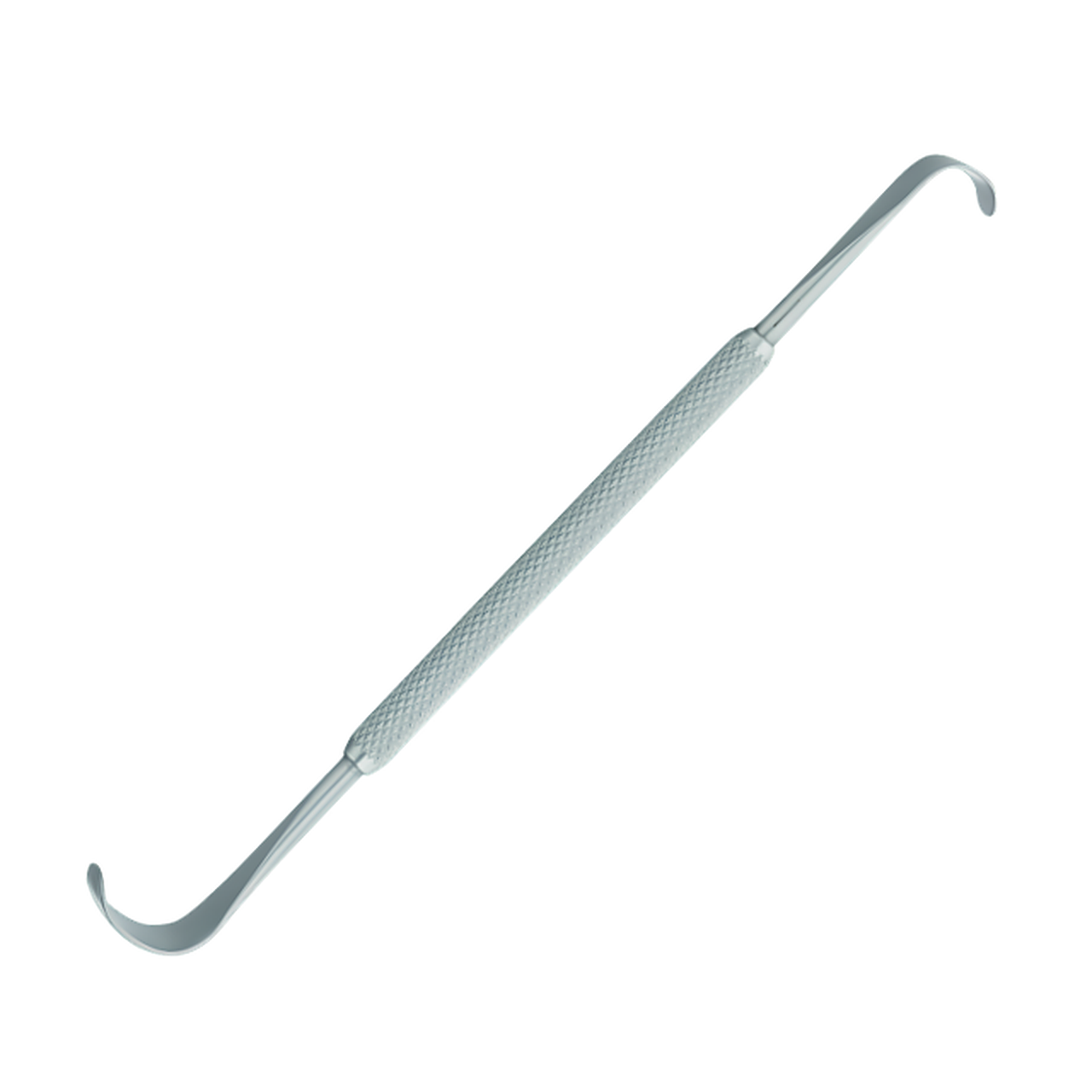 | Kasden Double Ended delicate retractor | Specifically designed to retract skin margins, delicate cutaneous flaps, and soft tissues during plastic, facial, and minor surgery. |
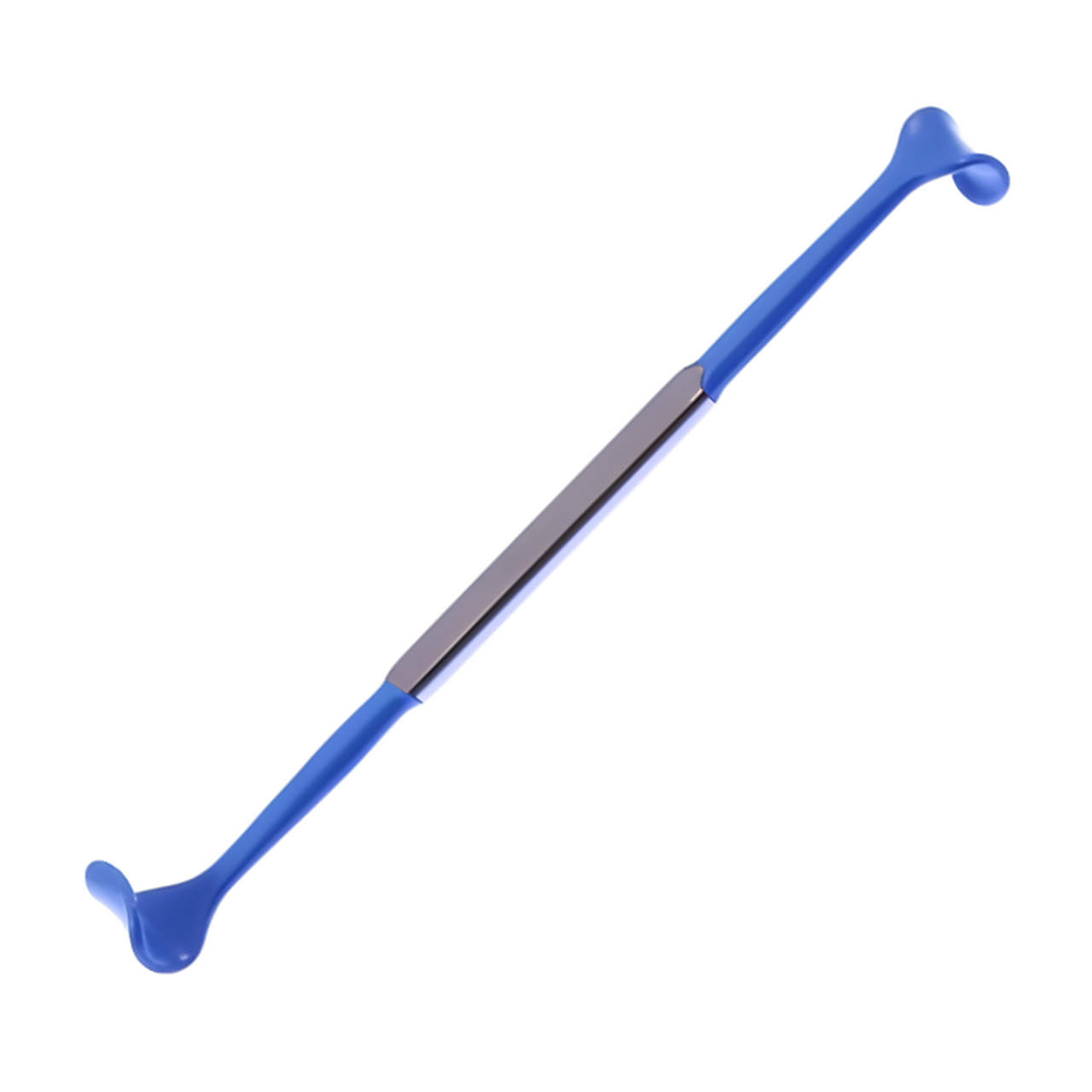 | Kawamoto Double Ended Insulated Retractor | Specifically designed to retract skin flaps and mucosa while insulating against electrosurgical thermal injury during plastic surgery. |
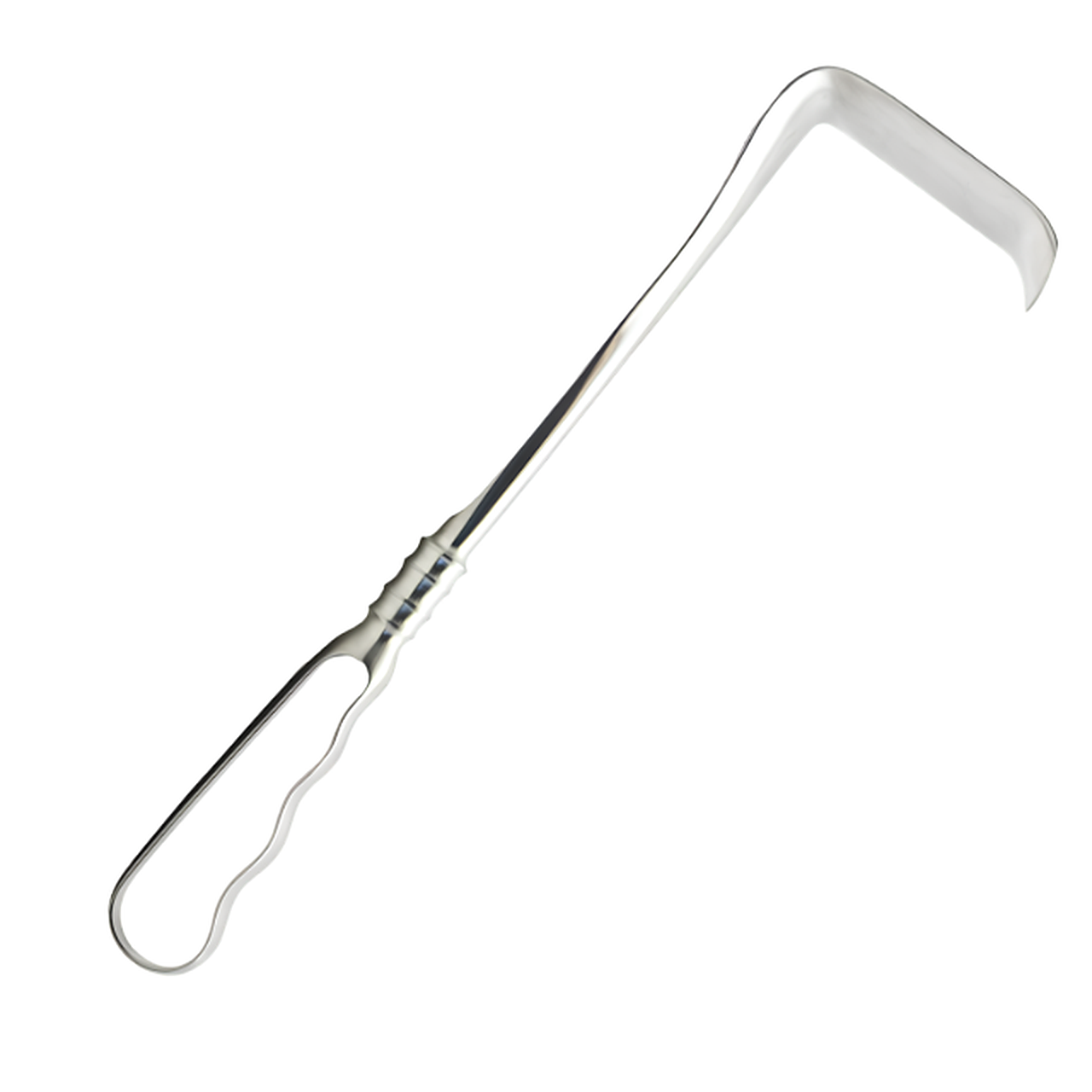 | Kelly Retractor | Specifically designed to retract the abdominal wall, viscera, and thick musculature during open general and gynecological surgery. |
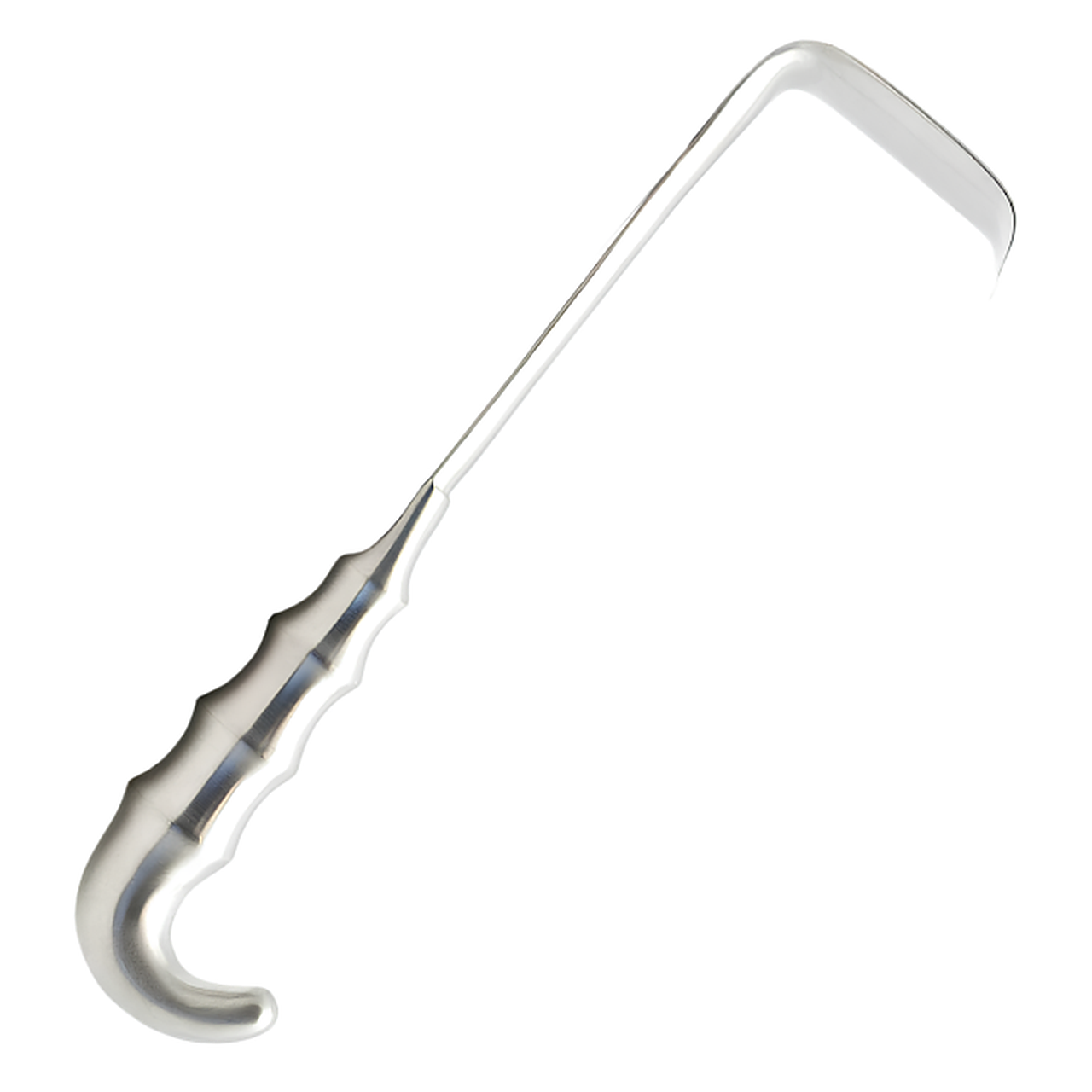 | Kelly Retractor-Grip Handle | Specifically designed to retract the abdominal wall, viscera, and thick musculature with reduced assistant fatigue during deep surgery. |
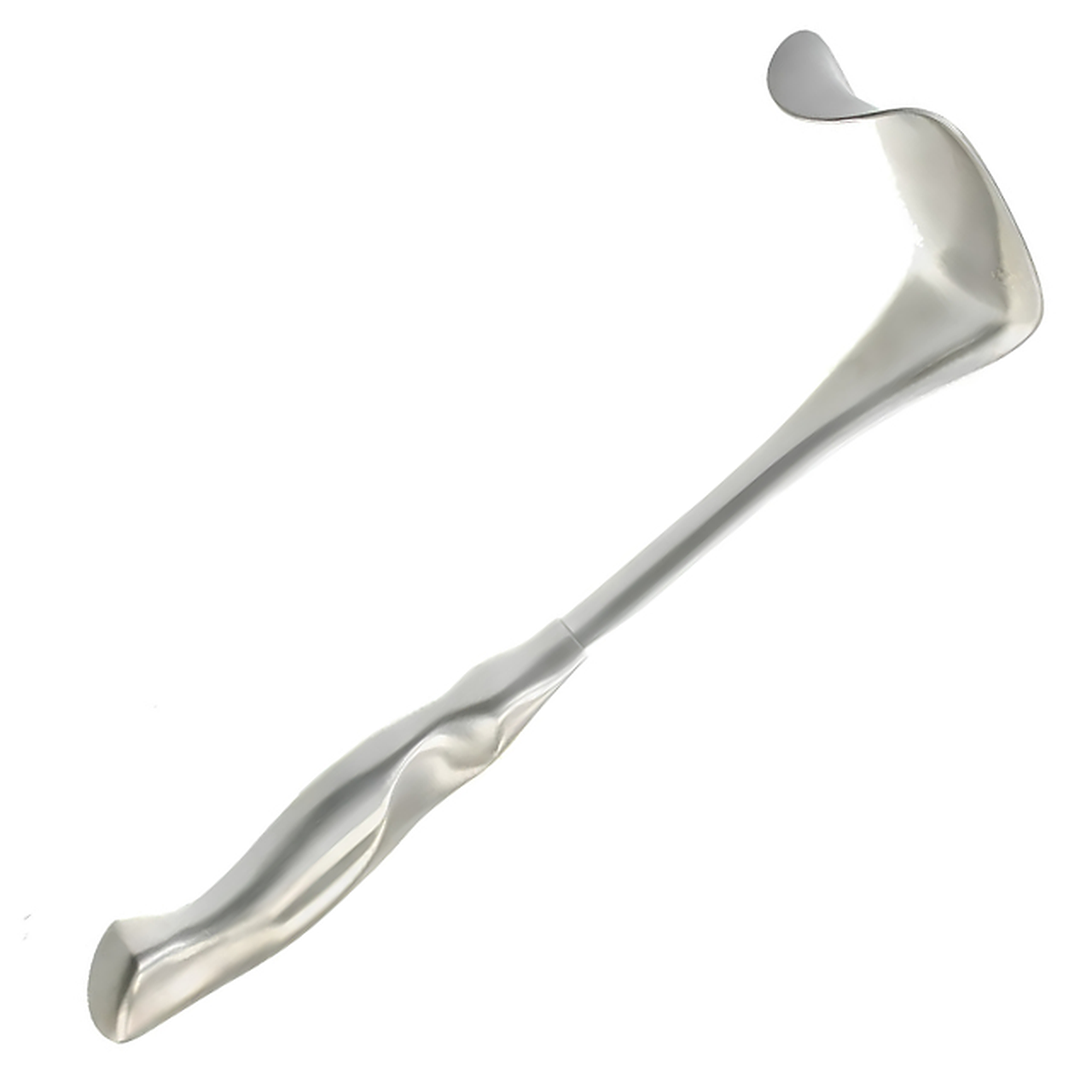 | Kelly Retractor-Lamb Handle | Specifically designed to retract the abdominal wall, viscera, and thick musculature with high pulling leverage during open surgery. |
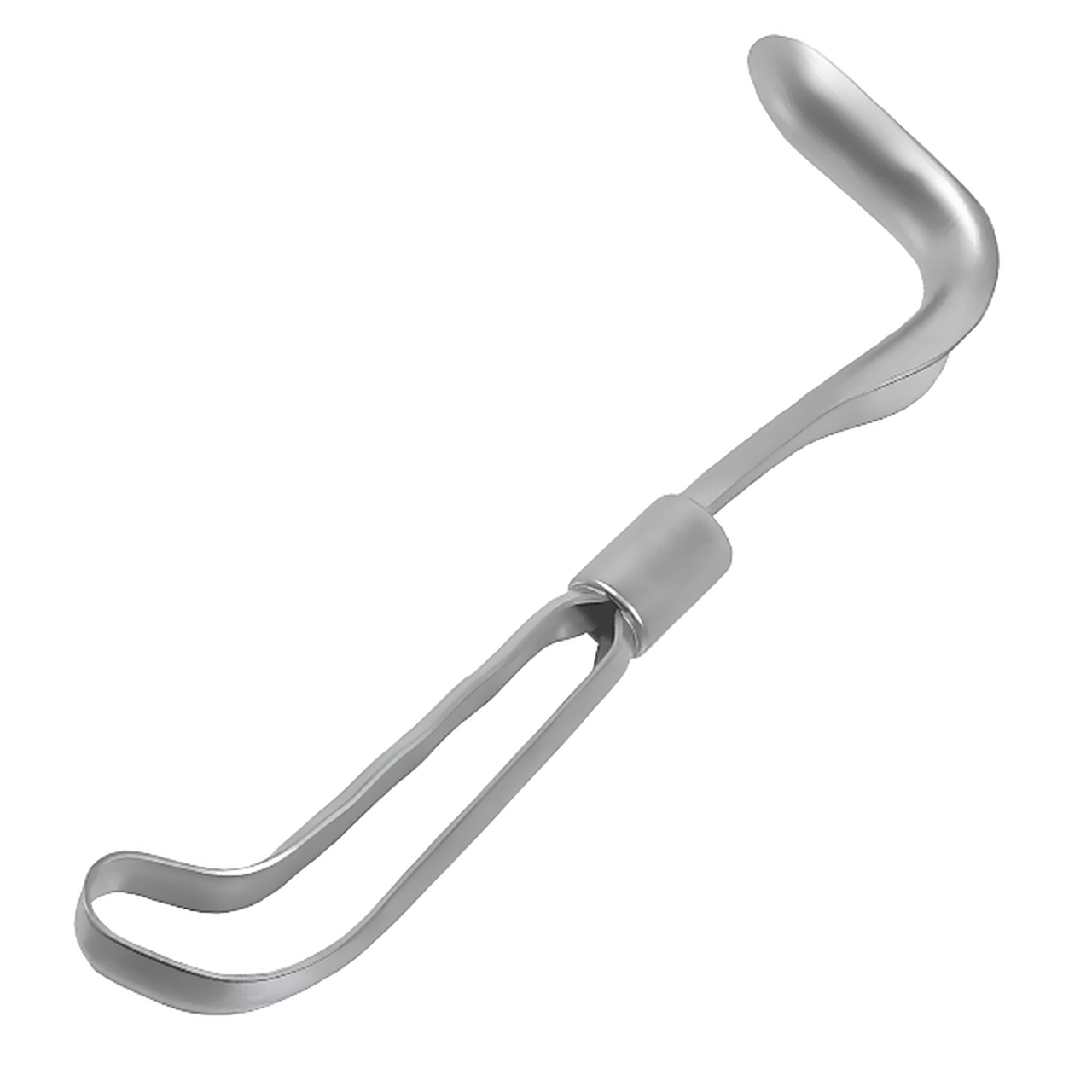 | Kelly Sims Vaginal Retractor | Specifically designed to retract the posterior and lateral vaginal walls during vaginal hysterectomy and pelvic reconstructive surgery. |
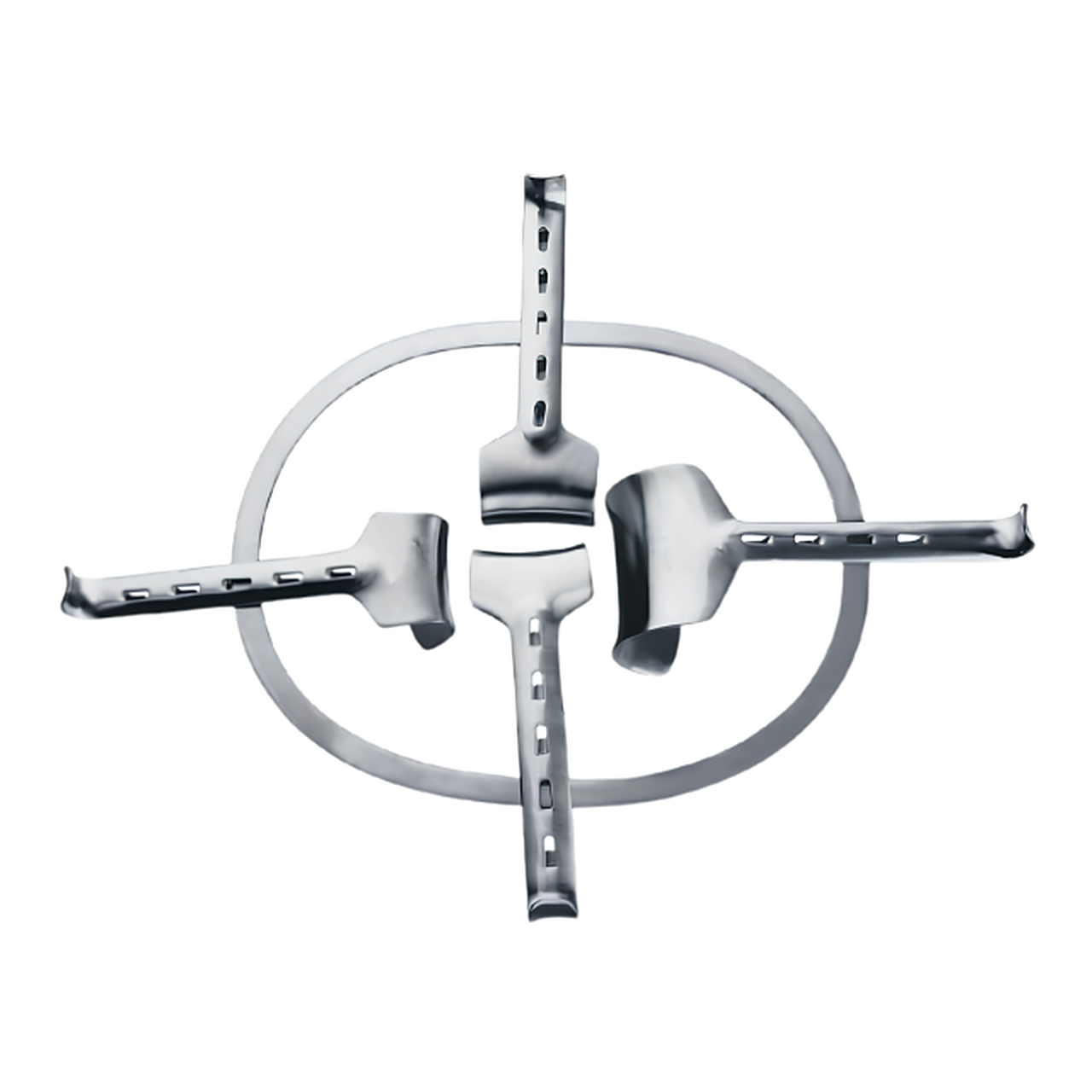 | Kirschner Retractor | Specifically designed to provide self-retaining, multi-directional wound margin and visceral retraction during major abdominal surgery. |
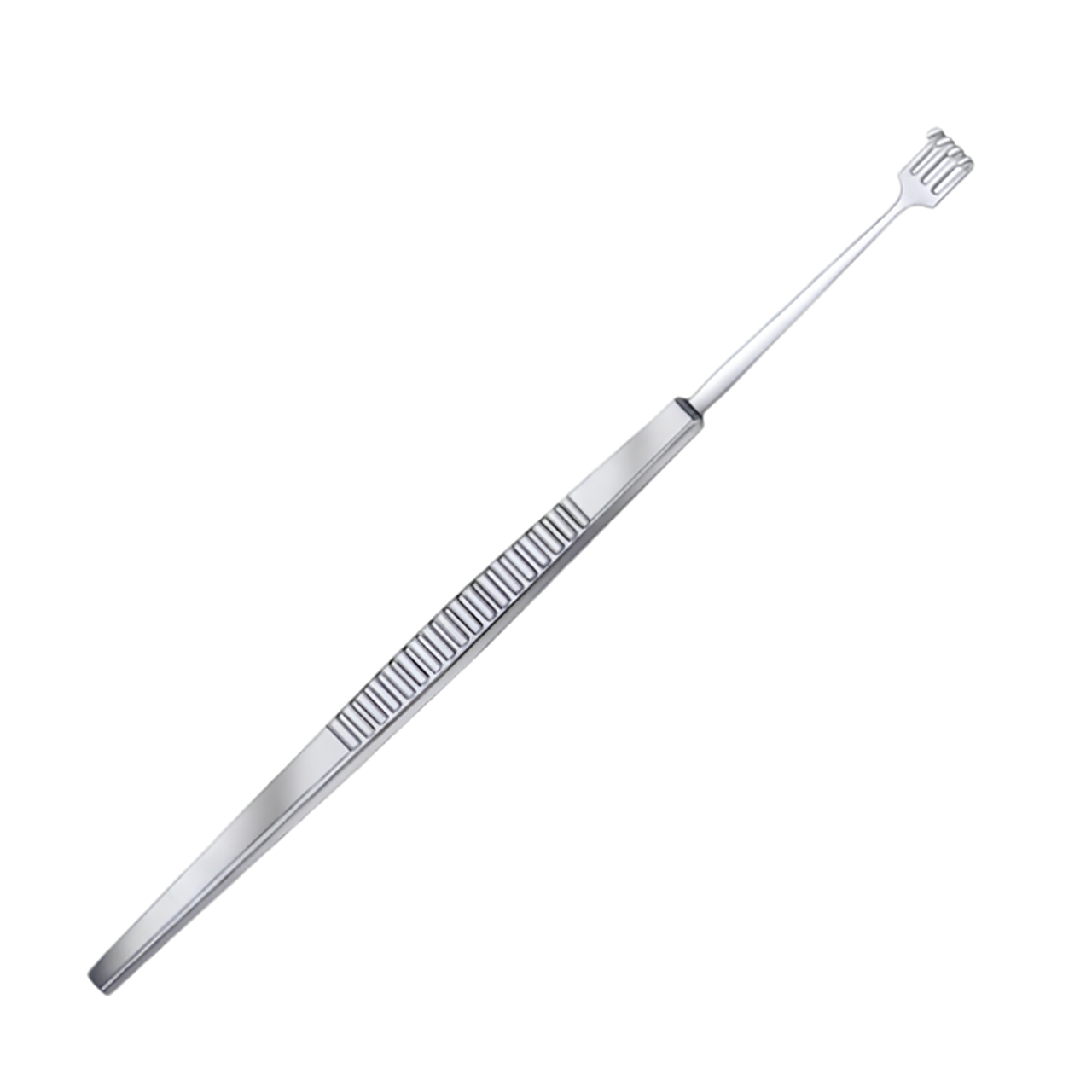 | Knapp Lacrimal Sac Retractor | Specifically designed to retract skin flaps, medial canthal structures, and the lacrimal sac during ophthalmic surgery. |
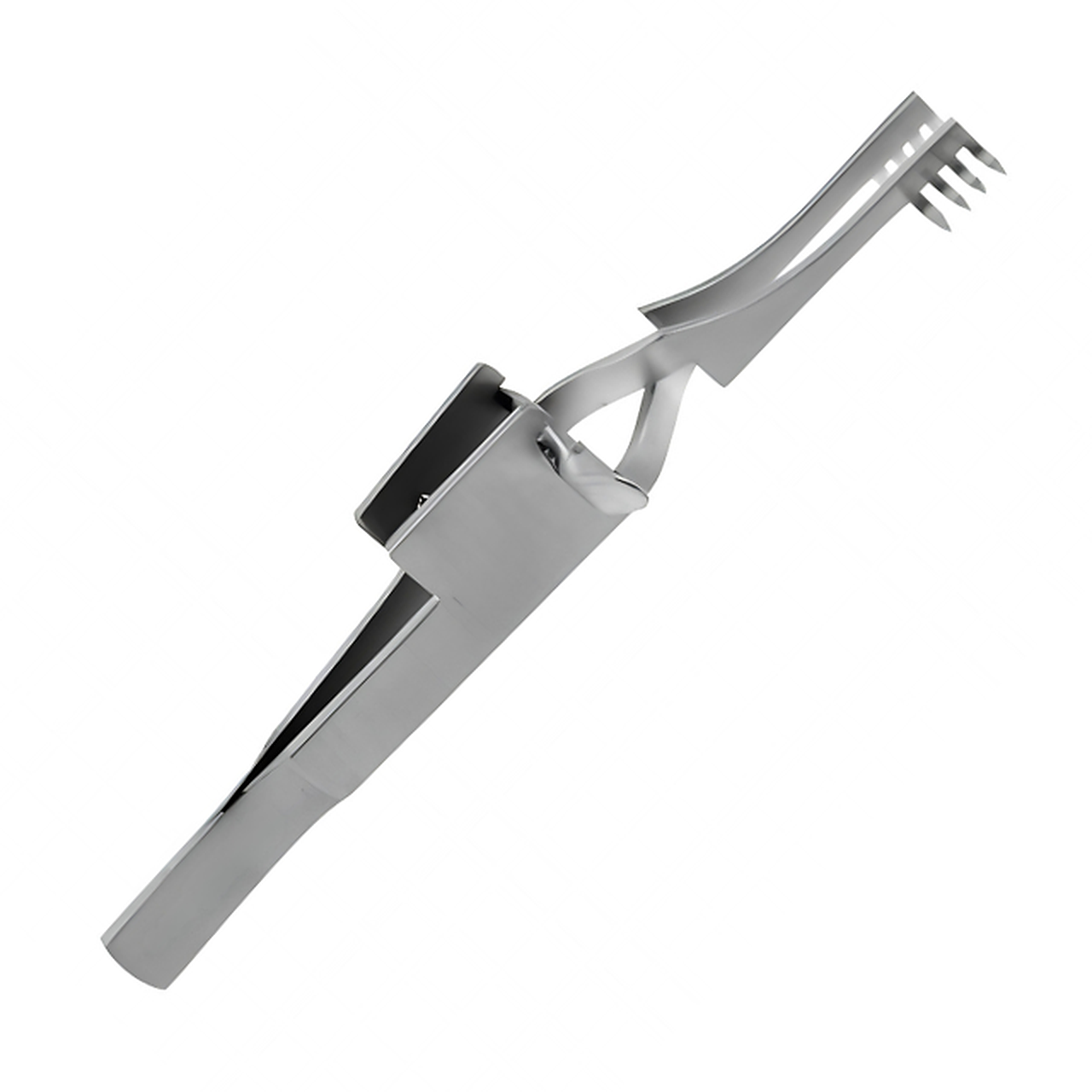 | Knapp Self-Retaining Retractor | Specifically designed to provide self-retaining wound margin separation during lacrimal, ophthalmic, and minor plastic procedures. |
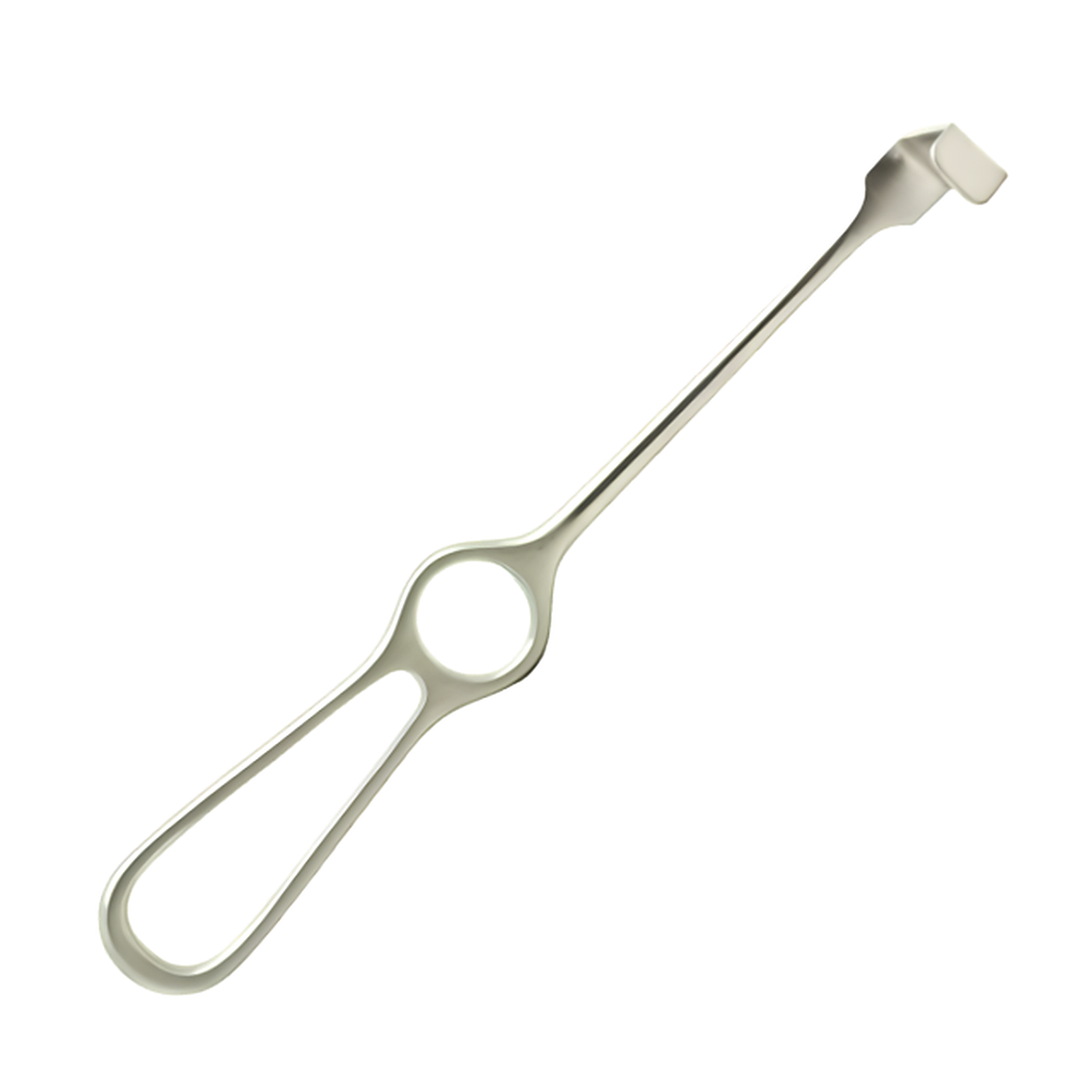 | Kocher Langenbeck Retractor | Specifically designed to retract soft tissue, muscle layers, and wound margins across general, orthopedic, and plastic surgery. |
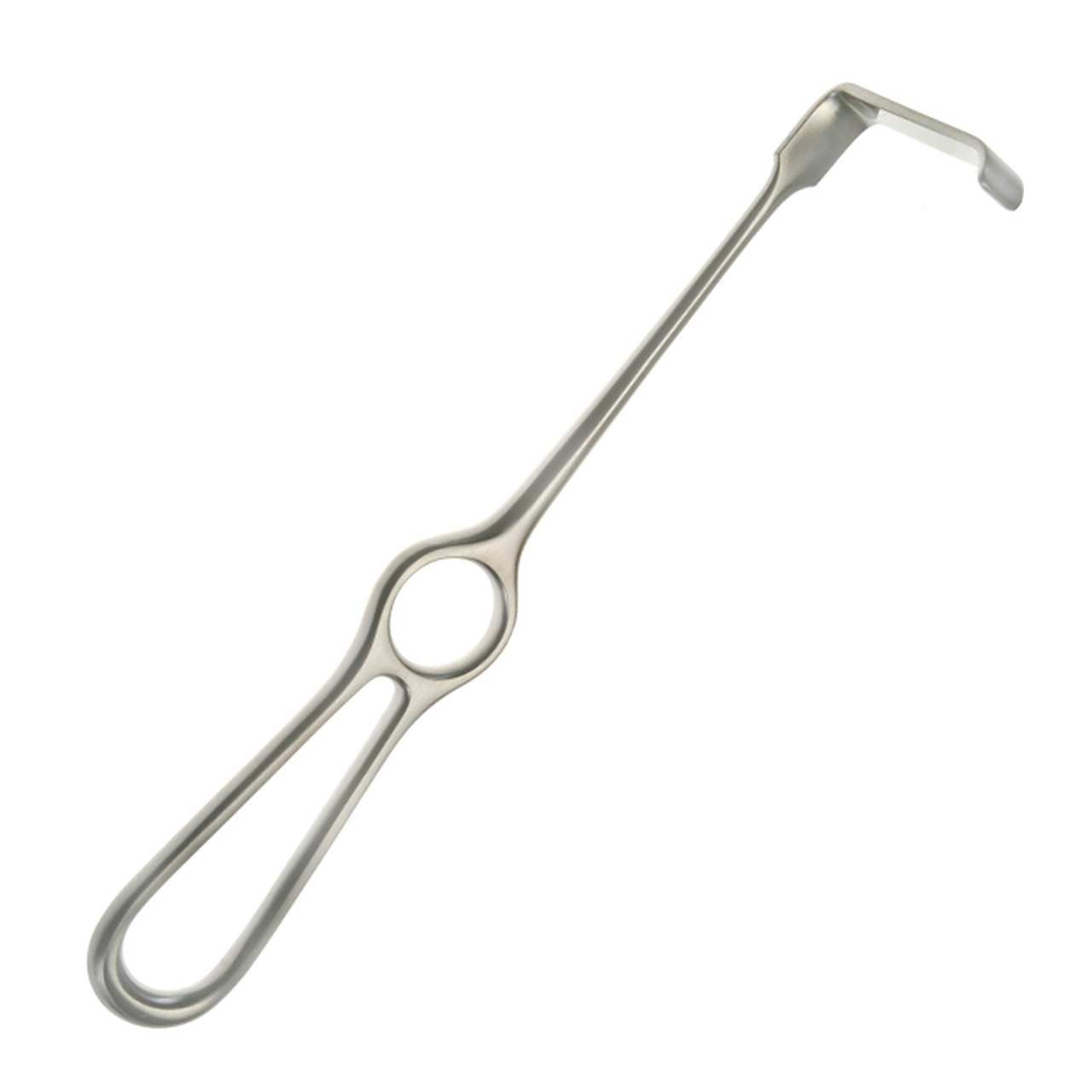 | Kocher Retractor | Specifically designed to retract muscle, fascia, and wound margins during thyroid, general, and orthopedic surgery. |
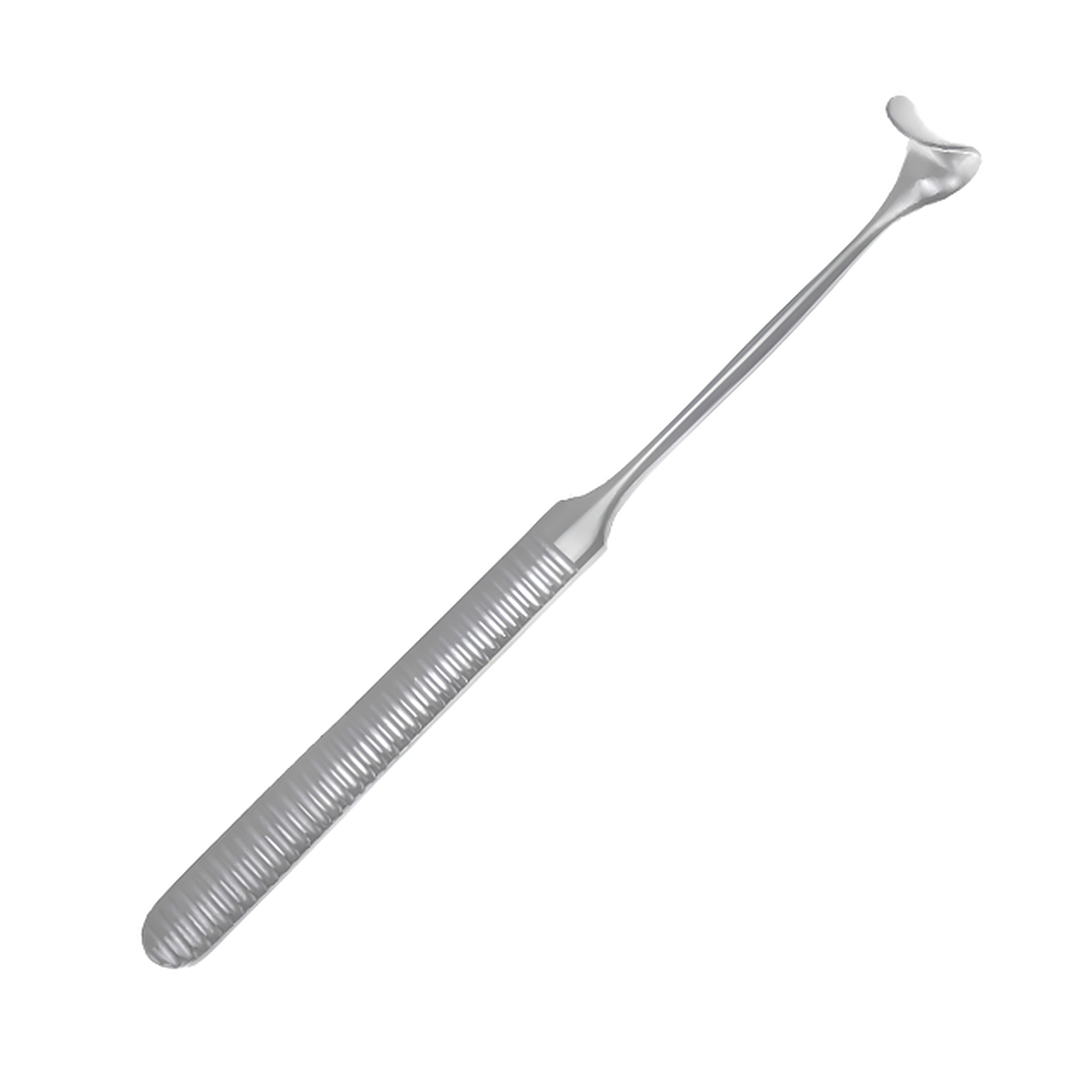 | Koenig Retractor | Specifically designed to retract skin margins, fascia, and superficial muscle layers during general, orthopedic, and plastic surgery. |
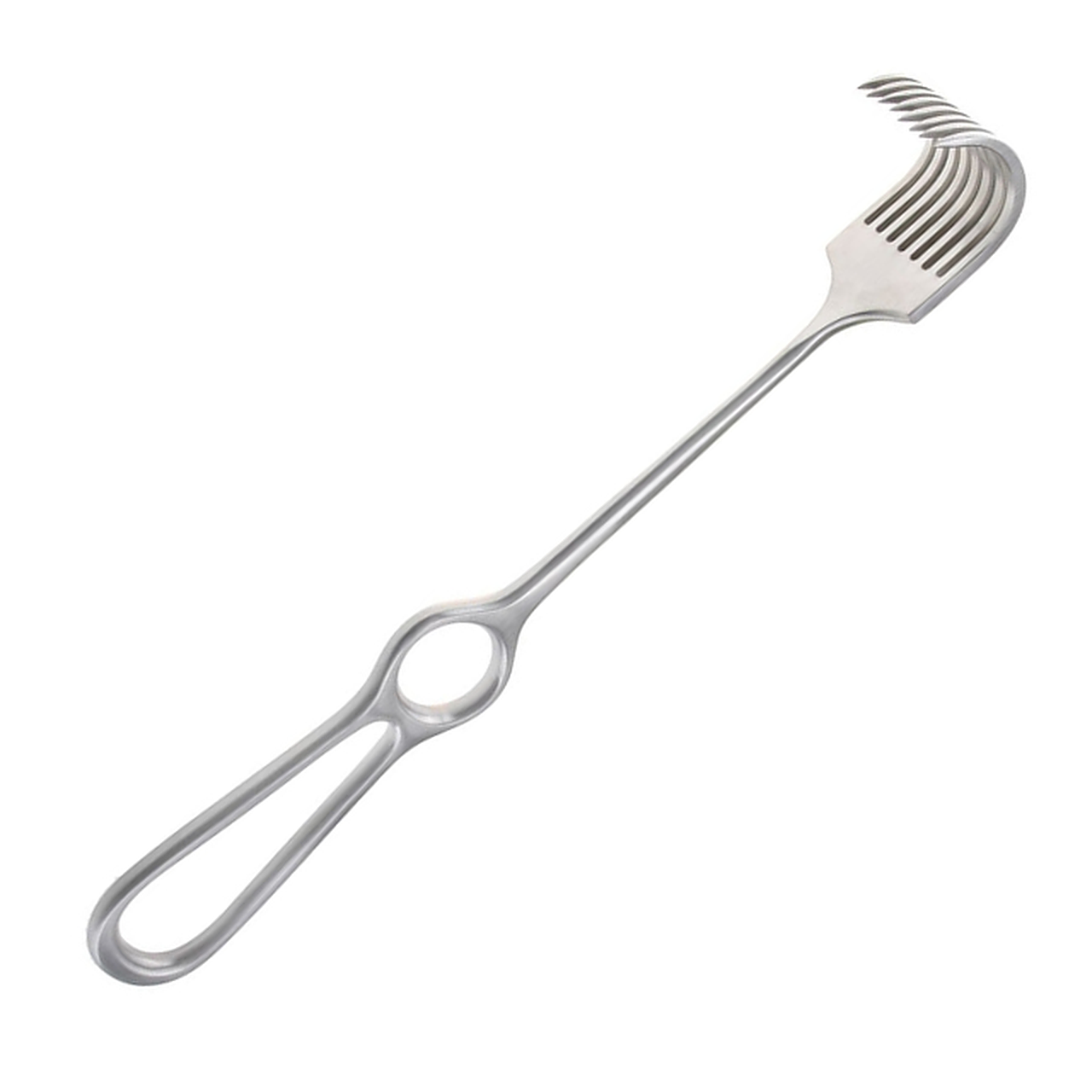 | Koerte Retractor | Specifically designed to retract dense muscular layers, fascia, and thick tissue margins during abdominal and orthopedic surgery. |
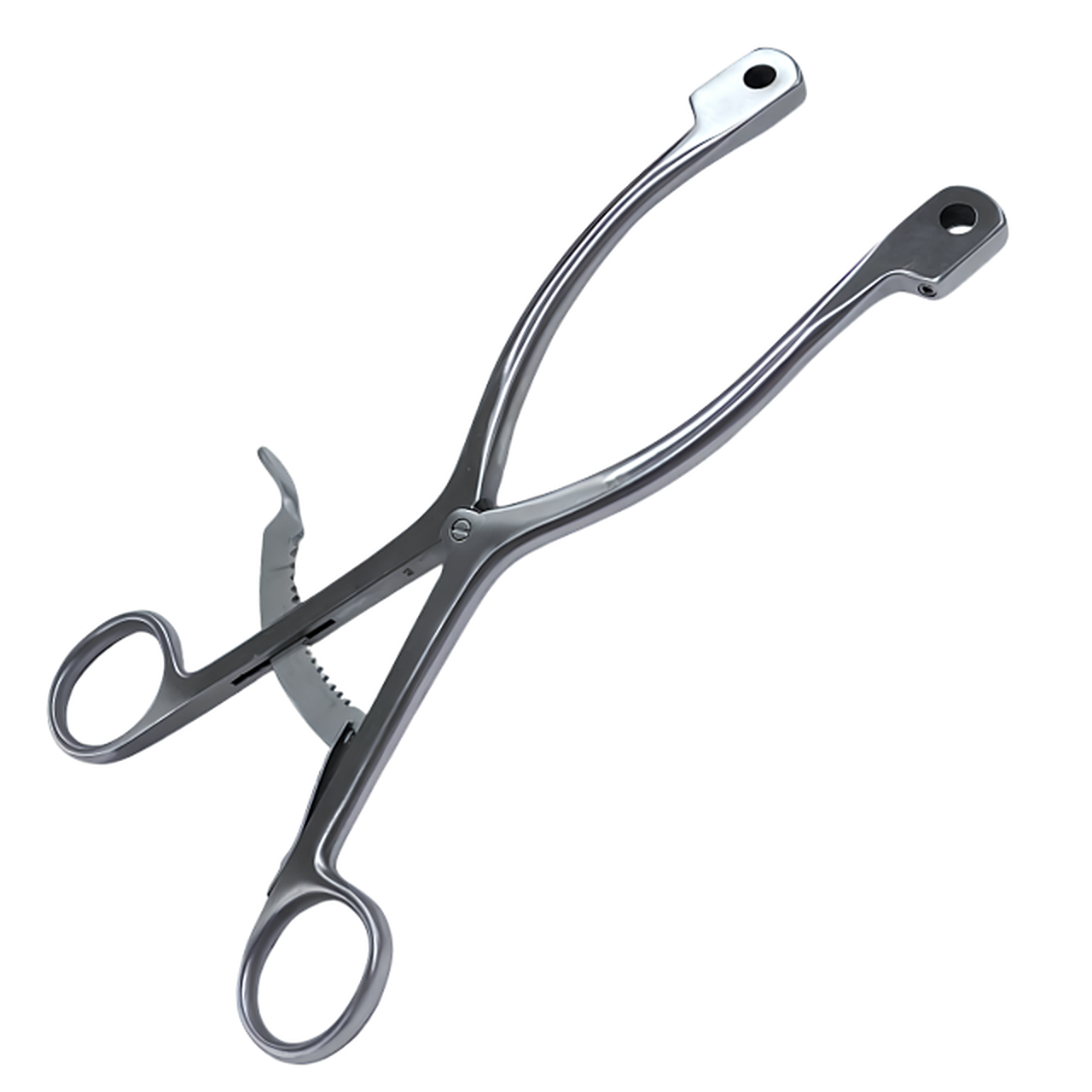 | Kolbel Shoulder Retractor Frame | Specifically designed to mount modular blades and provide self-retaining soft-tissue retraction during shoulder arthroplasty. |
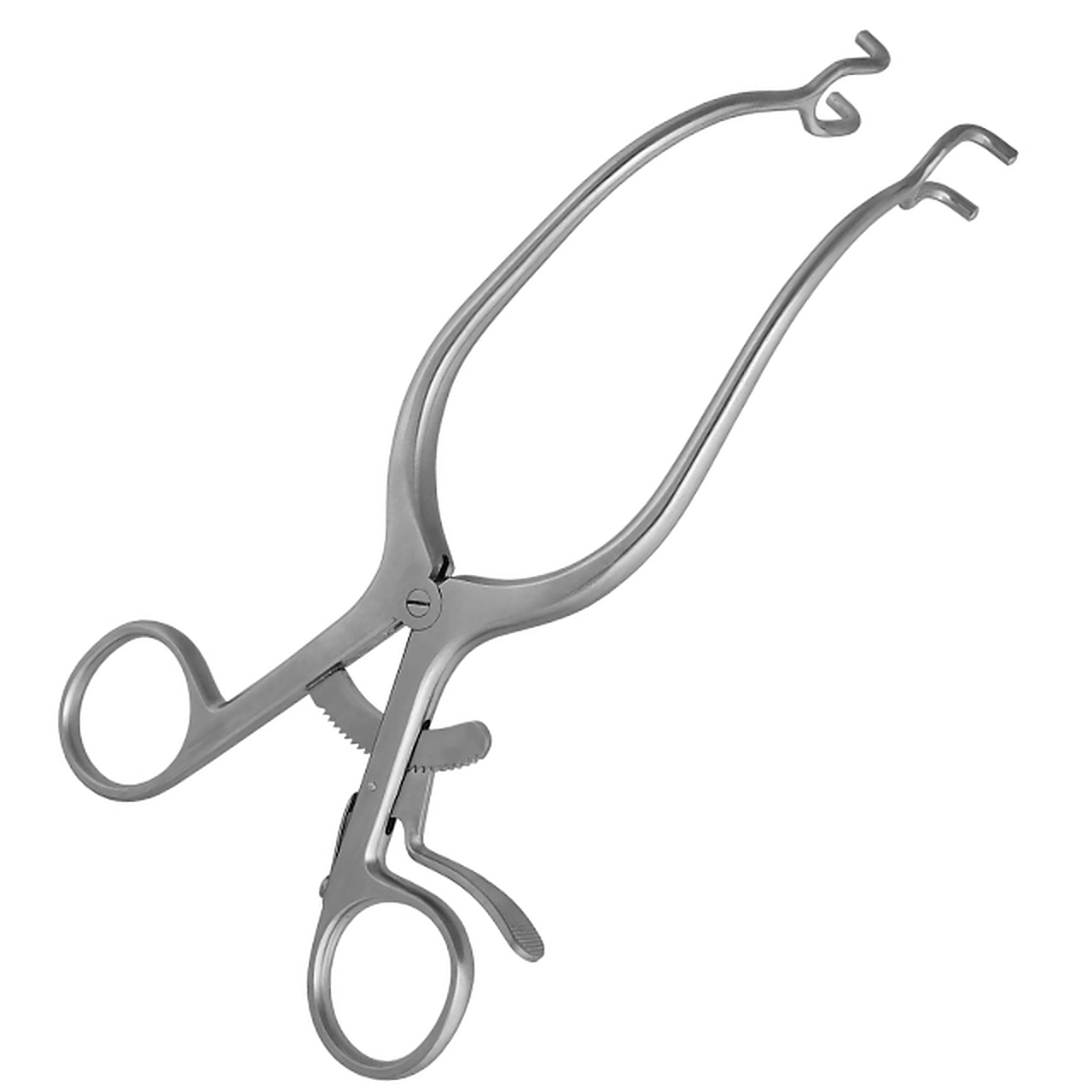 | Kolbel Soft Tissue Retractor | Specifically designed to retract muscles, capsule, and soft tissues during shoulder arthroplasty and reconstructive surgery. |
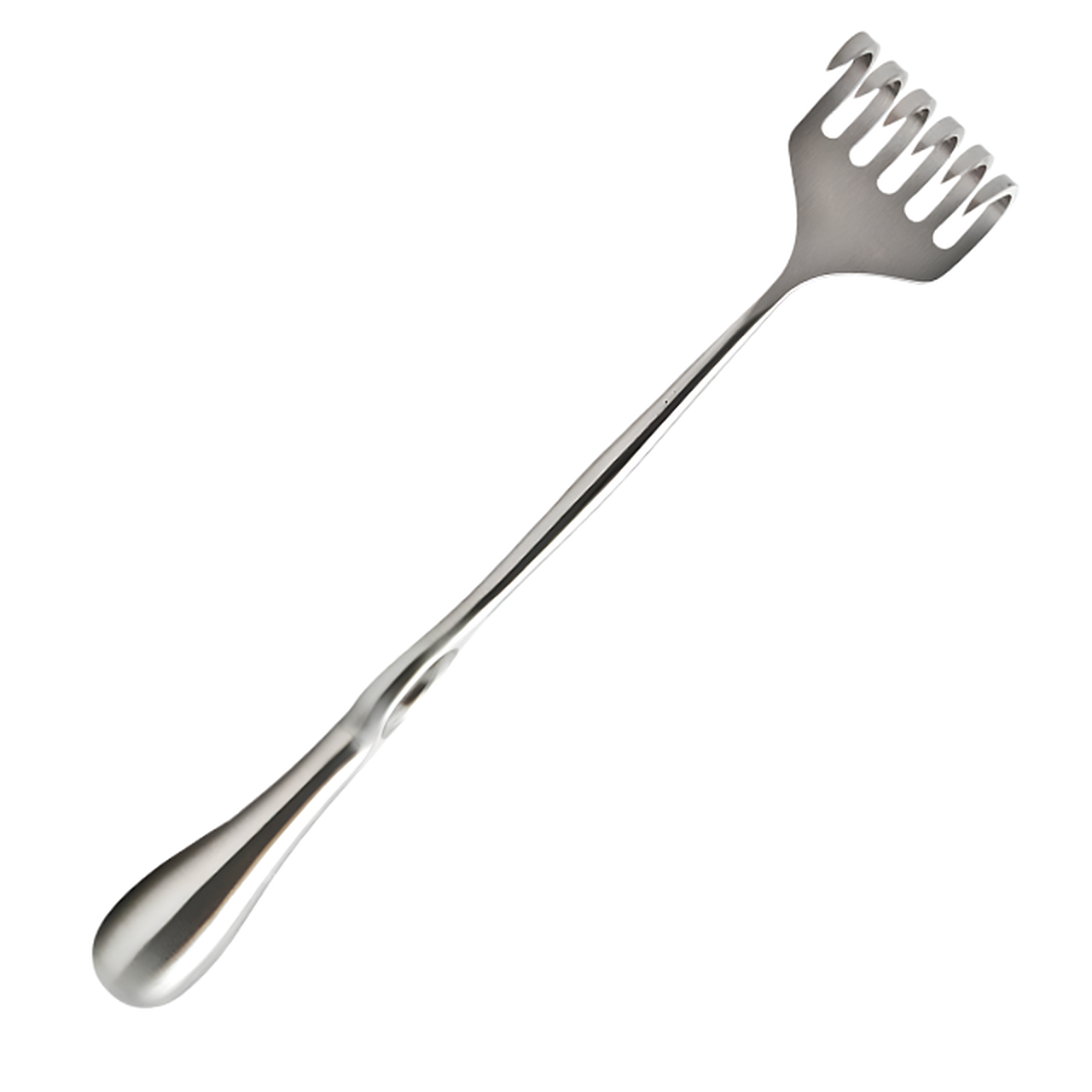 | Krasky Retractor | Specifically designed to retract dense muscular layers and deep fascia during open general and orthopedic surgery. |
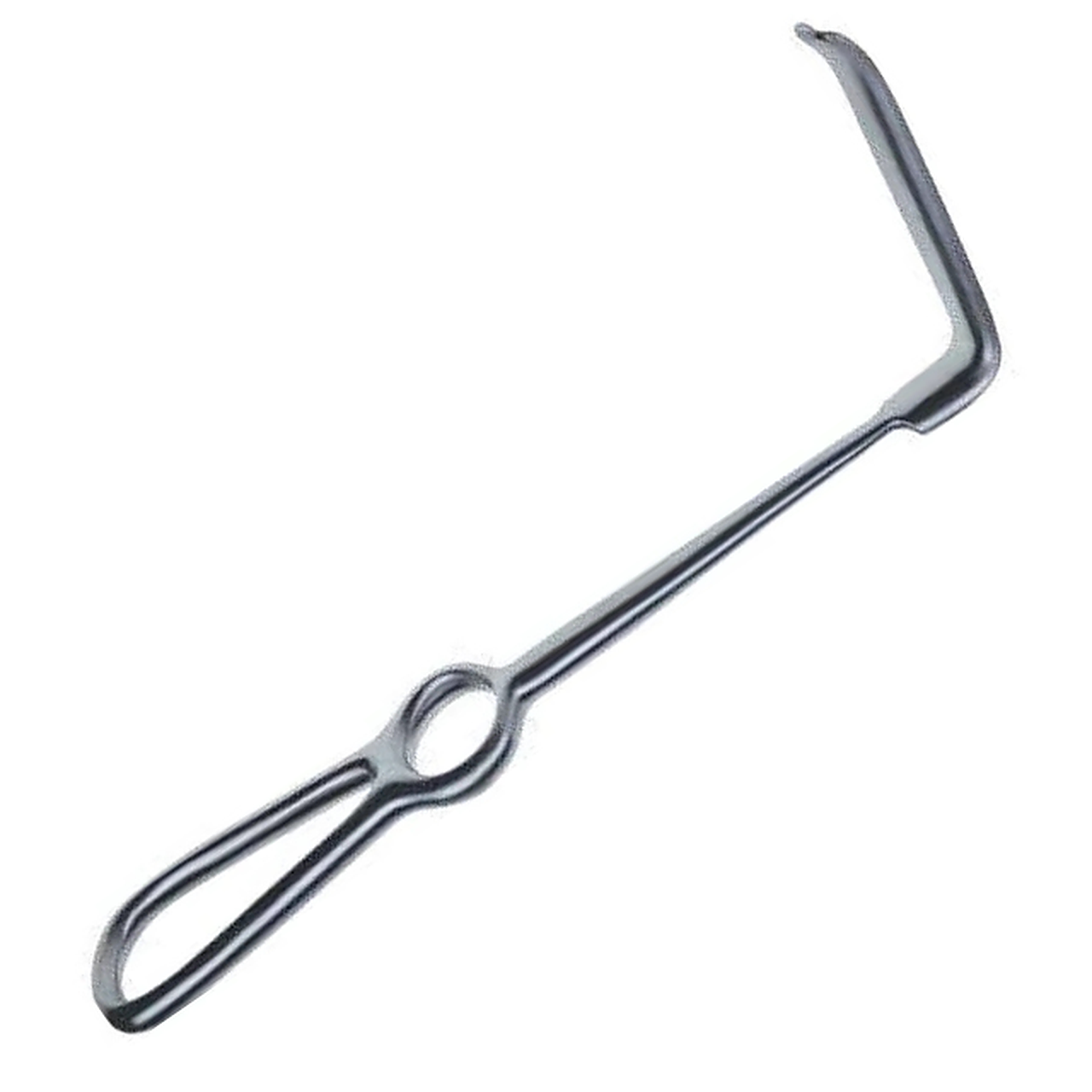 | Kreidler Soft Tissue Retractor | Specifically designed to retract mucoperiosteal flaps and soft tissues during oral, maxillofacial, and orthognathic surgery. |
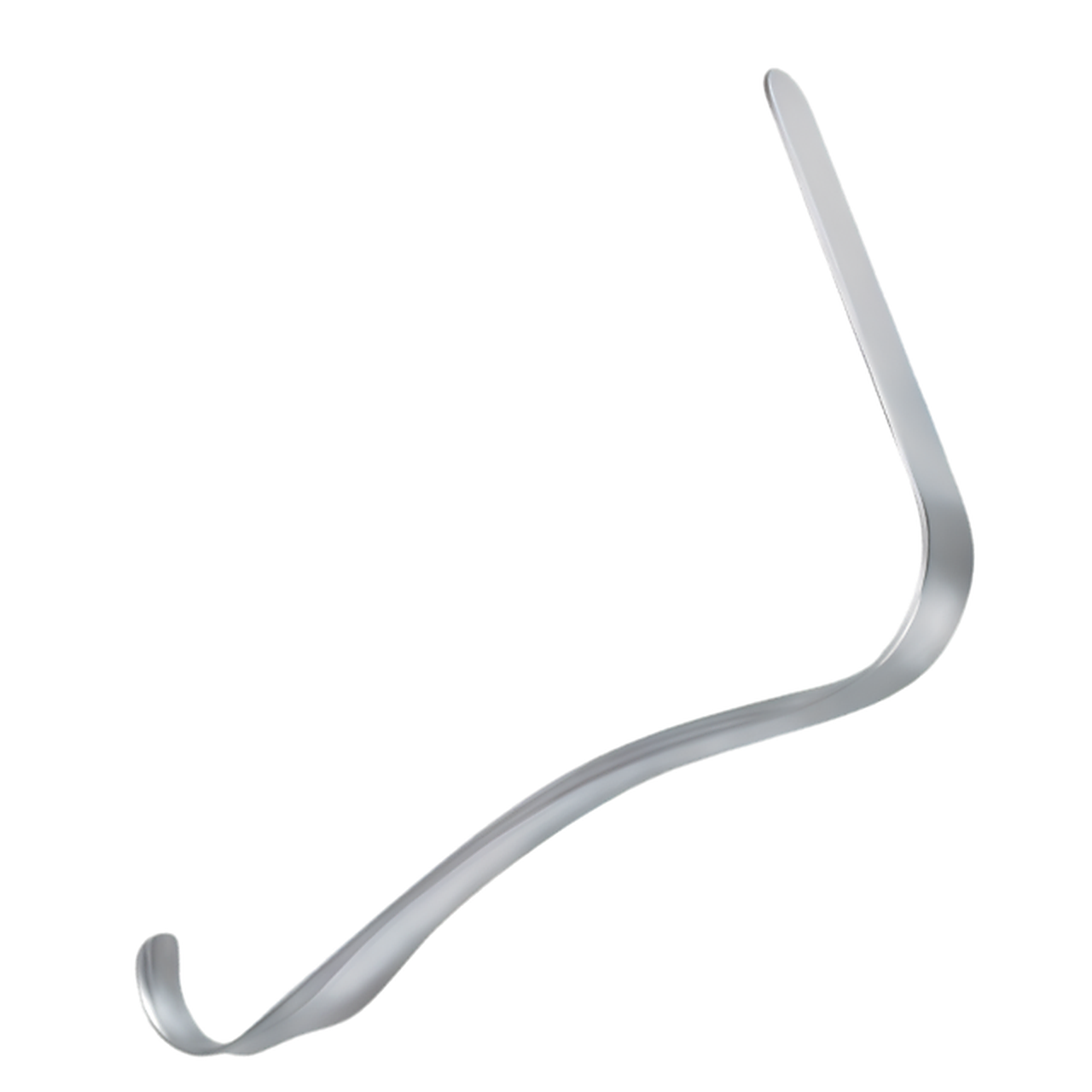 | Kristeller Vaginal Retractor | Specifically designed to retract the vaginal walls and provide pelvic vault visualization during gynecological procedures. |
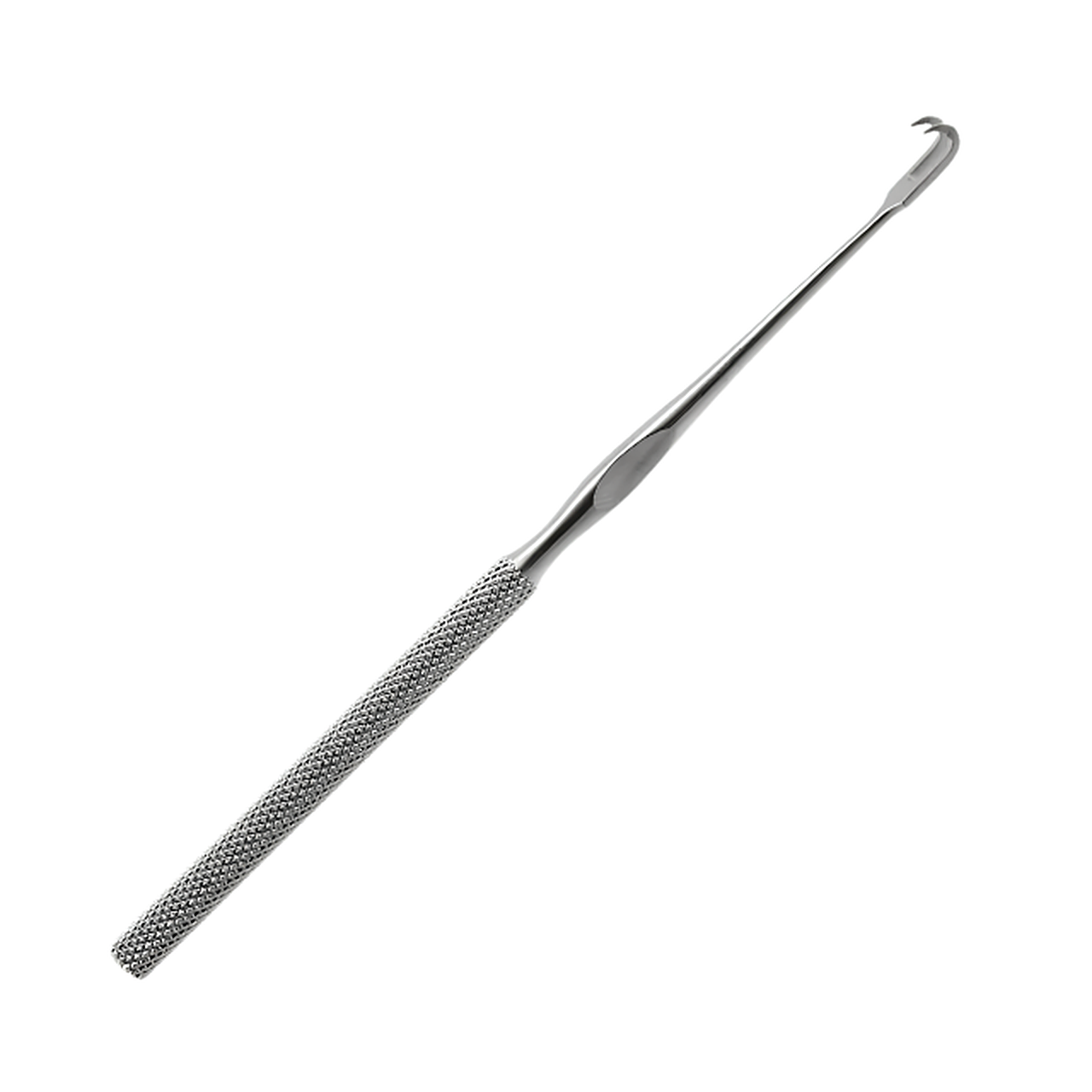 | Lahey Finger Retractor | Specifically designed to retract skin flaps, cutaneous margins, and superficial fascia during plastic and hand surgery. |
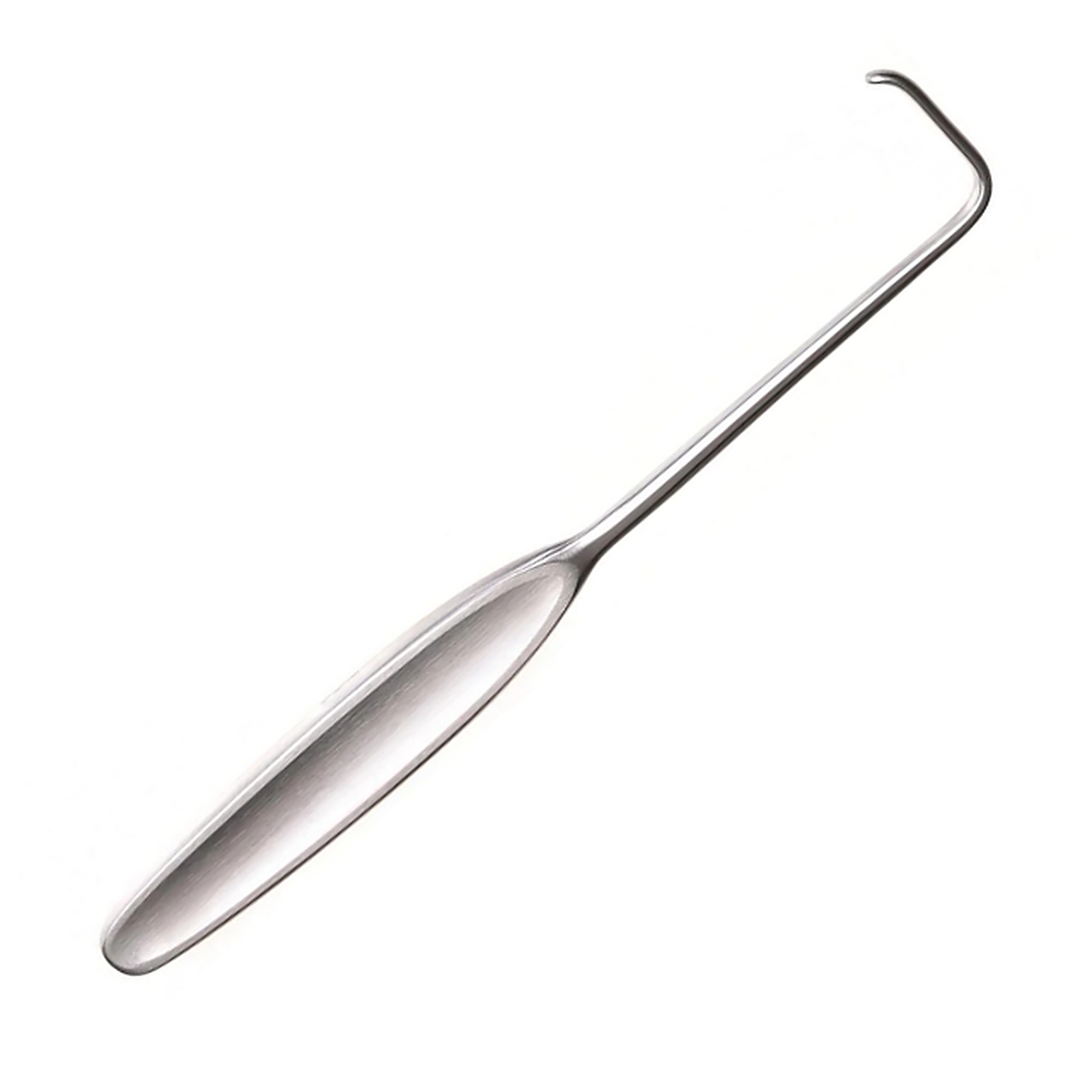 | Lahey Retractor | Specifically designed to provide atraumatic soft-tissue retraction and structured exposure during thyroid, neck, and general surgical procedures. |
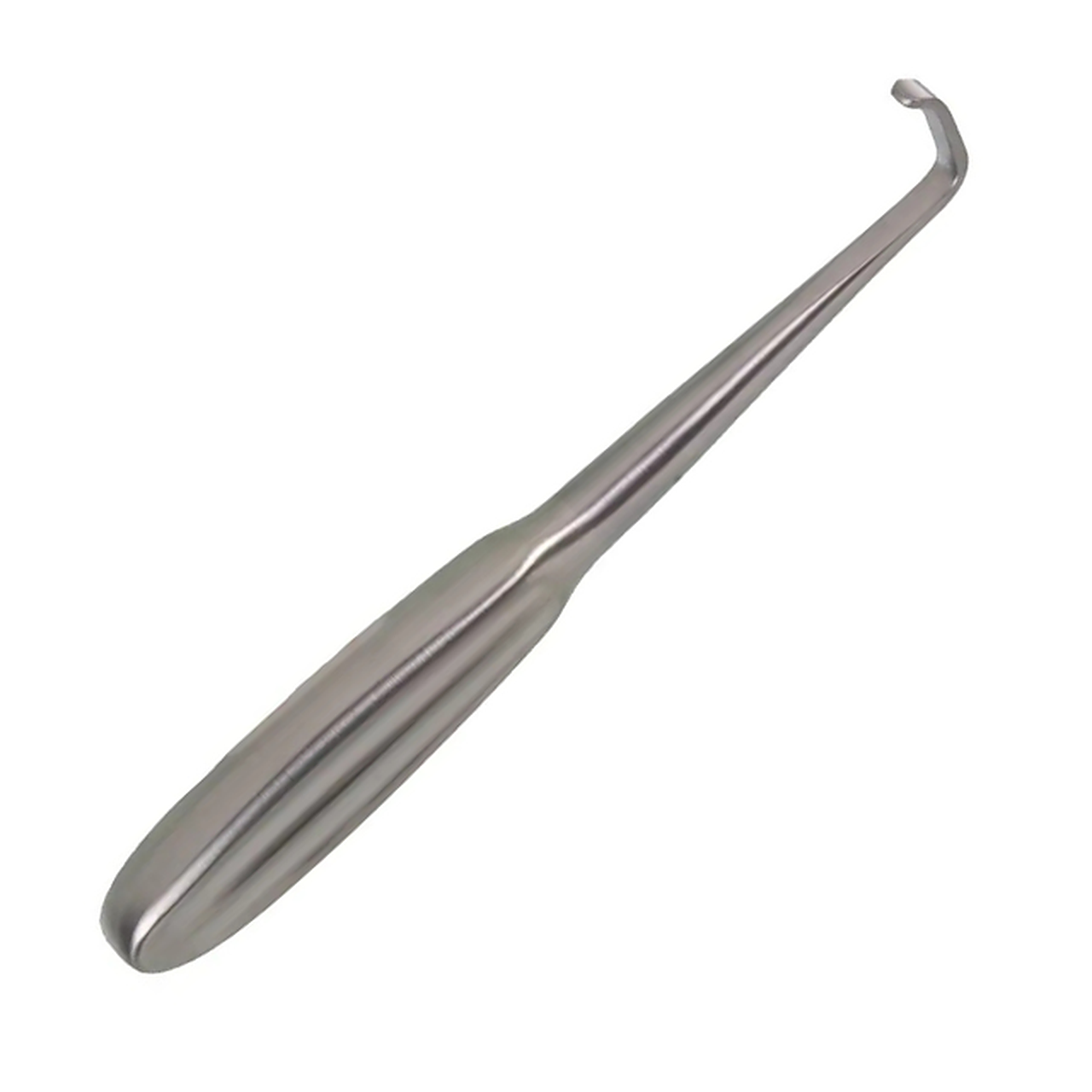 | Lahey Thyroid Retractor | Specifically designed to retract strap muscles, cervical fascia, and soft tissues during thyroidectomy and parathyroid procedures. |
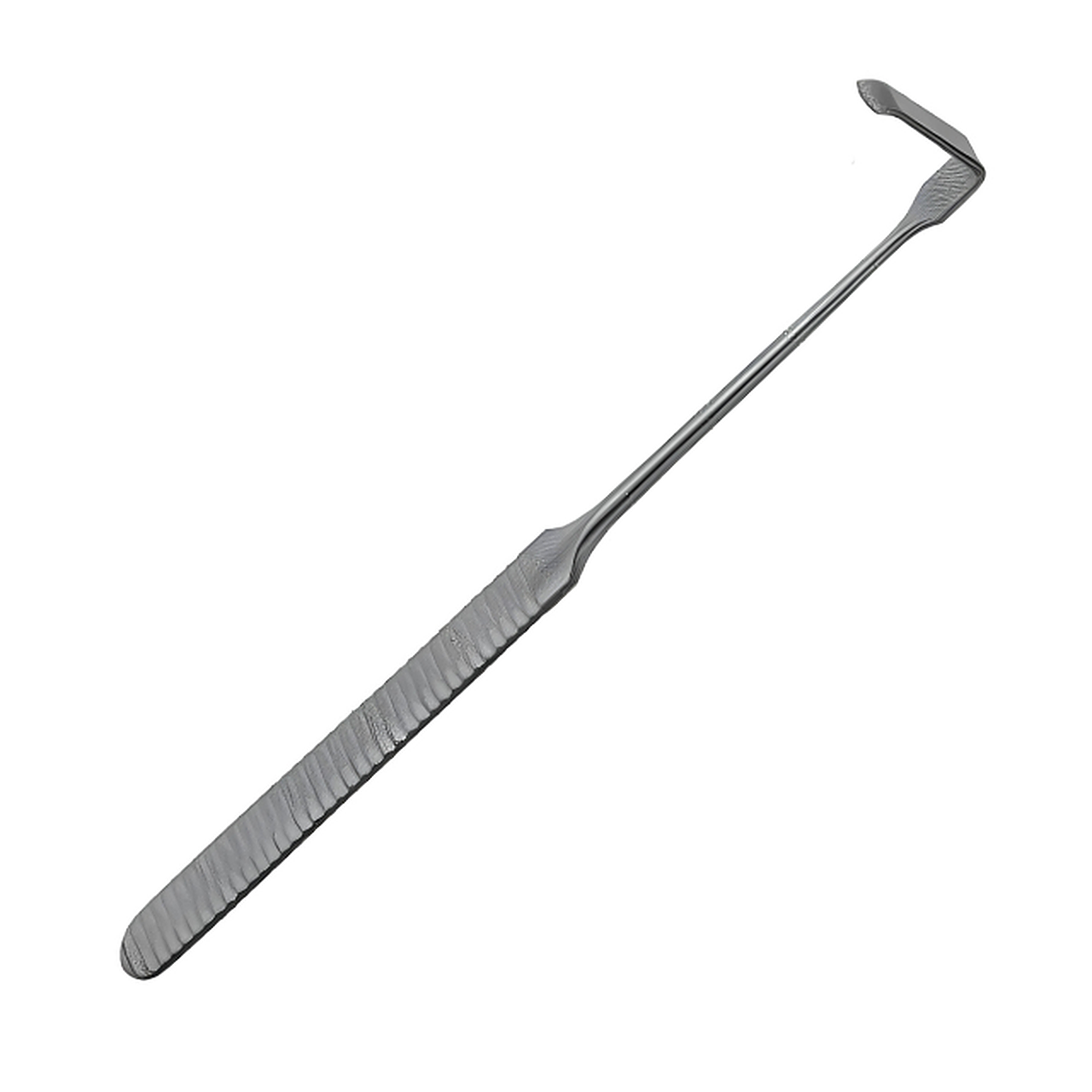 | Langenbeck Green Retractor | Specifically designed to retract strap muscles, cervical fascia, and wound margins during thyroid, neck, and general surgery. |
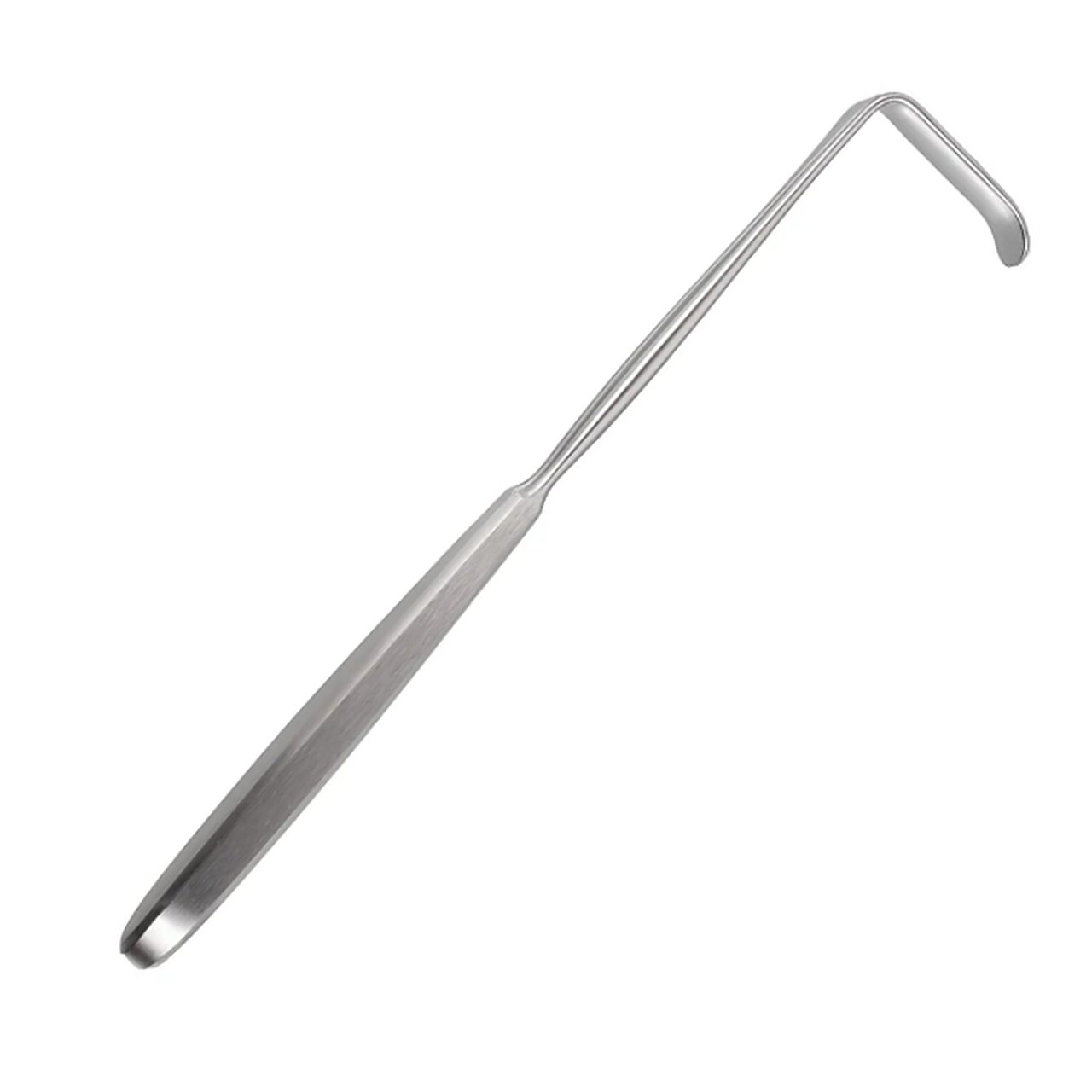 | Langenbeck Retractor-Solid Handle | Specifically designed to retract muscle layers, fascia, and wound margins during general, orthopedic, and plastic surgery. |
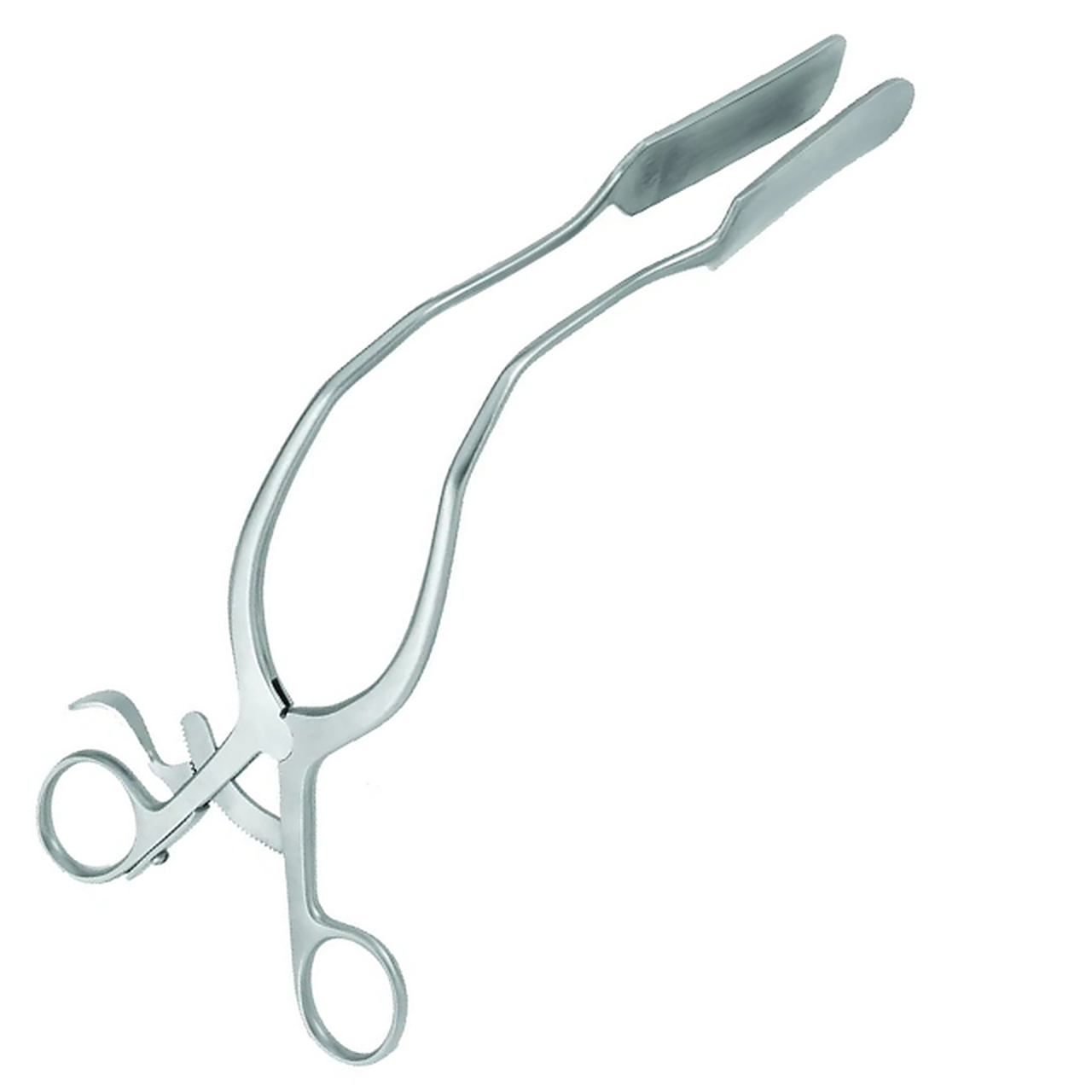 | Lateral Ebonized Vaginal Retractor | Specifically designed to retract lateral vaginal walls during laser and electrosurgical gynecological procedures. |
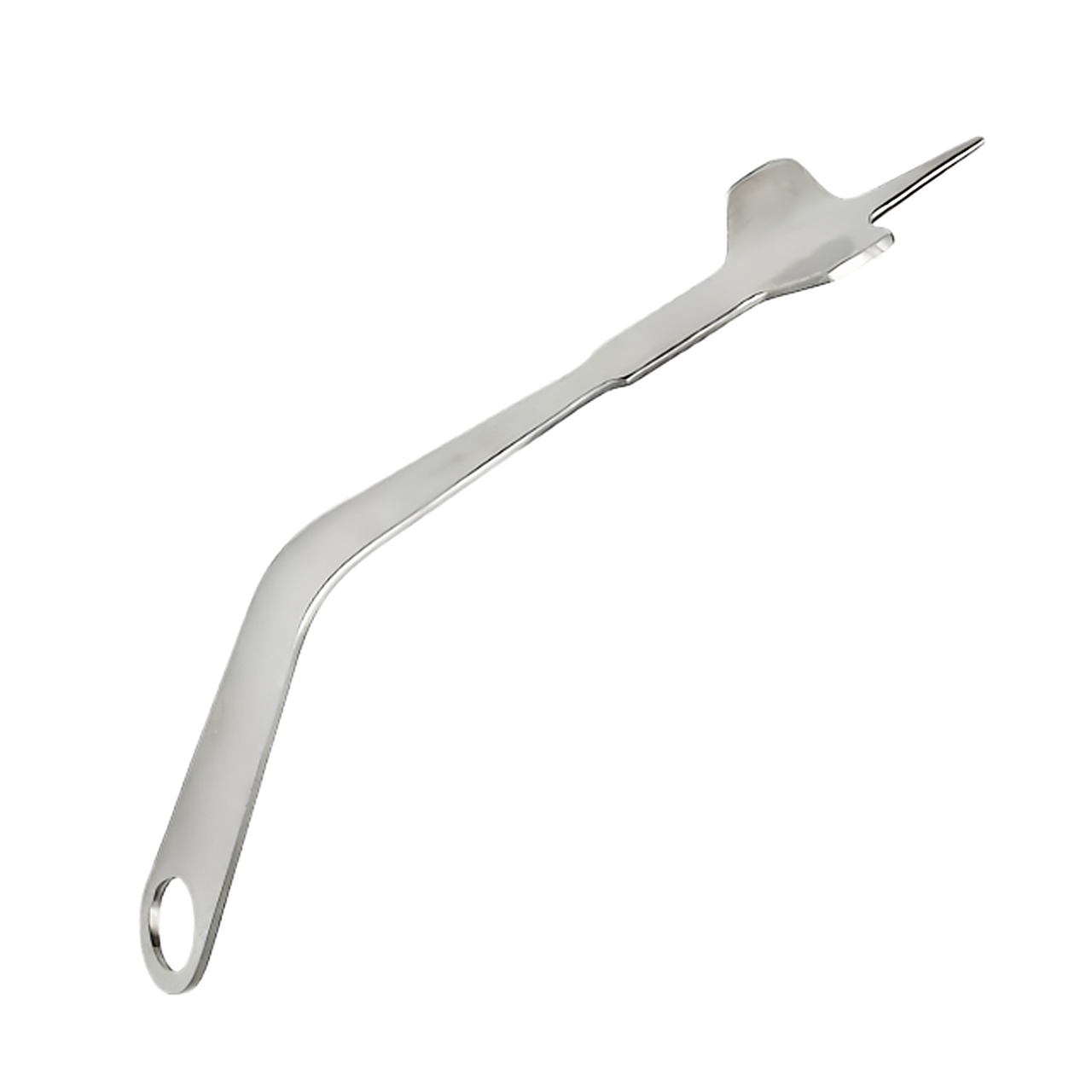 | Lateral Fat Pad Retractor | Specifically designed to retract the infrapatellar fat pad and soft tissues during total knee arthroplasty and knee reconstruction. |
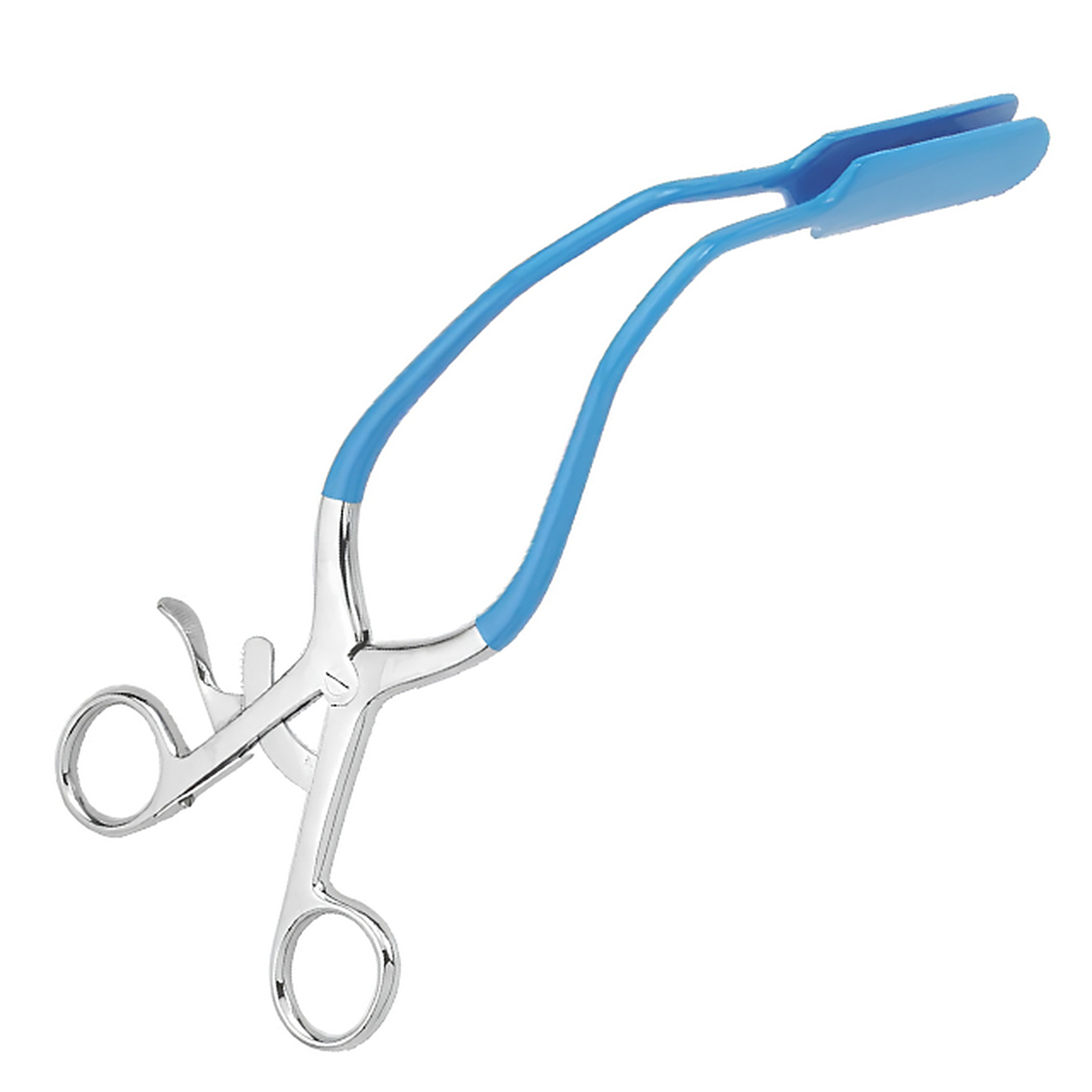 | Lateral Nonconductive Vaginal Retractor | Specifically designed to retract lateral vaginal walls during electrosurgery and laser gynecological procedures. |
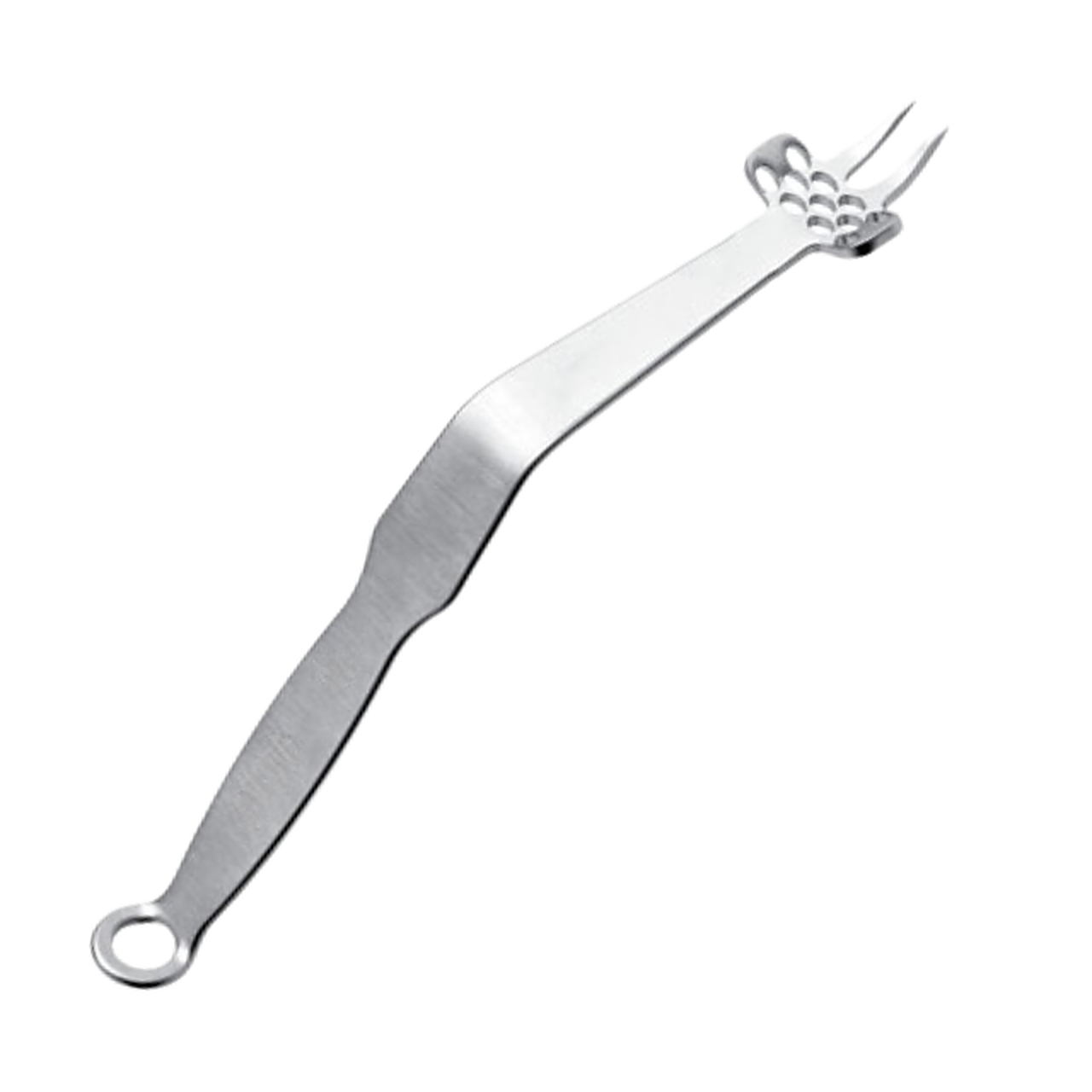 | Lateral Soft Tissue Retractors | Specifically designed to retract lateral soft tissue, capsule, and collateral ligaments during total knee arthroplasty. |
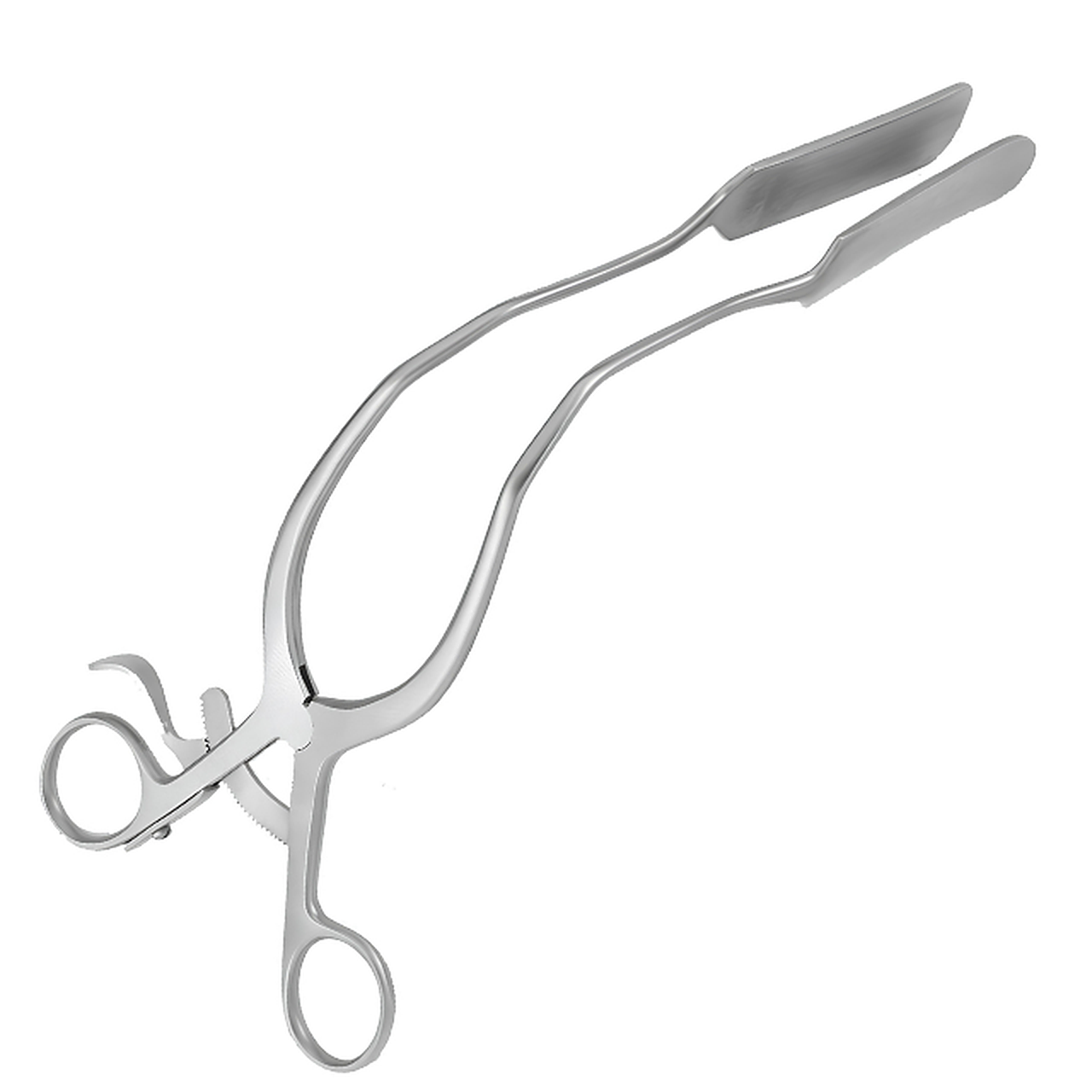 | Lateral Wall Vaginal Retractor | Specifically designed to retract lateral vaginal walls and prevent tissue collapse during vaginal surgery and electrosurgical procedures. |
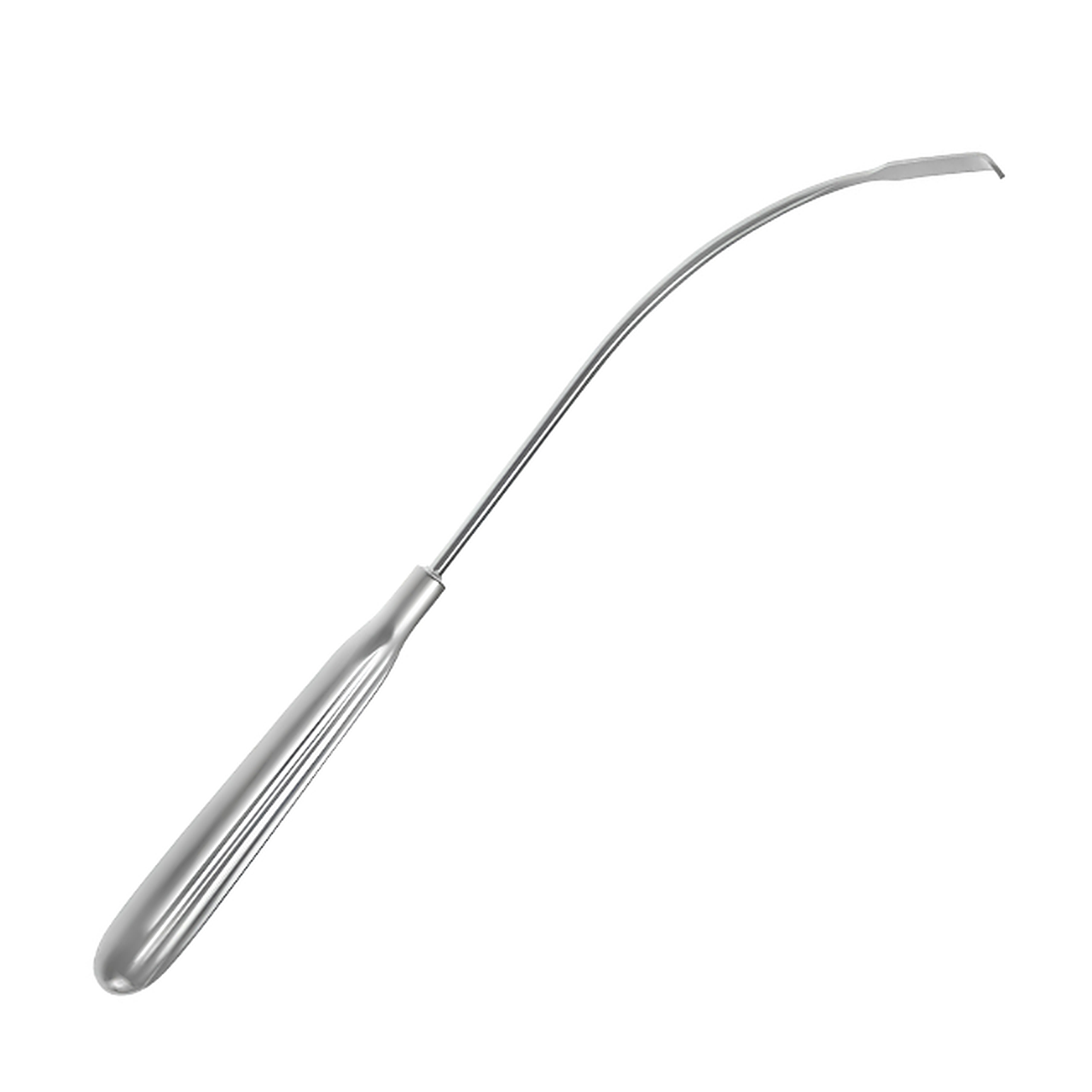 | Leaflet Retractor | Specifically designed to retract and elevate heart valve leaflets during open cardiac valve repairs and replacements. |
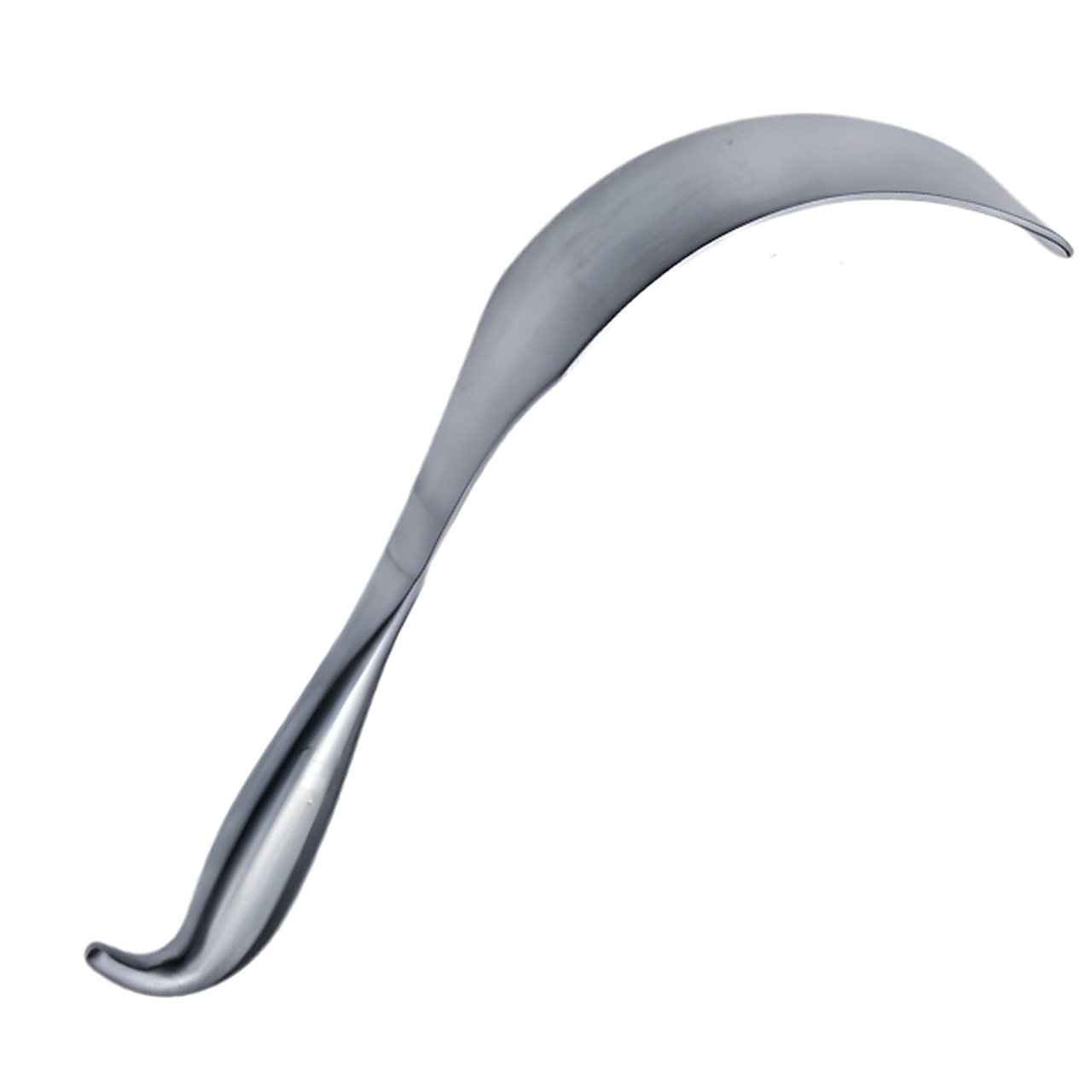 | Leriche Retractor-Atraumatic Wide Blade | Specifically designed to retract the abdominal wall, pelvic viscera, and thick musculature during open surgery. |
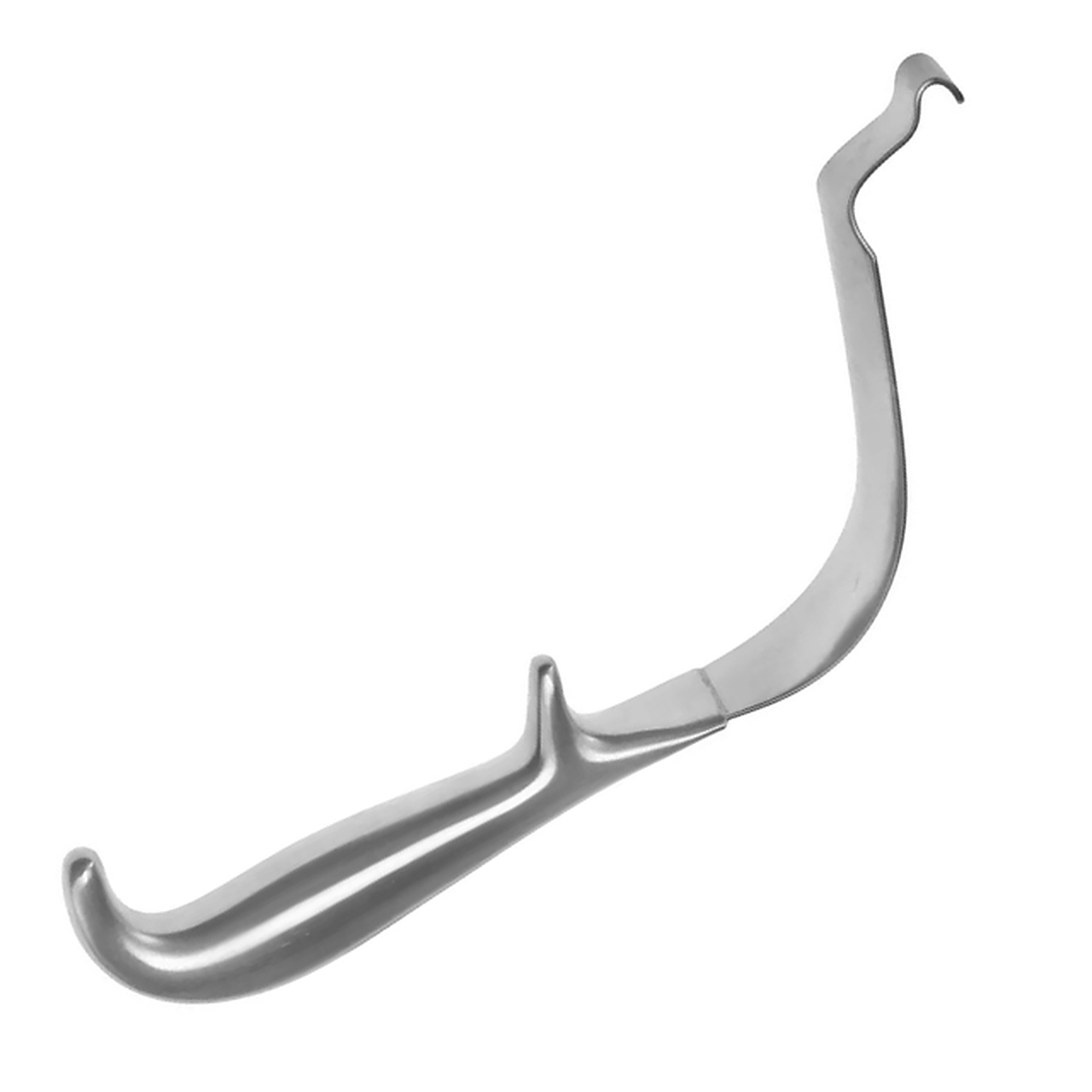 | Levasseur Merril Retractor | Specifically designed to retract soft tissue and shield neurovascular structures during vertical ramus osteotomies. |
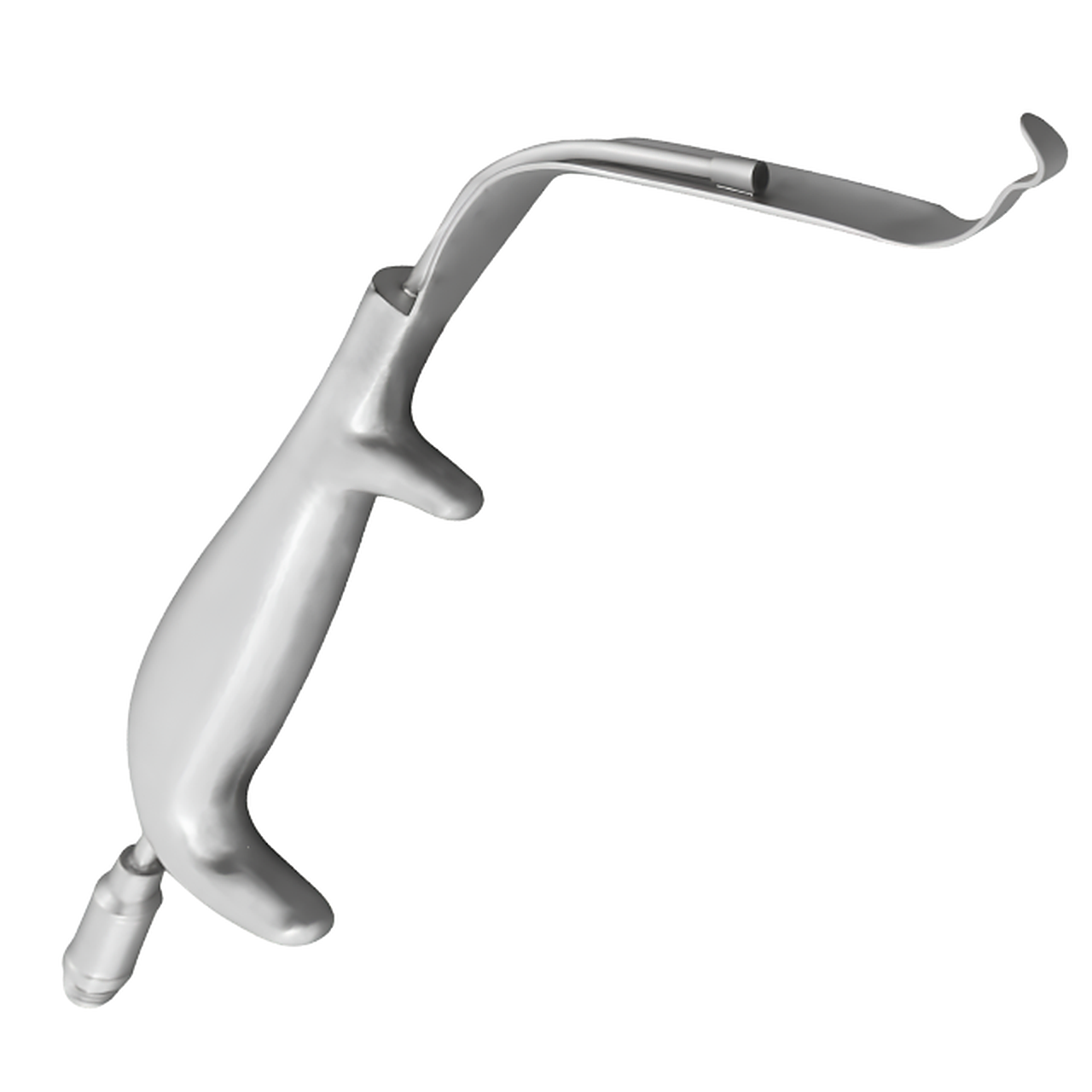 | Levasseur Merril Retractor Fiber Optic | Specifically designed to provide illuminated soft-tissue retraction and bone exposure during vertical ramus osteotomies. |
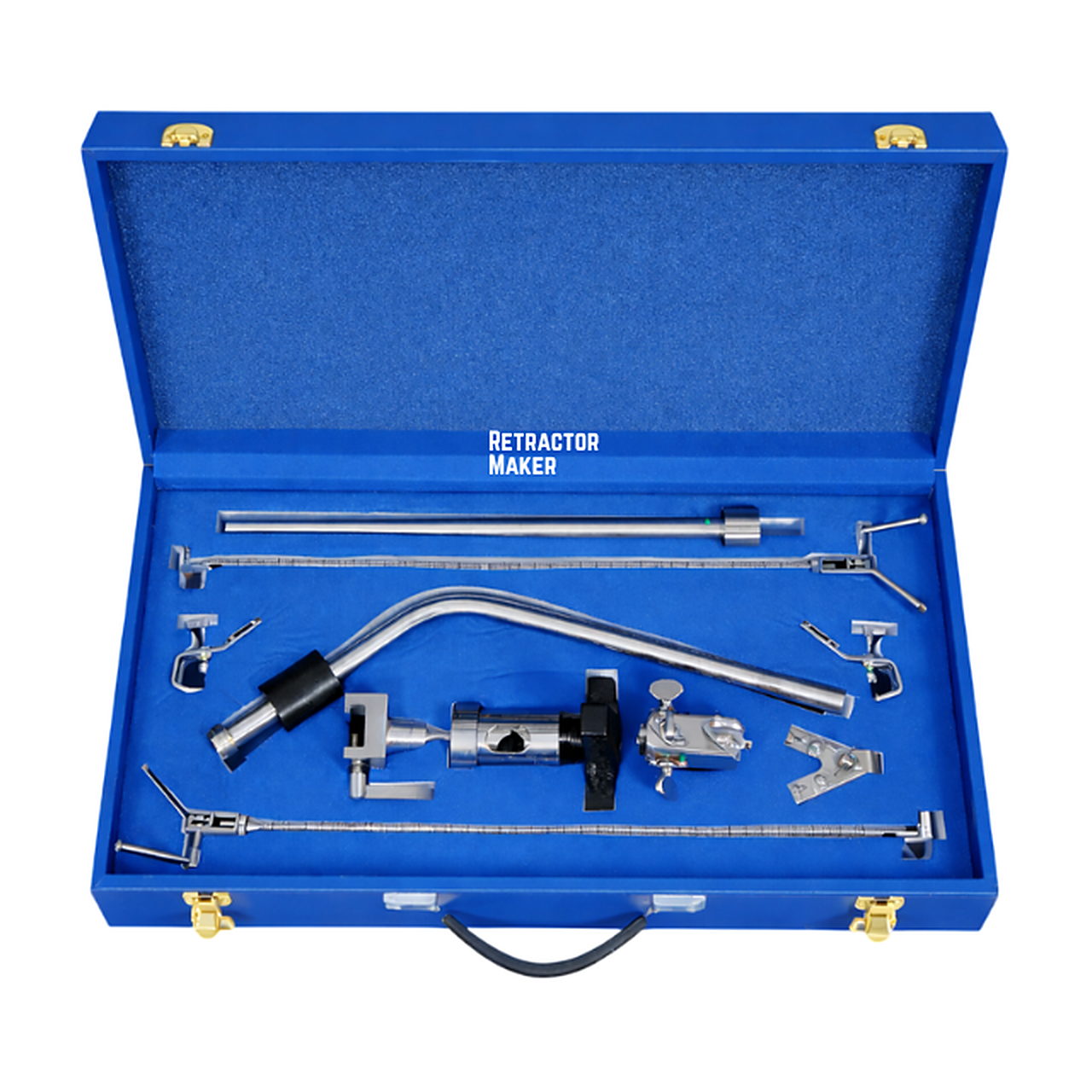 | Leyla Retractor | Specifically designed to provide precise, hands-free, low-pressure brain tissue retraction during delicate cranial, skull base, and microneurosurgical procedures. |
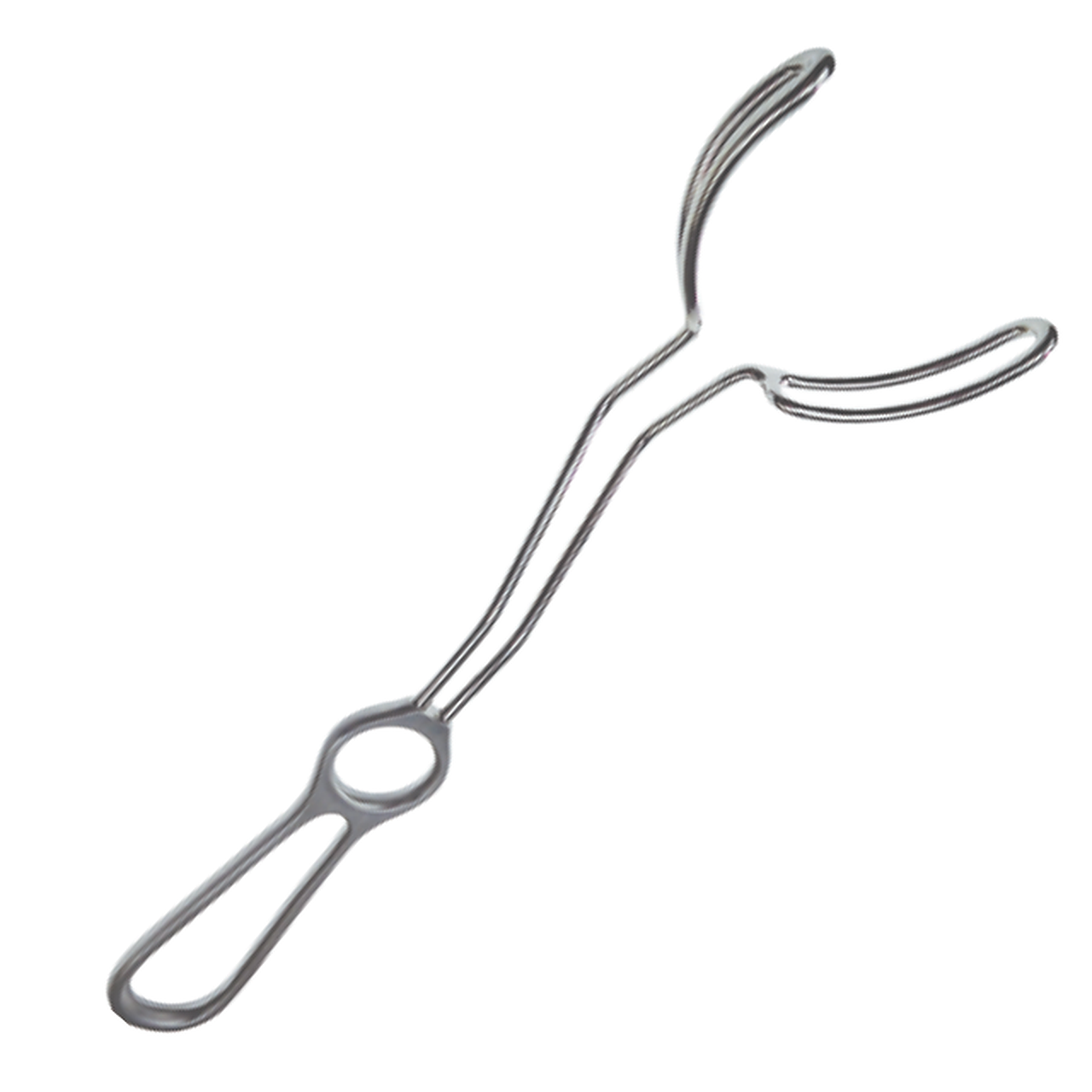 | Lip And Cheek Retractor | Specifically designed to retract the lips and cheeks to provide clear exposure of the lower jaw during oral and maxillofacial surgery. |
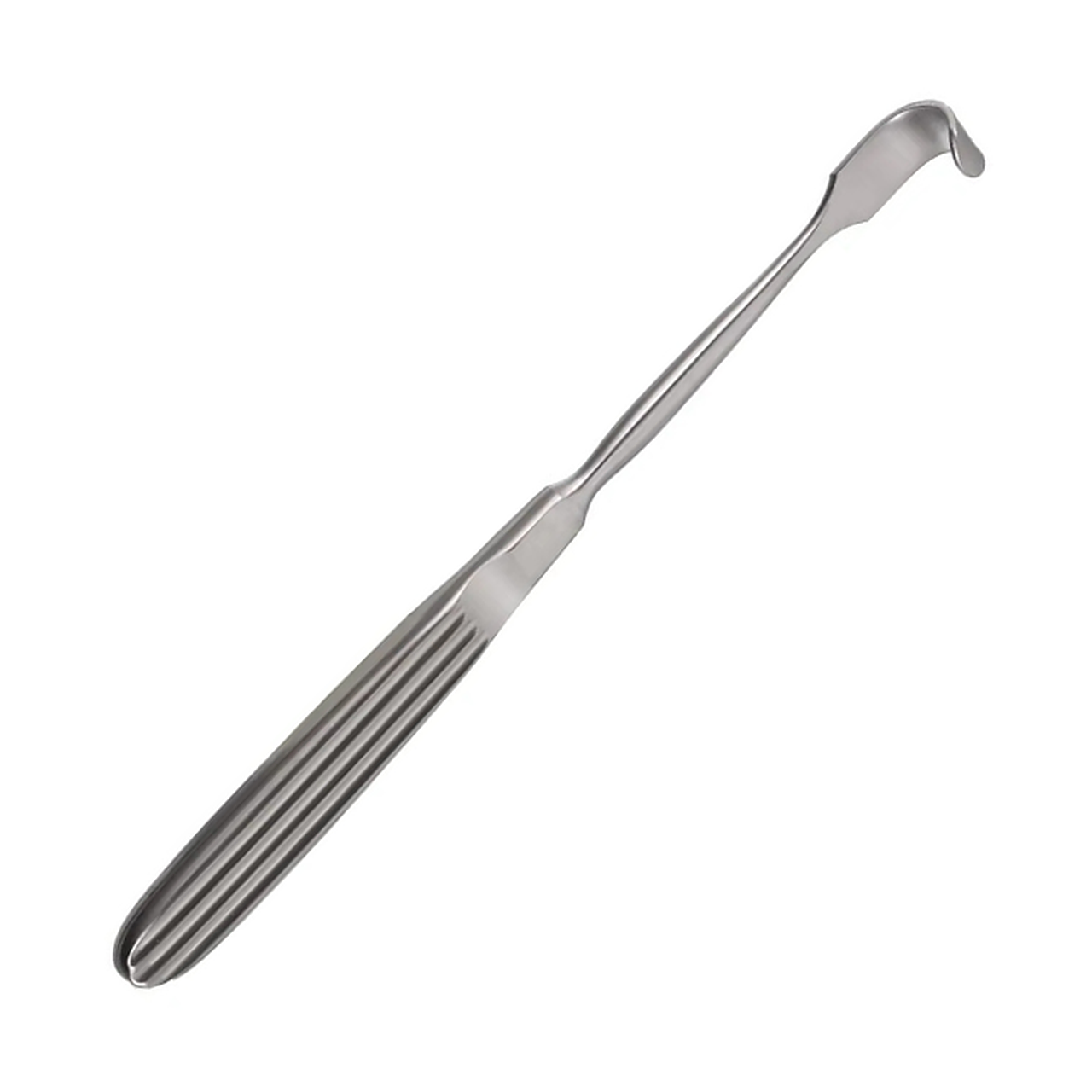 | Little Retractor | Specifically designed to retract skin margins, delicate fascia, and soft tissue during minor surgical and plastic procedures. |
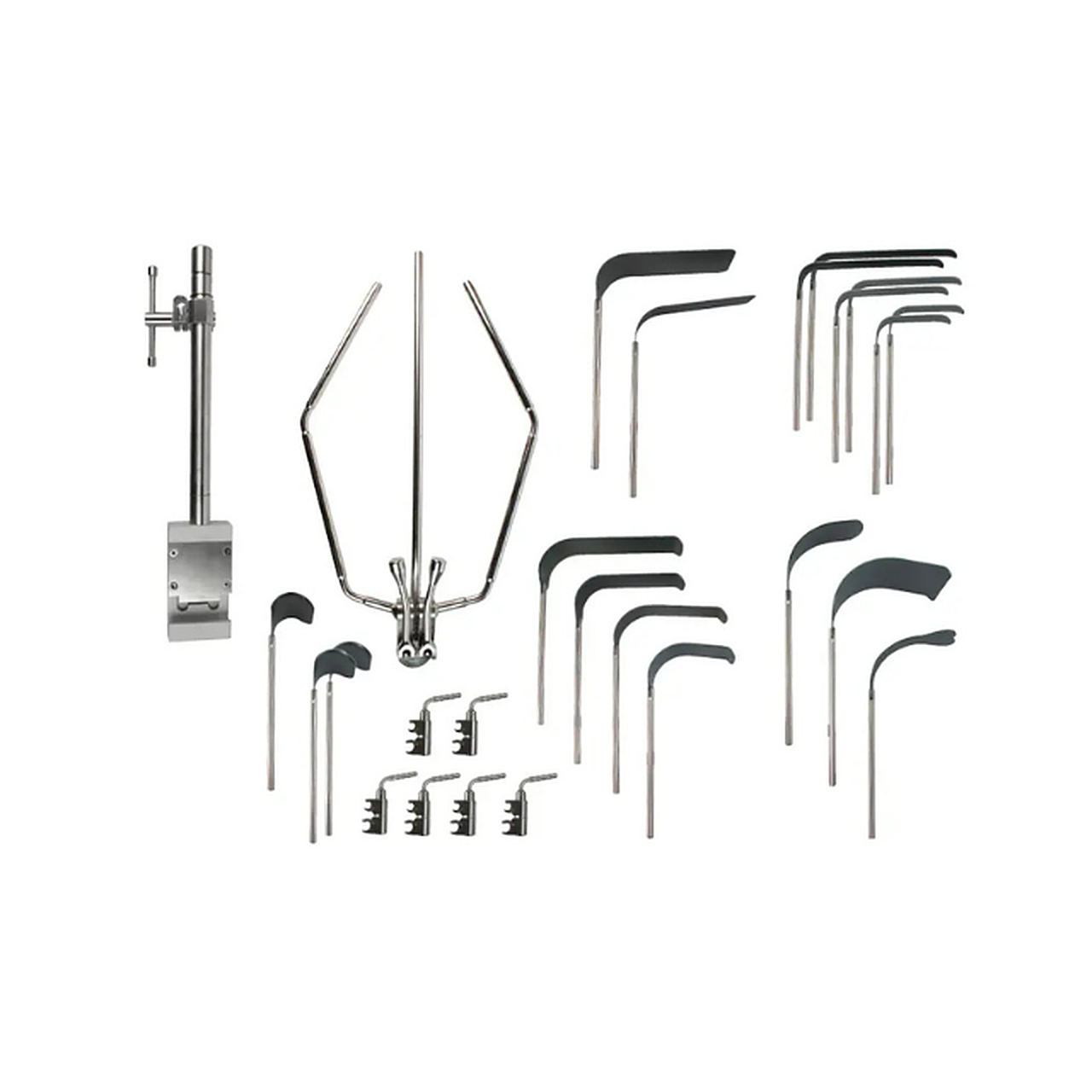 | Lobster Anterior Lumbar Retractor | Specifically designed for table-mounted, self-retaining soft tissue retraction and surgical exposure during anterior lumbar spine procedures. |
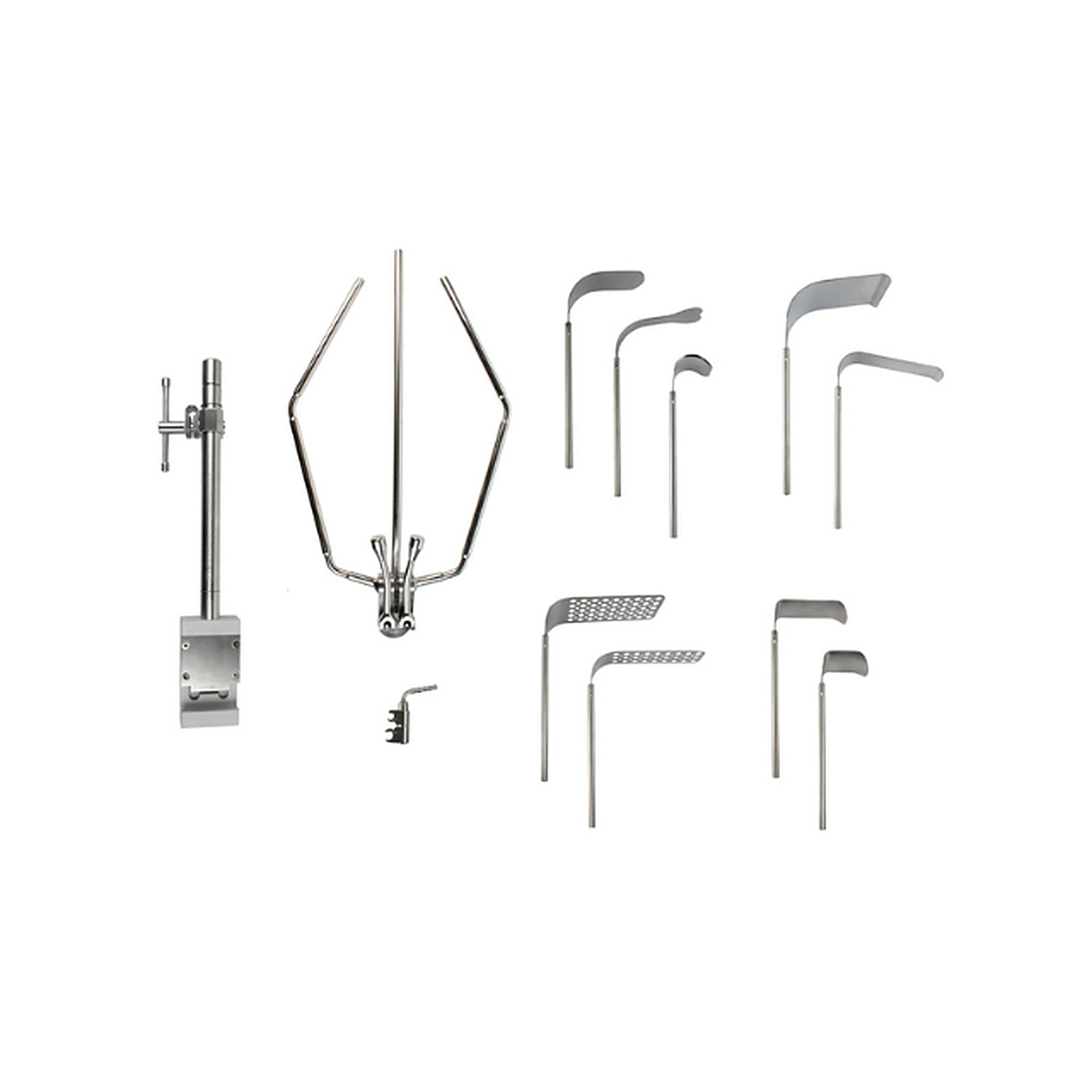 | Lobster General Retractor System | Specifically designed to provide table-mounted, self-retaining soft tissue retraction and surgical field exposure during general surgical procedures. |
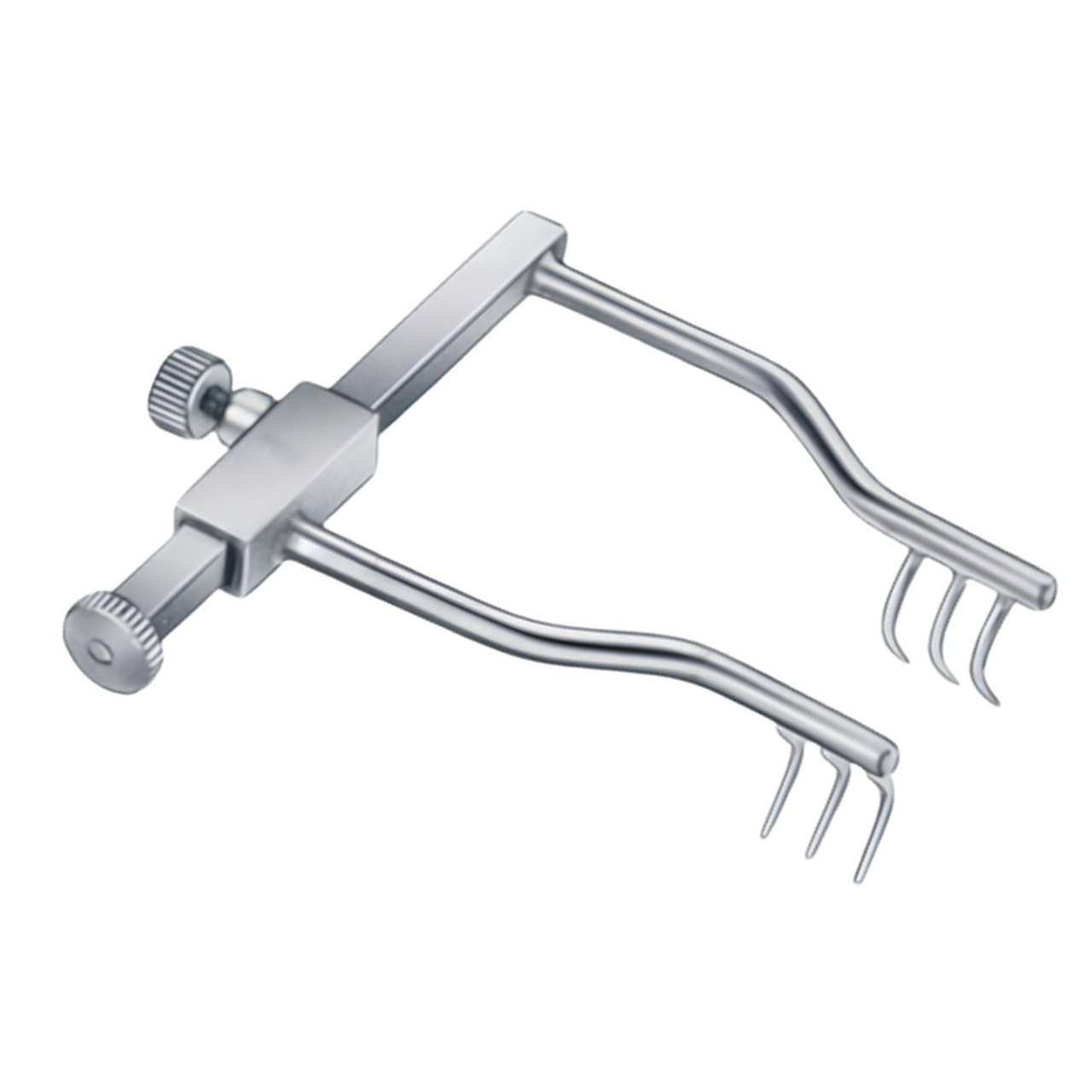 | Logan Wound Spreader | Specifically designed to provide self-retaining retraction of skin edges, aponeurosis, and muscles during micro-incisions. |
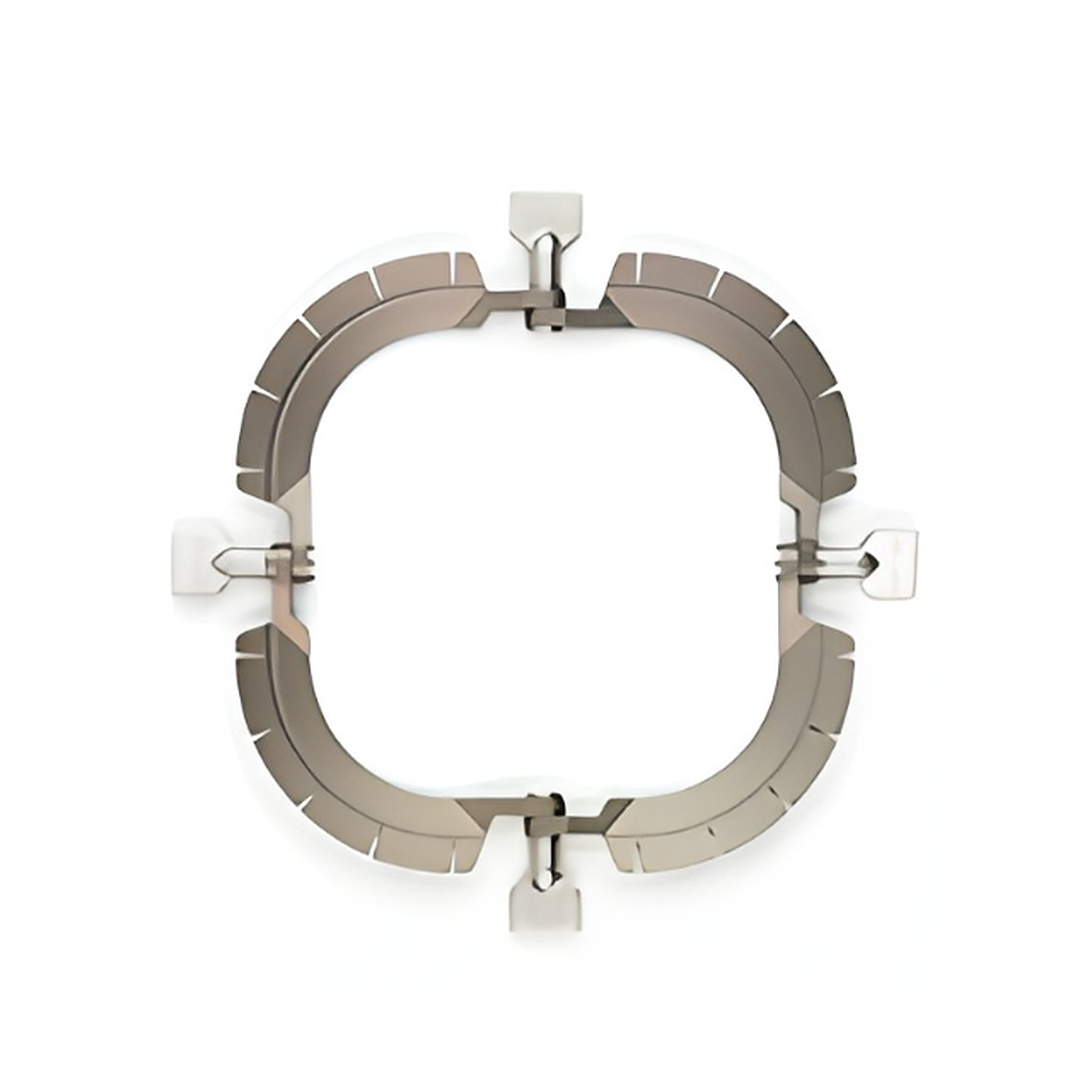 | Lone Star Retractor (Colon, Rectal, Head & Neck Surgeries) | Specifically designed to provide self-retaining, hands-free soft tissue retraction and surgical field exposure in colon, rectal, and head & neck surgeries. |
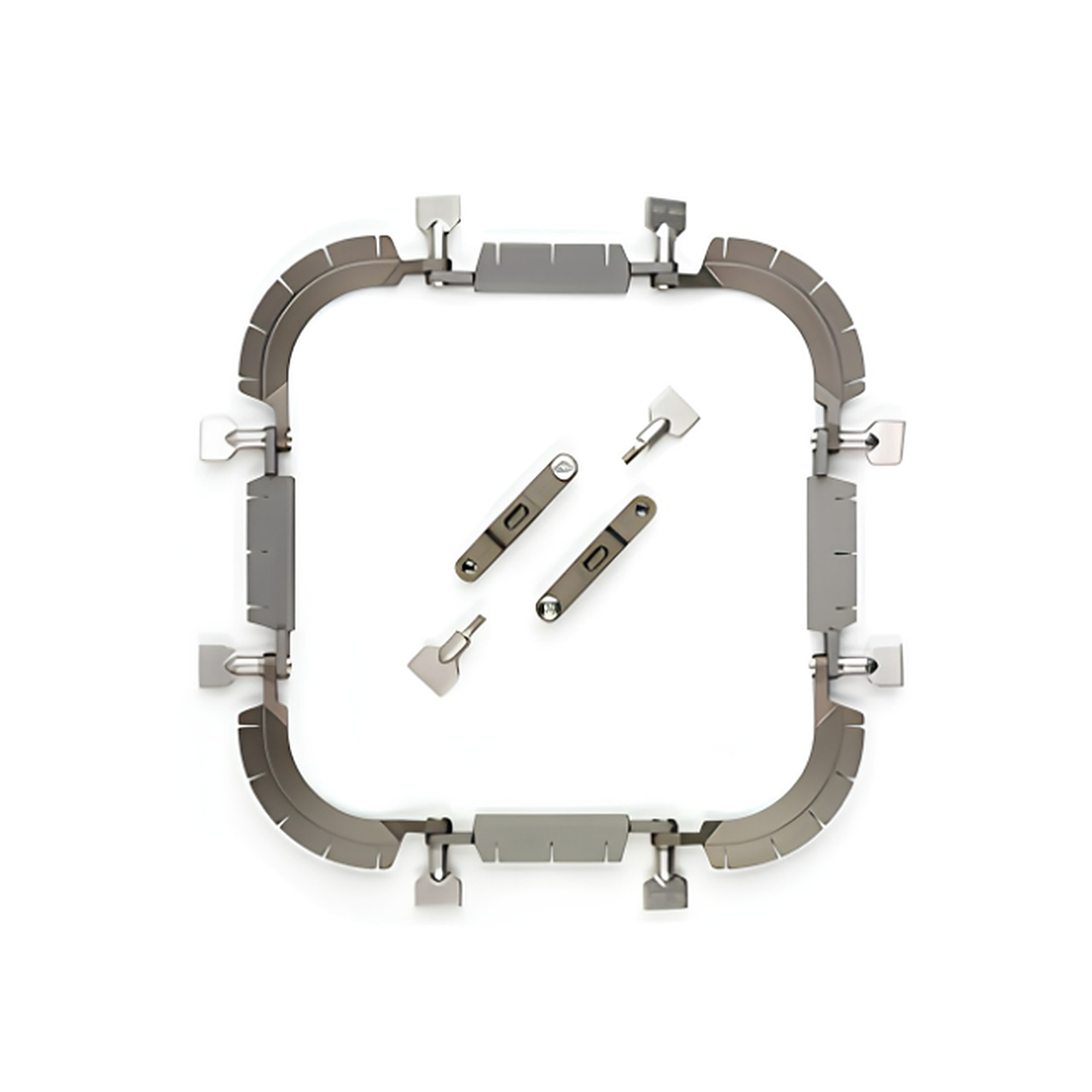 | Lone Star Retractor (General, Head & Neck Surgeries) | Designed to provide self-retaining, hands-free soft tissue retraction and surgical field exposure in general surgery and head & neck surgery procedures. |
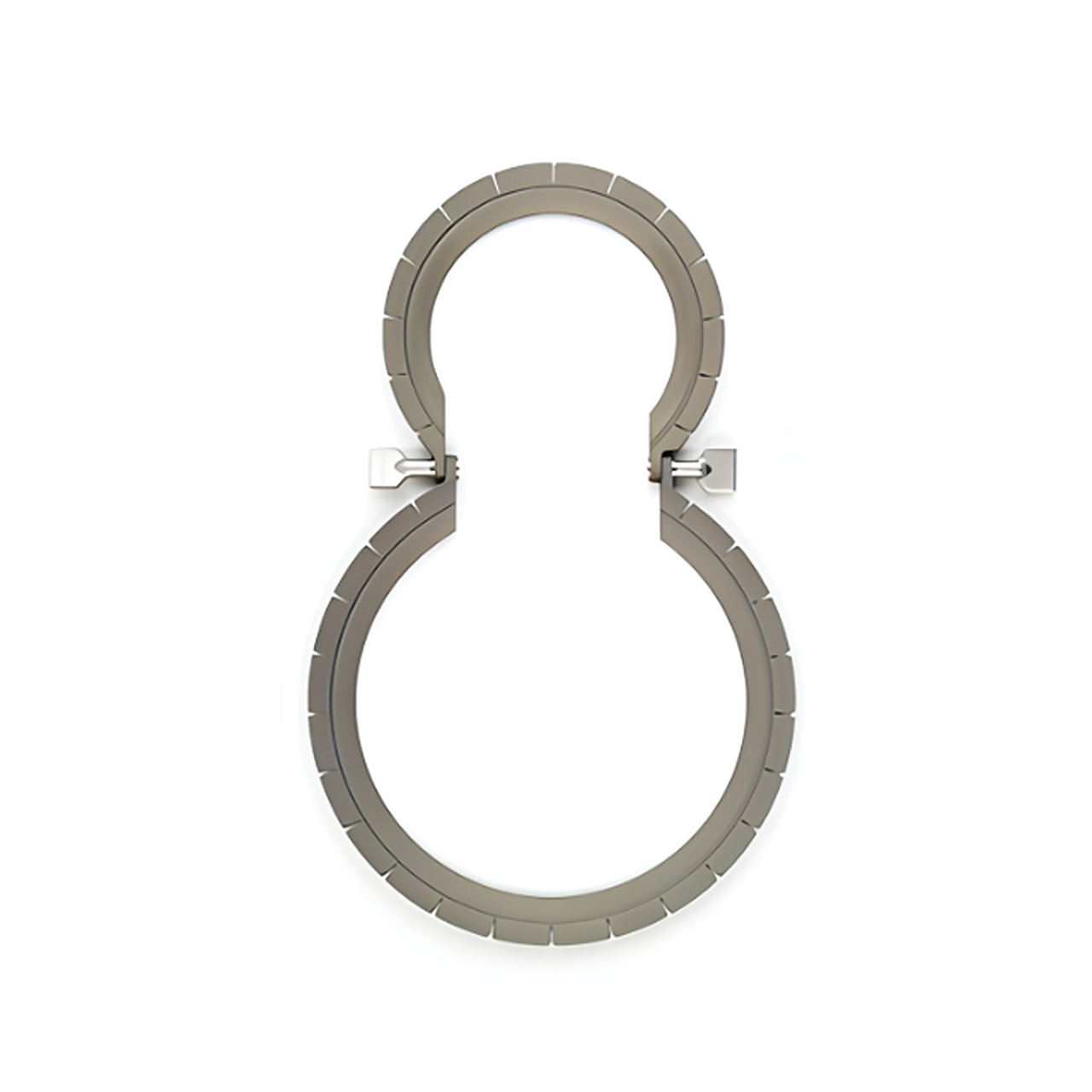 | Lone Star Retractor (Gynecology & Male Urology) | Specifically designed to provide self-retaining, hands-free soft tissue retraction and surgical field exposure in gynecology and male urology procedures. |
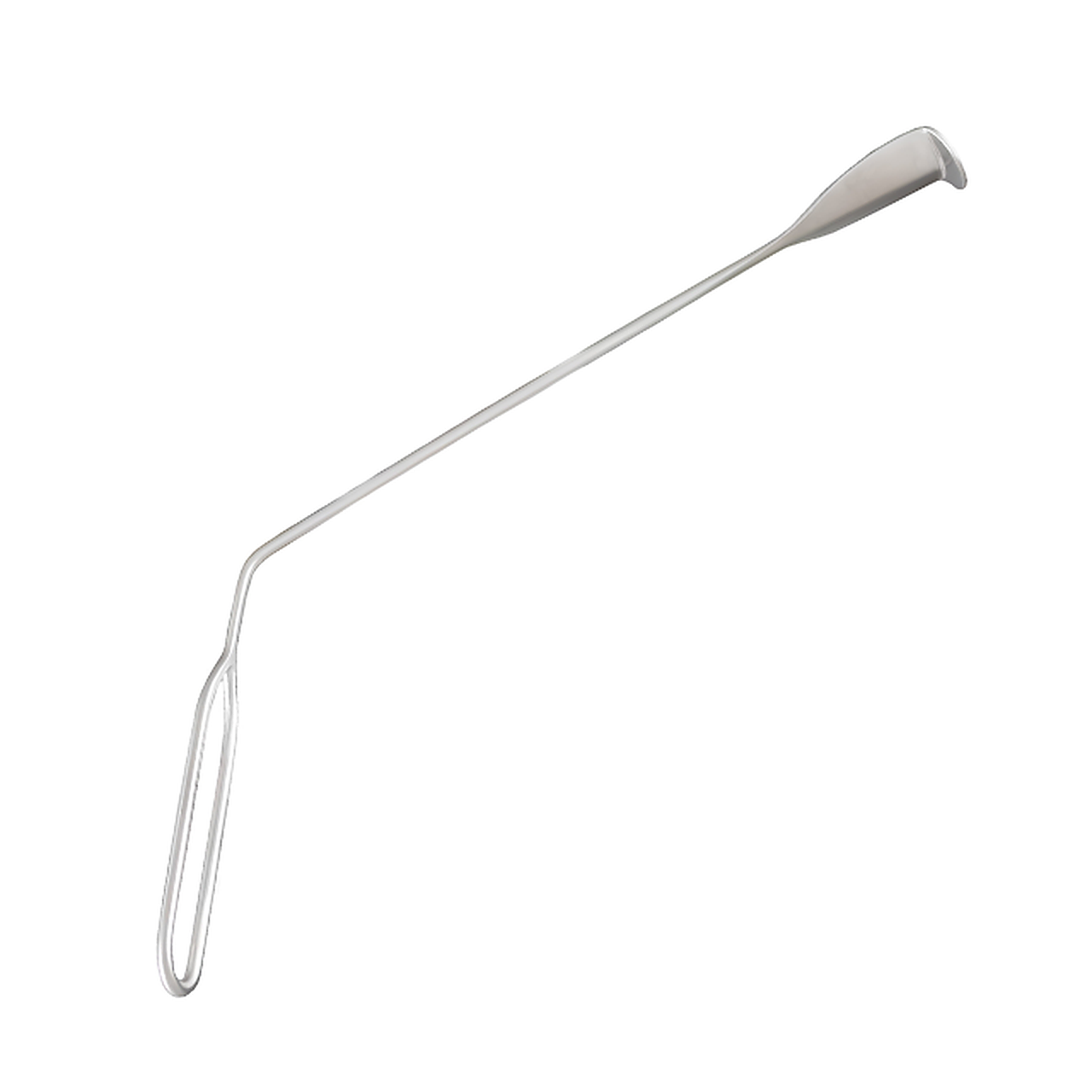 | Lothrop Uvula Retractor | Specifically designed to retract and elevate the uvula and soft palate during adenoidectomy and pharyngeal surgery. |
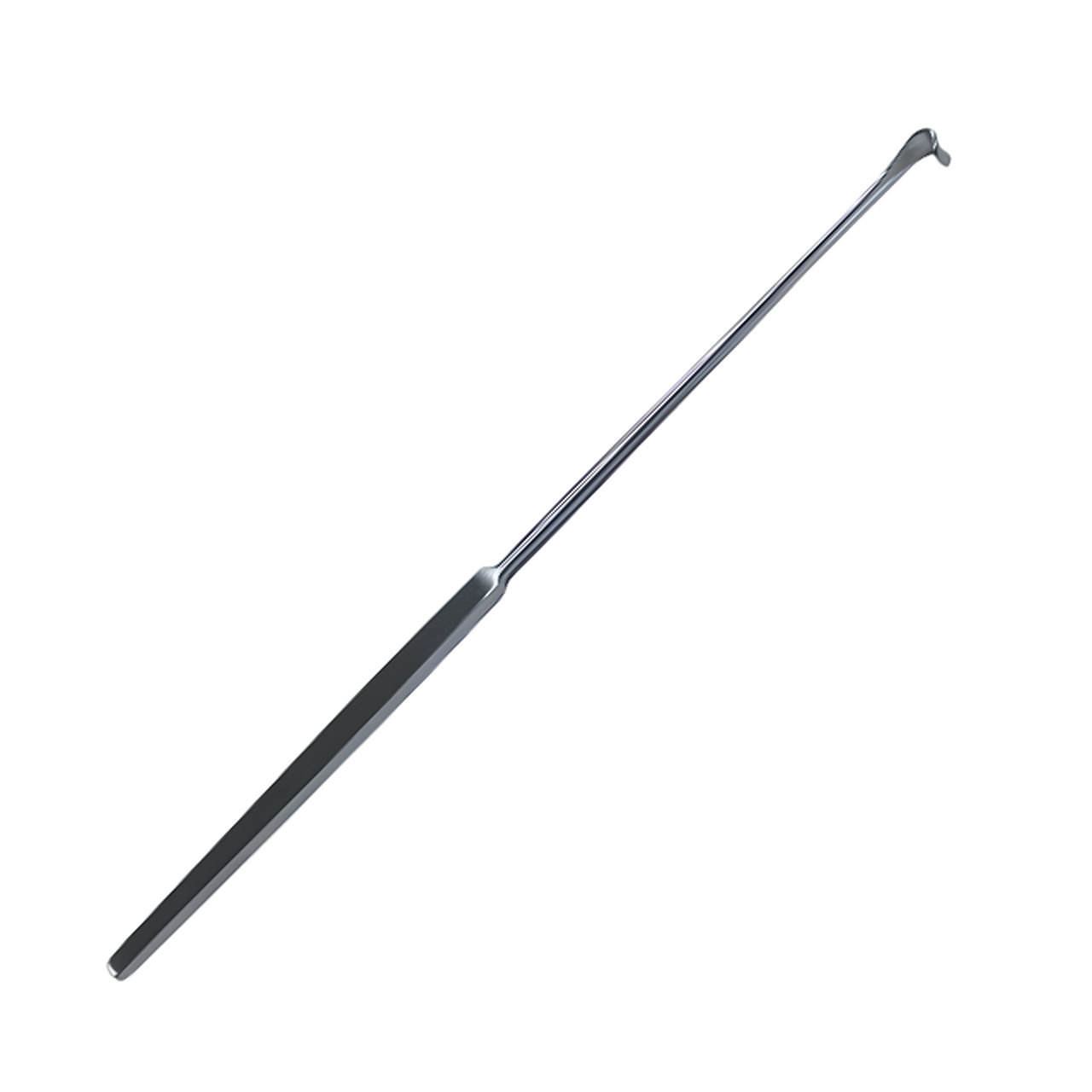 | Love Nerve Root Retractor | Specifically designed to retract and protect spinal nerve roots and the dural sac during lumbar discectomy and decompression. |
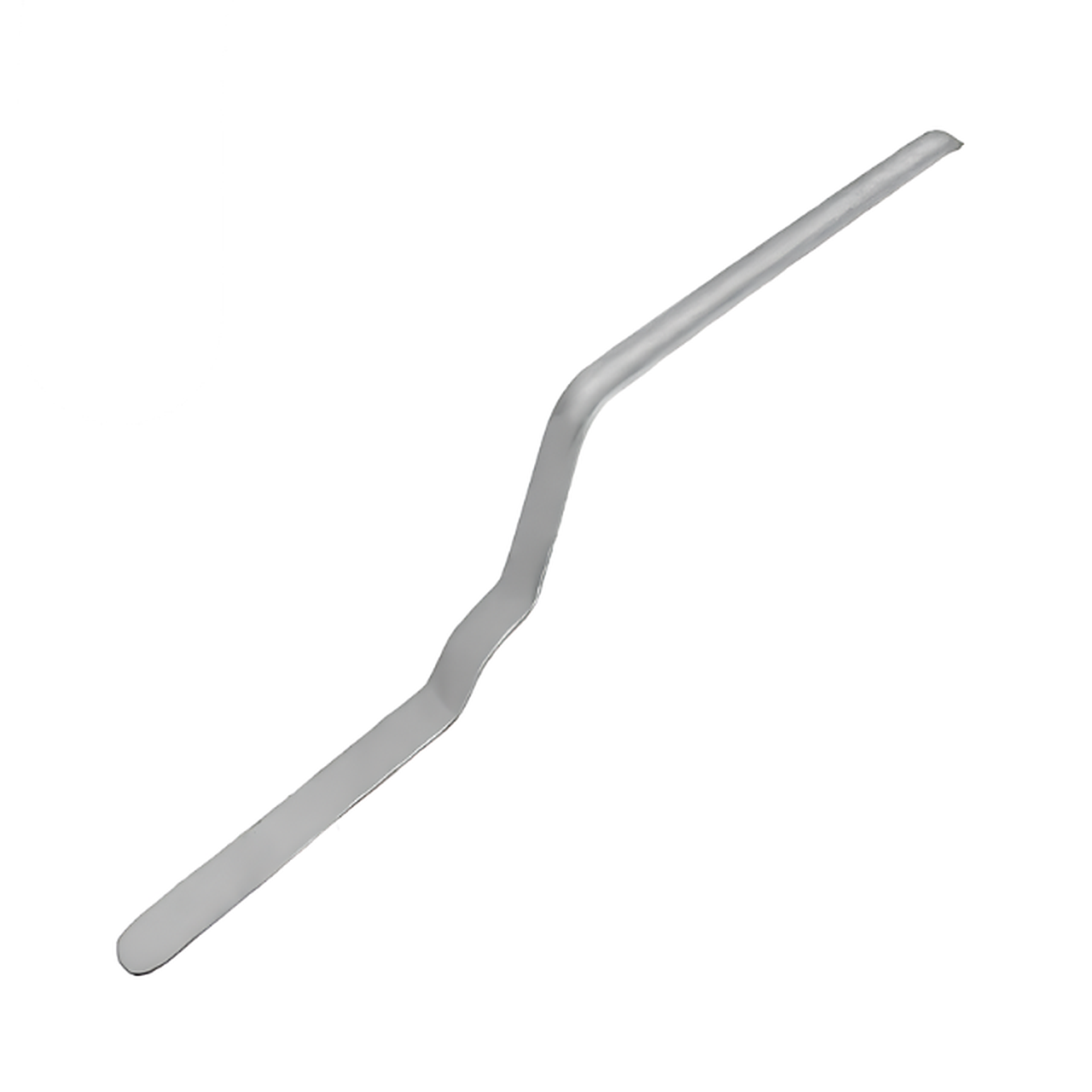 | Love Nerve Root Retractor, Bayonet | Specifically designed to retract nerve roots and the thecal sac while preserving line of sight under surgical operating microscopes. |
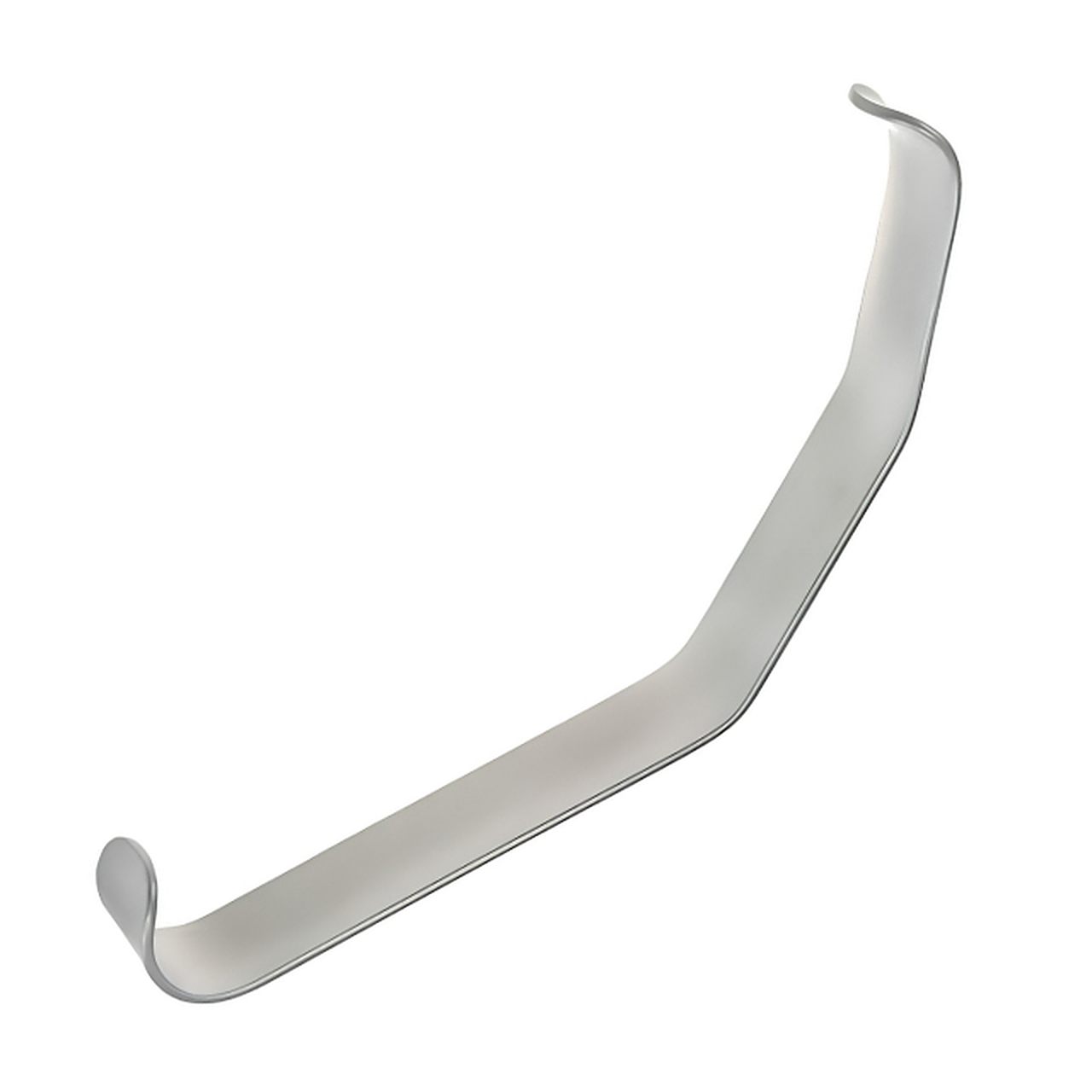 | Love Uvula Retractor | Specifically designed to retract and elevate the uvula and soft palate during adenoidectomy and pharyngeal surgery. |
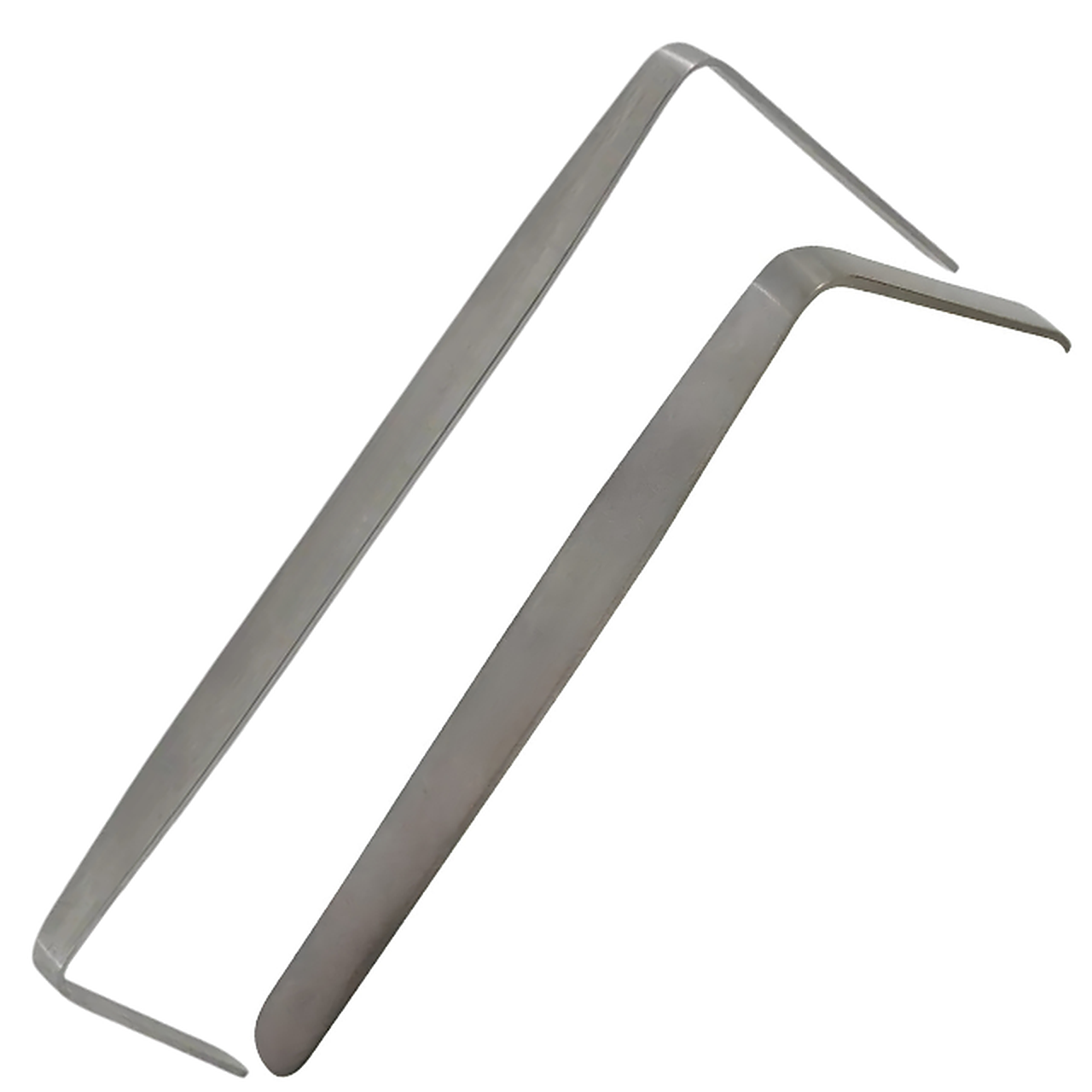 | Low Profile Foot and Ankle Retractor | Specifically designed to leverage small bones and retract soft tissues during foot, ankle, and podiatric reconstructive surgery. |
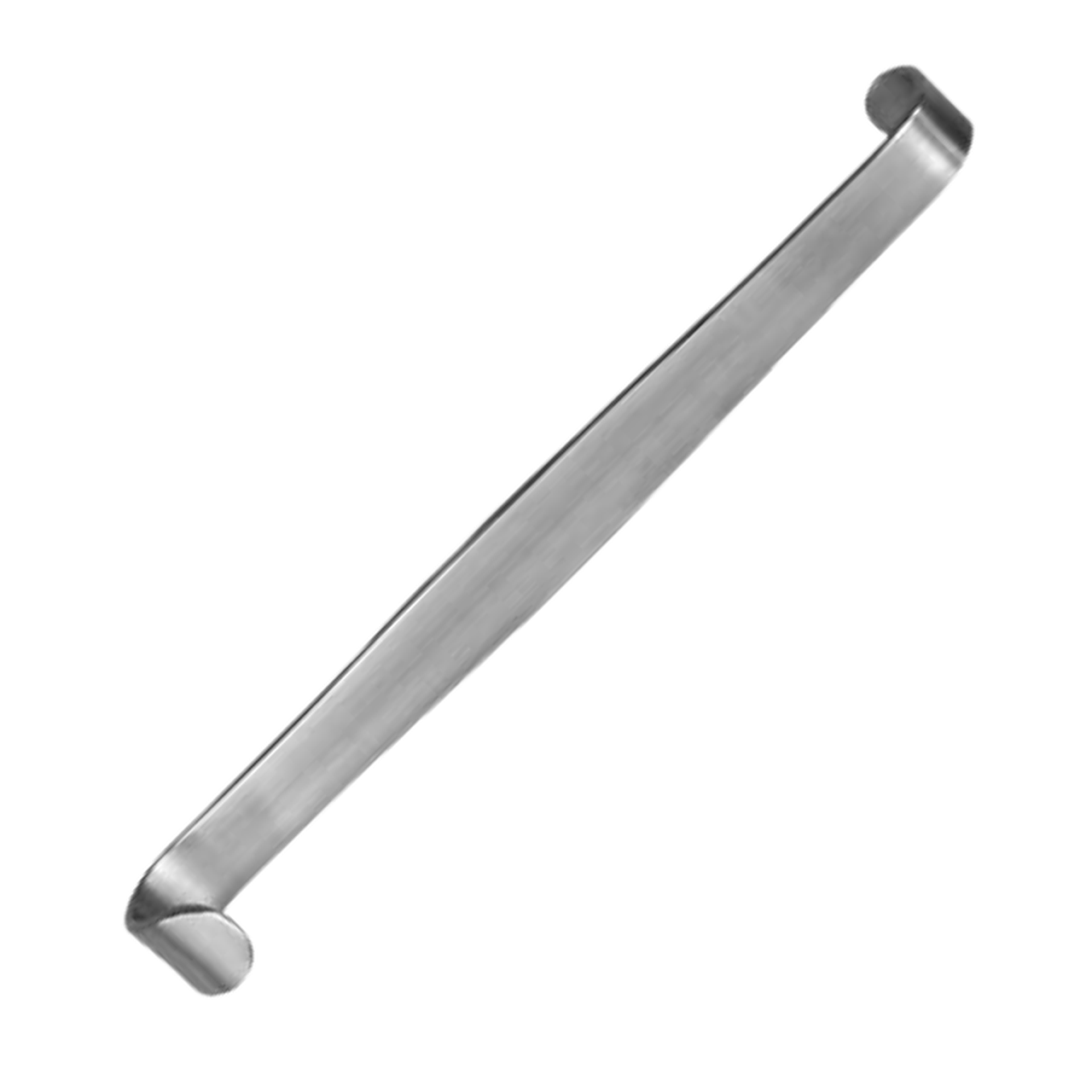 | Luer S Trachea Retractor | Specifically designed to retract pretracheal tissues and elevate tracheal rings during tracheostomy and neck surgery. |
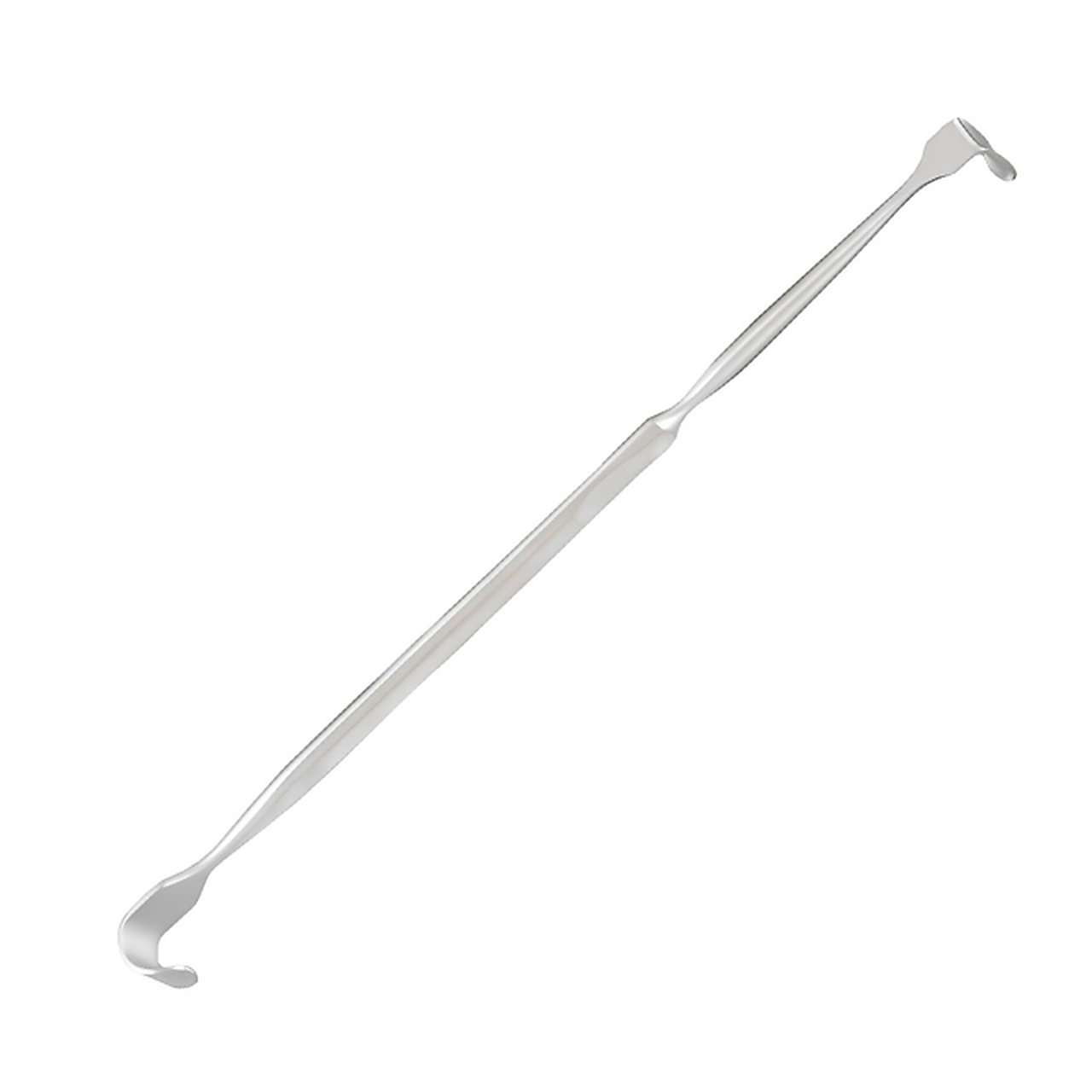 | Lukens Tracheal Retractor | Specifically designed to retract pretracheal tissues and elevate the trachea during tracheostomy and airway procedures. |
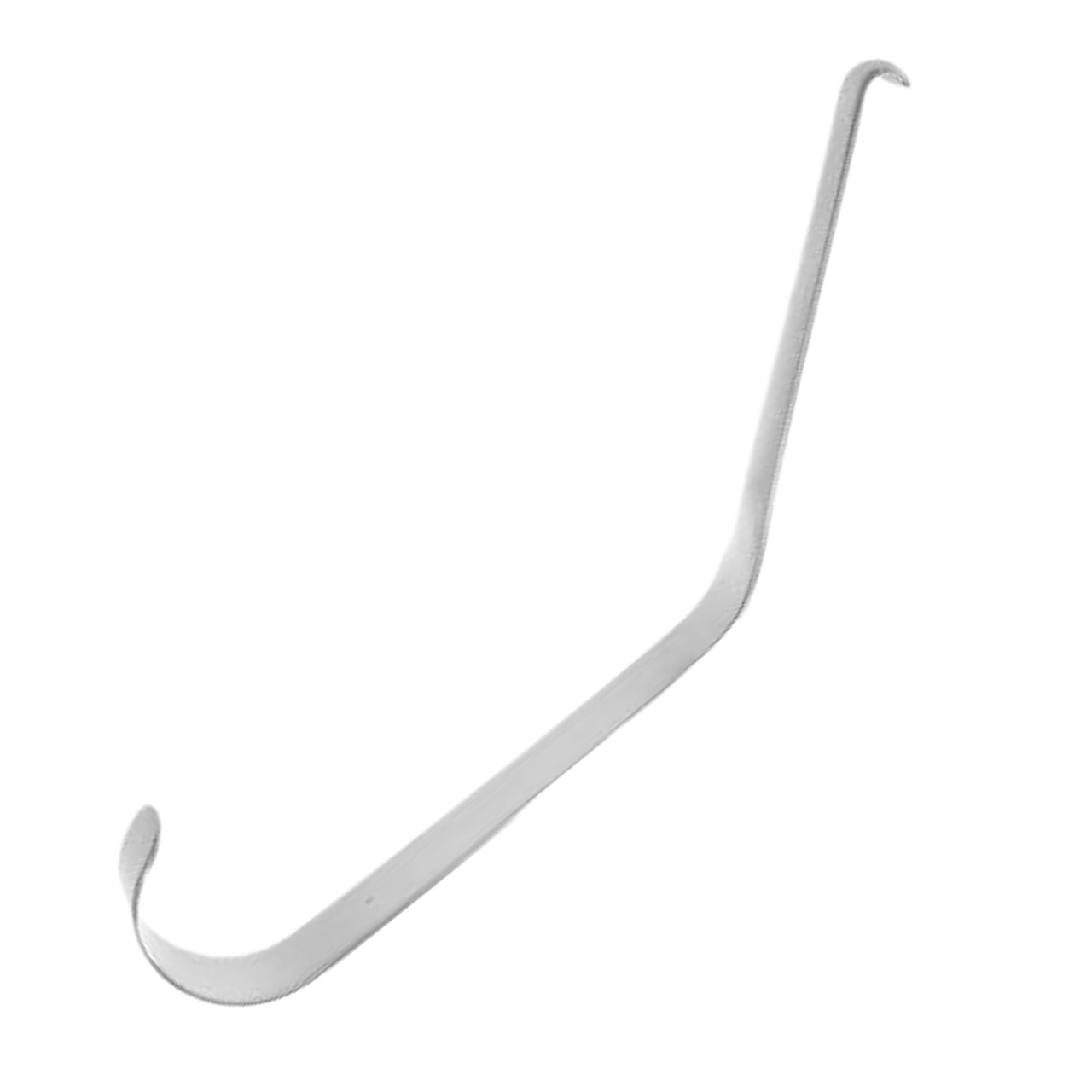 | Mandibular Channel Retractor | Specifically designed to hook over the inferior border of the mandible and protect neurovascular structures during osteotomies. |
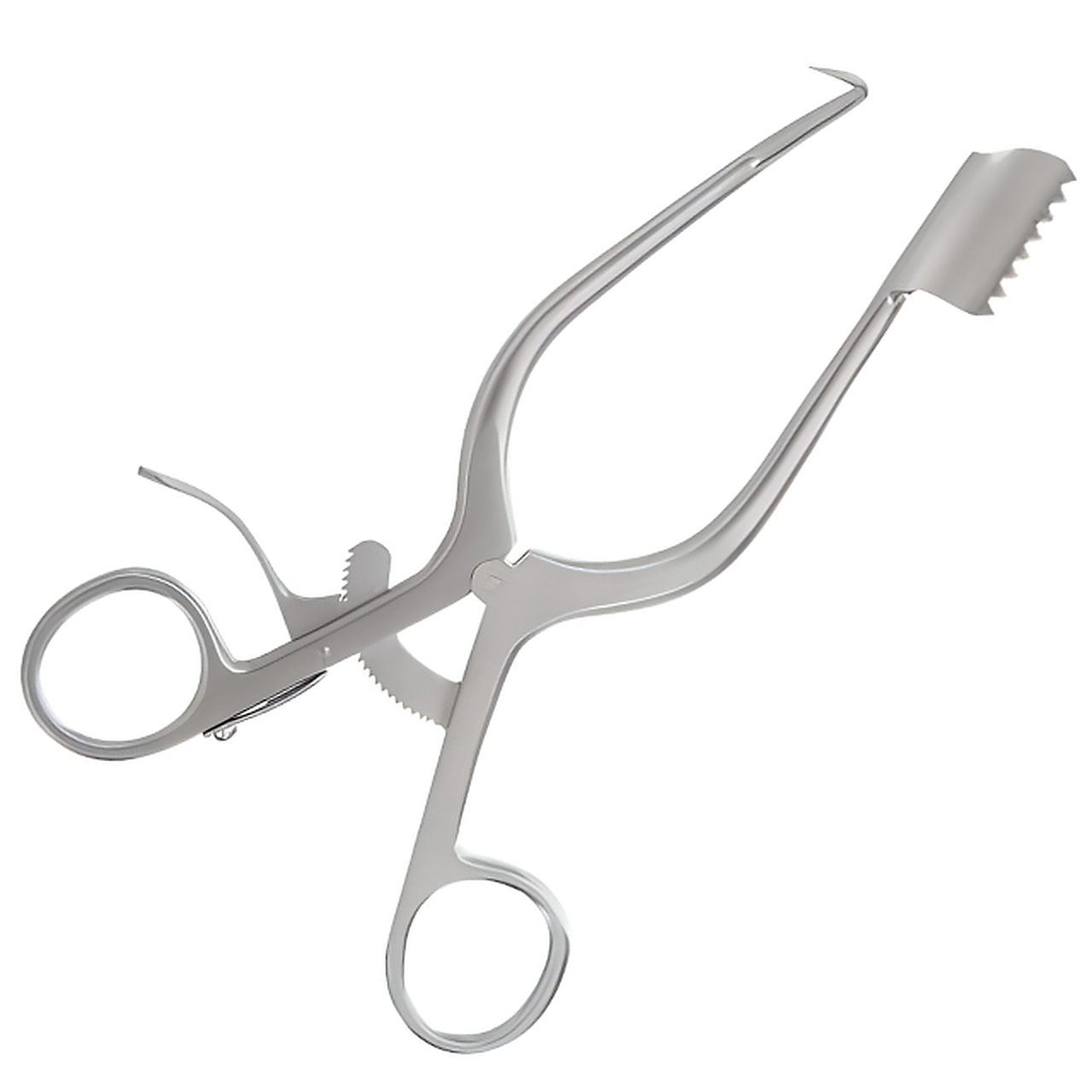 | Markham-Meyerding Hemilaminextomy Retractor | Specifically designed to provide self-retaining paraspinal muscle retraction and spinous process anchoring during hemilaminectomy. |
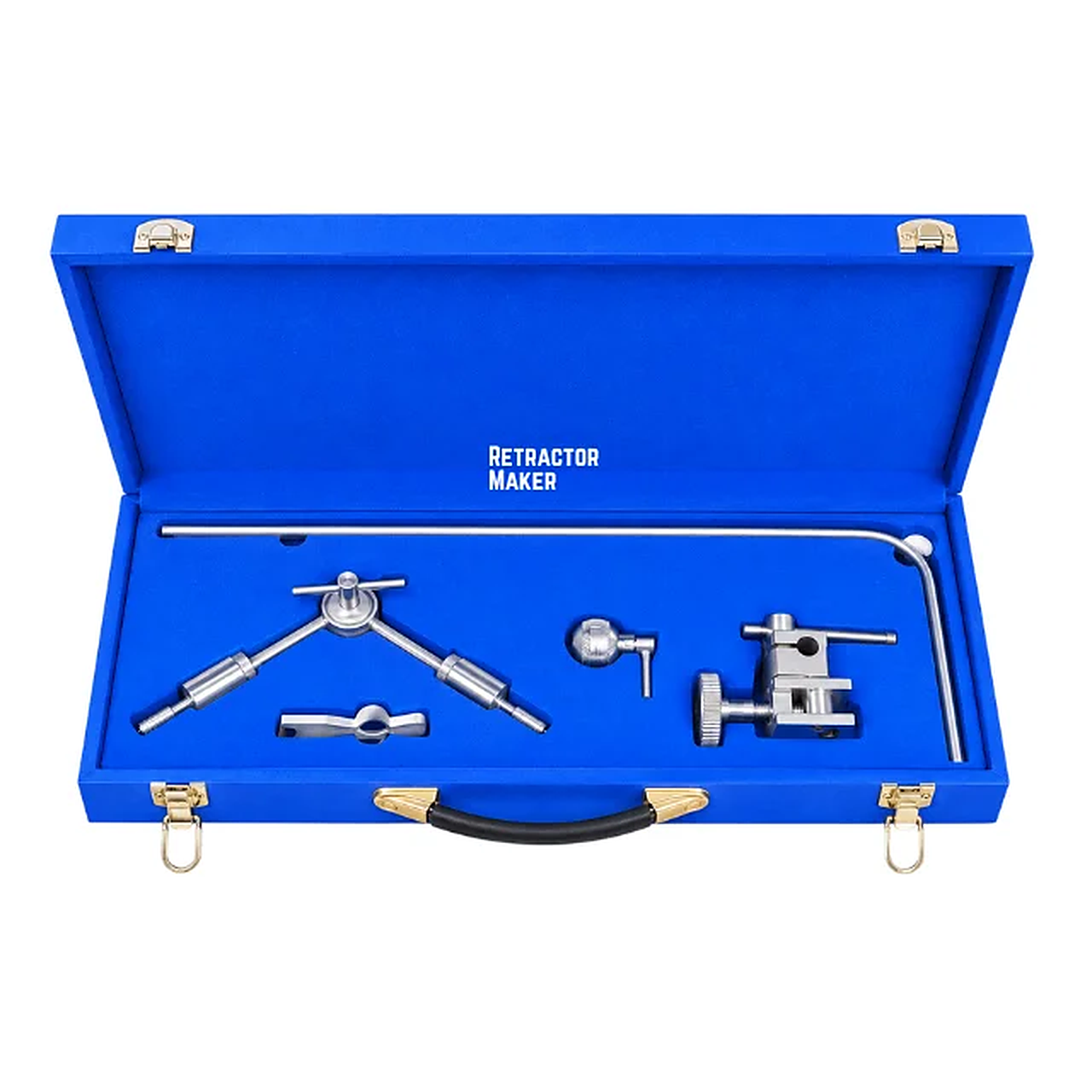 | Martin Arm Retractor | Mounts directly to operating table side rails to provide rigid, hands-free holding and positioning for surgical retractors and scopes. |
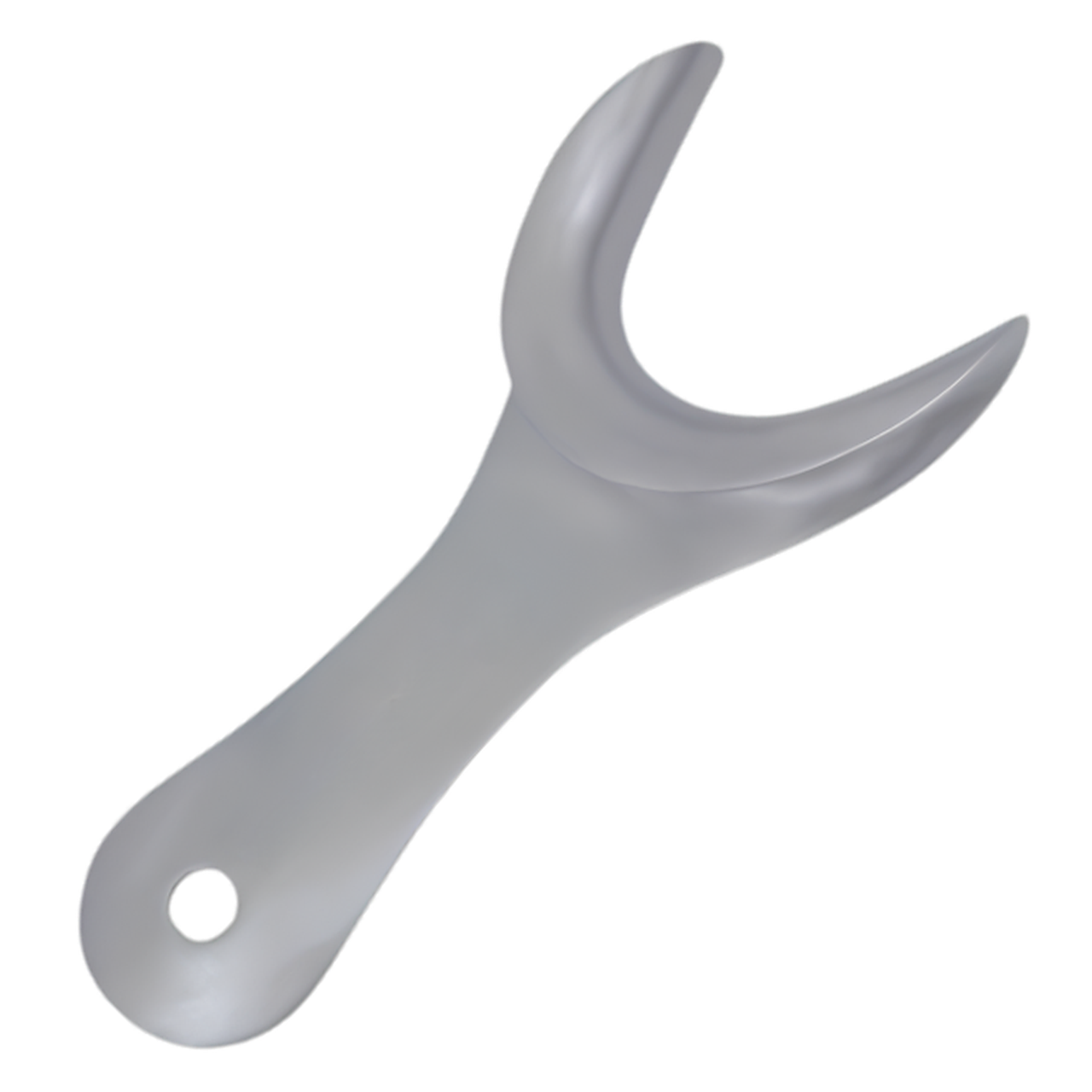 | Martin-Simplex Cheek and Lip Retractor | Specifically designed to retract the cheeks and lips during dental, alveolar, and oral surgical procedures. |
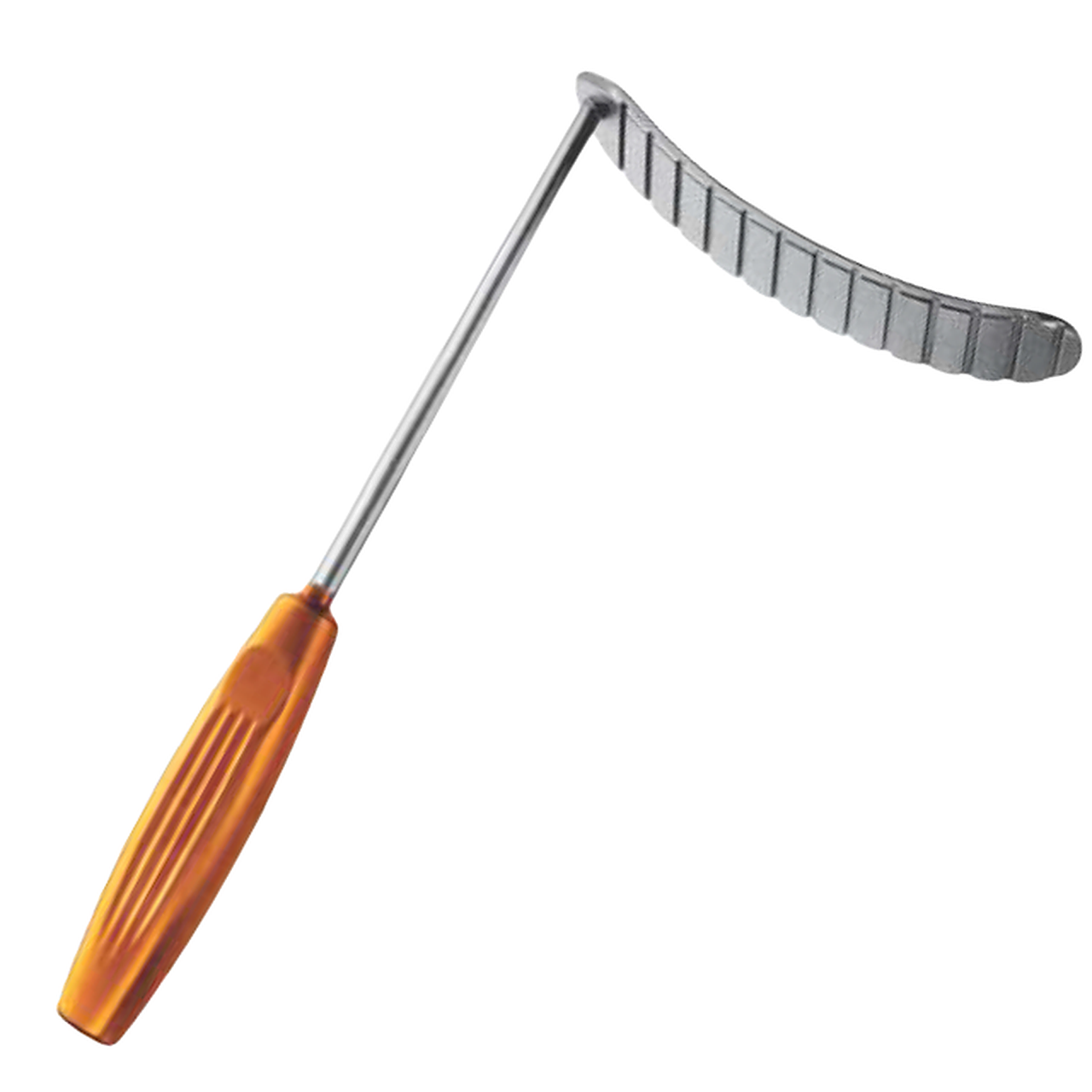 | Marx Breast Retractor | Specifically designed to elevate tissue flaps and create submuscular or subglandular pockets during breast surgery. |
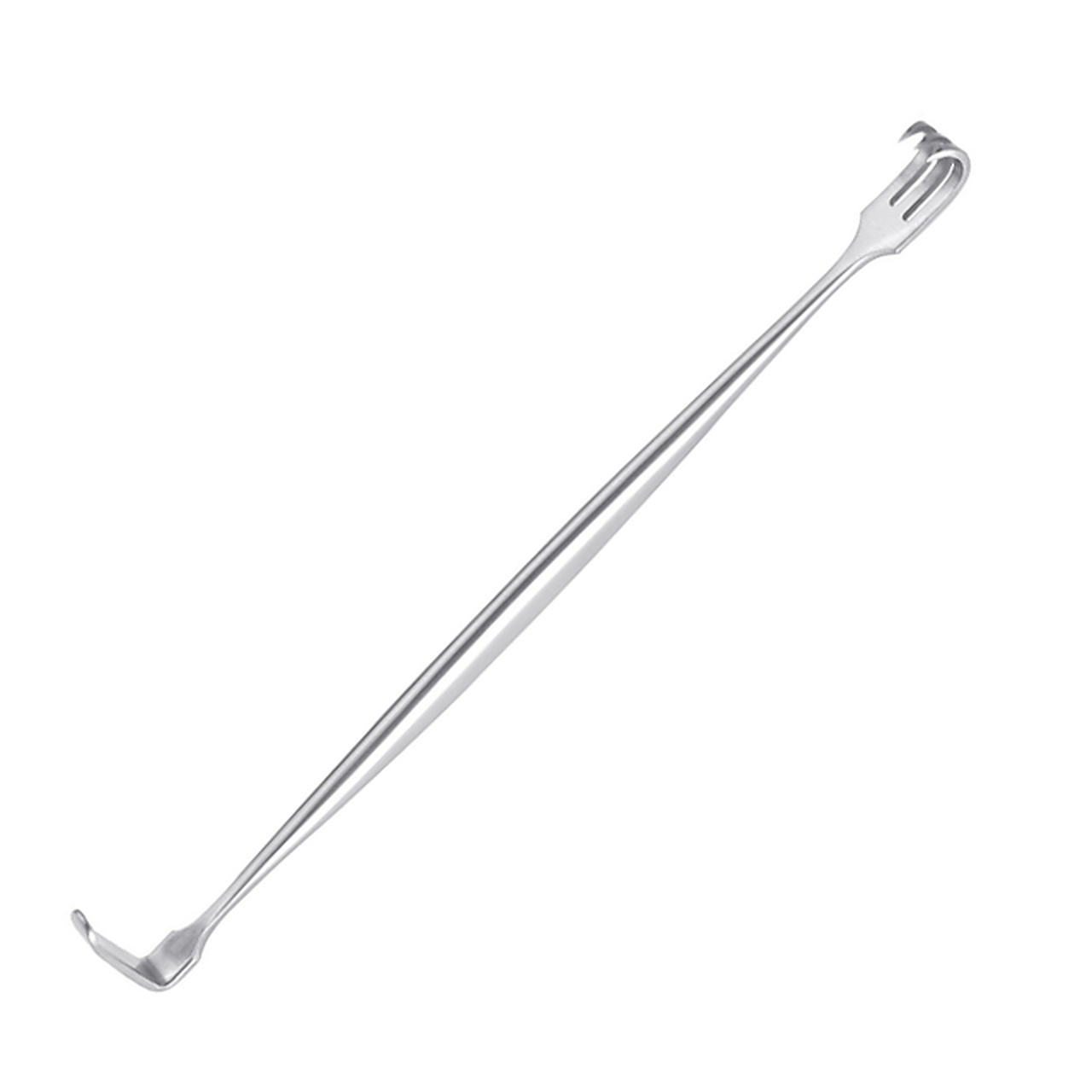 | Mathieu Finger Retractor | Specifically designed to retract skin flaps, cutaneous margins, and tendons during hand, finger, and plastic surgery. |
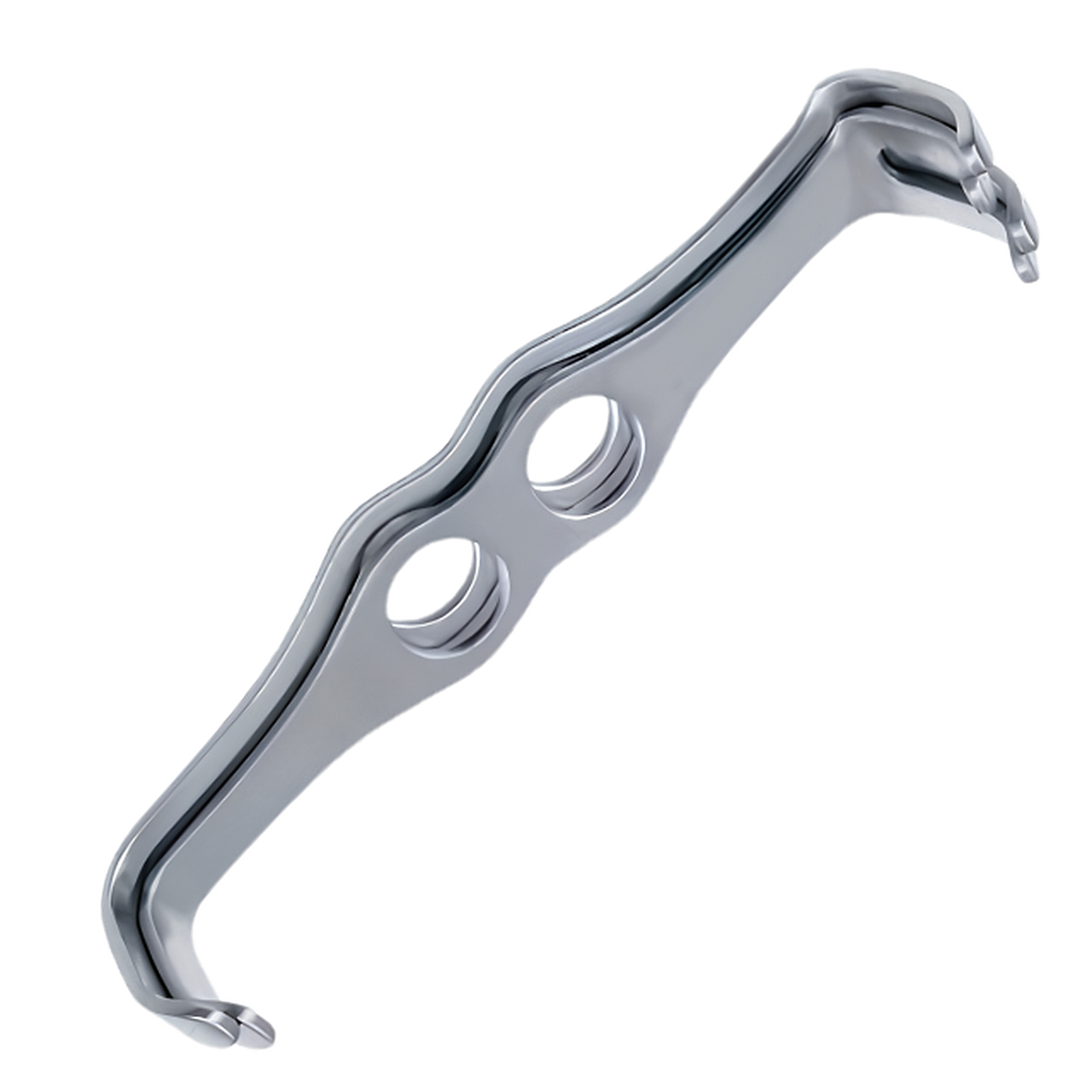 | Mathieu Retractor | Specifically designed to retract skin margins, fascia, and soft tissues across superficial and intermediate surgical incisions. |
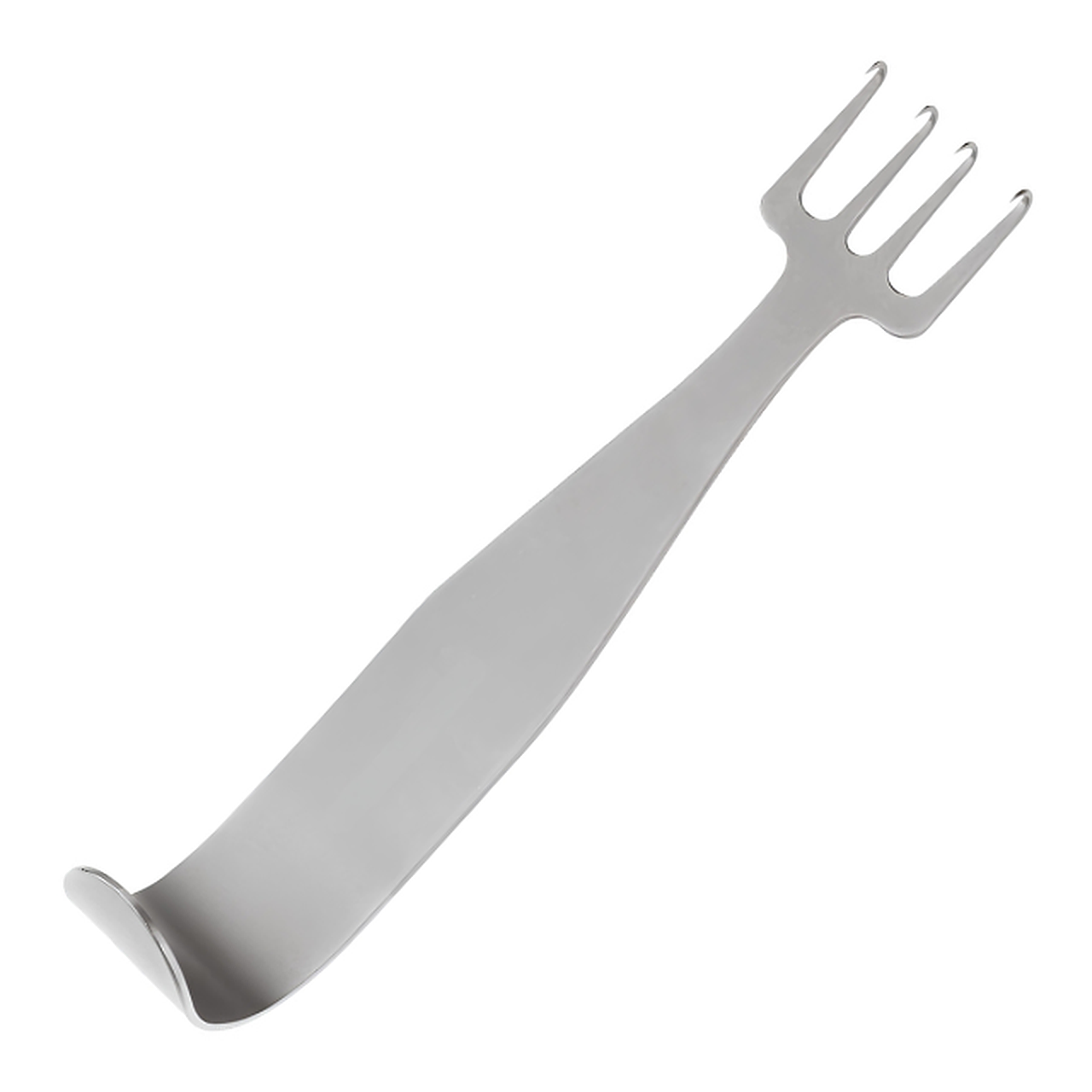 | Maxwell Flap Retractor | Specifically designed to elevate and retract skin flaps and subcutaneous tissue during plastic, facial, and reconstructive surgery. |
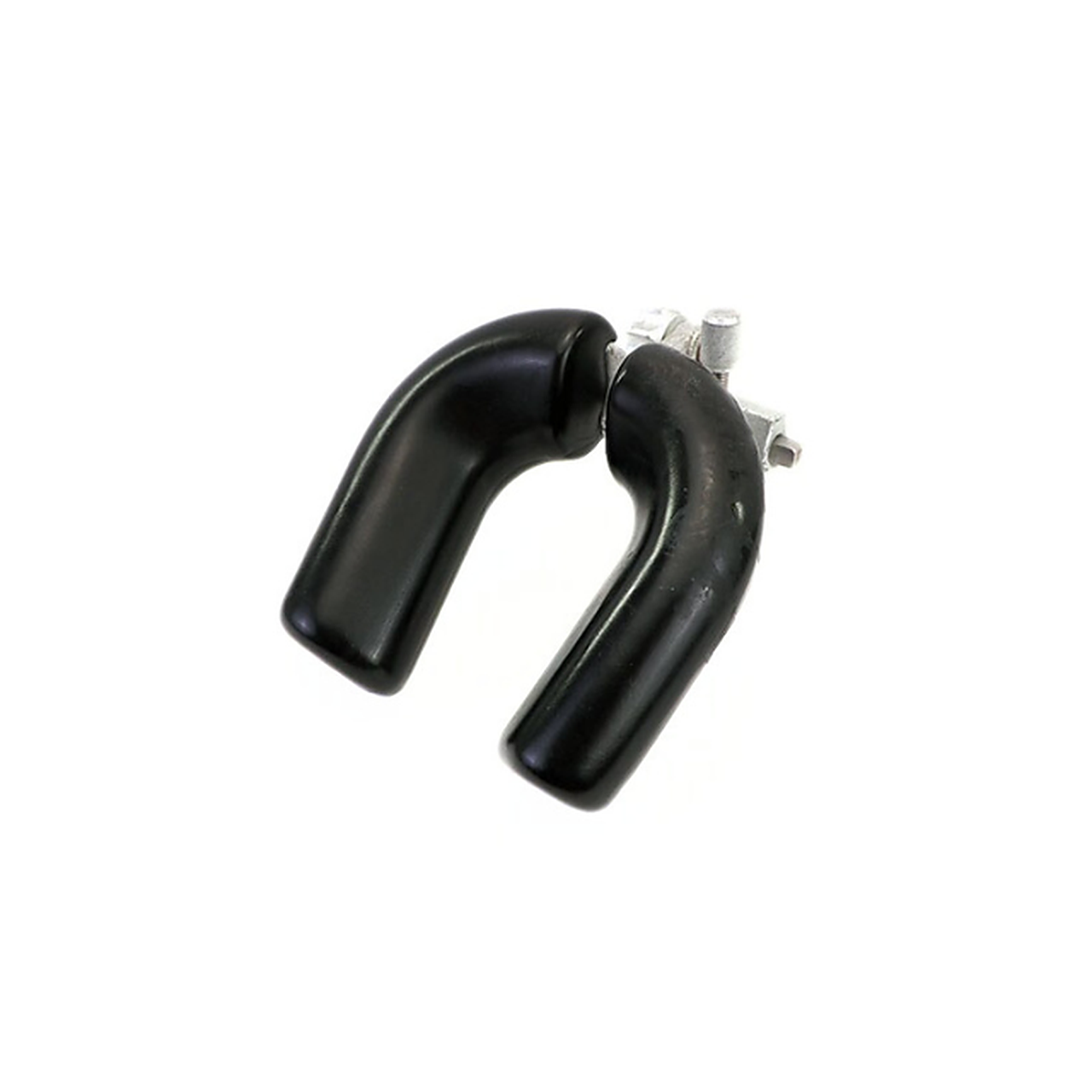 | Mayfield Headrest | Specifically designed to provide stable, non-invasive head support and even pressure distribution during neurosurgery, spine, ENT, and ophthalmic procedures when rigid pin fixation is not required. |
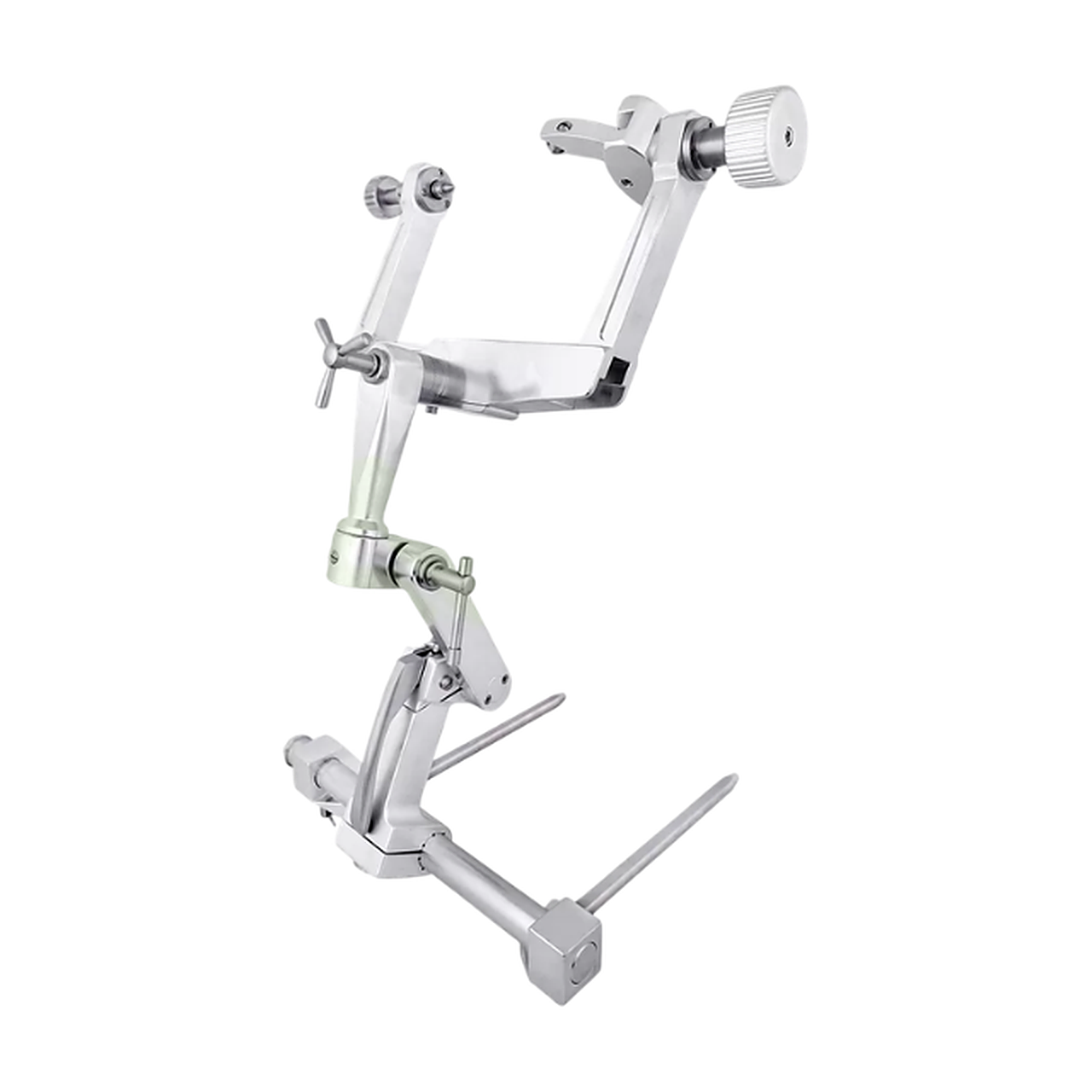 | Mayfield Skull Clamp | Engineered to provide rigid 3-pin cranial fixation and head immobilization during neurosurgery, spine surgery, ENT, and ophthalmic procedures. |
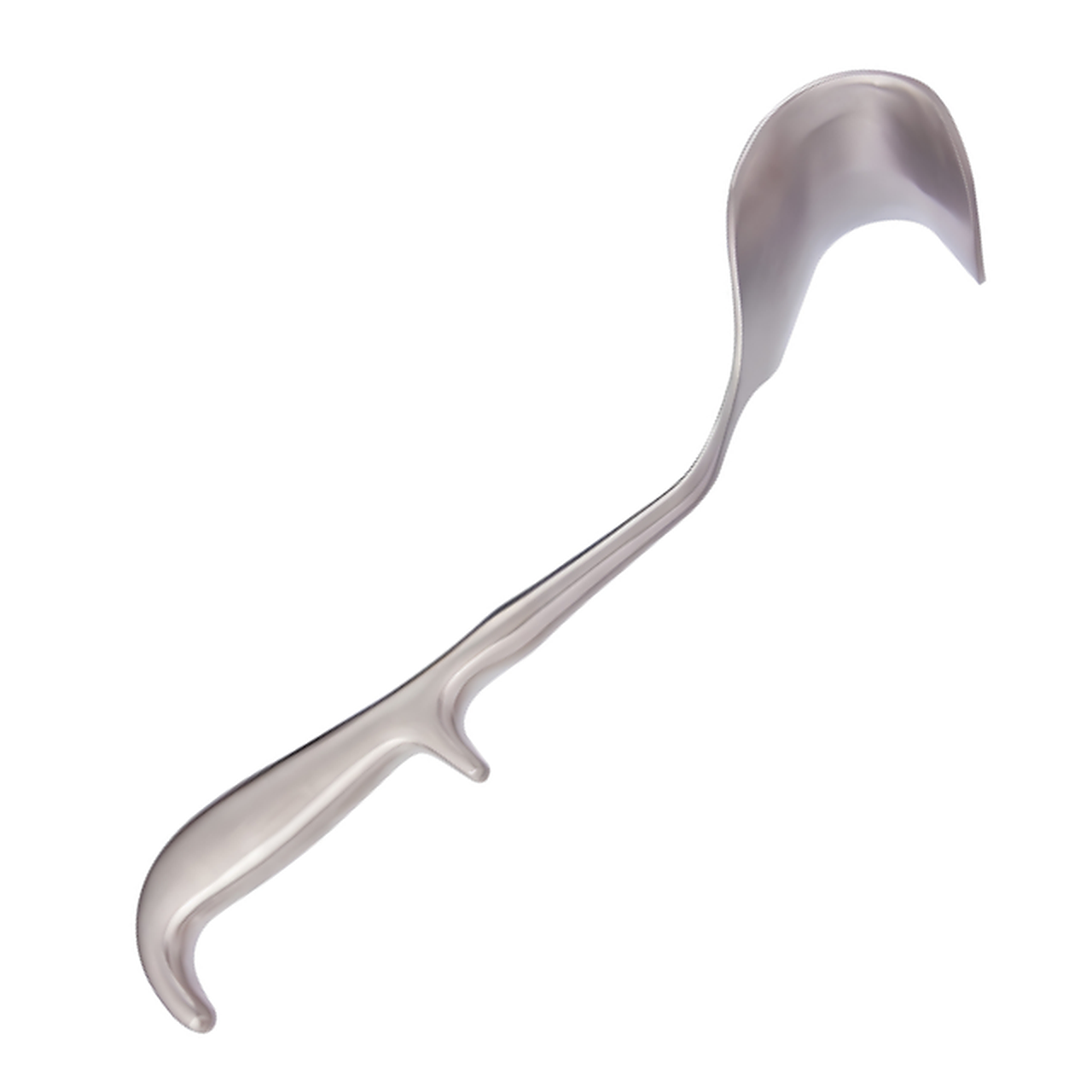 | Mayo Abdominal Retractor | Specifically designed to retract the abdominal wall, viscera, and thick musculature during open laparotomy and pelvic surgery. |
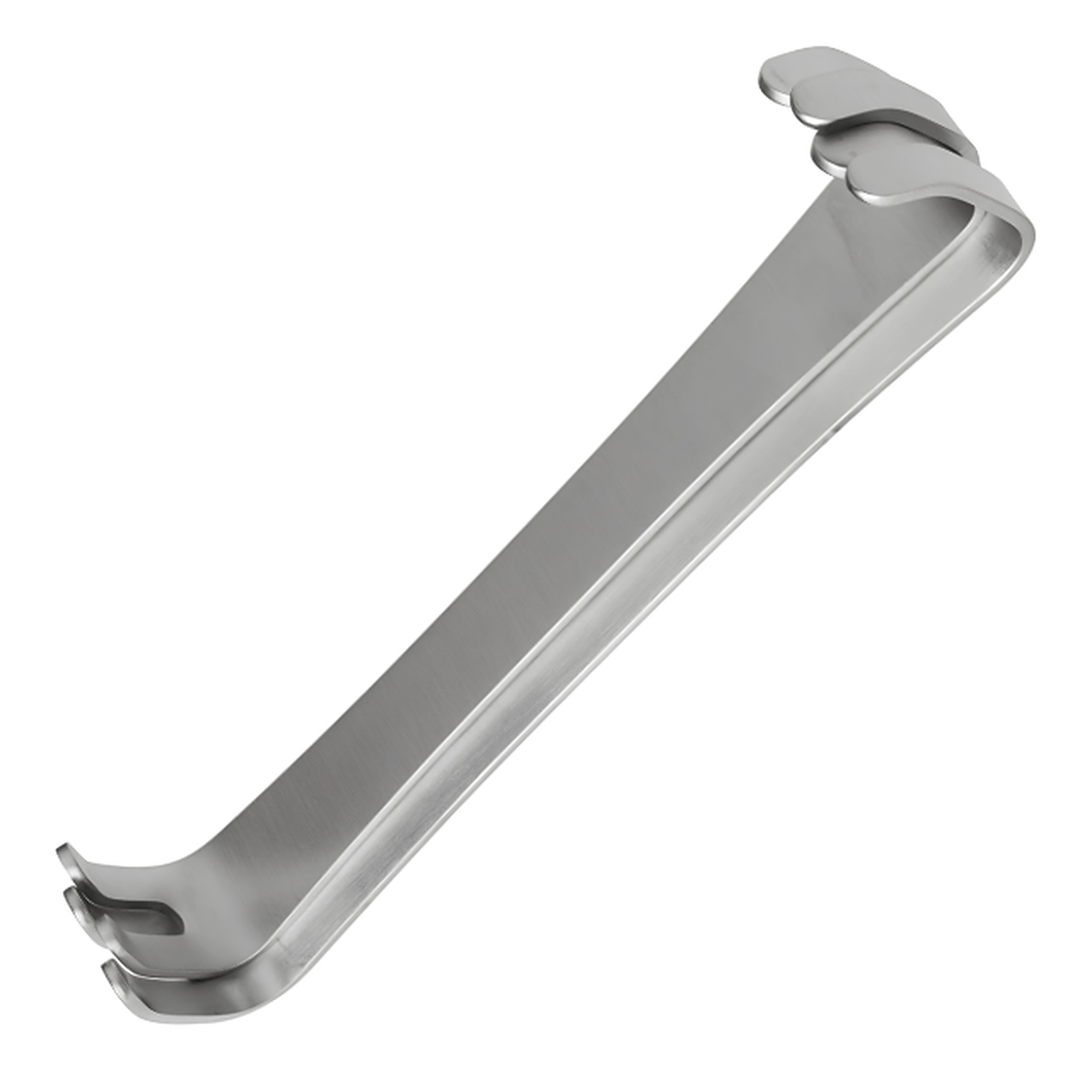 | Mayo-Collins Retractor-Set of Two | Specifically designed to retract skin, fascia, and soft tissues across superficial and intermediate surgical incisions. |
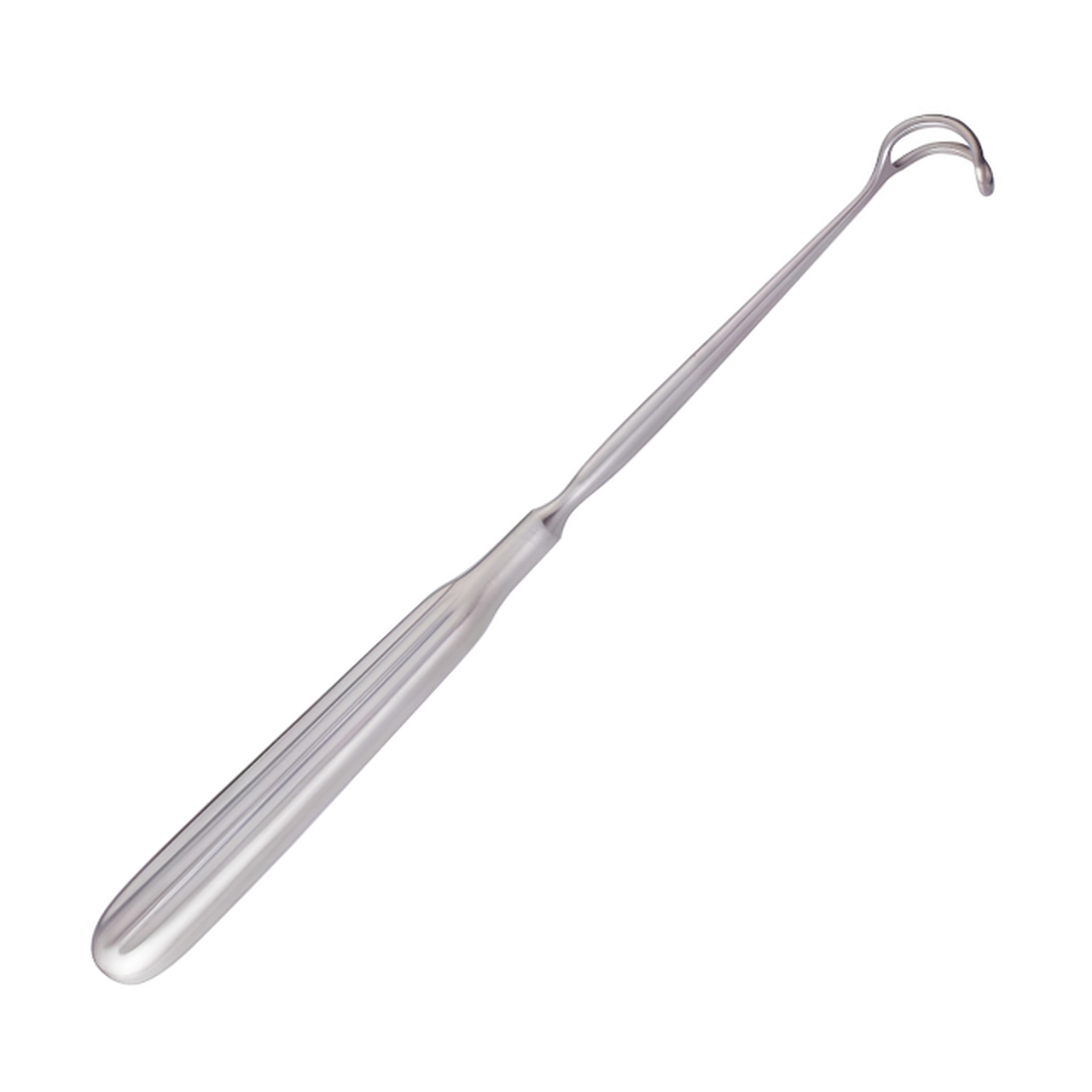 | McBurney Thyroid Retractor | Specifically designed to retract strap muscles, cervical fascia, and wound margins during thyroidectomy and parathyroid surgery. |
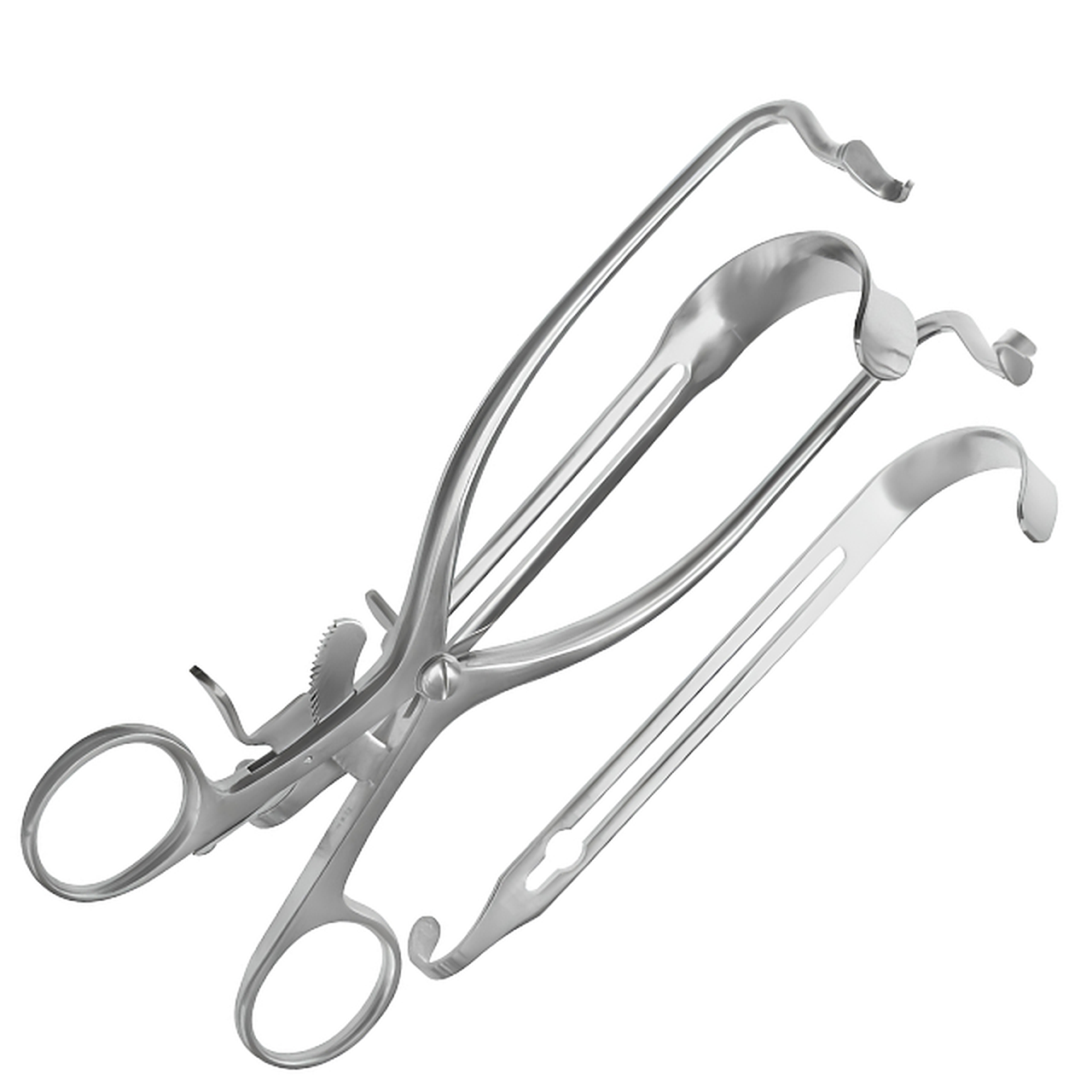 | McCabe Antral Retractor | Specifically designed to retract the cheek and upper lip during maxillary sinus surgery and Caldwell-Luc procedures. |
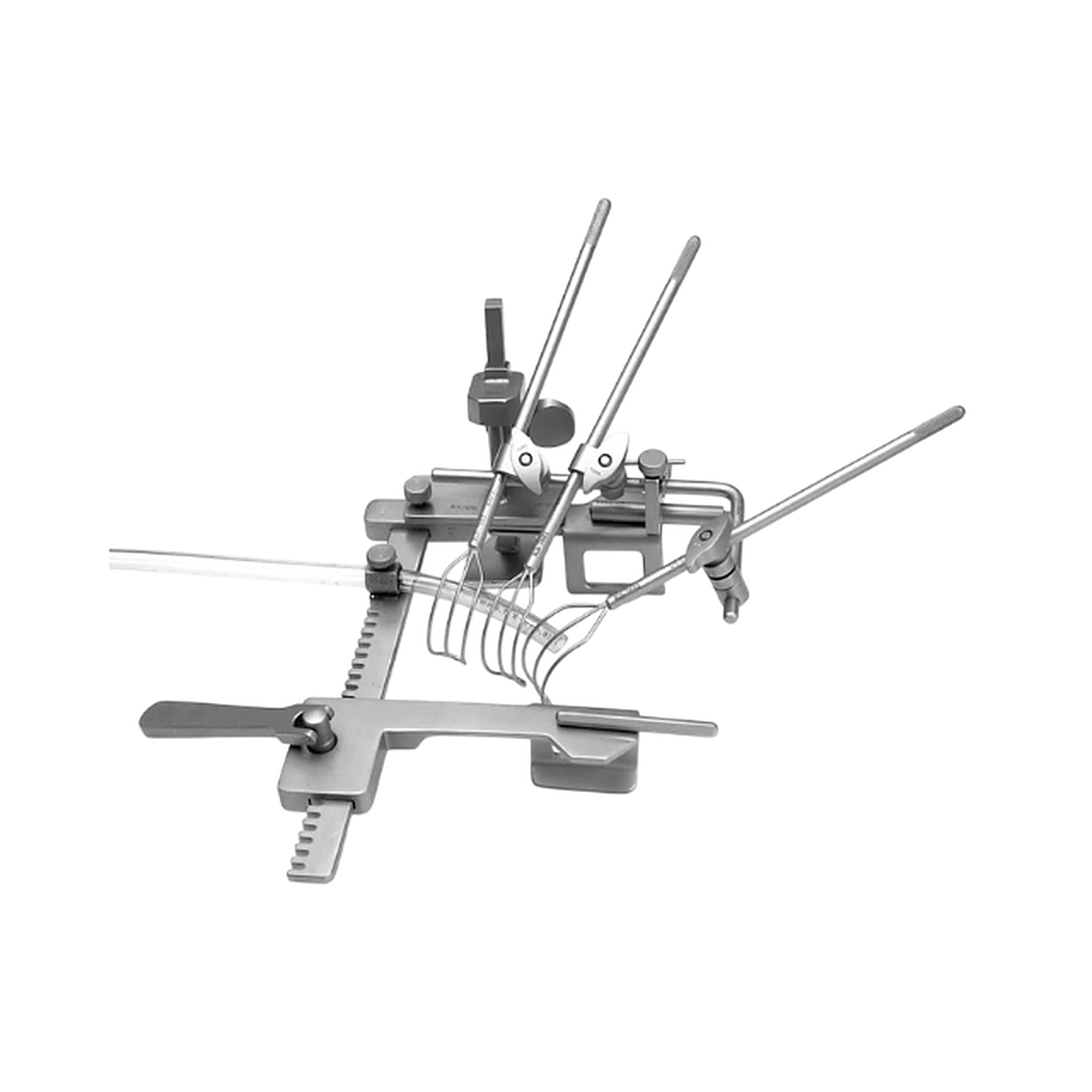 | McCarthy Mini-Sternotomy Retractor with Universal Lift | Specifically designed to provide stable sternal spreading and left-sternal elevation during valve operations, Maze procedures, mini-sternotomies, and intracardiac procedures. |
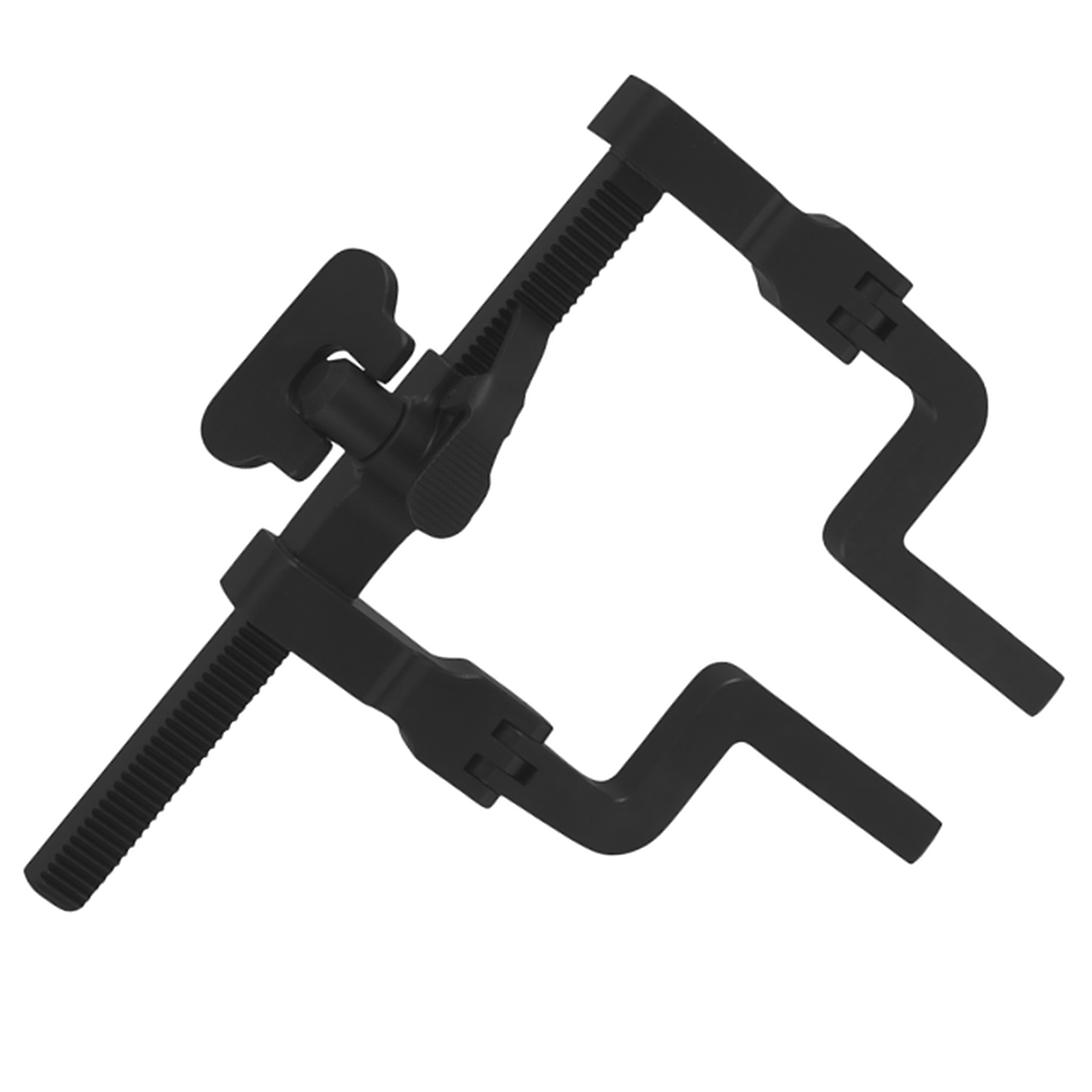 | McCulloch-Type Microdiscectomy Rigid Retractor Frame | Specifically designed to serve as a self-retaining base frame to mount modular blades and hooks during lumbar microdiscectomy. |
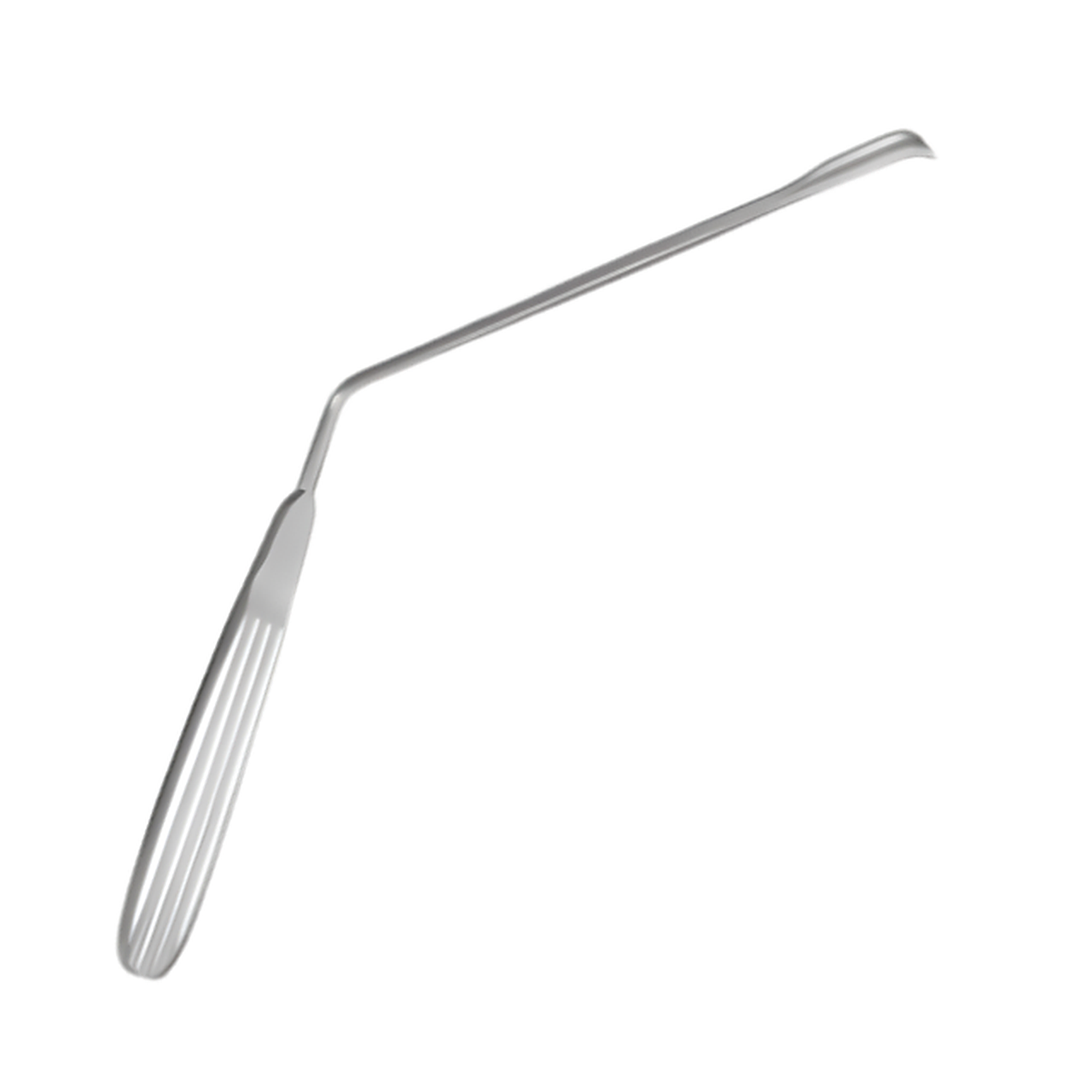 | McCulloch-Type Nerve Root Retractor | Specifically designed to mobilize, cradle, and protect spinal nerve roots and the thecal sac during microsurgical lumbar discectomy. |
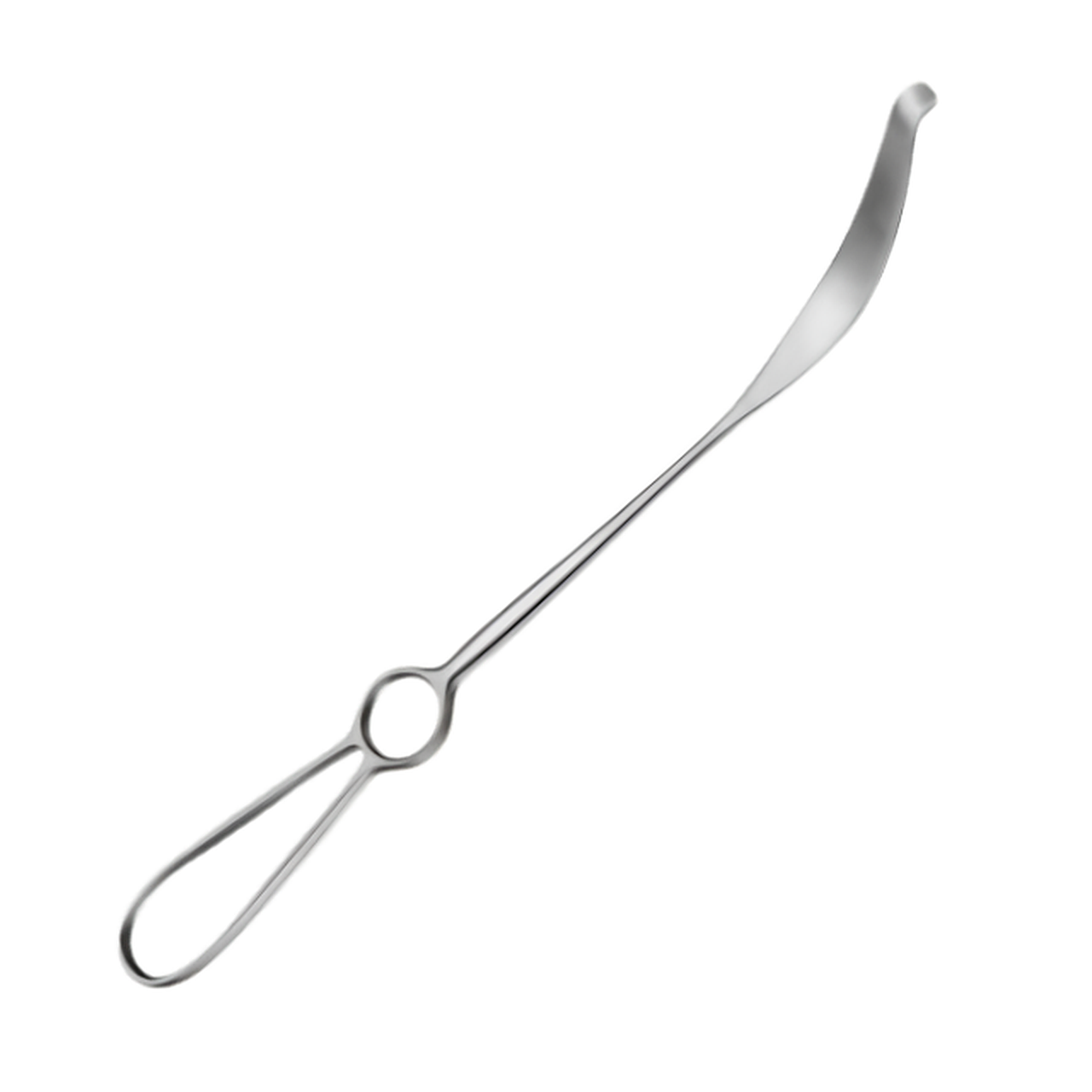 | Medial Ramus & Orbital Rim Retractor | Specifically designed to retract soft tissues and expose bone along the medial ramus and orbital rim during craniofacial procedures. |
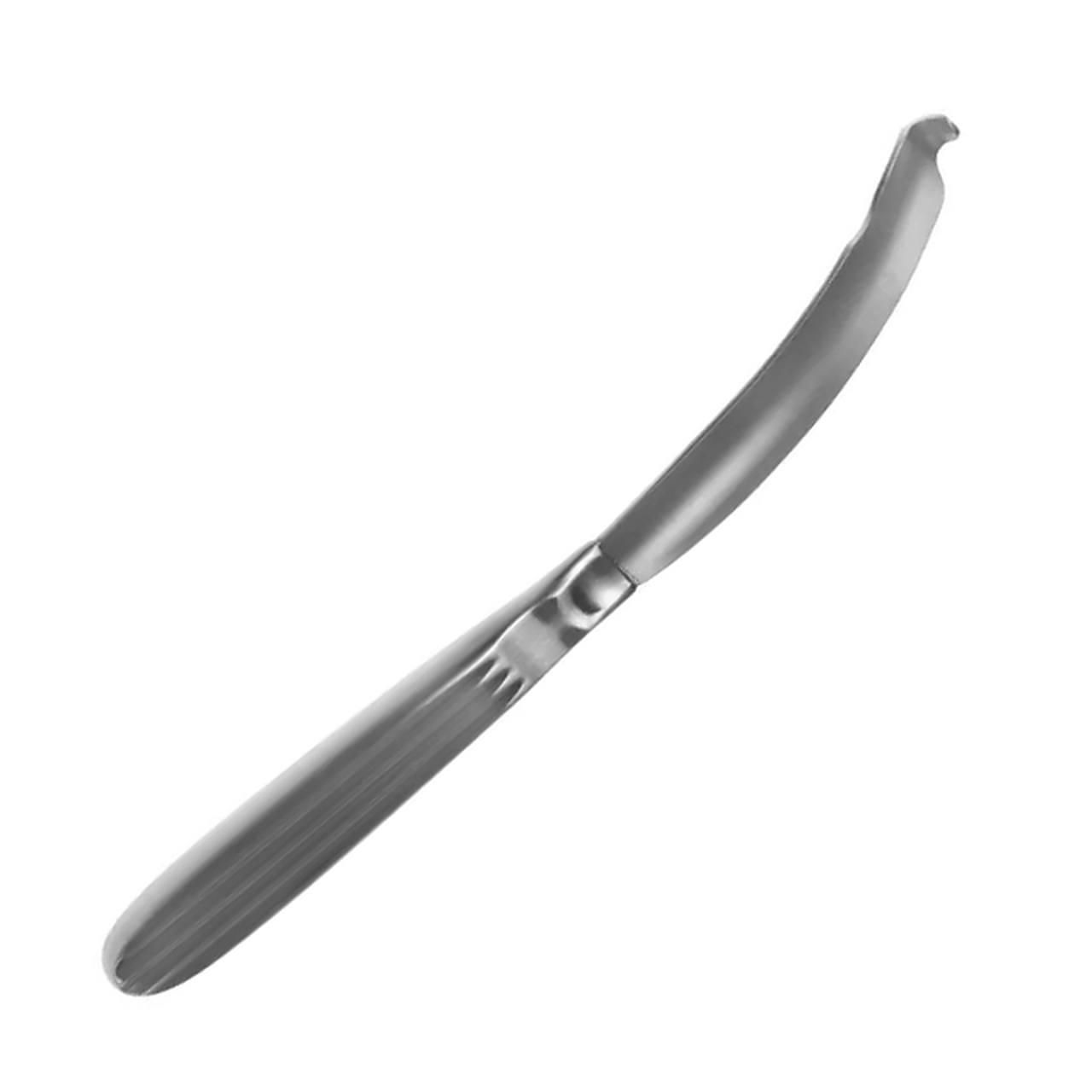 | Medial Ramus Retractor | Specifically designed to retract the medial pterygoid muscle and protect the inferior alveolar nerve during sagittal split ramus osteotomies. |
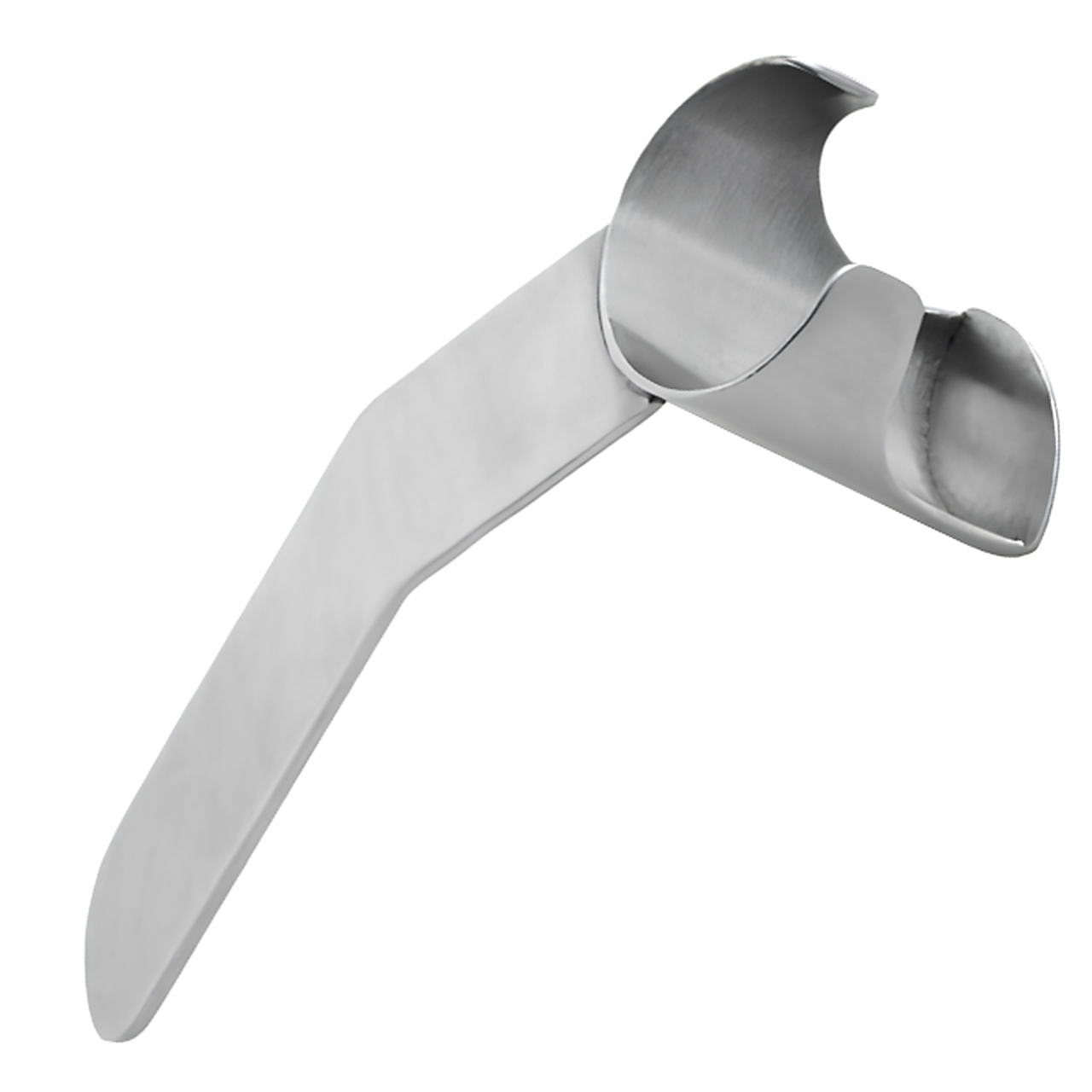 | Meniscal Repair Retractor | Specifically designed to shield posterior neurovascular structures and deflect suture needles during arthroscopic meniscal repair. |
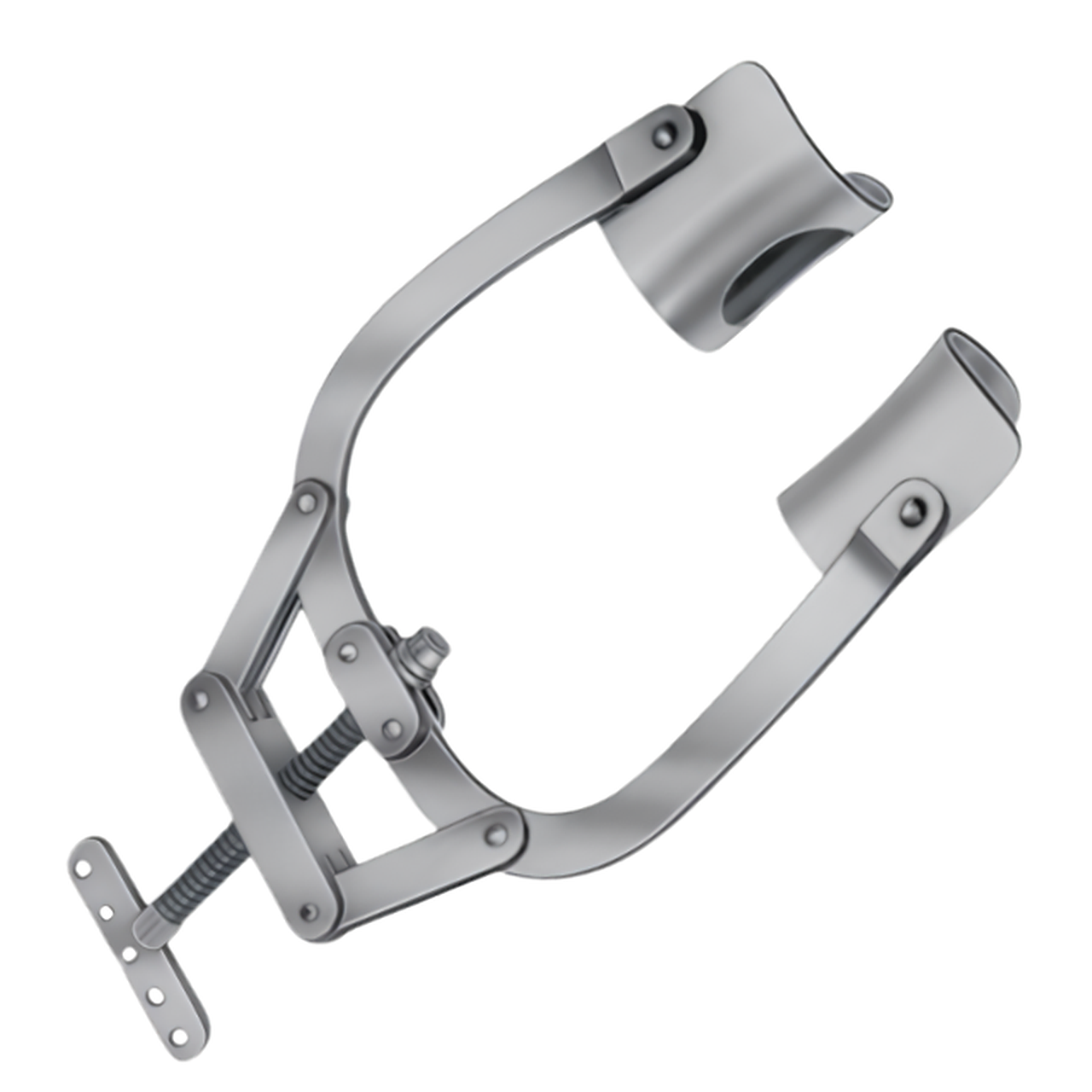 | Mercedes Thoracic Retractor | Specifically designed to provide compound mechanical torque for expansive rib and chest wall separation during thoracic surgery. |
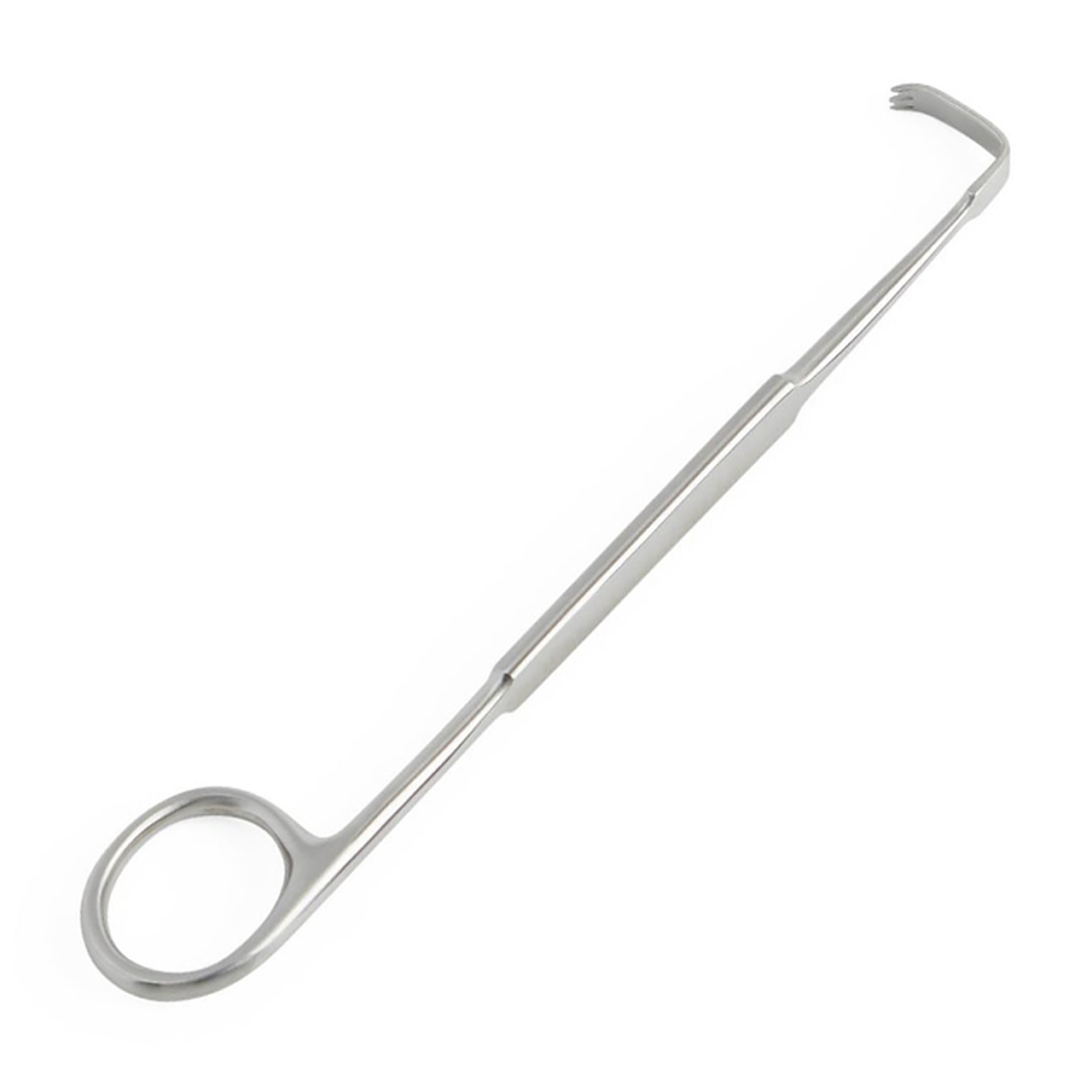 | Meyerding Finger Retractor | Specifically designed to retract skin flaps, digital tendons, and delicate soft tissues during hand, plastic, and minor surgery. |
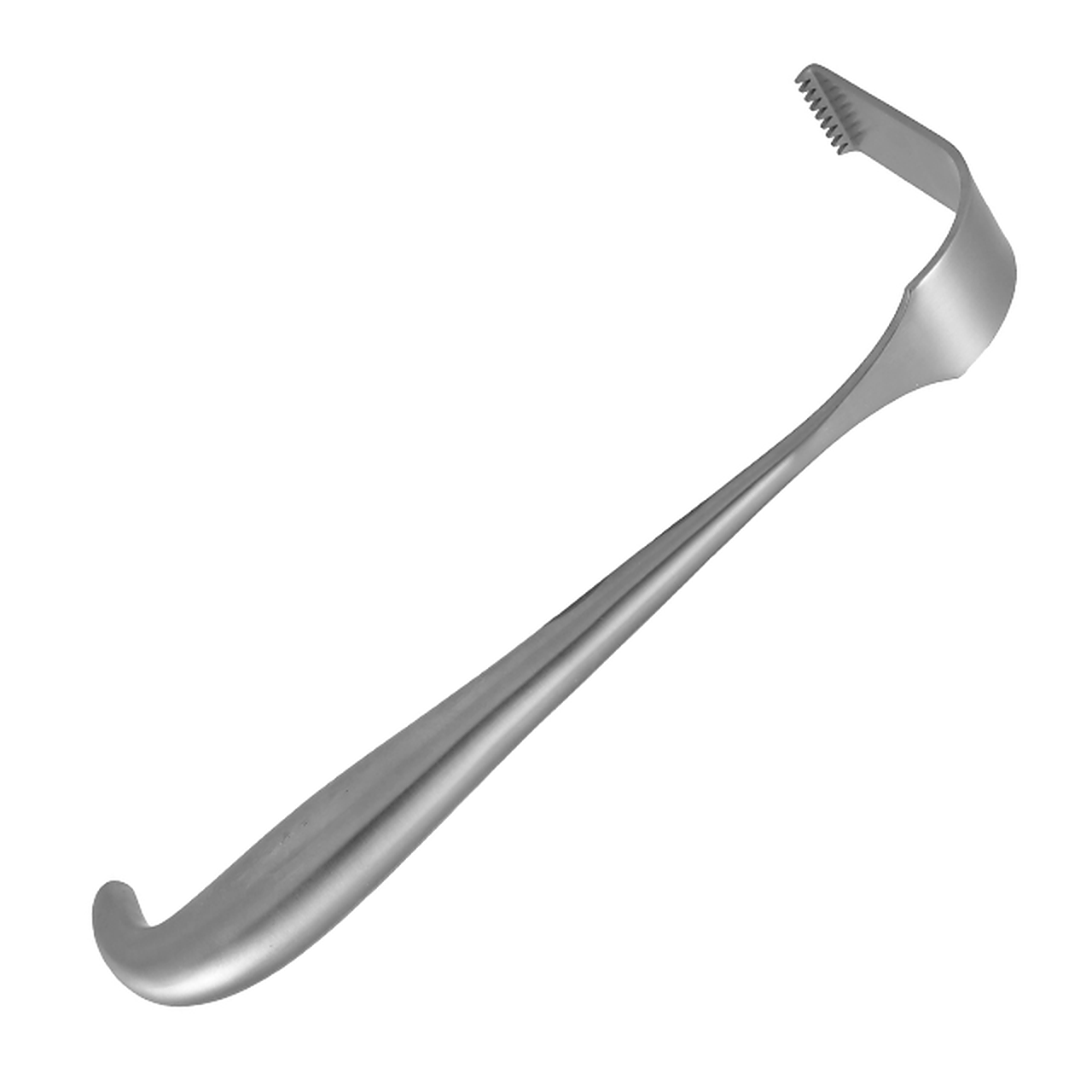 | Meyerding Retractor | Specifically designed to retract heavy paraspinal musculature and deep soft tissue during spinal laminectomy and orthopedic surgery. |
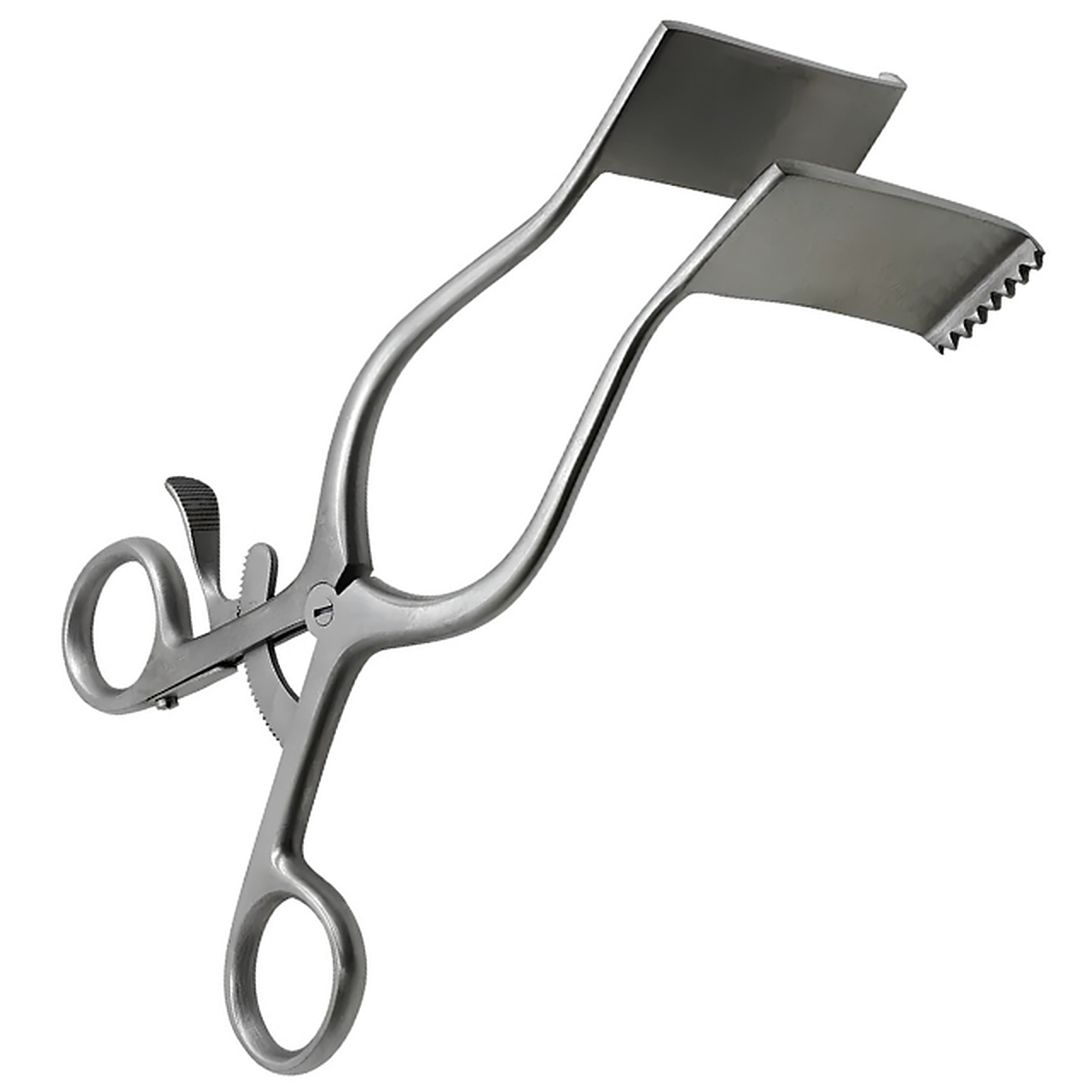 | Meyerding Retractor with Ratchet | Specifically designed to provide self-retaining paraspinal muscle retraction and bone anchoring during spinal laminectomy. |
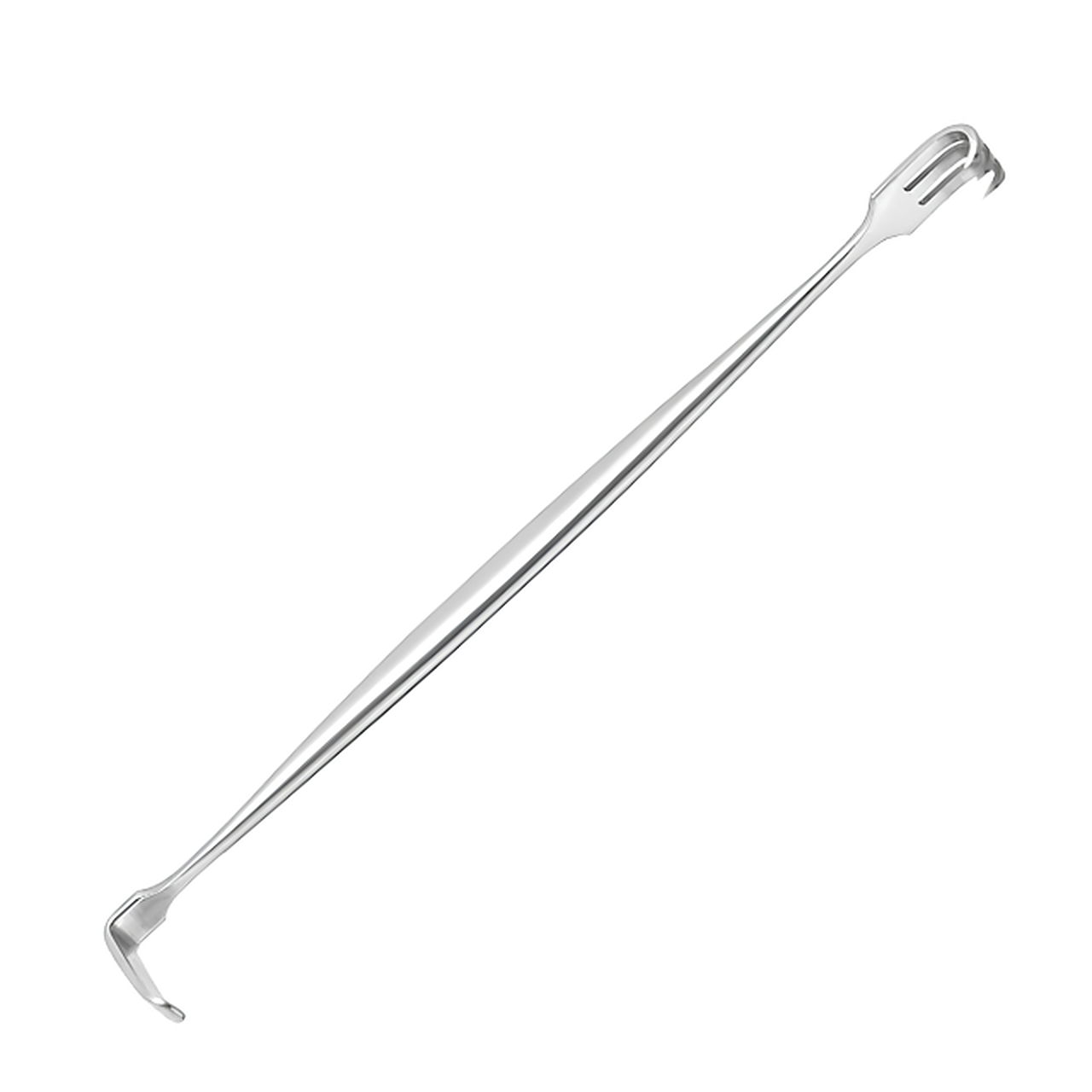 | Meyerding Skin Hook/Retractor | Specifically designed to elevate delicate skin edges and retract soft tissue during plastic, reconstructive, and minor surgery. |
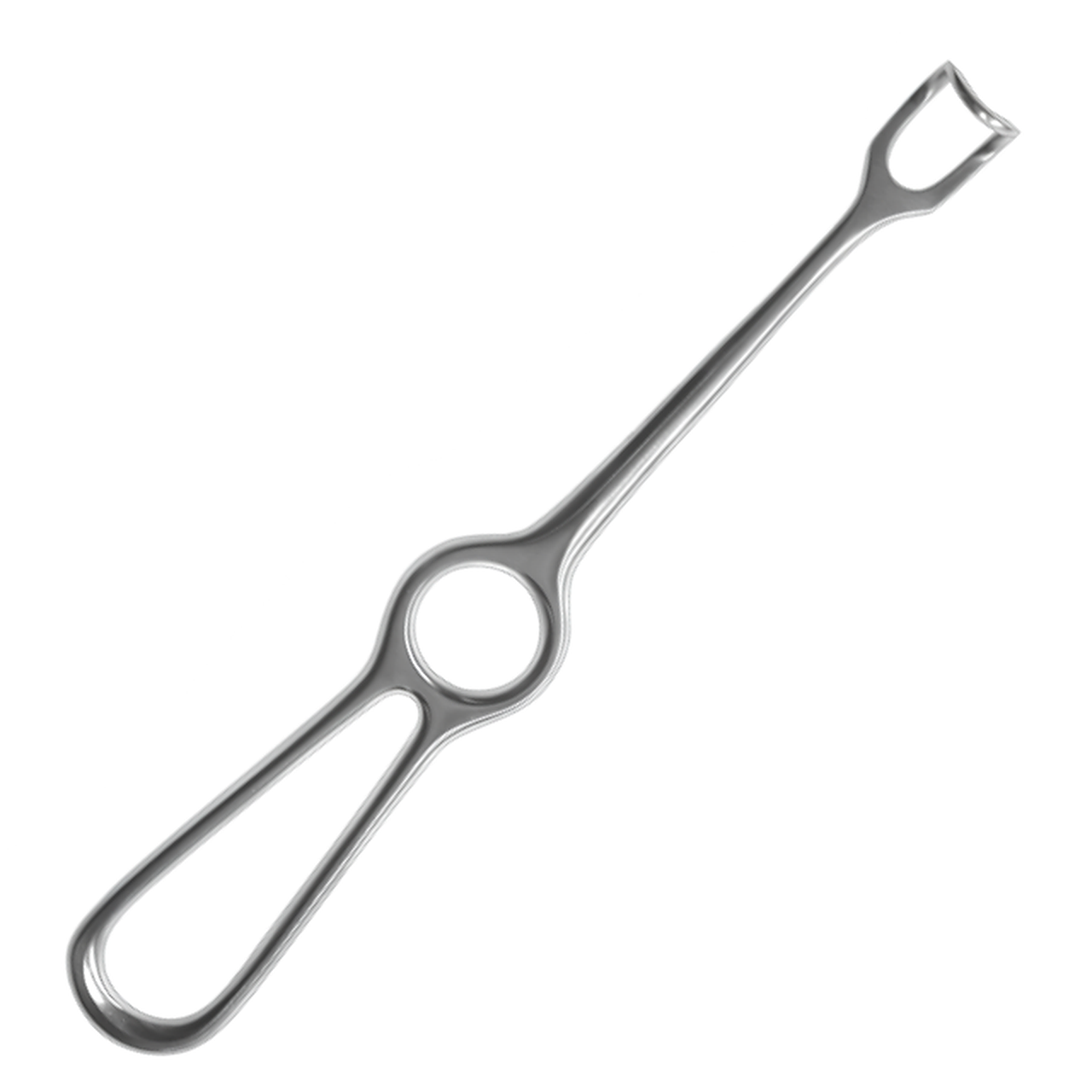 | Middledorpf Retractor | Specifically designed to retract muscle layers, fascia, and soft tissue while preserving visual sightlines during deep surgery. |
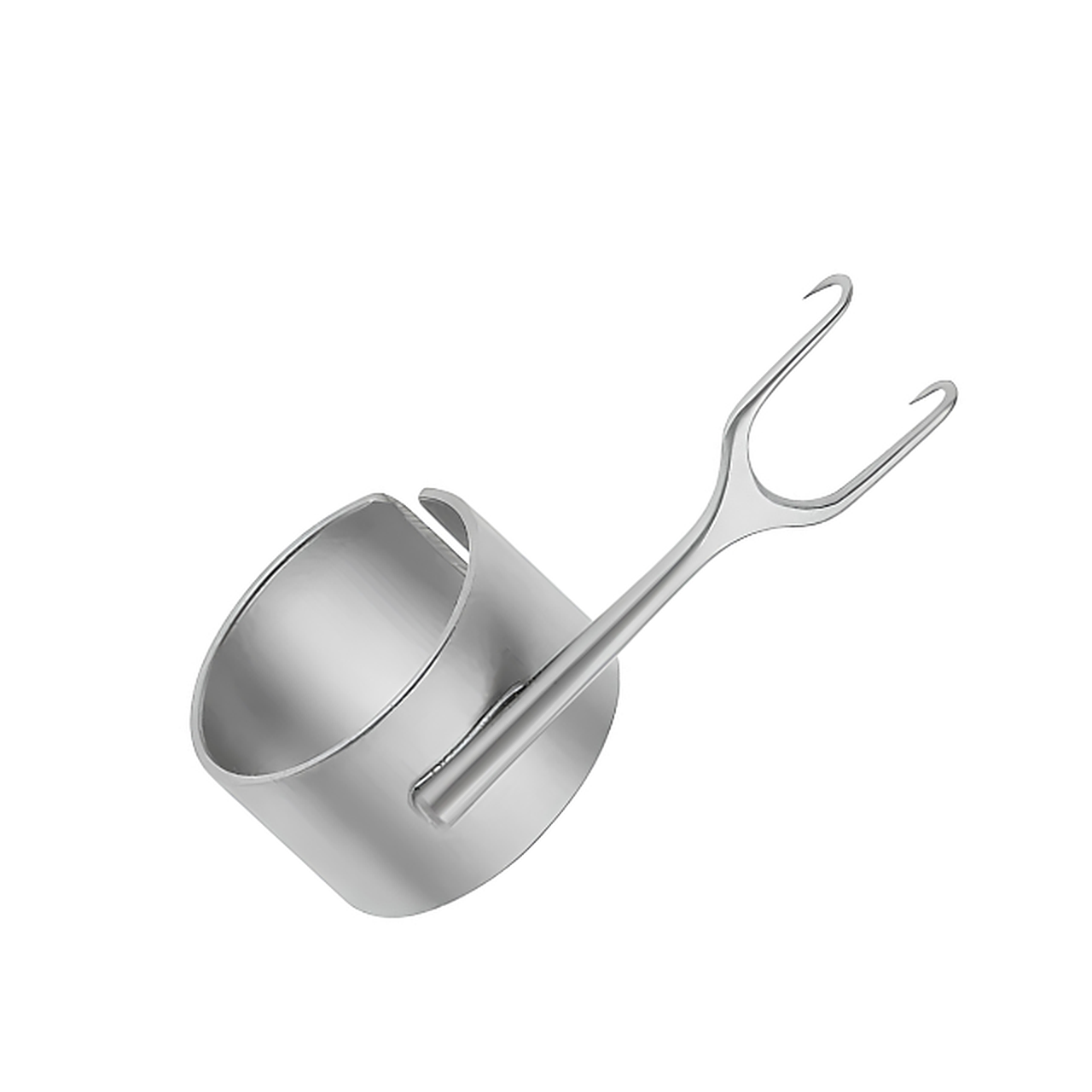 | Millard Cottle Retractor with Finger Ring | Specifically designed to retract the alar rim and lower lateral cartilage during rhinoplasty and cleft lip nasal repairs. |
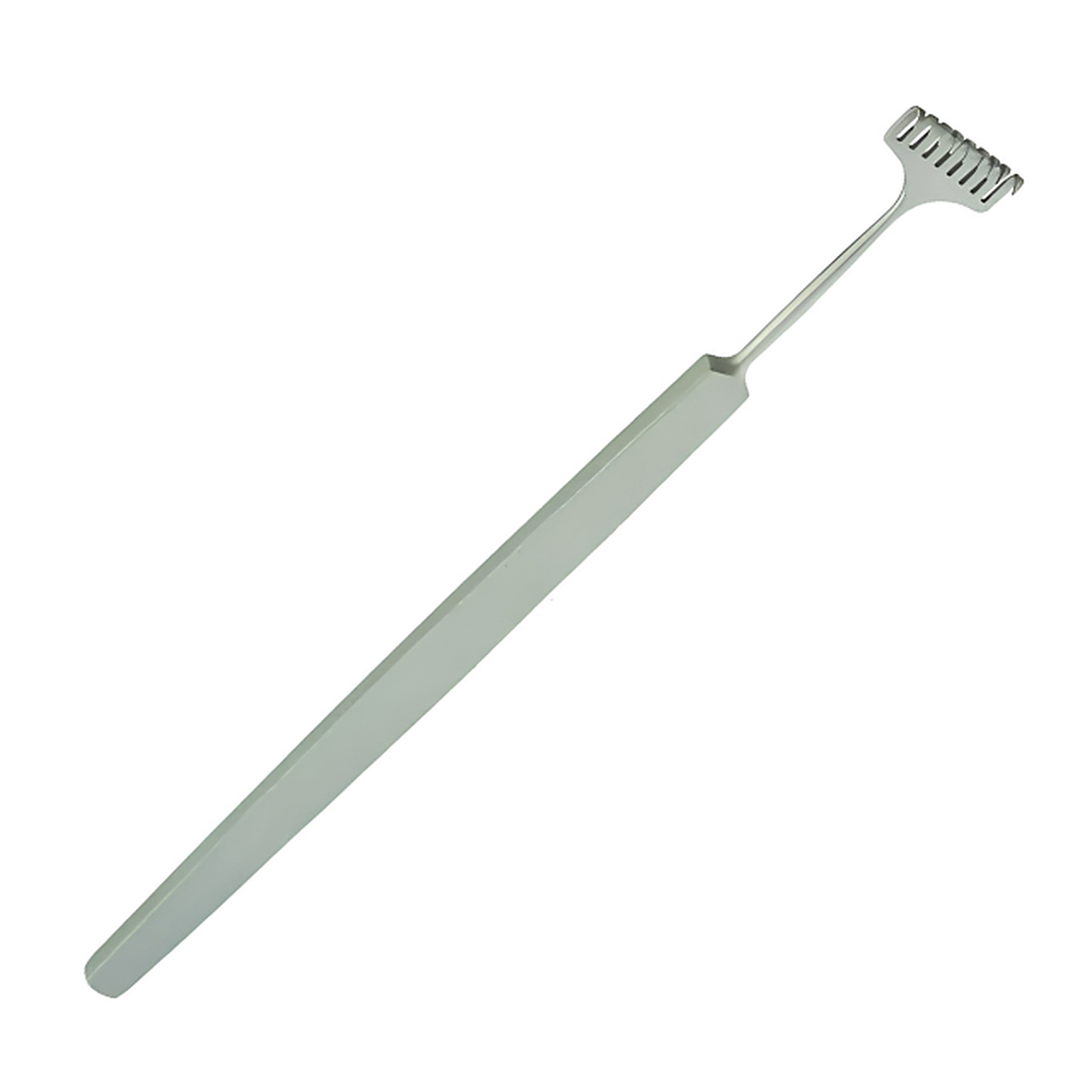 | Miller Rake Retractor | Specifically designed to elevate skin flaps and retract subcutaneous tissue during plastic, dermatologic, and reconstructive surgery. |
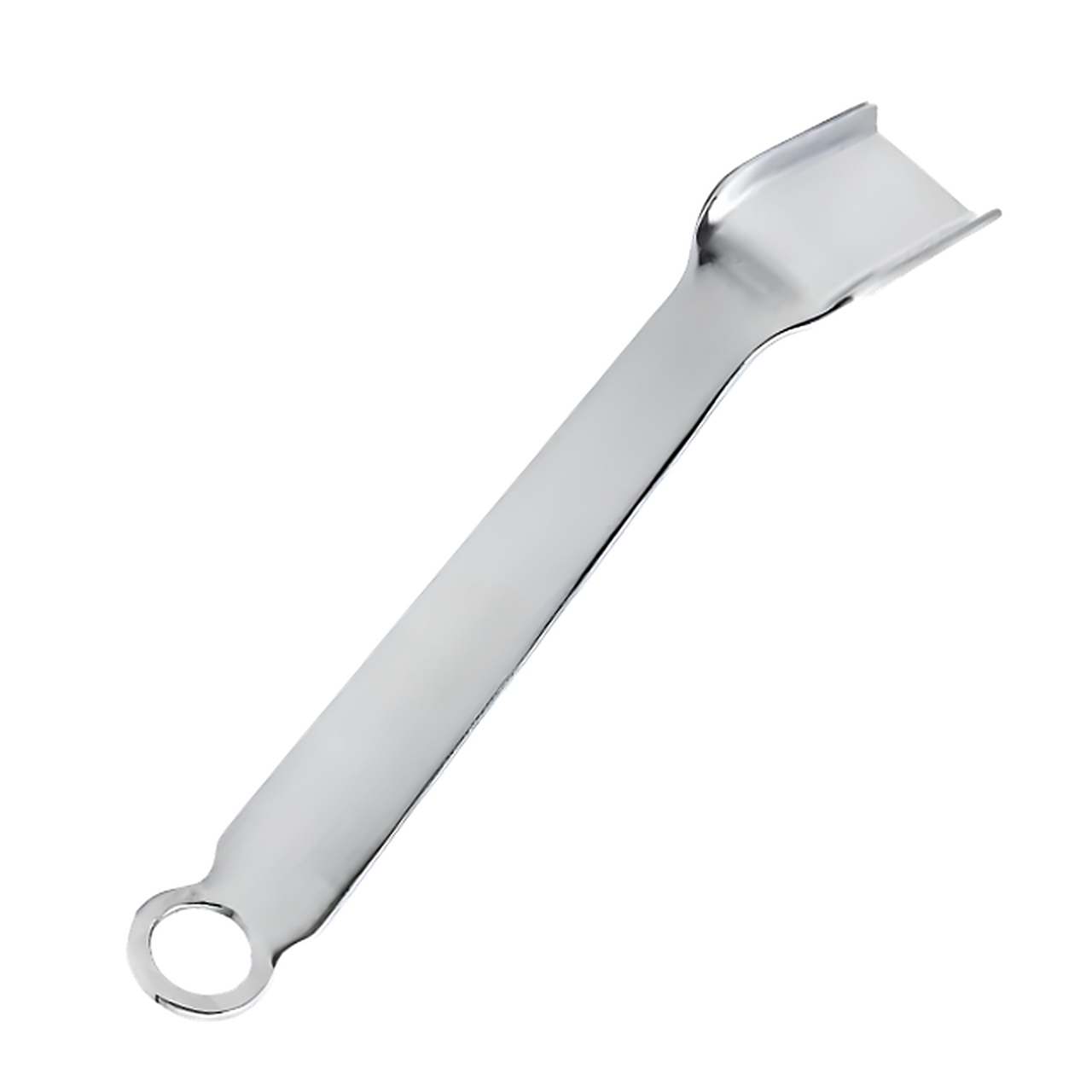 | Minimally Invasive Knee Retractors | Specifically designed to leverage bone and retract soft tissues through small incisions during minimally invasive knee arthroplasty. |
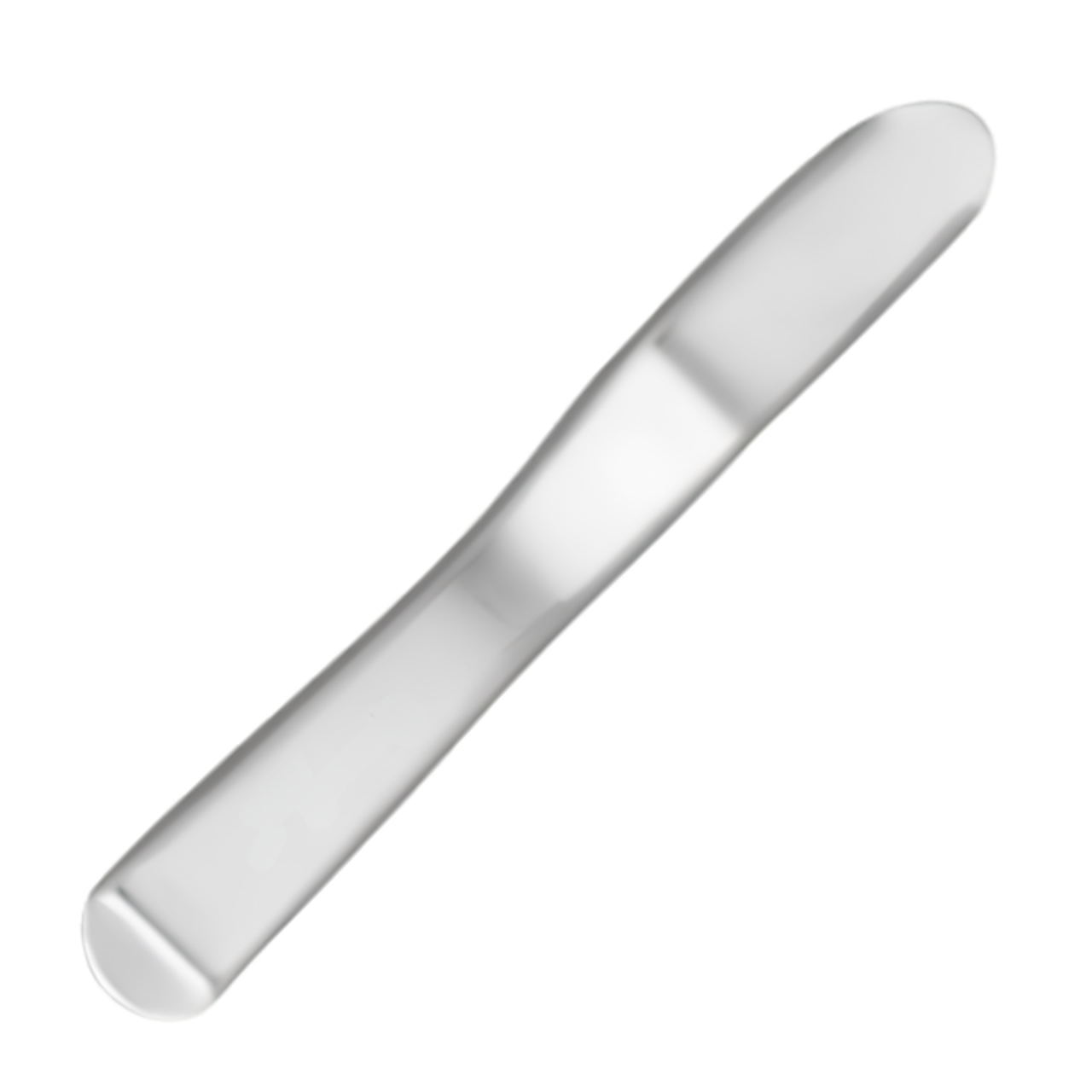 | Minnesota Retractor | Specifically designed to retract the cheeks, lips, and tongue to expose the alveolar ridge and dentition during oral surgery. |
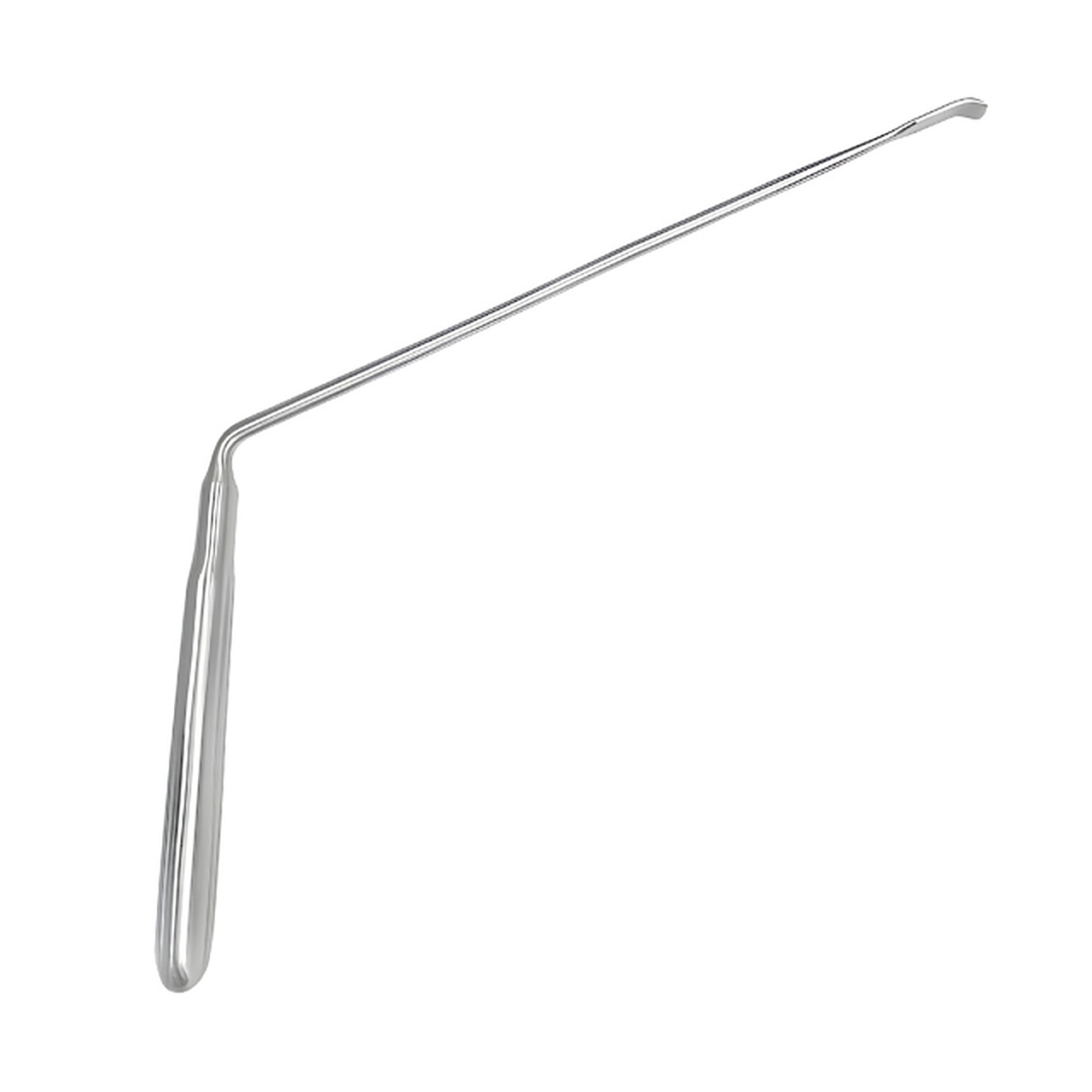 | MIS Nerve Root Retractor | Specifically designed to retract and protect traversing nerve roots and the thecal sac during minimally invasive spinal discectomy. |
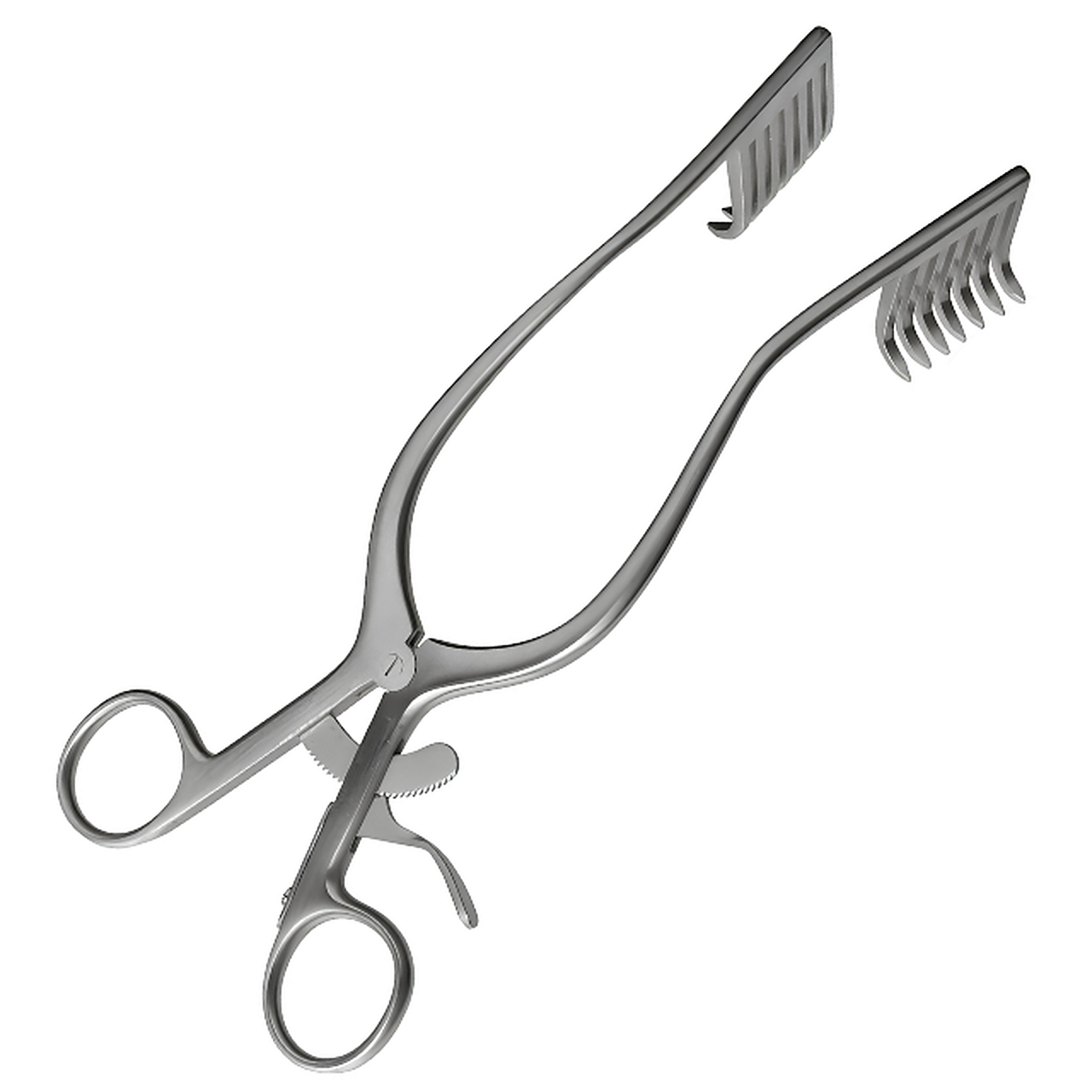 | Miskimon Cerebellar Retractor | Specifically designed to provide self-retaining scalp and nuchal muscle retraction during suboccipital and cerebellar craniotomies. |
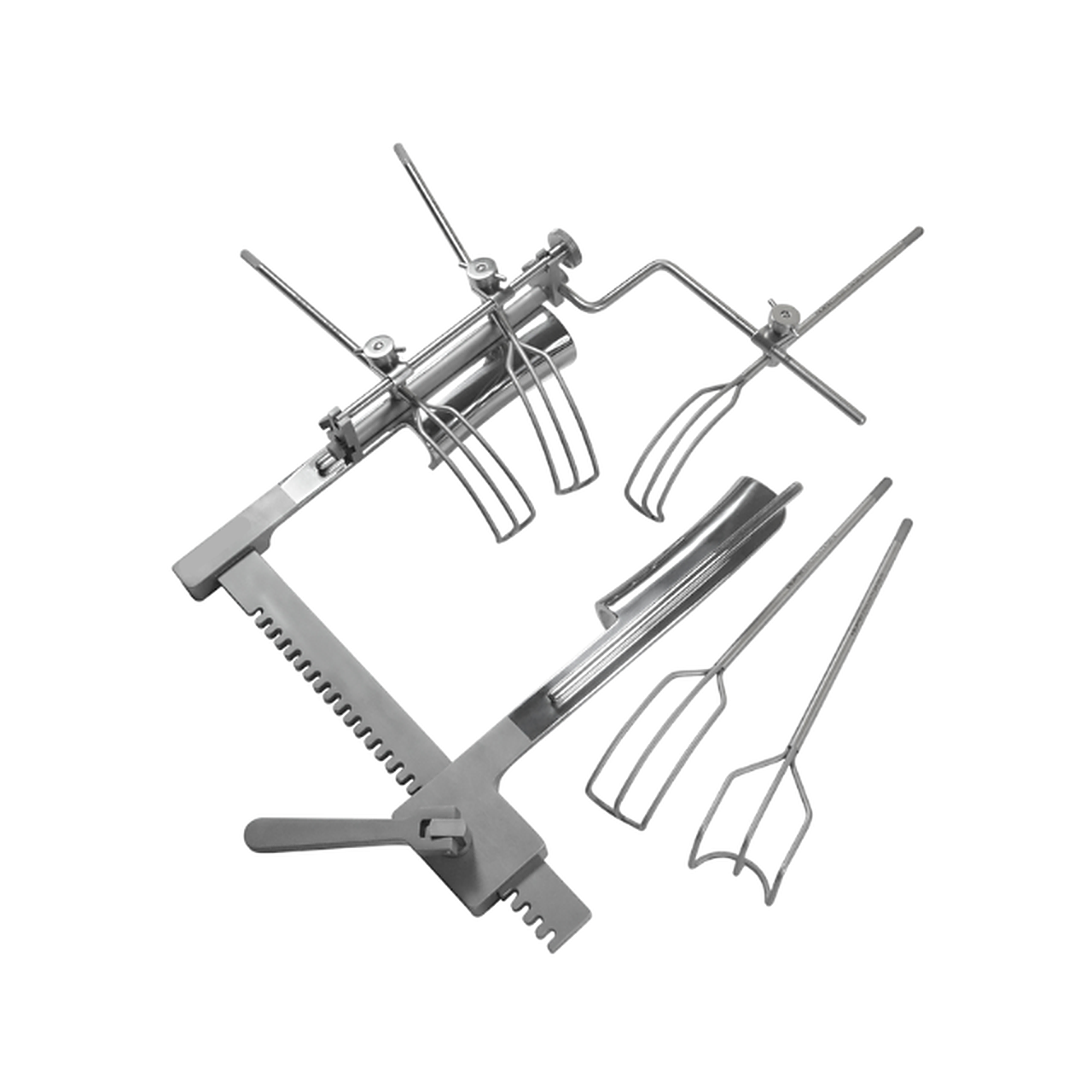 | Mitral Valve Retractor | Specifically designed to provide structured surgical exposure and soft tissue retraction during cardiac valve procedures. |
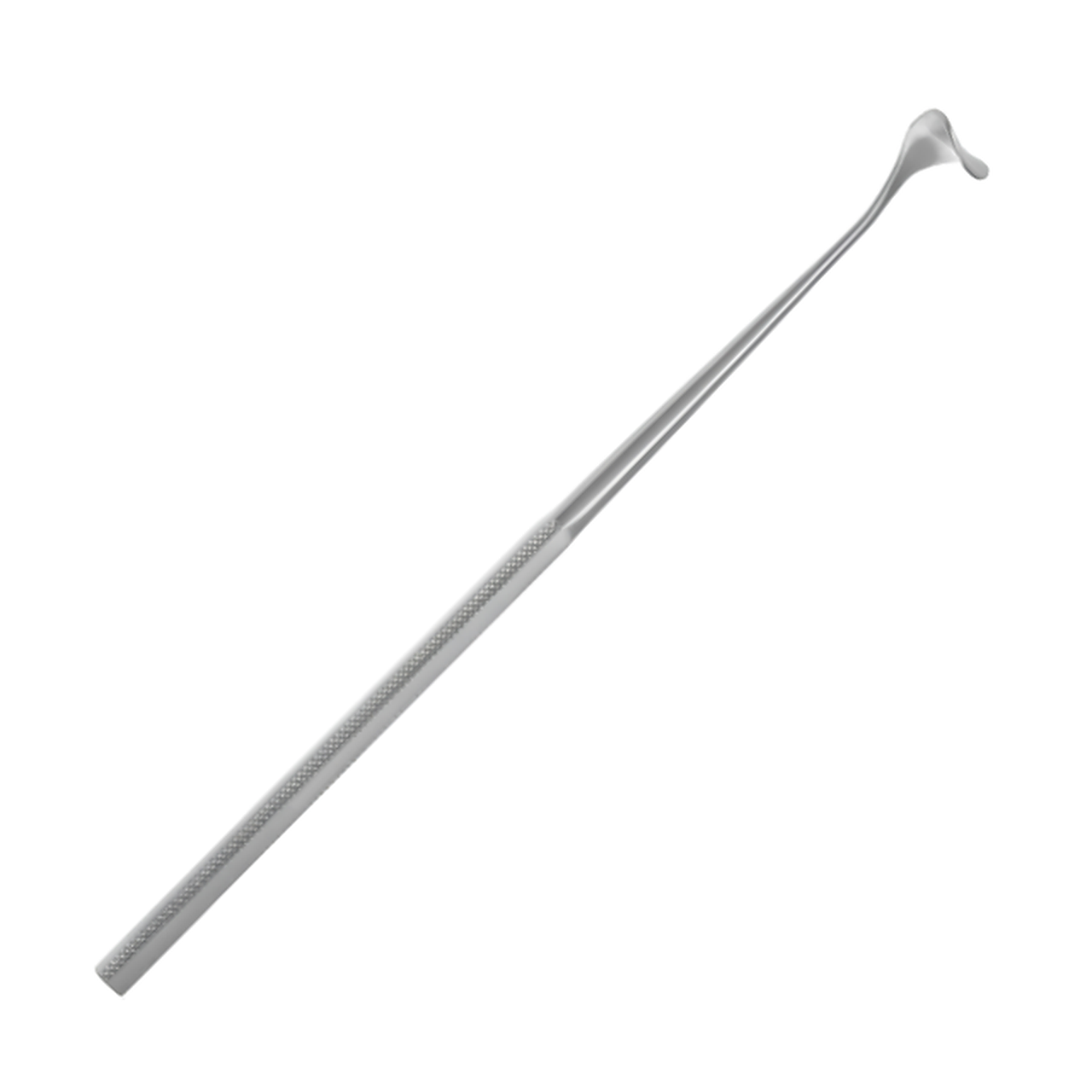 | Moberg Skin Retractor | Specifically designed to retract skin margins, cutaneous flaps, and delicate soft tissues during hand and plastic surgery. |
 | Modified Fukuda Type Retractors | Specifically designed to retract the humeral head posteriorly and expose the glenoid cavity during shoulder arthroplasty. |
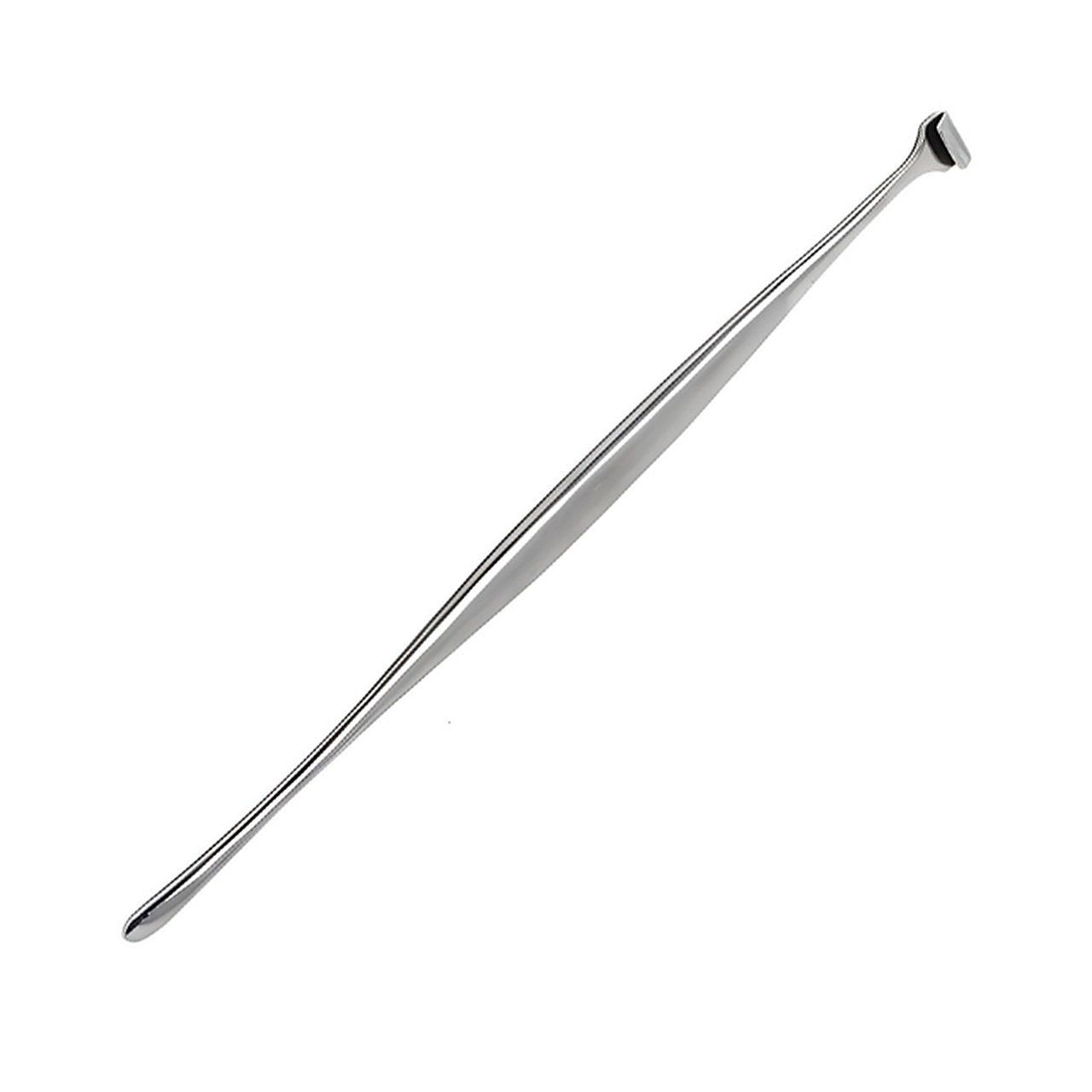 | Mollison Anterior Pillar Retractor | Specifically designed to retract the anterior tonsillar pillar and palatoglossal arch during tonsillectomy and pharyngeal surgery. |
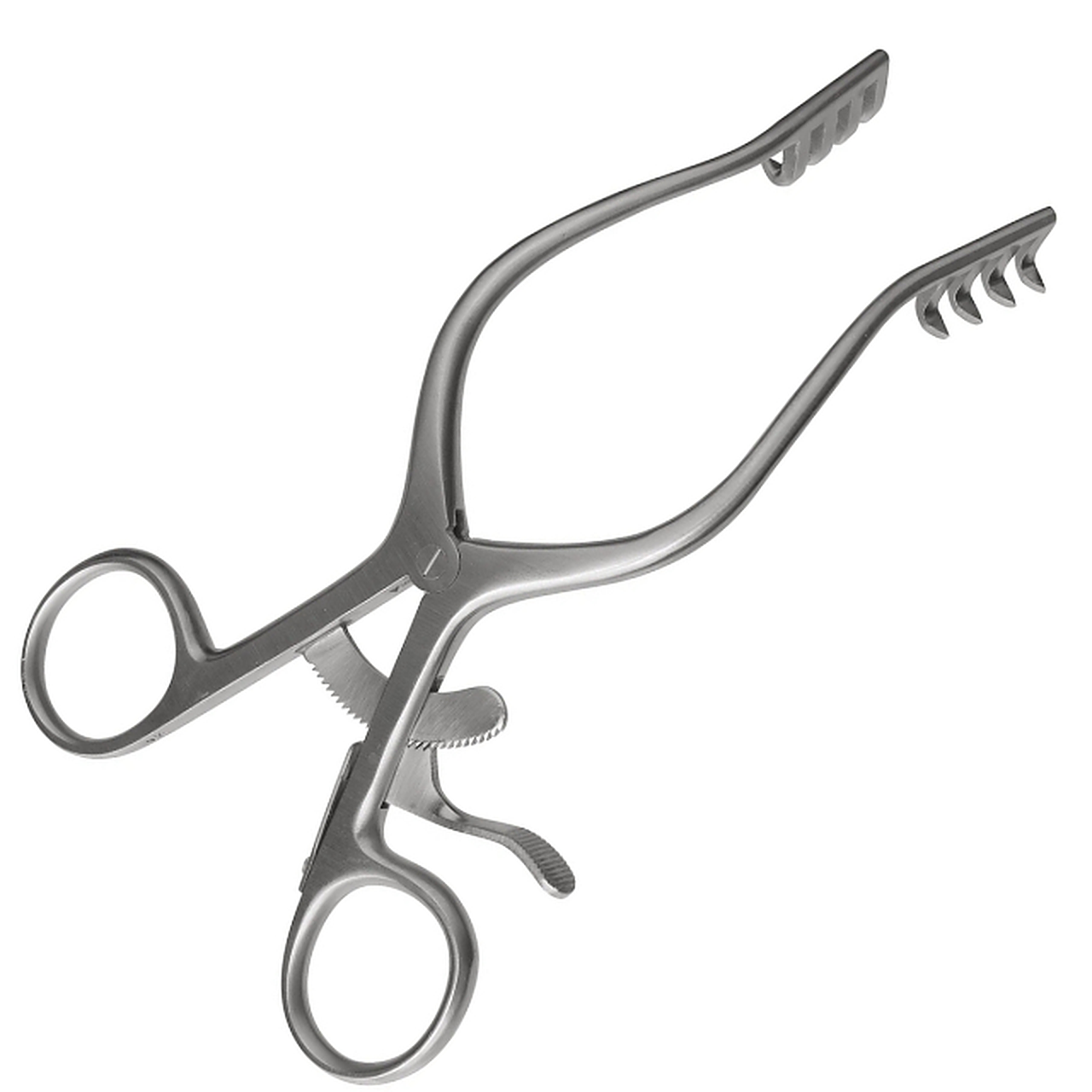 | Mollison Retractor | Specifically designed to provide self-retaining wound margin and periosteal retraction during mastoid, ear, and scalp surgery. |
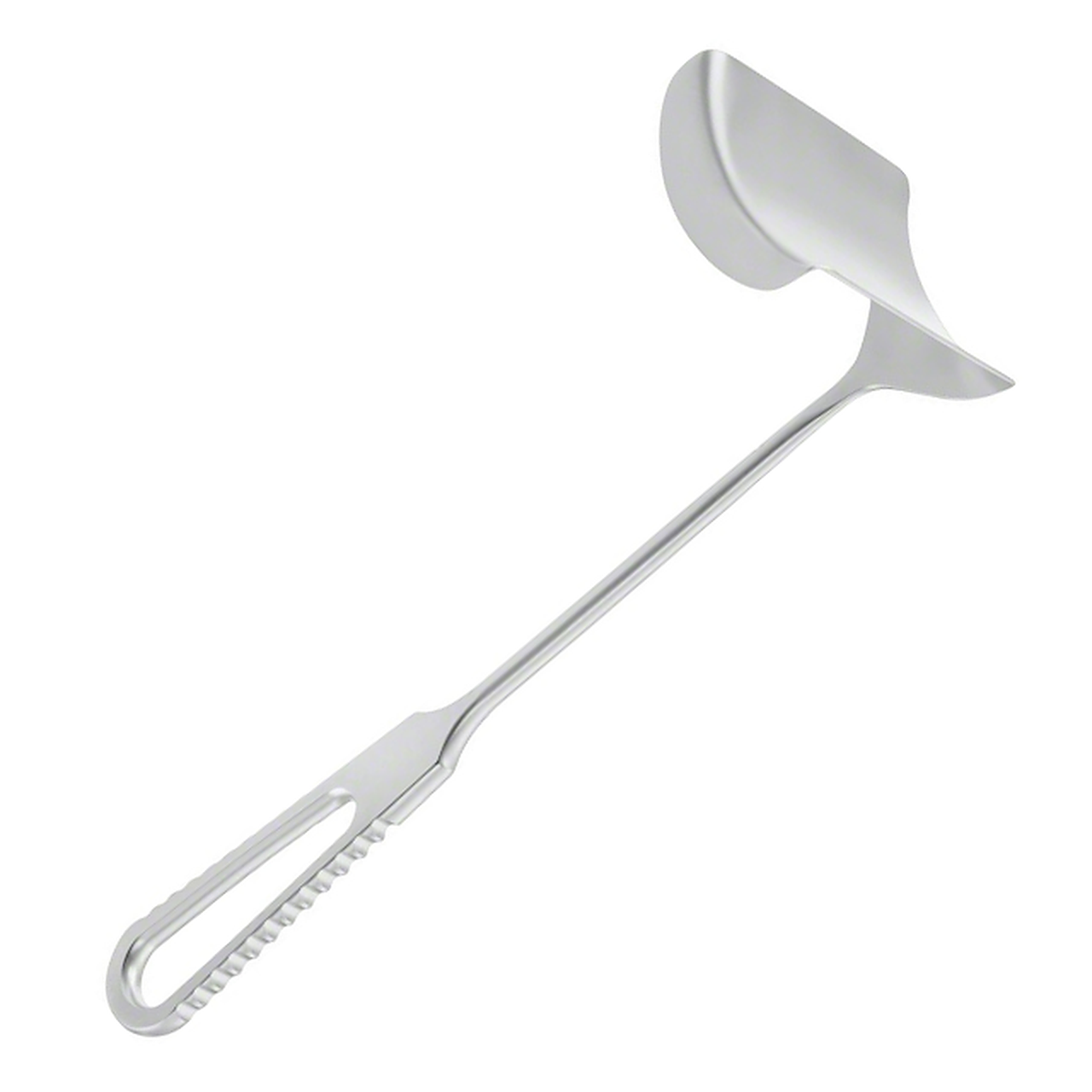 | Morris Retractor Single-Ended | Specifically designed to retract the abdominal wall, viscera, and thick musculature during open abdominal and pelvic surgery. |
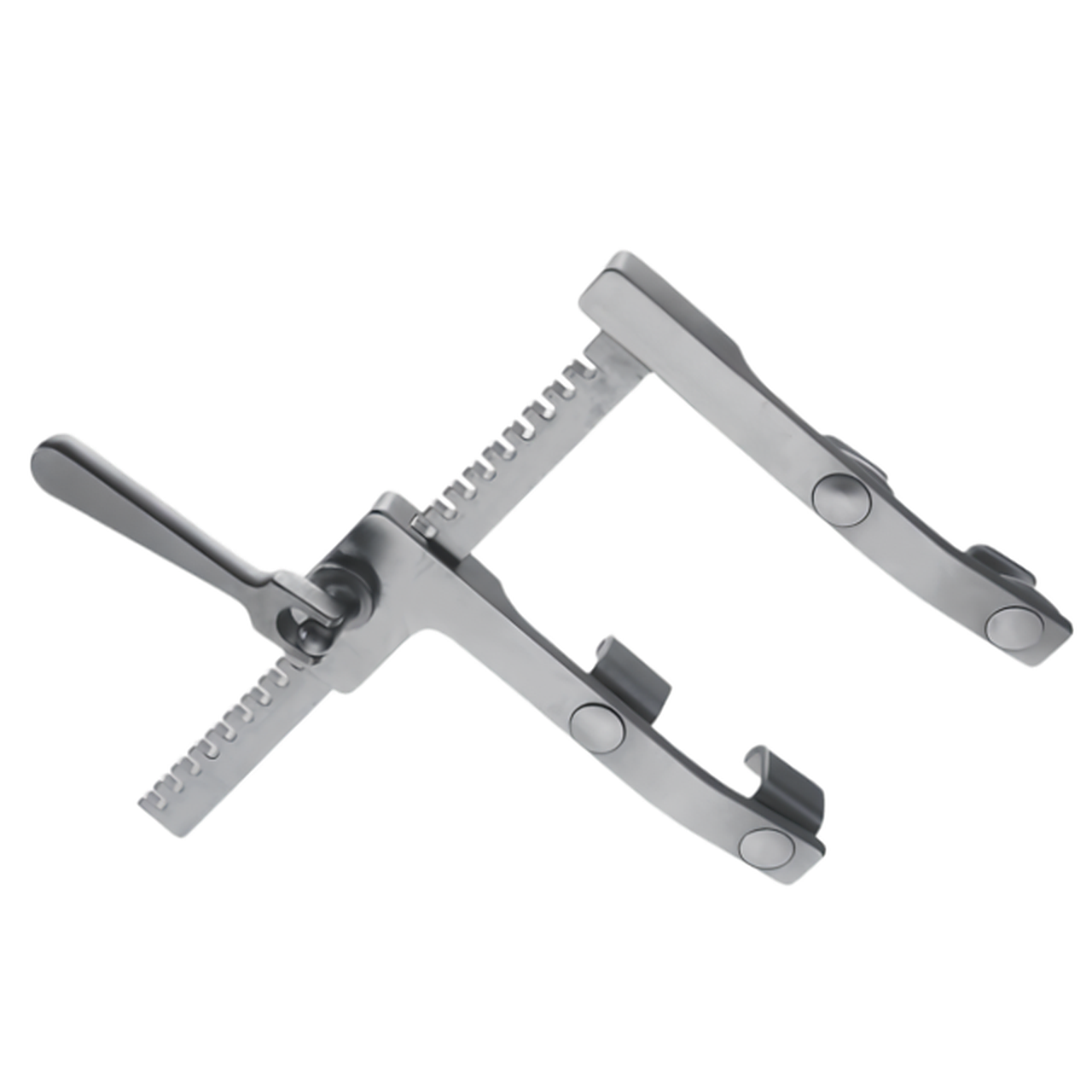 | Morse Rib Spreader | Specifically designed to separate ribs and expand the thoracic cavity with multi-position anatomical blade adjustment. |
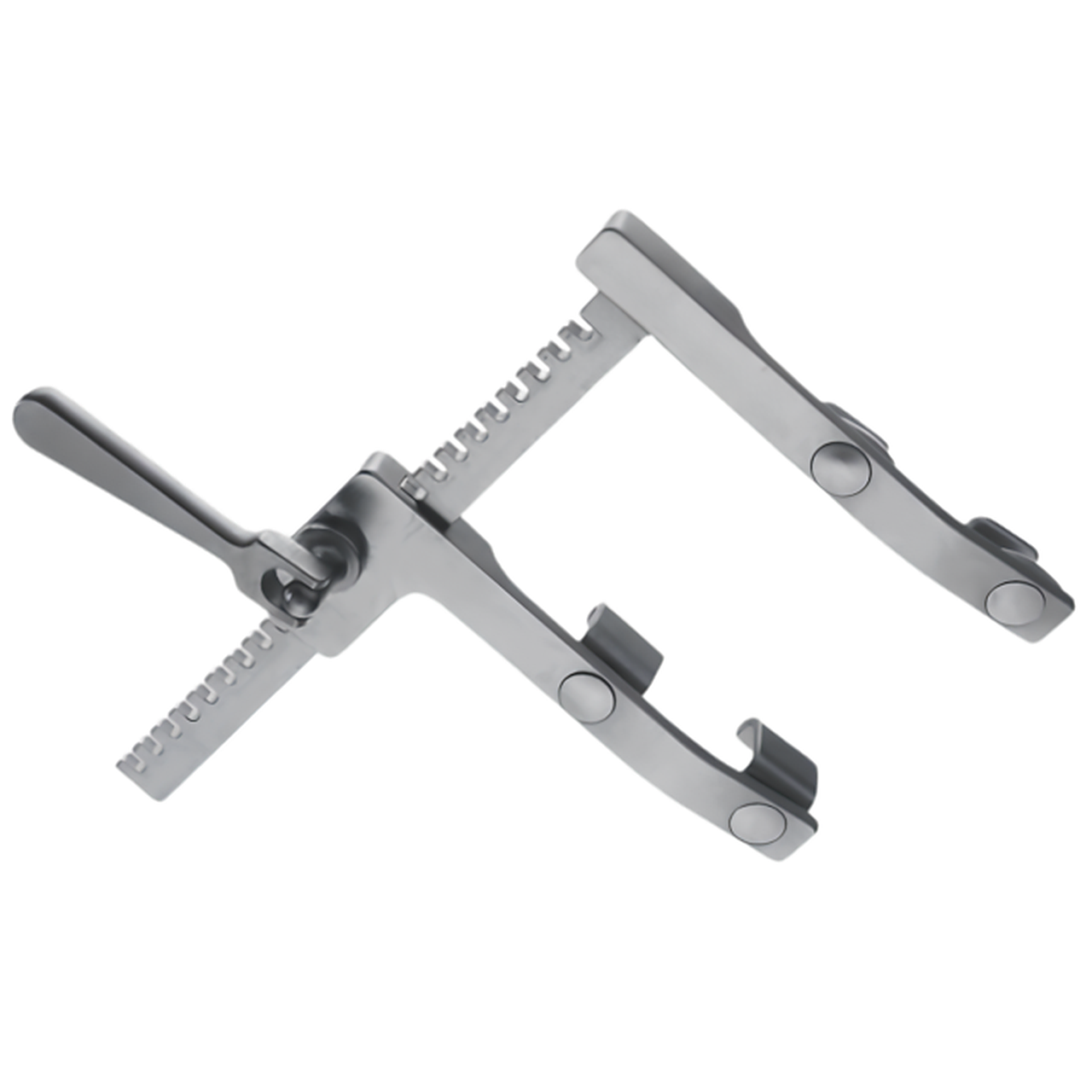 | Morse-Favaloro Rib Spreader | Specifically designed to separate ribs with movable pivoting blades during coronary artery bypass and thoracic surgery. |
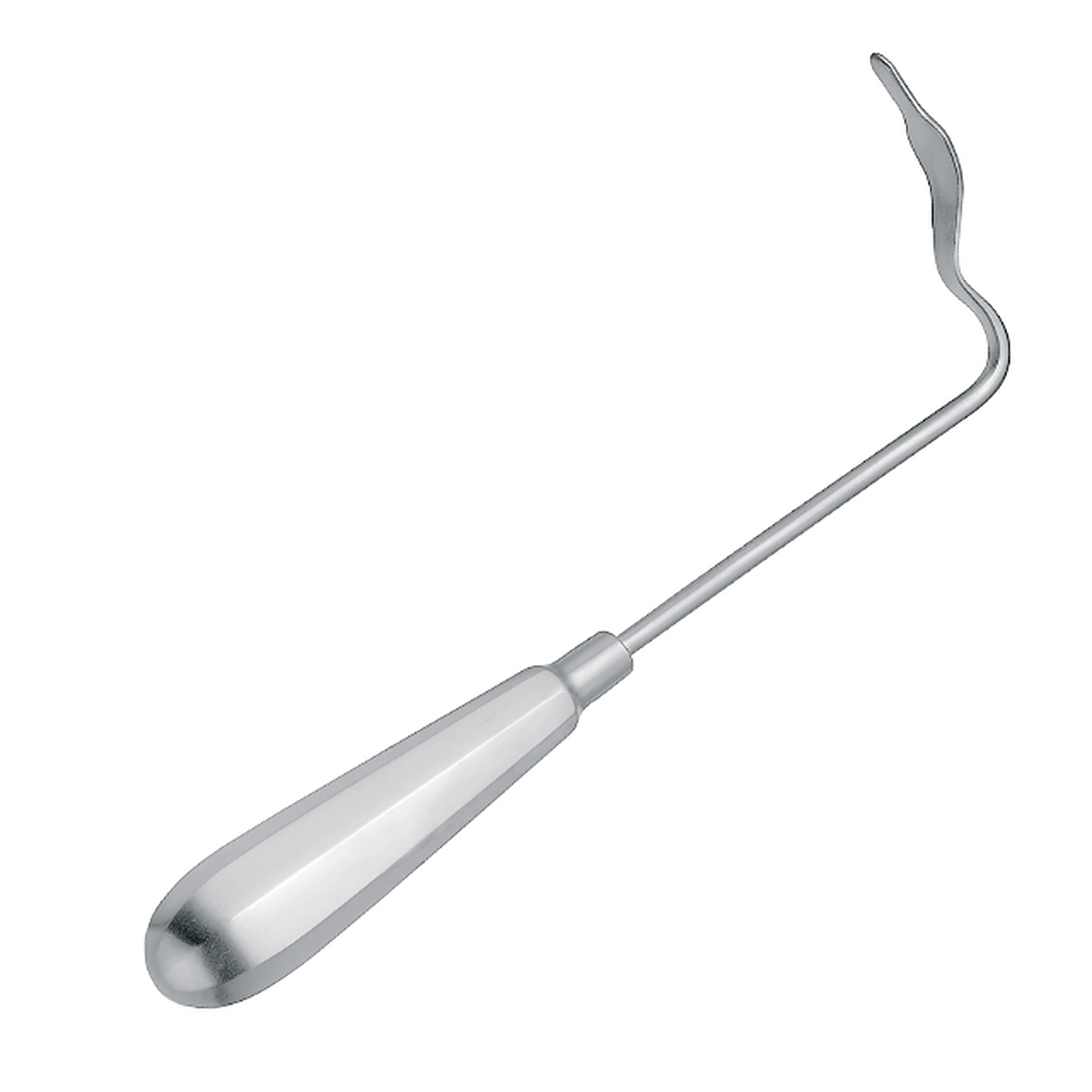 | Muco-Periosteal Retractor | Specifically designed to retract mucoperiosteal flaps and expose cortical bone during oral, dental, and maxillofacial surgery. |
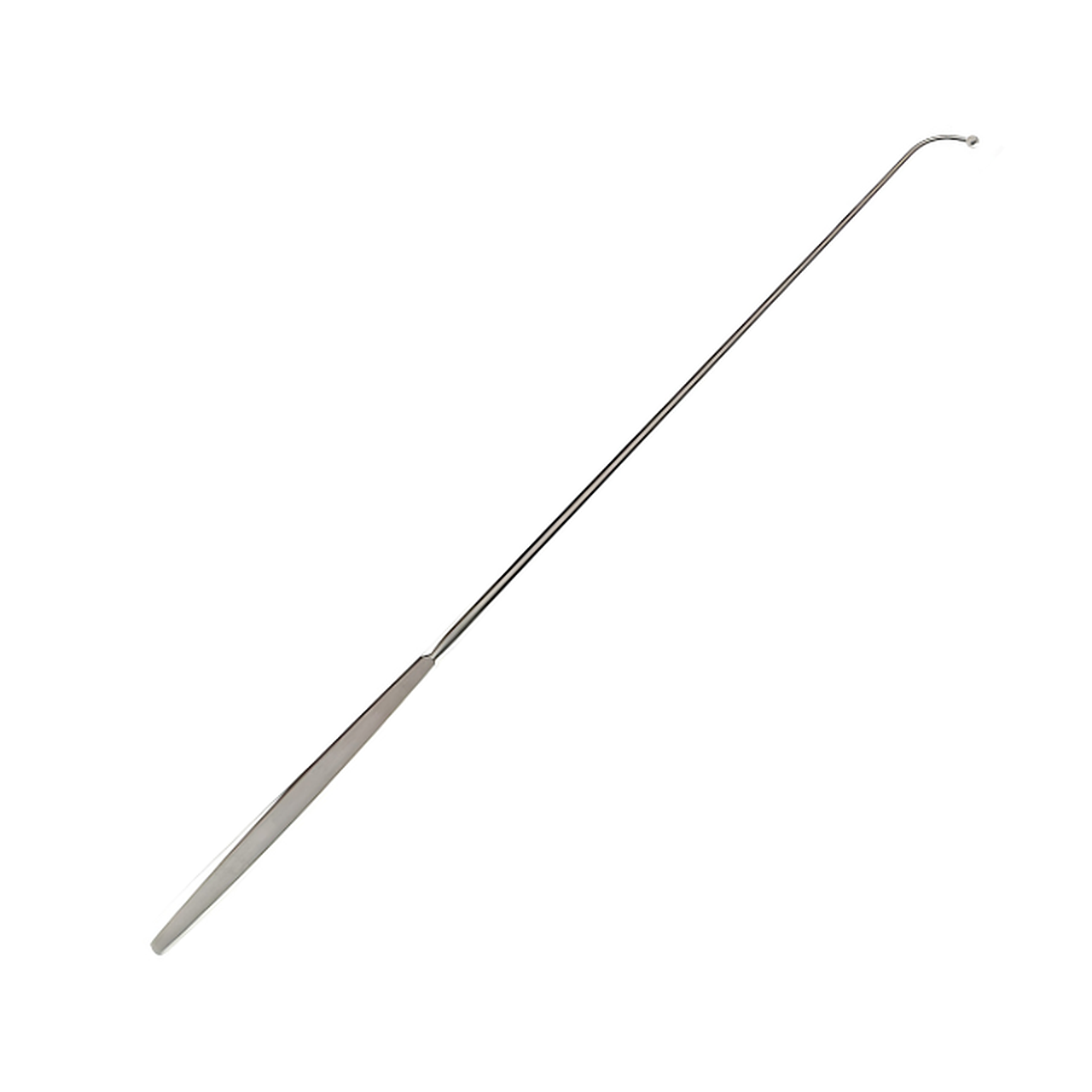 | Murphy Ball Retractor | Specifically designed to explore, mobilize, and retract delicate nerves, vessels, and ducts during deep surgical procedures. |
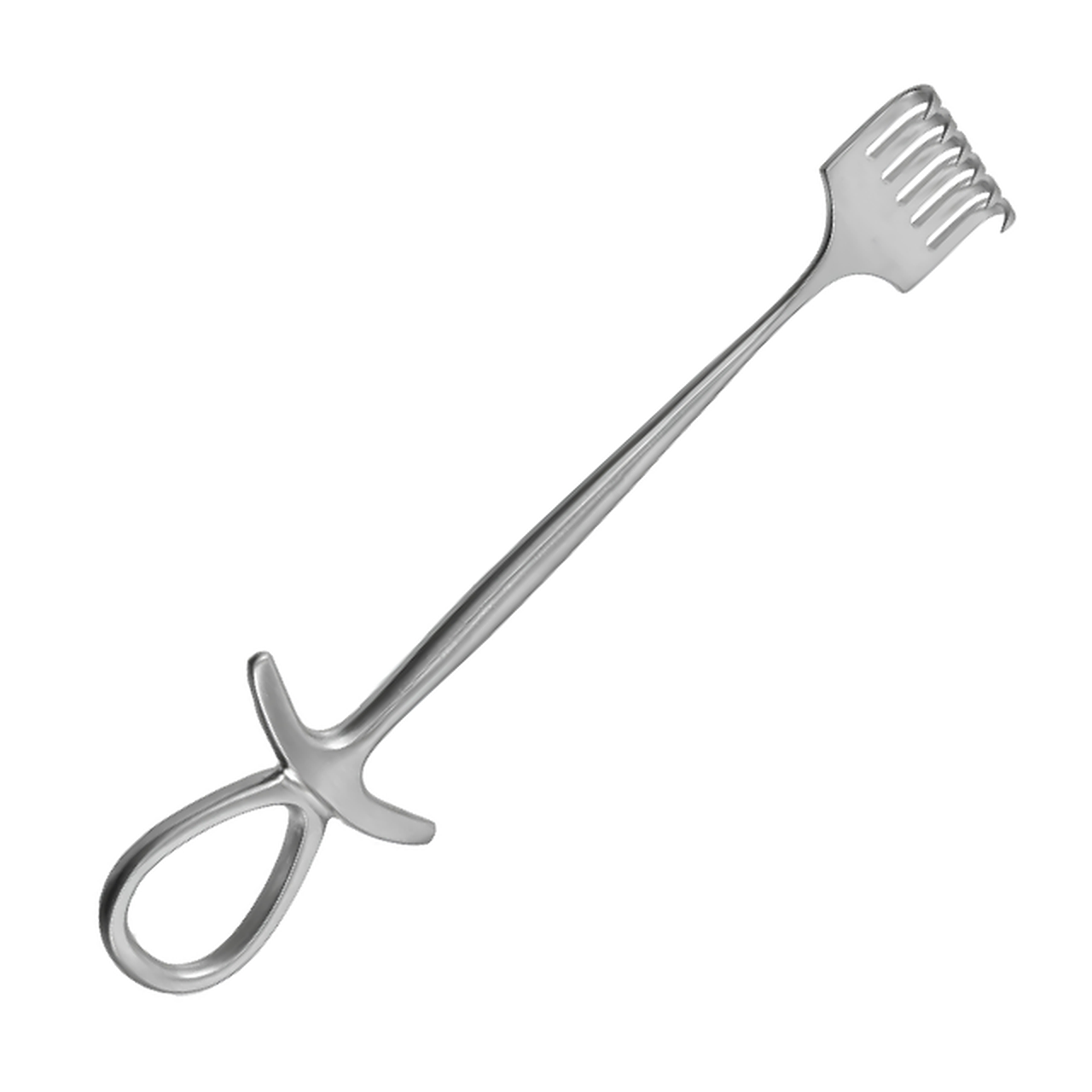 | Murphy Retractor | Specifically designed to retract skin margins, fascia, and muscle tissue across general, orthopedic, and plastic surgery. |
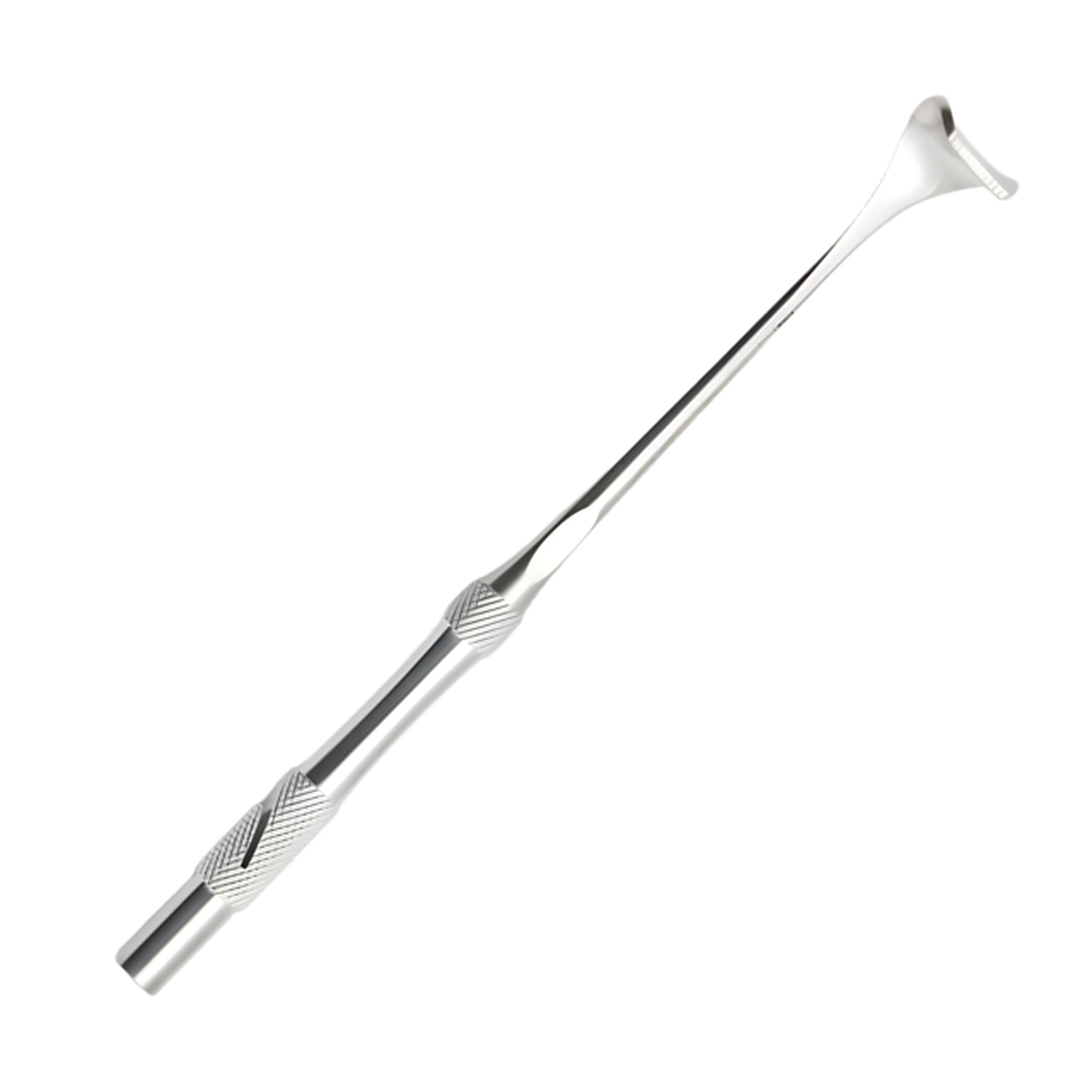 | Nasal Skin Retractor | Specifically designed to elevate nasal skin flaps and retract cartilage during rhinoplasty and facial reconstructive surgery. |
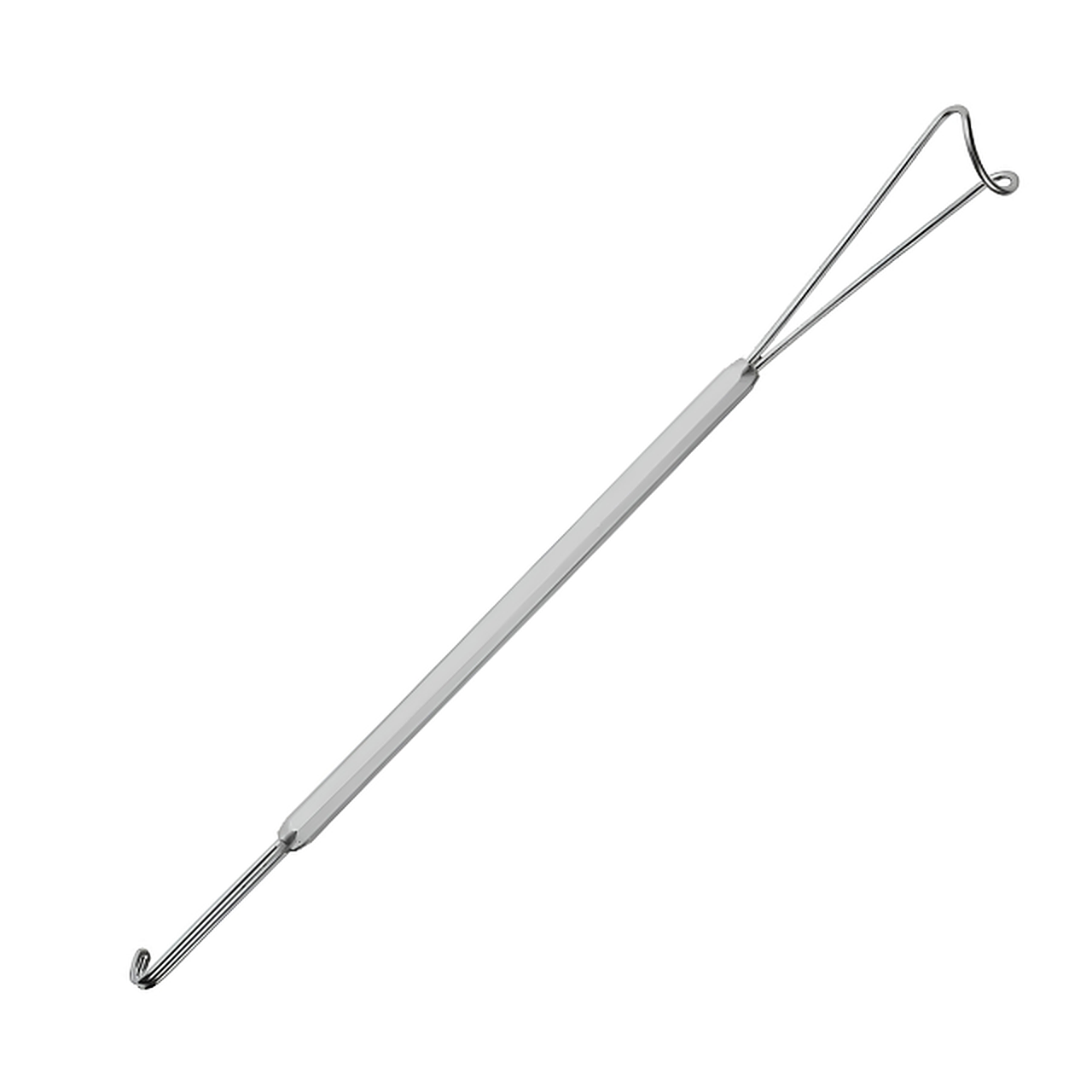 | Neivert Knife and Guide Retractor | Specifically designed to retract skin flaps and guide cartilage knives during rhinoplasty and nasal reconstructive procedures. |
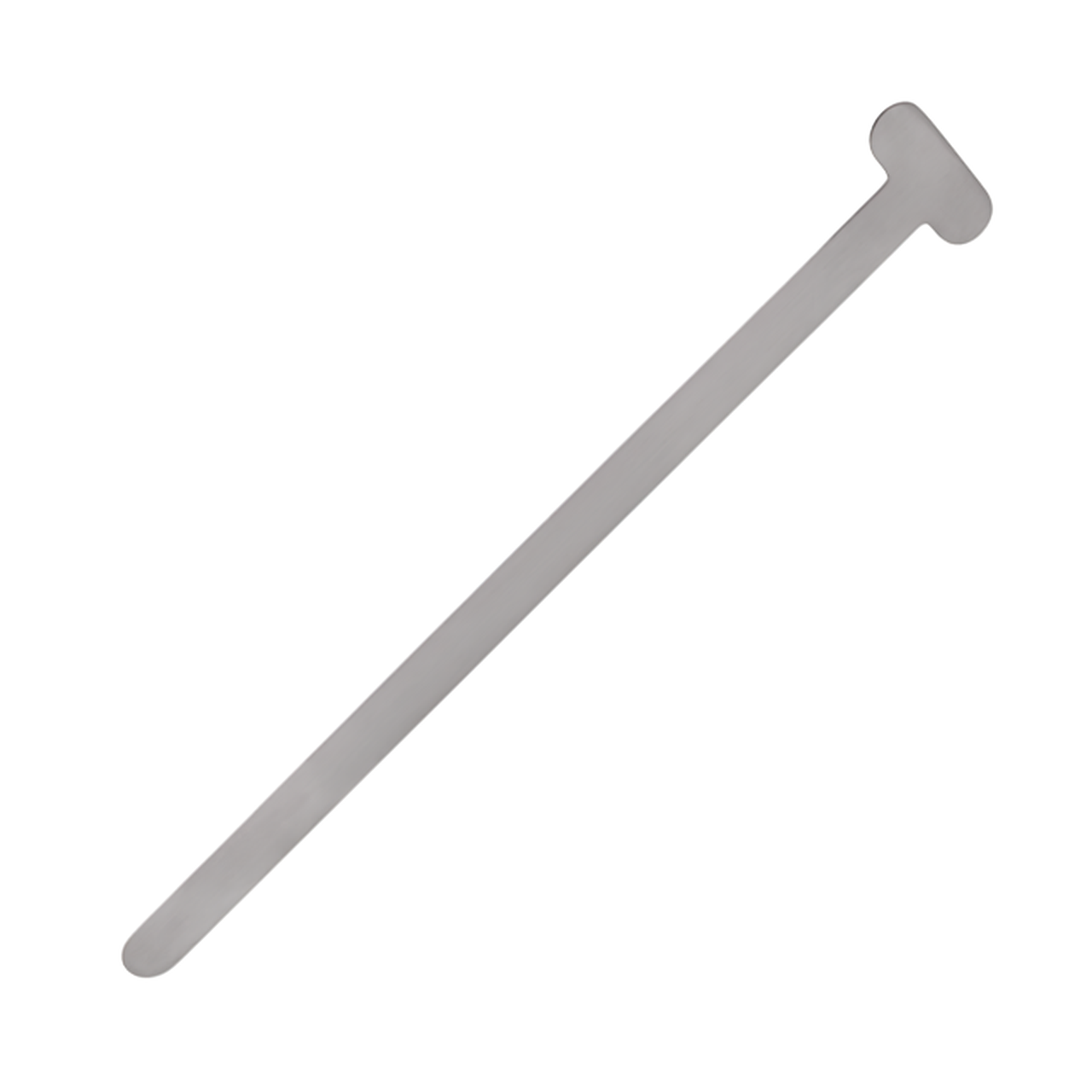 | Neonatal T Ribbon Retractor | Specifically designed to retract delicate viscera, bowel, and soft tissue during neonatal and pediatric surgical procedures. |
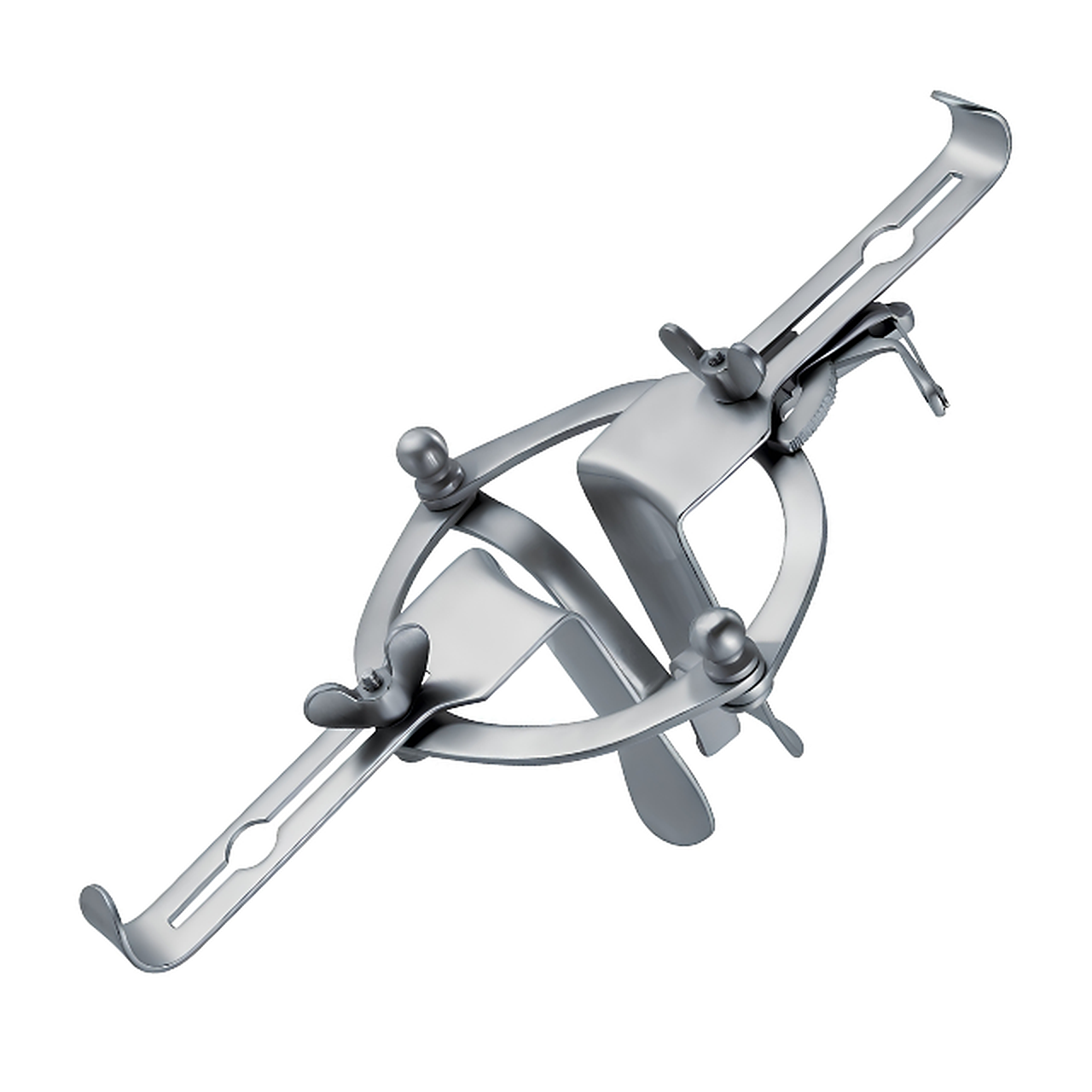 | O'Sullivan-O'Conner Vaginal Retractor | Specifically designed to provide self-retaining pelvic wall and visceral retraction during major gynecological and pelvic surgery. |
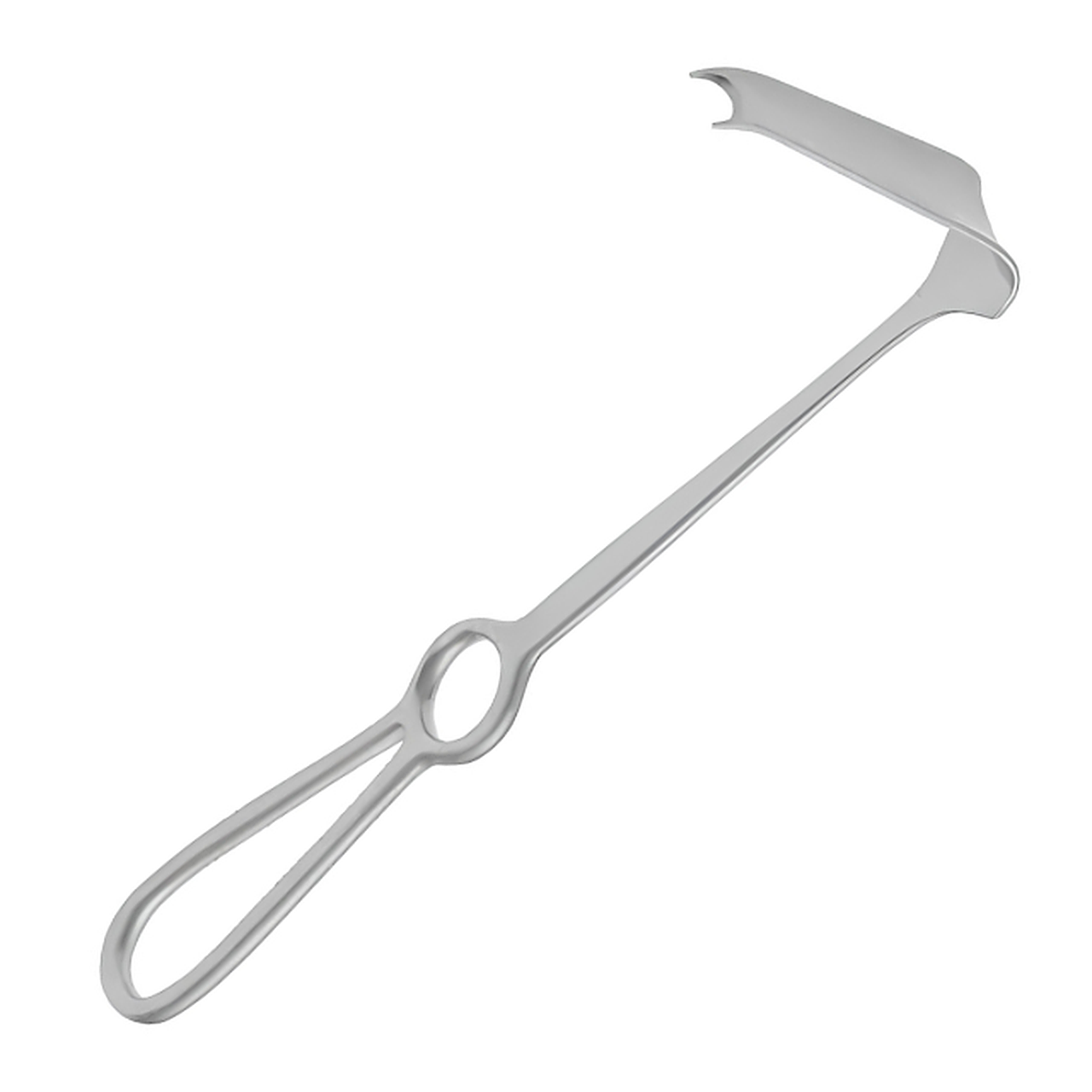 | Obwegeser Alveolar Retractor | Specifically designed to retract the lips, cheeks, and mucoperiosteum to expose the alveolar ridge during orthognathic surgery. |
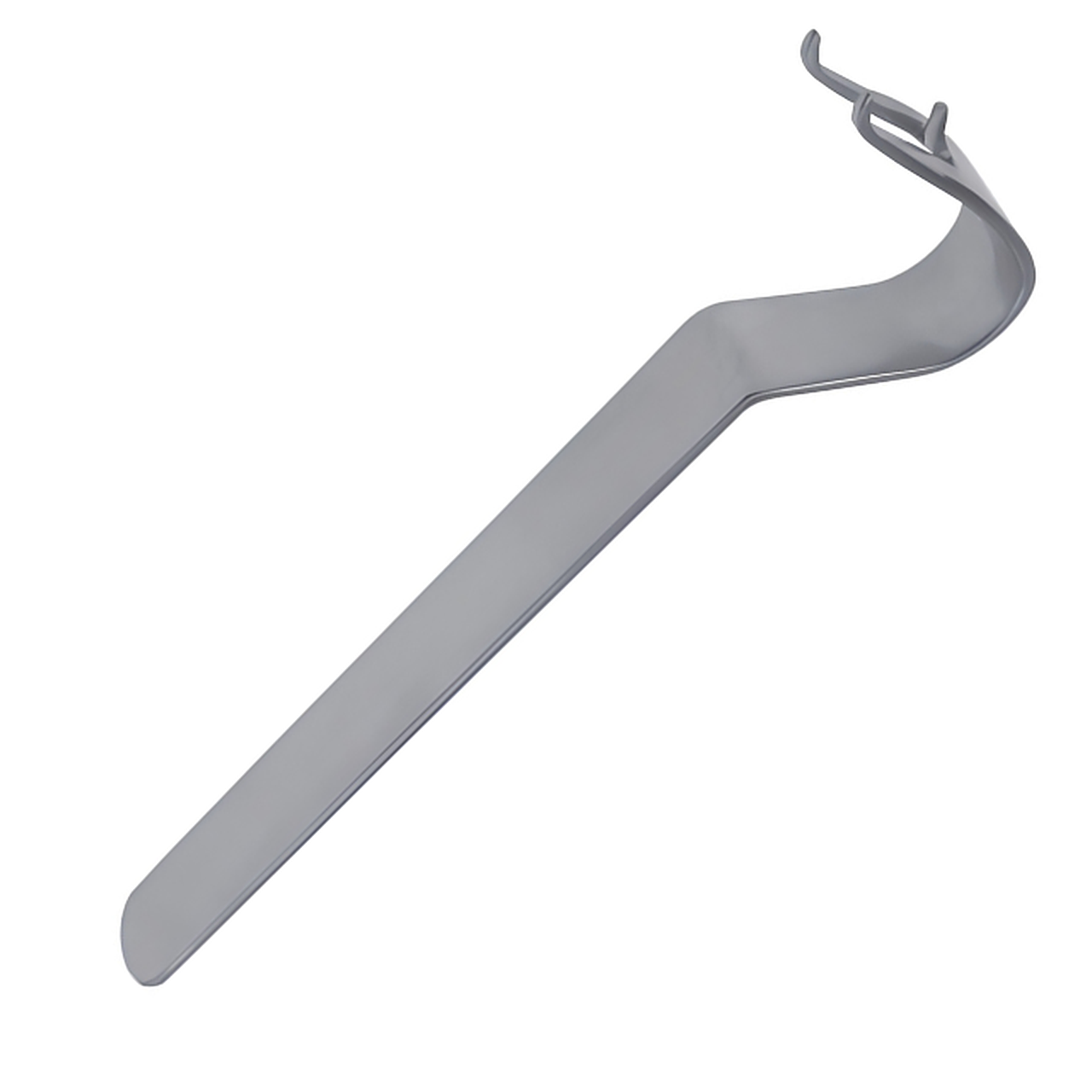 | Obwegeser Chin Retractor | Specifically designed to retract the mentalis muscle and soft tissues to expose the mandibular symphysis during genioplasty. |
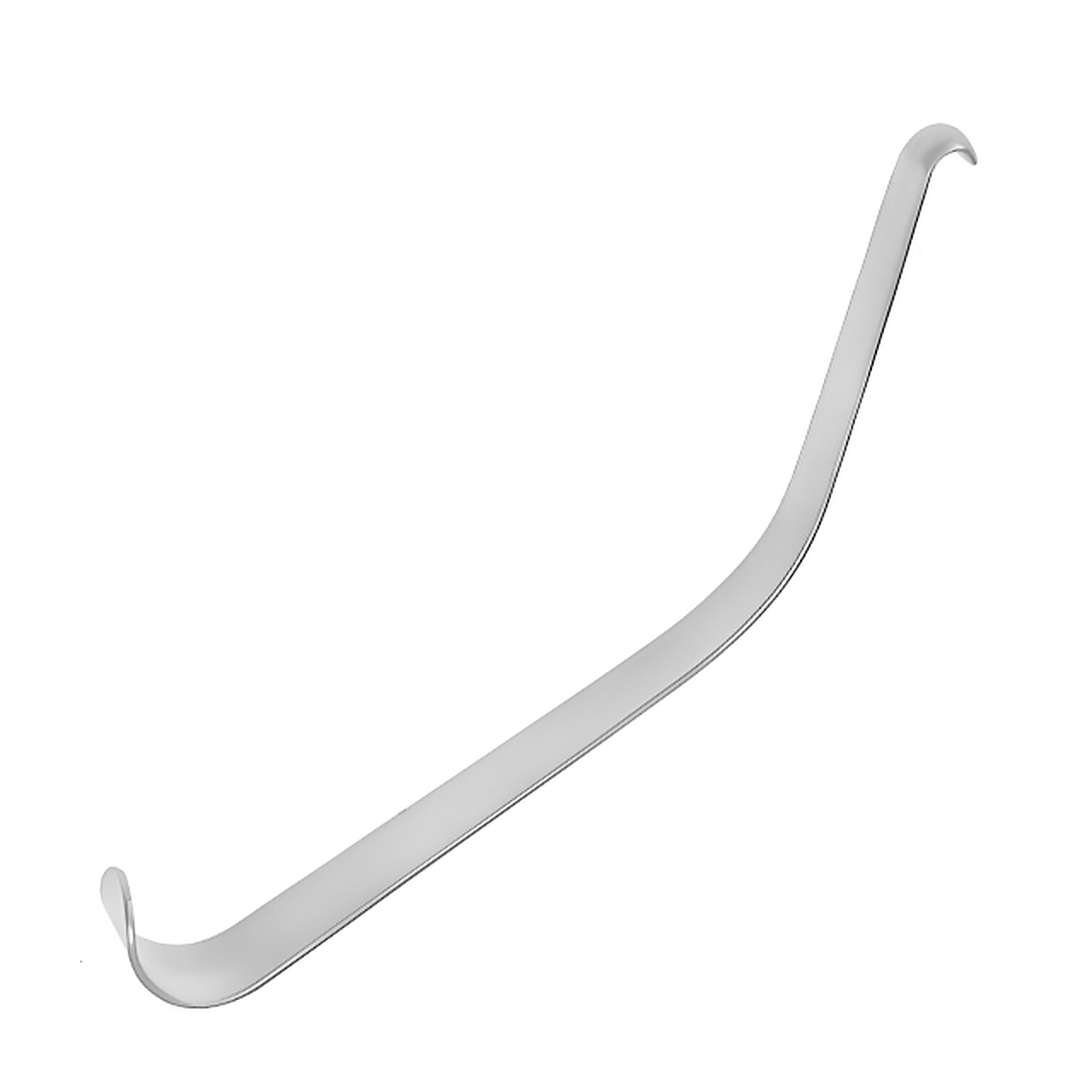 | Obwegeser Mandibular Channel Retractor | Specifically designed to hook around the inferior border of the mandible and shield neurovascular bundles during orthognathic osteotomies. |
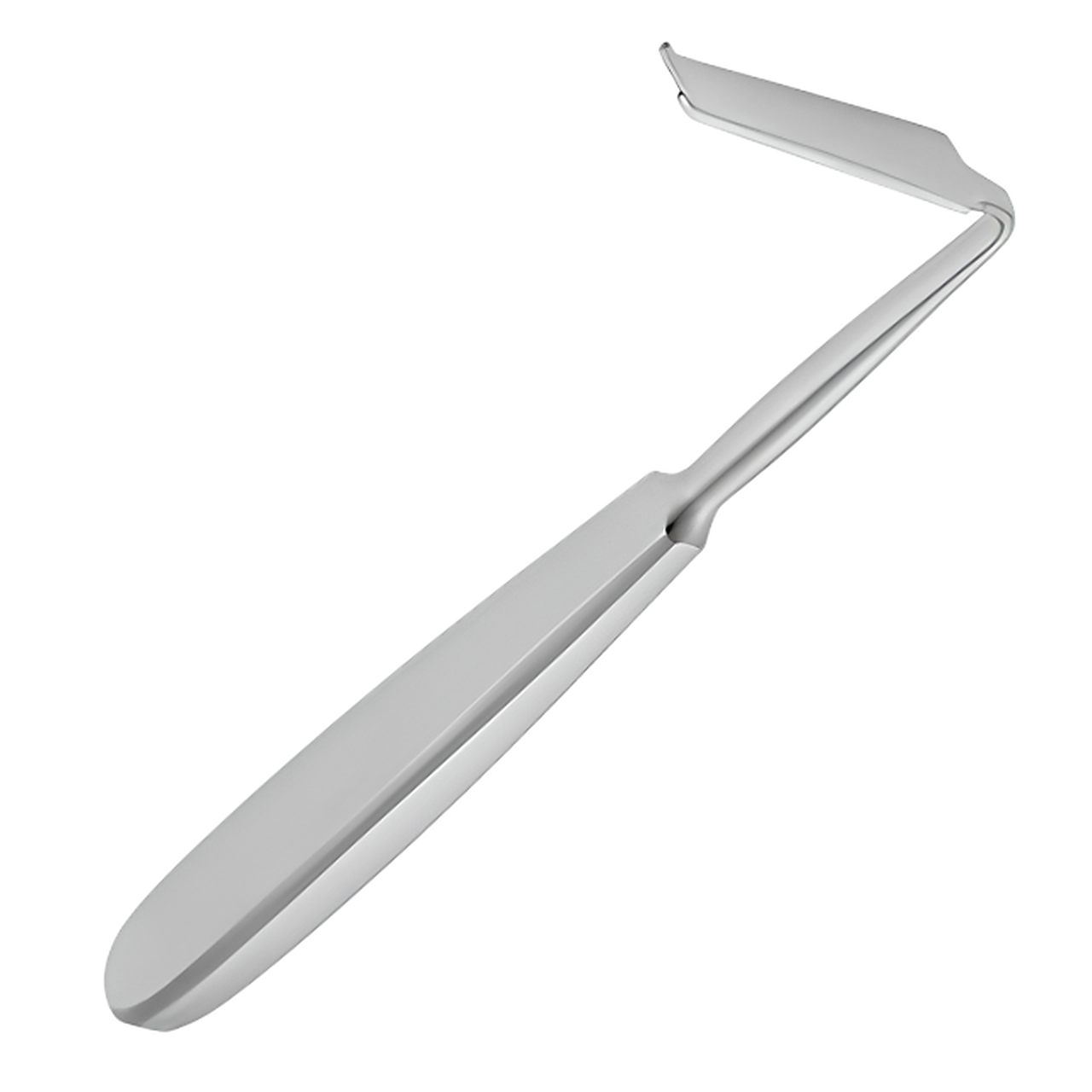 | Obwegeser Mandibular Rim Retractor | Specifically designed to retract soft tissues and protect neurovascular structures along the mandibular rim during orthognathic surgery. |
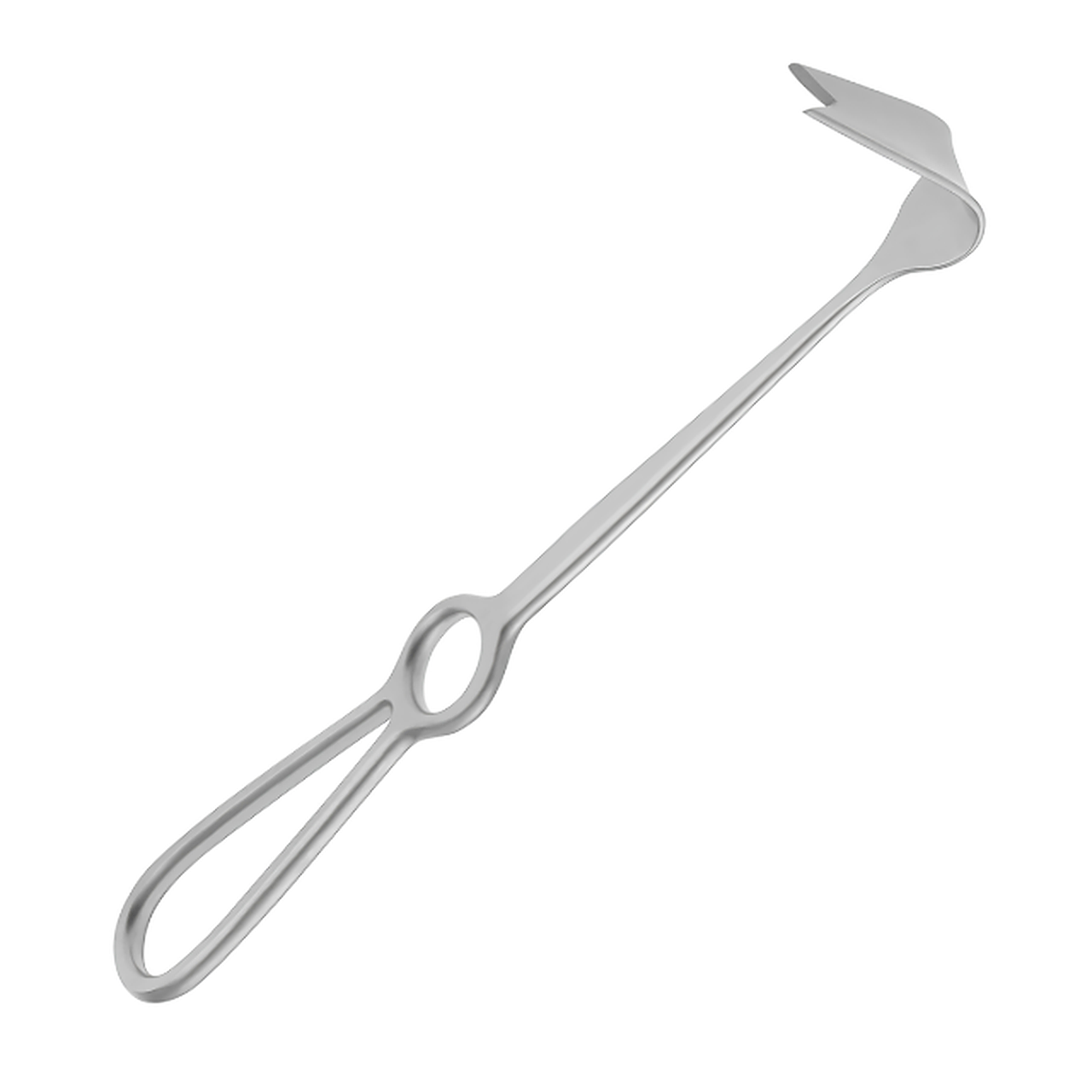 | Obwegeser Nasal Spine Retractor | Specifically designed to hook over the anterior nasal spine and elevate the upper lip during Le Fort osteotomies and maxillofacial surgery. |
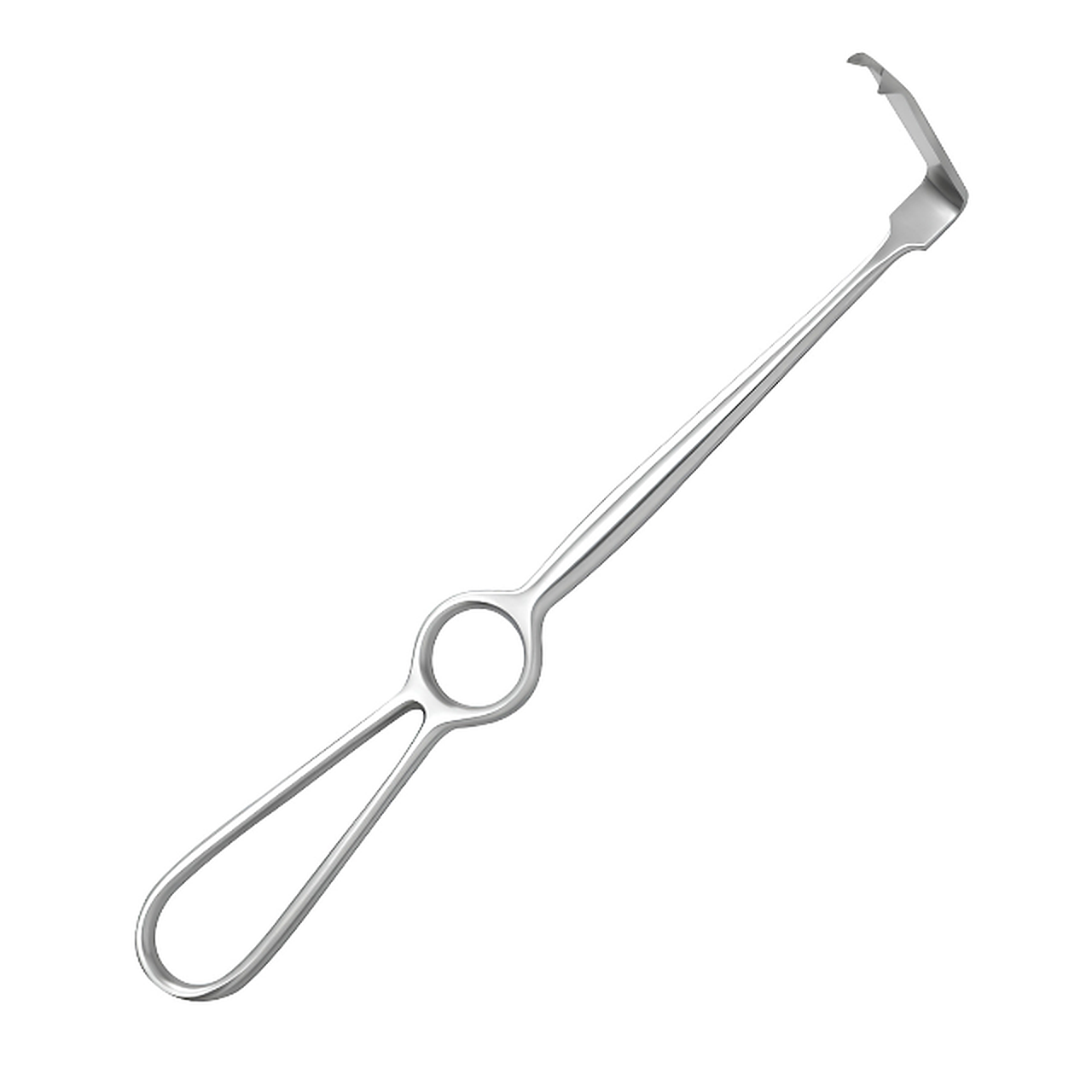 | Obwegeser Ramus Retractor | Specifically designed to hook around the ascending mandibular ramus and protect soft tissues during orthognathic osteotomies. |
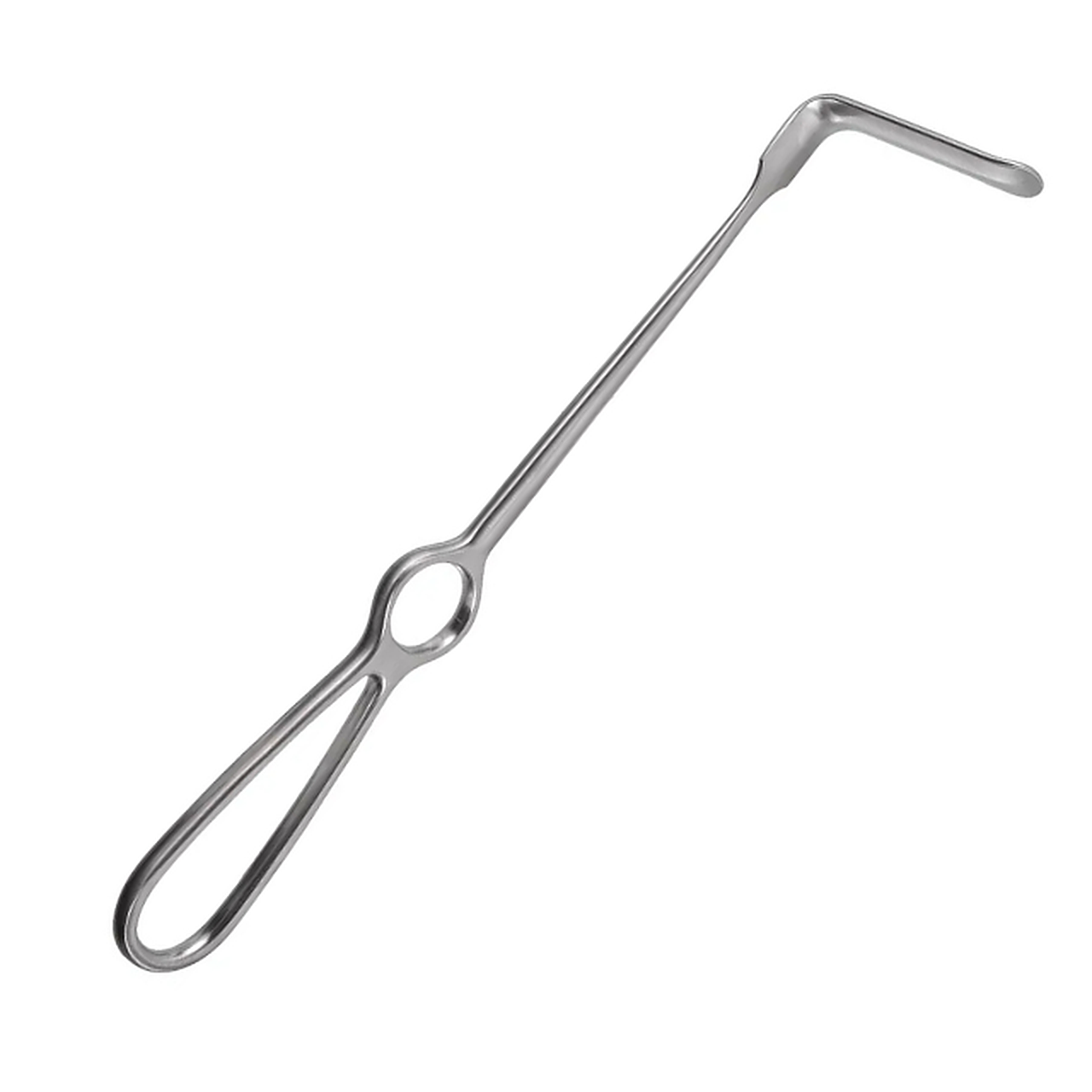 | Obwegeser Soft Tissue Retractor | Specifically designed to retract and protect mucoperiosteal flaps, cheeks, and soft tissues during orthognathic and oral maxillofacial surgery. |
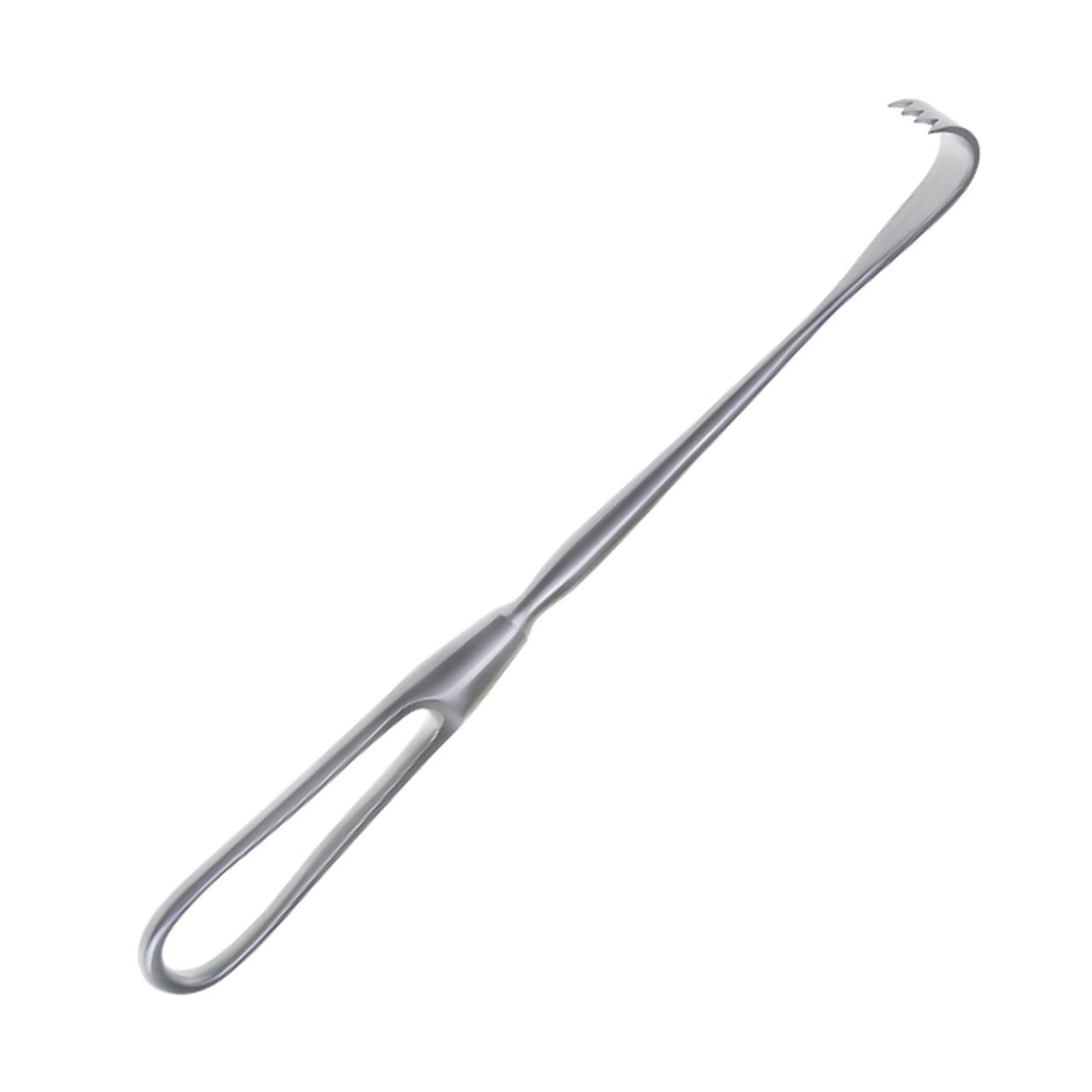 | Oldberg retractor | Specifically designed to retract skin flaps, muscle, and fascia during cranial, spinal, and orthopedic surgery. |
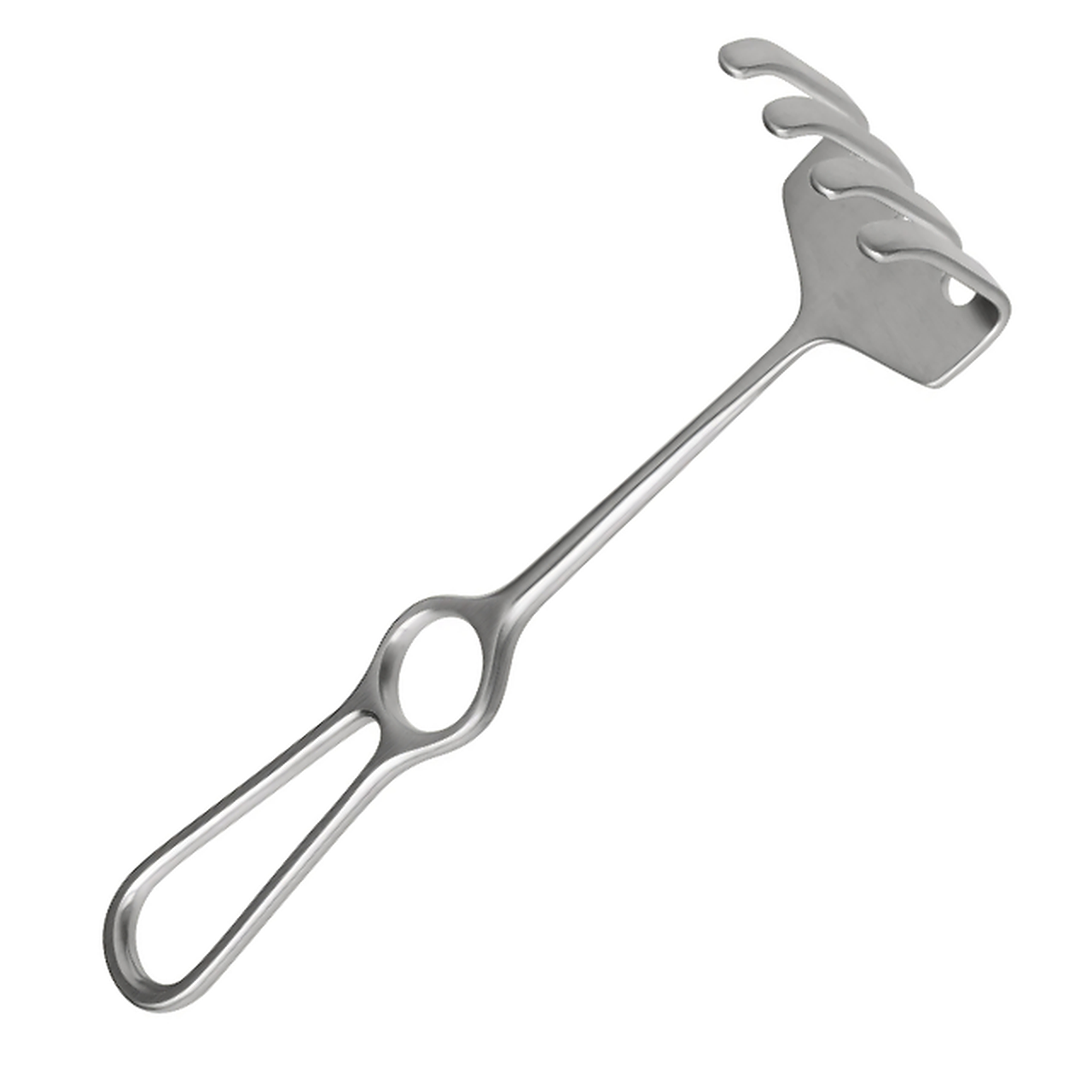 | Ollier Retractors | Specifically designed to retract heavy muscle layers, fascia, and thick tissue margins during abdominal and orthopedic surgery. |
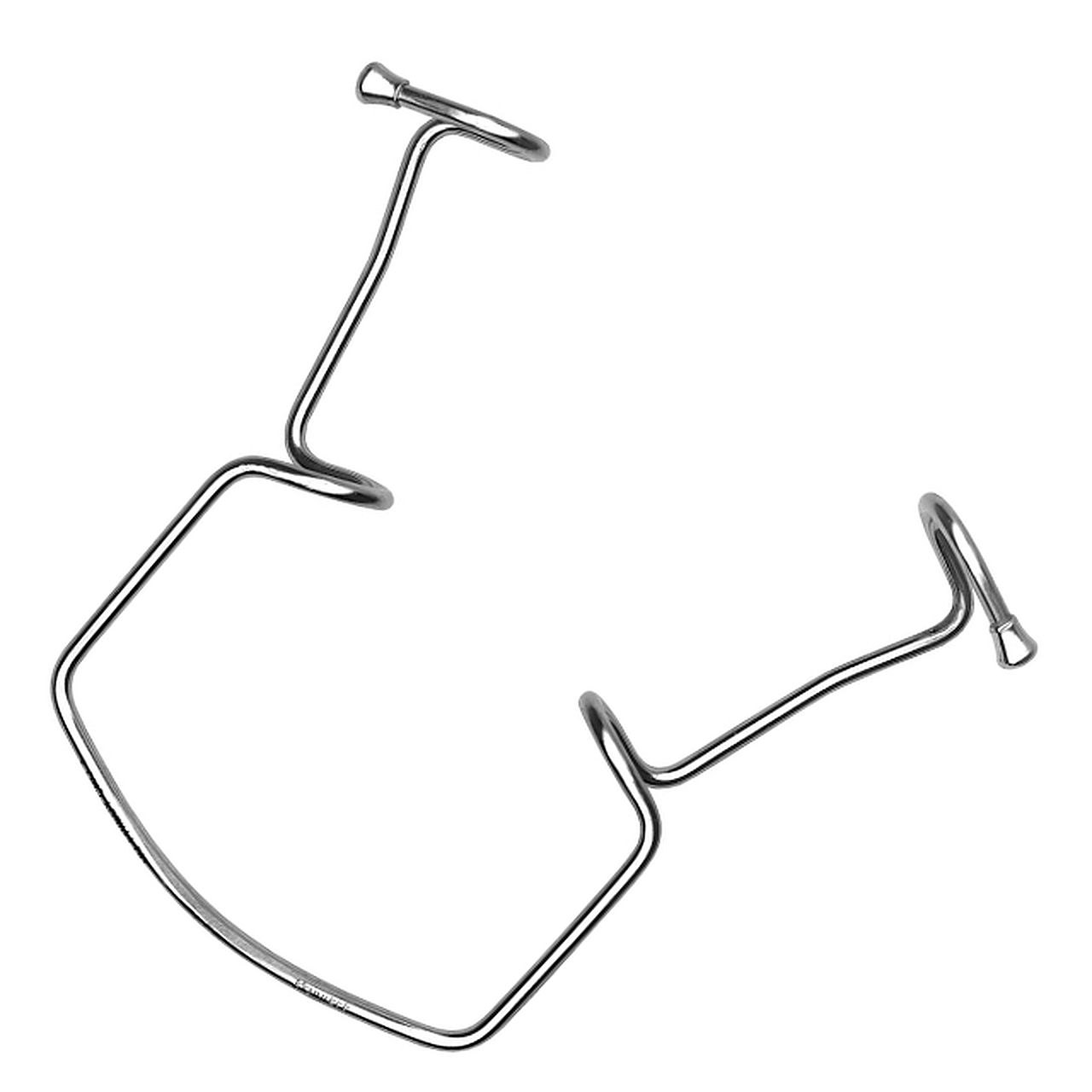 | Orringer Cheek Retractor | Specifically designed to provide self-retaining bilateral retraction of the cheeks and lips during oral and dental surgery. |
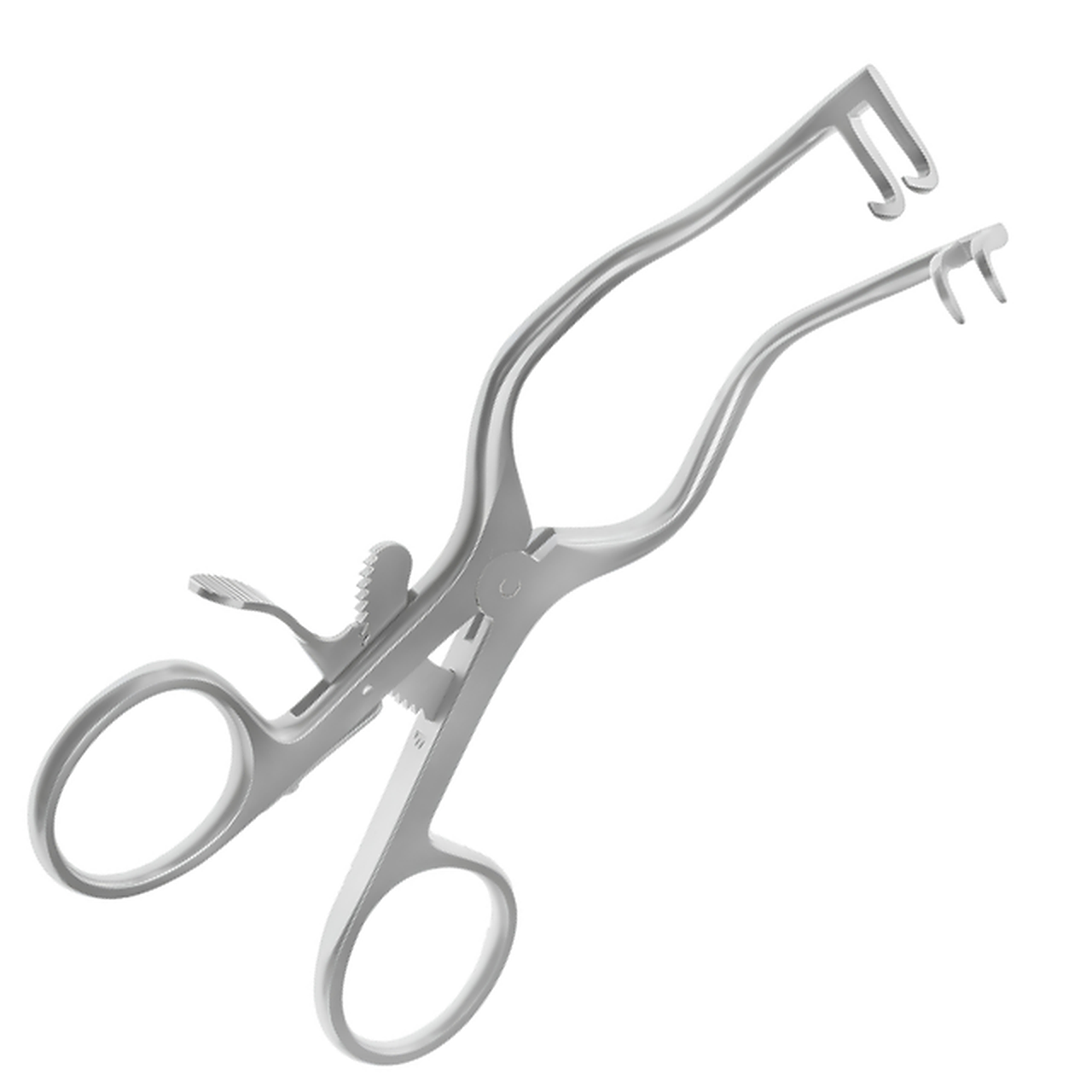 | Paparella-Weitlaner Self-Retaining Retractor | Specifically designed to provide self-retaining periosteal and wound margin retraction during mastoid, ear, and scalp surgery. |
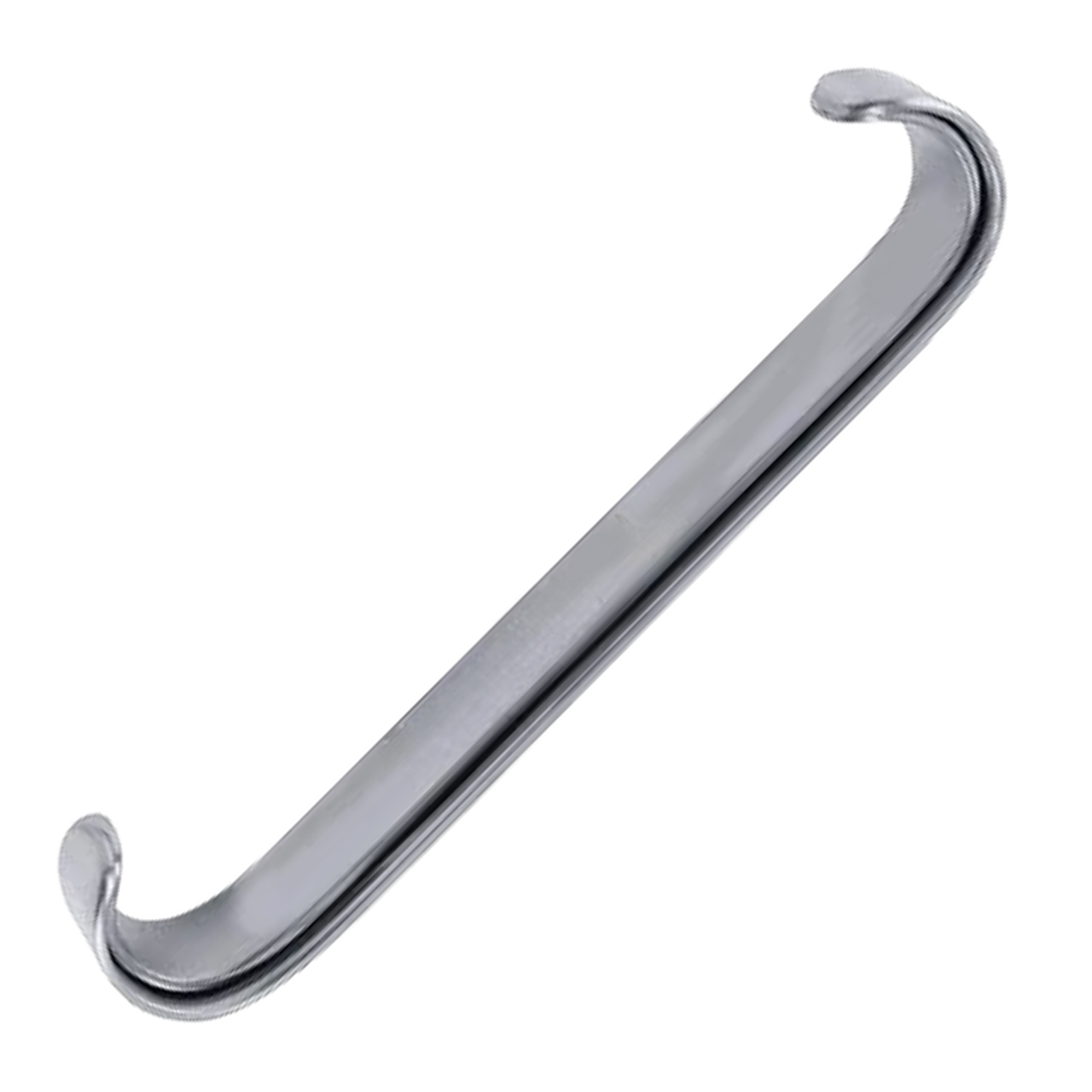 | Parker Retractor- Set Of Two | Specifically designed to retract skin margins, fascia, and superficial muscle layers during minor and general surgery. |
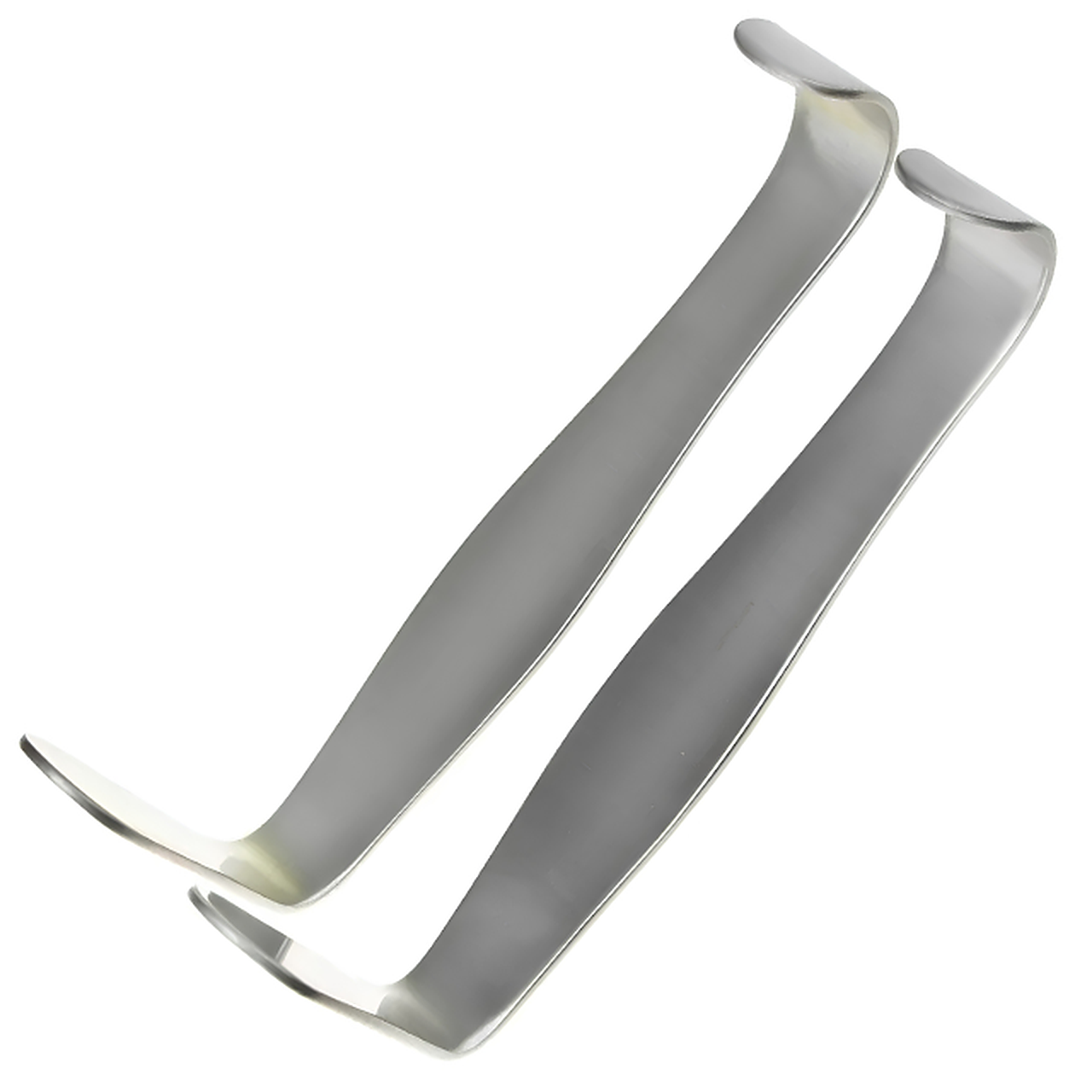 | Parker-Mott Retractor-Set of Two | Specifically designed to retract skin, fascia, and soft tissues across superficial and intermediate surgical incisions. |
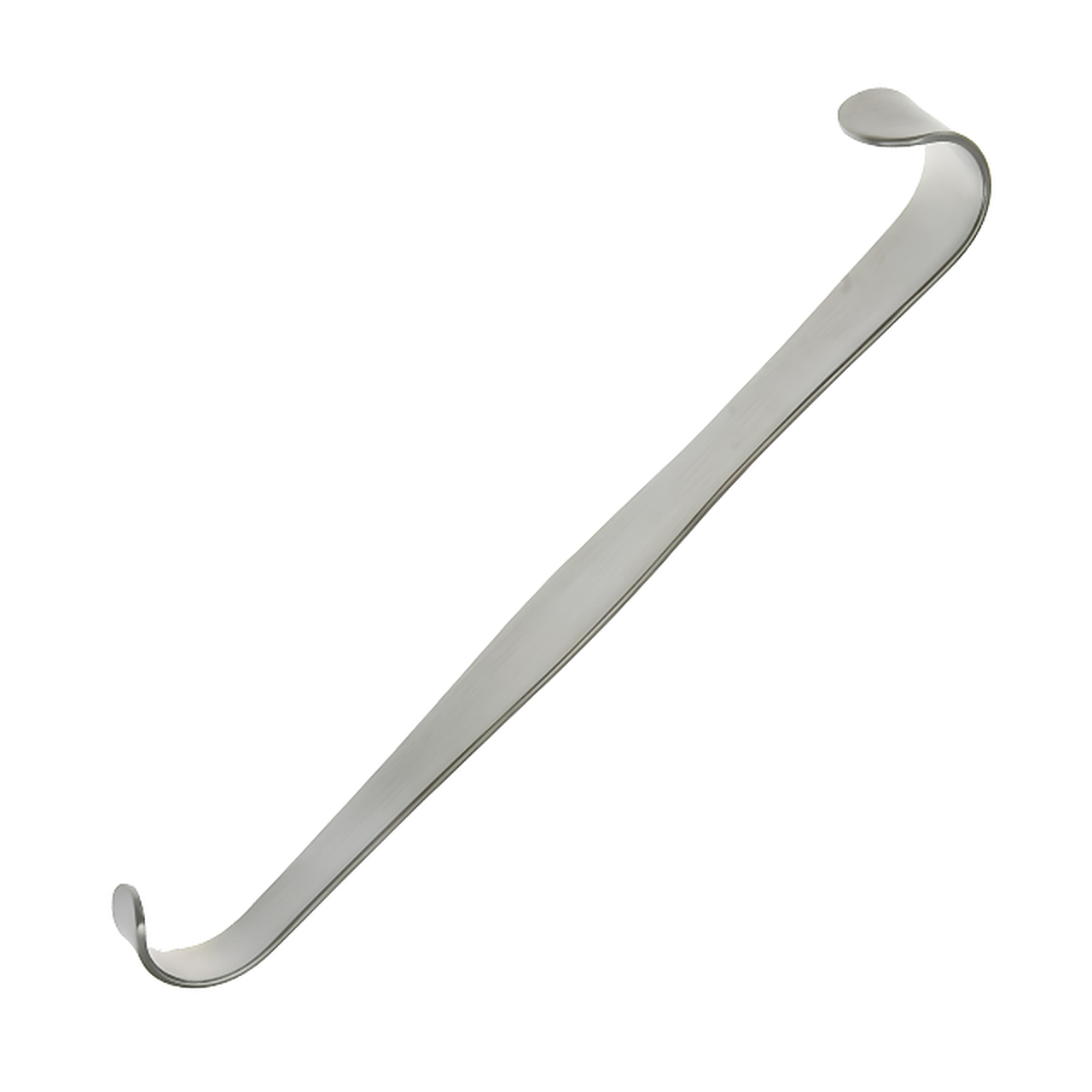 | Parker-Tommy Retractor | Specifically designed to retract skin margins, fascia, and soft tissues across superficial and intermediate surgical incisions. |
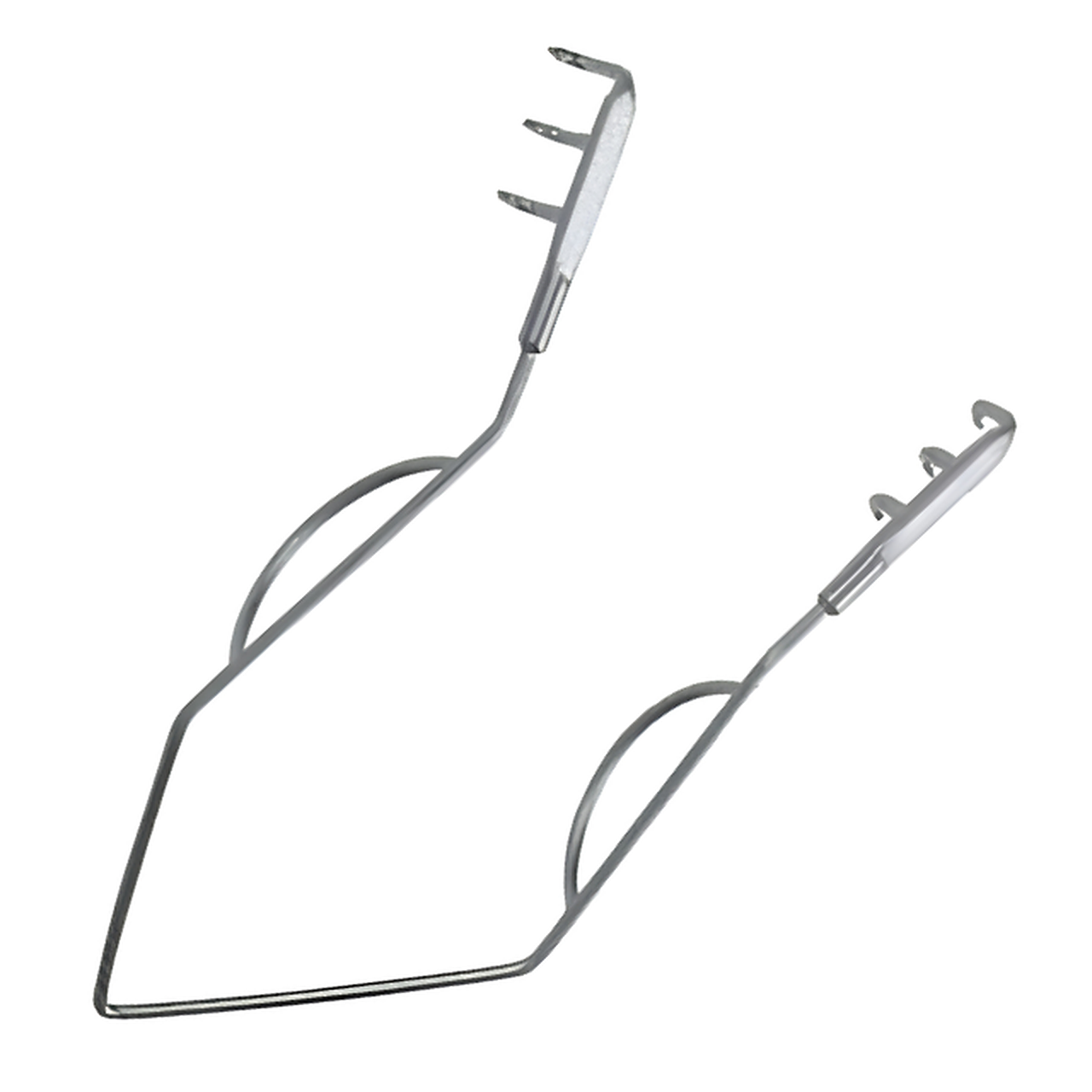 | Parsonnet Epicardial Retractor | Specifically designed to retract epicardial fat and myocardium to isolate coronary arteries during bypass grafting. |
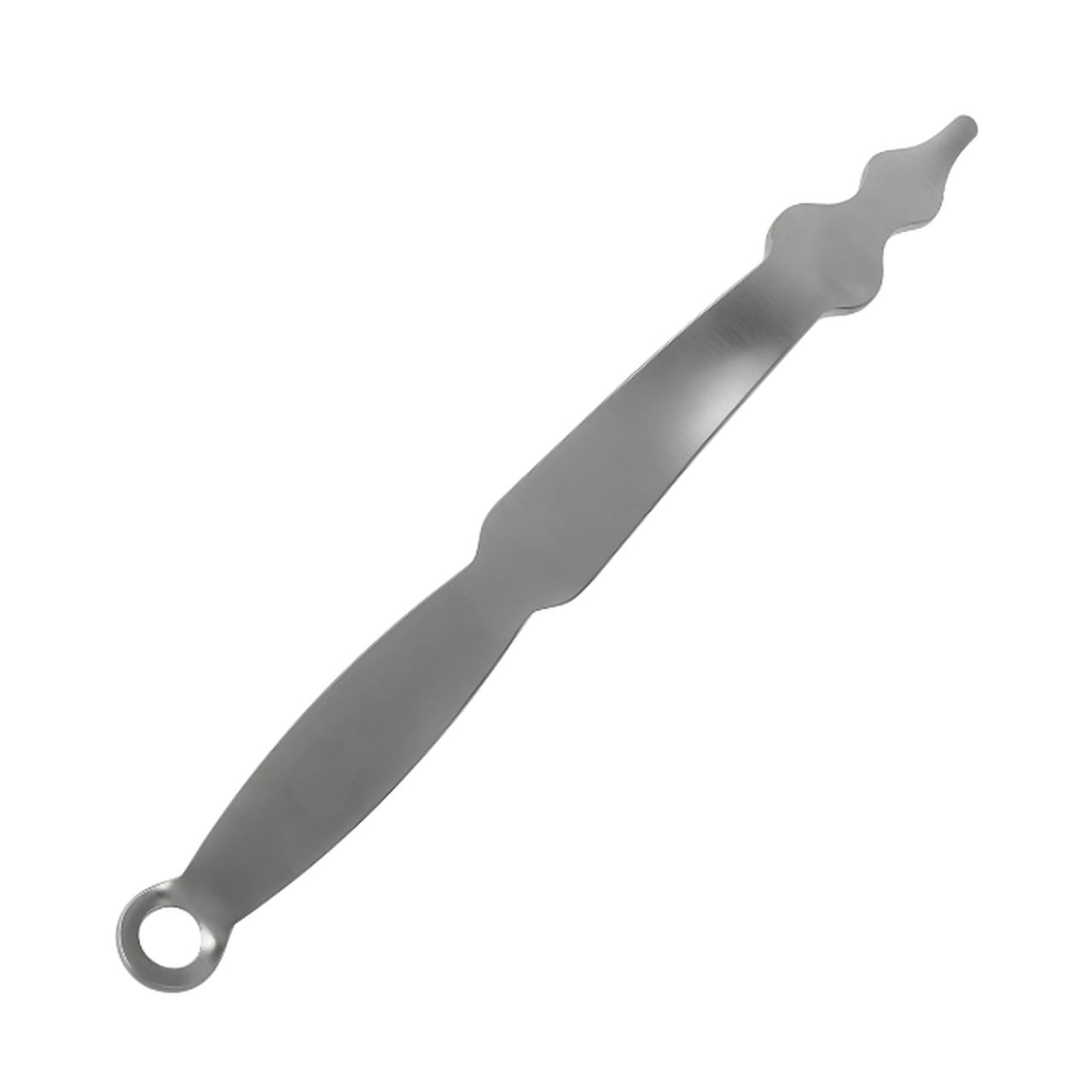 | Patella Retractor | Specifically designed to elevate, evert, and retract the patella and patellar tendon during knee arthroplasty. |
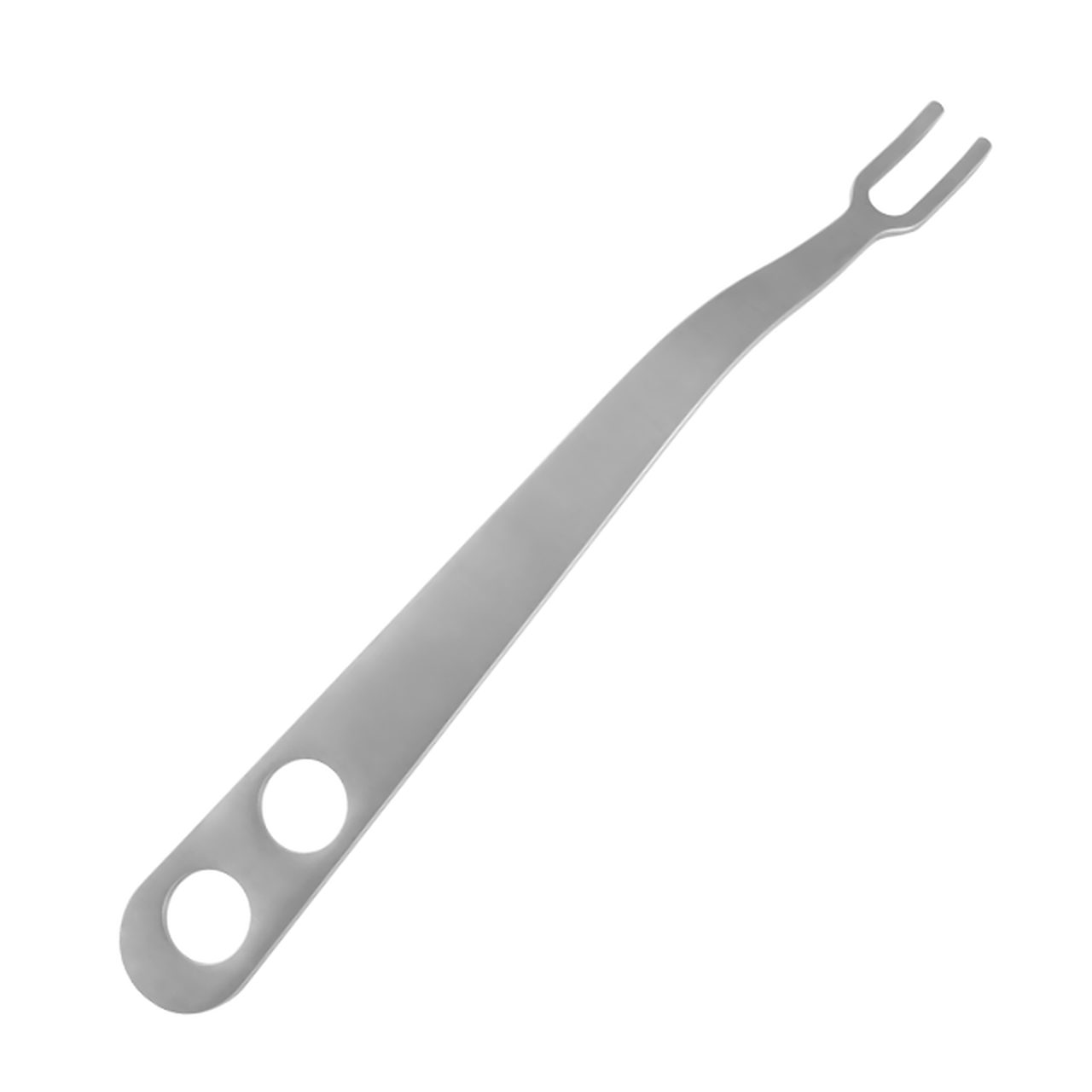 | PCL Retractor | Specifically designed to retract the PCL, displace the tibia anteriorly, and protect posterior vessels during knee arthroplasty. |
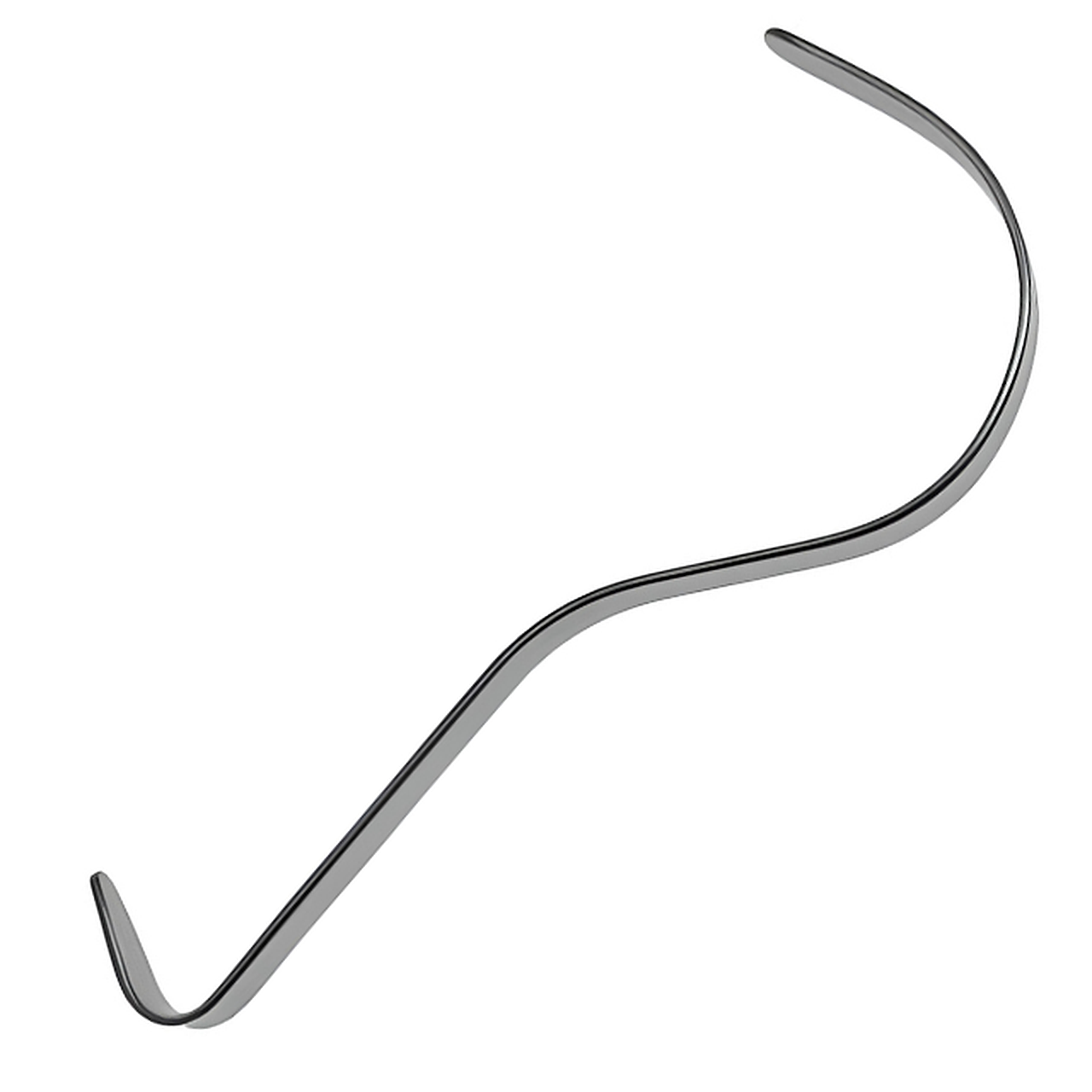 | Pediatric Deaver Retractors | Specifically designed to retract visceral organs and the abdominal wall during pediatric and neonatal surgery. |
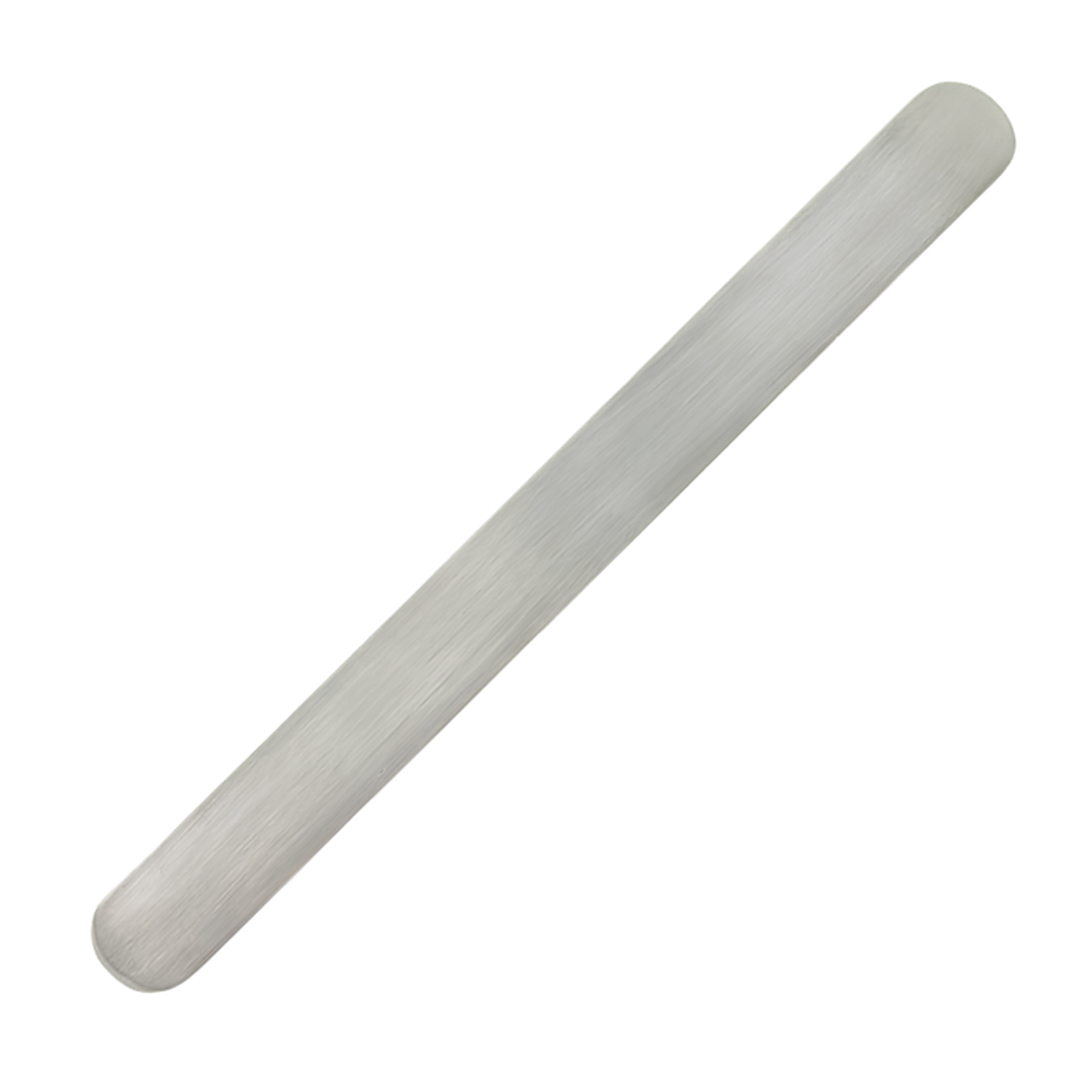 | Pediatric Ribbon Retractor | Specifically designed to bend into custom shapes to retract viscera, bowel, and tissue during pediatric surgery. |
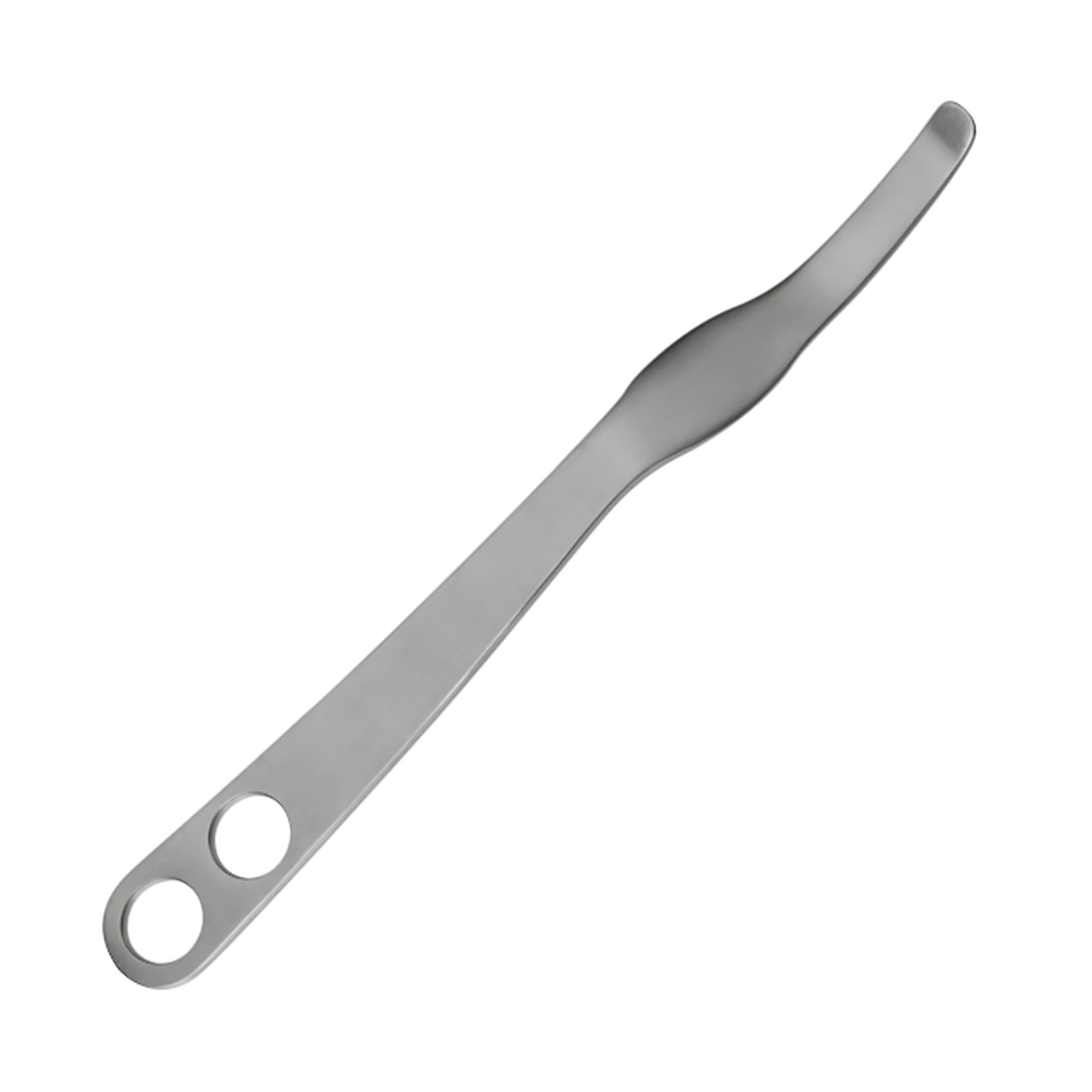 | Pelvic Retractor Blunt | Specifically designed to retract pelvic viscera, bladder, and soft tissues during deep pelvic and abdominal surgery. |
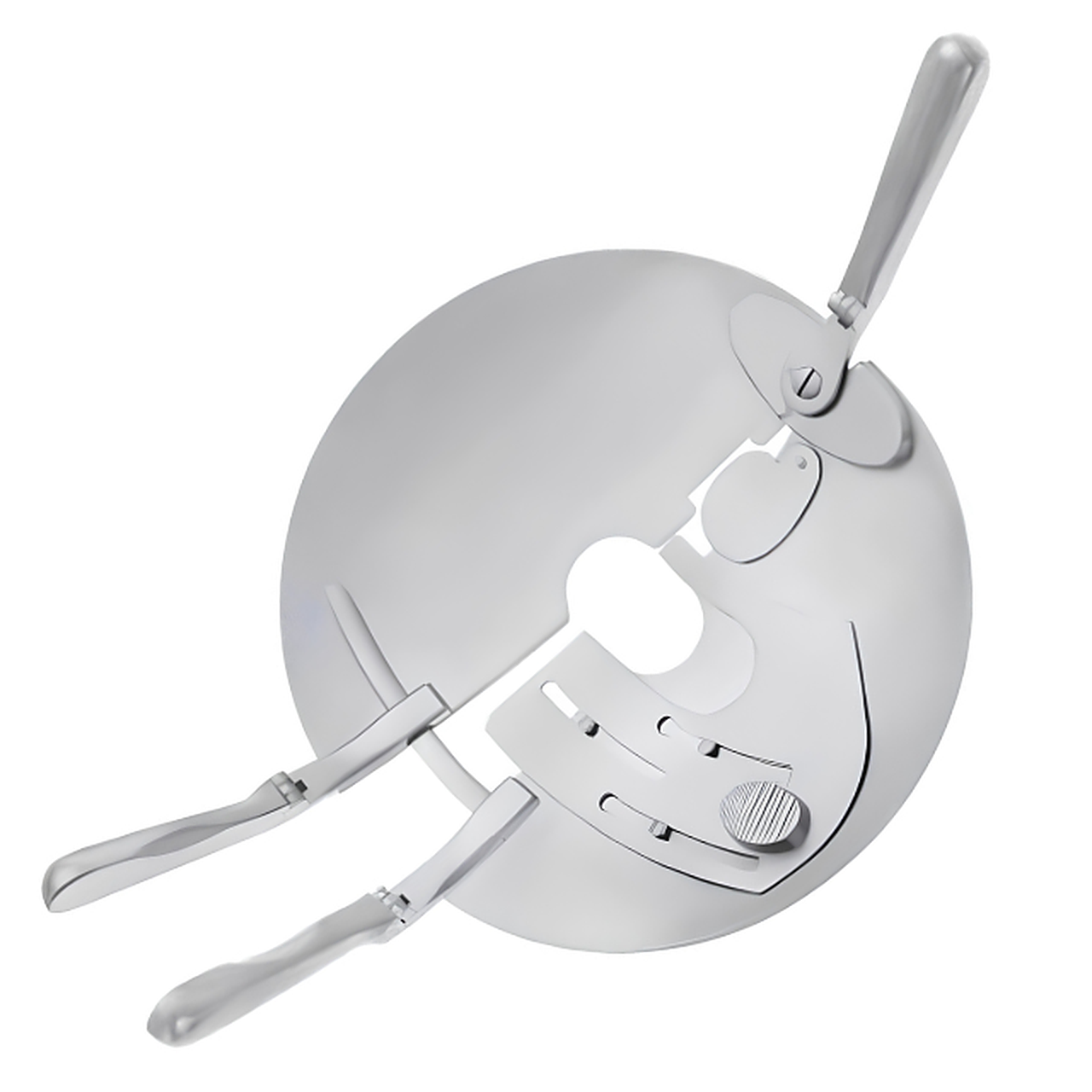 | PERCY AMPUTATION RETRACTOR | Specifically designed to retract muscle masses and protect soft tissue during bone division in limb amputation surgery. |
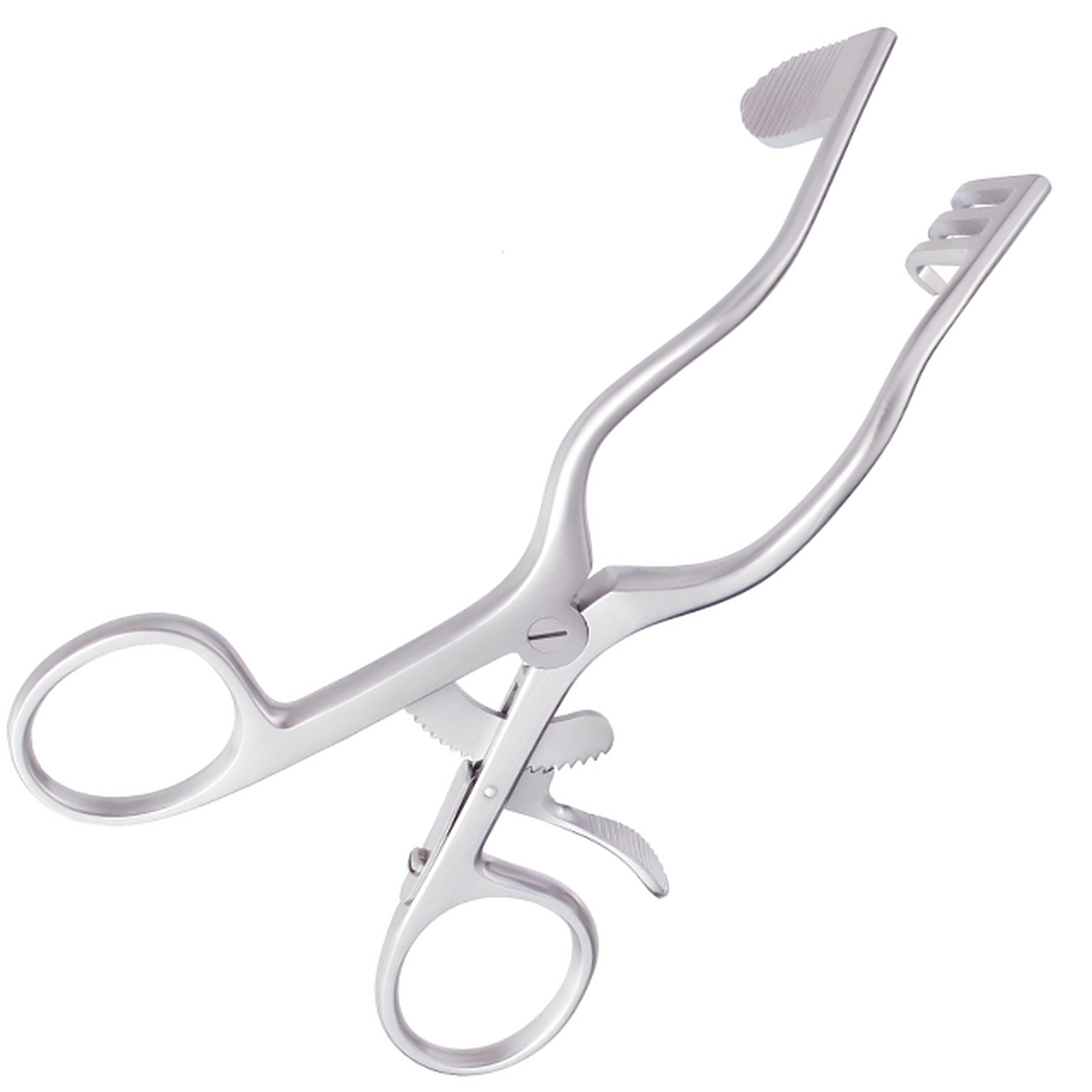 | Perkins Self-Retaining Retractor | Specifically designed to provide self-retaining tissue retraction in vascular, neurological, and orthopedic surgery. |
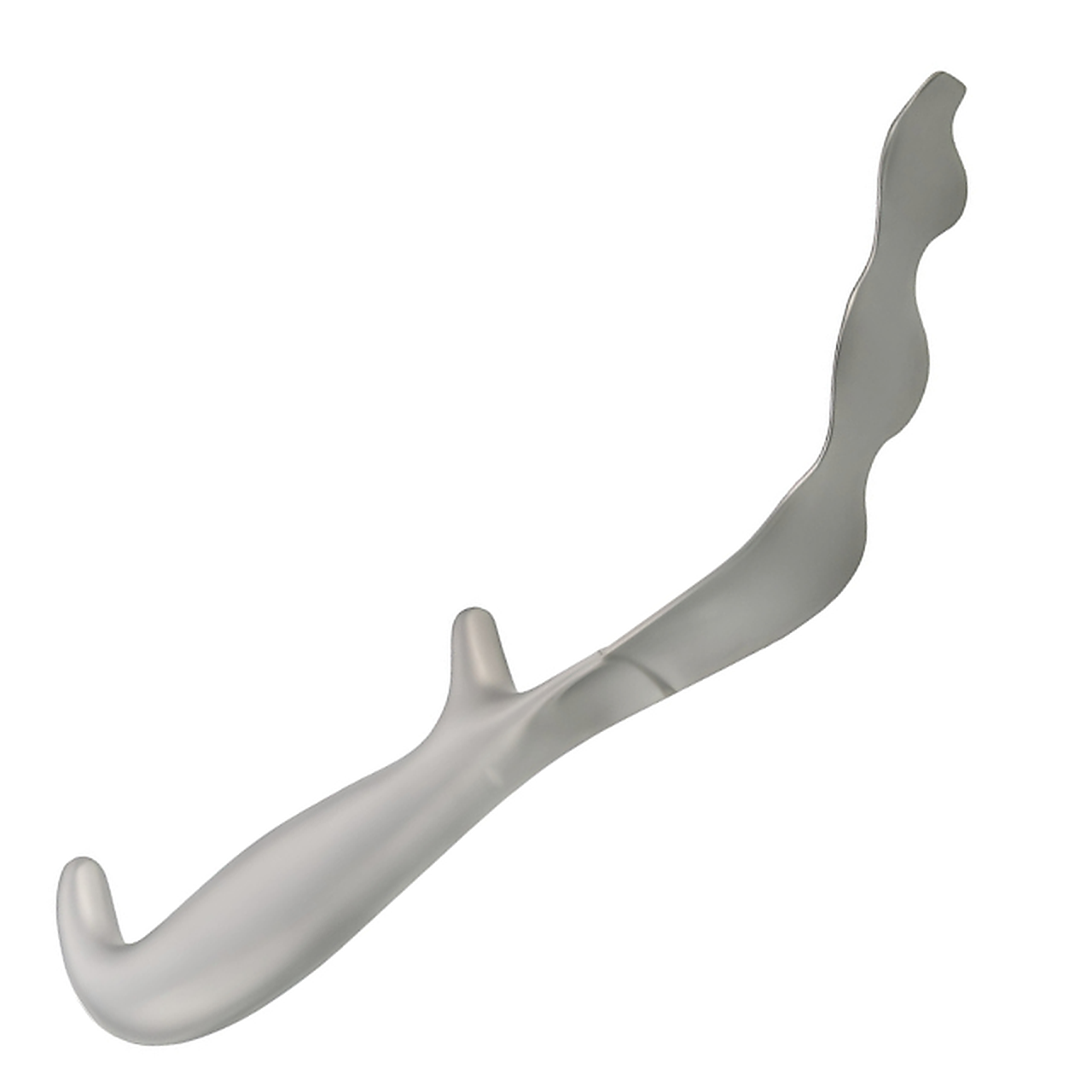 | Petri Pterygoid Intra Oral Retractor | Specifically designed to shield neurovascular structures and retract soft tissues during pterygomaxillary dysjunction in Le Fort osteotomies. |
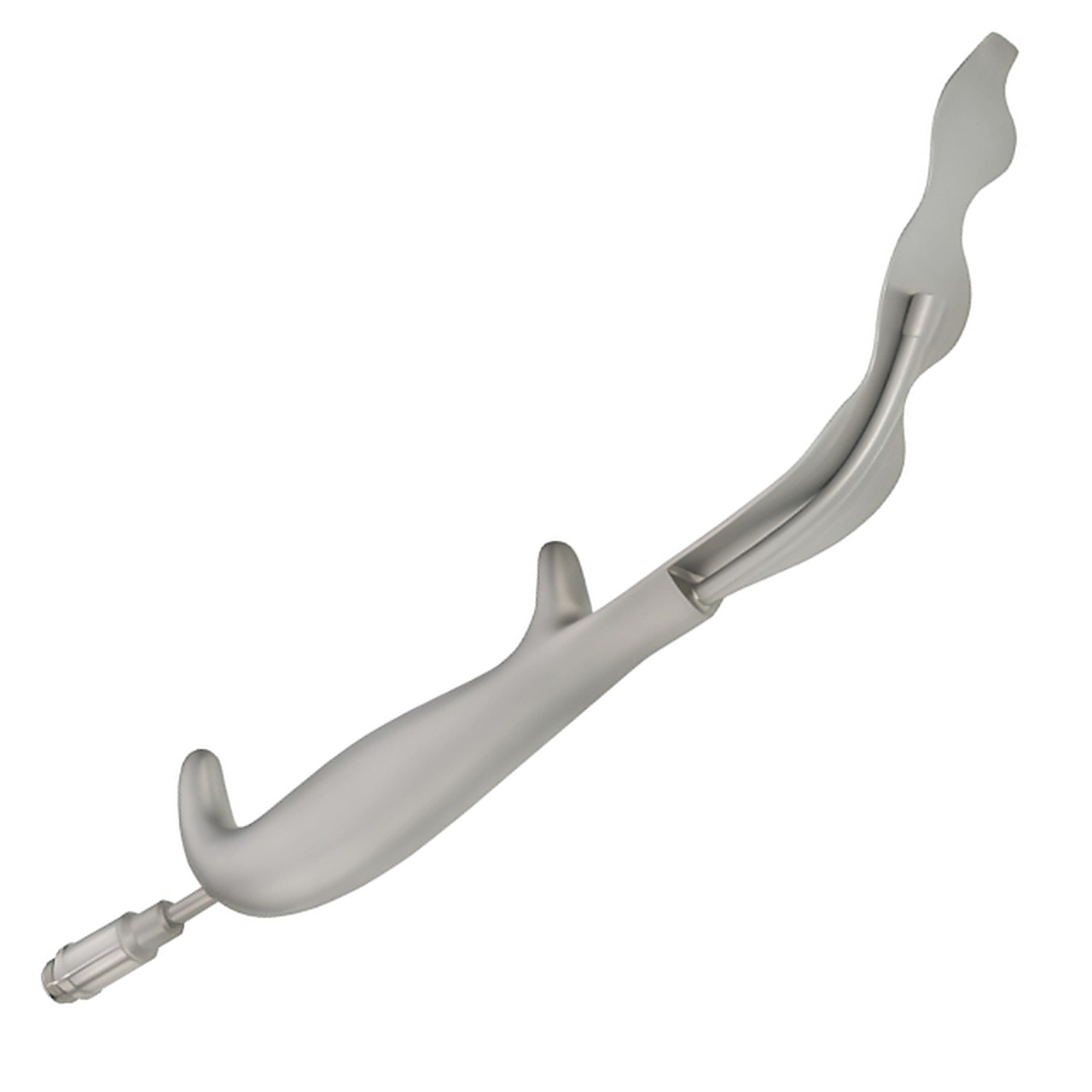 | Petri Pterygoid Intra Oral Retractor With Fiber Optic | Specifically designed to provide illuminated soft-tissue retraction and neurovascular shielding during Le Fort osteotomies. |
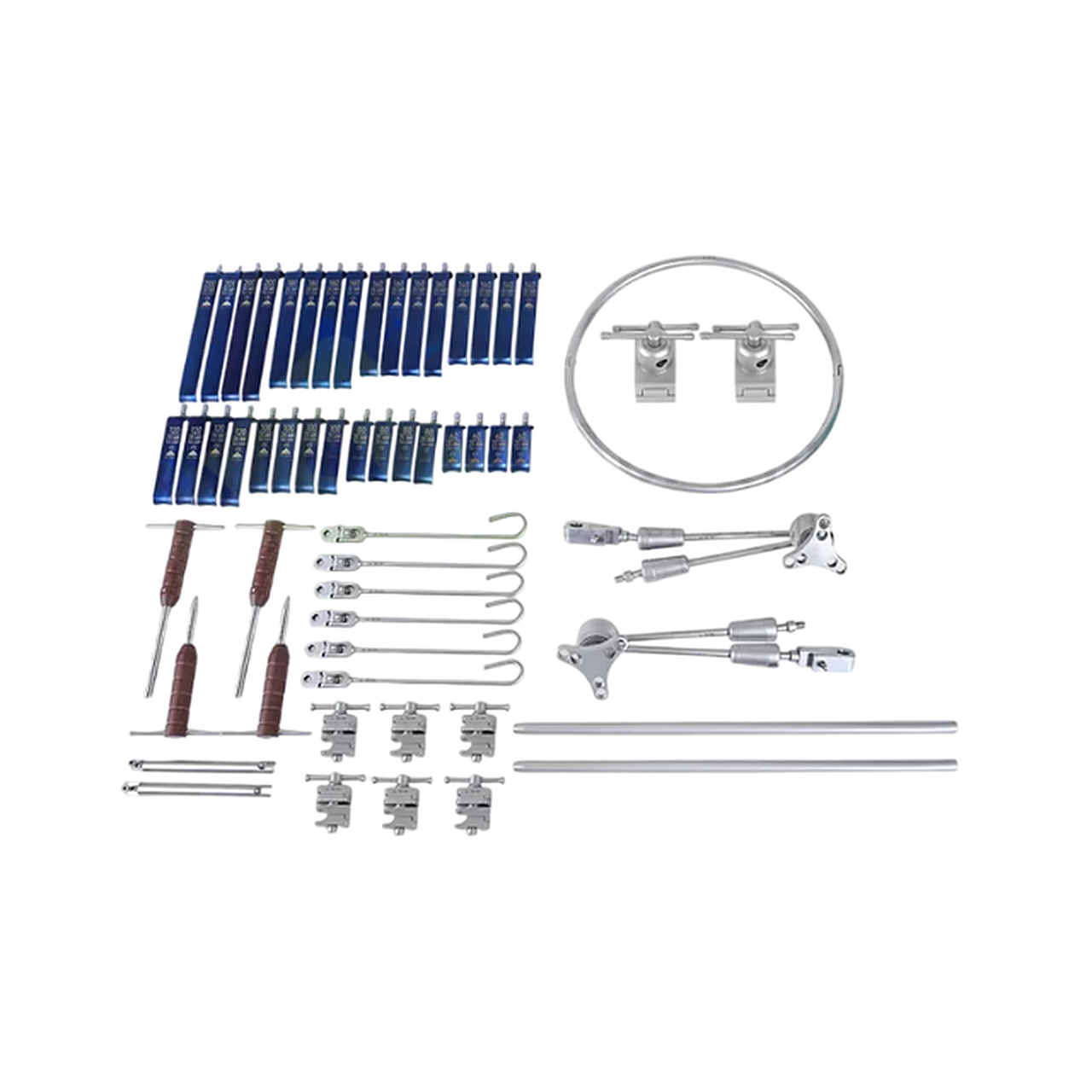 | Phantom AL Anterior Lumbar Surgical Access System | Specifically engineered to provide stable, hands-free surgical access and controlled soft tissue retraction during anterior approach lumbar spine procedures. |
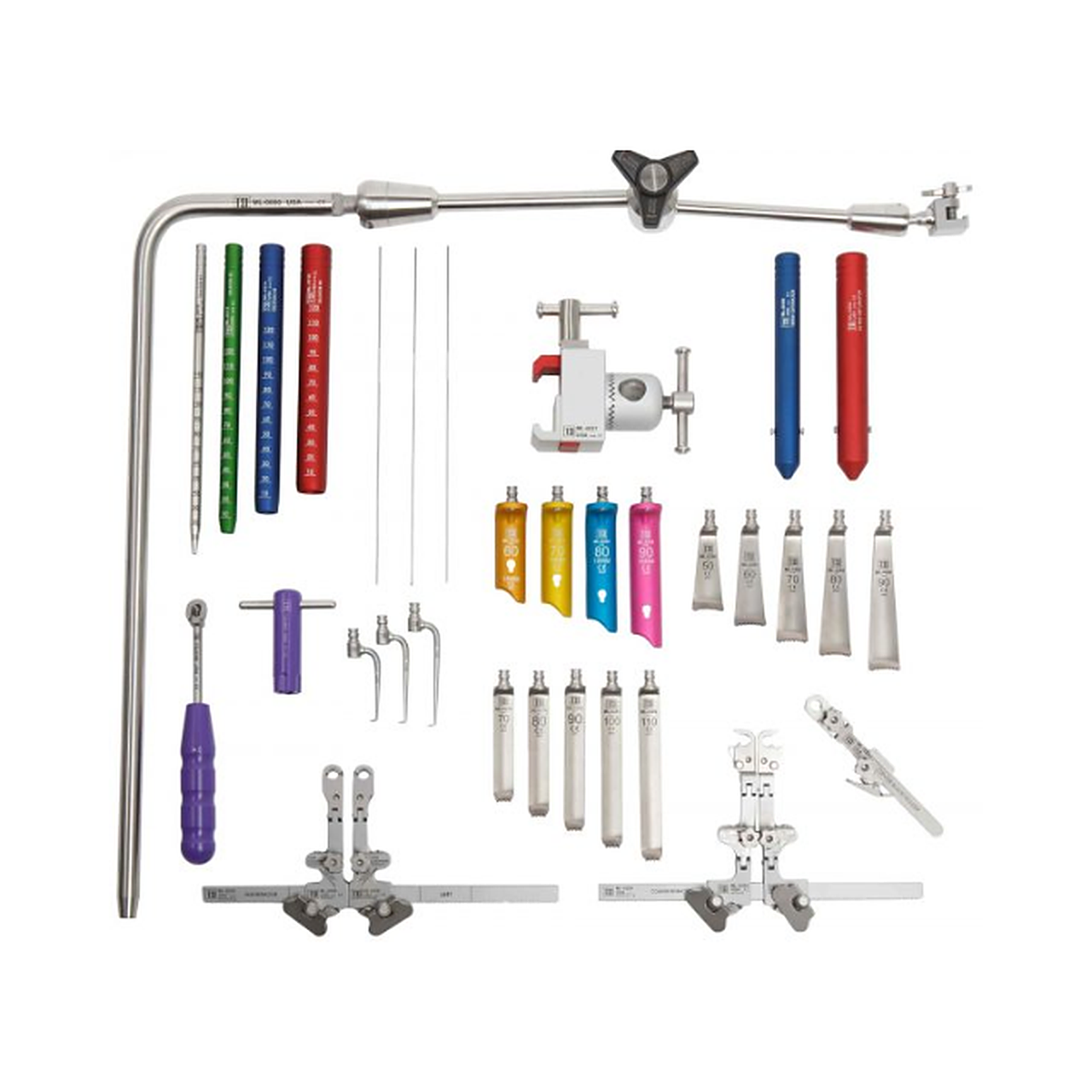 | Phantom ML MIS Lumbar Surgical Access System | Specifically engineered for minimally invasive lumbar surgical access, controlled tissue retraction, and direct channel illumination during posterior spine procedures. |
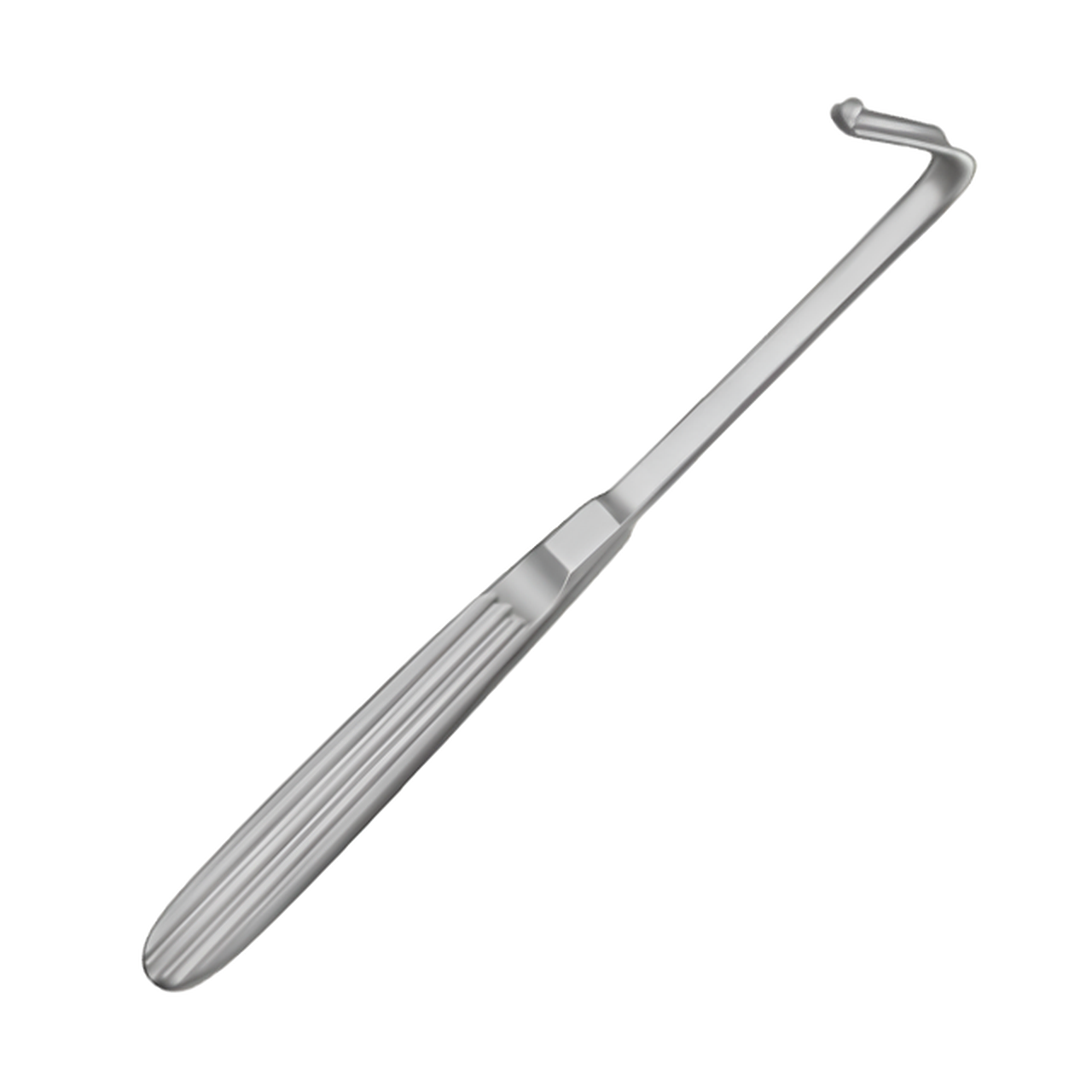 | Piriform Rim Retractor | The Piriform Rim Retractor is a specialized 17 cm oral and maxillofacial instrument designed to hook securely over the piriform aperture during Le Fort osteotomies and rhinoplasty. |
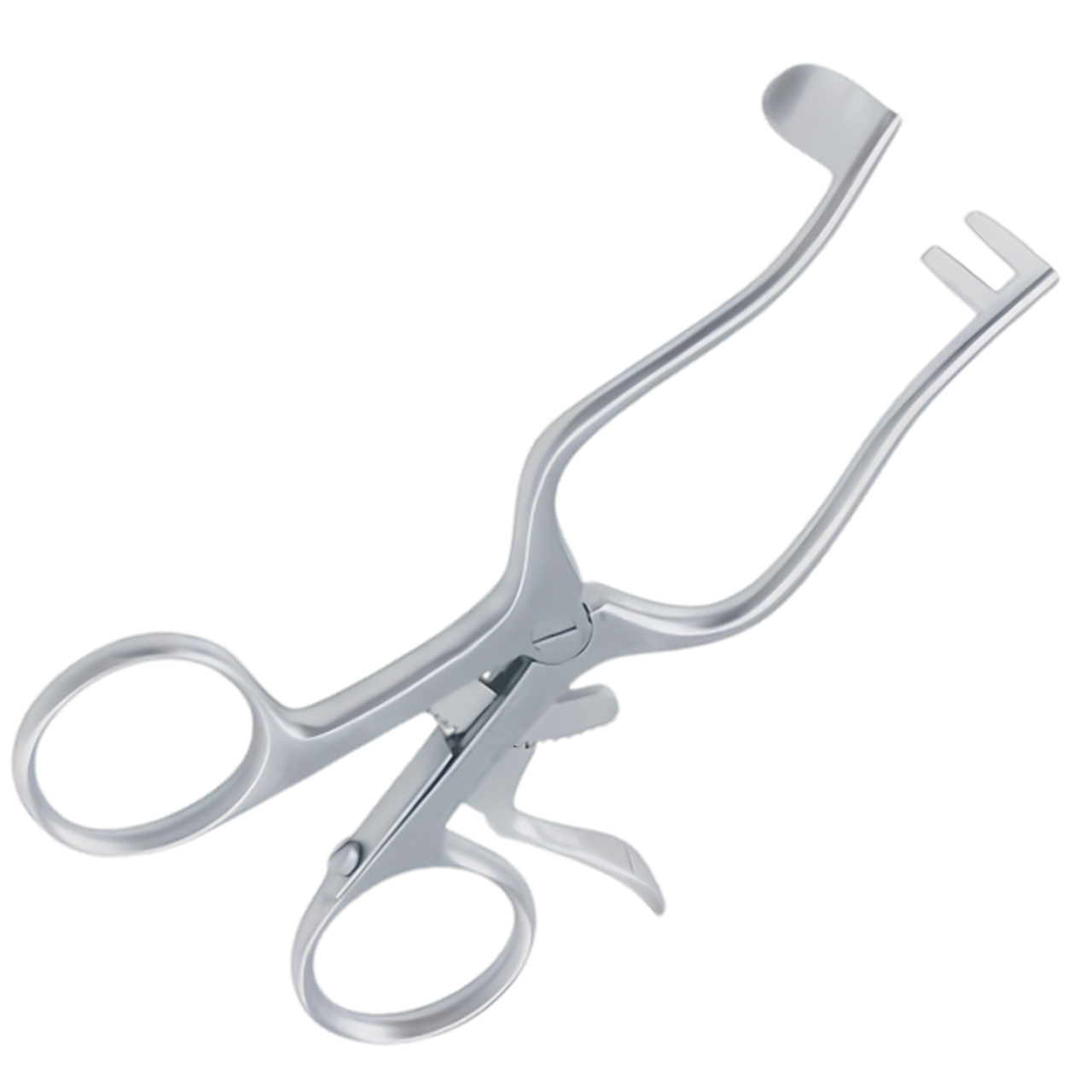 | Plester Self Retaining Retractor | The Plester Self Retaining Retractor is an otologic and neurosurgical spreader designed for hands-free postauricular and mastoid wound margin exposure. |
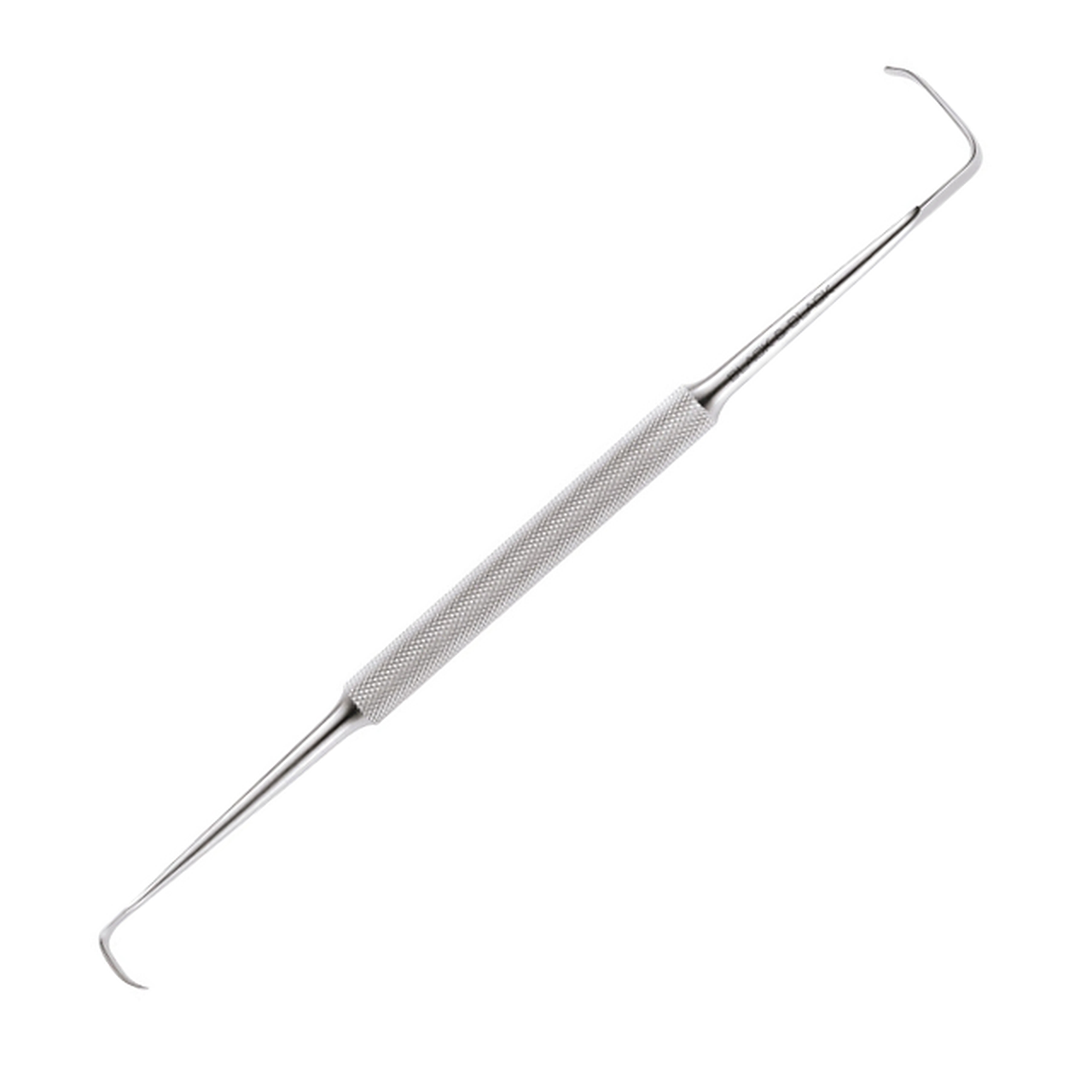 | Ragnell-Davis Double Ended Retractor | The Ragnell-Davis Double Ended Retractor is a surgical instrument engineered for delicate cutaneous and soft-tissue retraction during plastic, hand, and facial surgery. |
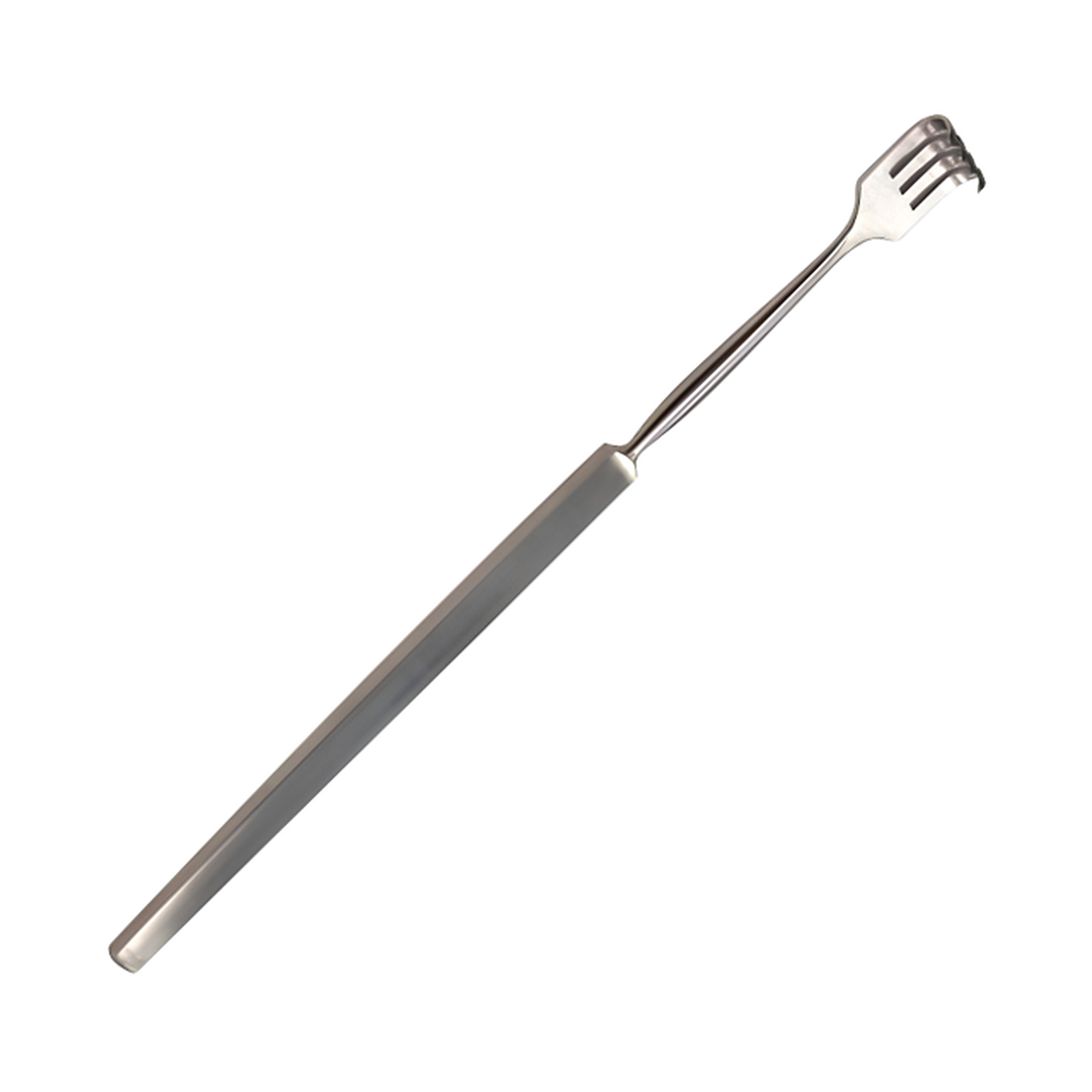 | Rake Finger Retractor | The Rake Finger Retractor is a 15.3 cm surgical instrument designed for delicate cutaneous flap elevation and tendon exposure during hand and plastic surgery. |
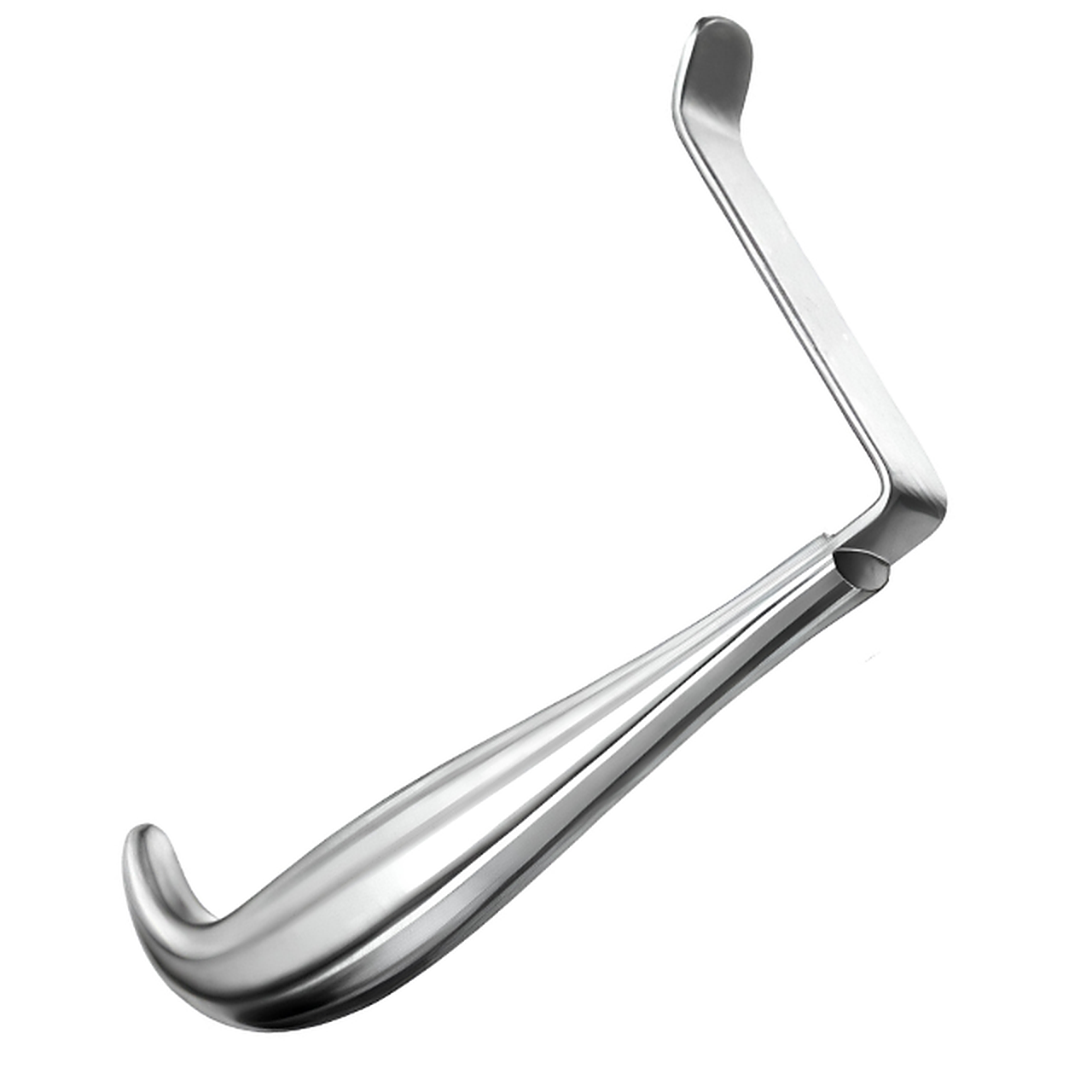 | Ramus Retractor | Specifically designed to retract the pterygomasseteric sling and expose the ascending mandibular ramus during orthognathic surgery. |
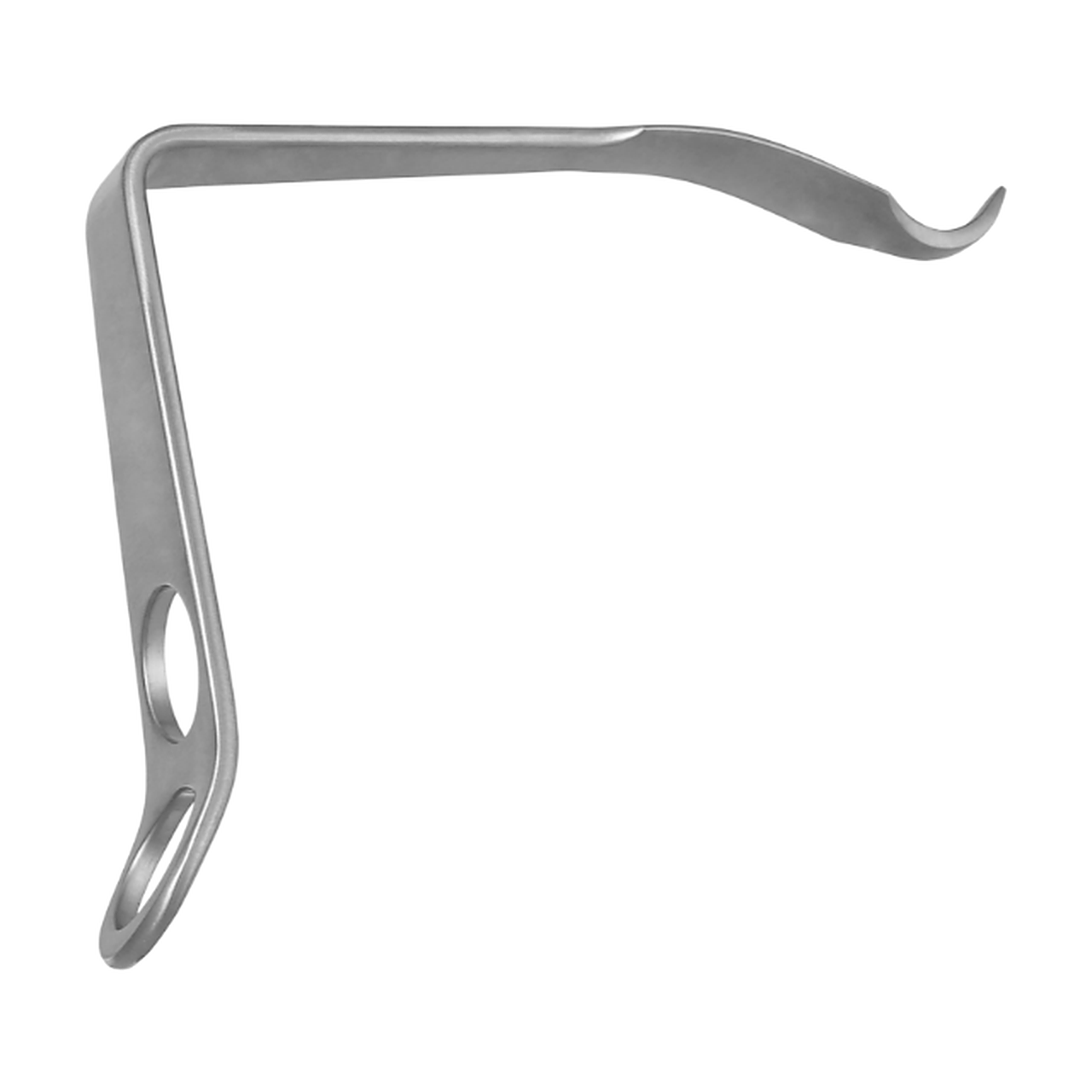 | Ranawat Knee Retractor | The Ranawat Knee Retractor is a 9 ½″ (24.13 cm) orthopedic instrument designed for collateral ligament and joint capsule retraction during total knee arthroplasty. |
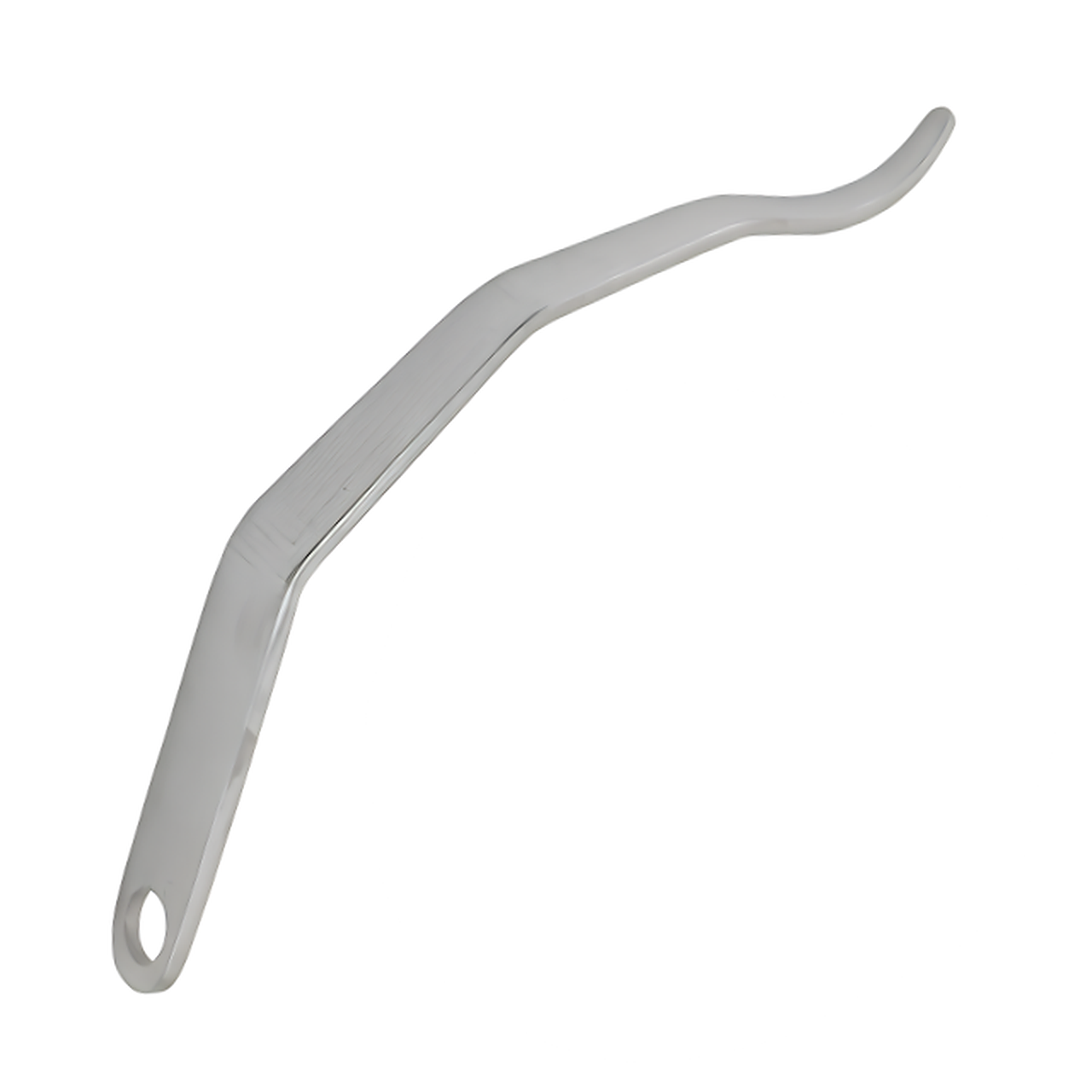 | Redler Retractor | The Redler Retractor is a 5″ (12.7 cm) surgical instrument designed for delicate soft-tissue and wound margin retraction. |
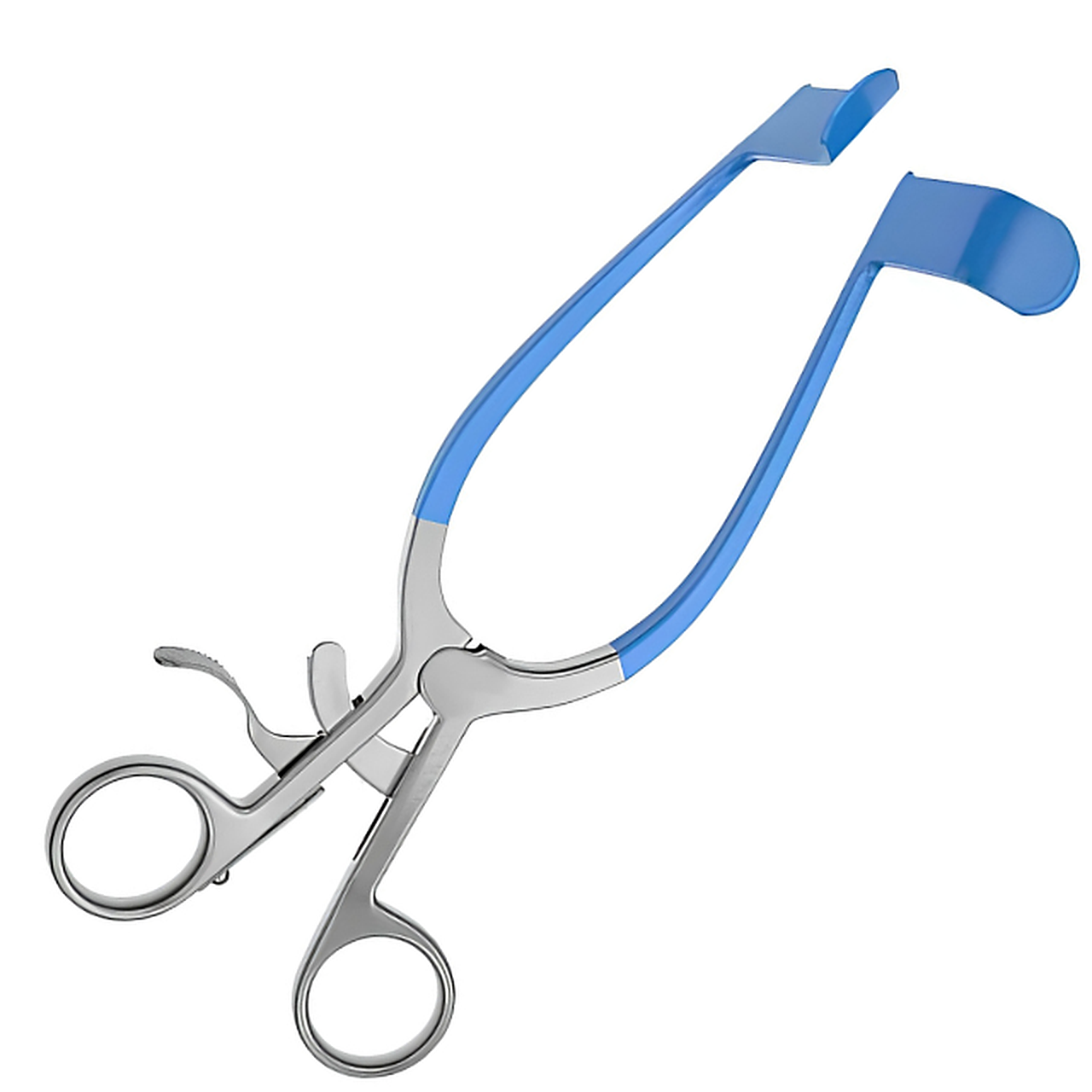 | Redundant Nonconductive Wall Retractor | The Redundant Nonconductive Wall Retractor is a 7″ (17.8 cm) insulated gynecological instrument designed to displace redundant lateral vaginal walls during electrosurgery and laser procedures. |
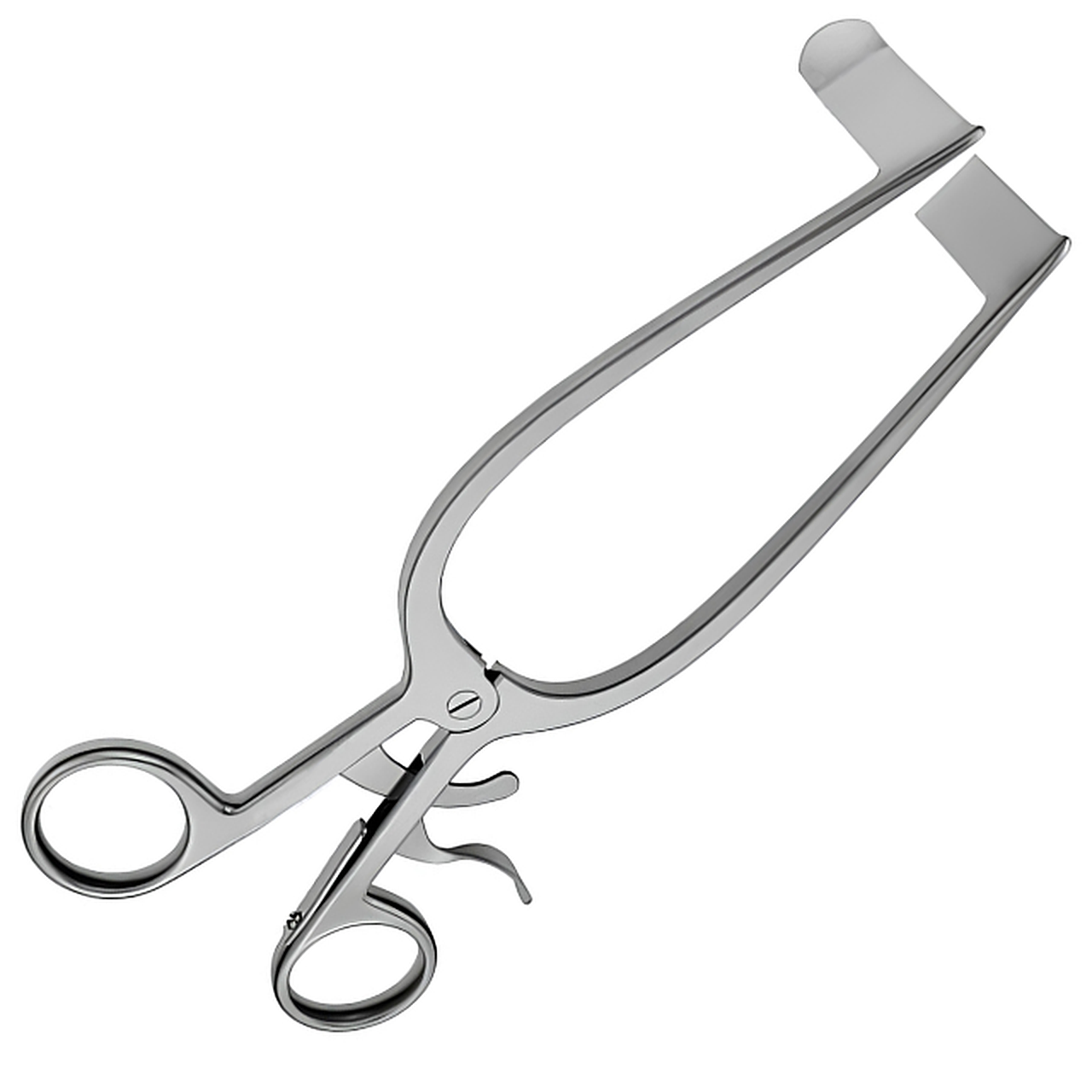 | Redundant Wall Retractor | The Redundant Wall Retractor is an 18 cm gynecological instrument designed to displace redundant lateral vaginal walls during pelvic examinations and surgery. |
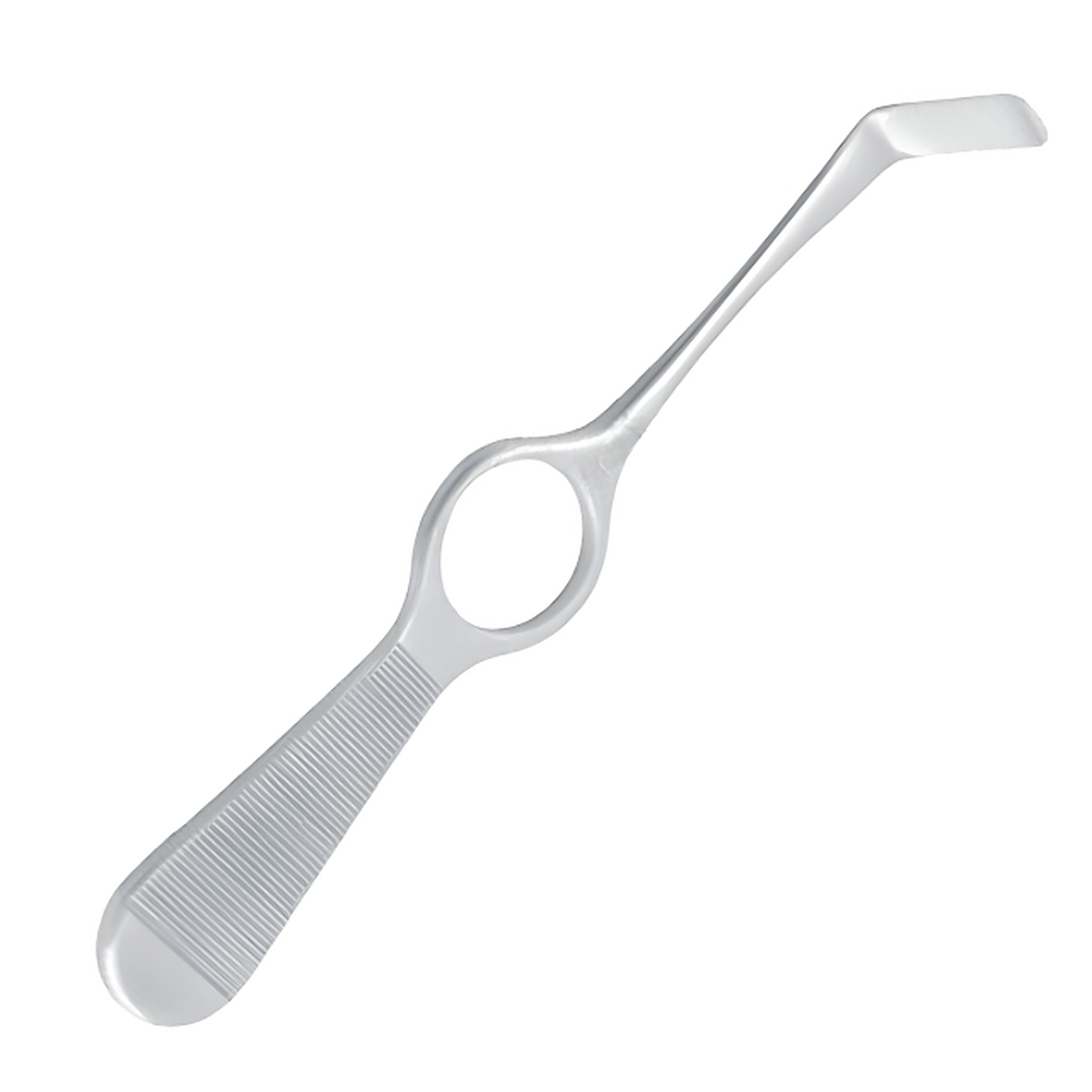 | Reich Condyle Retractor | The Reich Condyle Retractor is a maxillofacial instrument designed to hook around the mandibular condylar neck during temporomandibular joint (TMJ) surgery. |
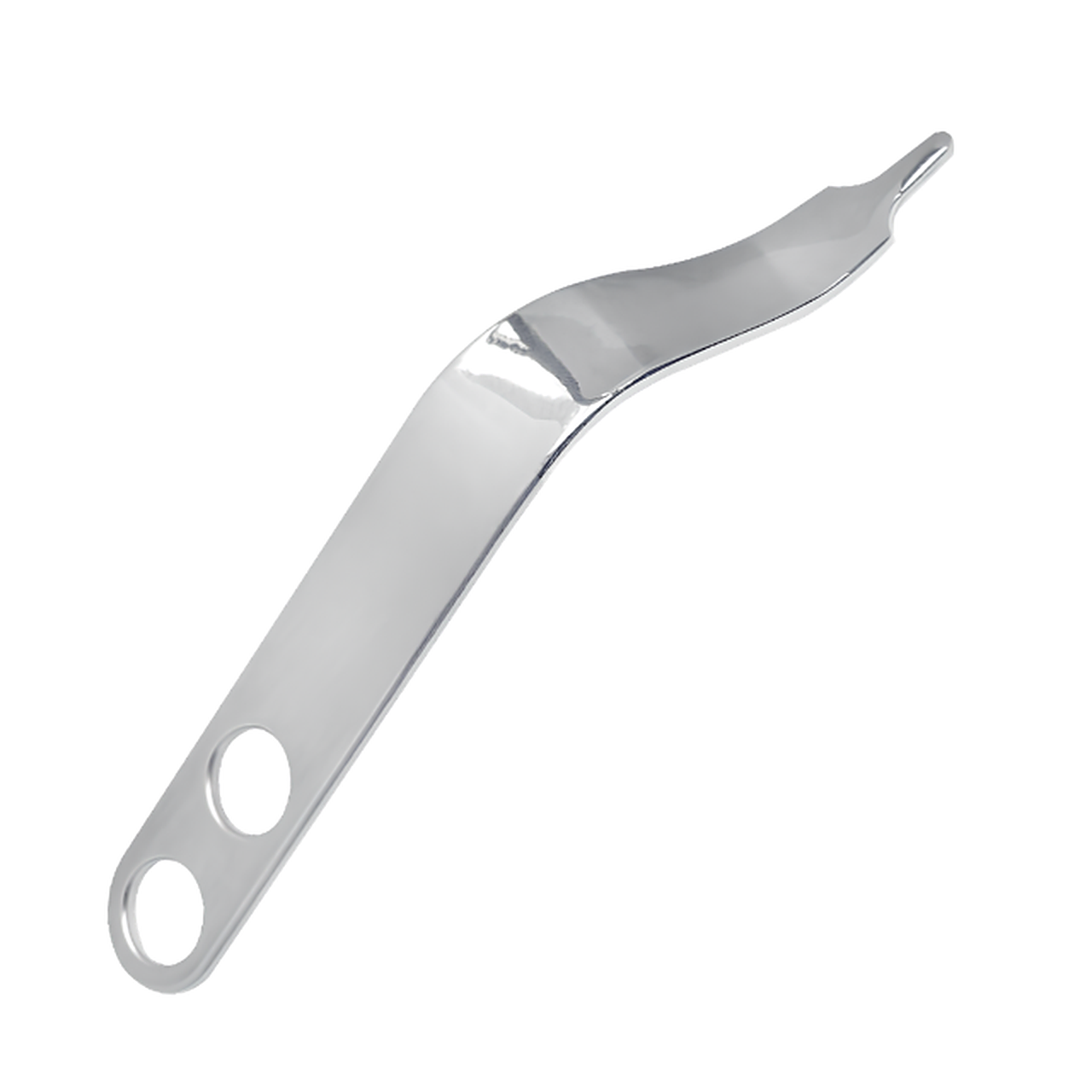 | Reverse Hohmann Retractor | Specifically designed to leverage bone cortices and retract soft tissues during hip, knee, and trauma orthopedic surgery. |
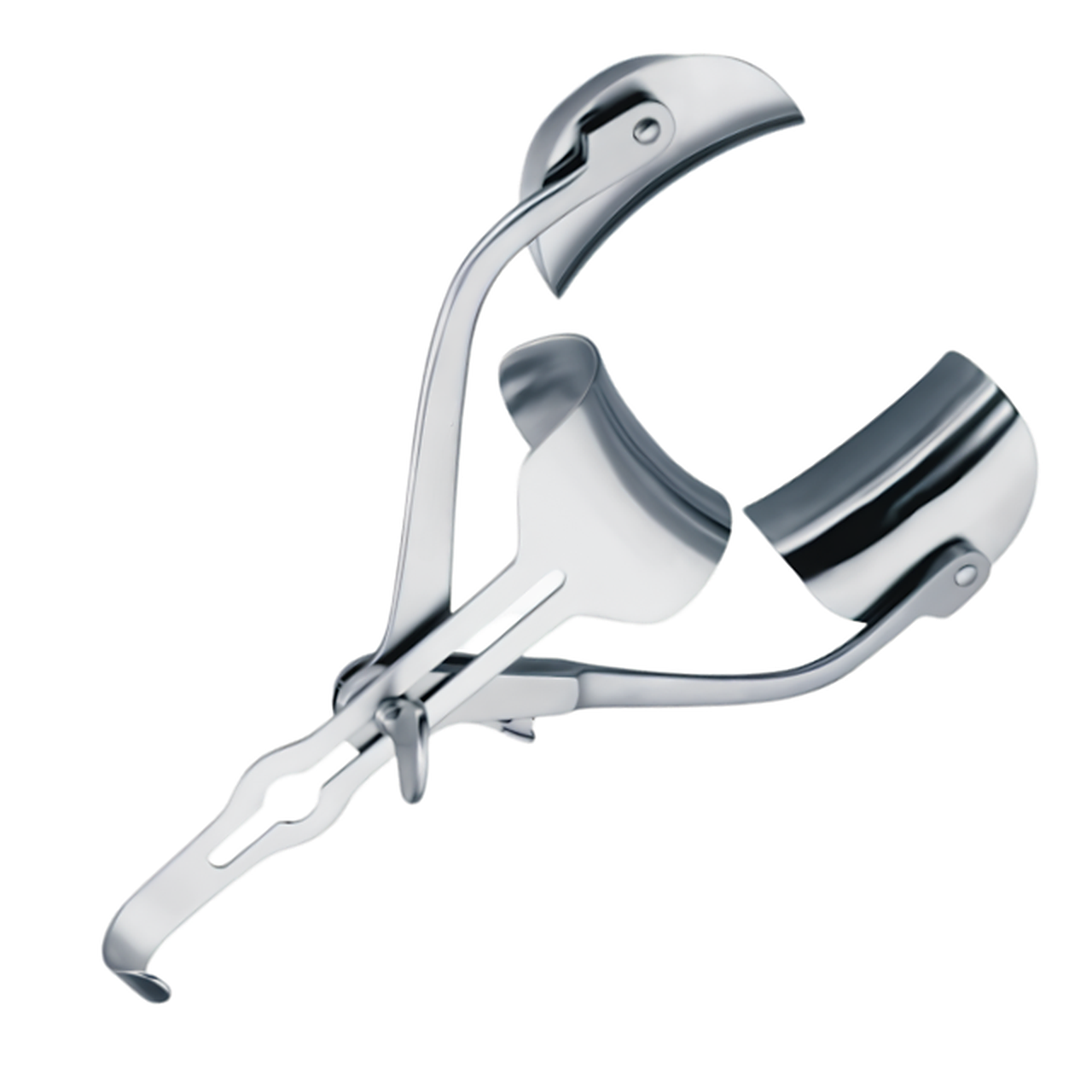 | Ricard Abdominal Retractor | Specifically designed to provide self-retaining three-blade retraction of abdominal walls and viscera during laparotomy. |
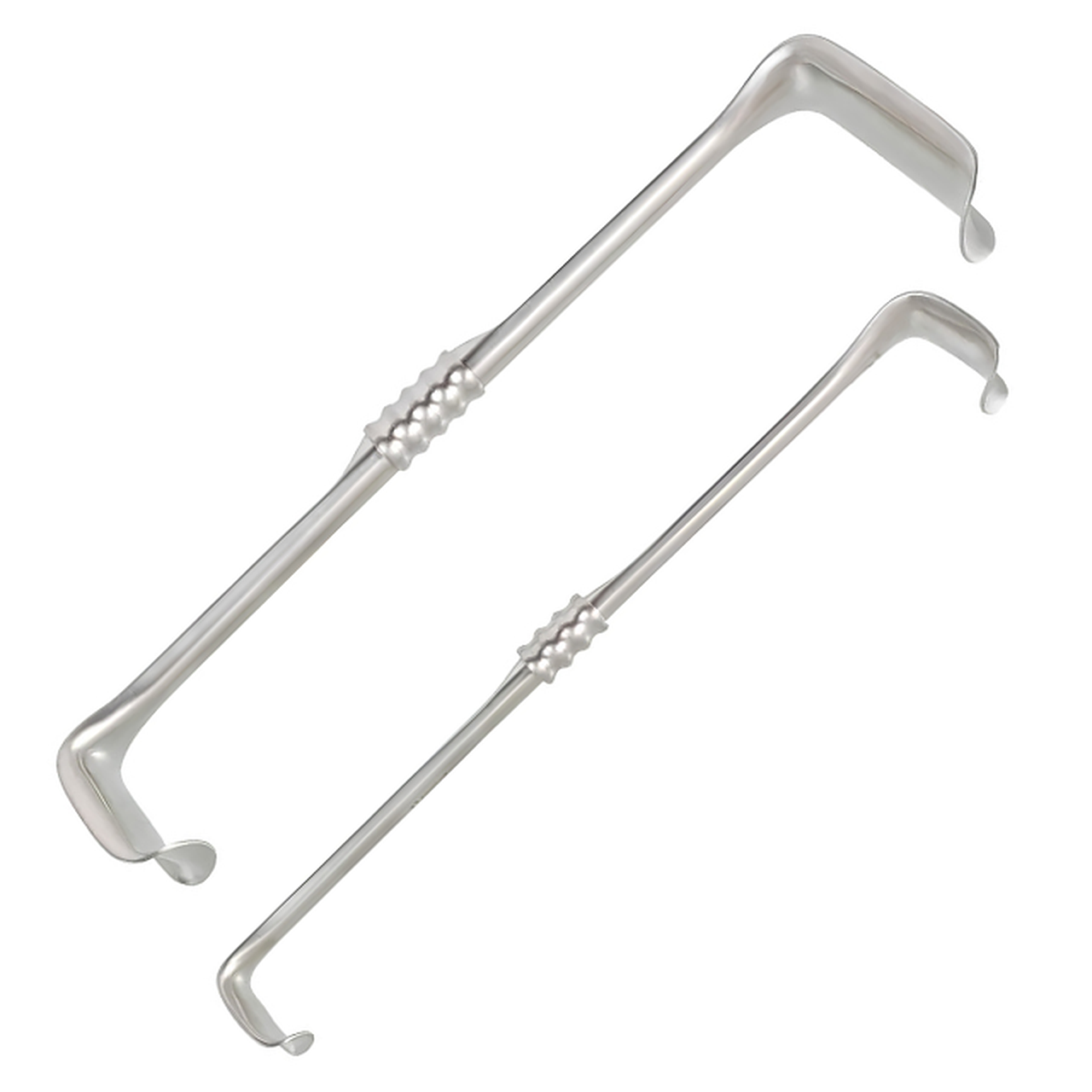 | Richardson Eastman Retractor | Specifically designed to retract the abdominal wall, fascia, and viscera across varying incision depths during open surgery. |
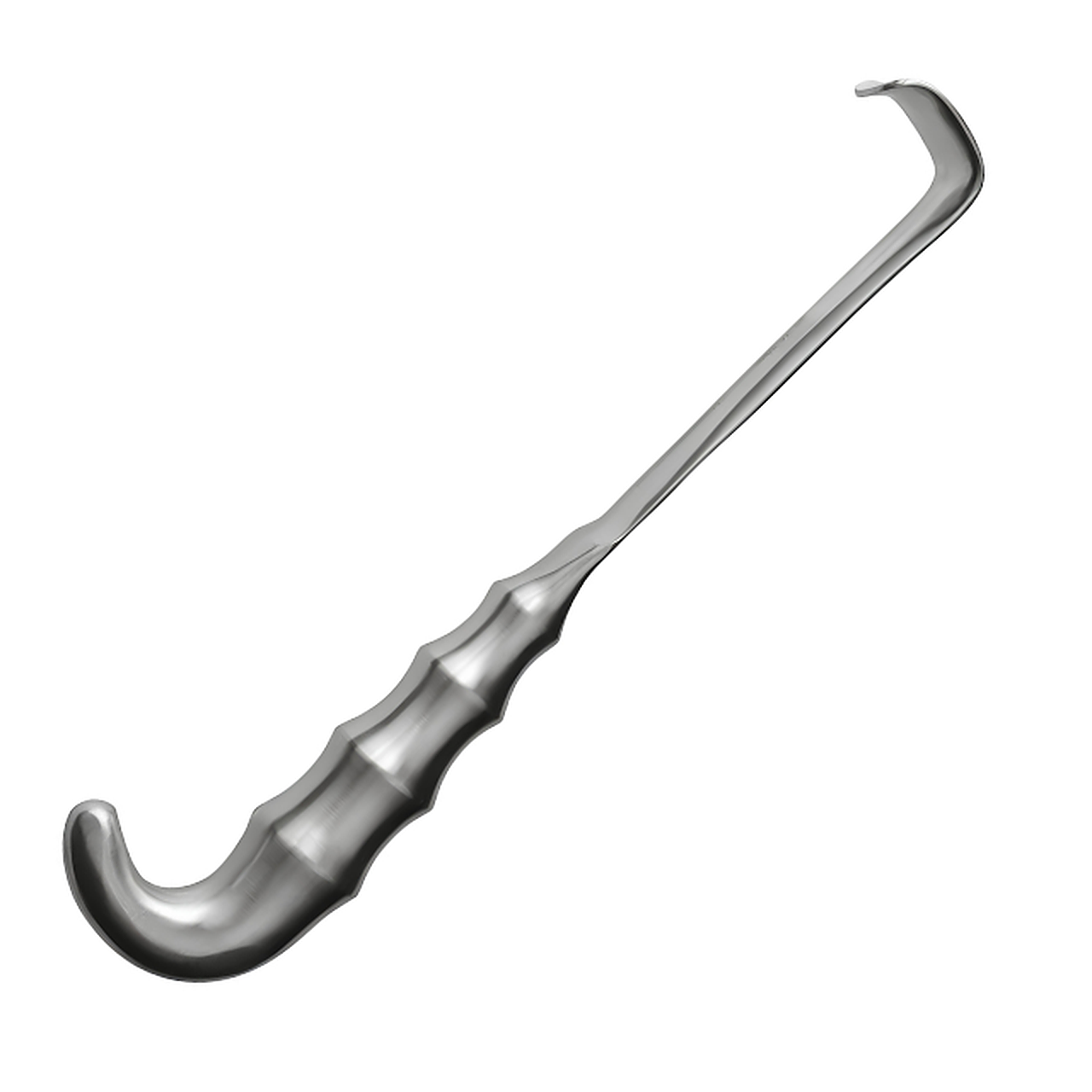 | Richardson Retractor Grip Handle | Specifically designed to retract the abdominal wall, fascia, and thick muscle layers with reduced assistant fatigue during open surgery. |
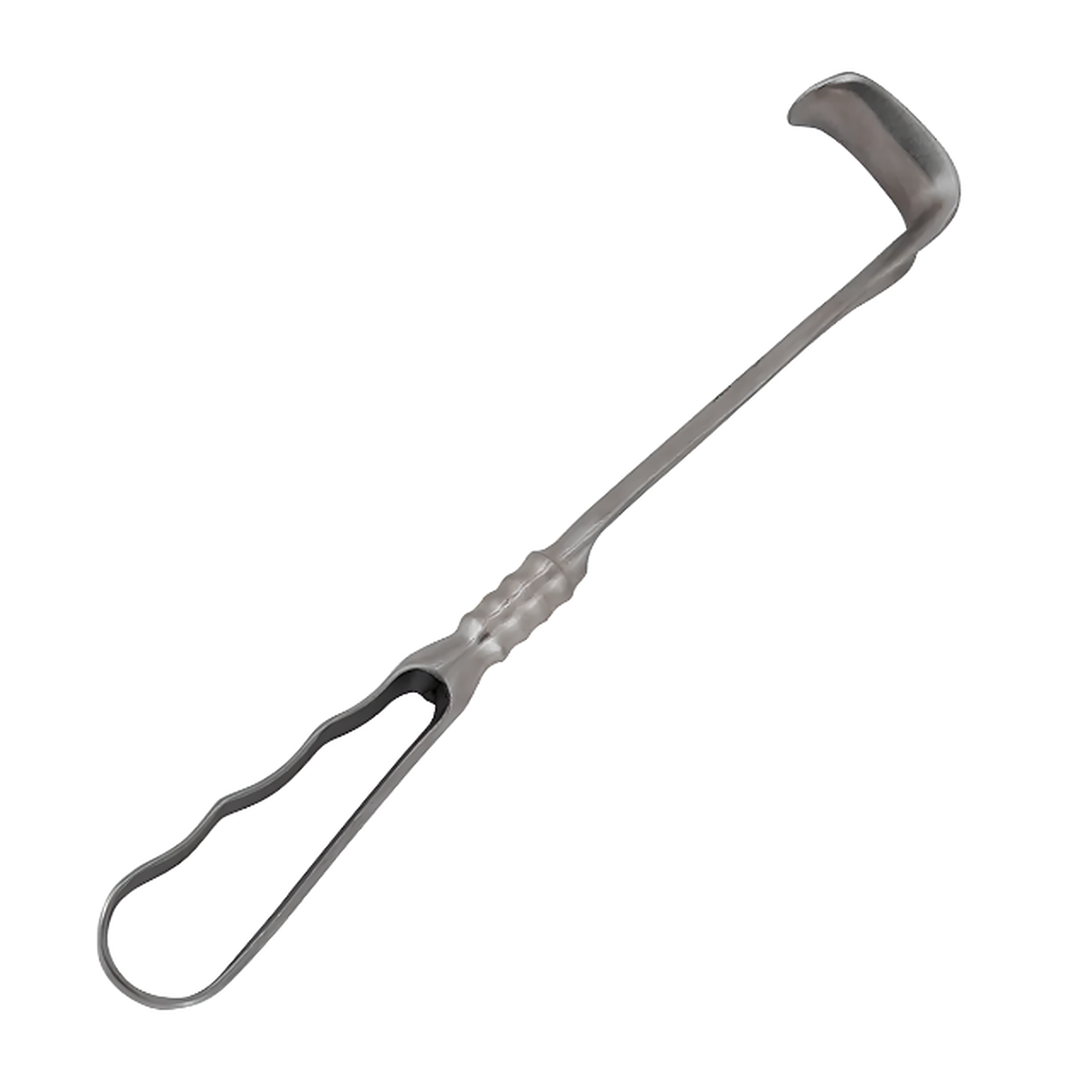 | Richardson Retractor Loop Handle | Specifically designed to retract the abdominal wall, muscle layers, and viscera during open laparotomy and pelvic surgery. |
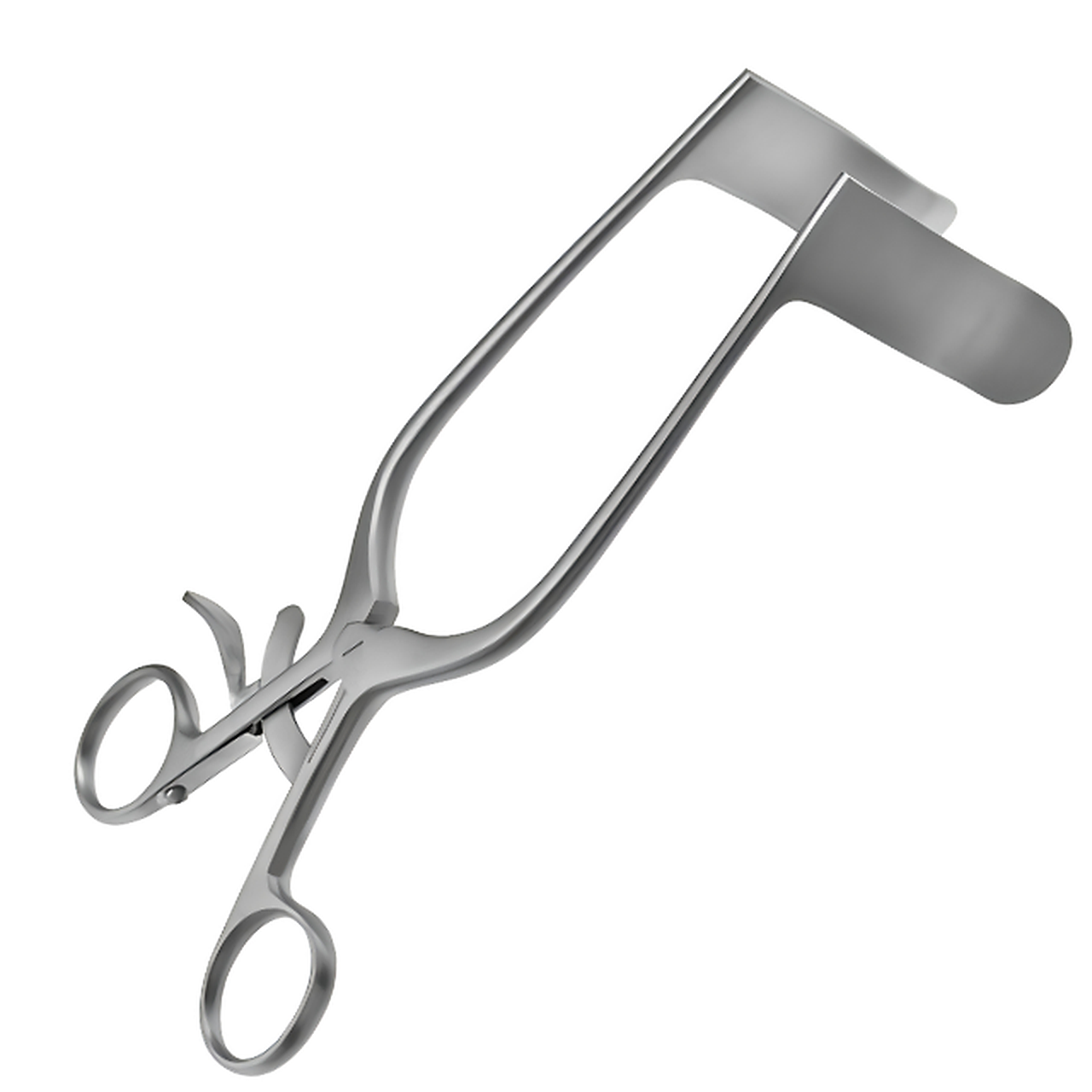 | Rigby Self-Retaining Vaginal Retractor | Specifically designed to provide self-retaining lateral and posterior vaginal wall retraction during pelvic surgery. |
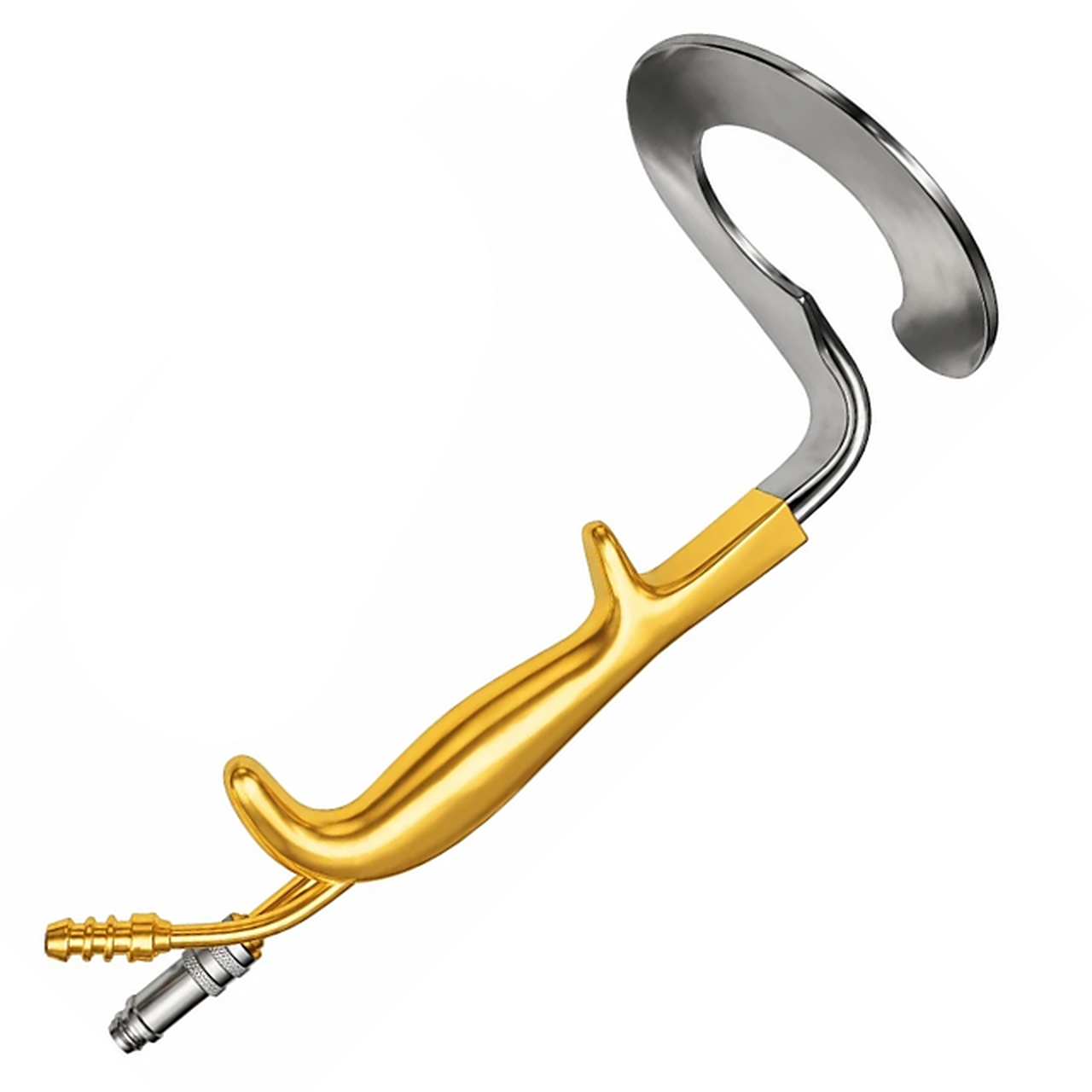 | Ring Breast Retractor With Fiber Optic Illumination | Specifically designed to elevate tissue flaps, illuminate deep pockets, and verify hemostasis during breast surgery. |
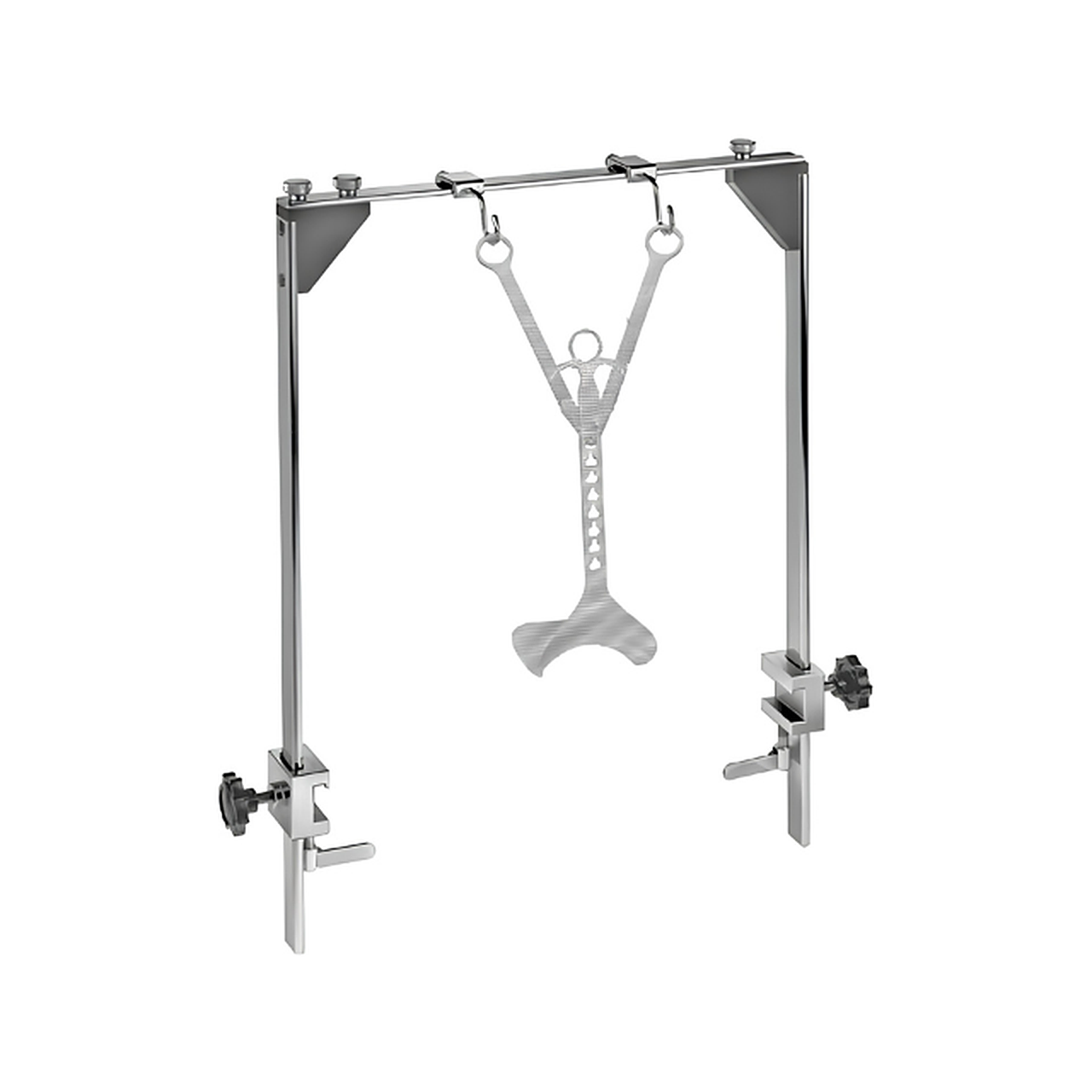 | Rochard Retractor | Designed to provide rigid, table-mounted abdominal soft-tissue retraction and stable operative exposure during surgical interventions. |
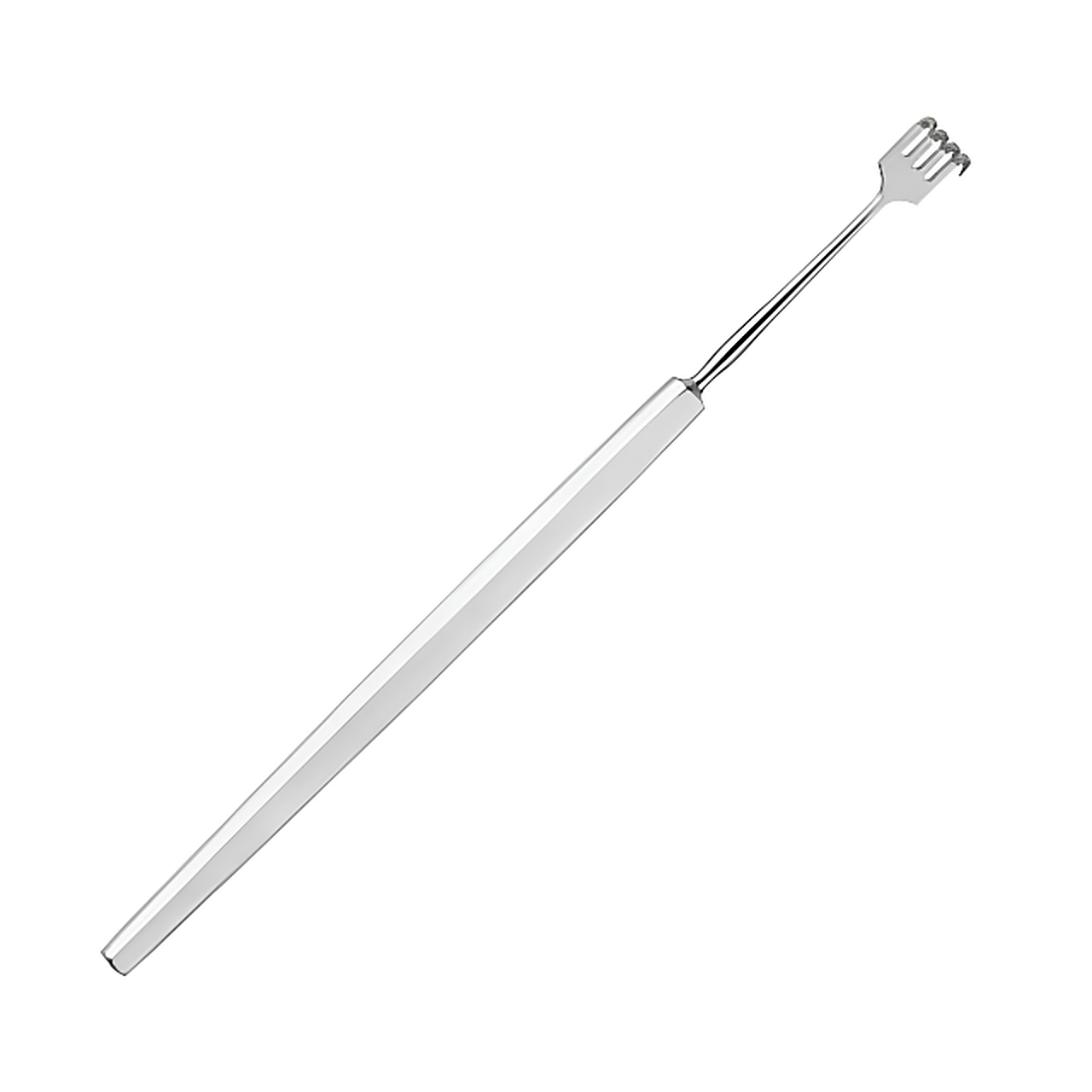 | Rollet Retractor | Specifically designed to retract skin flaps, medial canthal tissue, and fascia during ophthalmic and plastic surgery. |
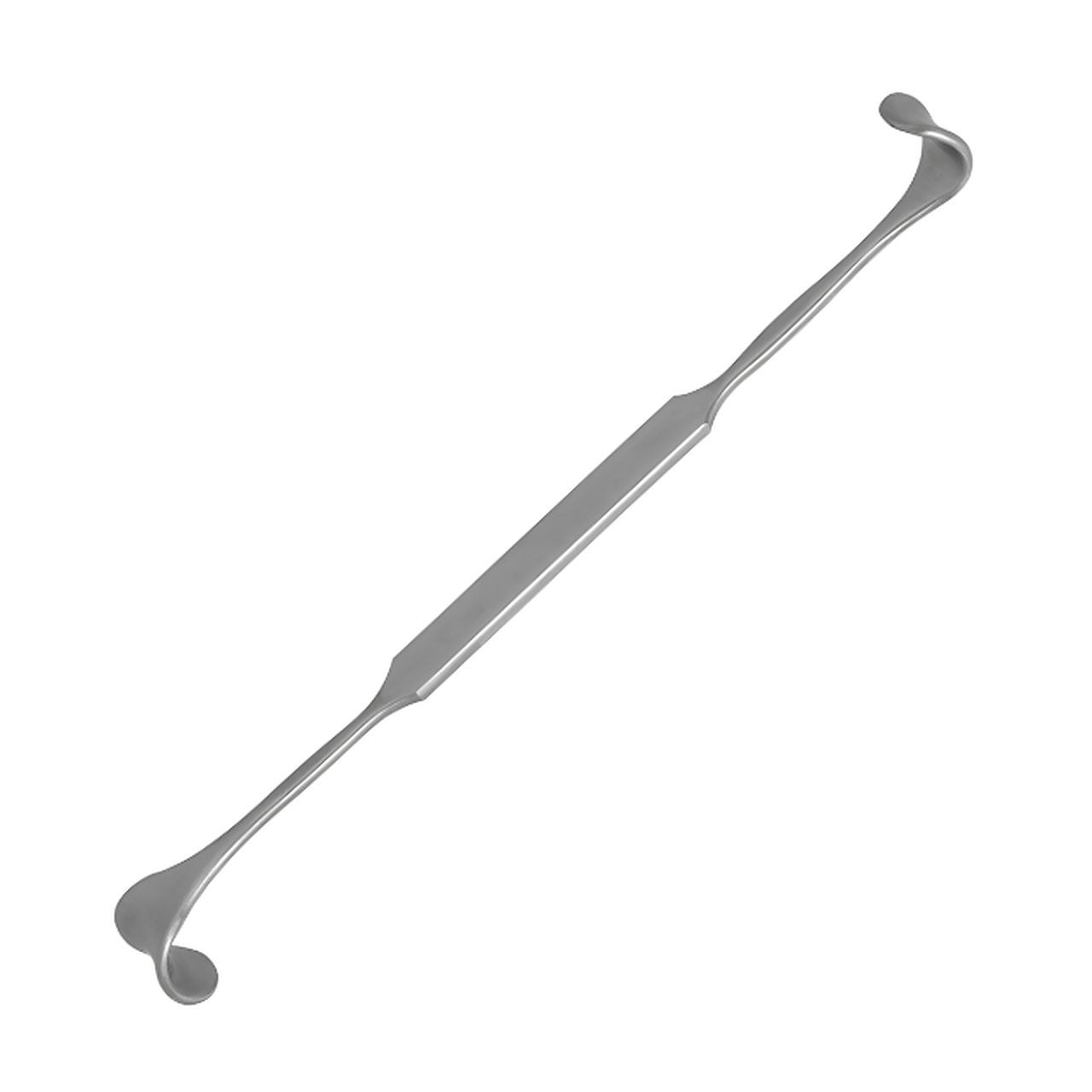 | Rose Retractor Double Ended | Specifically designed to retract skin margins, fascia, and soft tissues across superficial and intermediate surgical incisions. |
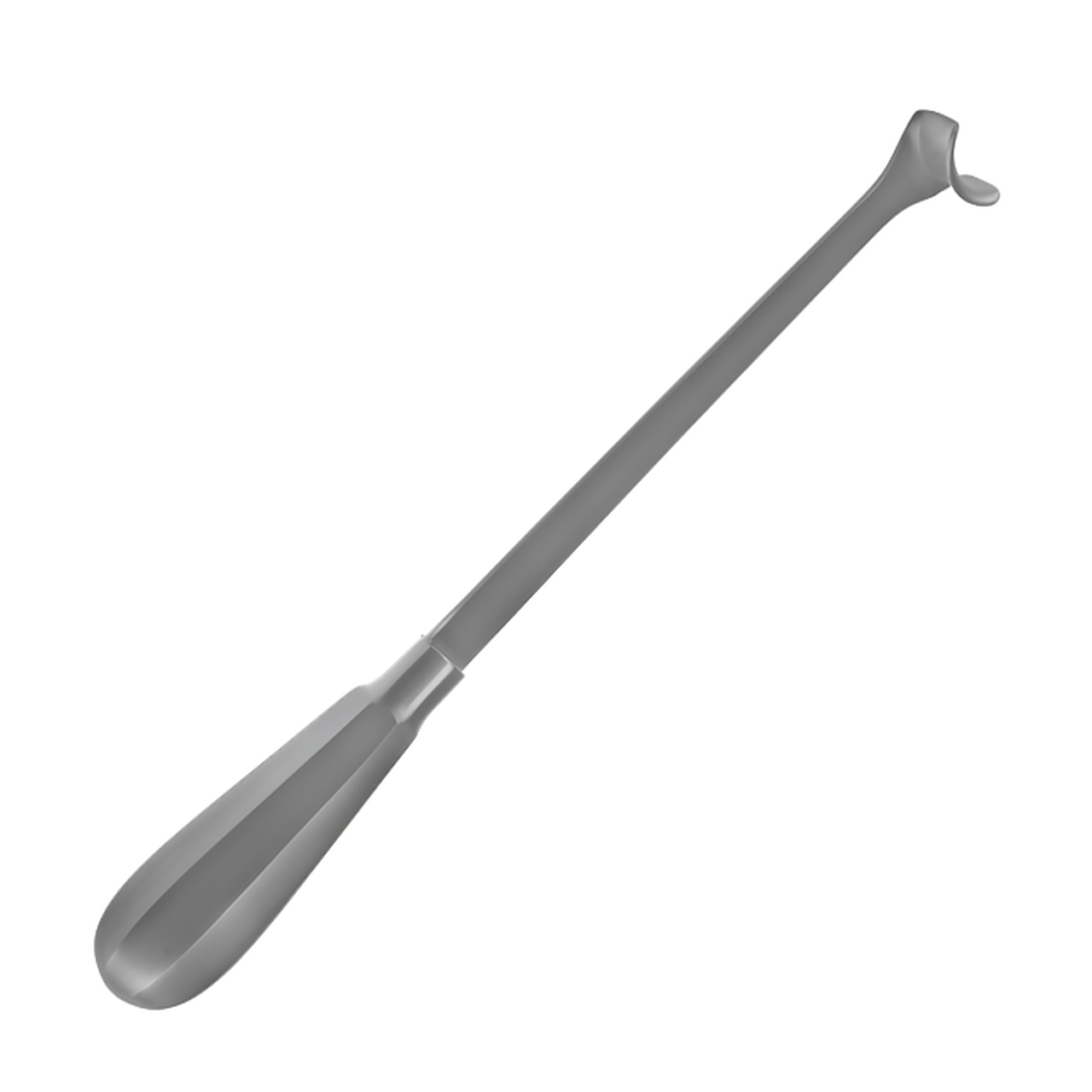 | Ross Aortic Valve Retractor | Specifically designed to retract aortic valve leaflets and the aortic wall during aortic valve replacement and reconstruction. |
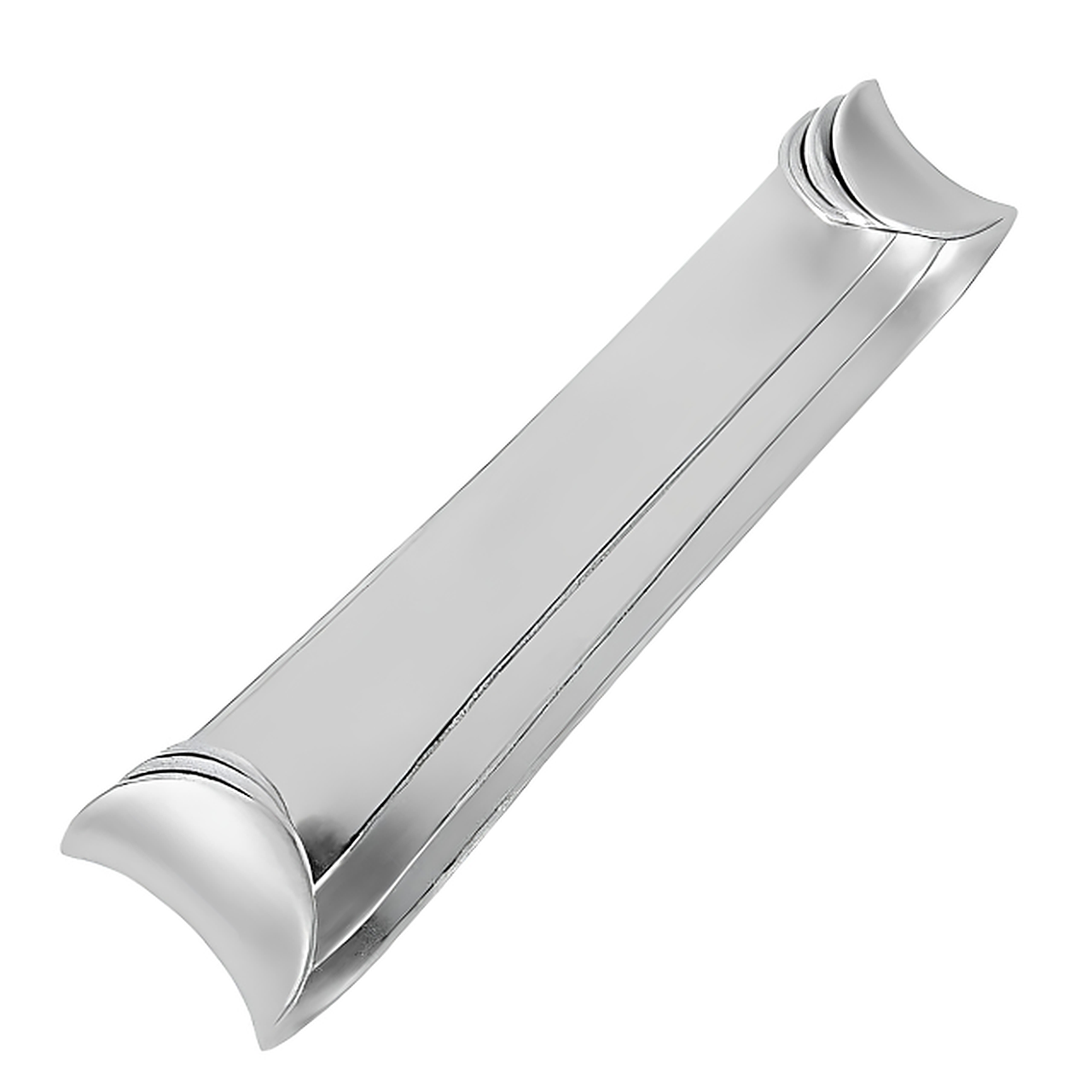 | Roux Retractor - Double Ended | Specifically designed to retract skin margins, fascia, and superficial muscle layers during general and plastic surgery. |
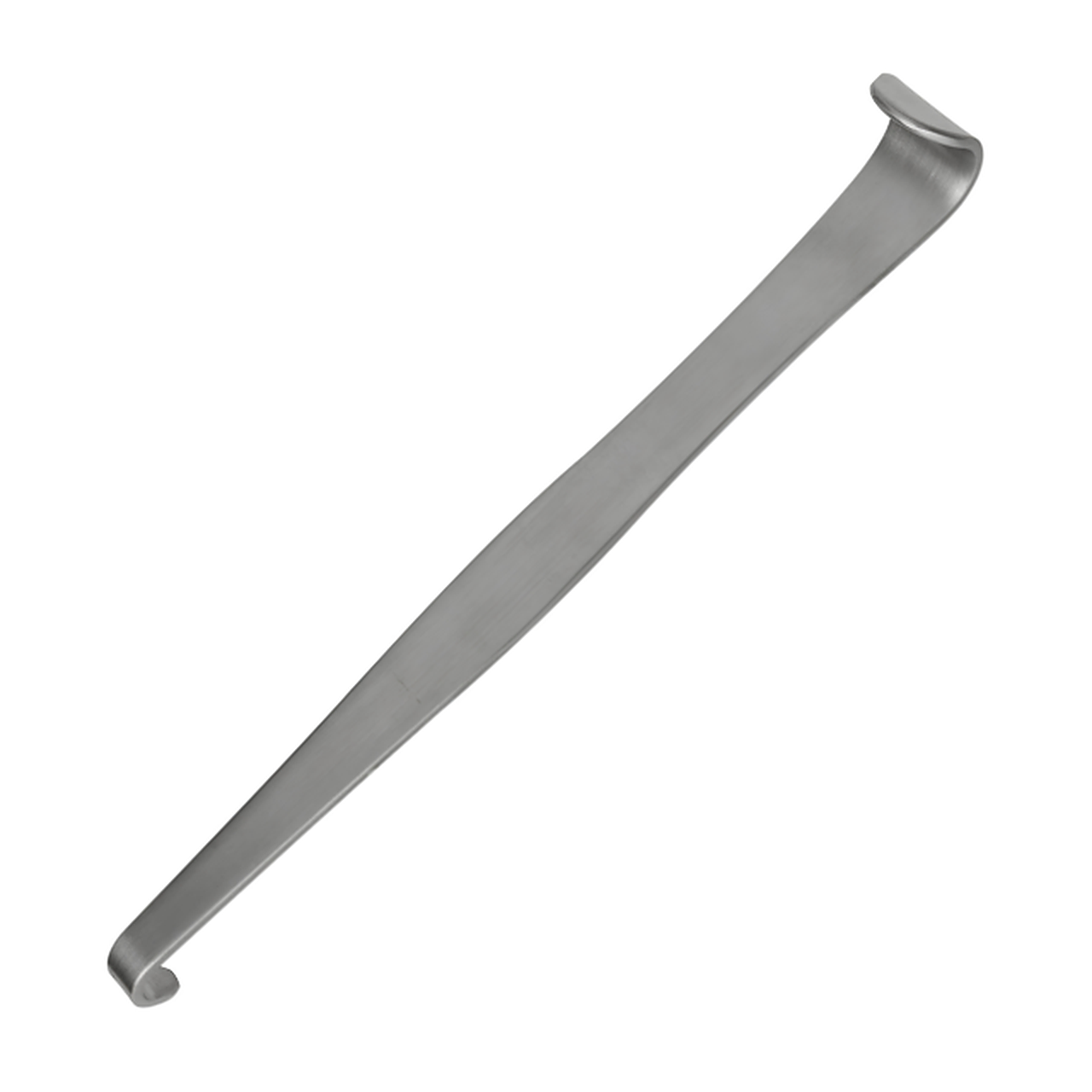 | S Shape Double Ended Retractor | Specifically designed to retract skin margins, delicate fascia, and soft tissues during minor surgical, plastic, and ENT procedures. |
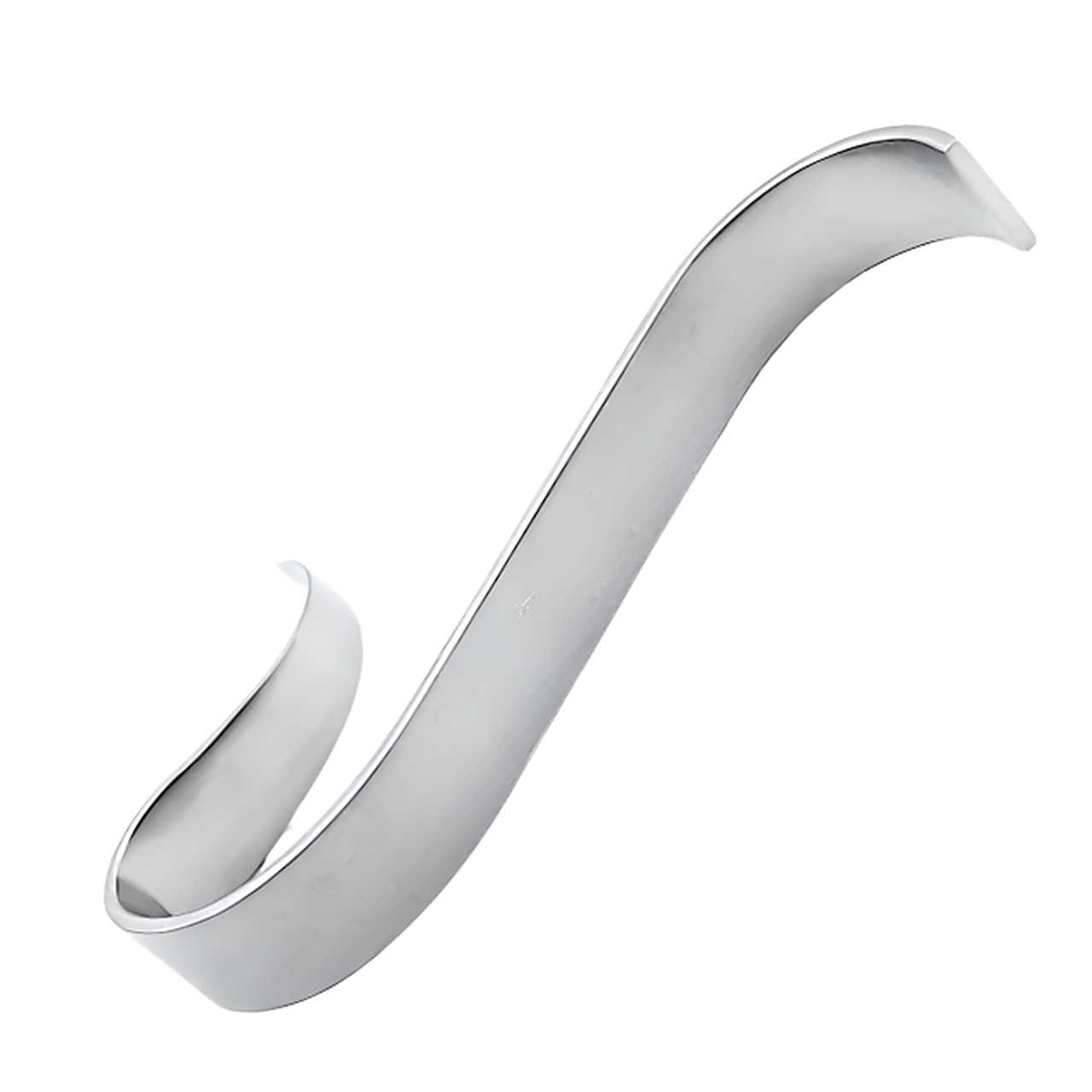 | S Total Knee Retractor | Specifically designed to retract collateral ligaments, joint capsule, and soft tissues during total knee arthroplasty. |
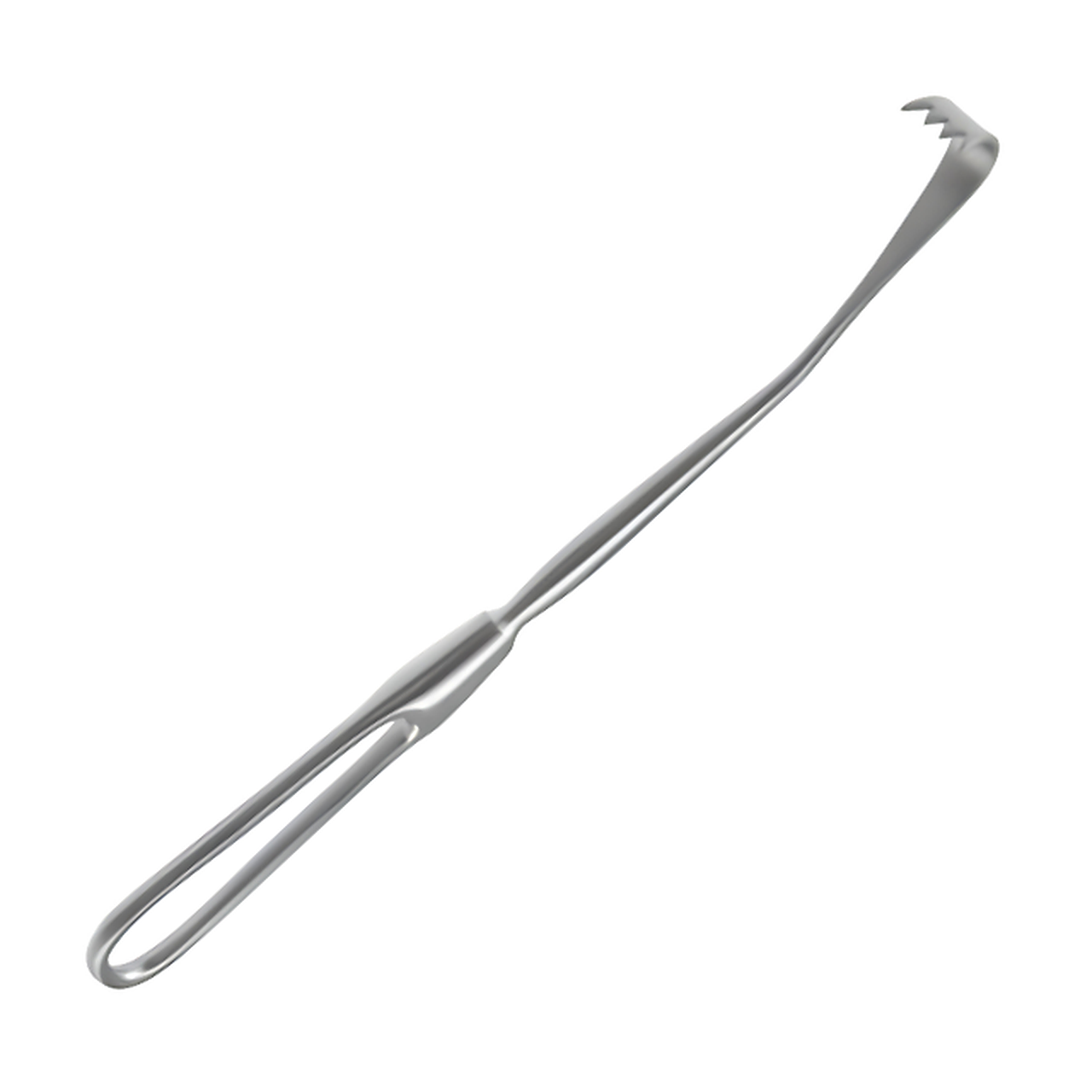 | Sachs Vein Retractor | Specifically designed to retract and mobilize delicate veins, nerve roots, and vascular bundles during vascular and neurosurgery. |
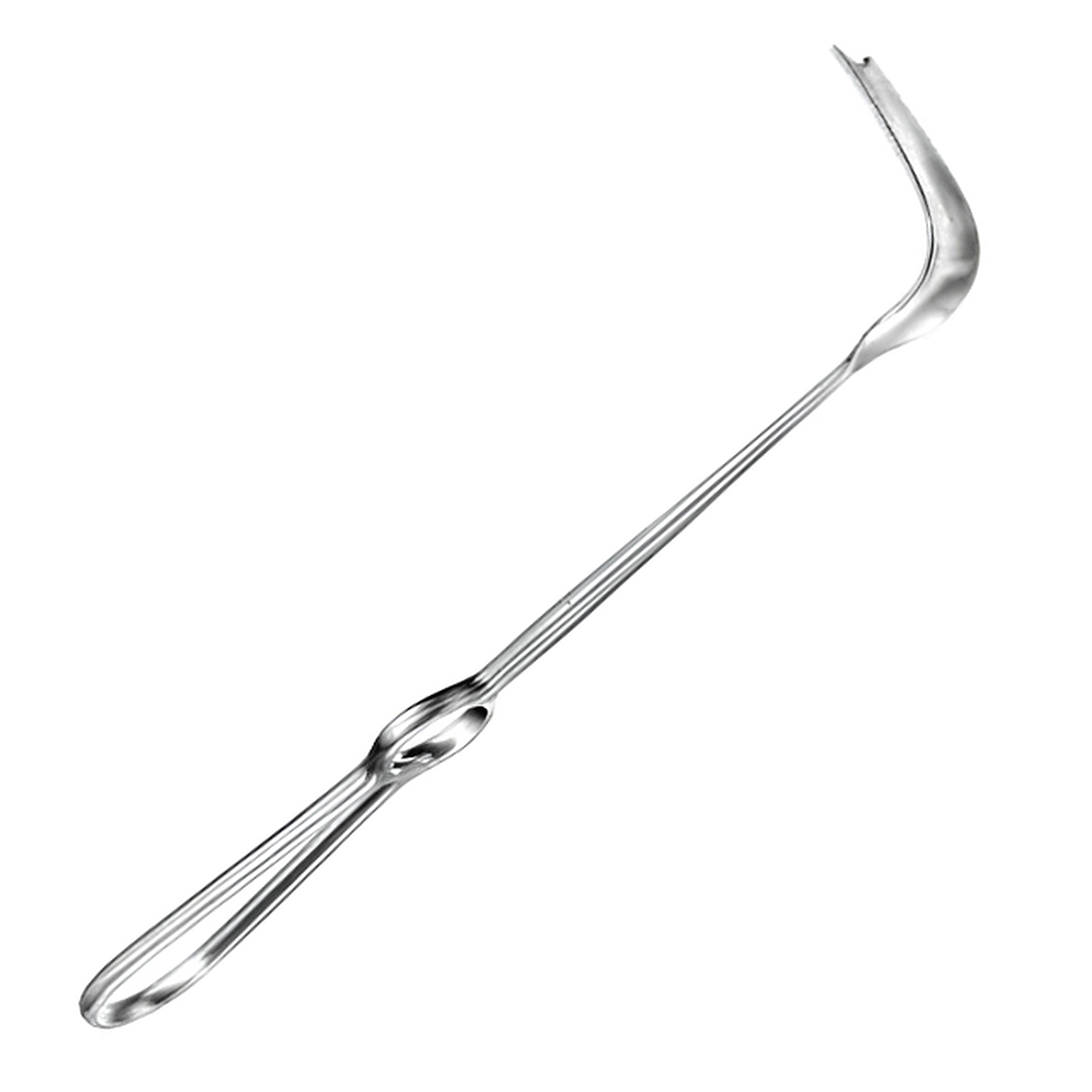 | Sailer Nasal Bridge Retractor | Specifically designed to elevate and retract the soft-tissue envelope along the nasal bridge during rhinoplasty and midface osteotomies. |
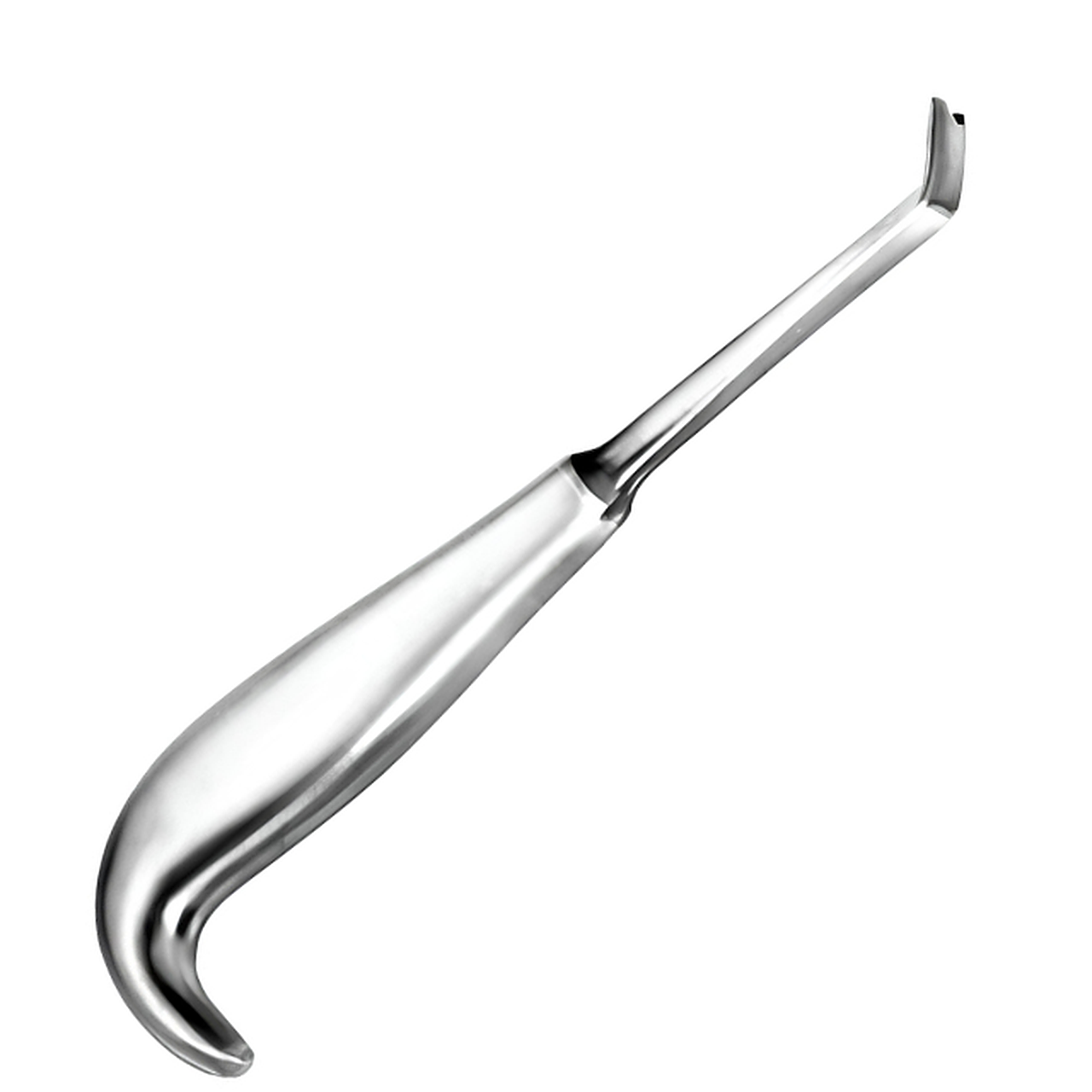 | Sailer Nasal Spine Retractor | Specifically designed to hook over the anterior nasal spine and elevate the upper lip during Le Fort I osteotomies. |
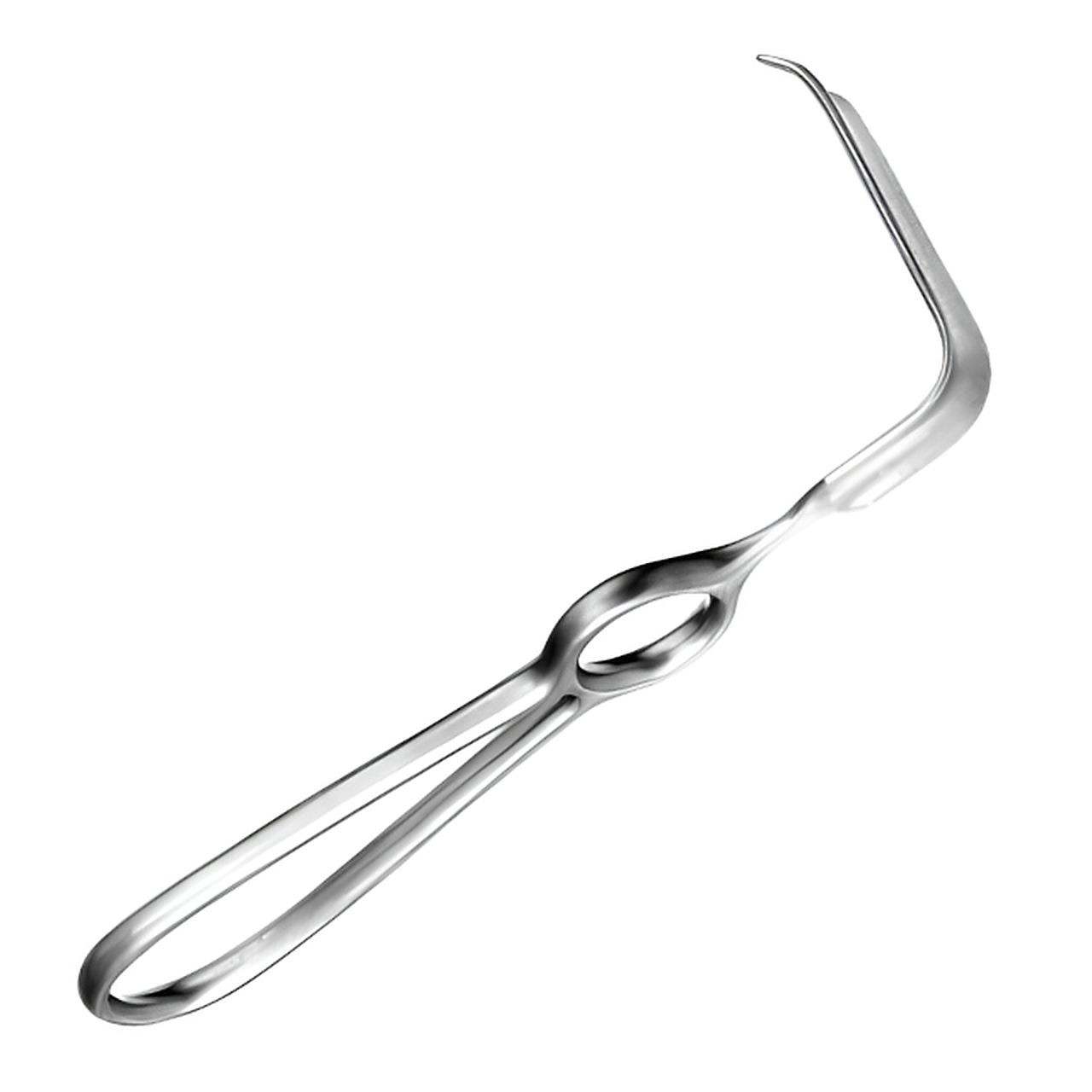 | Sailer Soft Tissue Retractor | Specifically designed to retract mucoperiosteal flaps and soft tissue in tight intraoral and facial spaces. |
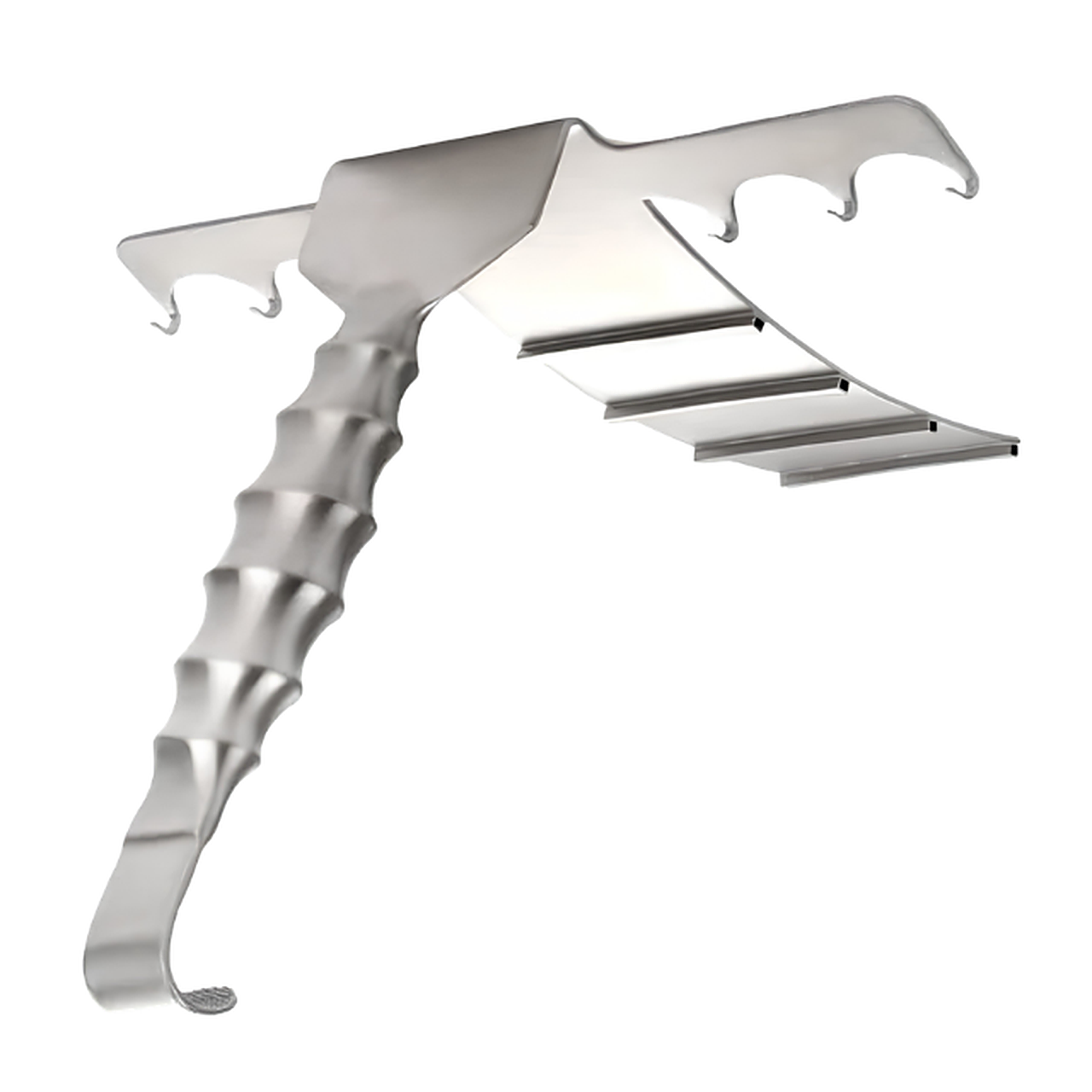 | Saldanha-Solz Abdominal Retractor | Specifically designed to elevate abdominal cutaneous flaps and protect tissue during lipo-abdominoplasty and rectus plication. |
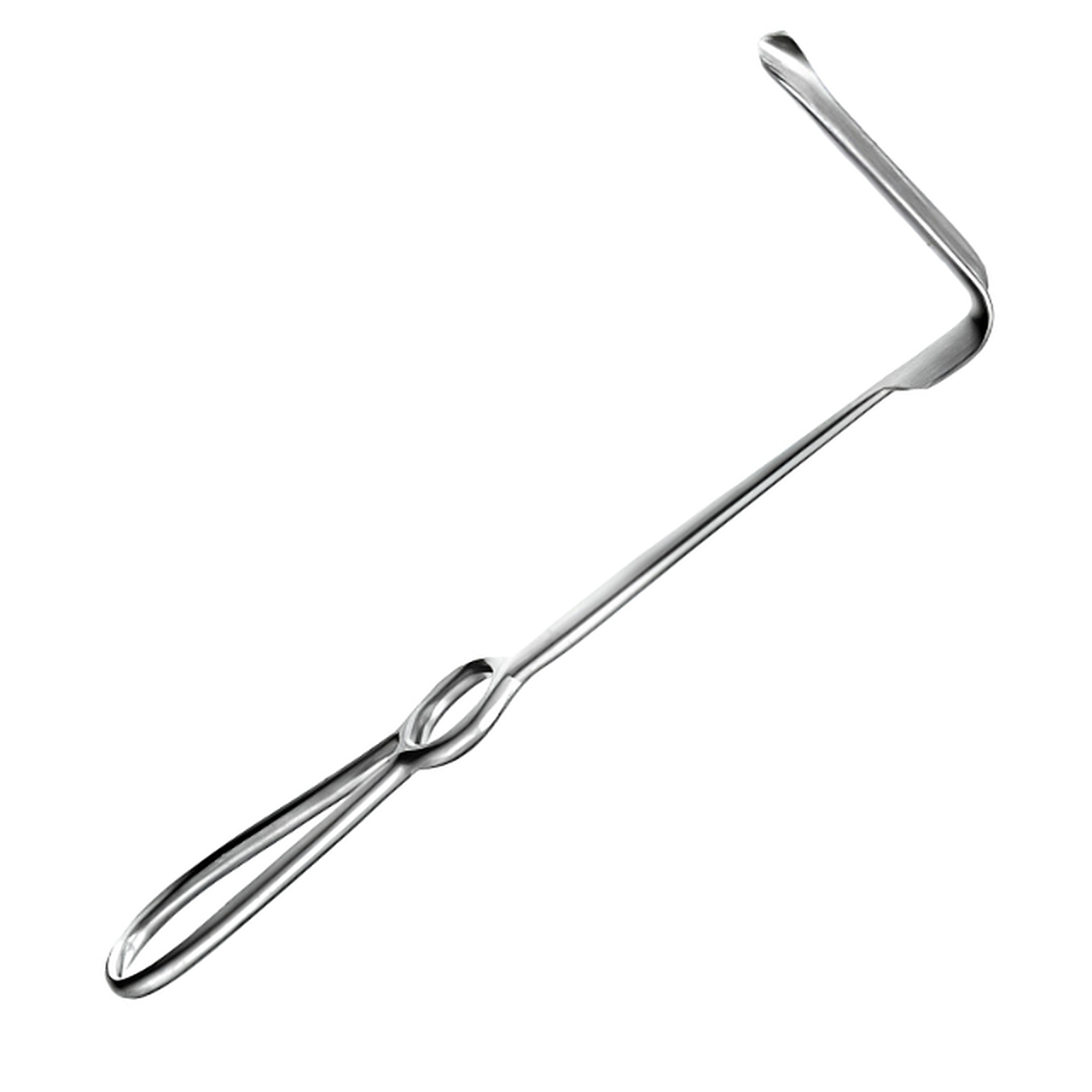 | Salzburg Condylar Neck Retractor | Specifically designed to hook around the condylar neck and protect soft tissue during TMJ surgery and condylar fracture fixation. |
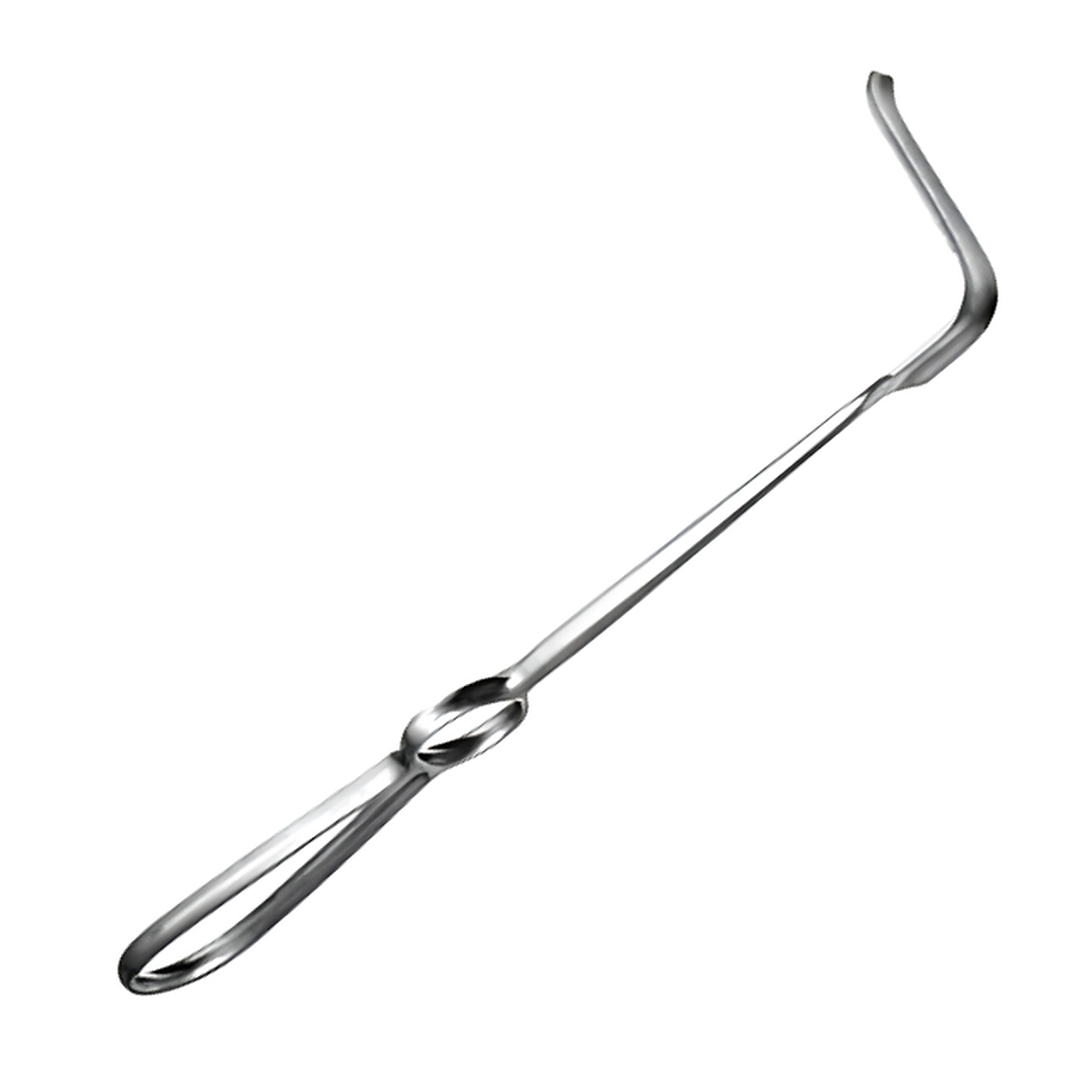 | Salzburg Mandibular Rim Retractor | Specifically designed to hook over the mandibular rim and protect soft tissue and vessels during orthognathic osteotomies. |
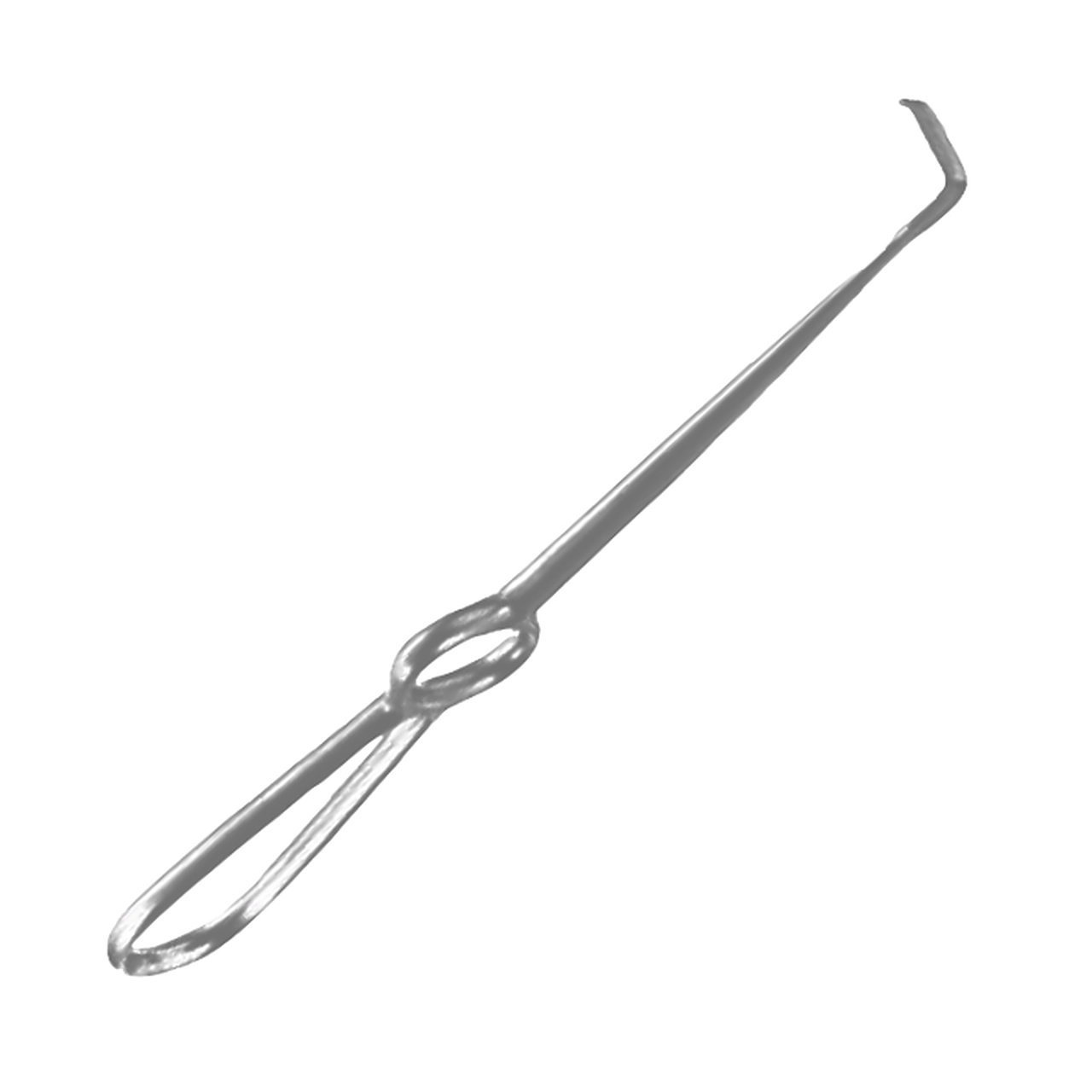 | Salzburg Soft Tissue Retractor | Specifically designed to retract mucoperiosteal flaps and soft tissue in confined oral and maxillofacial corridors. |
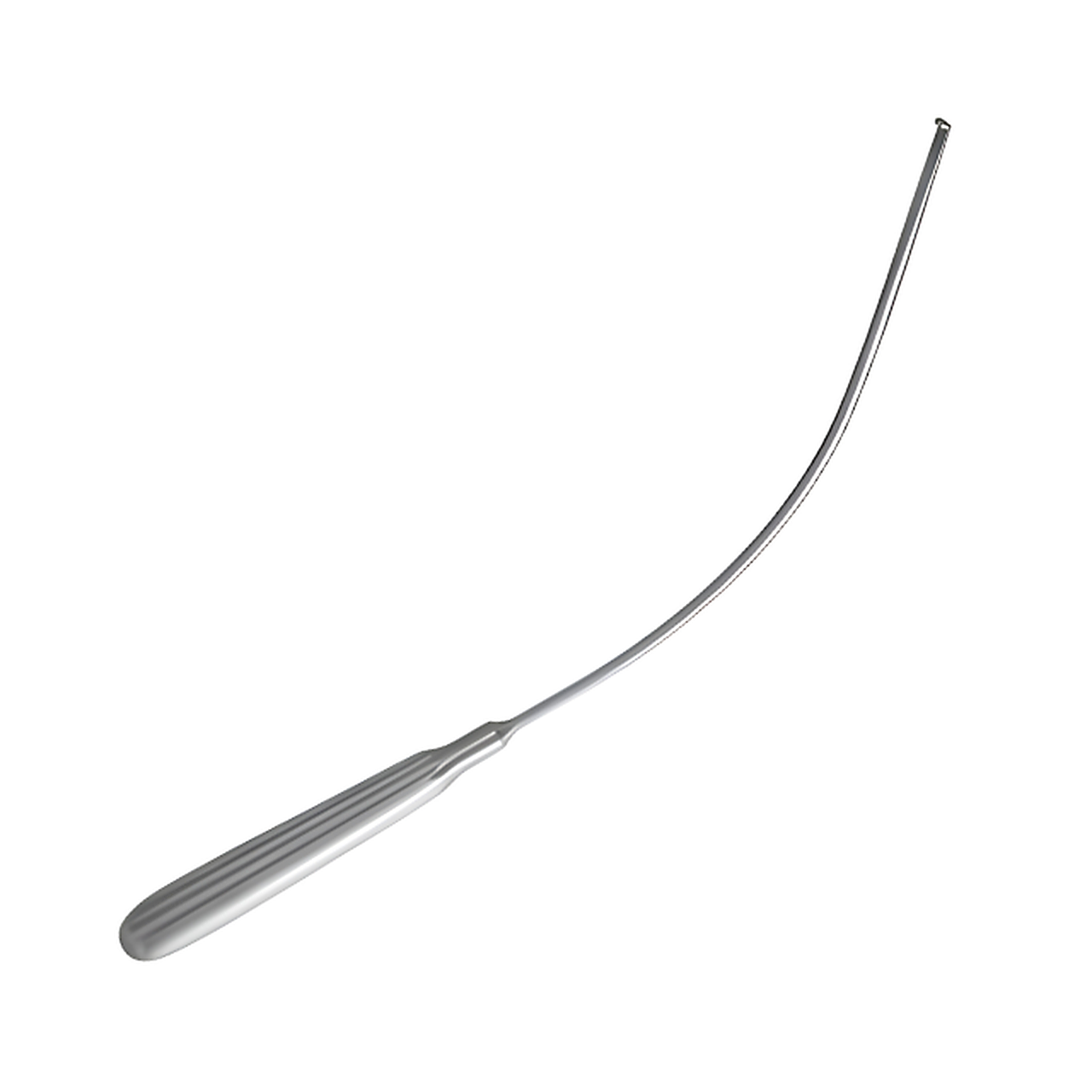 | Sandhu Nerve Root Retractor | Specifically designed to mobilize, cradle, and protect traversing spinal nerve roots and the thecal sac during lumbar discectomy. |
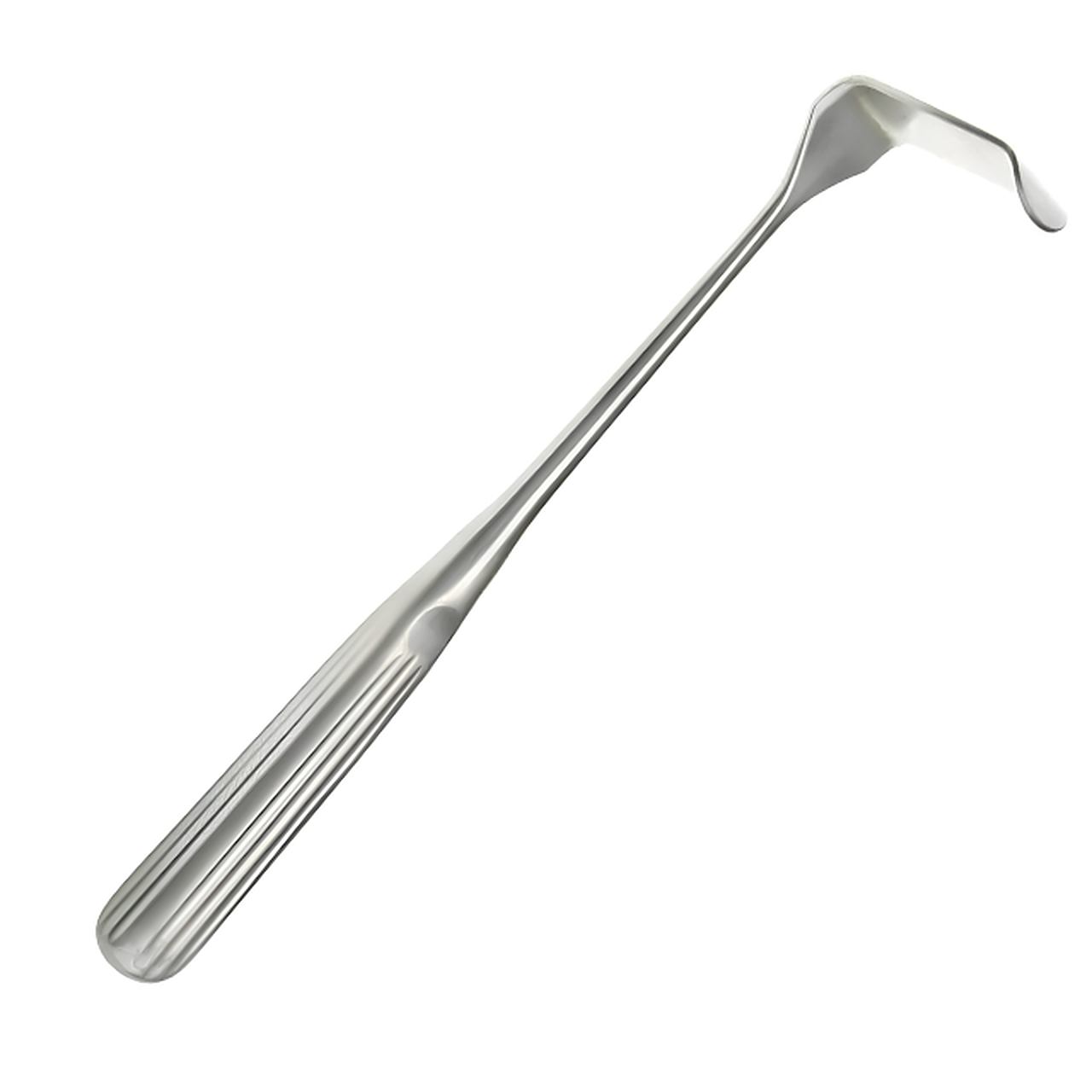 | Sauerbruch Retractor | Specifically designed to retract muscle layers, fascia, and wound margins during thoracic, abdominal, and orthopedic surgery. |
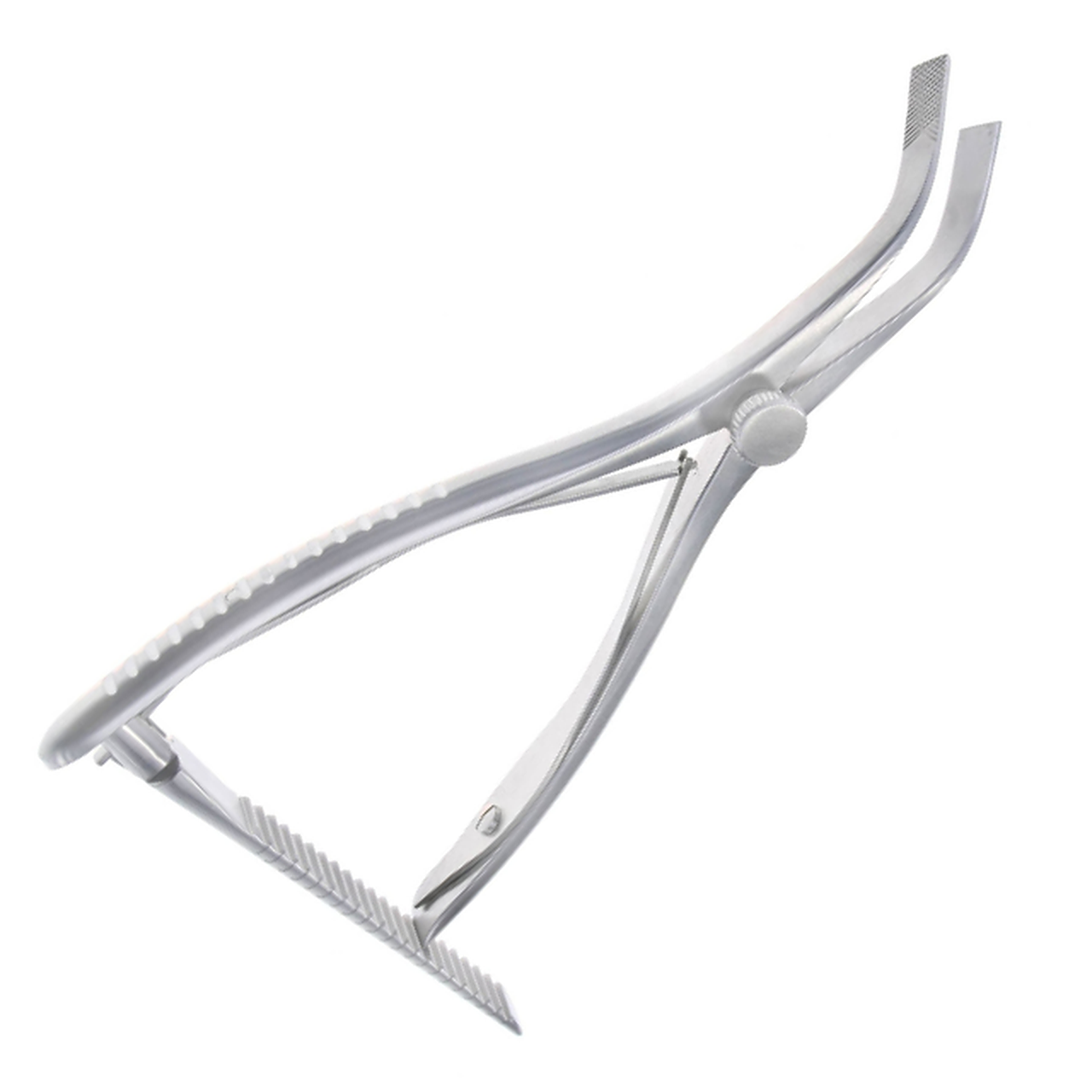 | Saxena Bone Grafting Retractor | Specifically designed to retract soft tissue and stabilize bone cortices during autologous bone graft harvesting. |
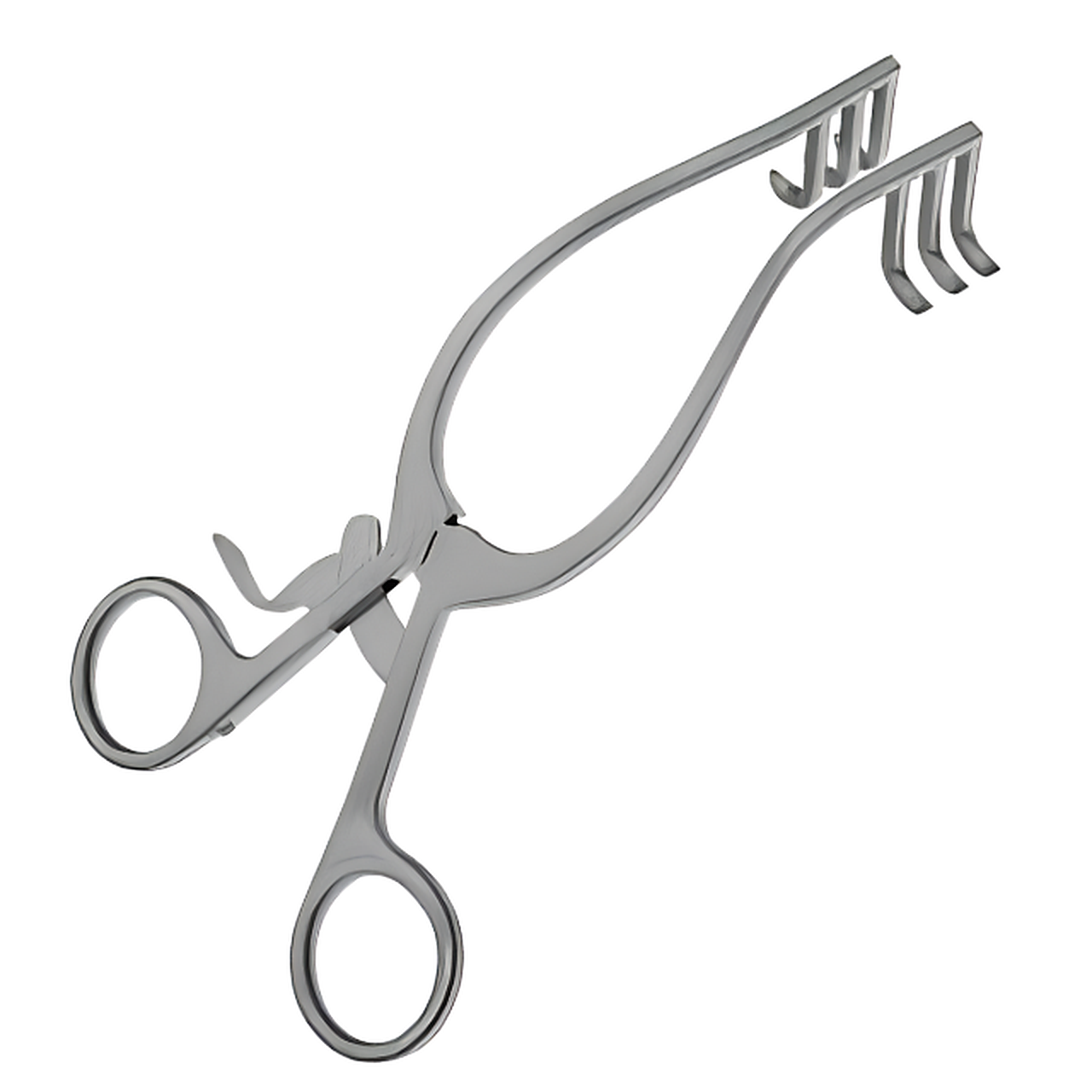 | Schuknecht Fisch Retractor | Specifically designed to provide self-retaining periosteal and soft-tissue retraction during mastoid and otologic surgery. |
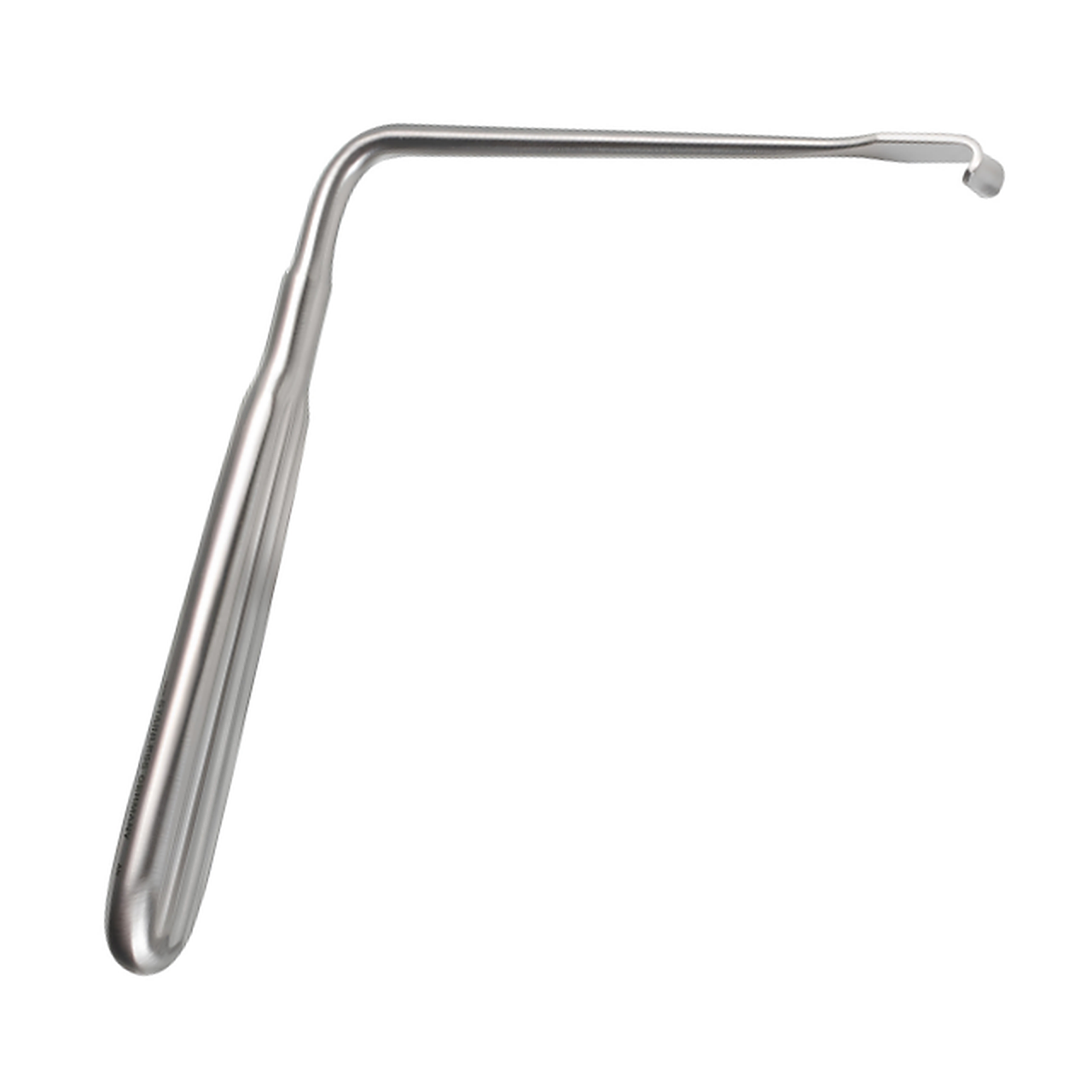 | Scoville Nerve Retractor | Specifically designed to mobilize and protect delicate nerve roots and peripheral nerves in compact surgical corridors. |
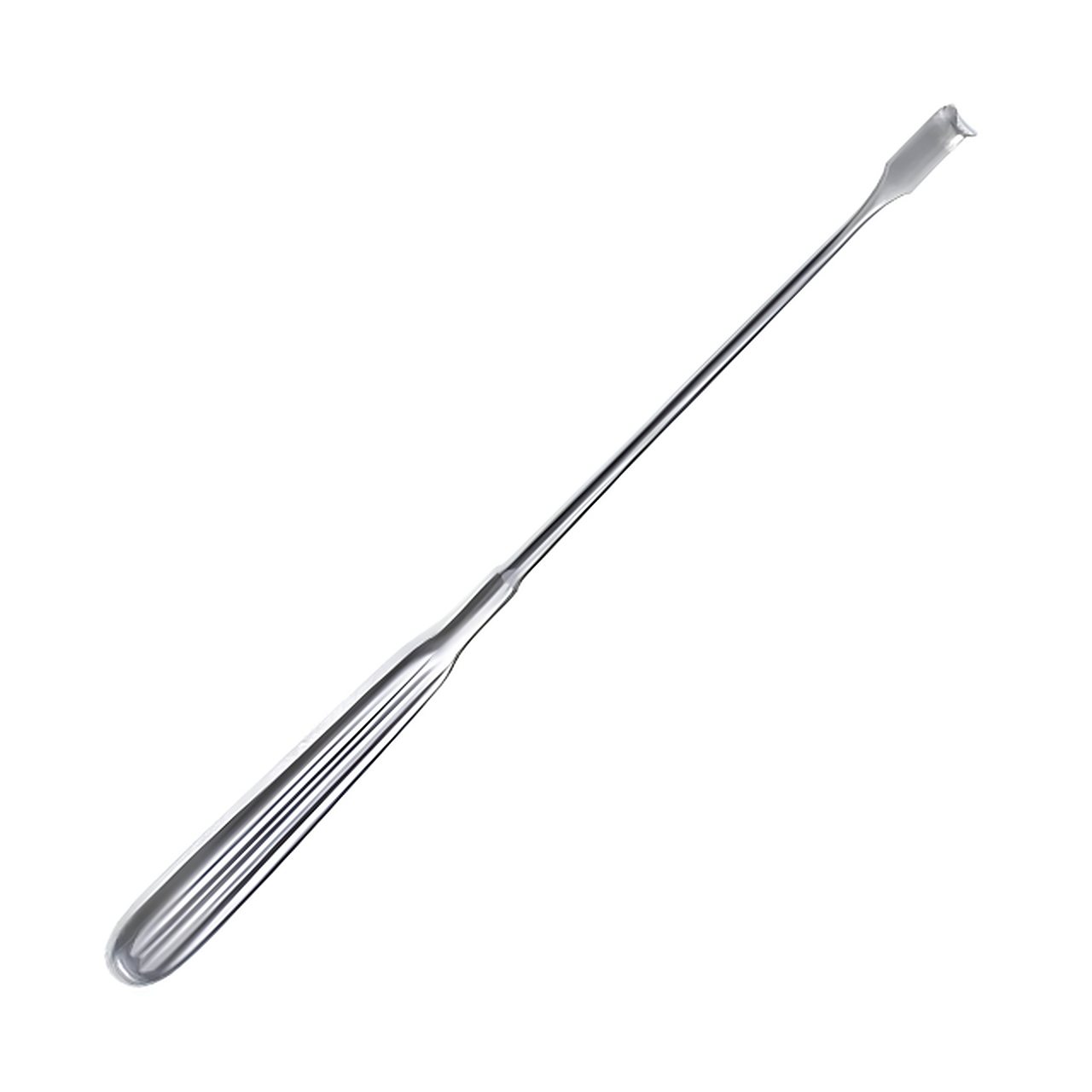 | Scoville Nerve Root Retractor | Specifically designed to mobilize, cradle, and protect traversing spinal nerve roots and the dural sac during lumbar discectomy. |
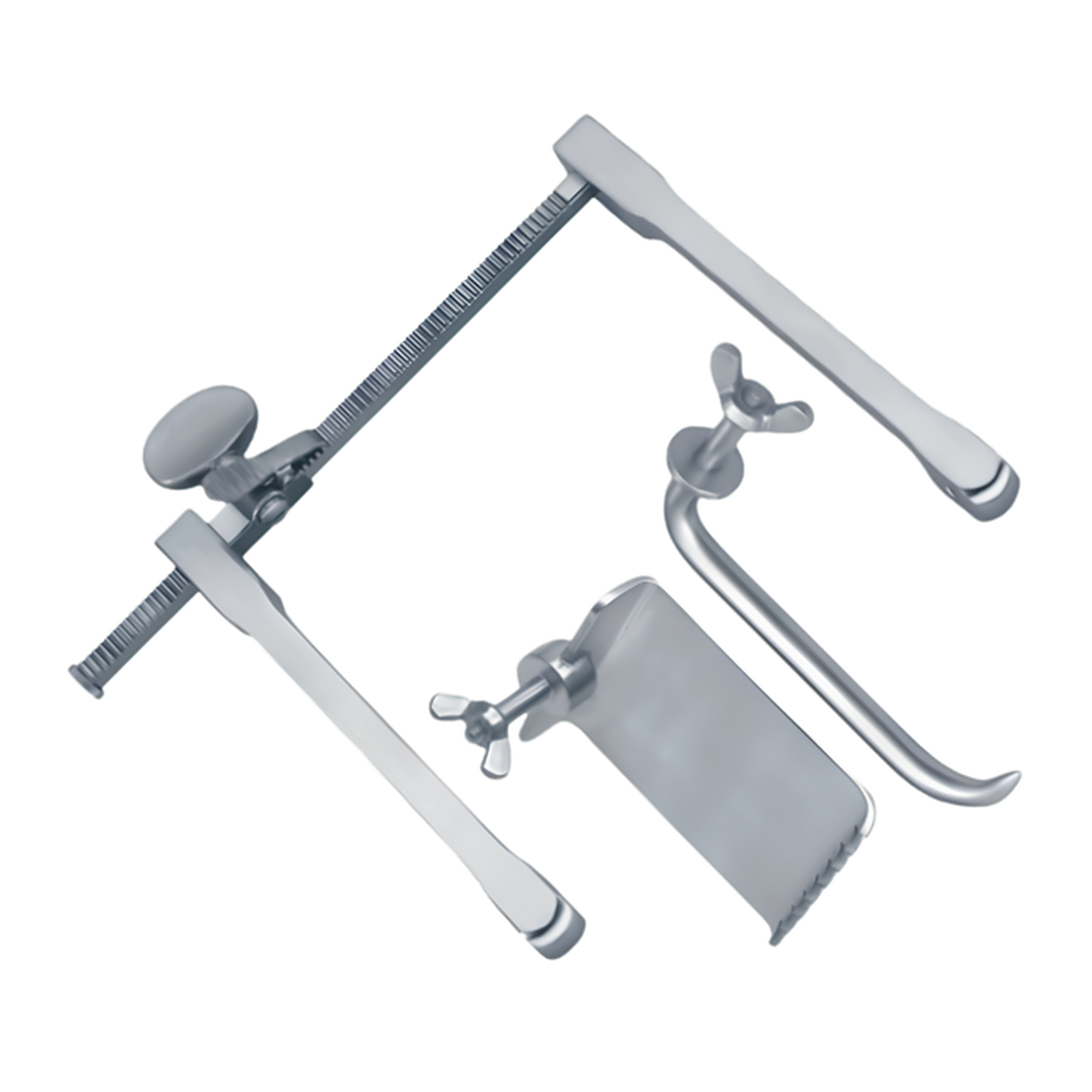 | Scoville Self Retaining Retractor | Specifically designed to retract heavy paraspinal musculature and expose the vertebral lamina during lumbar spine surgery. |
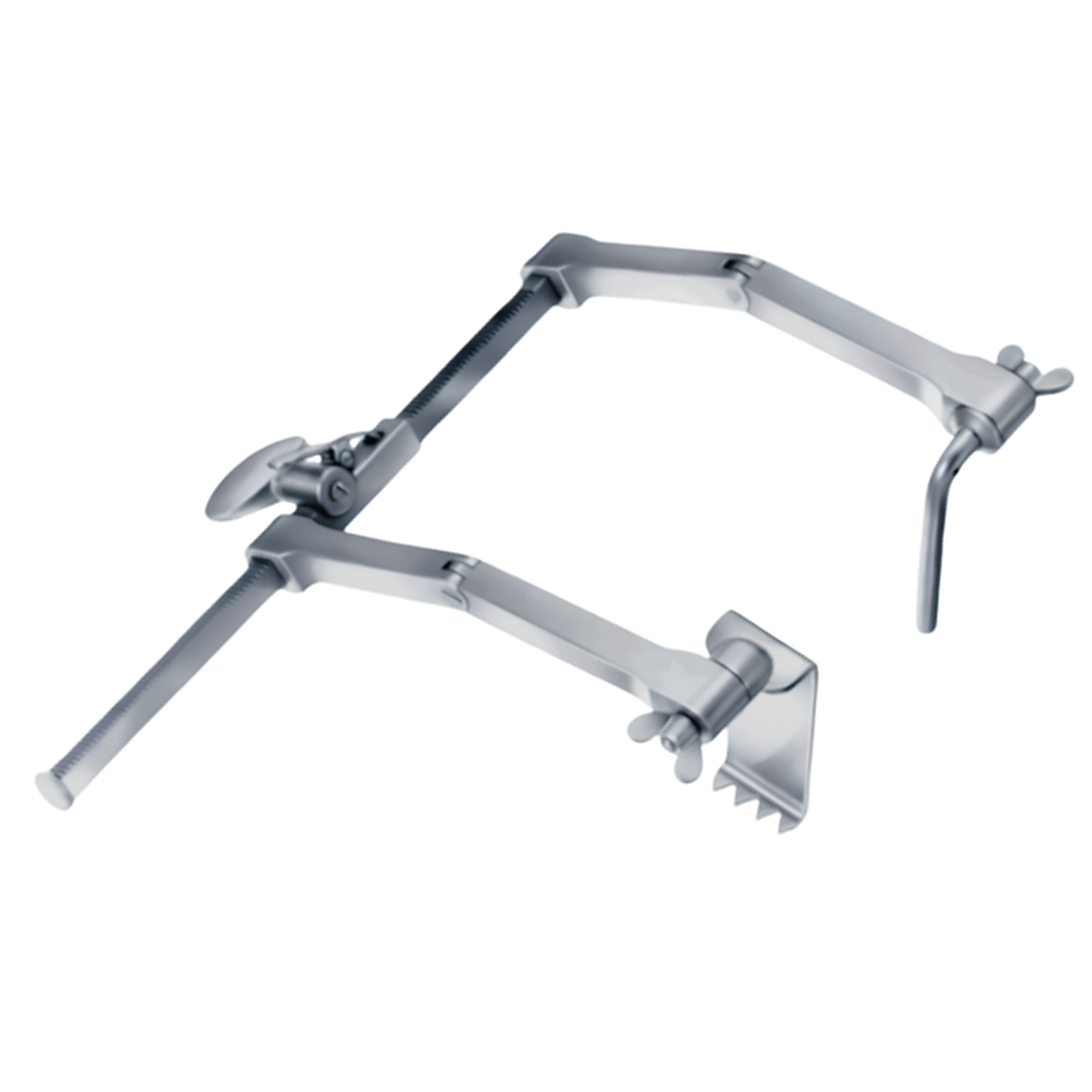 | Scoville-Haverfield Self Retaining Retractor | Specifically designed to retract heavy paraspinal musculature with hinged-shank line-of-sight clearance during spine surgery. |
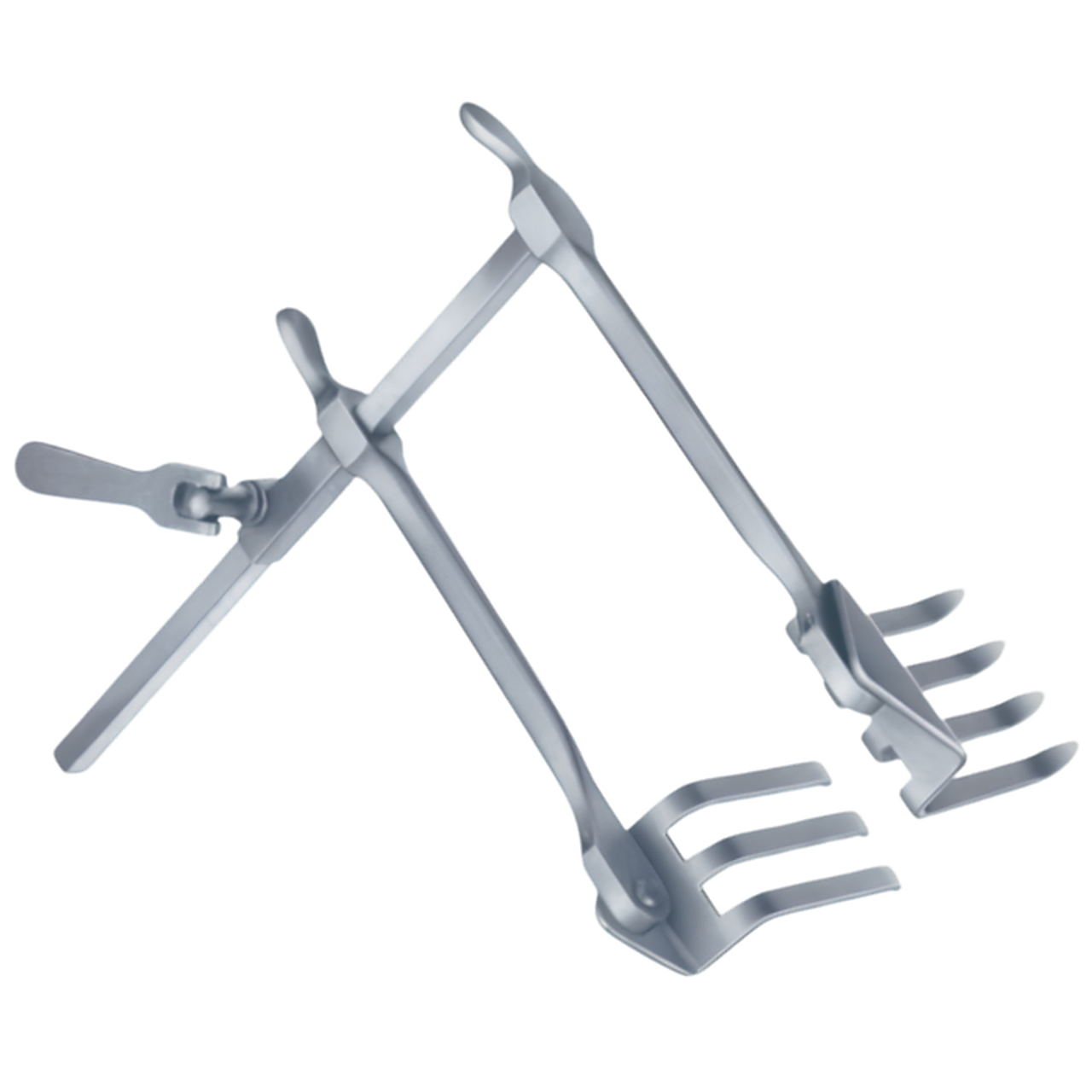 | Scoville-Richter Self Retaining Retractor | Specifically designed to retract heavy paraspinal musculature and maintain wide exposure during lumbar spine surgery. |
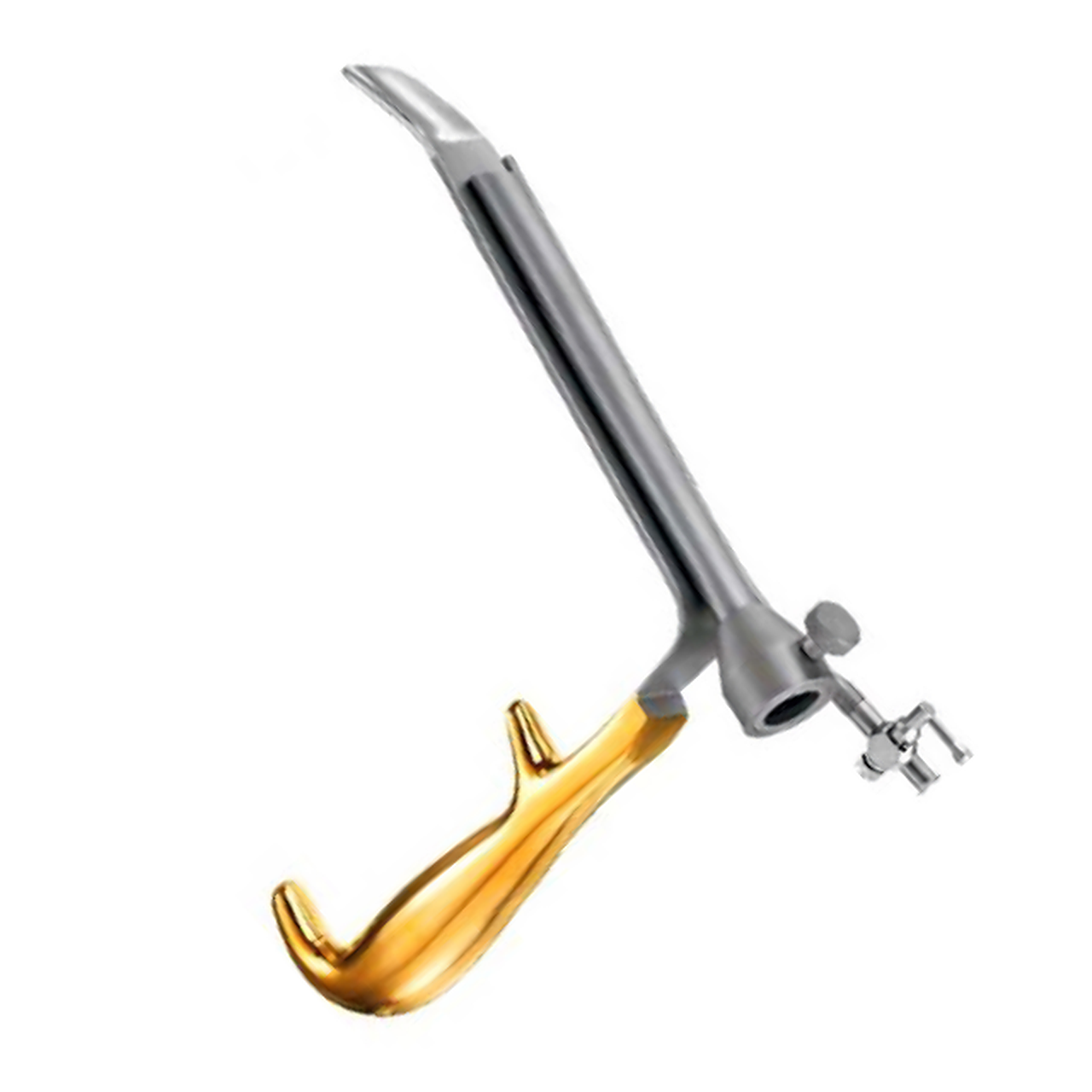 | Sculpo Endoscopic Retractor | Specifically designed to elevate tissue flaps and steady an endoscope during minimally invasive plastic surgery. |
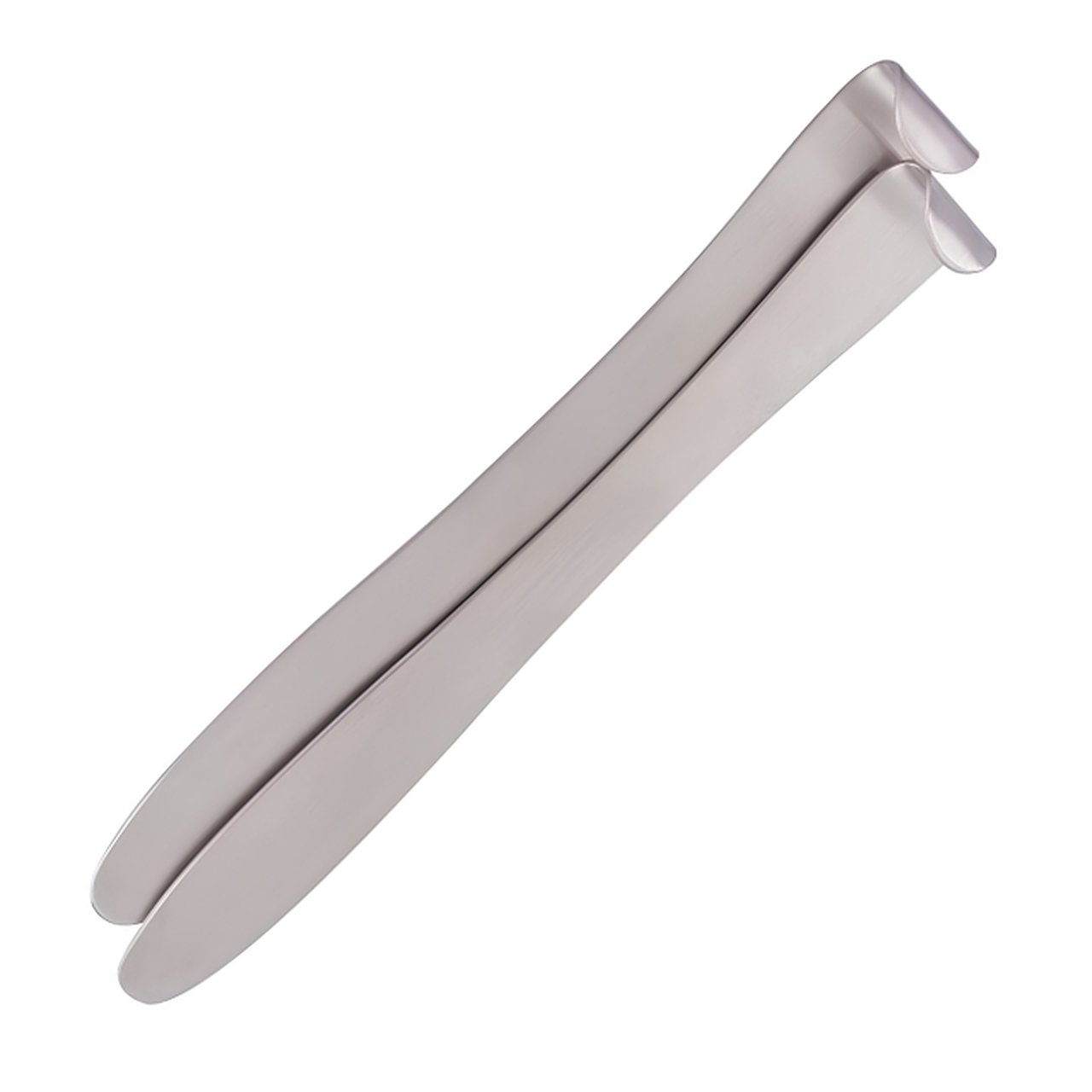 | Seeburger Retractor-Set of Two | Specifically designed to retract skin margins, fascia, and superficial soft tissues across minor and general surgery. |
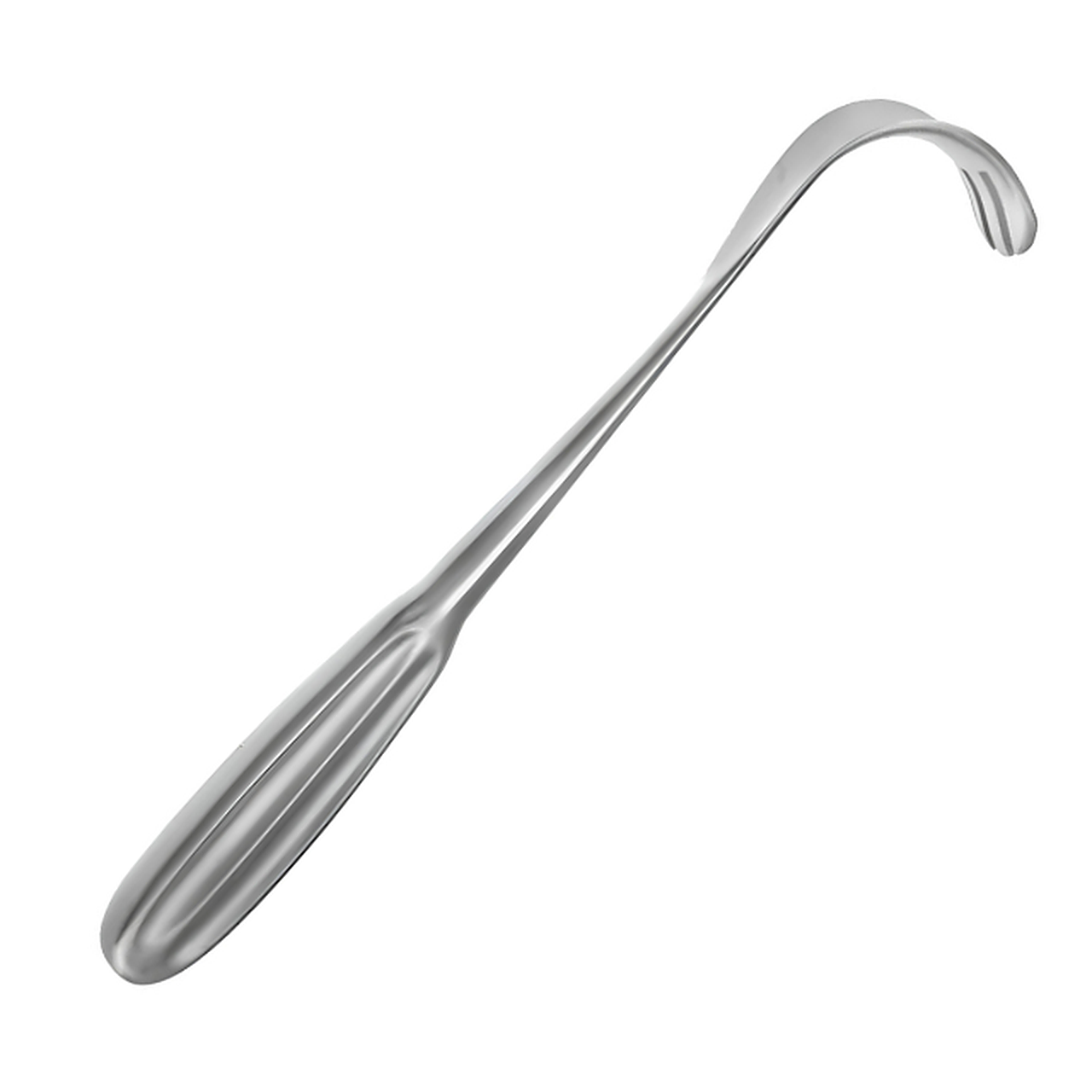 | Semb Lung/Muscle Retractor | Specifically designed to retract lung parenchyma, chest wall muscles, and deep thoracic viscera during thoracotomy and lung surgery. |
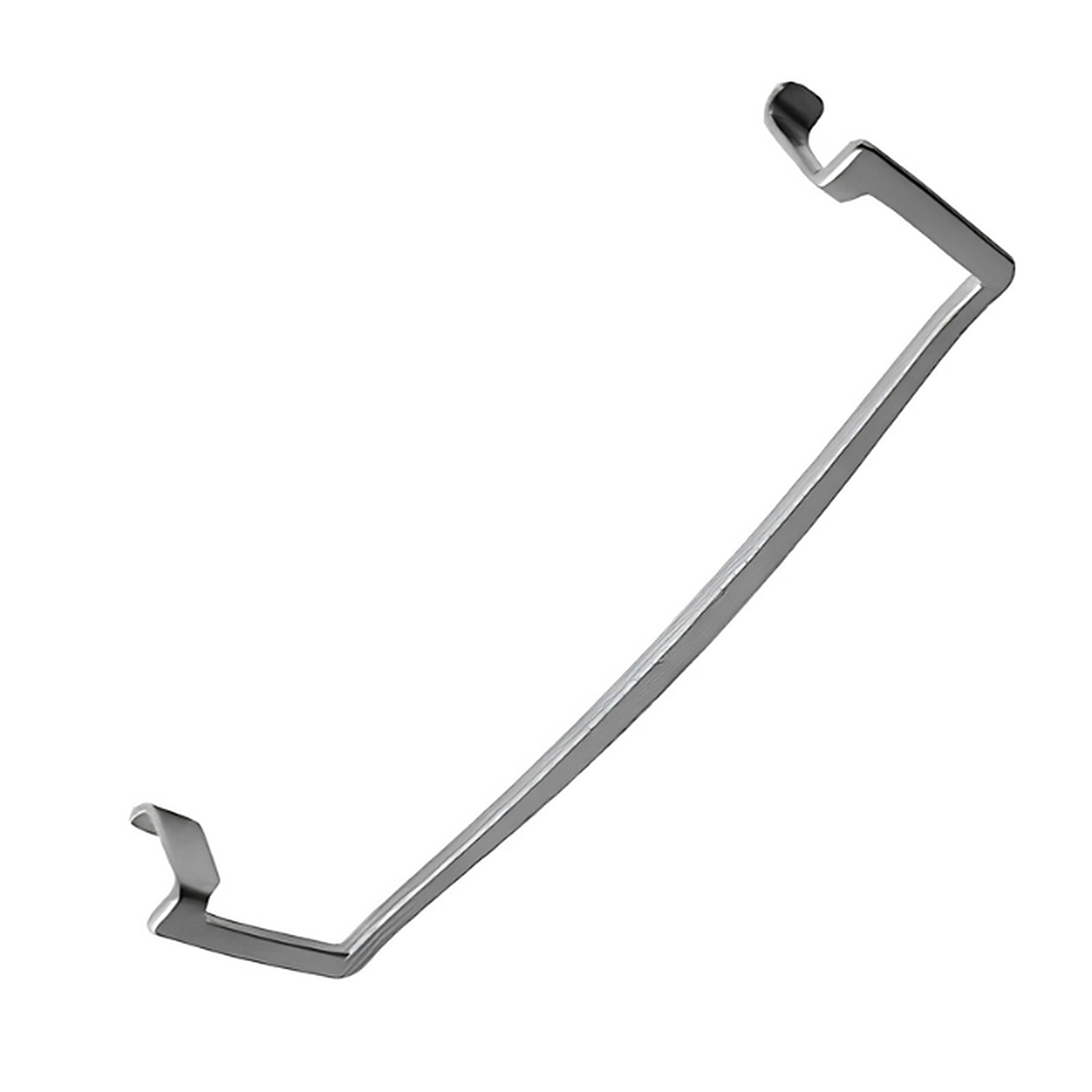 | Senn Forward Retractor | Specifically designed to retract skin margins, cutaneous flaps, and fascia during minor, plastic, and hand surgery. |
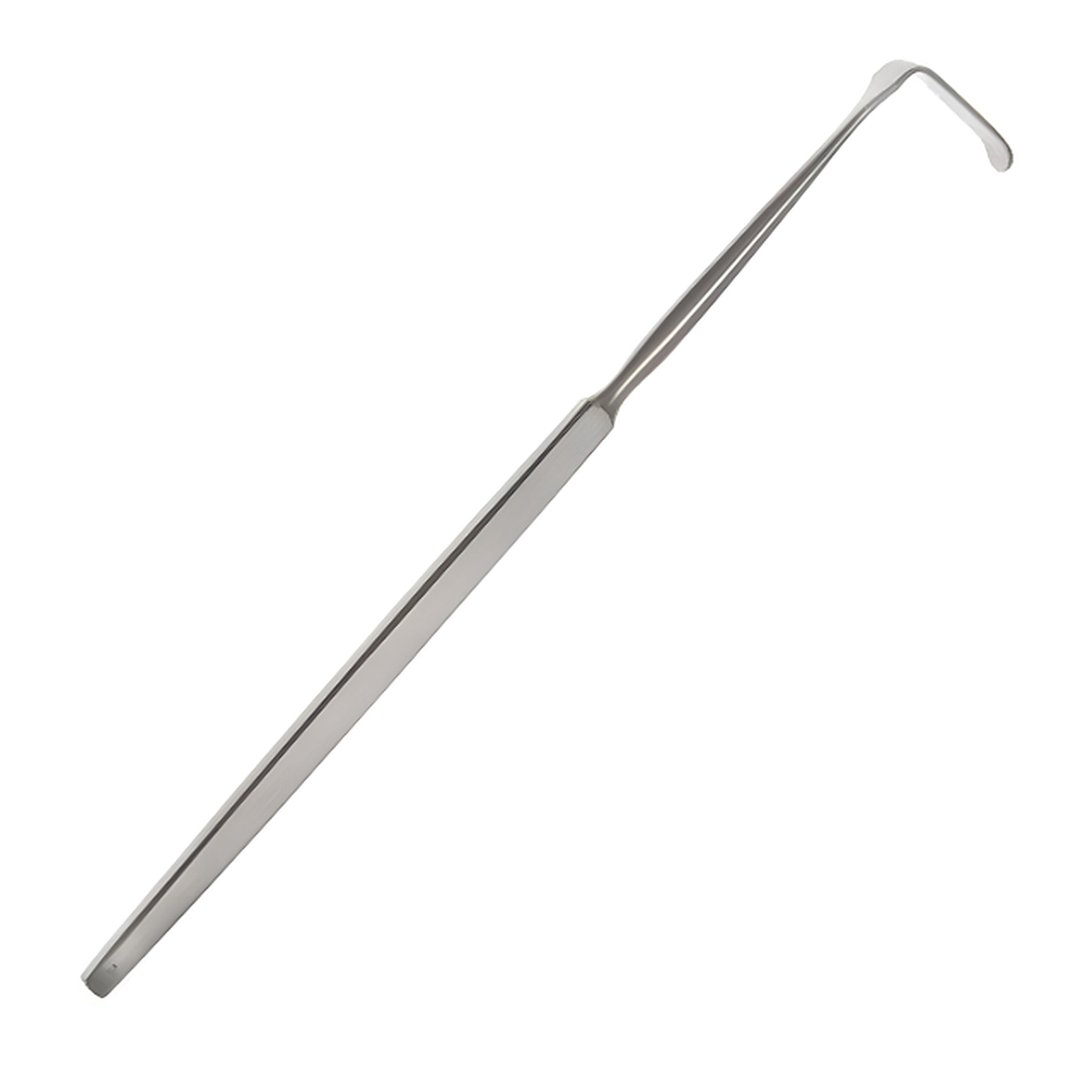 | Senn Green Retractor | Specifically designed to retract strap muscles, cervical fascia, and wound margins during thyroid and minor surgery. |
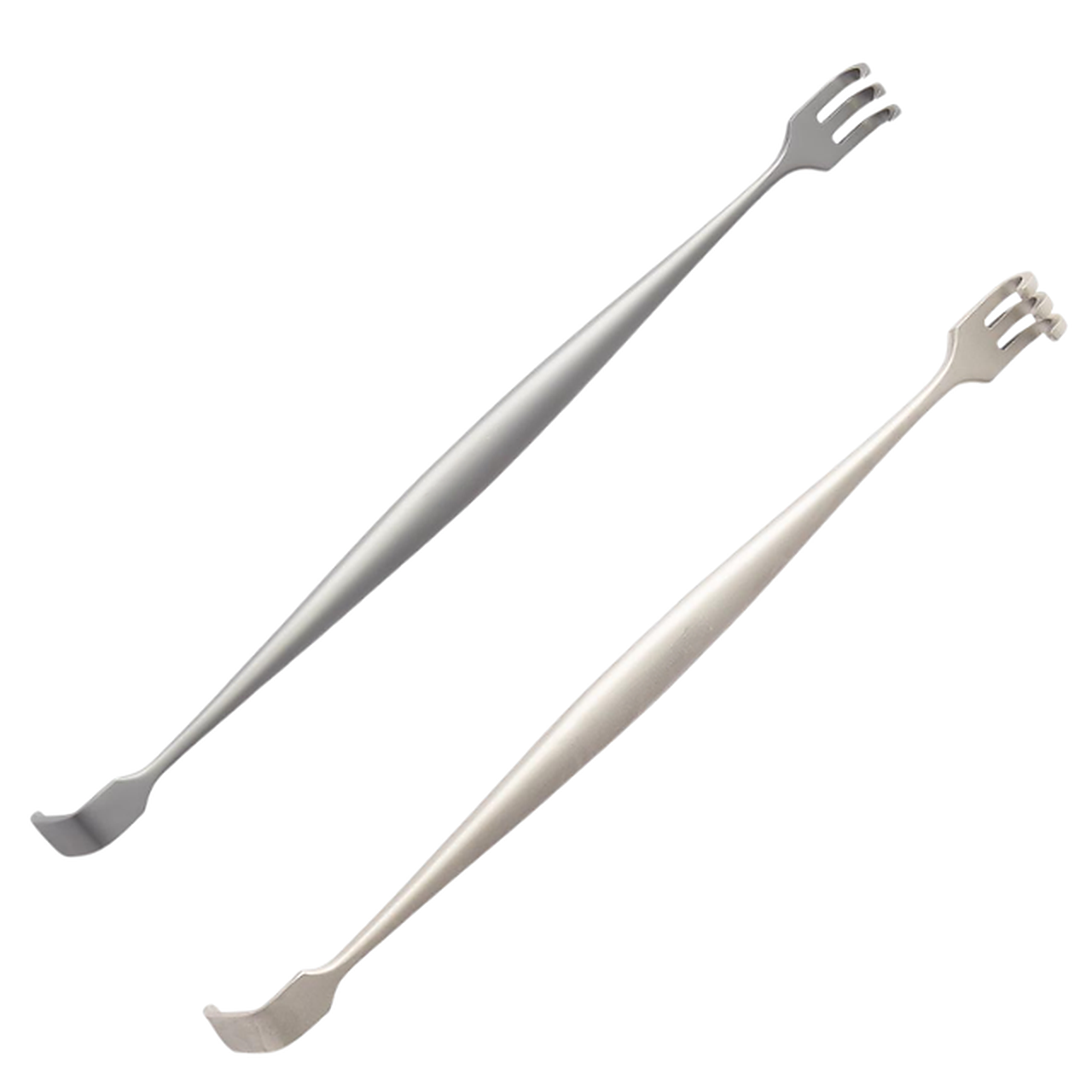 | Senn Miller Retractor | Specifically designed to retract skin margins, fascia, and subcutaneous tissues across superficial and intermediate surgical incisions. |
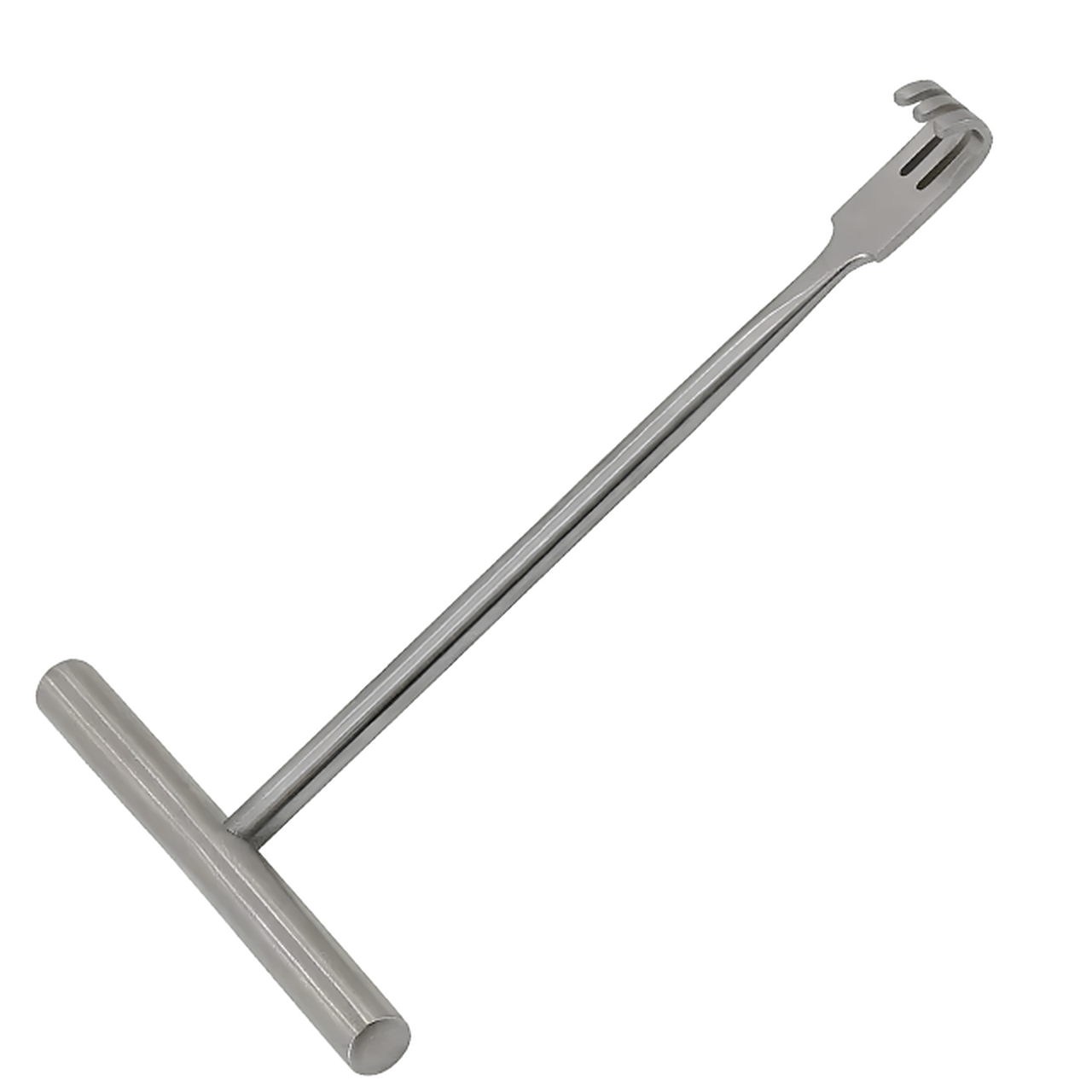 | Senn T-Handle Retractor | Specifically designed to retract skin flaps, fascia, and dense tissue margins with high manual pulling leverage. |
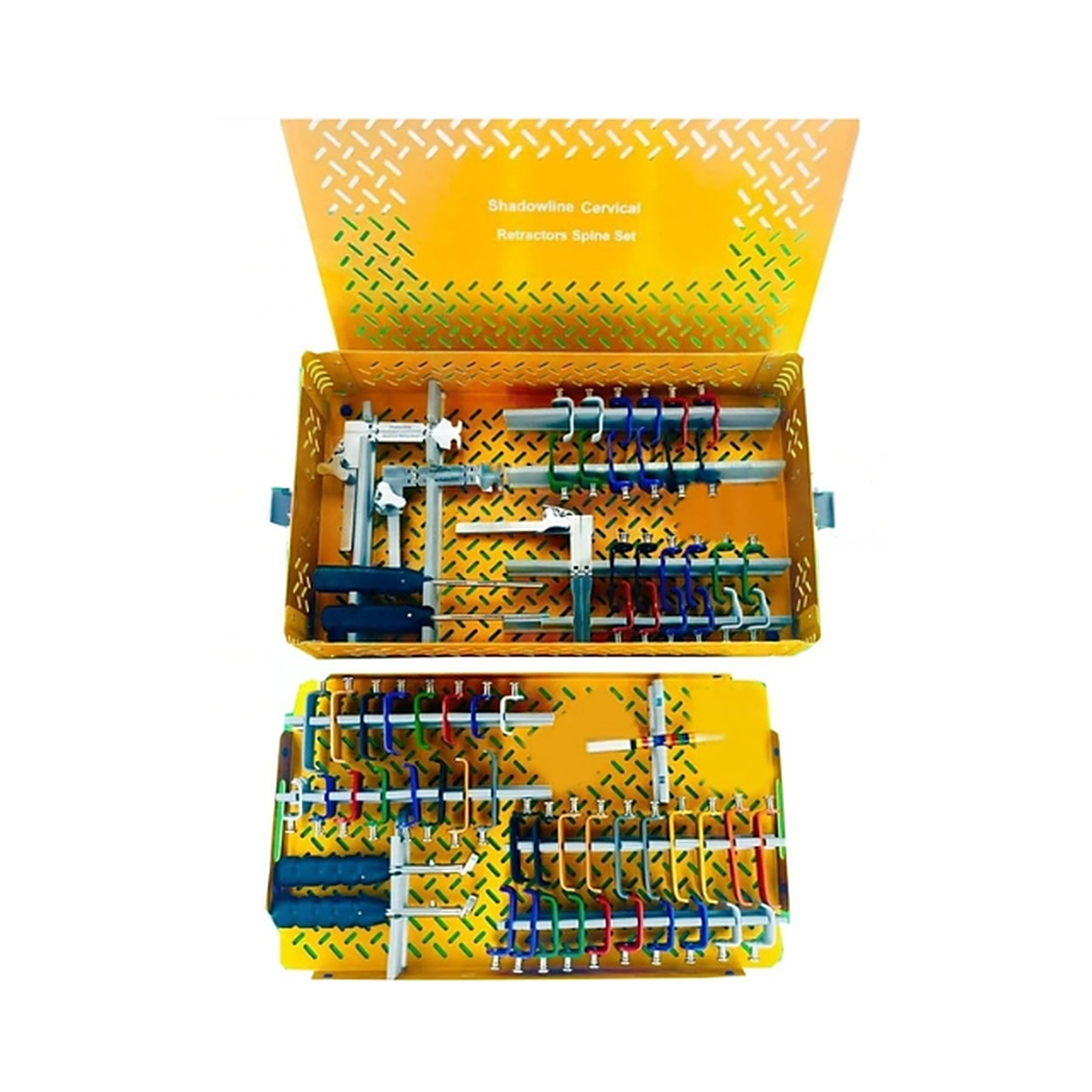 | SHADOWLINE Trimline Cervical Spinal Retractor Set | Specifically engineered to provide stable tissue retraction and clear visualization during anterior cervical spine surgical procedures. |
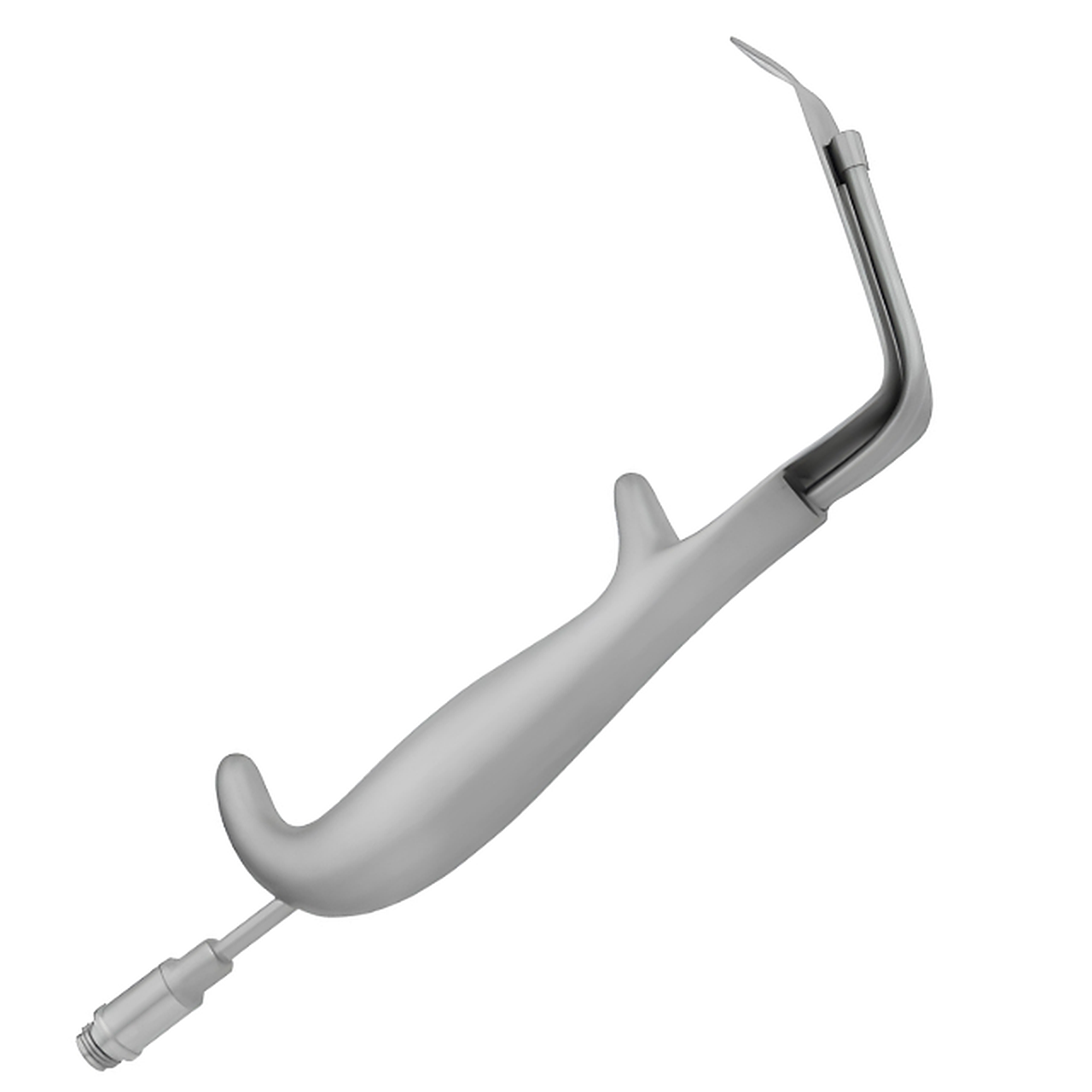 | Shea Retractor With Fiber Optic Guide | Specifically designed to retract tissue flaps and illuminate deep operative cavities during ENT and facial plastic surgery. |
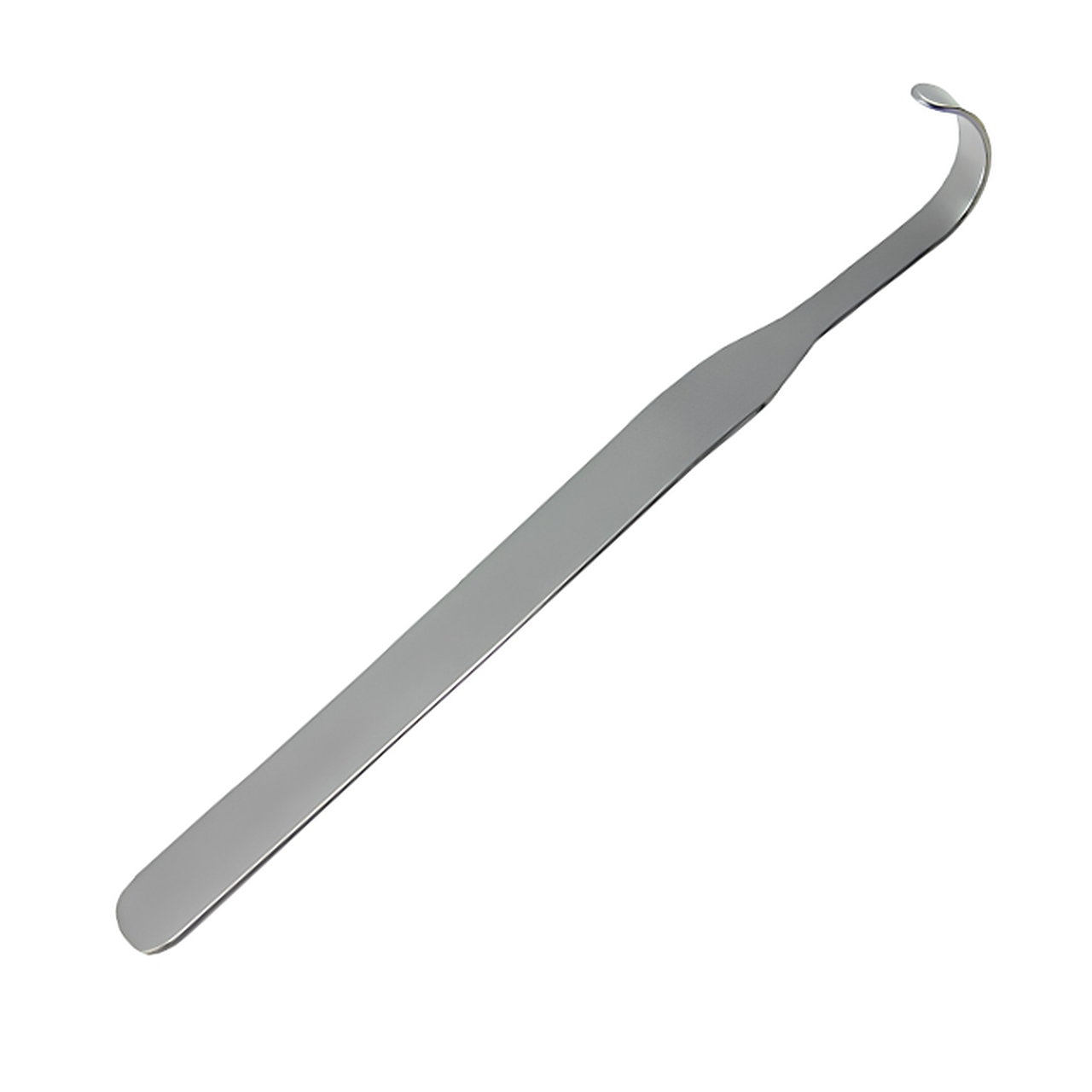 | Sheen Nasal Retractor Angled | Specifically designed to elevate nasal skin flaps and retract cartilage during aesthetic and reconstructive rhinoplasty. |
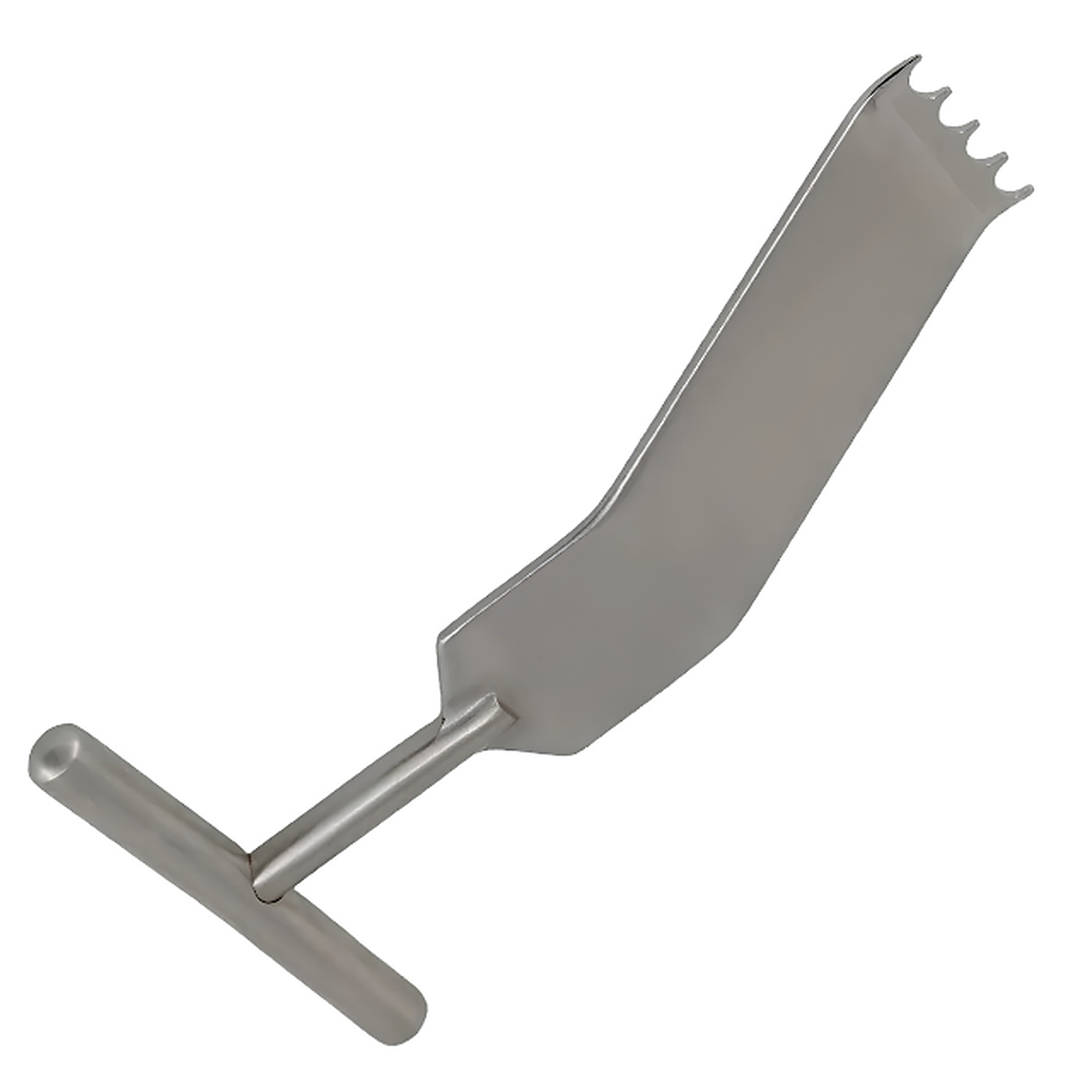 | Shoulder Arthroplasty Retractor Glenoid Exposure | Specifically designed to displace the humerus posteriorly and expose the glenoid cavity during shoulder arthroplasty. |
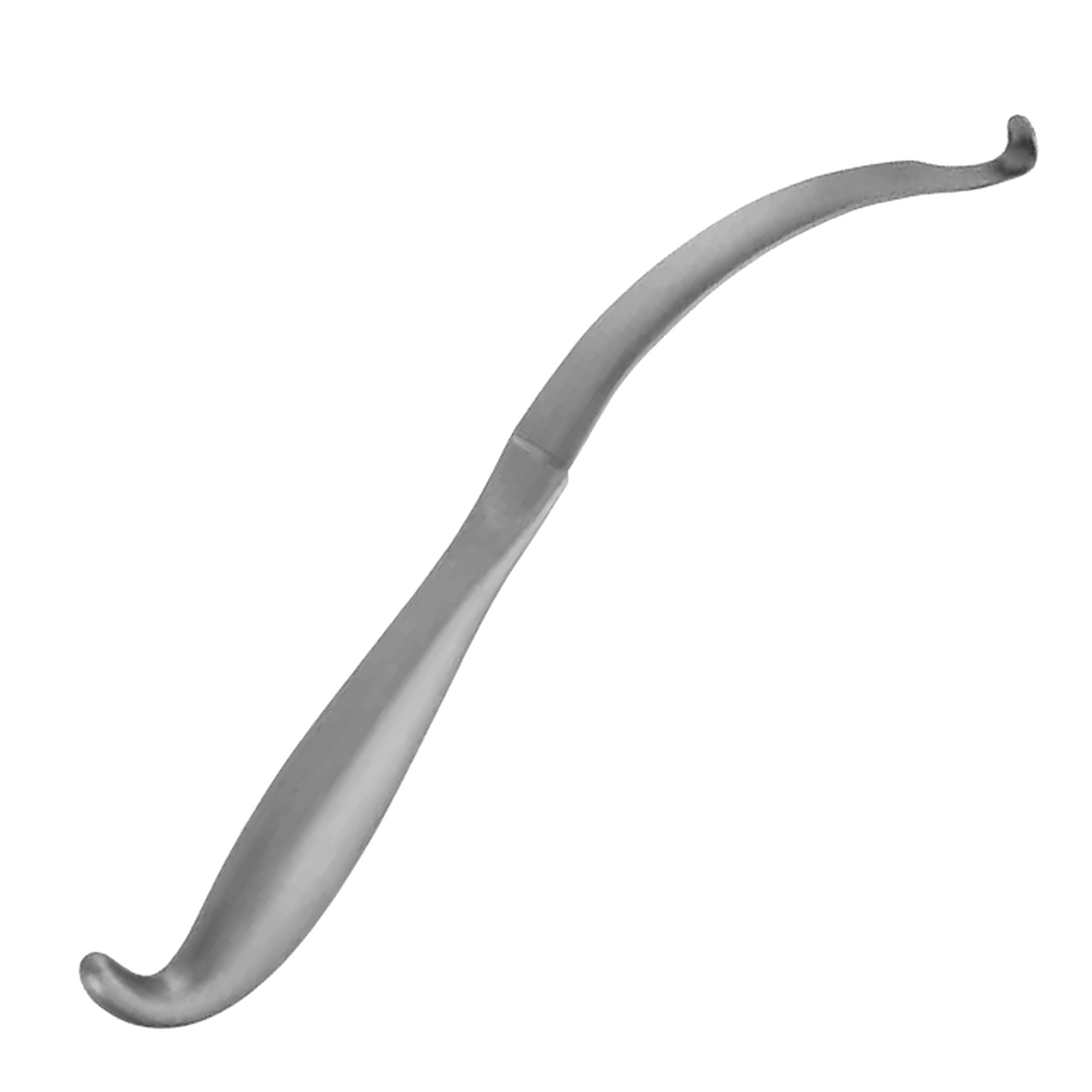 | Sigmoid Notch Retractor | Specifically designed to hook into the mandibular sigmoid notch and shield neurovascular bundles during orthognathic ramus surgery. |
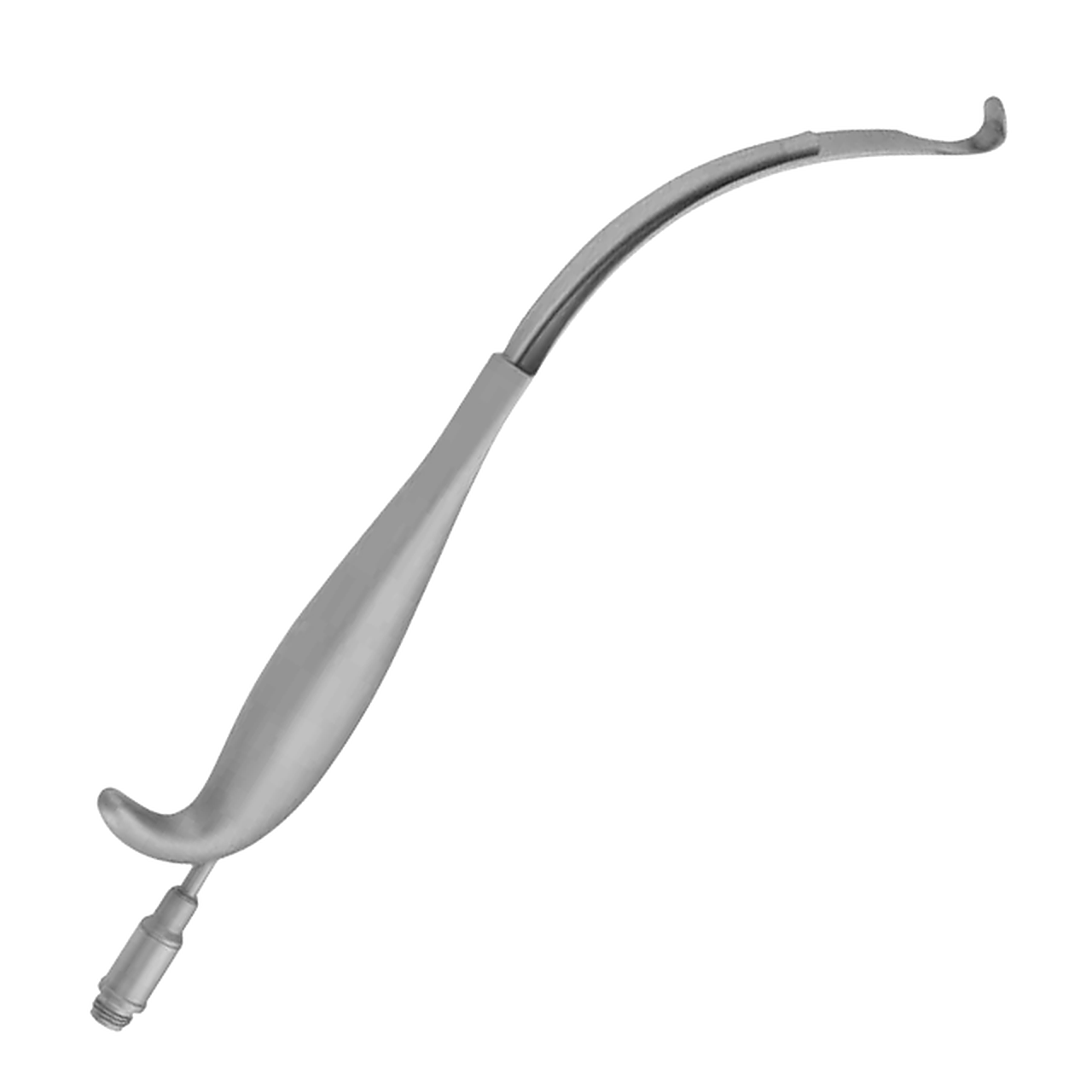 | Sigmoid Notch Retractor With Fiber Optic Guide | Specifically designed to provide illuminated soft-tissue retraction and bone stabilization at the sigmoid notch during ramus surgery. |
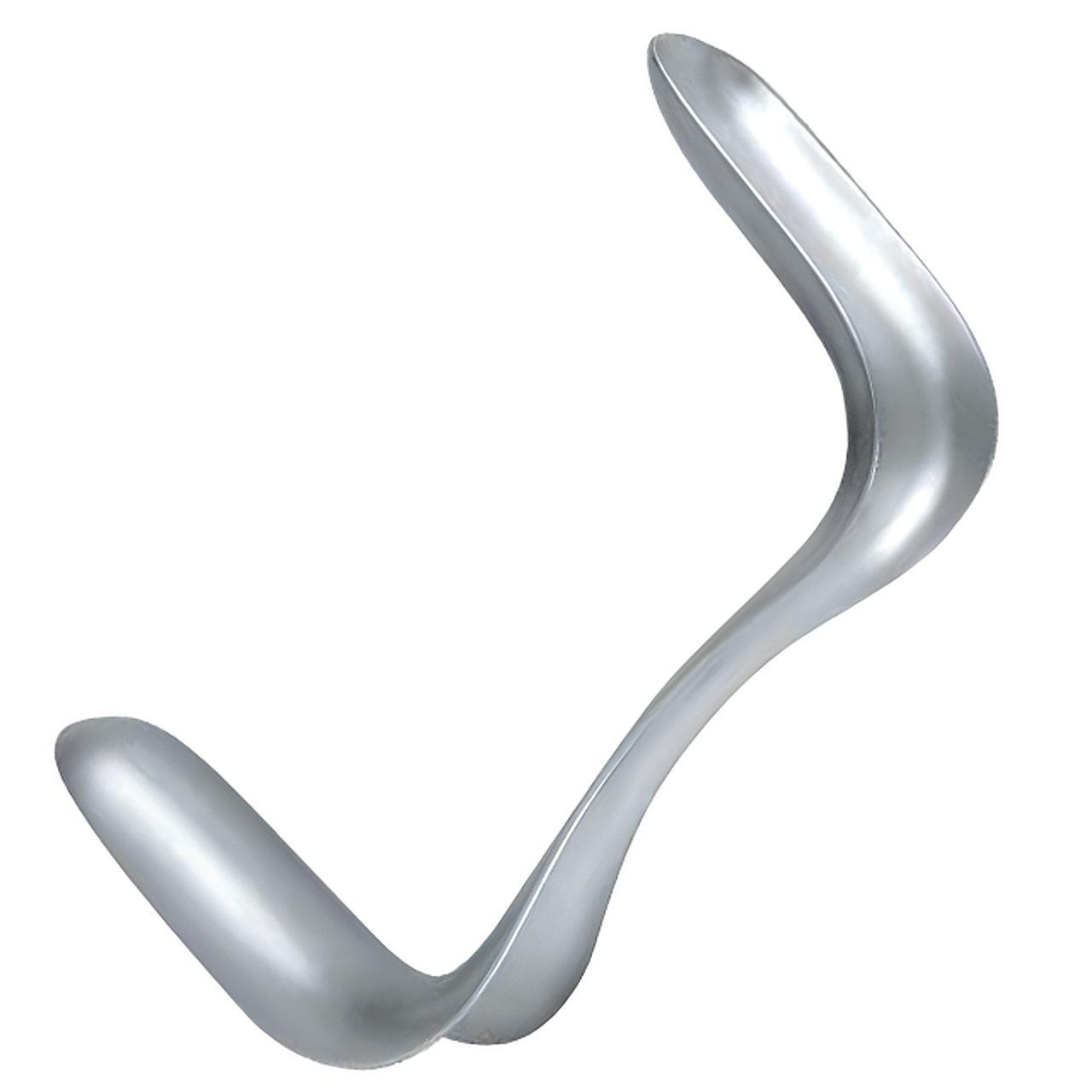 | Sims Vaginal Retractor | Specifically designed to retract the posterior or anterior vaginal wall and provide pelvic vault visualization. |
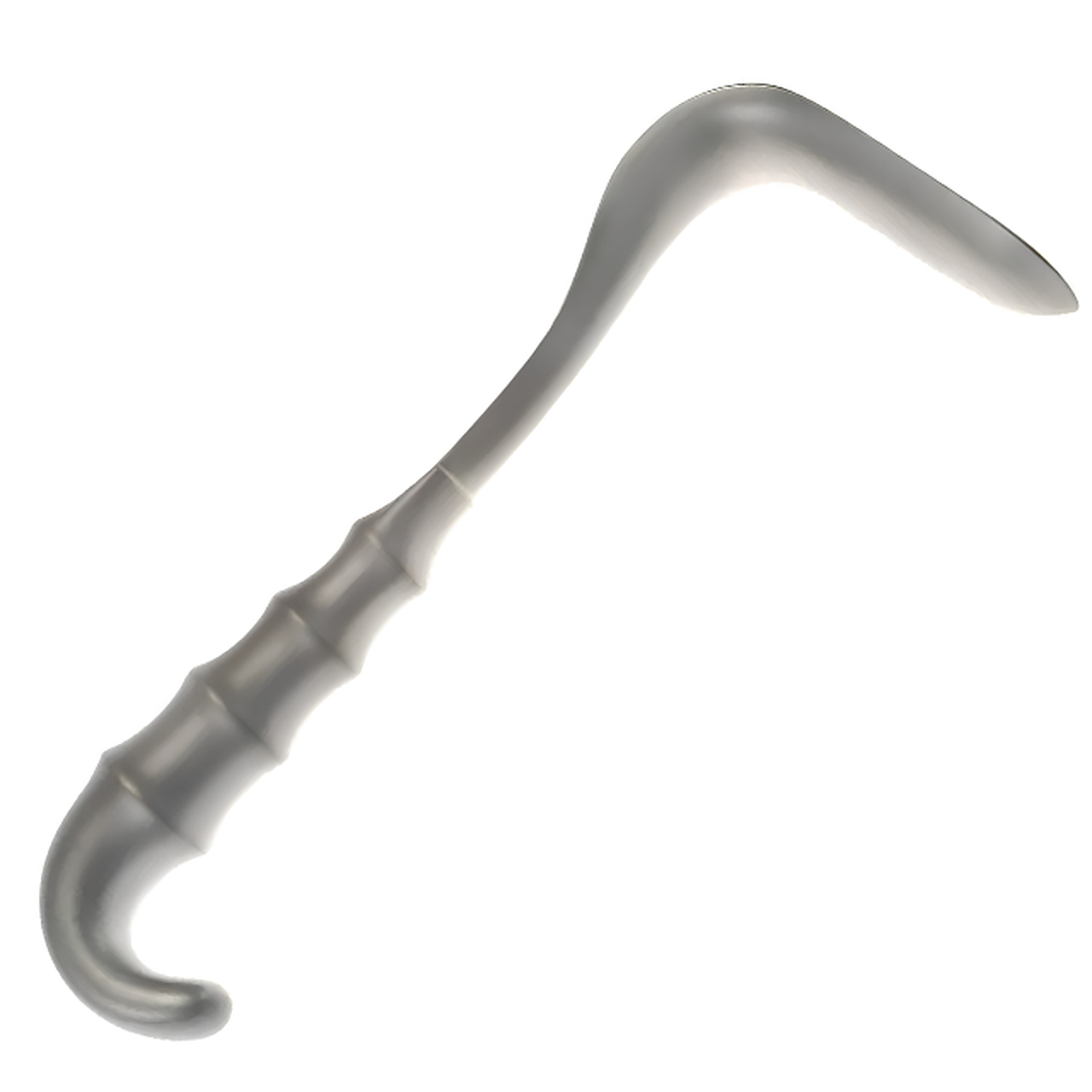 | Sims Vaginal Retractor — Hollow Grip Handle | Specifically designed to retract vaginal walls with reduced assistant hand strain during pelvic and gynecological surgery. |
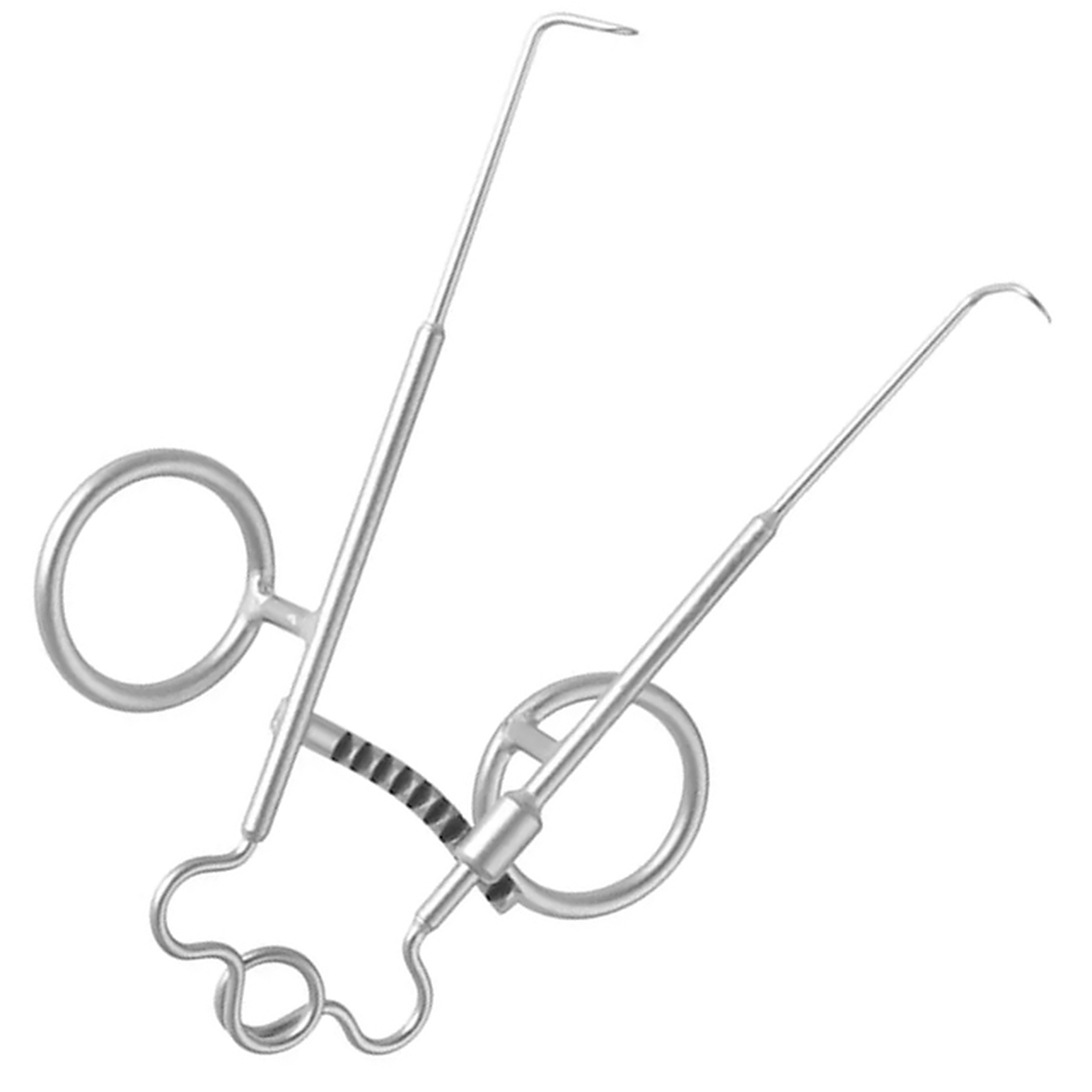 | Sisson Skin Retractor | Specifically designed to retract skin margins, cutaneous flaps, and delicate soft tissues in close-quarters microsurgery. |
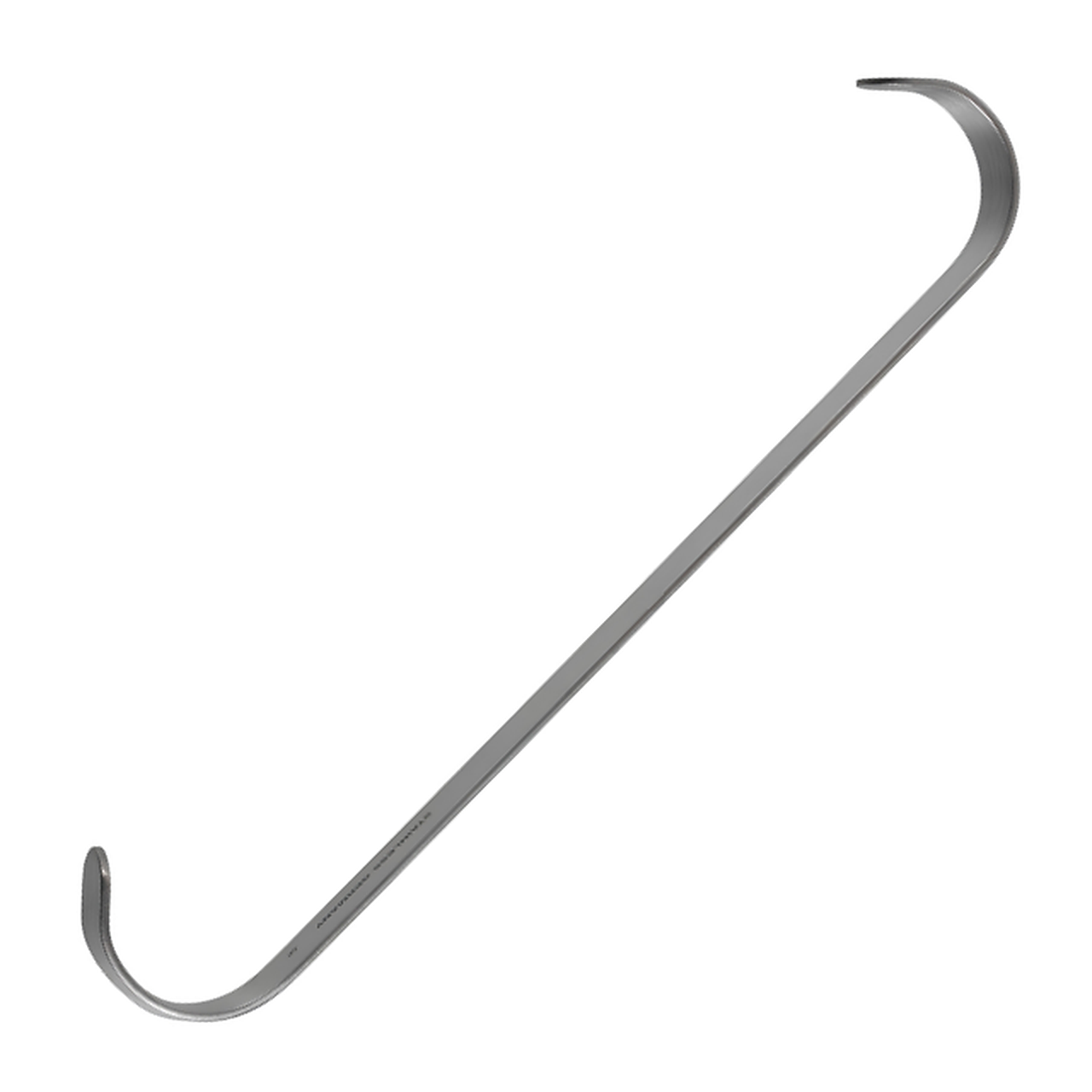 | Sistrunk Retractor | Specifically designed to retract strap muscles, cervical fascia, and skin during thyroglossal cyst excision and neck surgery. |
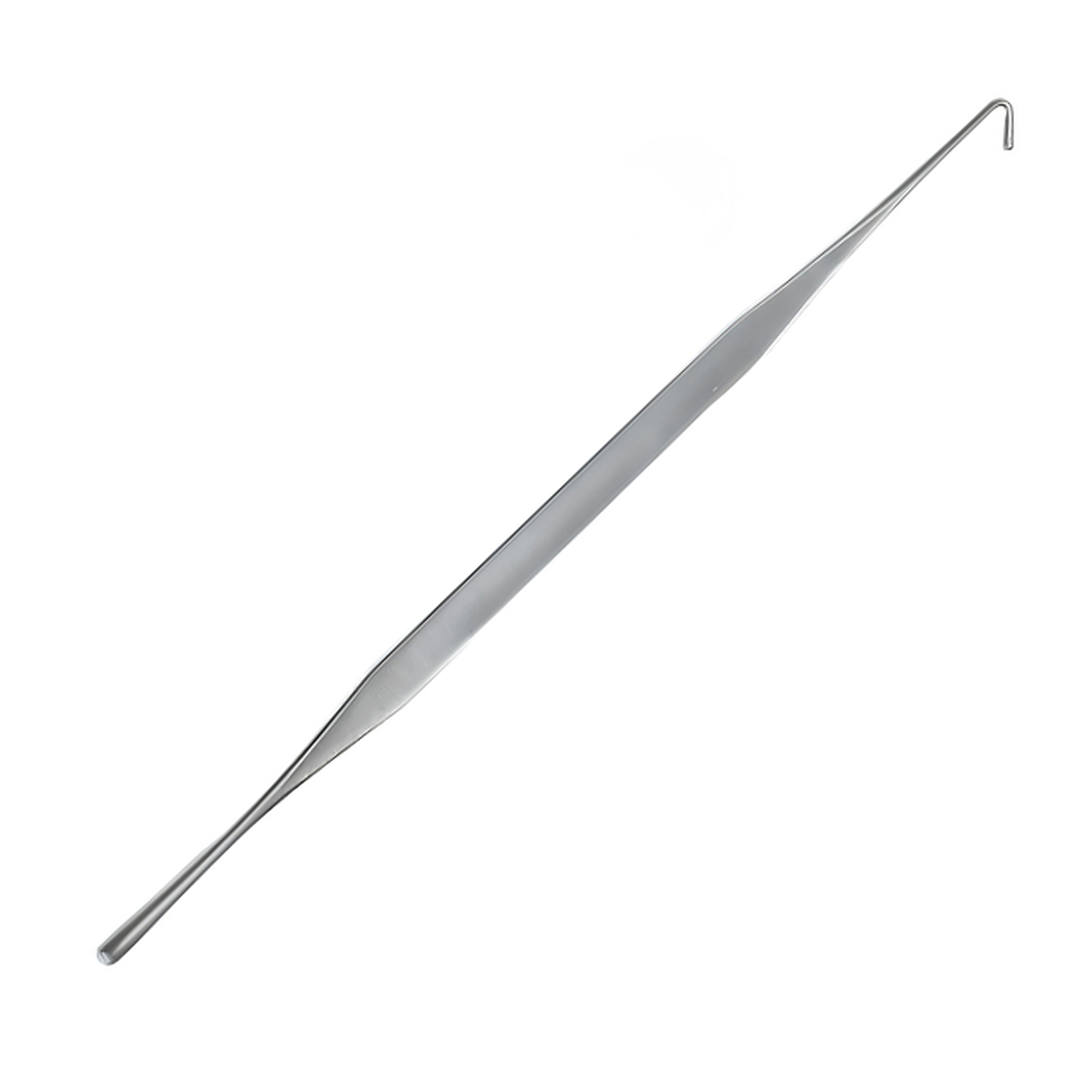 | Smithwick Nerve Retractor | Specifically designed to explore, mobilize, and retract nerve roots and sympathetic chains during deep spinal and vascular surgery. |
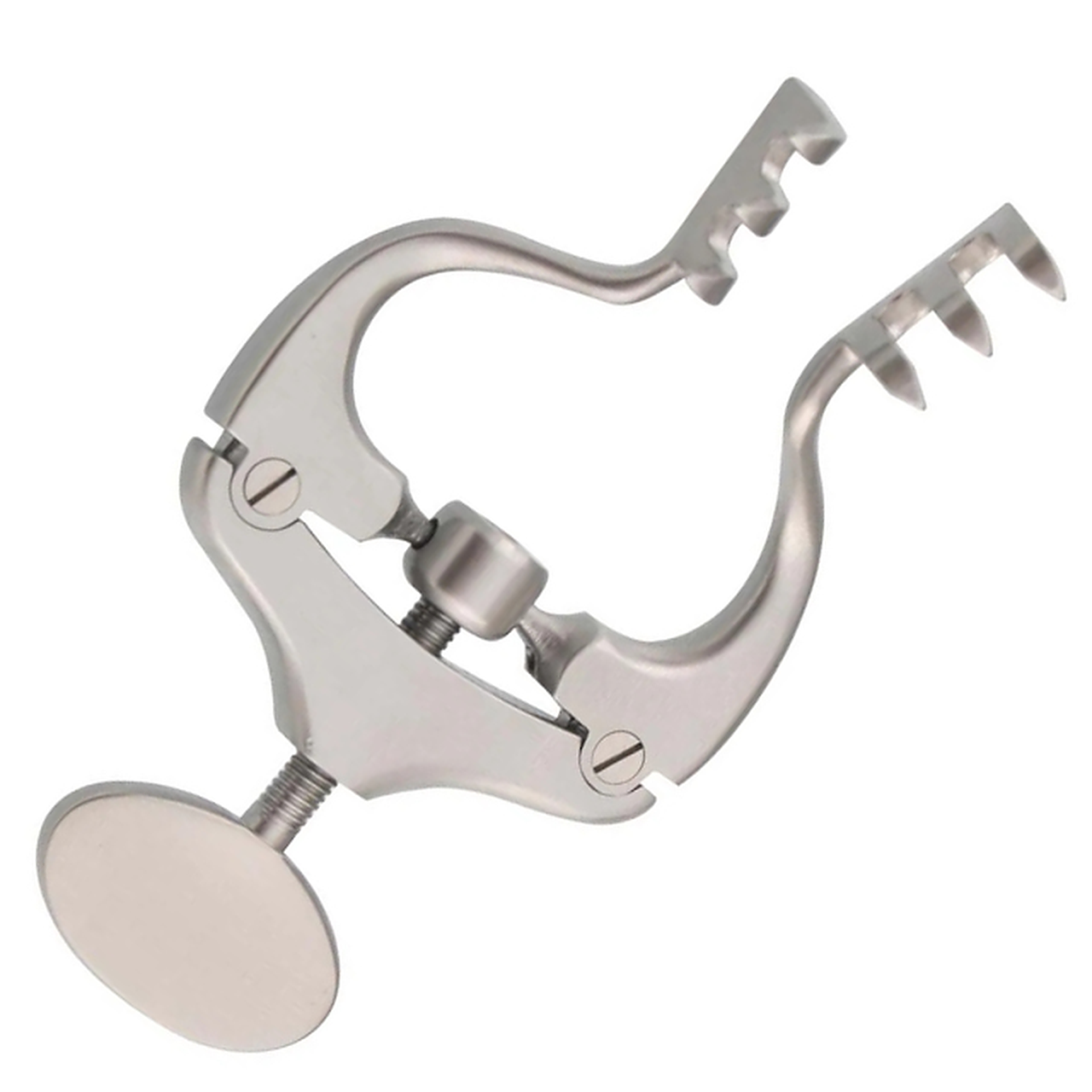 | Snitman Self-Retaining Endeural Retractor | Specifically designed to provide self-retaining tissue retraction during endaural, otologic, and meatal microsurgery. |
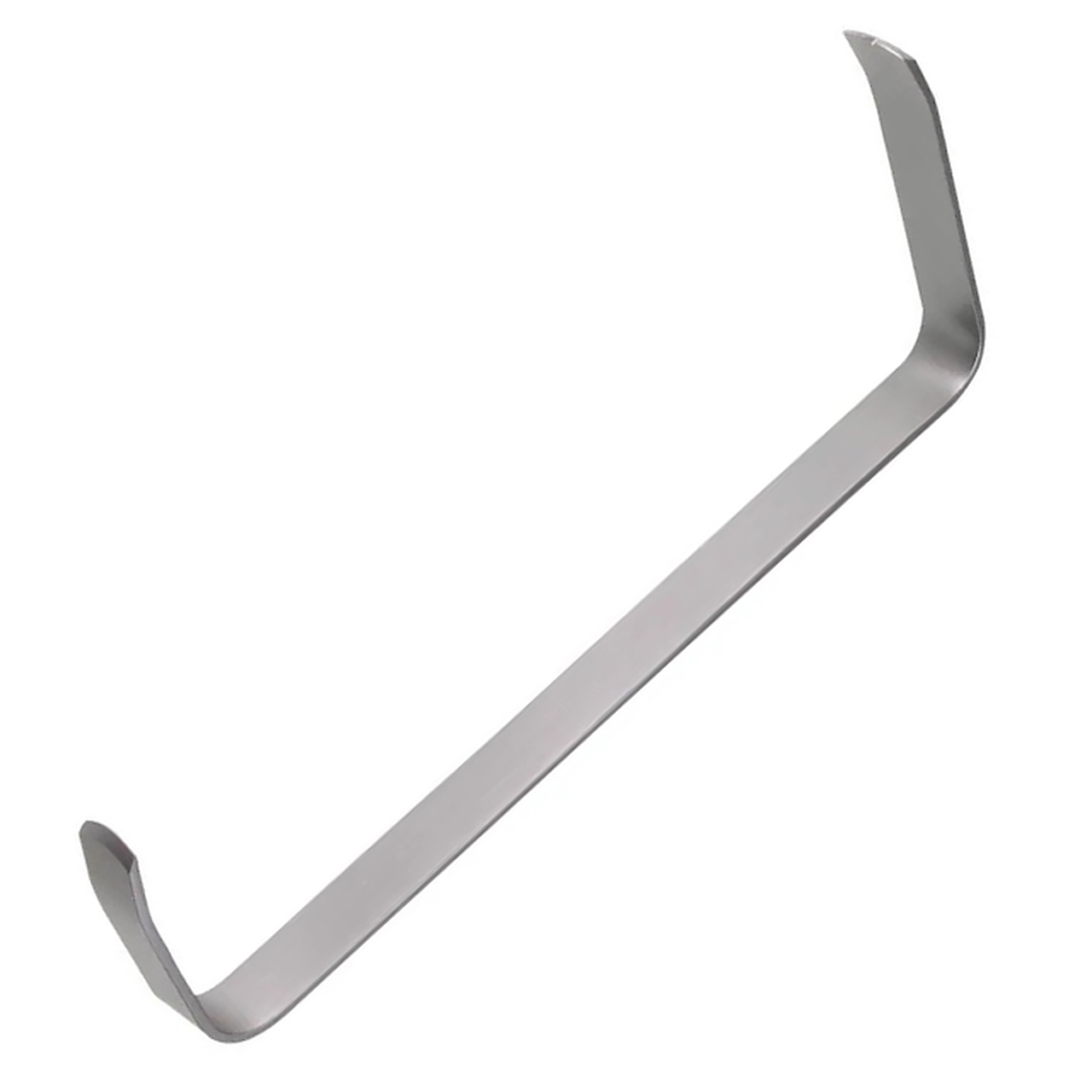 | Sofield Retractor | Specifically designed to retract muscle and periosteum to expose long bone diaphyses during osteotomies and fracture fixation. |
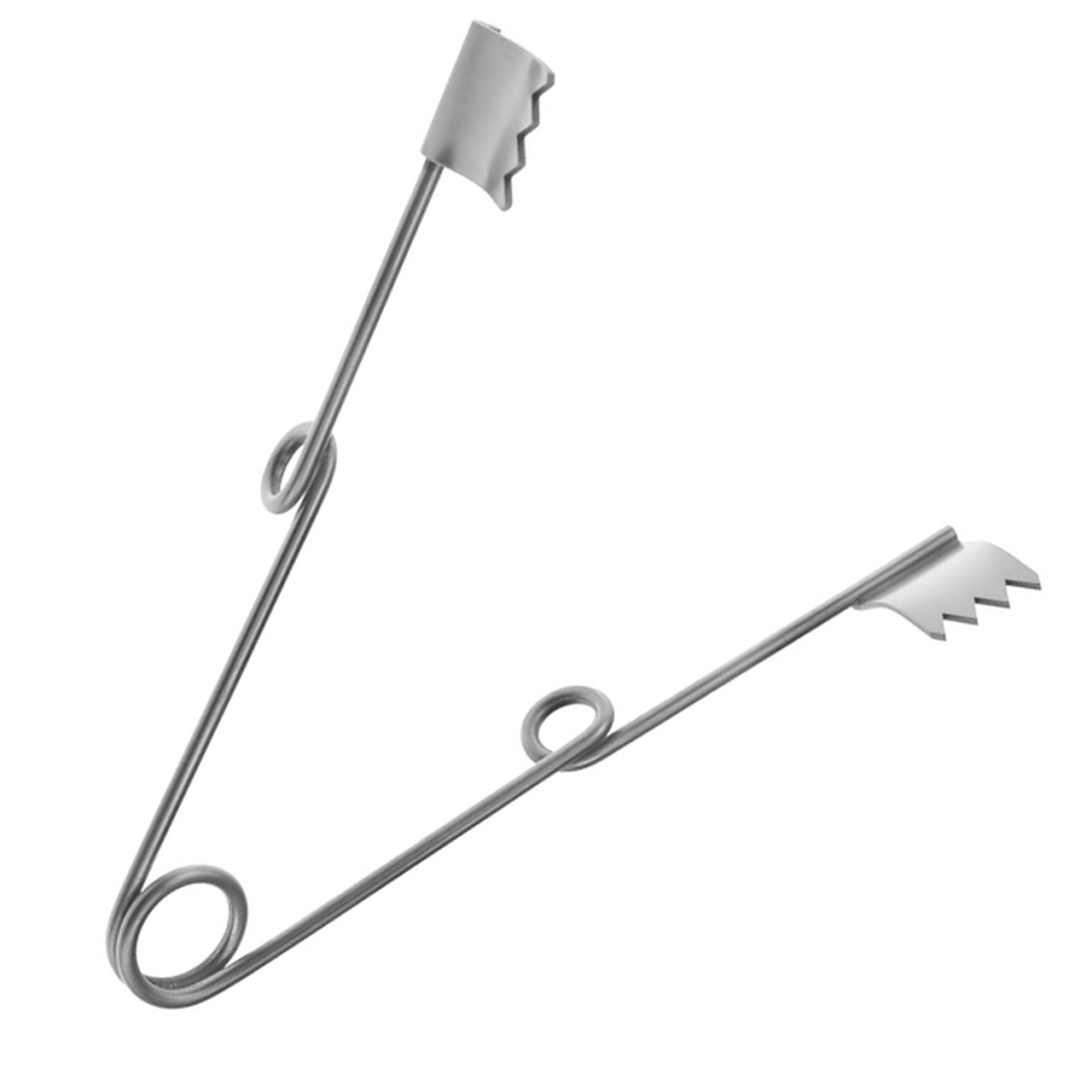 | Spring Wire Retractor | Specifically designed to provide self-retaining, hands-free wound margin retraction during microsurgical and plastic procedures. |
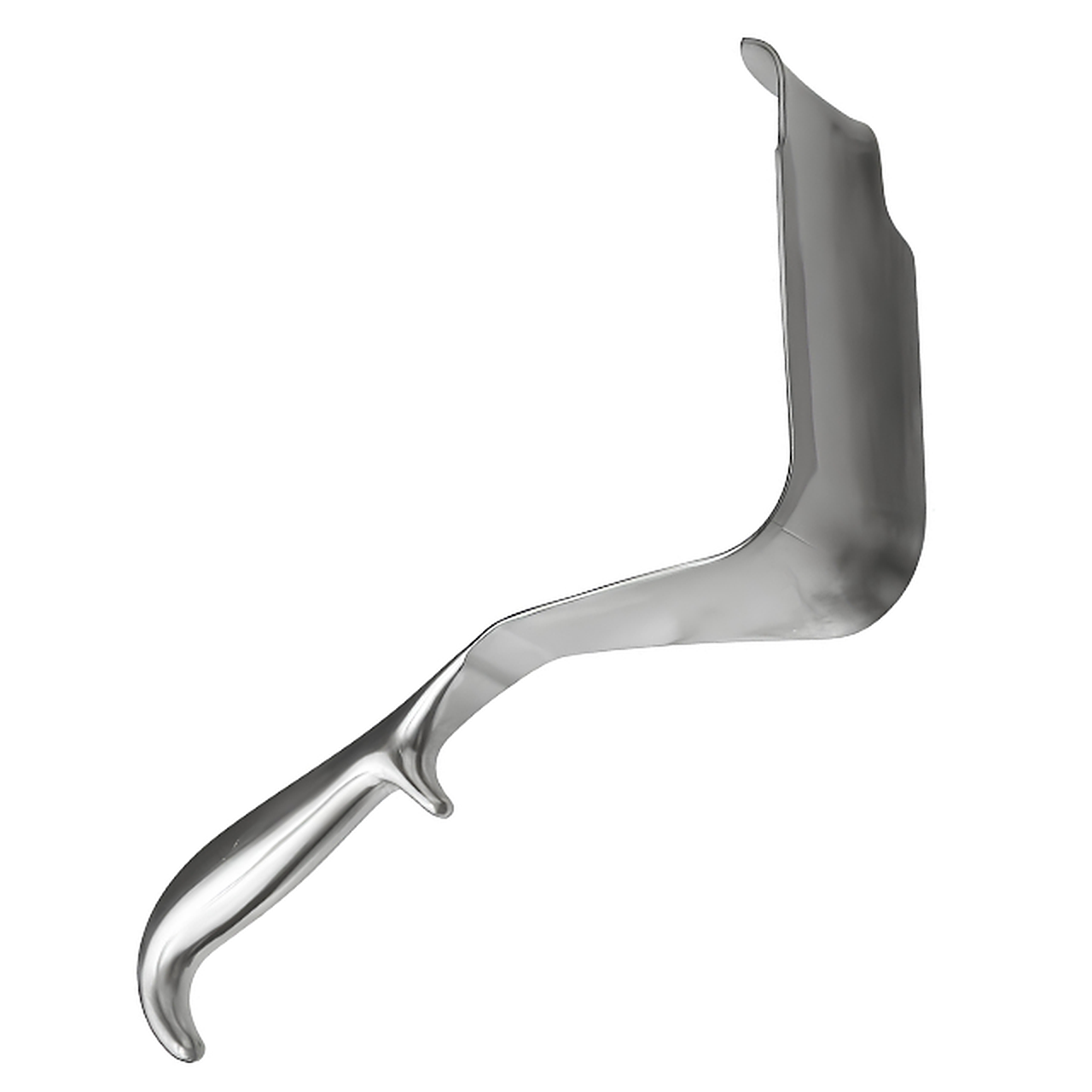 | St. Marks Pelvic Retractor | Specifically designed to retract pelvic viscera, bladder, and peritoneum during deep colorectal and pelvic surgery. |
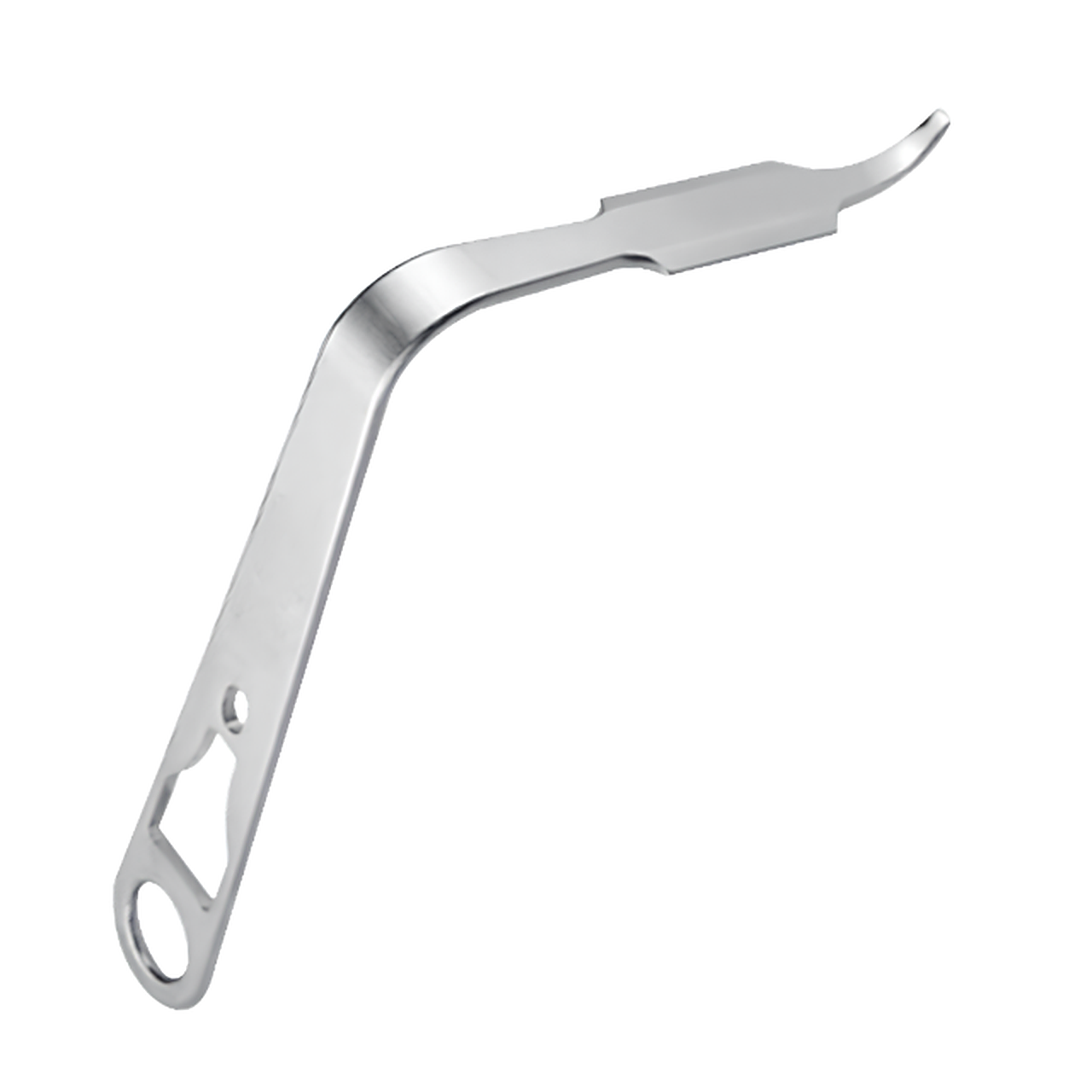 | Stackable Hohmann Retractors | Specifically designed to leverage bone cortices and retract dense muscle layers with interlocking handle capability during joint surgery. |
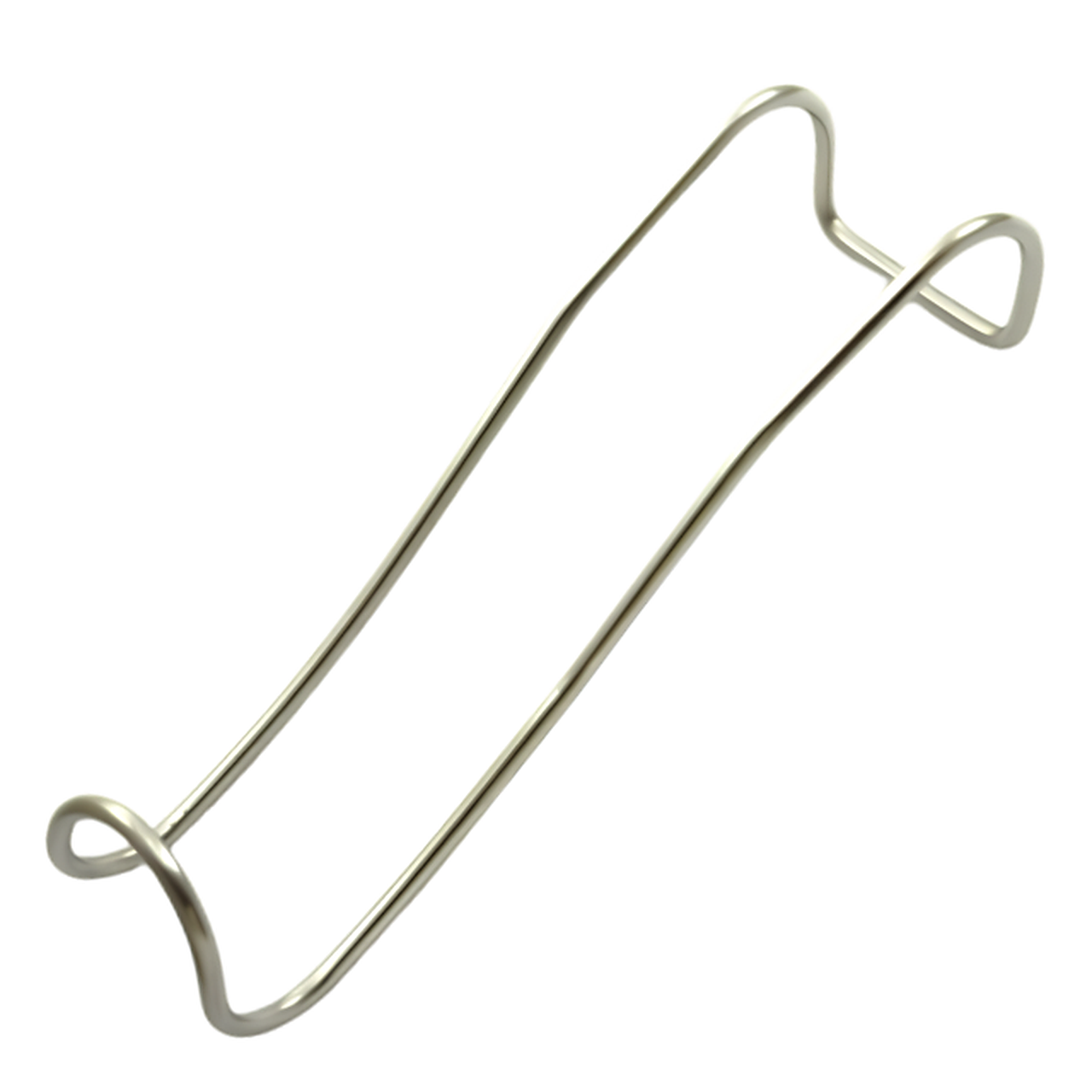 | Sternberg Double Ended Retractor | Specifically designed to retract the lips, cheeks, and oral mucosa during dental, oral, and pharyngeal surgery. |
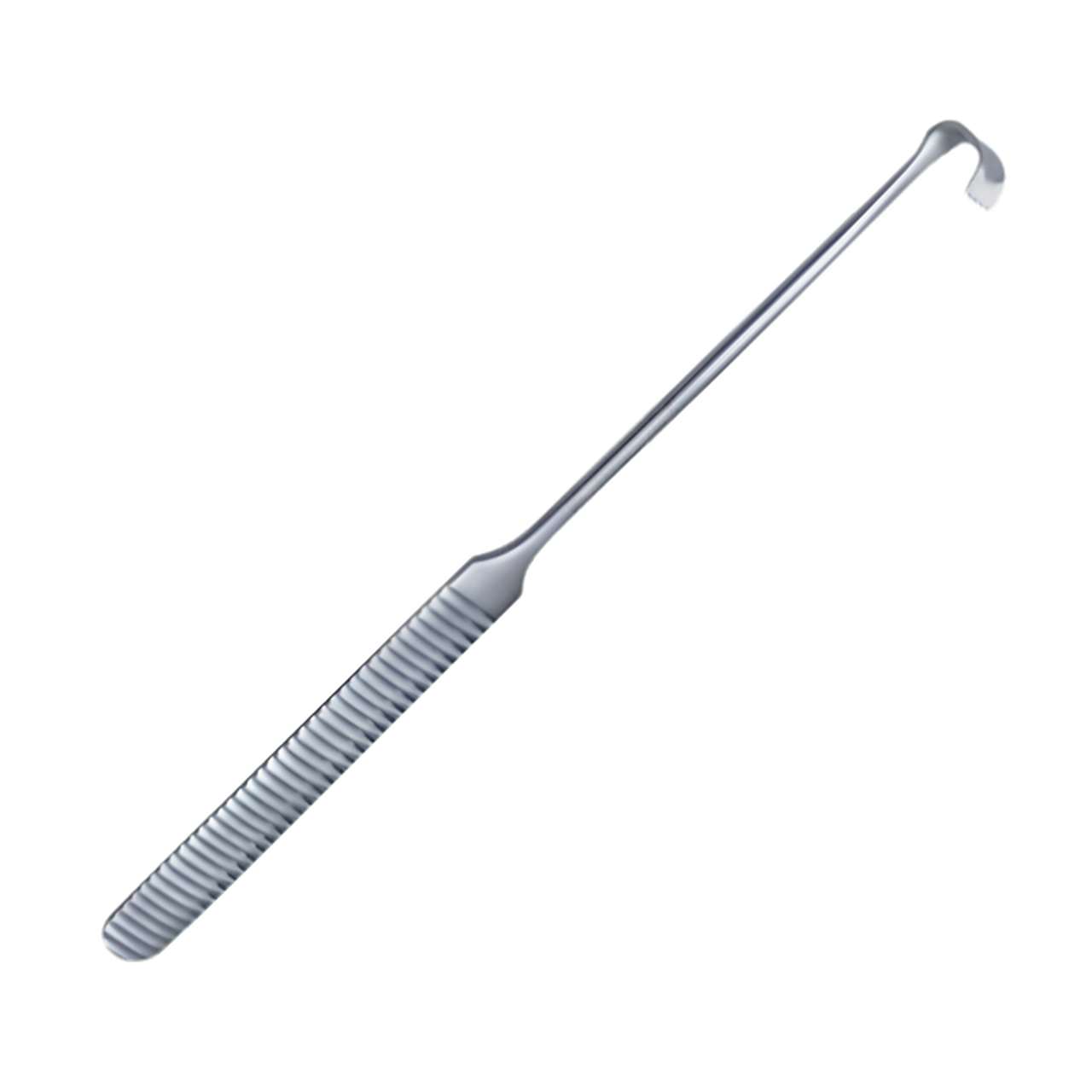 | Strandell Stille Retractor | Specifically designed to retract skin margins, fascia, and soft tissues during plastic, hand, and minor surgery. |
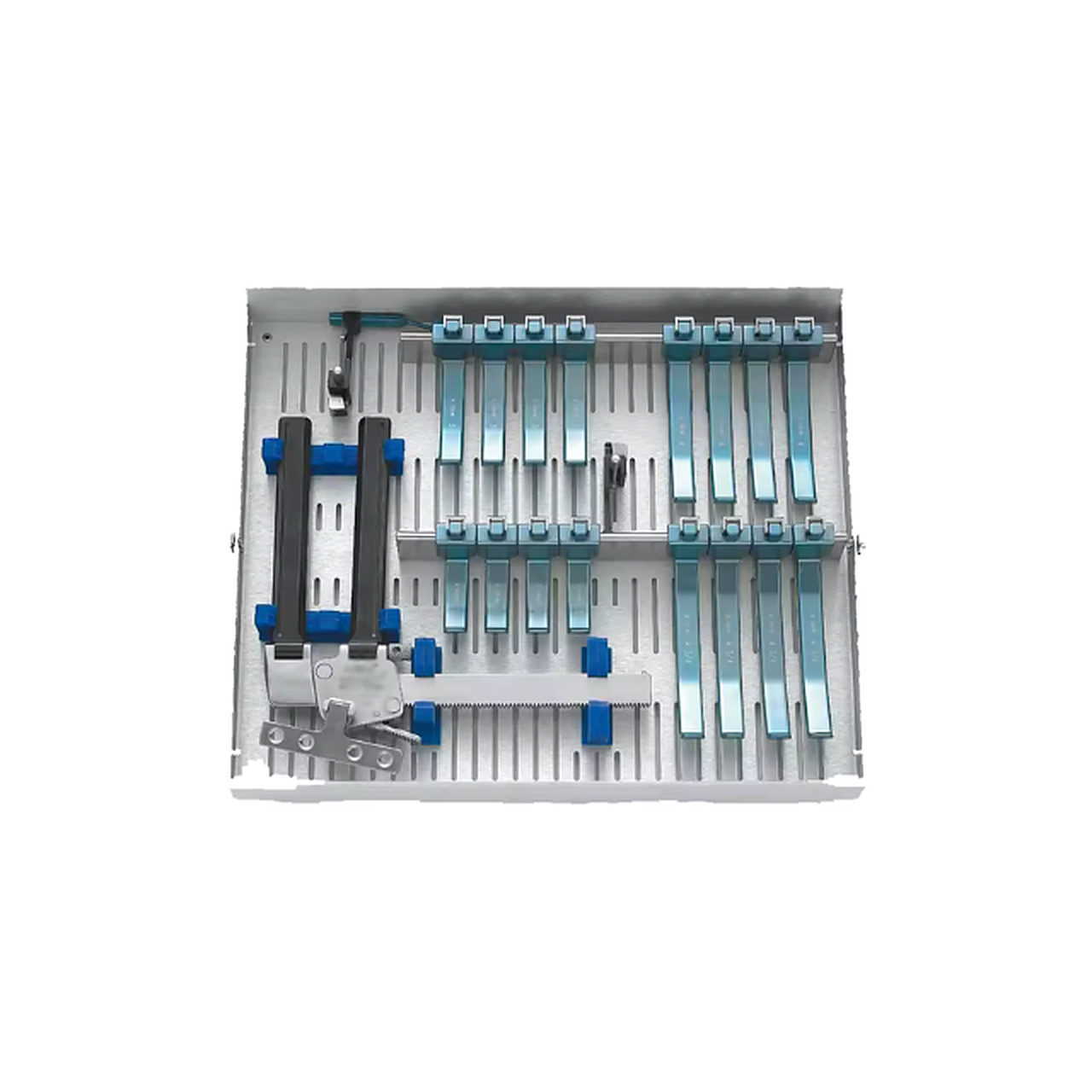 | Super-Slide Laminectomy Retractor | Specifically designed to provide controlled tissue retraction and surgical exposure during laminectomy and related spinal procedures. |
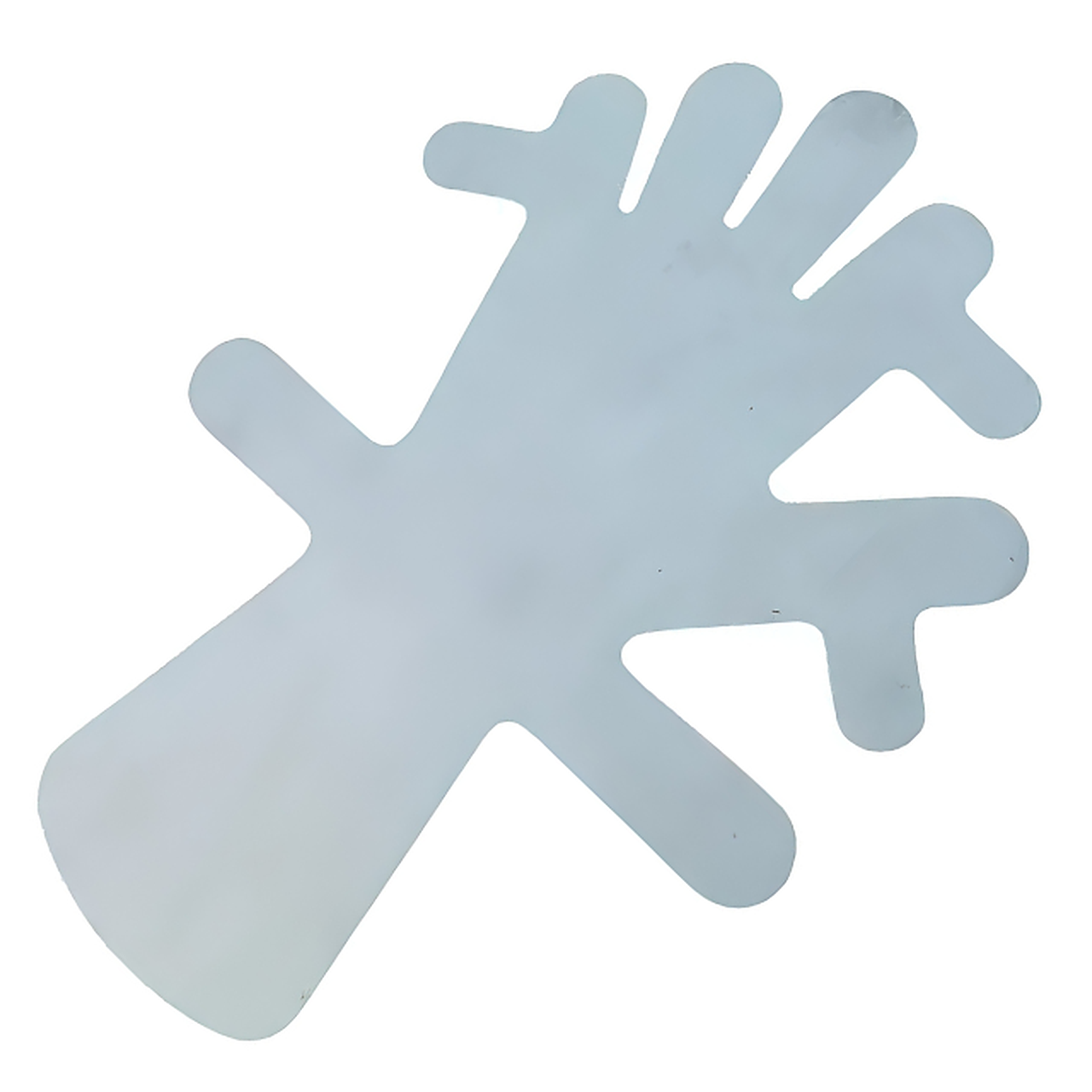 | Surgical Lead Hand Retractor Plate | Specifically designed to immobilize and position the hand and digits during plastic, orthopedic, and reconstructive hand surgery. |
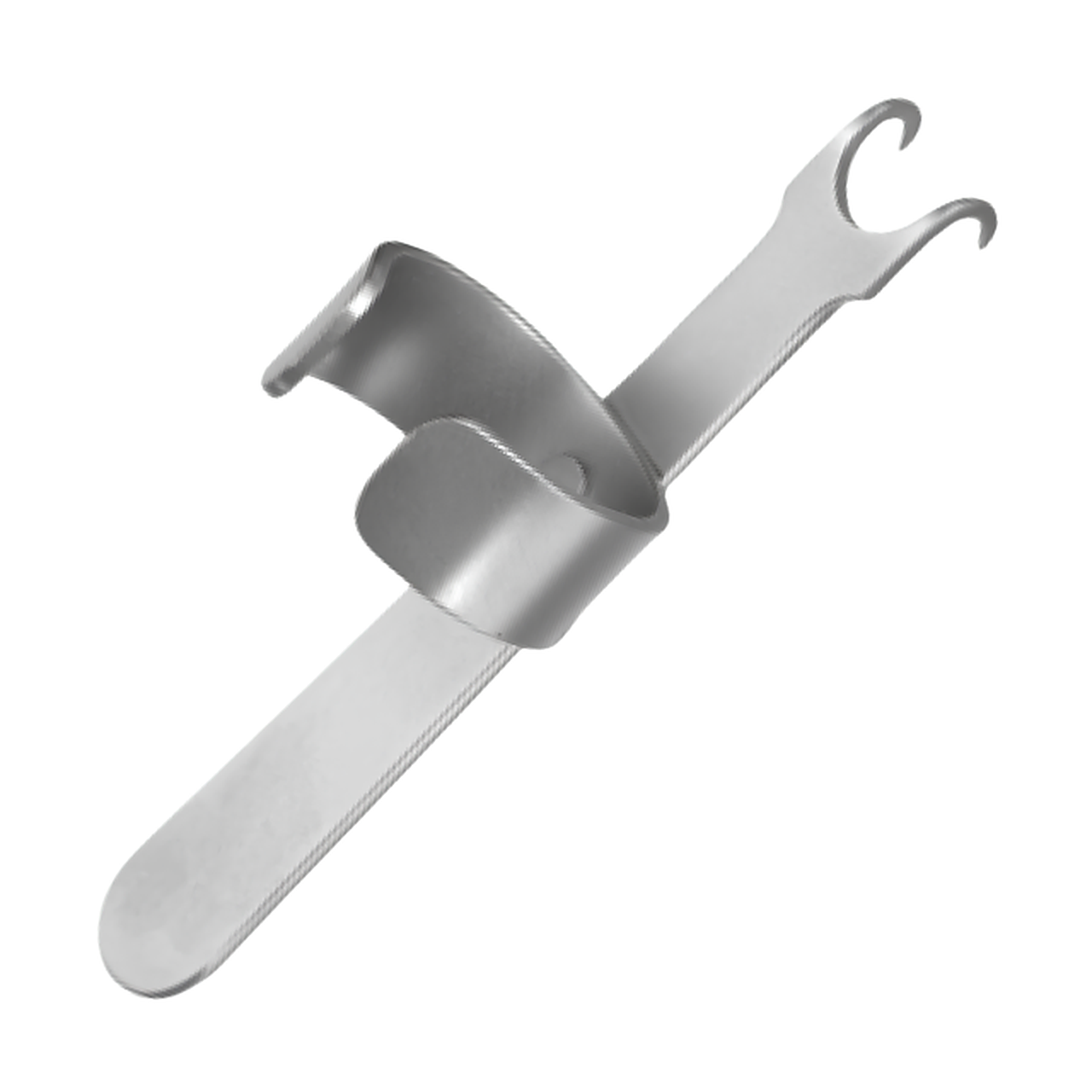 | Swivel Ring Nasal Retractor | Specifically designed to elevate nasal skin flaps and retract alar cartilage dynamically during rhinoplasty. |
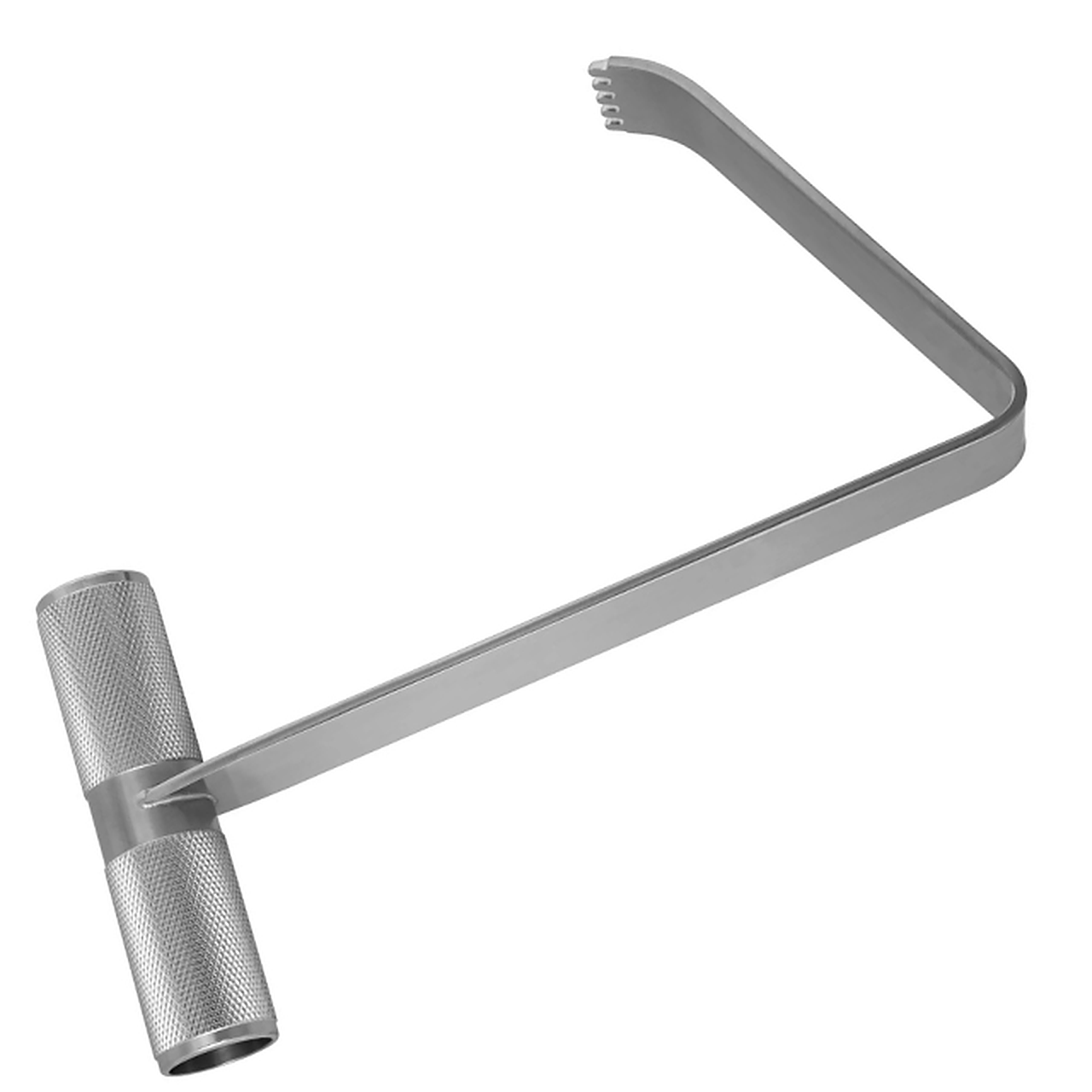 | T Handle Retractor Angled Blade | Specifically designed to retract heavy muscle layers, fascia, and soft tissue with maximum manual pulling leverage during orthopedic surgery. |
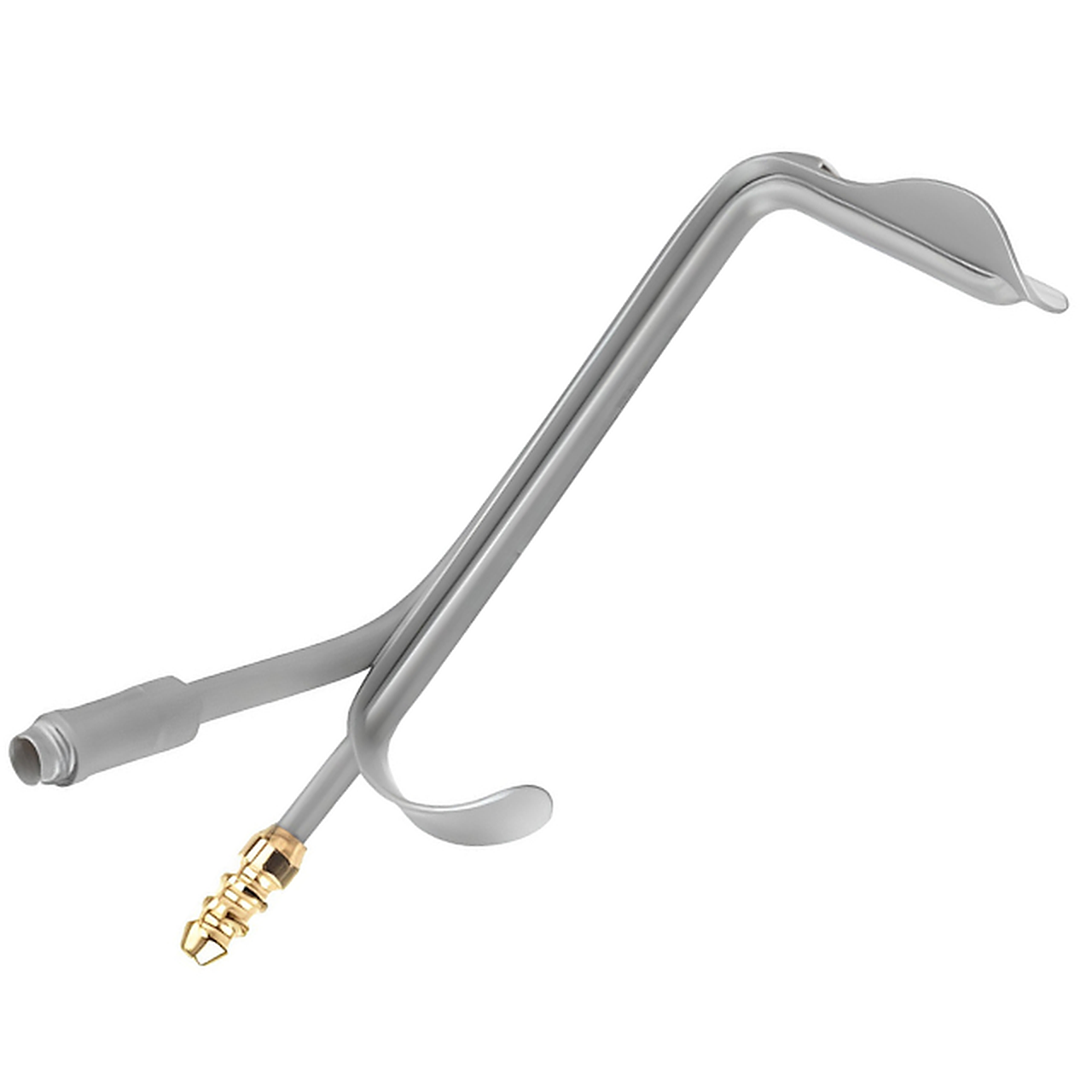 | Talei Necklift Retractor "Benetrator 2" | Specifically designed to elevate cervical flaps, clear surgical fluids, and retract the platysma during deep plane necklift and platysmaplasty. |
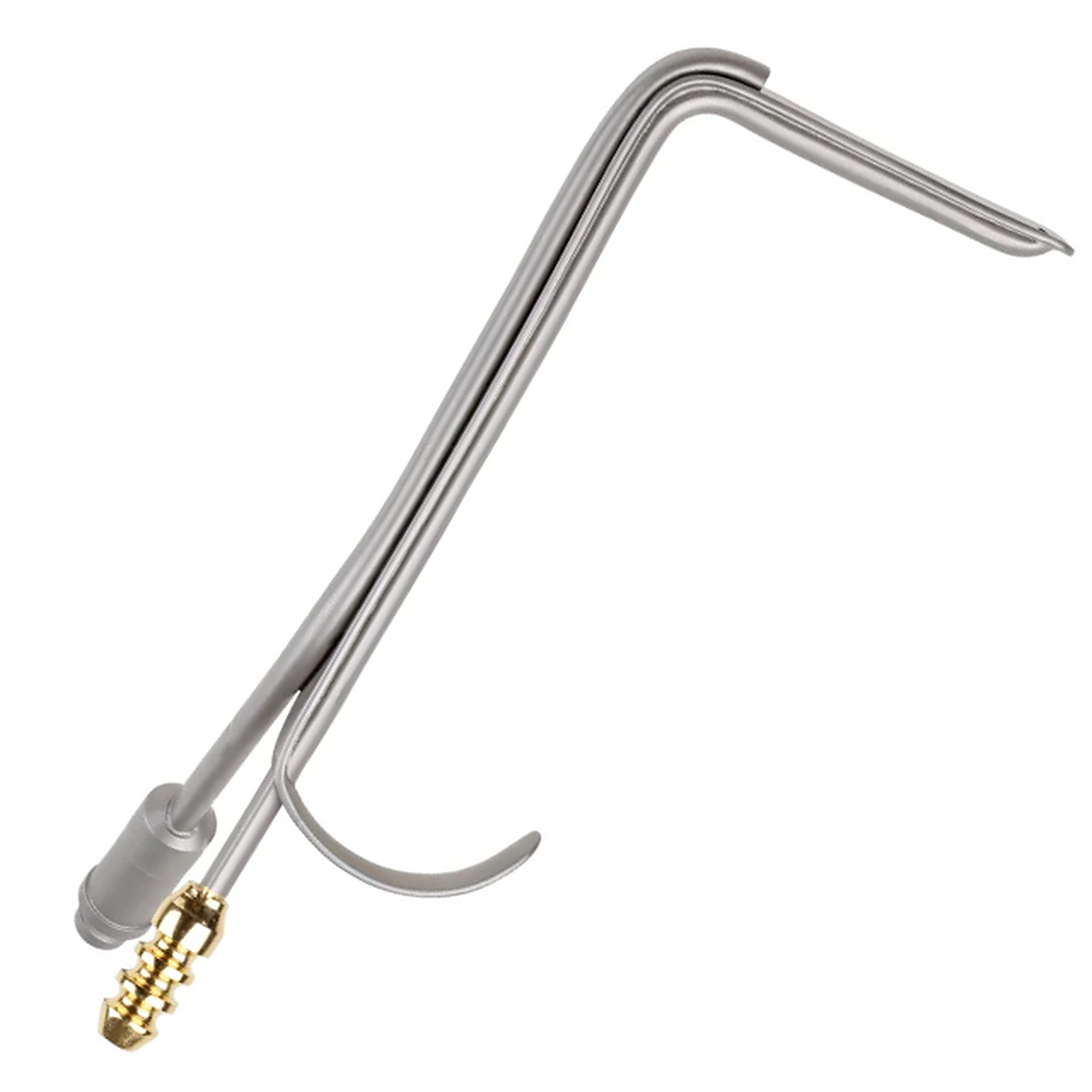 | Talei Necklift Retractor Narrow “Le Petit Benetrator” | Specifically designed to elevate cervical flaps and retract the platysma muscle during deep plane necklift and platysmaplasty. |
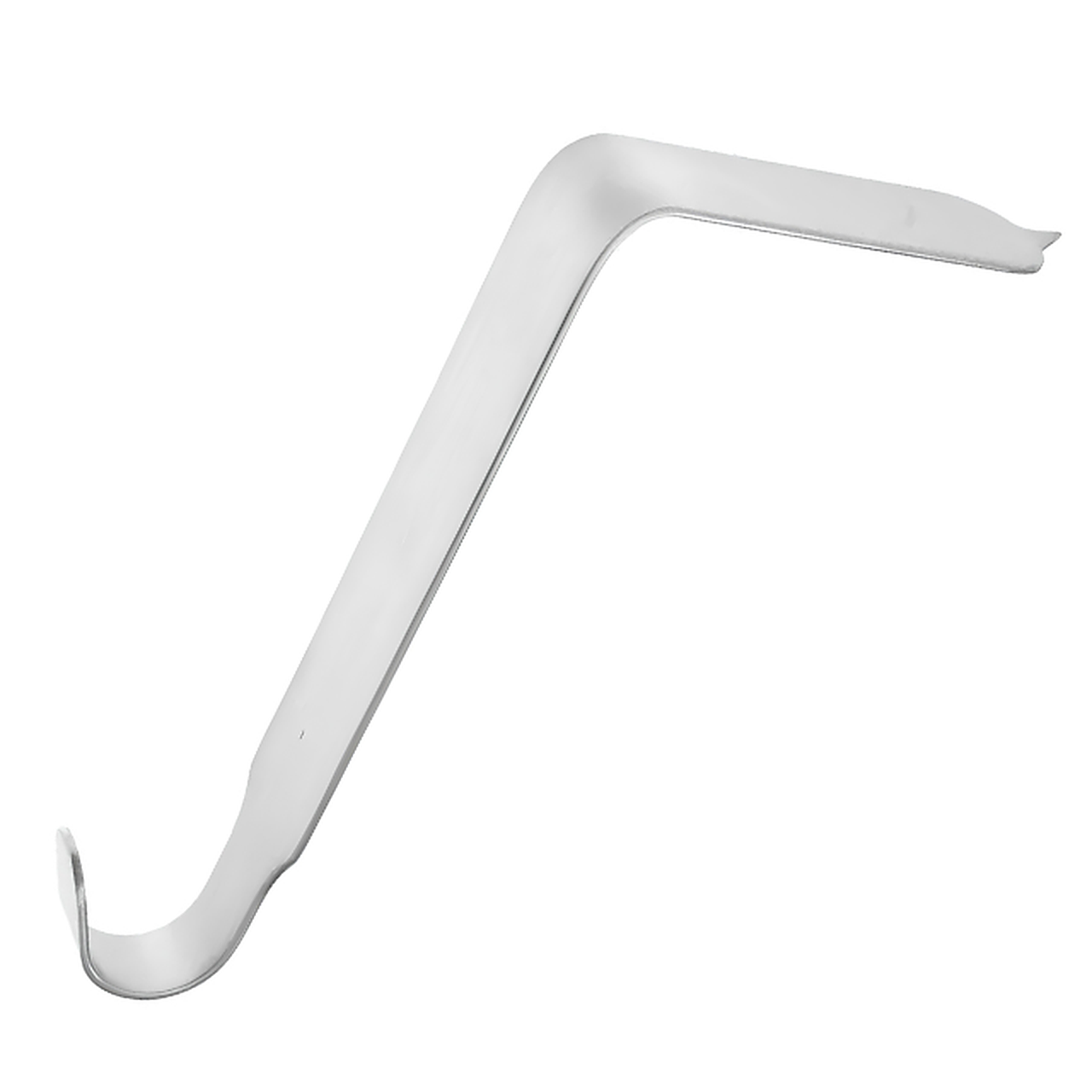 | Taylor Spinal Retractor | Specifically designed to retract heavy paraspinal musculature and anchor against the spinous process during spinal laminectomy. |
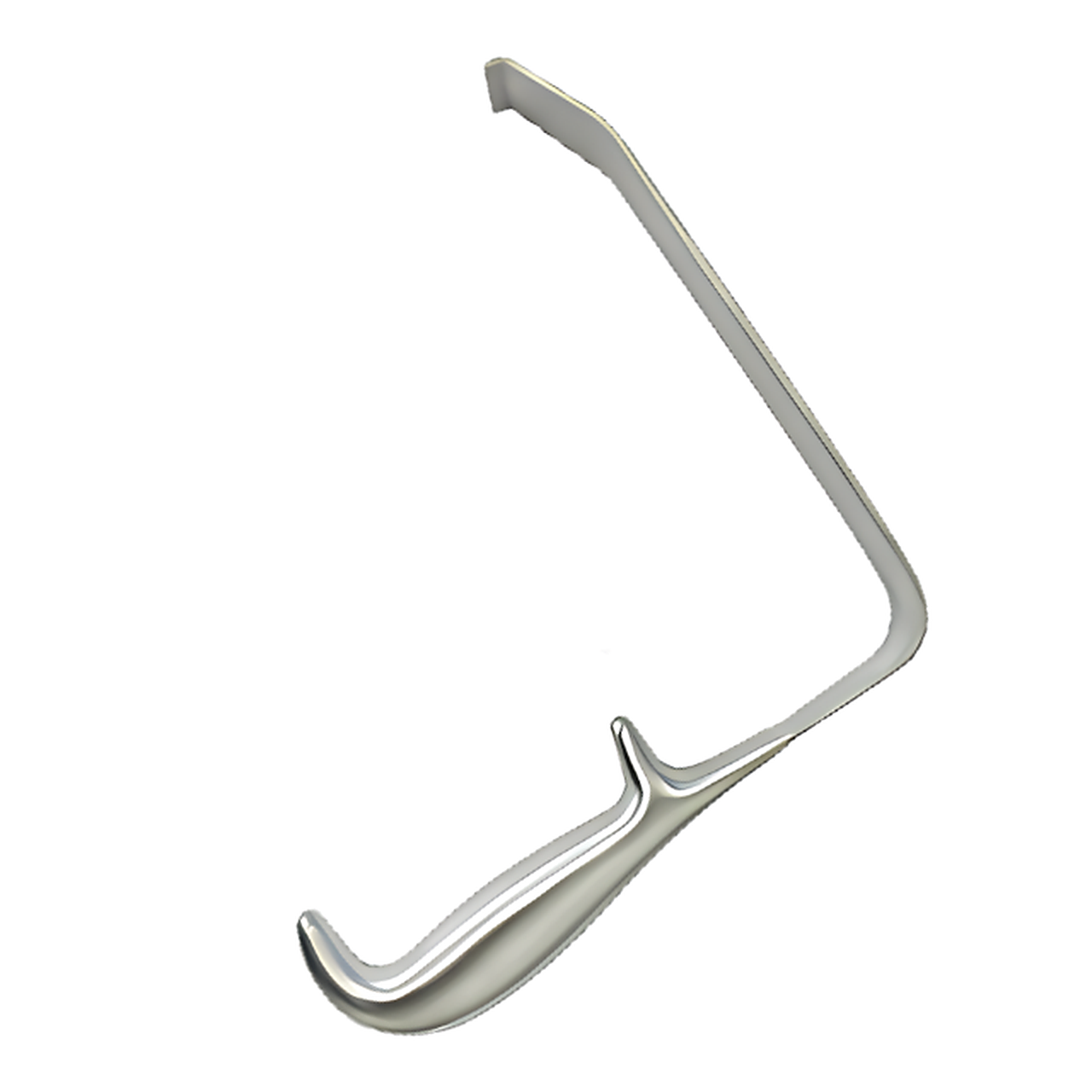 | Tebbetts Breast Retractor | Specifically designed to elevate tissue flaps and create submuscular or subglandular pockets during breast surgery. |
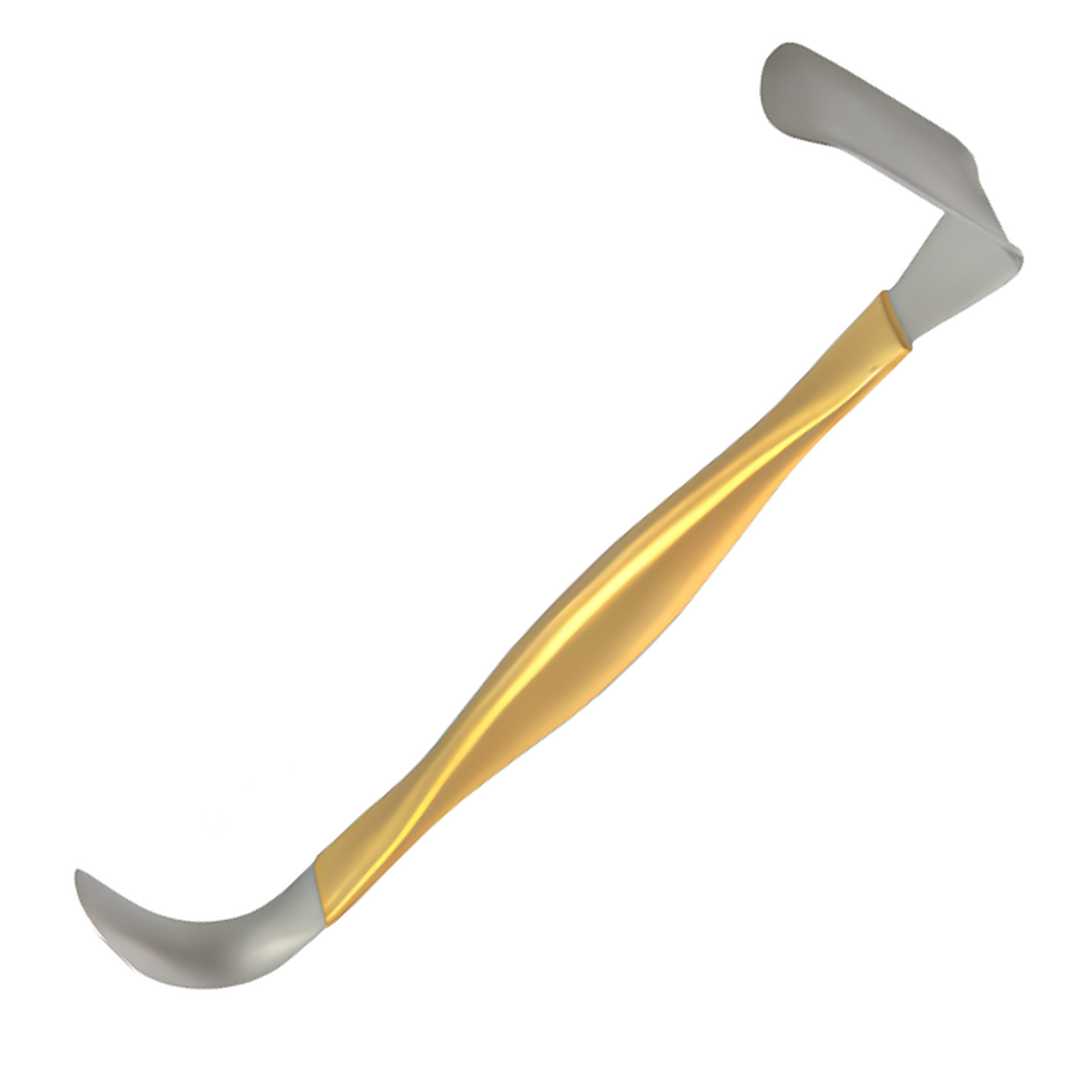 | Tebbetts Double-Ended Breast Retractor | Specifically designed to provide dual-ended tissue retraction and pocket exposure during breast augmentation and reconstruction. |
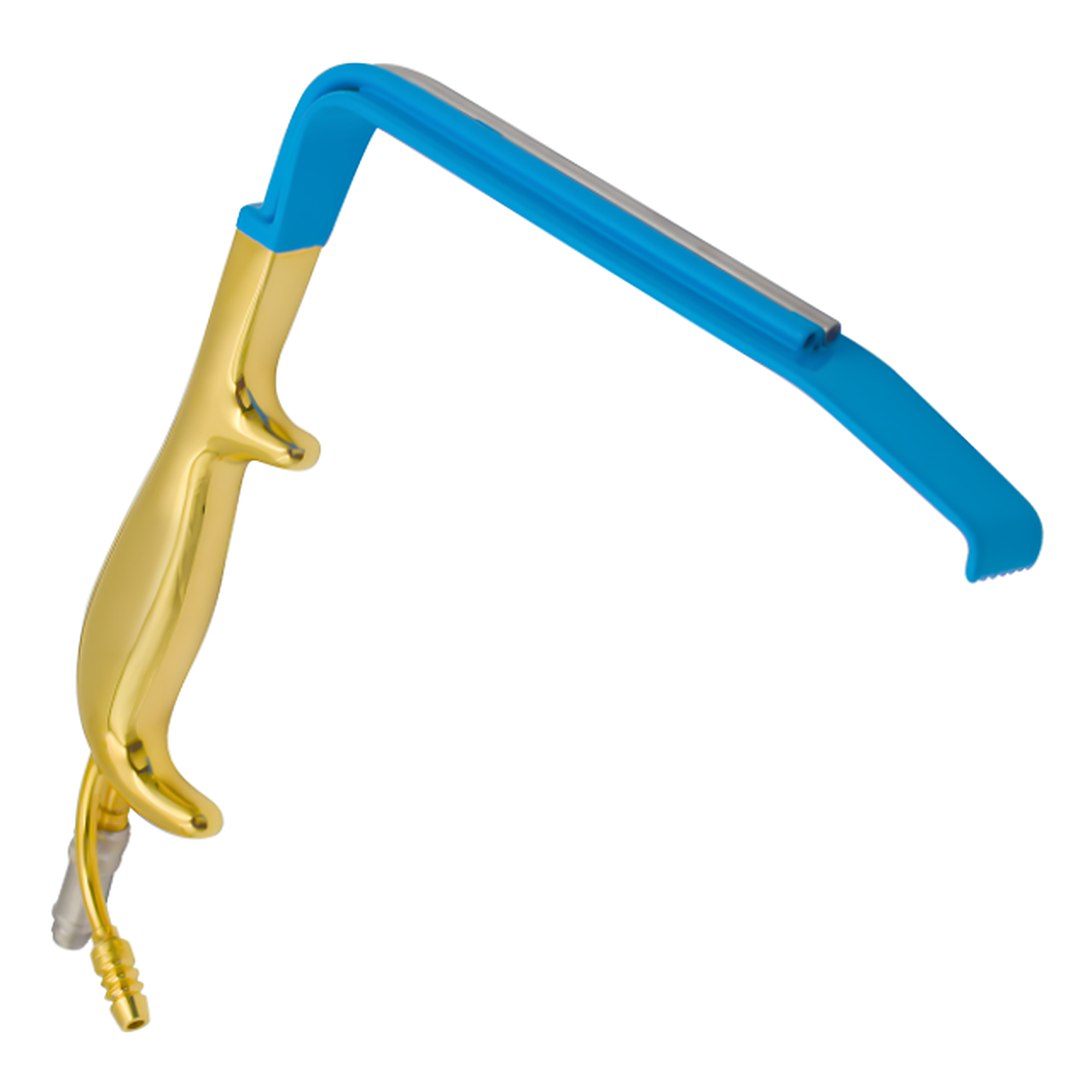 | Tebbetts Fiber Optic Breast Augmentation Retractor | Specifically designed to elevate tissue flaps, illuminate deep breast pockets, and verify hemostasis during breast surgery. |
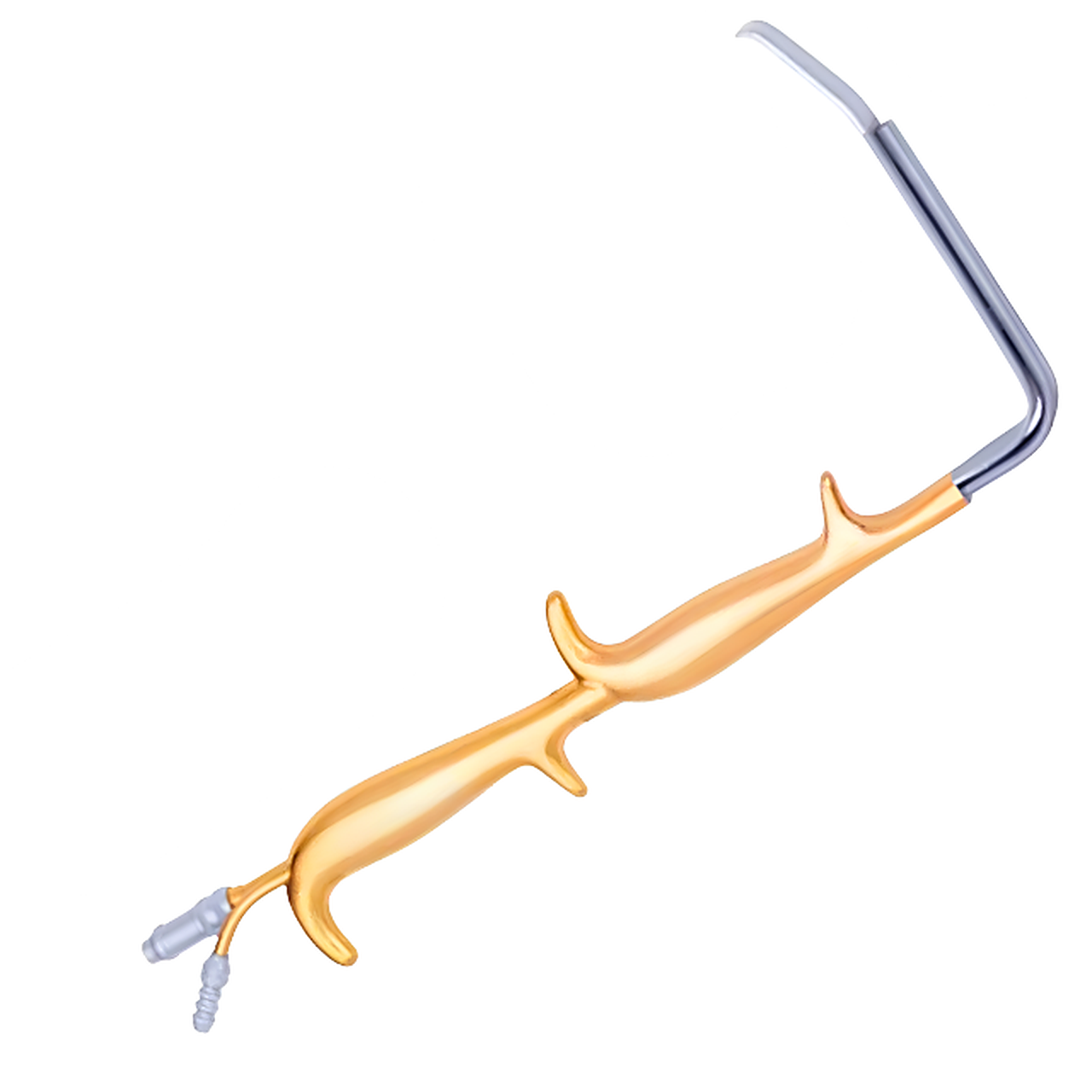 | Tebbetts Fiber Optic Breast Augmentation Retractor, Double Handle | Specifically designed to provide illuminated tissue retraction with two-handed leverage during breast augmentation and reconstruction. |
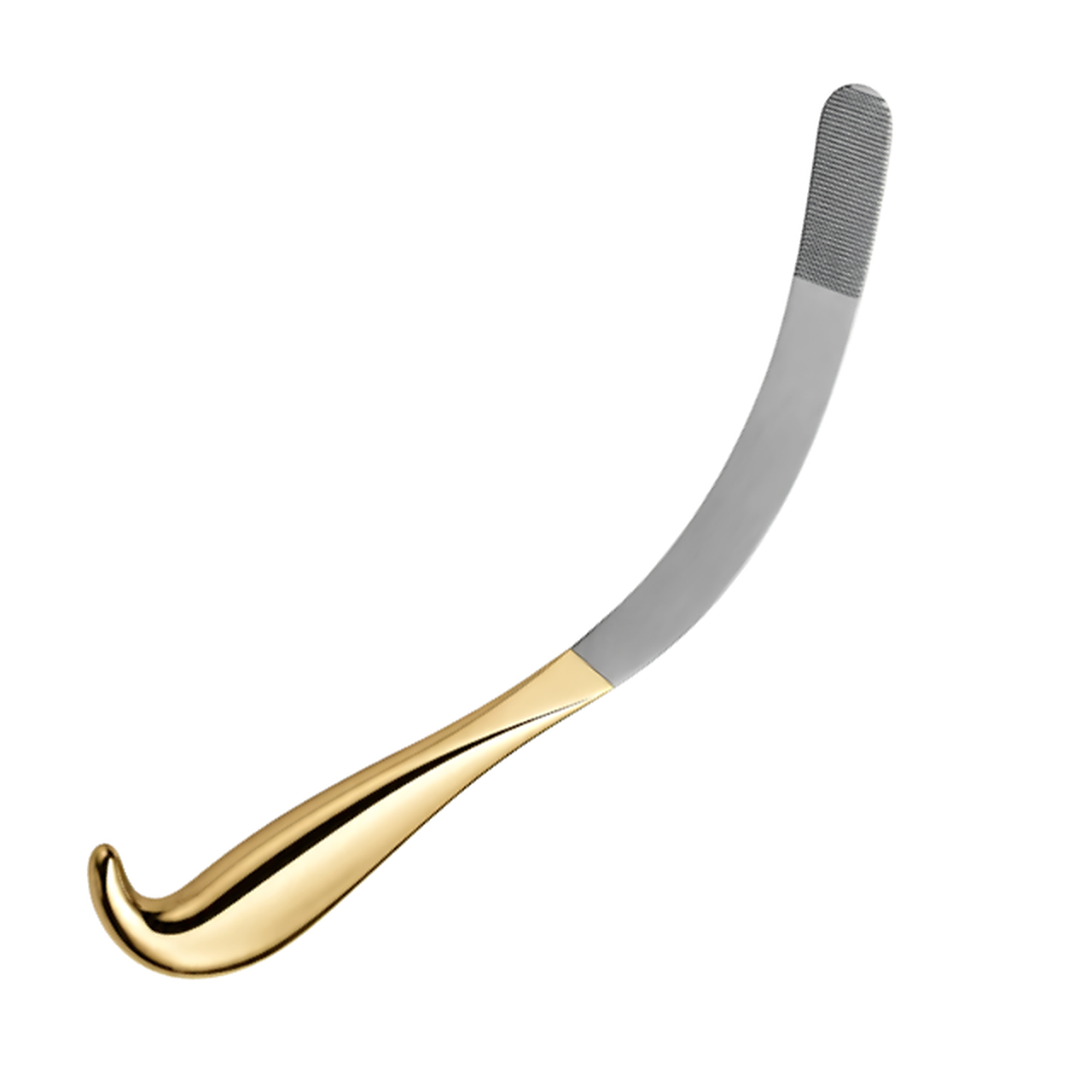 | Tebbetts Spatula Breast Retractor | Specifically designed to elevate tissue flaps and create subpectoral pockets during breast augmentation and reconstruction. |
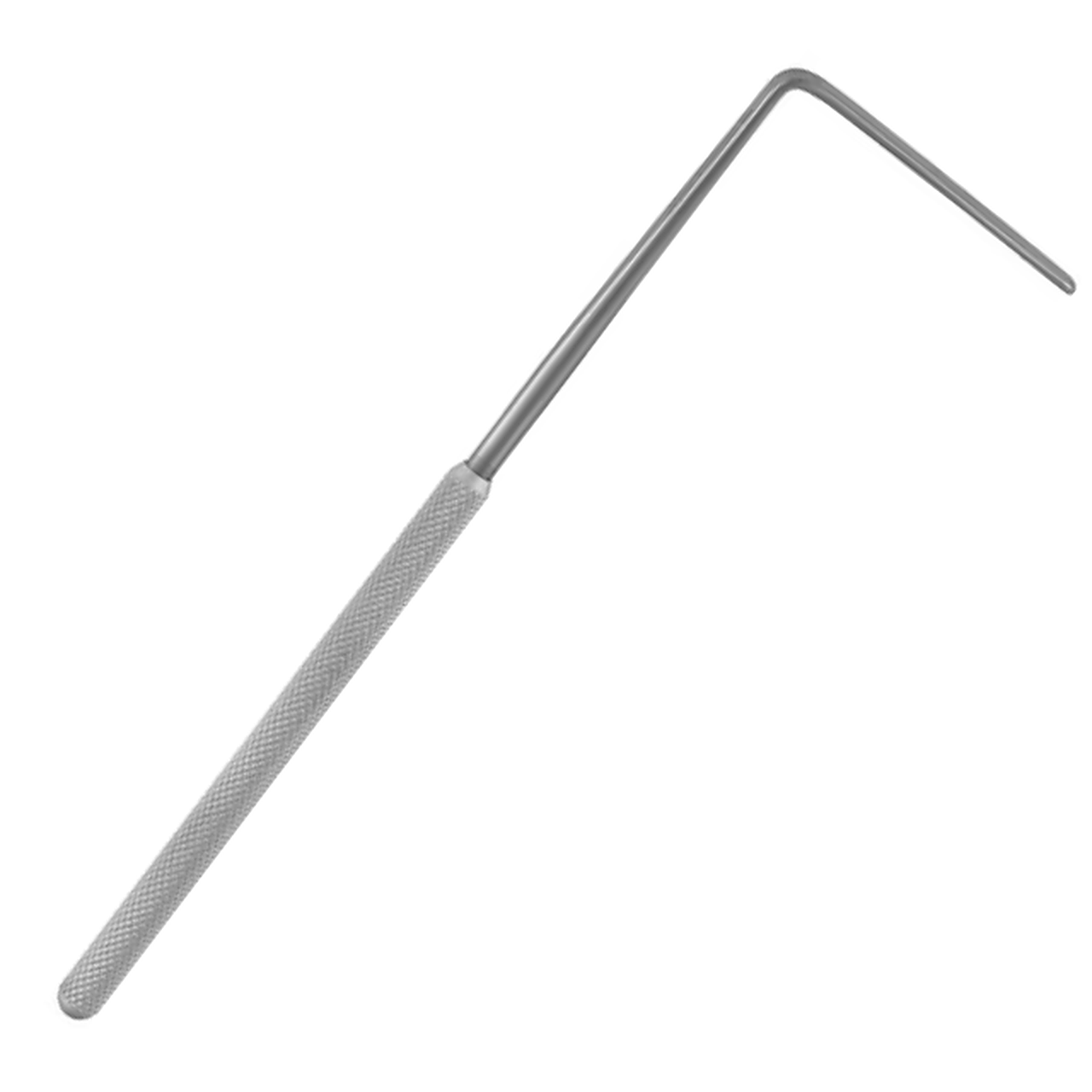 | Terry Nasal Retractor | Specifically designed to elevate nasal skin flaps and retract cartilage during aesthetic and reconstructive rhinoplasty. |
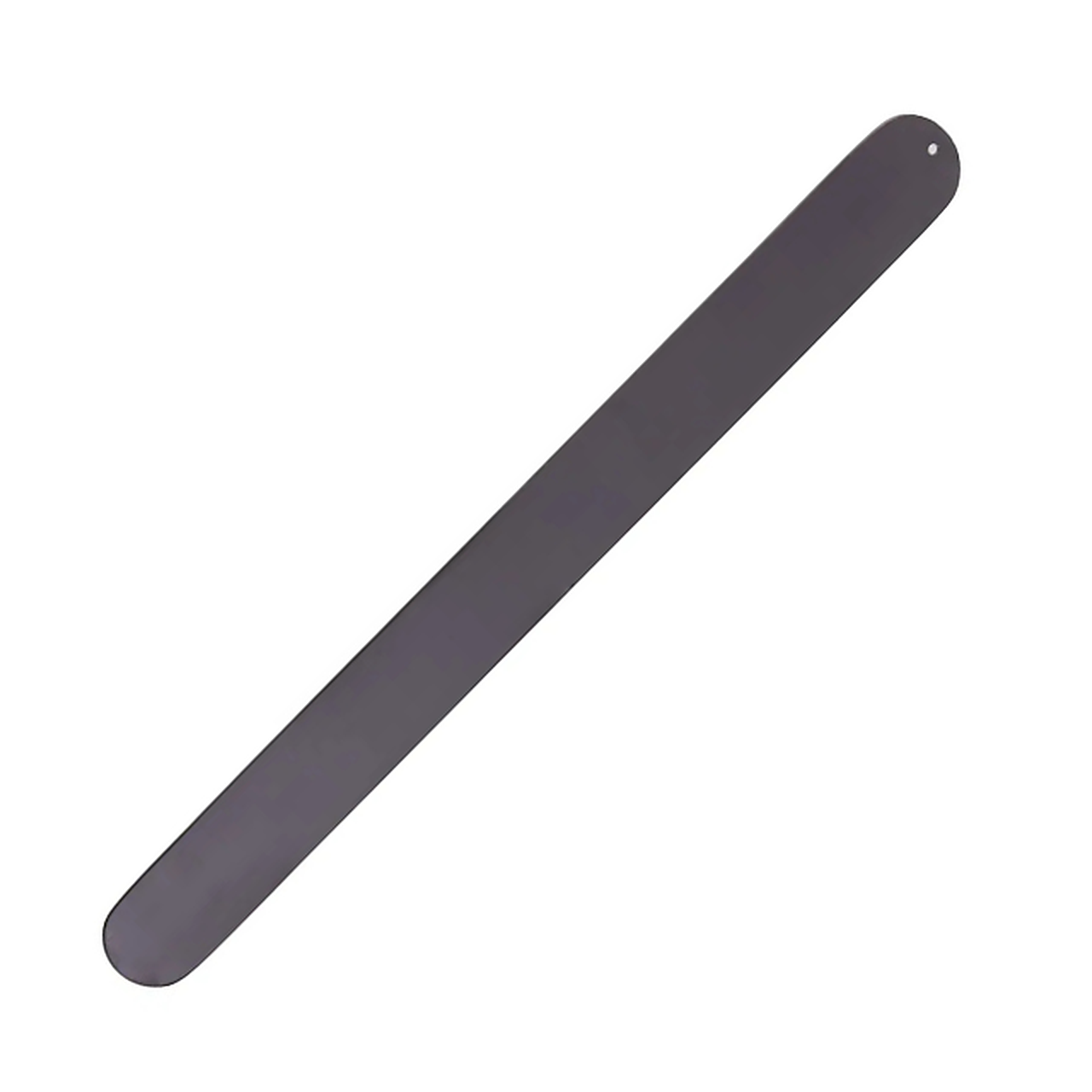 | Tessier Malleable Ribbon Retractor | Specifically designed to bend into custom shapes to retract periocular soft tissues and protect the globe during craniofacial surgery. |
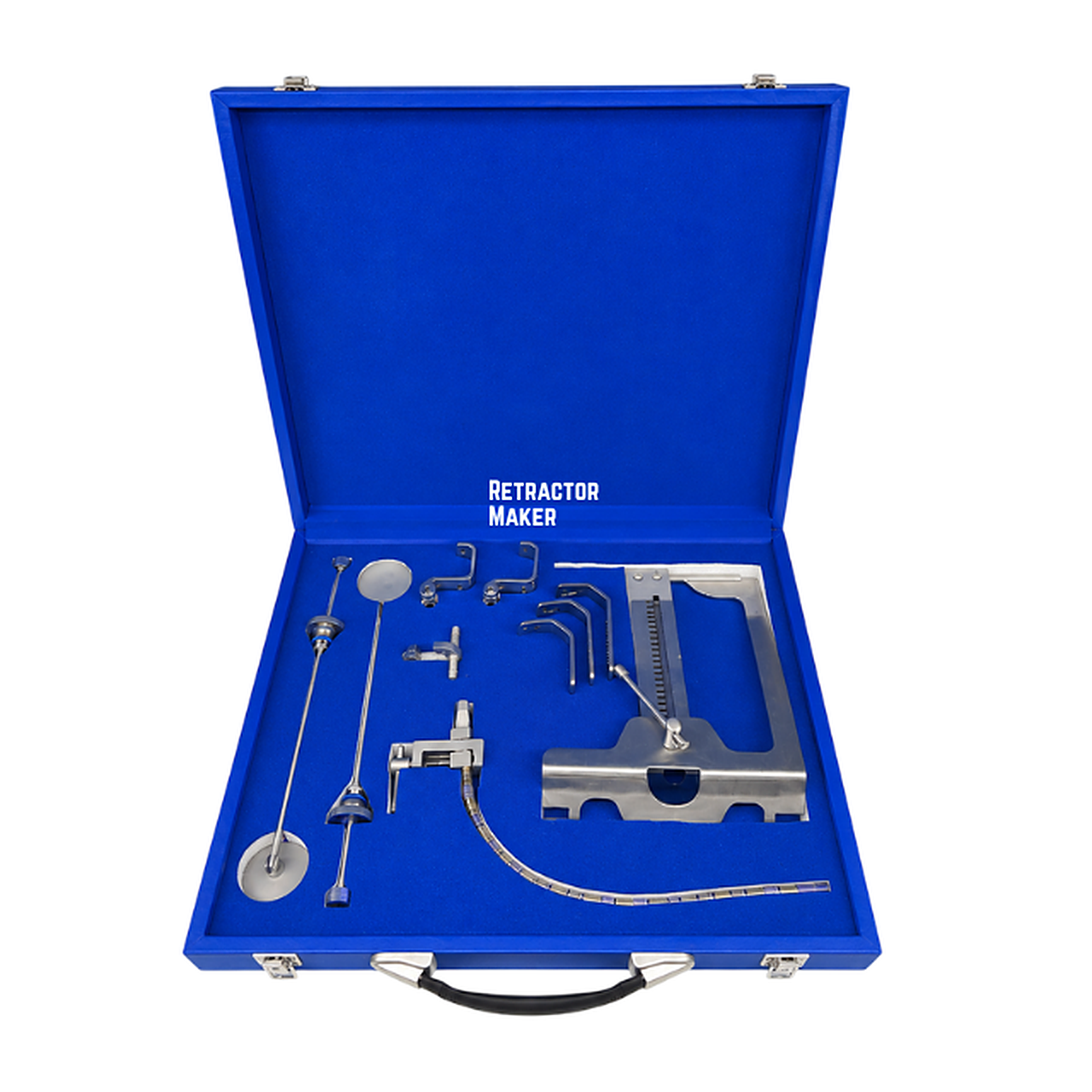 | ThoraGate Rib Up Retractor System | Specifically engineered to provide stable intercostal elevation and surgical exposure during thoracic procedures and minimally invasive cardiac surgeries, including MIDCAB approaches via a minithoracotomy. |
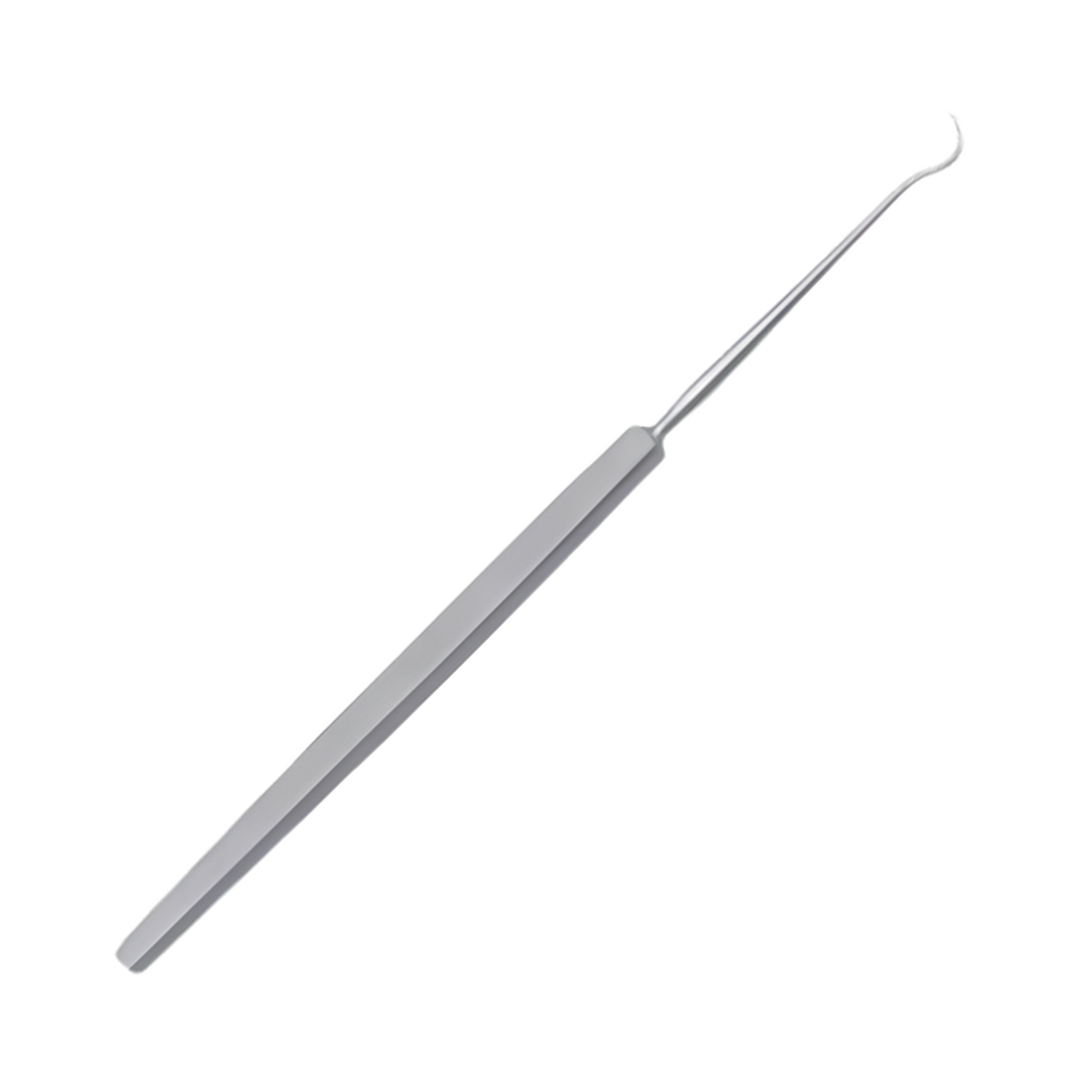 | Toennis Nerve Root Retractor | Specifically designed to mobilize, cradle, and protect traversing spinal nerve roots and the thecal sac during lumbar discectomy. |
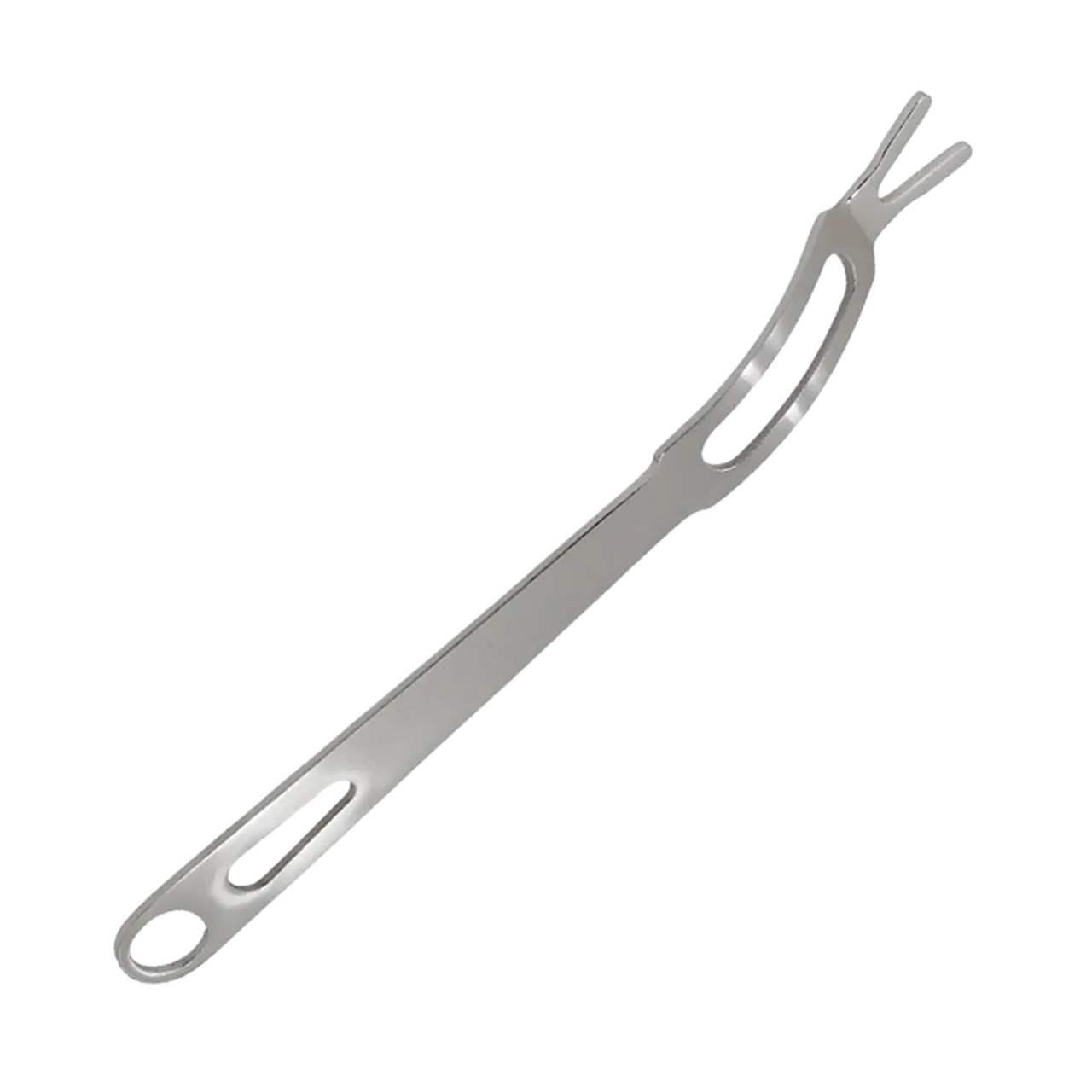 | Total and Reverse Shoulder Arthroplasty Glenosphere Component Retractor | Specifically designed to displace the humerus posteriorly and expose the glenoid vault during reverse and total shoulder arthroplasty. |
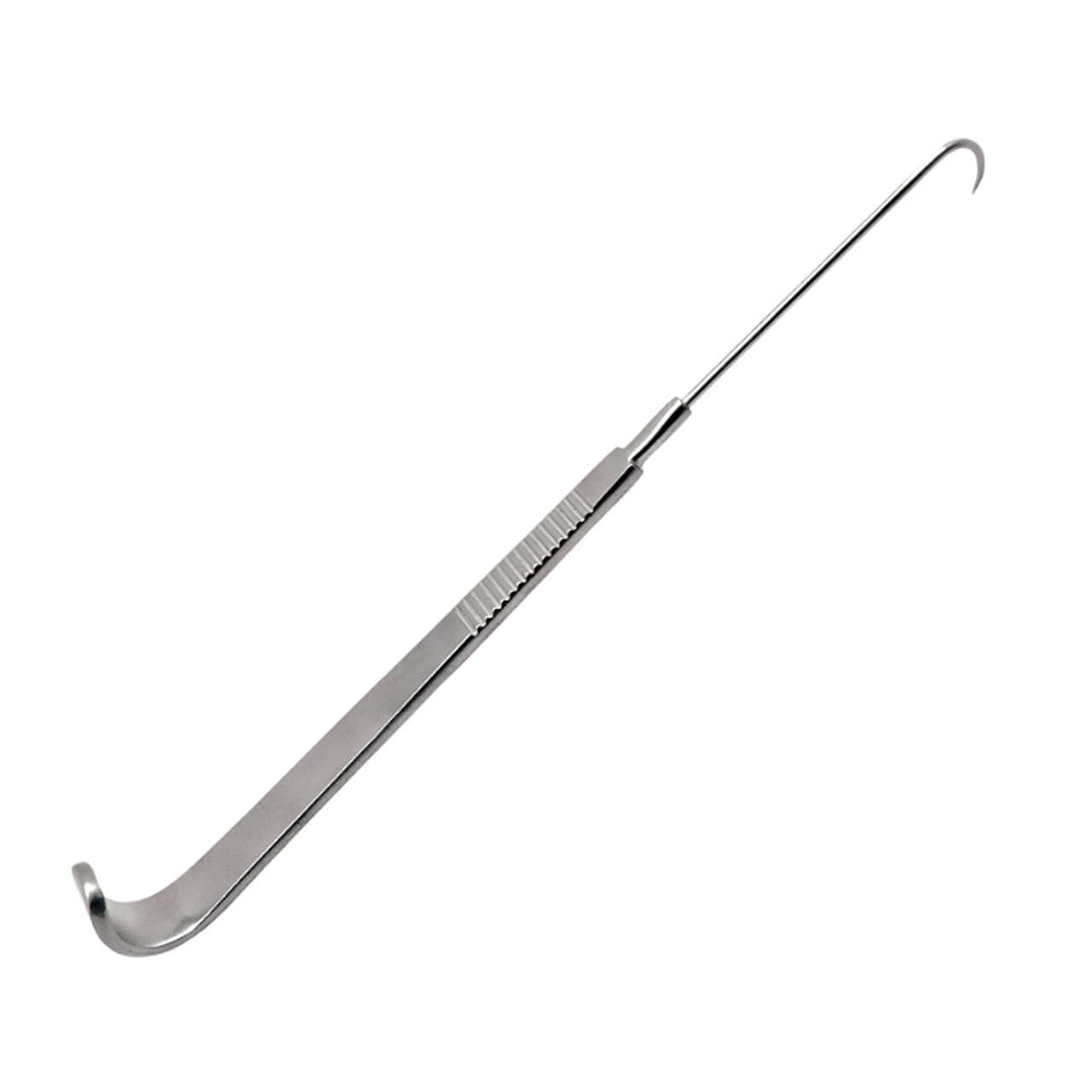 | Tracheal Hook/Retractor | Specifically designed to elevate and stabilize the trachea during emergency and elective tracheostomy procedures. |
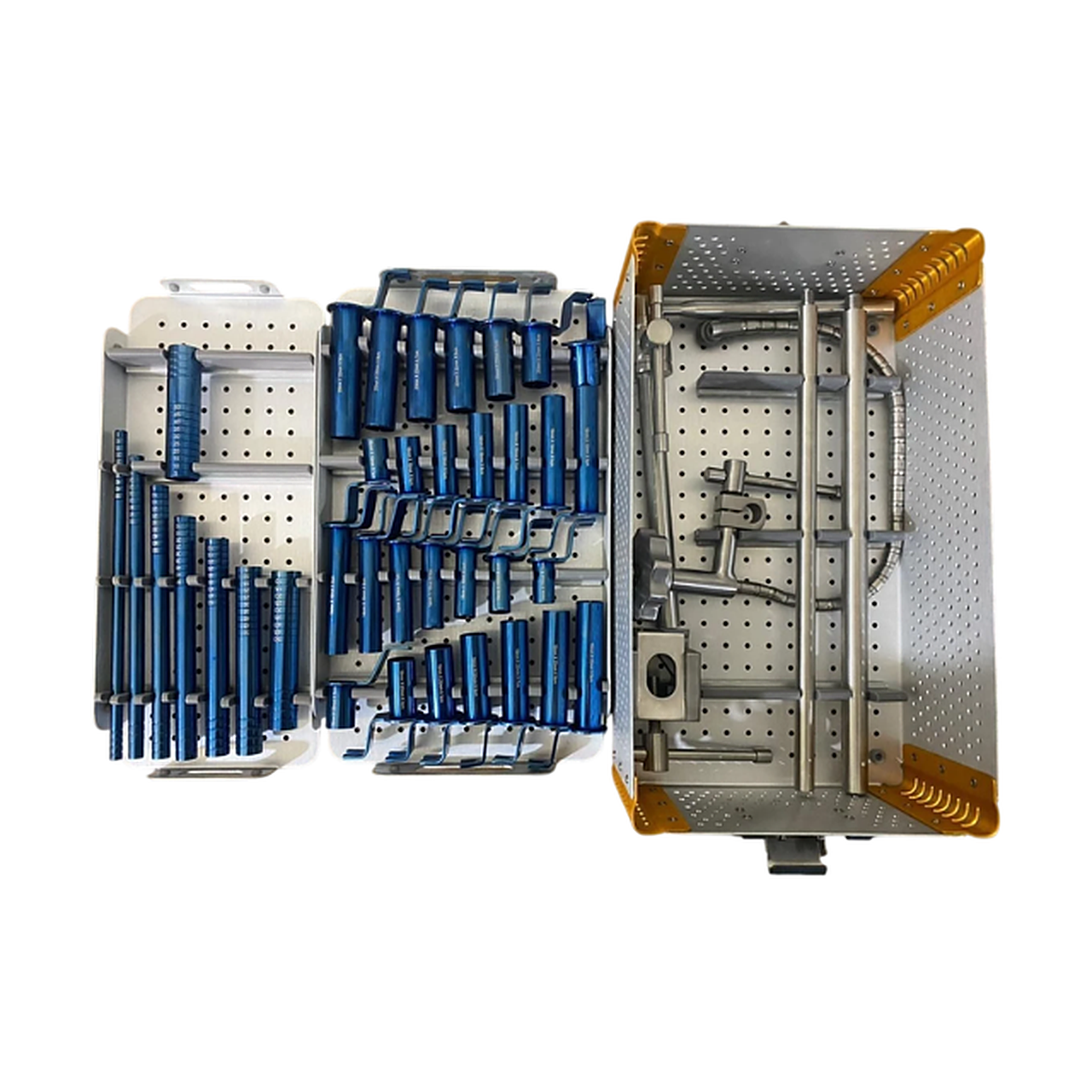 | Tubular Retractor System | Facilitates access during discectomy, laminectomy, stenosis treatment, MIS PLIF, MIS TLIF, and cervical foraminotomy. |
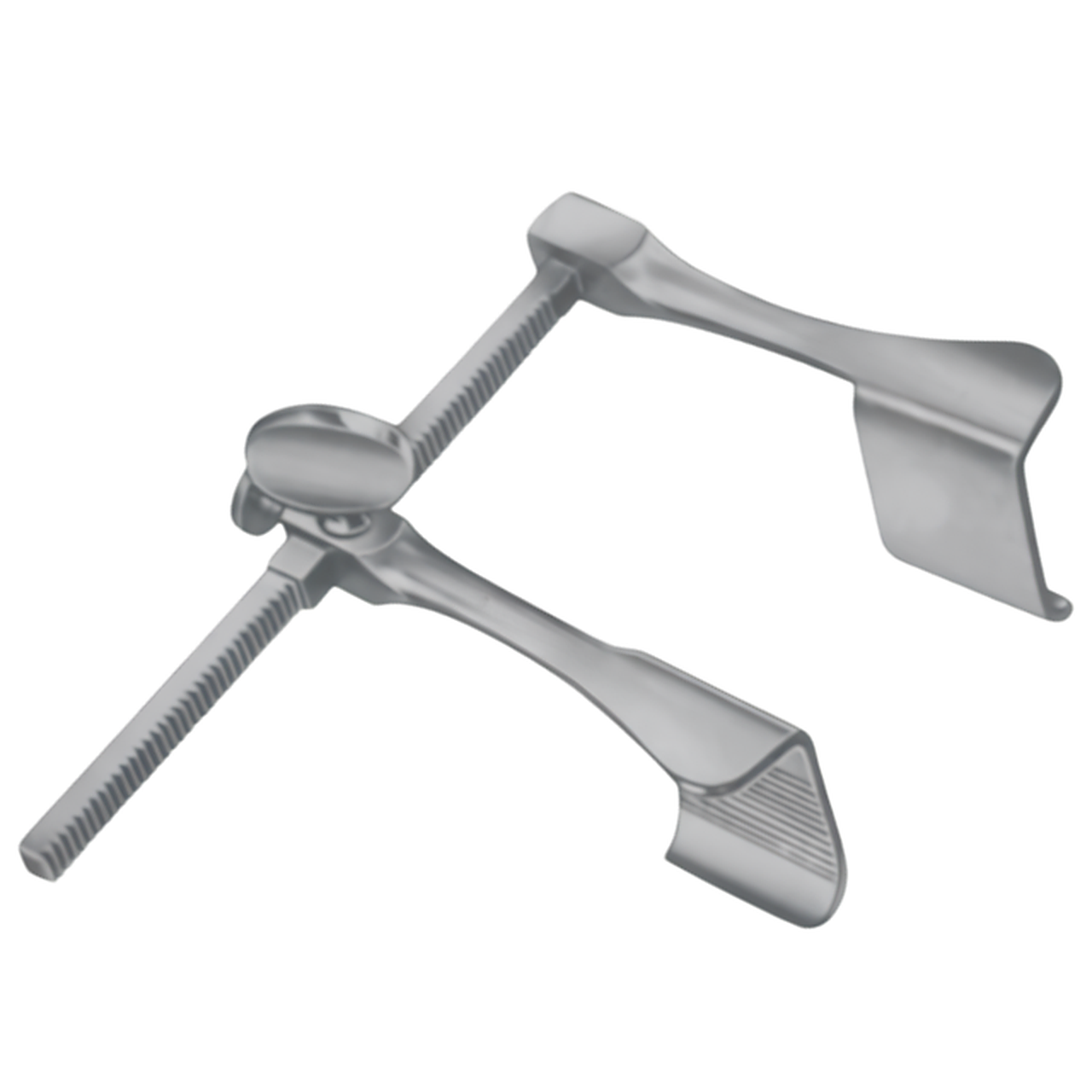 | Tuffier Rib Spreader | Specifically designed to separate adult ribs and maintain chest cavity exposure during open thoracotomy. |
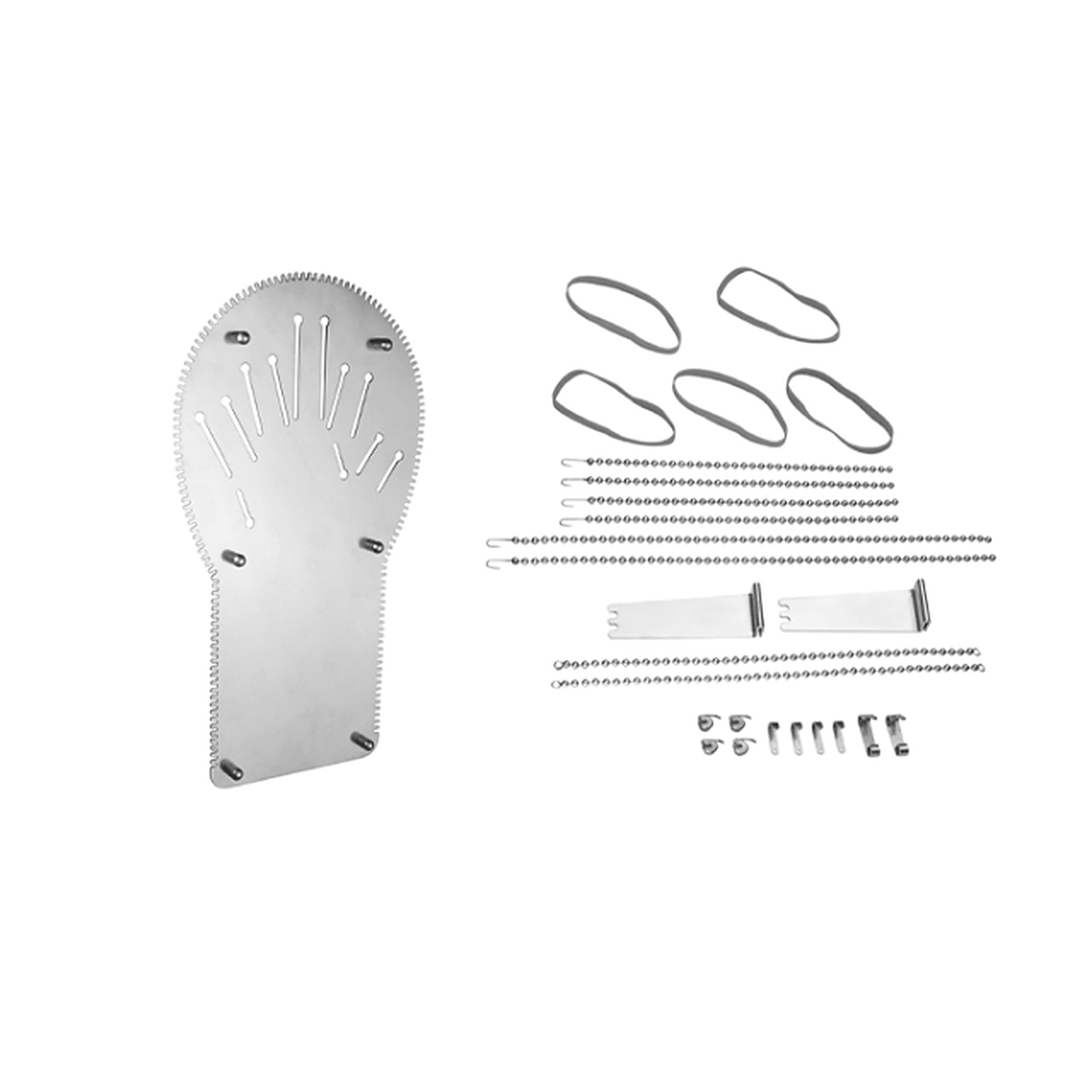 | Tupper’s Universal Hand Retractor | Specifically designed to provide controlled tissue retraction, limb stabilization, and hands-free surgical exposure during hand and microsurgical procedures. |
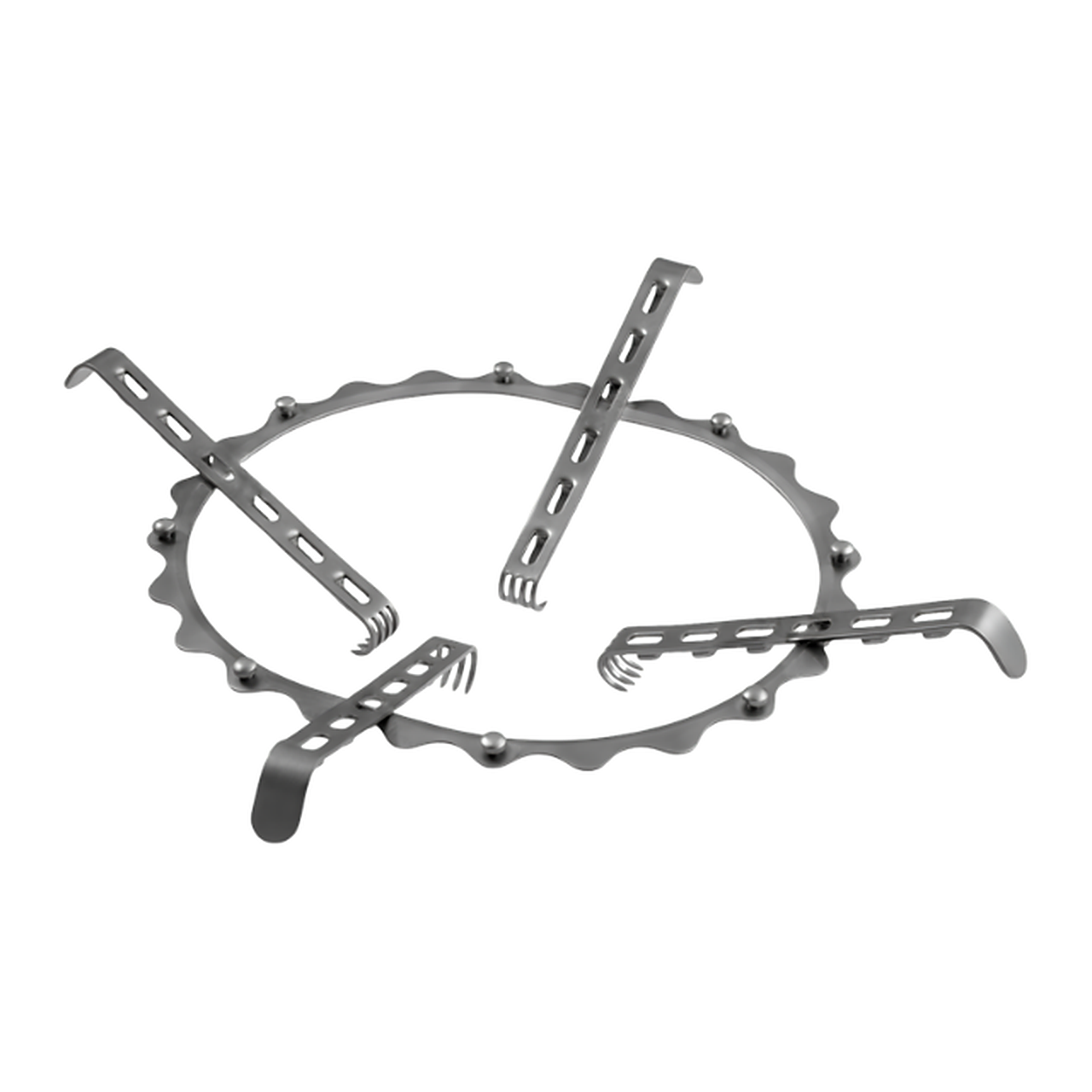 | Turner-Warwick Urological Retractor | Specifically designed to provide 360-degree self-retaining wound margin and visceral retraction during urological and pelvic surgery. |
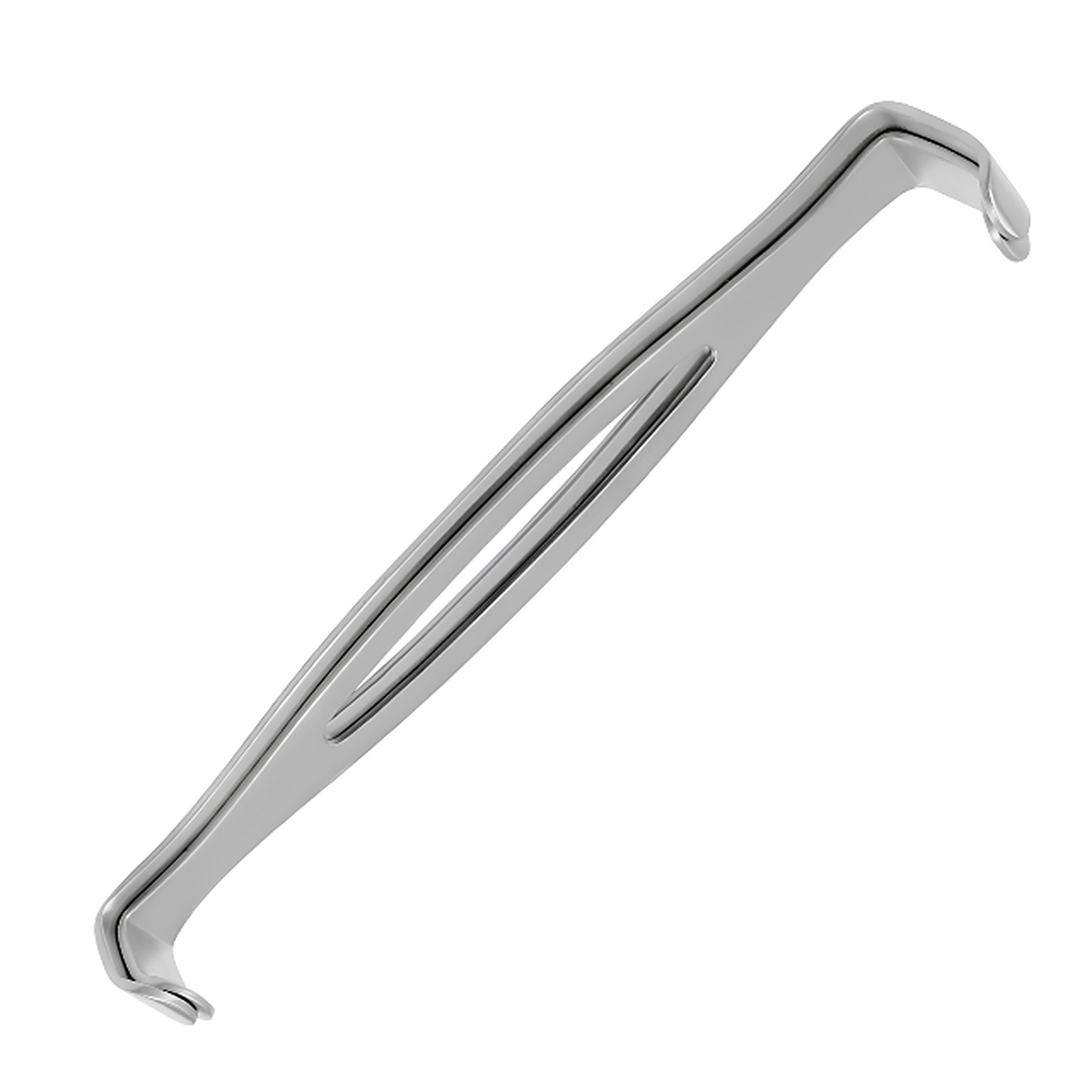 | US Army Retractor, Set of Two | Specifically designed to retract skin margins, fascia, and muscle tissue across superficial and intermediate surgical incisions. |
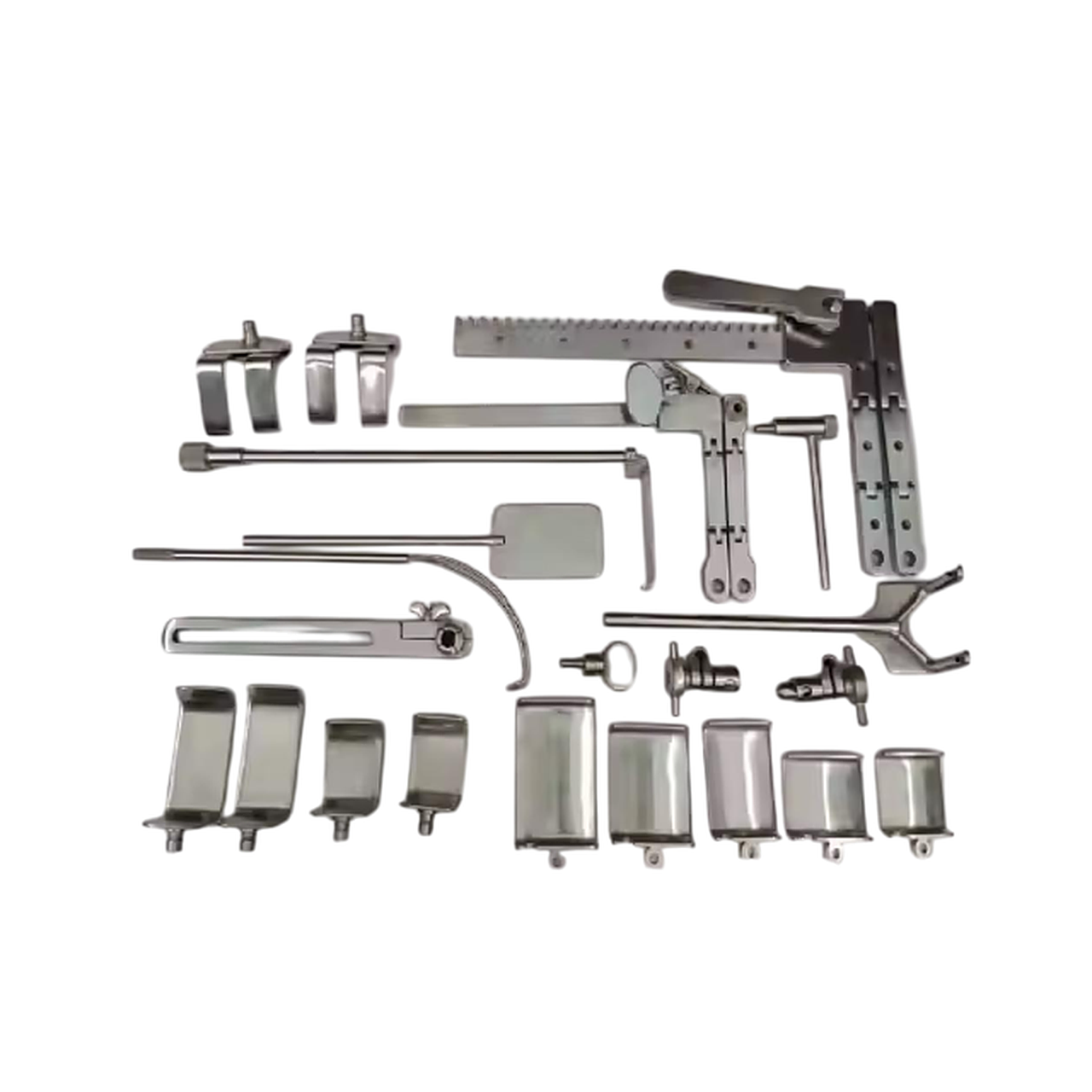 | Valve XS Retractor System | Specifically designed to provide stable tissue retraction and surgical exposure during lateral approach cardiac procedures, MICS CABG, and atrium lift setups. |
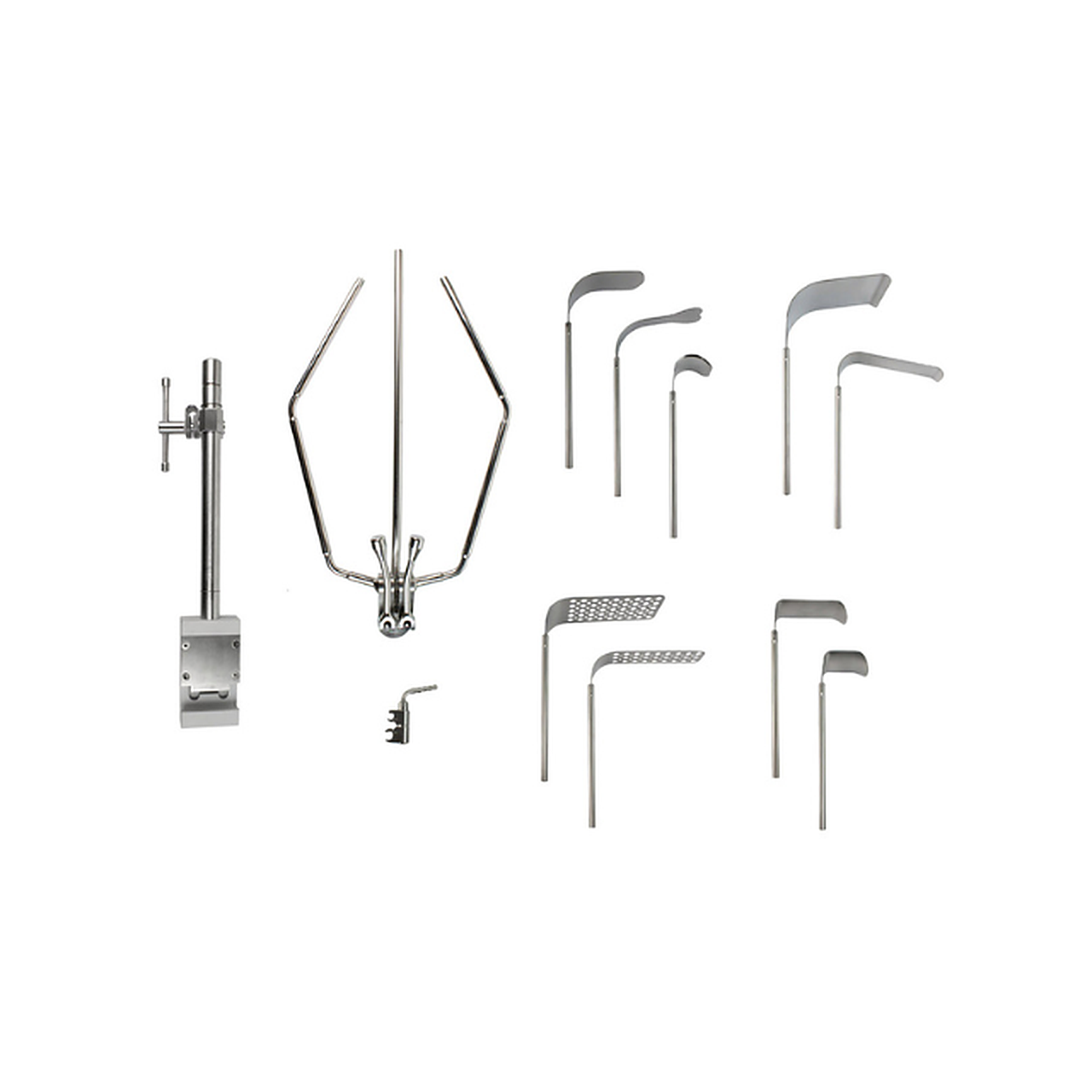 | Vascular Lobster System | Specifically designed for table-mounted, self-retaining tissue retraction and surgical field exposure during vascular procedures. |
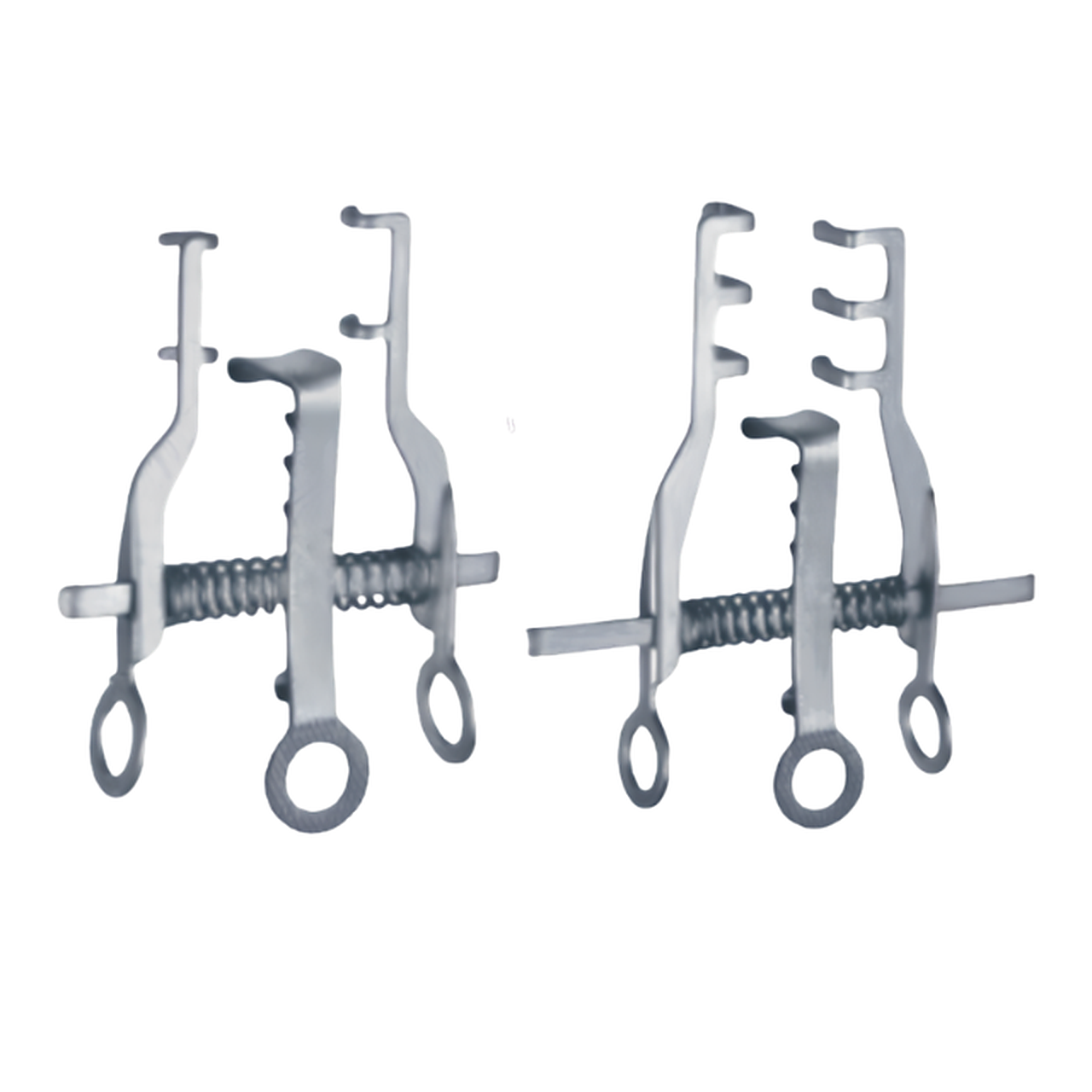 | Vickers Low Profile Retractor | Specifically designed to provide low-profile, self-retaining soft-tissue retraction during hand, wrist, and micro-surgery. |
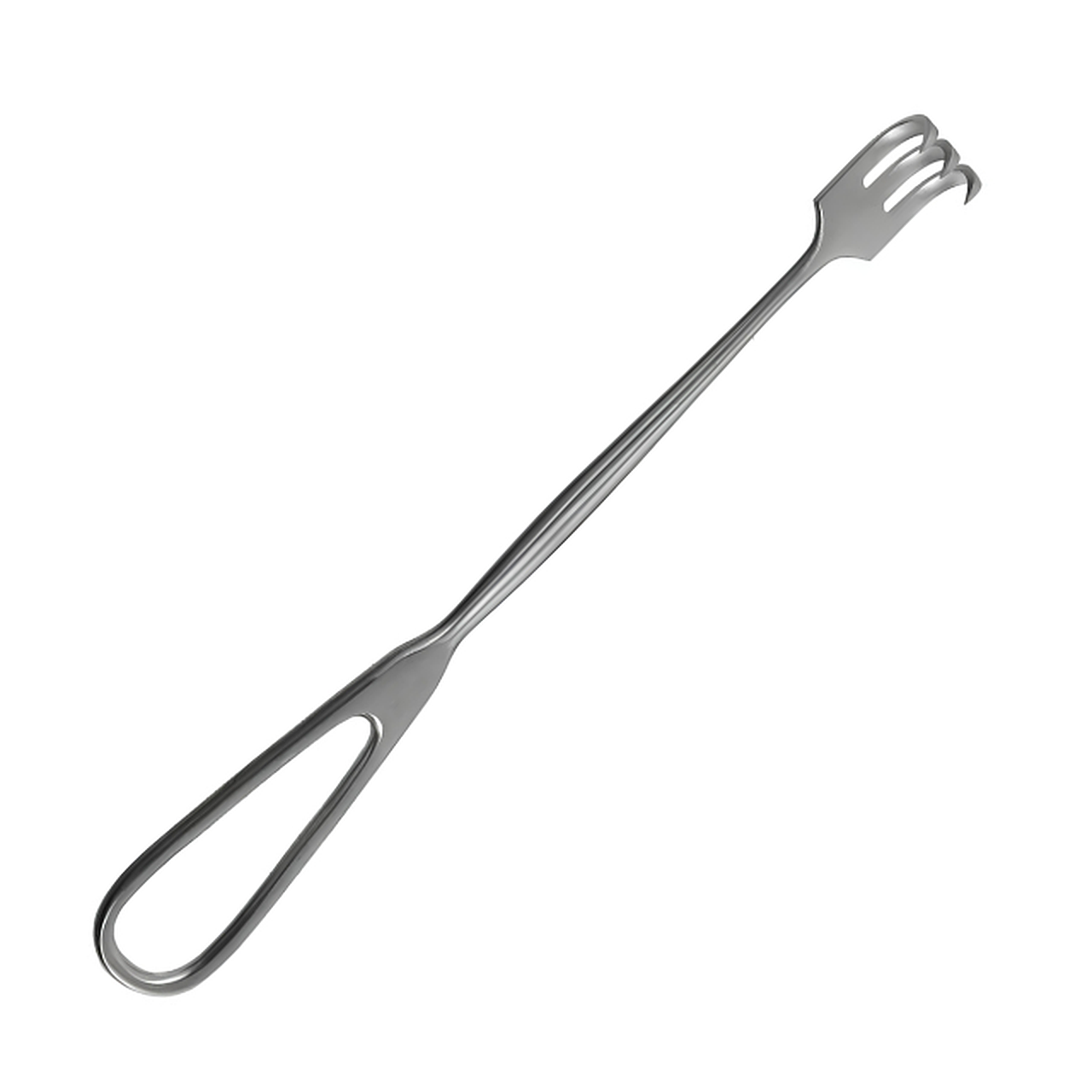 | Volkman Retractor-USA Pattern | Specifically designed to retract skin flaps, fascia, and muscle tissue during general, plastic, and orthopedic surgery. |
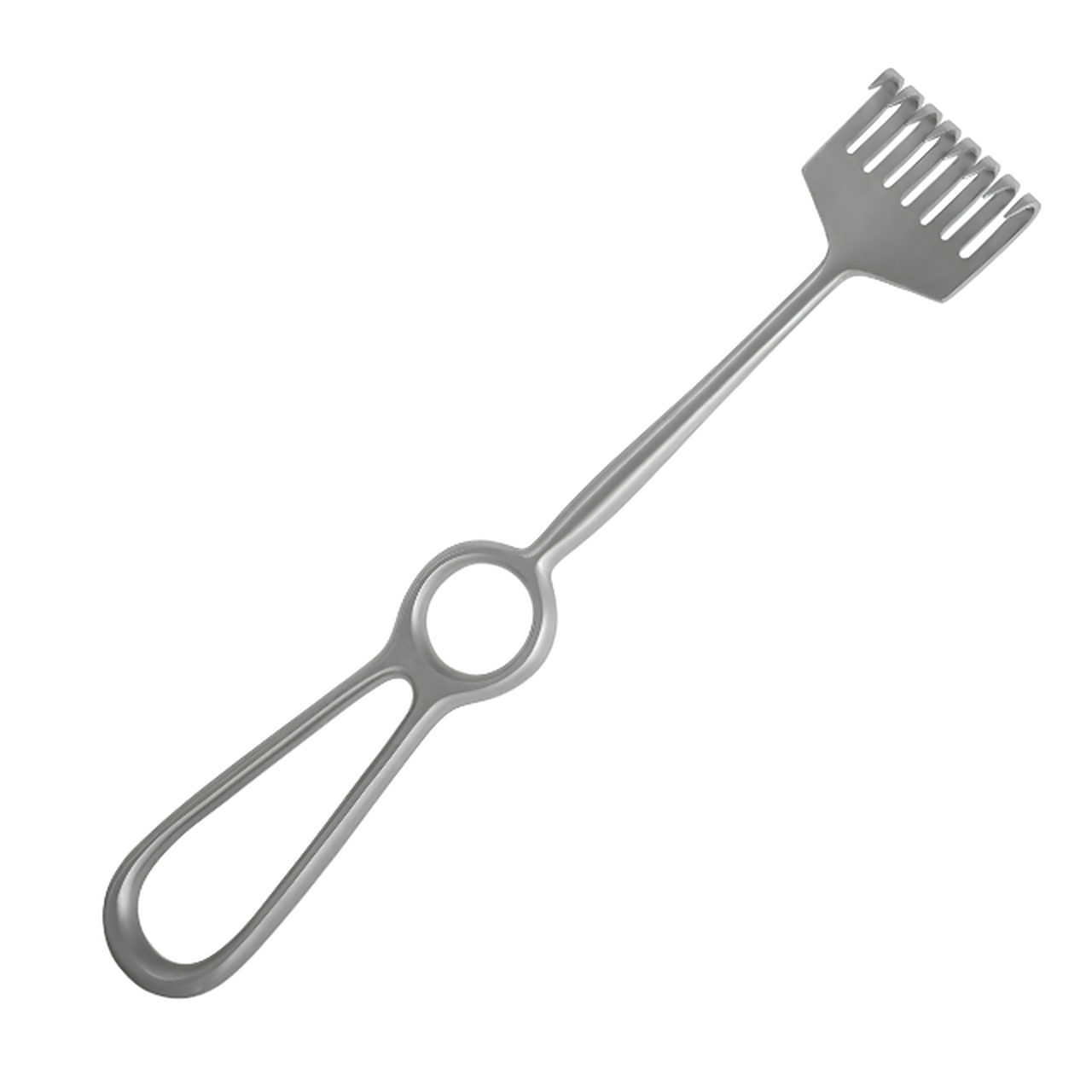 | Volkmann Retractor | Specifically designed to retract skin flaps, fascia, and dense tissue margins during general, plastic, and orthopedic surgery. |
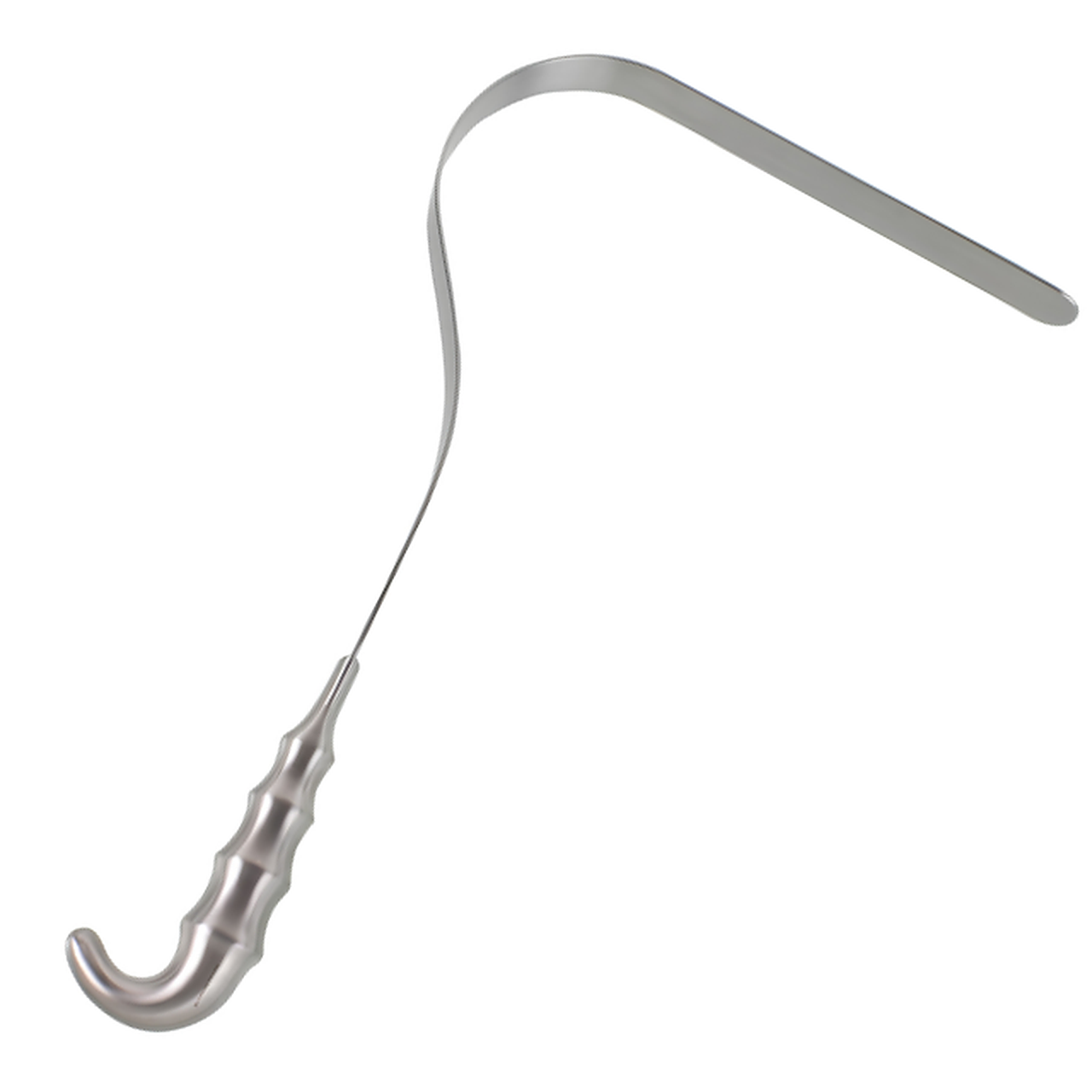 | W.M. Lemmon Deaver Retractor | Specifically designed to retract deep viscera, bowel, liver, and abdominal walls during major thoracic and abdominal surgery. |
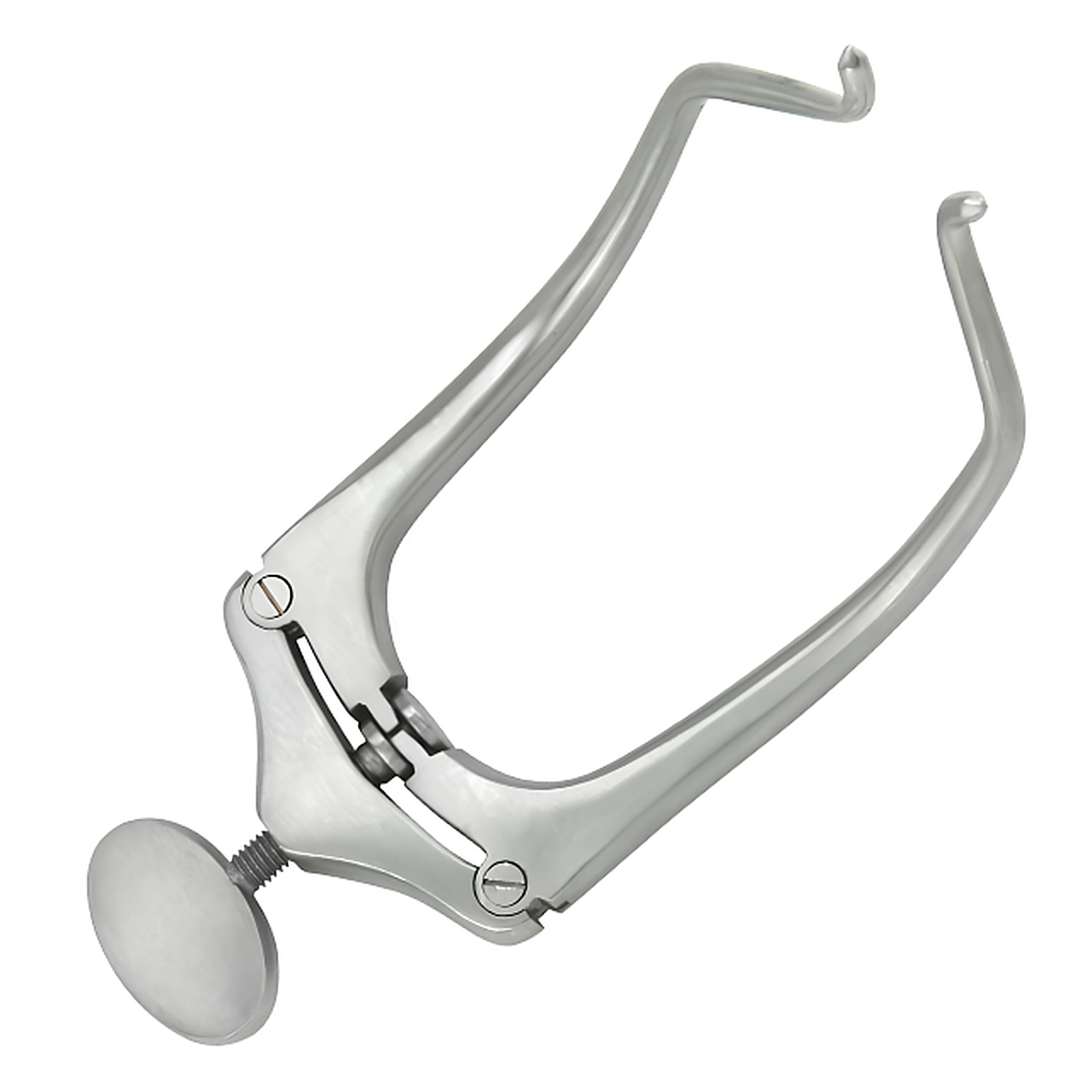 | Wallace Knee Retractor | Specifically designed to provide self-retaining capsular and soft-tissue retraction during knee arthrotomy and reconstructive surgery. |
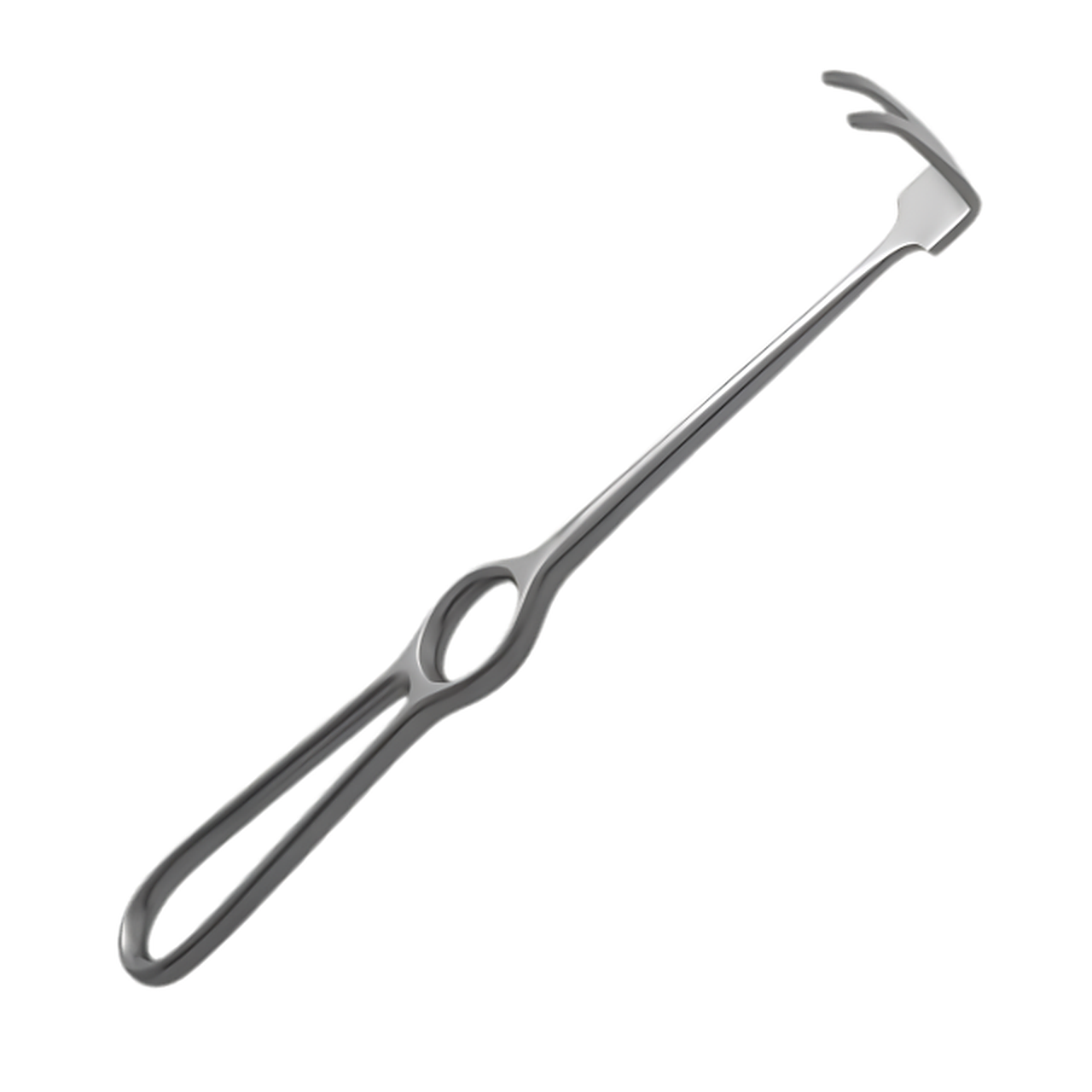 | Wassmund Soft Tissue Retractor | Specifically designed to retract the cheeks, lips, and mucoperiosteum during oral and maxillofacial surgery. |
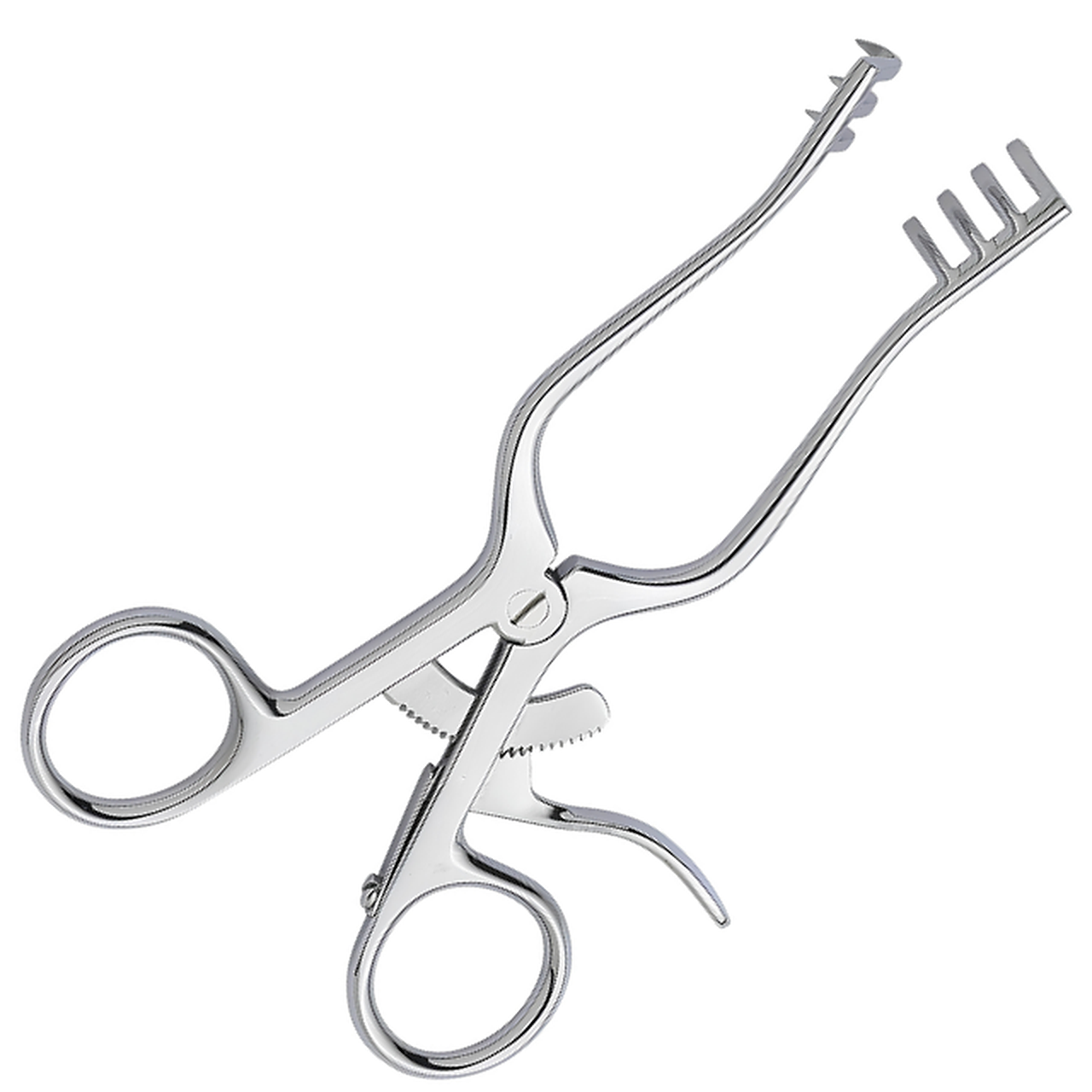 | Weitlaner Retractor | Specifically designed to provide self-retaining, hands-free wound margin retraction across minor, general, and deep orthopedic surgery. |
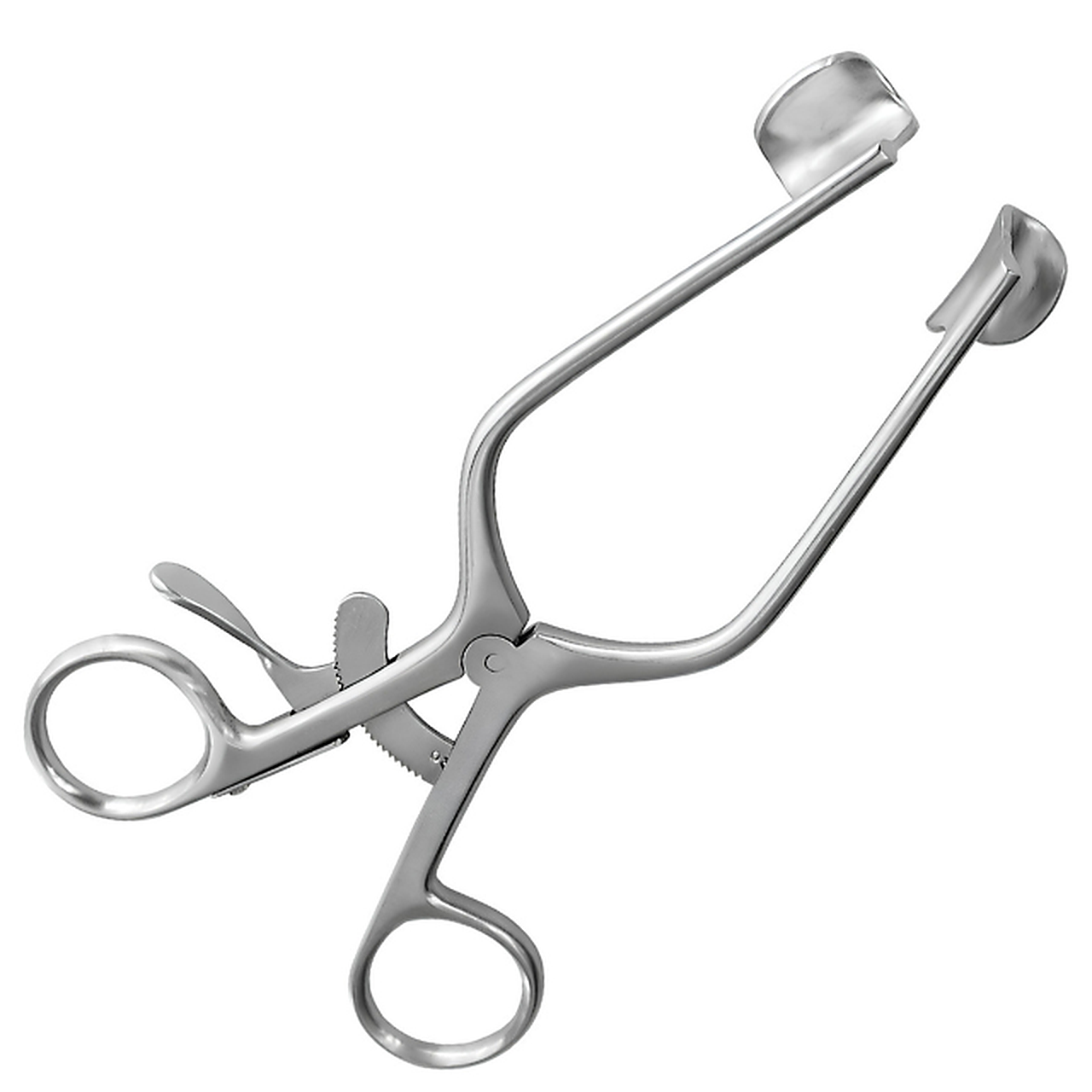 | Wide Self-Retaining Retractor | Specifically designed to provide self-retaining, broad-surface wound margin retraction without tissue herniation. |
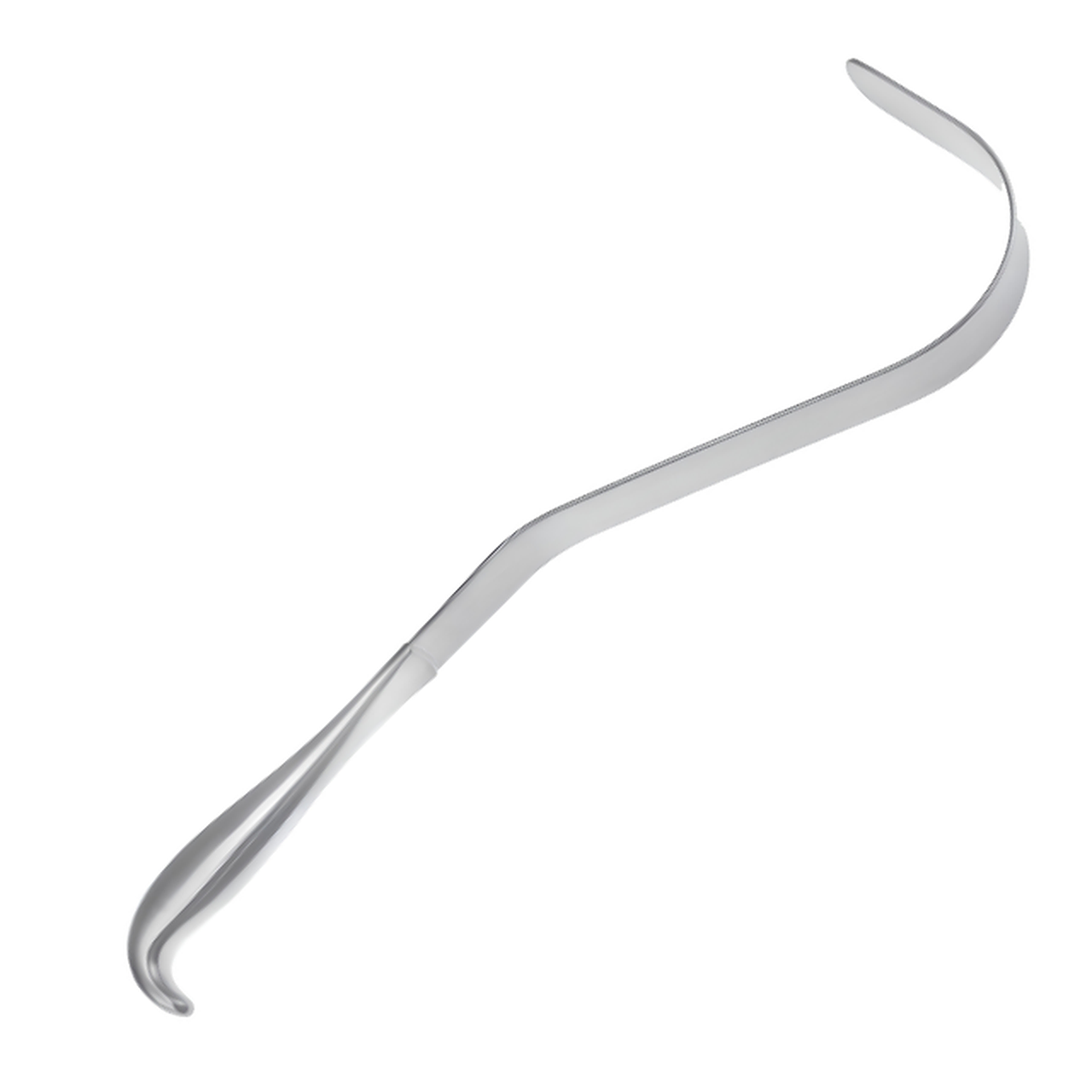 | Willauer-Deaver Retractor | Specifically designed to retract lung parenchyma, viscera, and deep tissue margins during thoracic and abdominal surgery. |
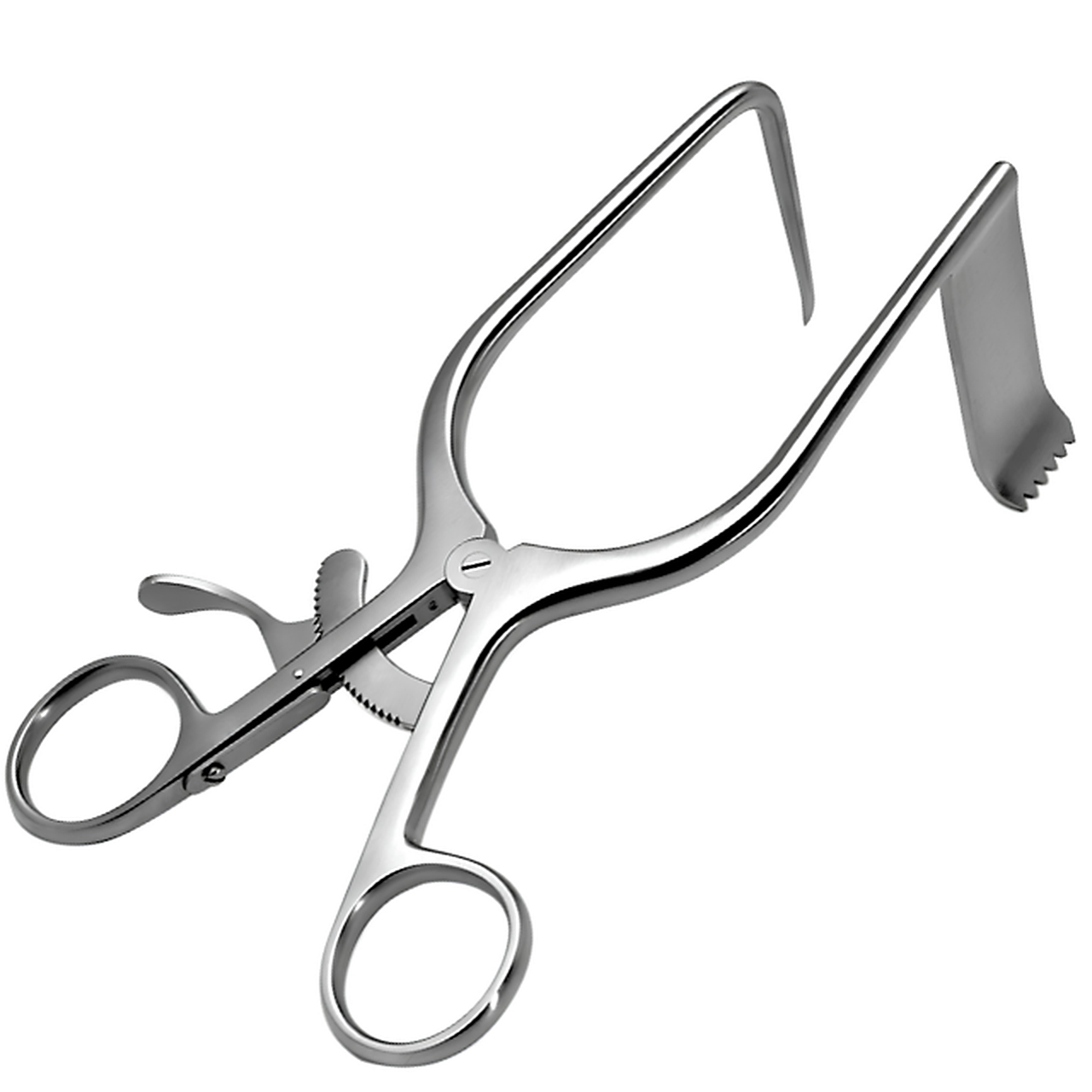 | Williams Discectomy Retractor | Specifically designed to retract paraspinal muscle and tissue margins during microsurgical lumbar discectomy and laminotomy. |
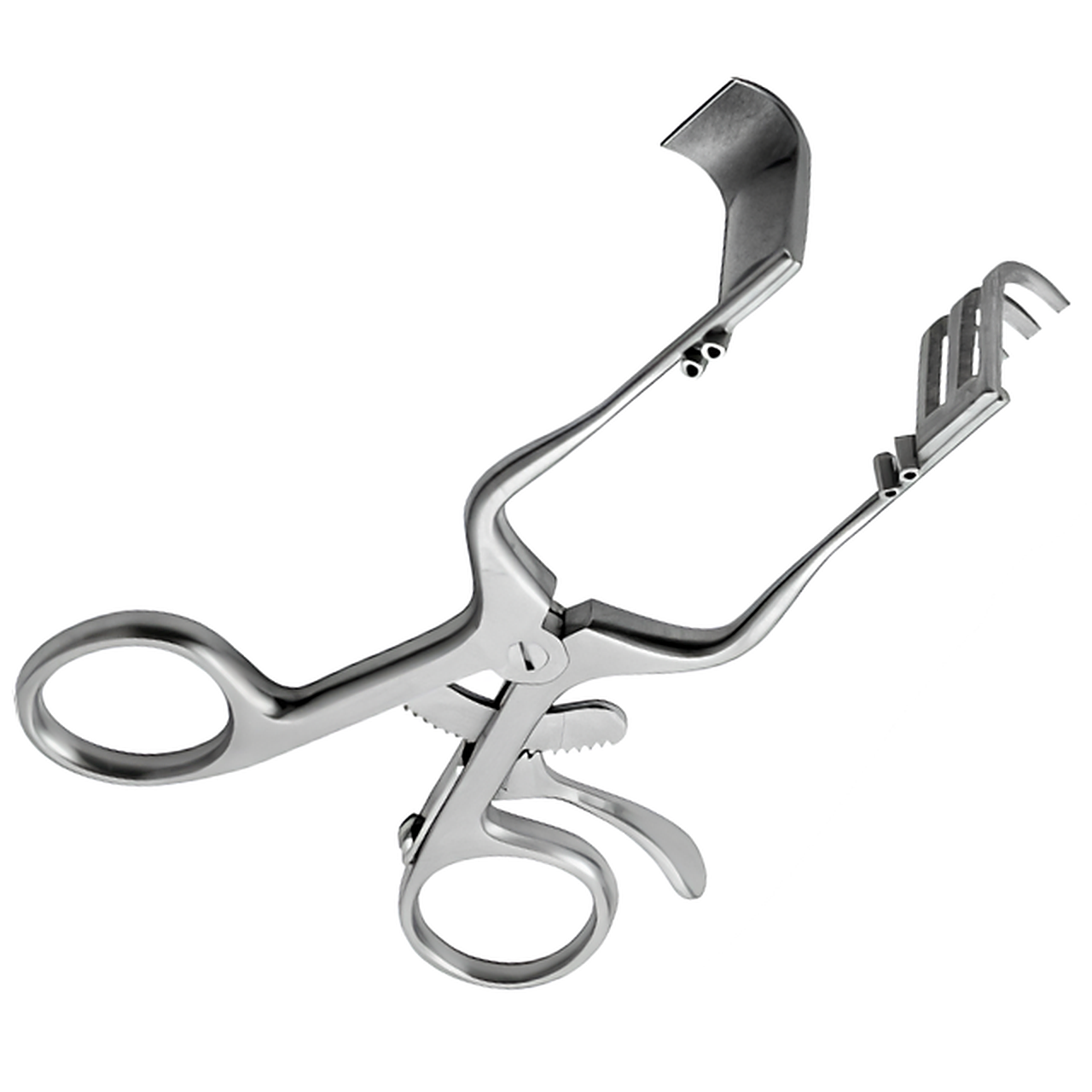 | Williams Distal Radius Fracture Retractor | Specifically designed to retract the pronator quadratus and flexor tendons to expose the volar distal radius during fracture plating. |
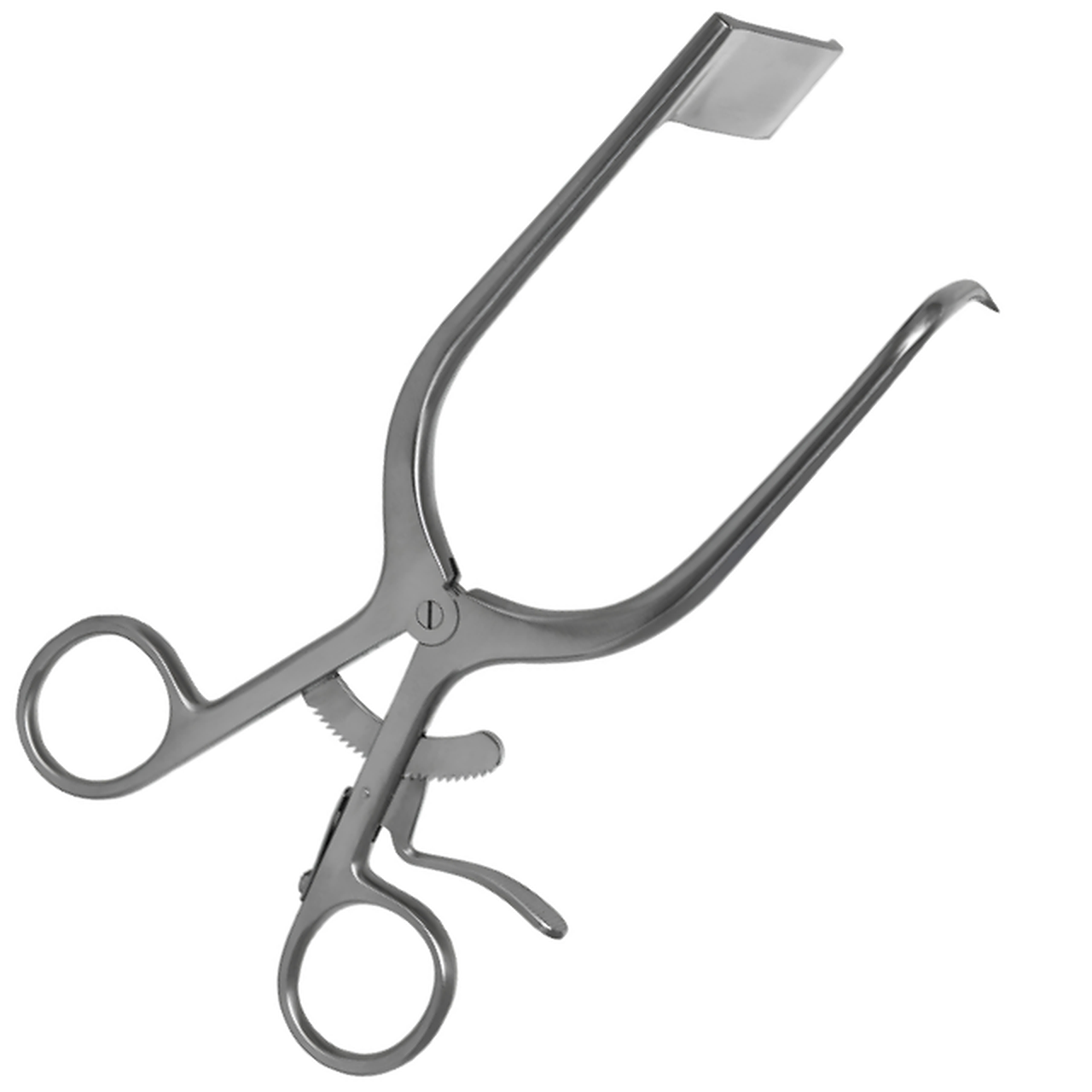 | Williams Spinal Discectomy Retractor | Specifically designed to retract paraspinal musculature and expose the lamina during lumbar microdiscectomy. |
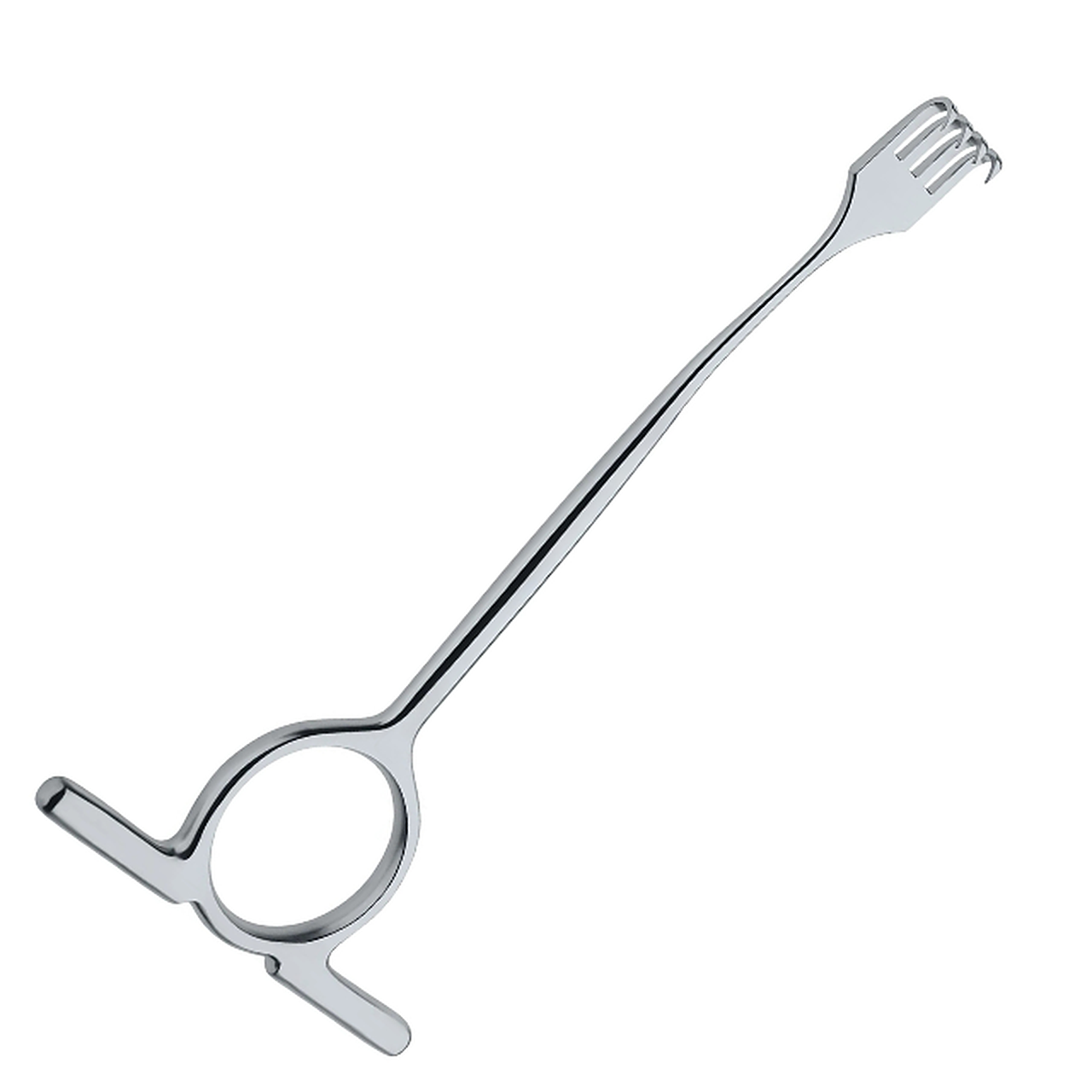 | Williger Retractor | Specifically designed to retract mucoperiosteal flaps and soft tissues to expose bone during oral, dental, and maxillofacial surgery. |
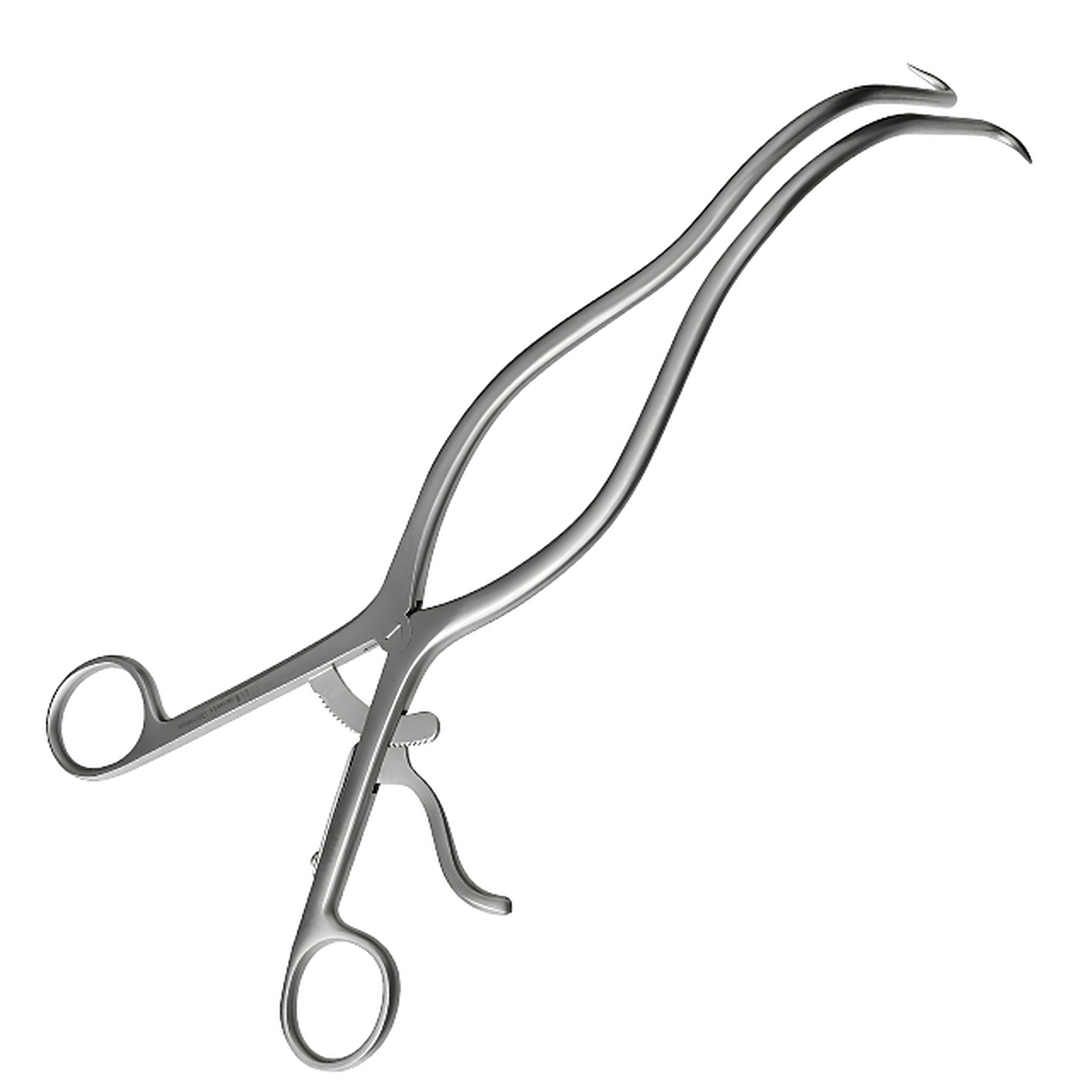 | Wiltse-Gelpi Self-Retaining Retractor | Specifically designed to retract heavy paraspinal musculature during posterolateral spinal fusion and decompression. |
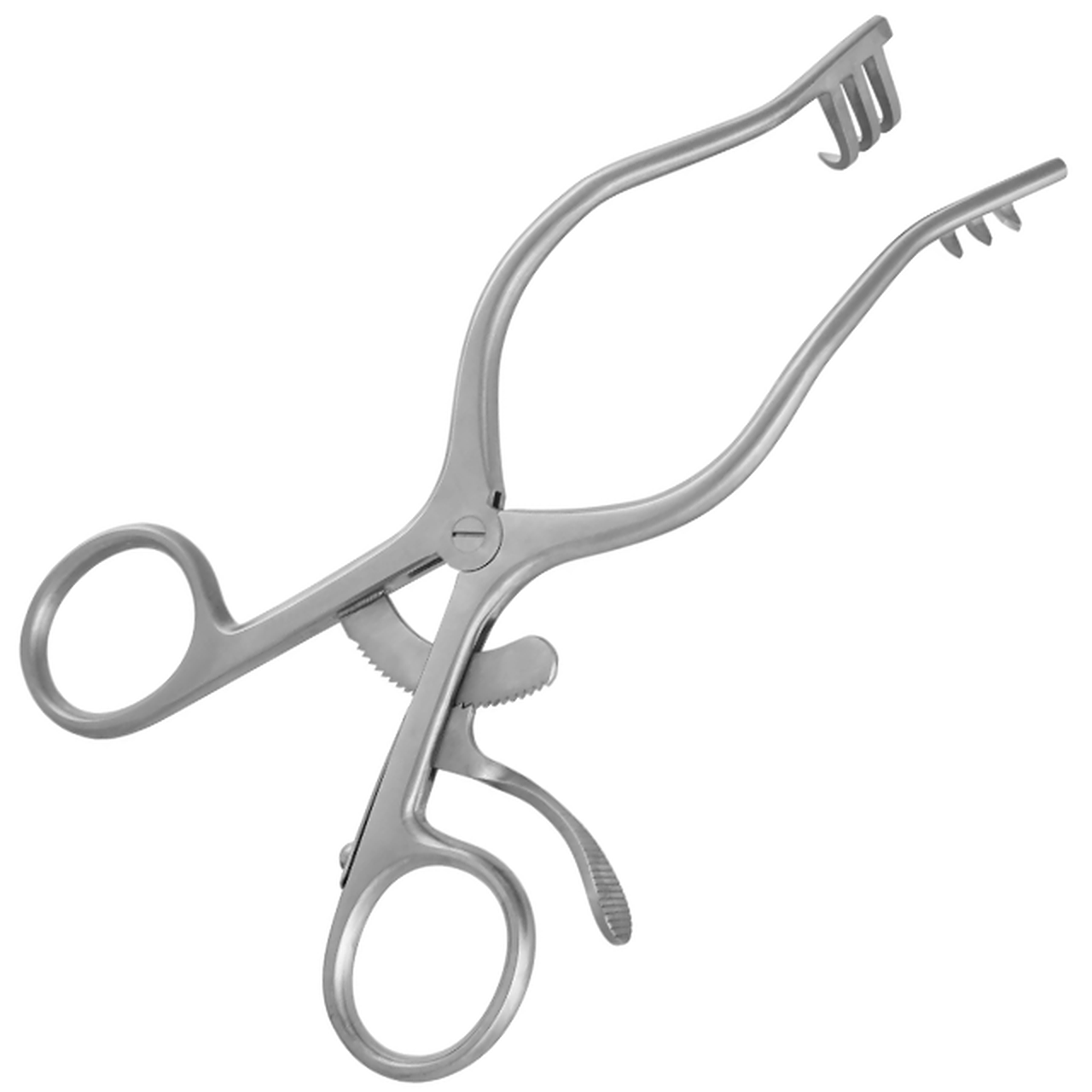 | Wullstein Weitlaner Self Retaining Retractor | Specifically designed to provide self-retaining wound margin and soft-tissue retraction during ear, scalp, and minor surgery. |
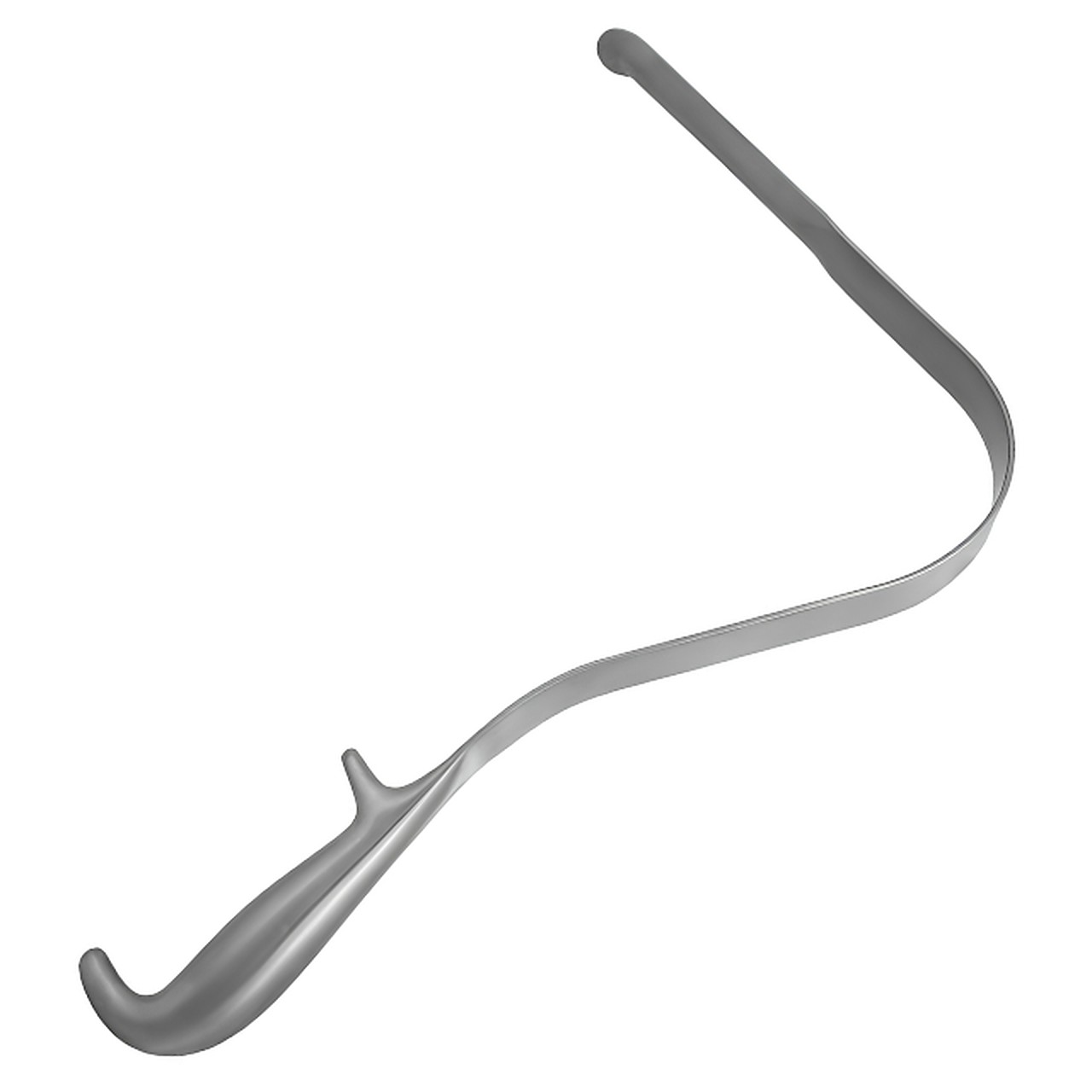 | Wylie Renal Vein Retractor | Specifically designed to retract and protect the renal vein, vena cava, and major retroperitoneal vessels during vascular and urological surgery. |
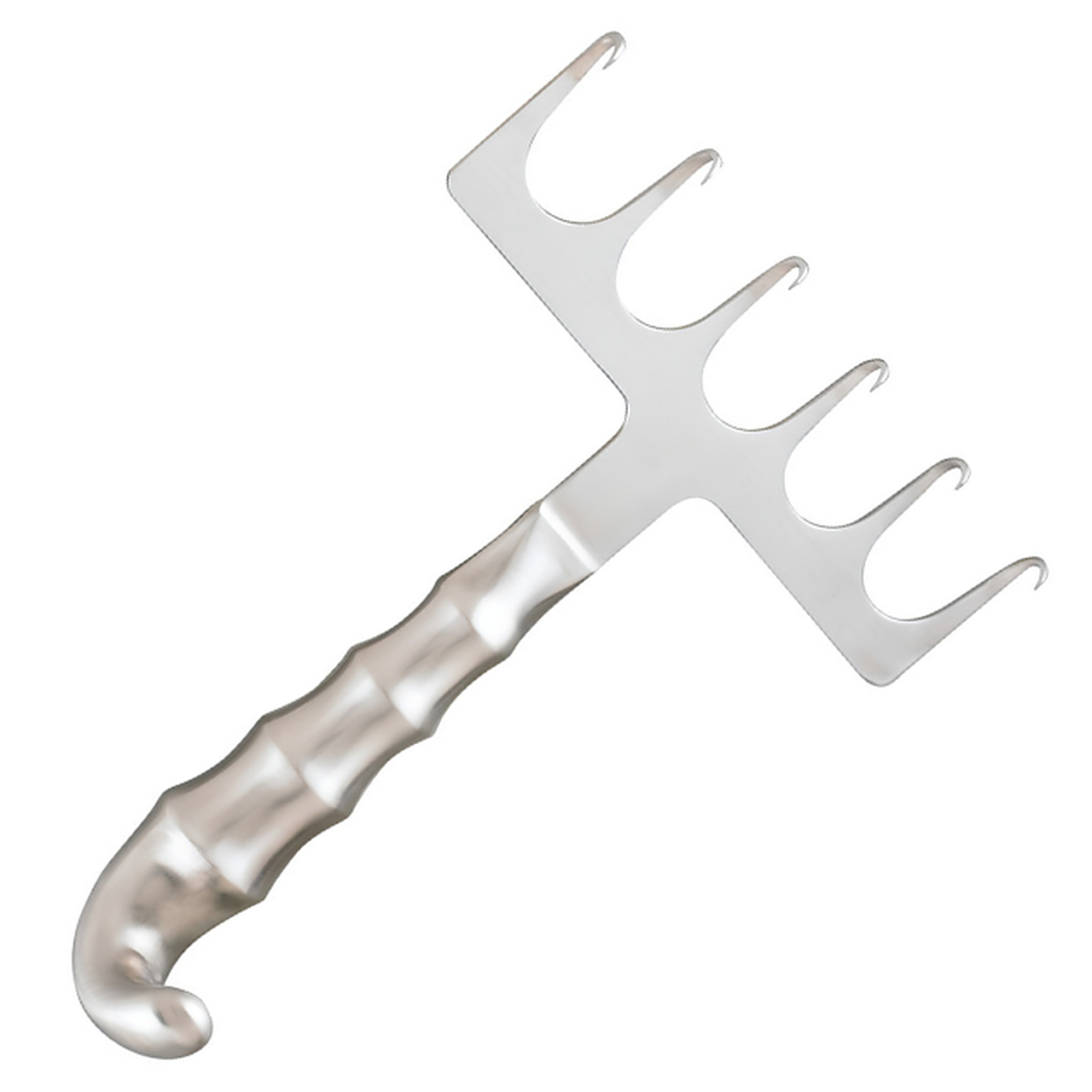 | Yancoskie Abdominoplasty Retractor | Specifically designed to elevate large abdominal skin flaps and expose the rectus sheath during abdominoplasty and panniculectomy. |
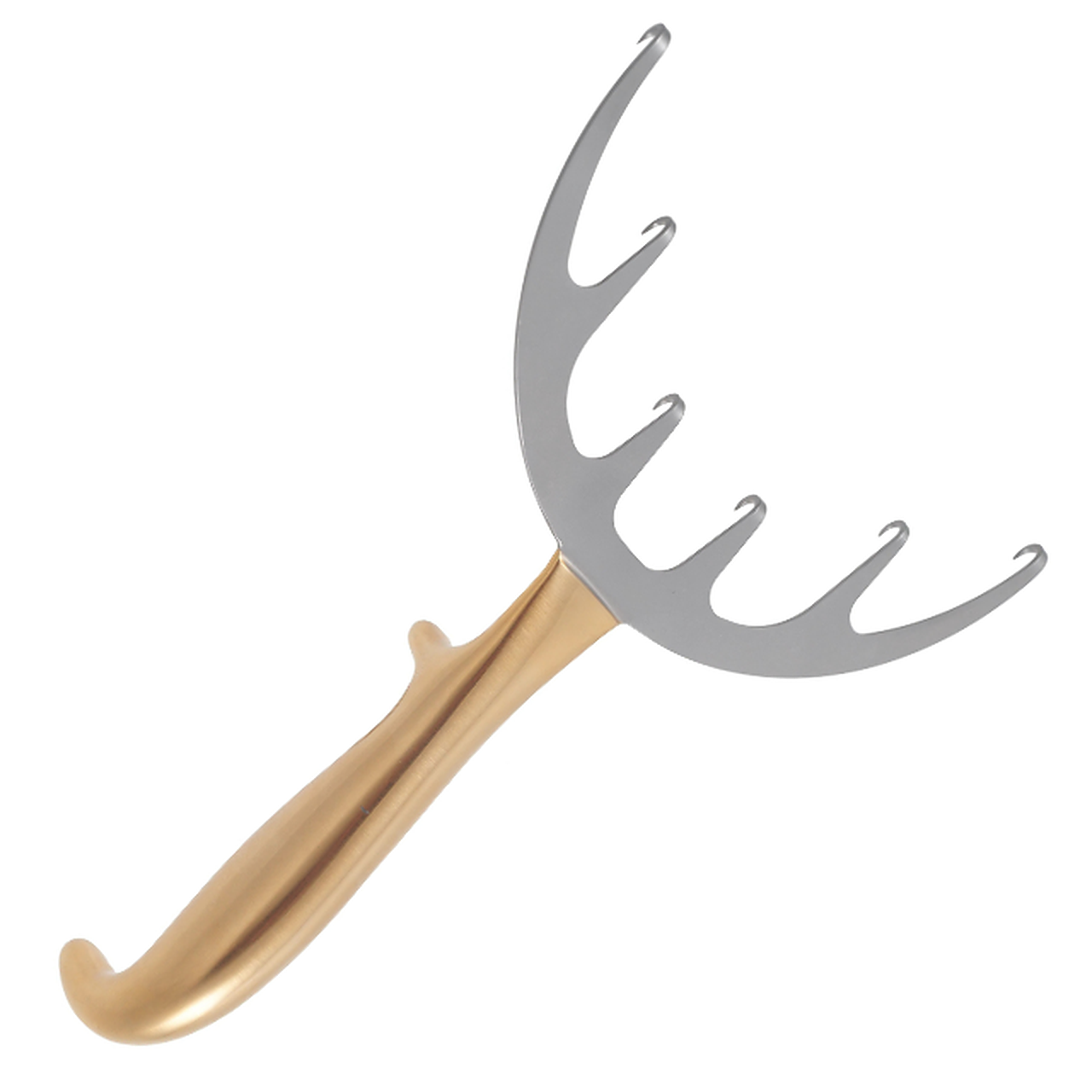 | Yancoskie Coronal Lift Retractor | Specifically designed to elevate and retract the scalp and forehead flap during coronal brow lifts and craniofacial surgery. |
 | Zalkind Malleable Ribbon Retractor | Specifically designed to bend into custom intraoperative shapes to retract viscera, bowel, and deep soft tissue without springback. |
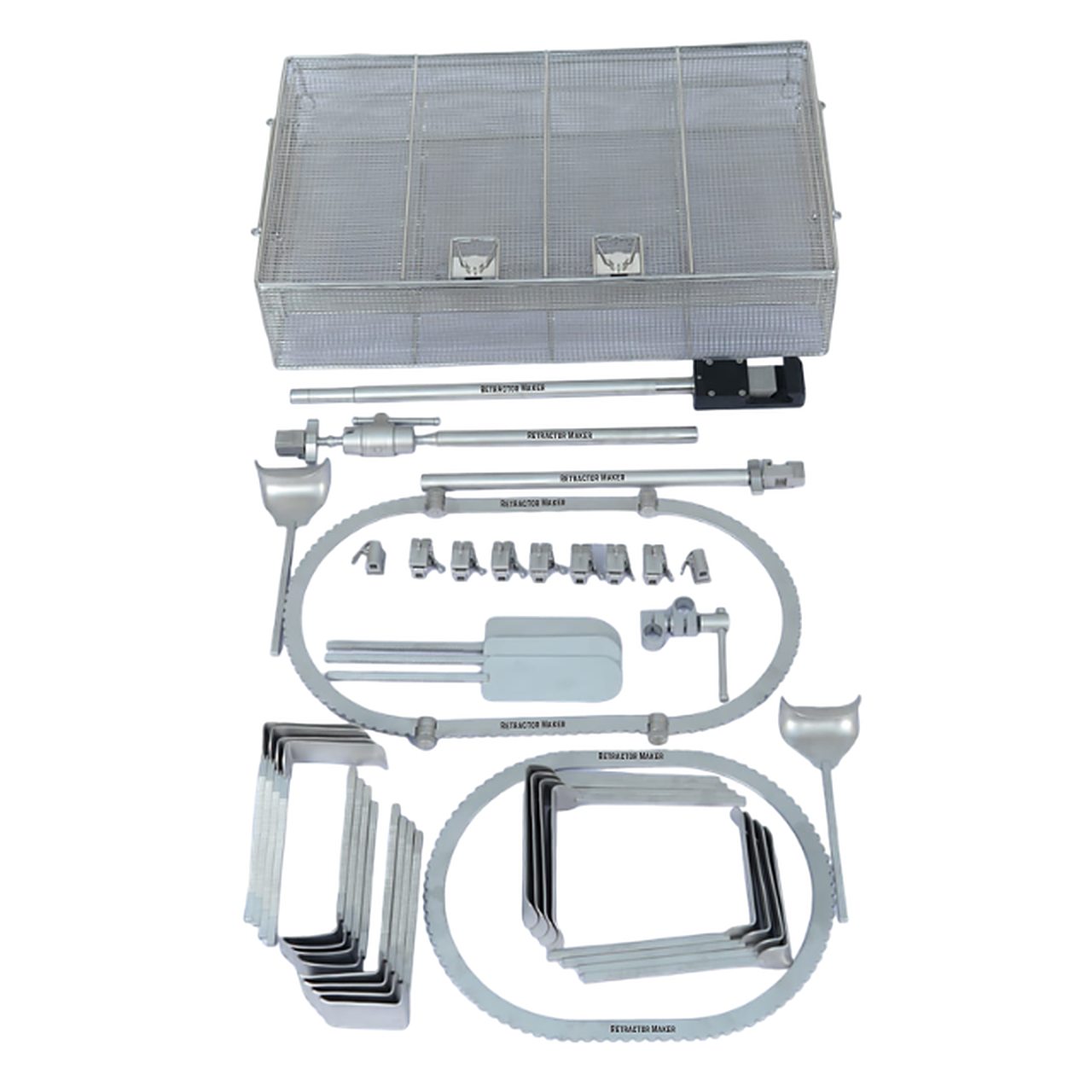 | Bookwalter Retractor (Standard) | Provides stable, hands-free wound exposure during major open surgeries, including procedures such as nephrectomy, prostatectomy and exploratory laparotomy. |
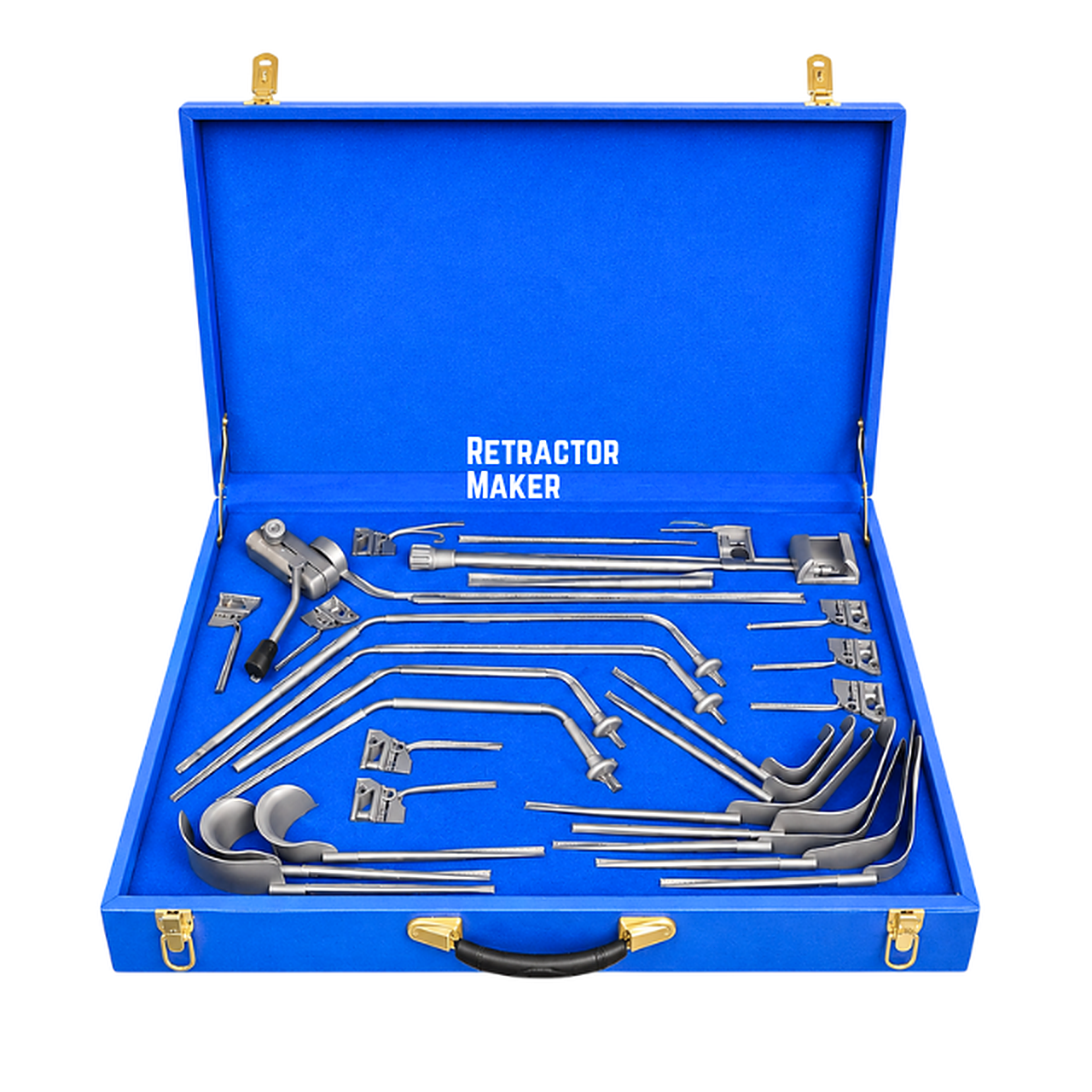 | Omni Retractor System | Provides highly adaptable, low-profile, hands-free exposure during complex open surgeries. |
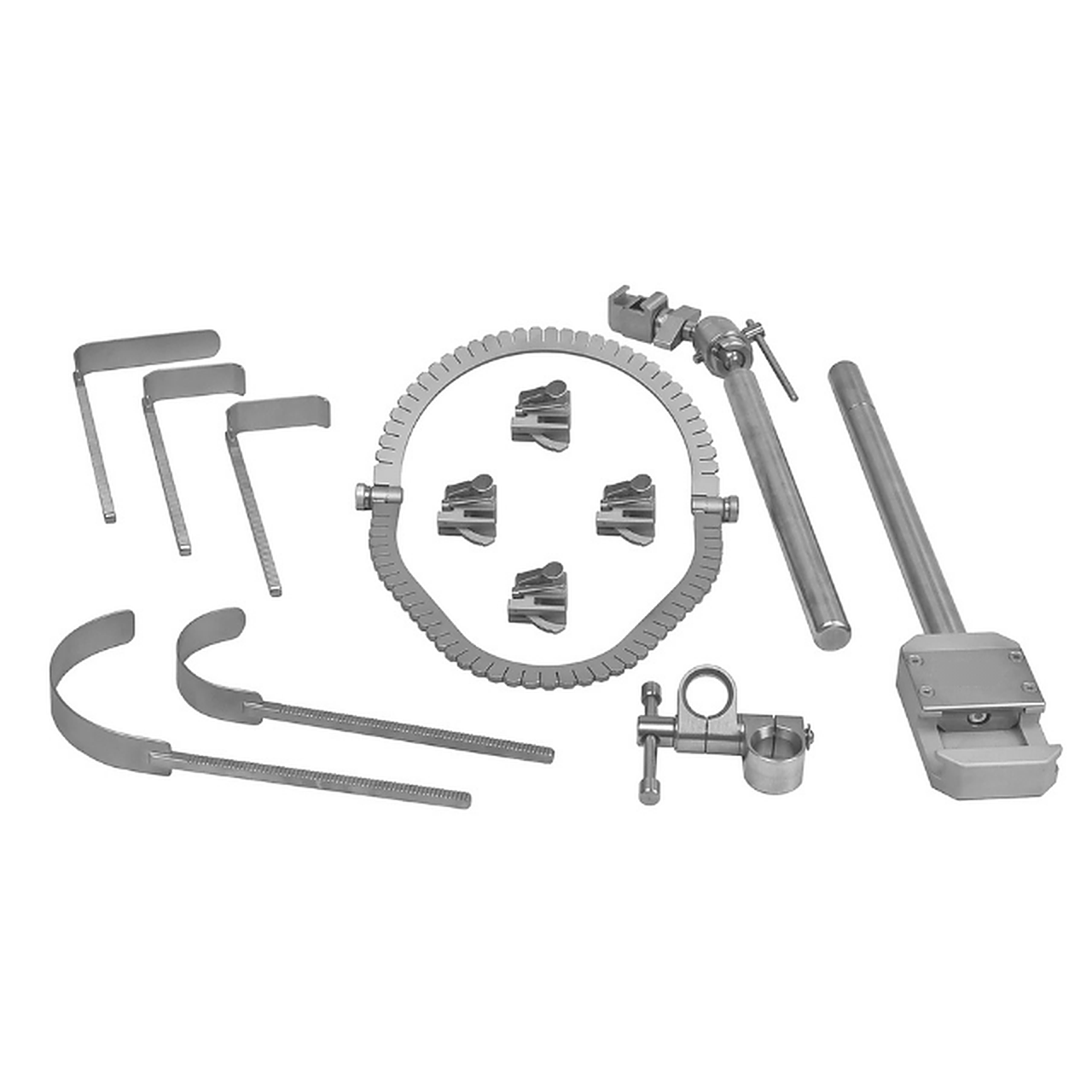 | Bookwalter GYN Retractor System | Designed to provide stable, hands-free surgical exposure during gynecological and vaginal procedures using a table-mounted self-retaining retractor system. |
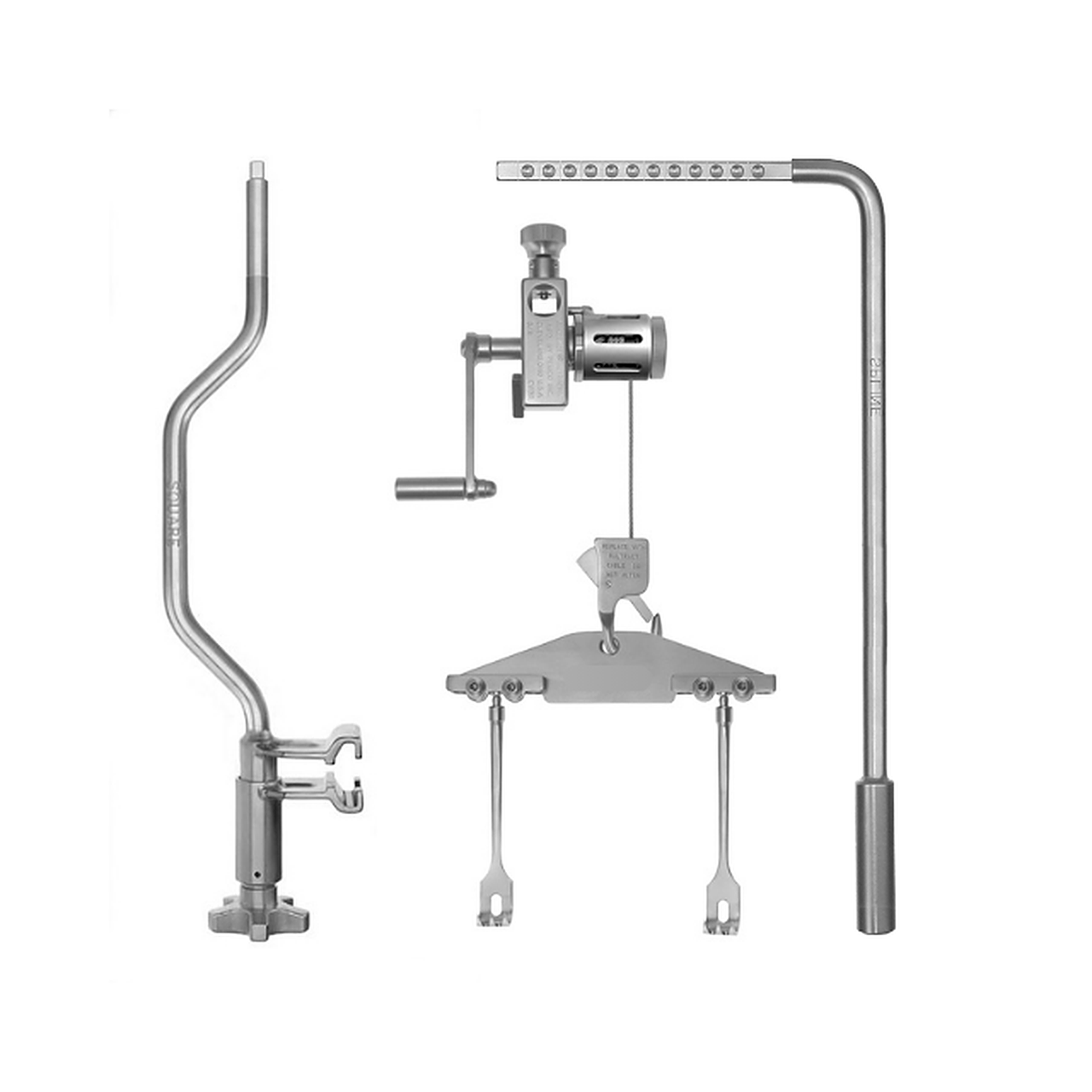 | Rultract Retractor System | Designed to provide stable, hands-free tissue displacement and consistent surgical exposure, supporting surgical efficiency during operative procedures. |
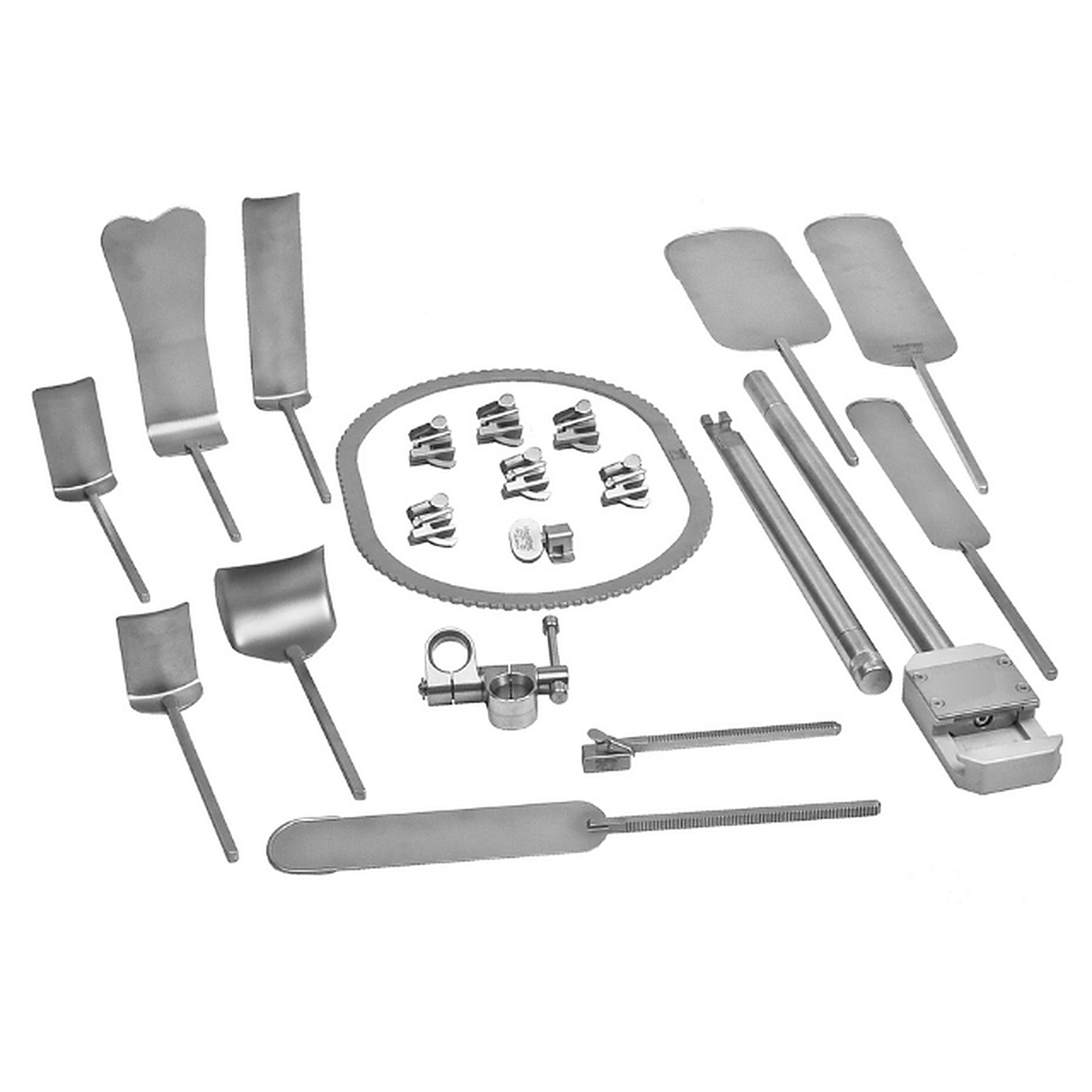 | Bookwalter Bariatric Retractor System | Designed to provide hands-free surgical exposure during open bariatric procedures requiring specialized retraction. |
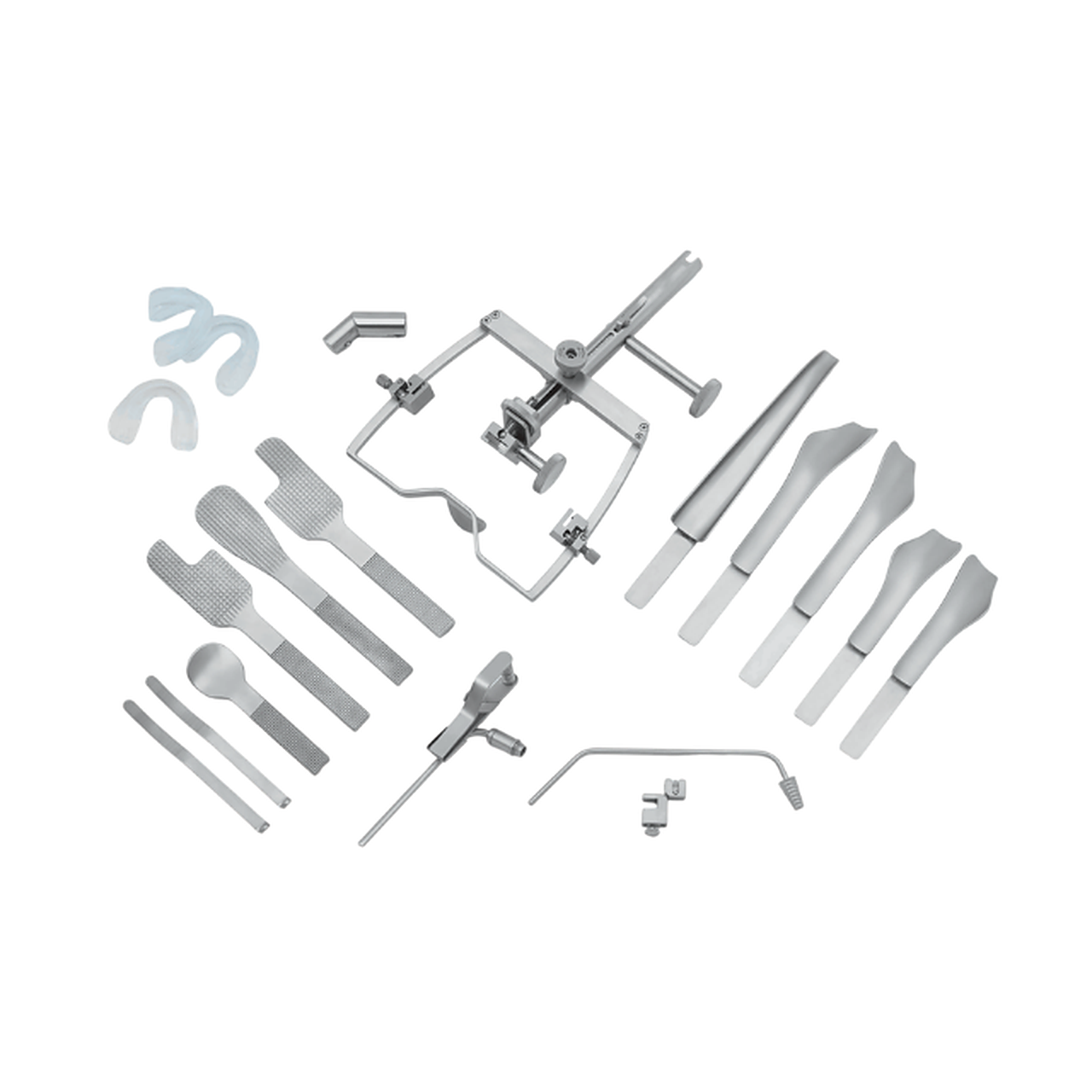 | FK Retractor (Feyh-Kastenbauer) | Specifically engineered for upper aerodigestive tract exposure during Trans-Oral Robotic Surgery (TORS), microsurgery, and laser procedures involving the tongue base, larynx, supraglottis, and hypopharynx. |
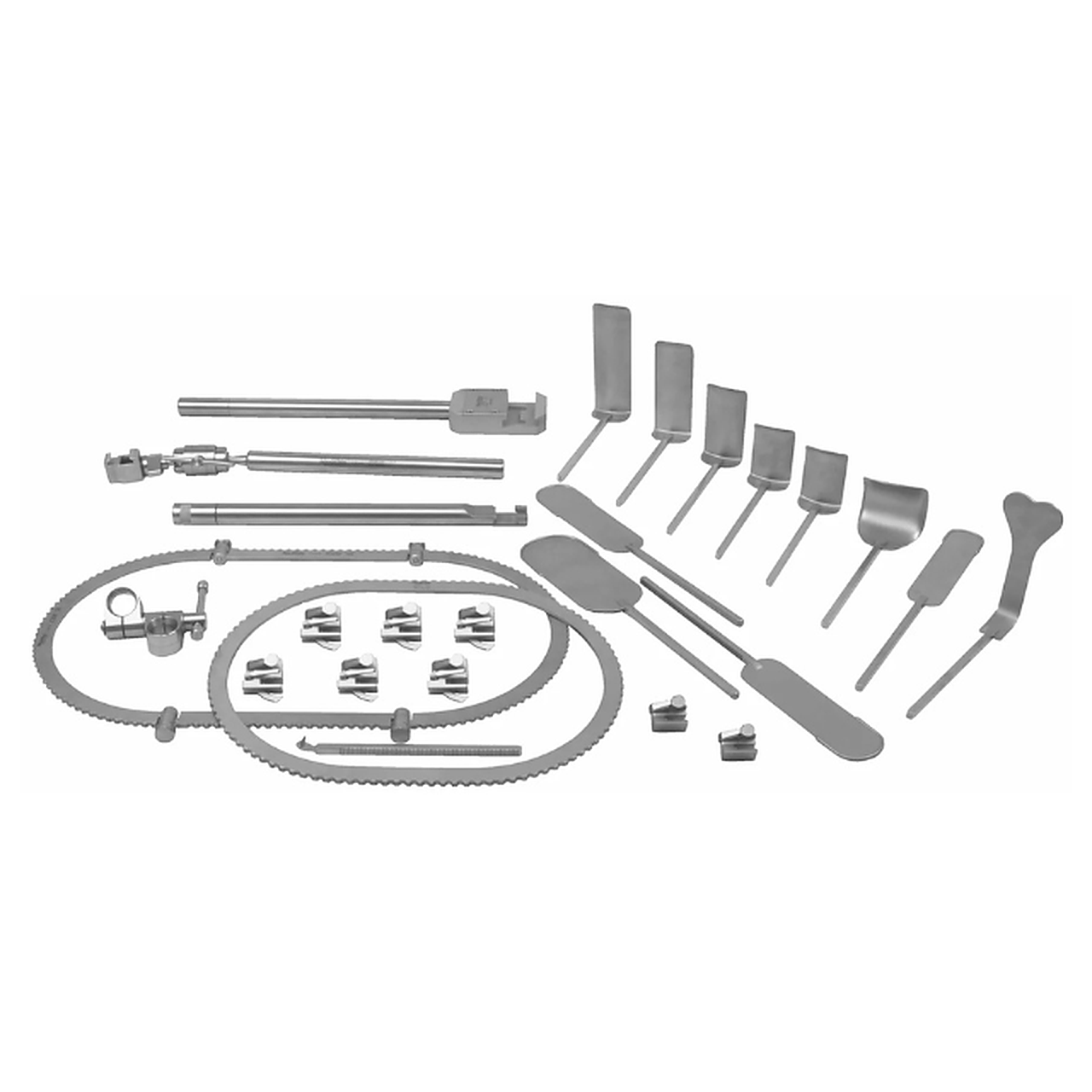 | Bookwalter General Surgery Retractor | Provides stable, hands-free surgical exposure during open abdominal and general surgical procedures using a table-mounted self-retaining retractor system. |
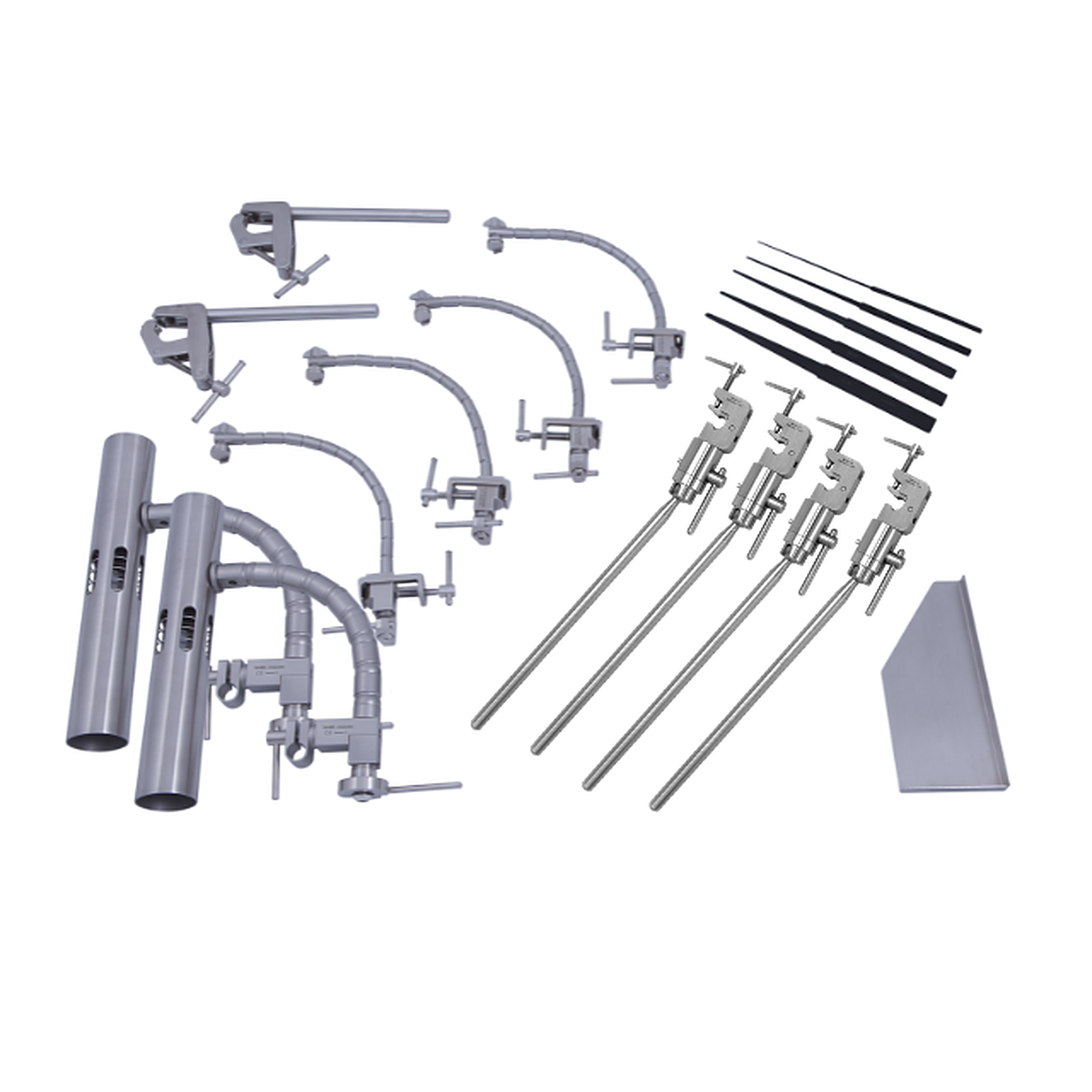 | Greenberg Retractor | Engineered to provide precise, self-retaining, hands-free tissue retraction during complex cranial, skull base, and microneurosurgical procedures. |
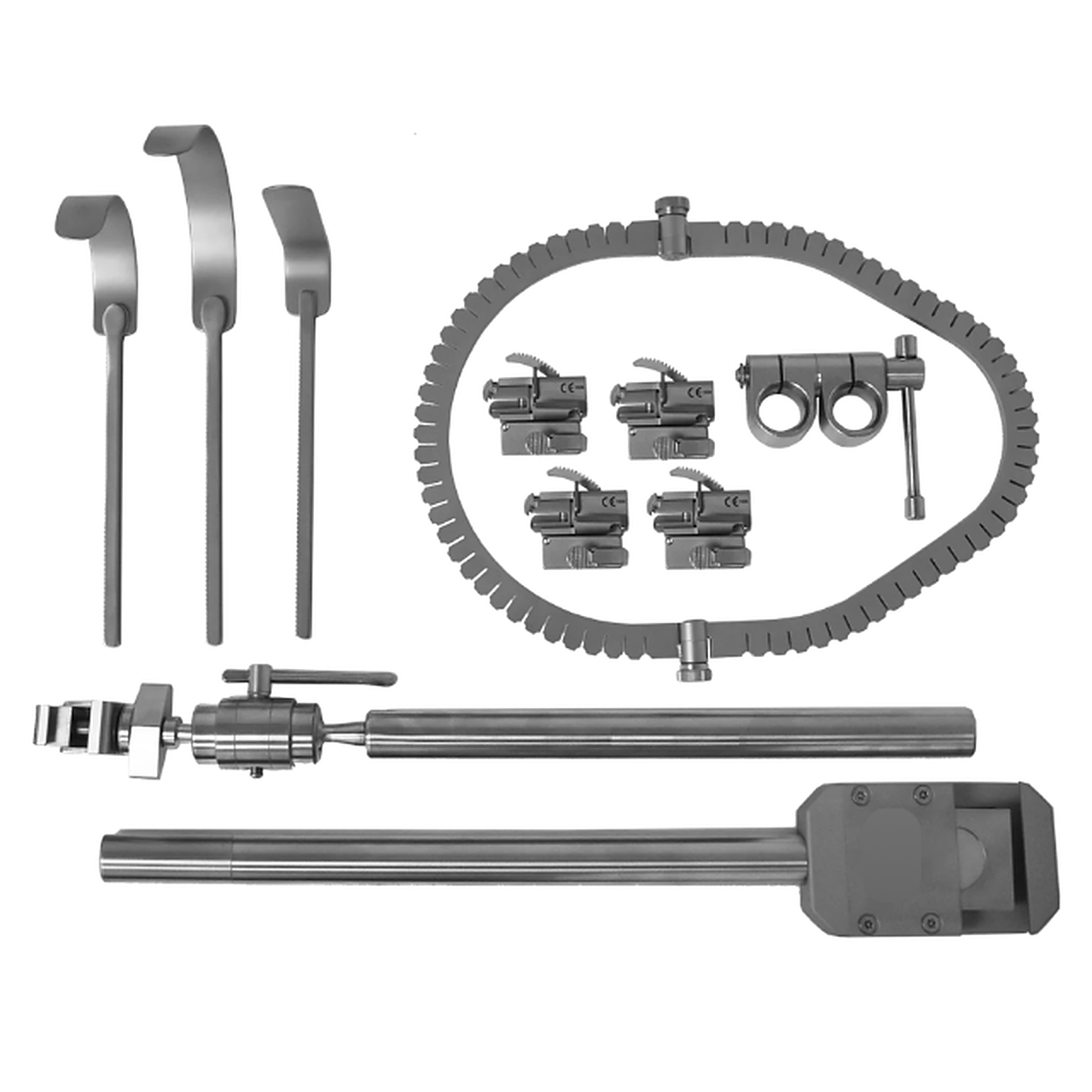 | Bookwalter GYN Magrina Pelvic Surgery Retractor System | Designed to provide stable, hands-free exposure during gynecological, vaginal, and pelvic surgical procedures using a table-mounted self-retaining retractor system with rotating tilt ratchets. |
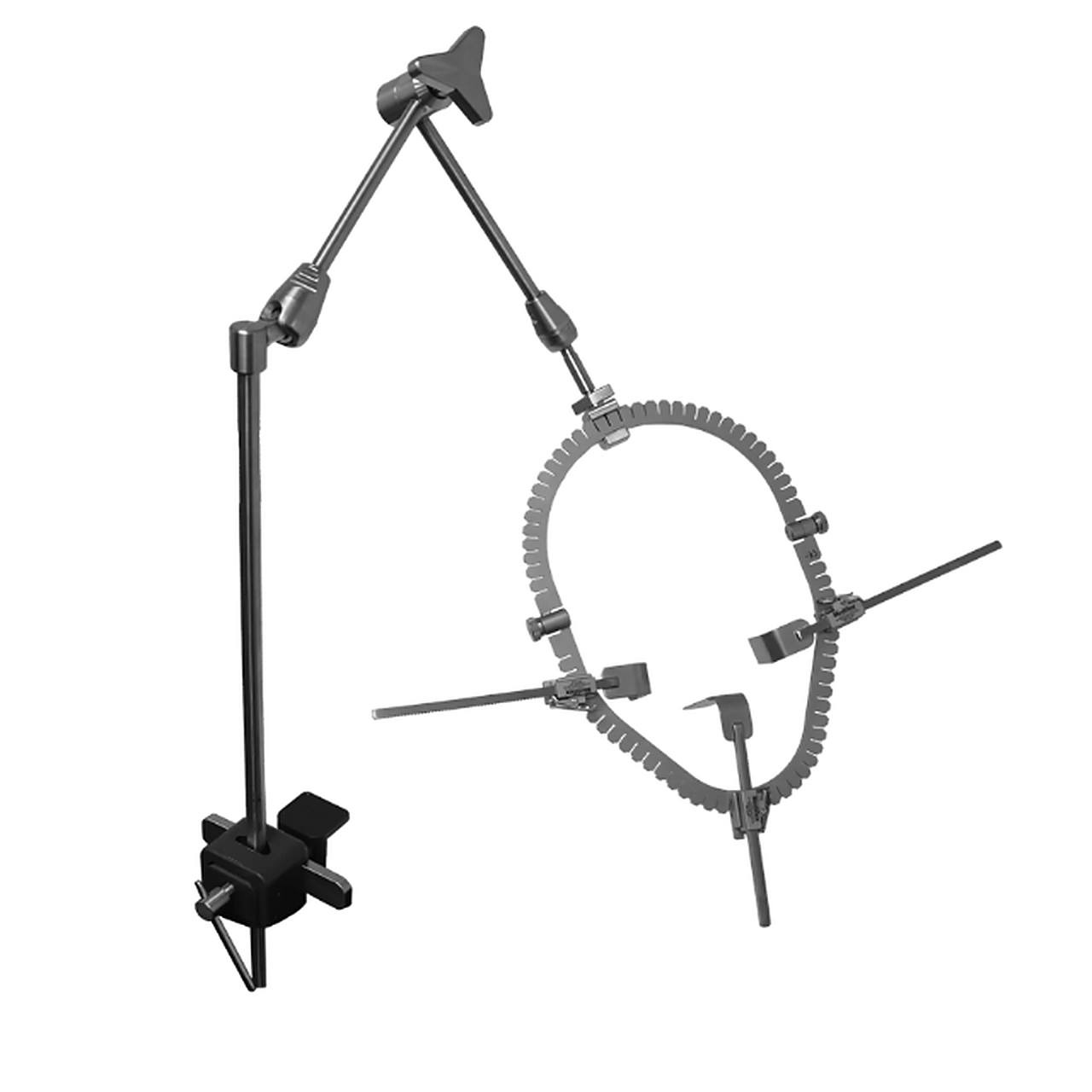 | Bookwalter StrongArm GYN Surgery System | Designed to provide stable, hands-free exposure during gynecological, vaginal, and pelvic surgical procedures using the StrongArm Plus mounting system. |
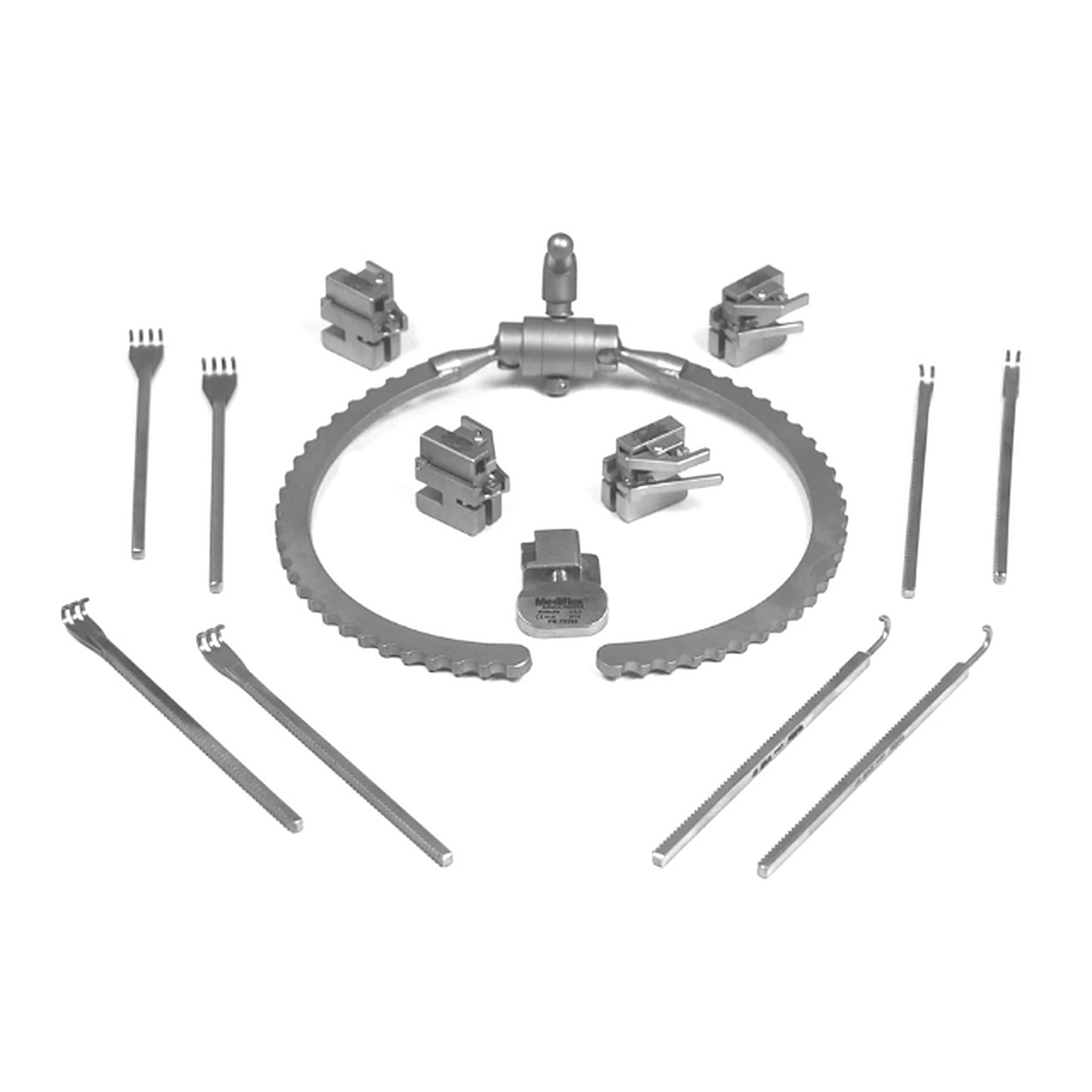 | Bookwalter Hand Surgery Retractor System | Provides stable, hands-free retraction for delicate hand, wrist, and upper extremity surgical procedures using a compact self-retaining mini retractor system. |
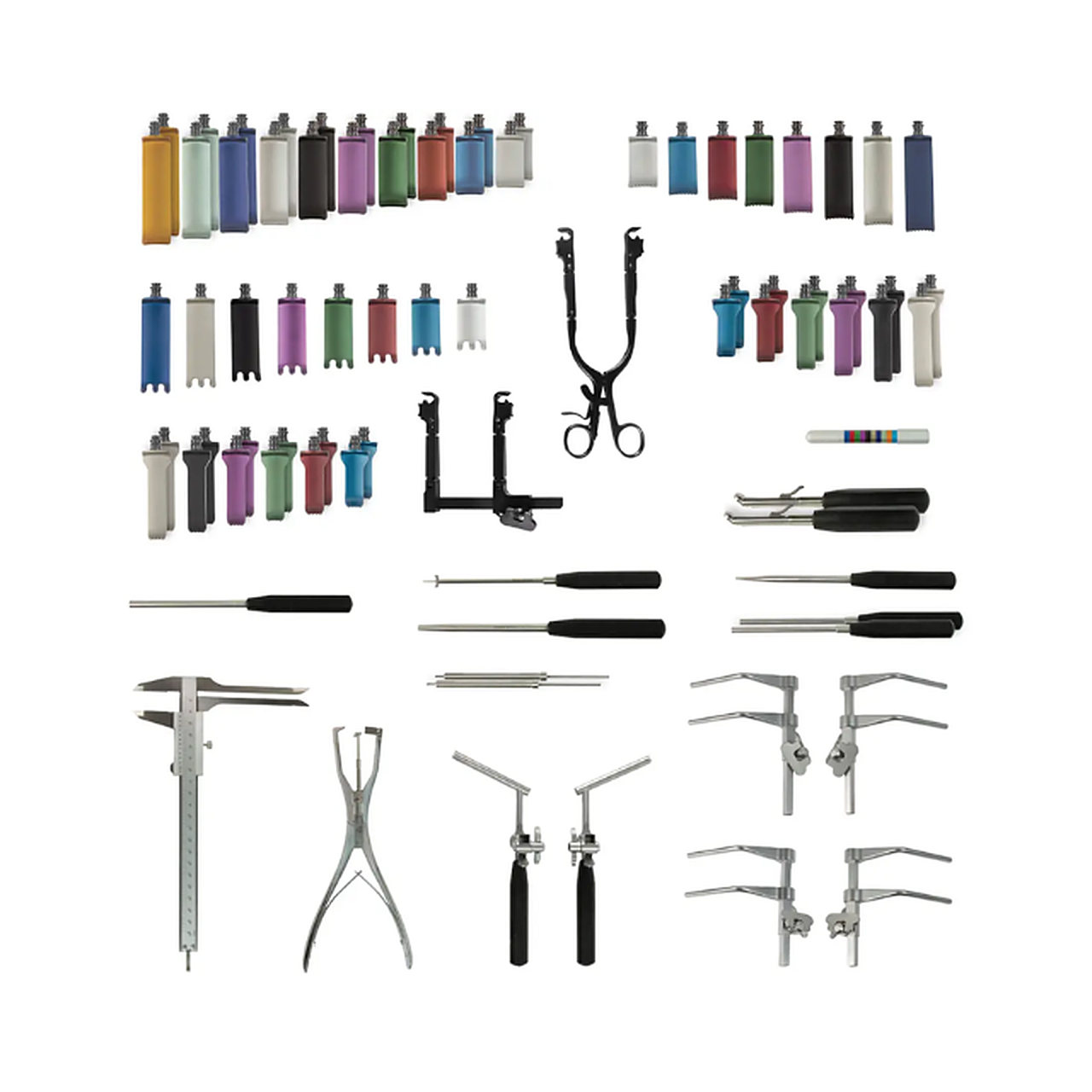 | Image-Line ACF Retractor With Distraction Quick Release Set | Specifically engineered for soft tissue retraction, intervertebral body distraction, and bone graft placement during anterior cervical fusion (ACF) spinal procedures. |
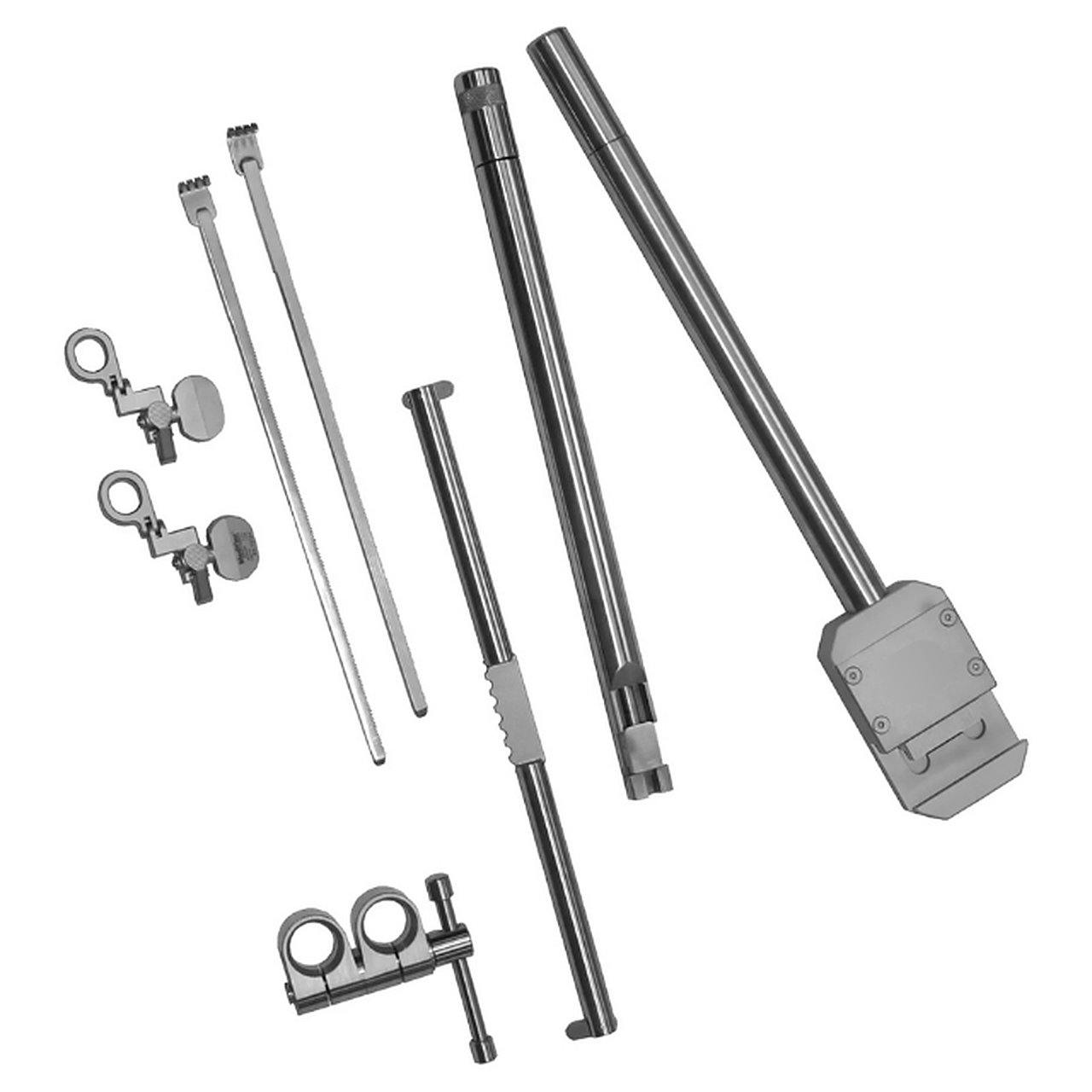 | Bookwalter IMA Retractor System | Designed to provide gentle, controlled elevation of the chest wall during Internal Mammary Artery (IMA) harvesting procedures using independently adjustable ratcheting mechanisms. |
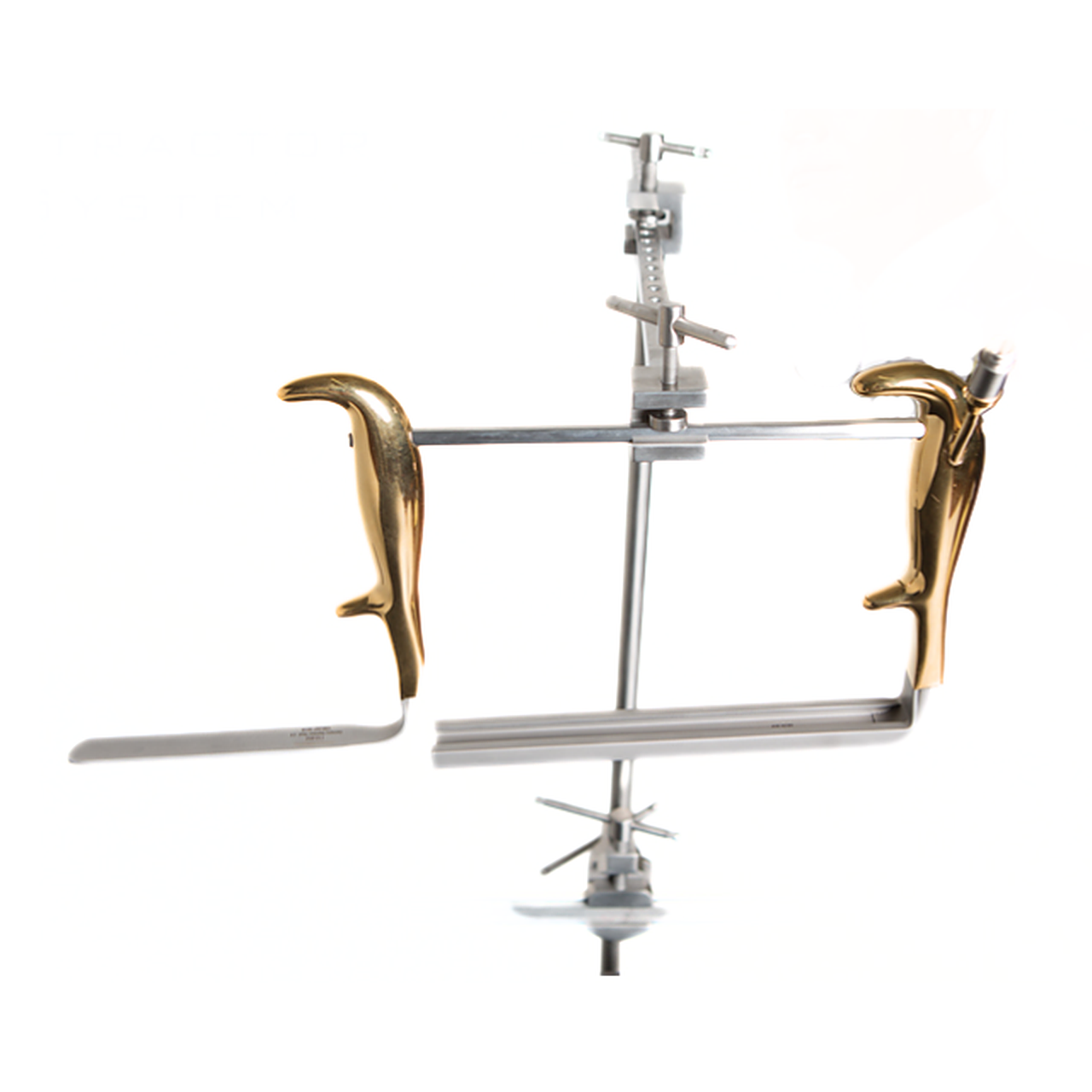 | Hoyos Retractor System | Specifically engineered to provide controlled, hands-free tissue displacement and stable surgical exposure during plastic surgery, mini-lipoabdominoplasty, and advanced body-contouring procedures. |
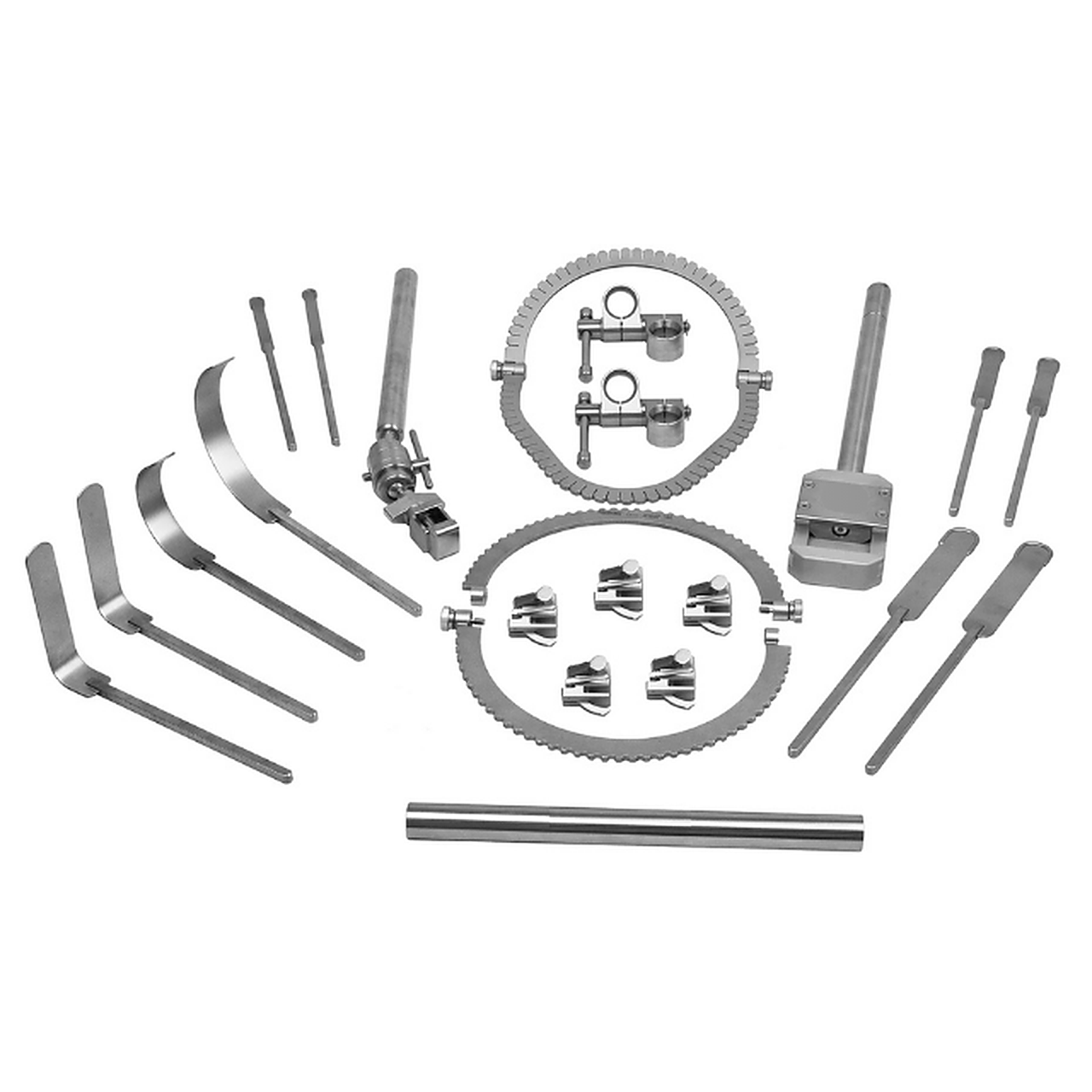 | Bookwalter Perineal Surgery Retractor | Provides stable, hands-free exposure during perineal, colorectal, gynecologic, and pelvic surgical procedures with multiple mounting and positioning options. |
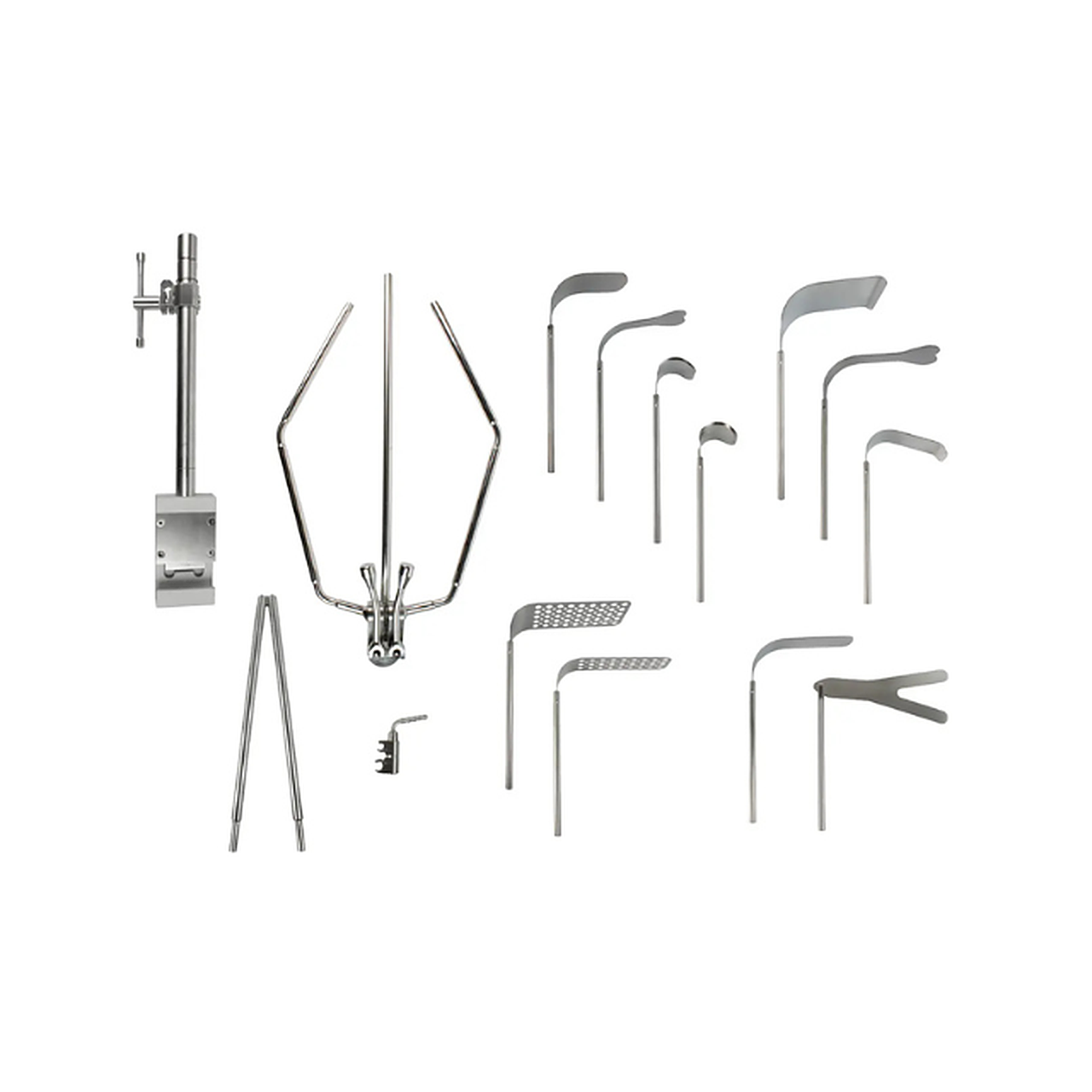 | Urology Lobster Expanded Retractor | Specifically designed for table-mounted, self-retaining tissue retraction and surgical field exposure during urological procedures. |
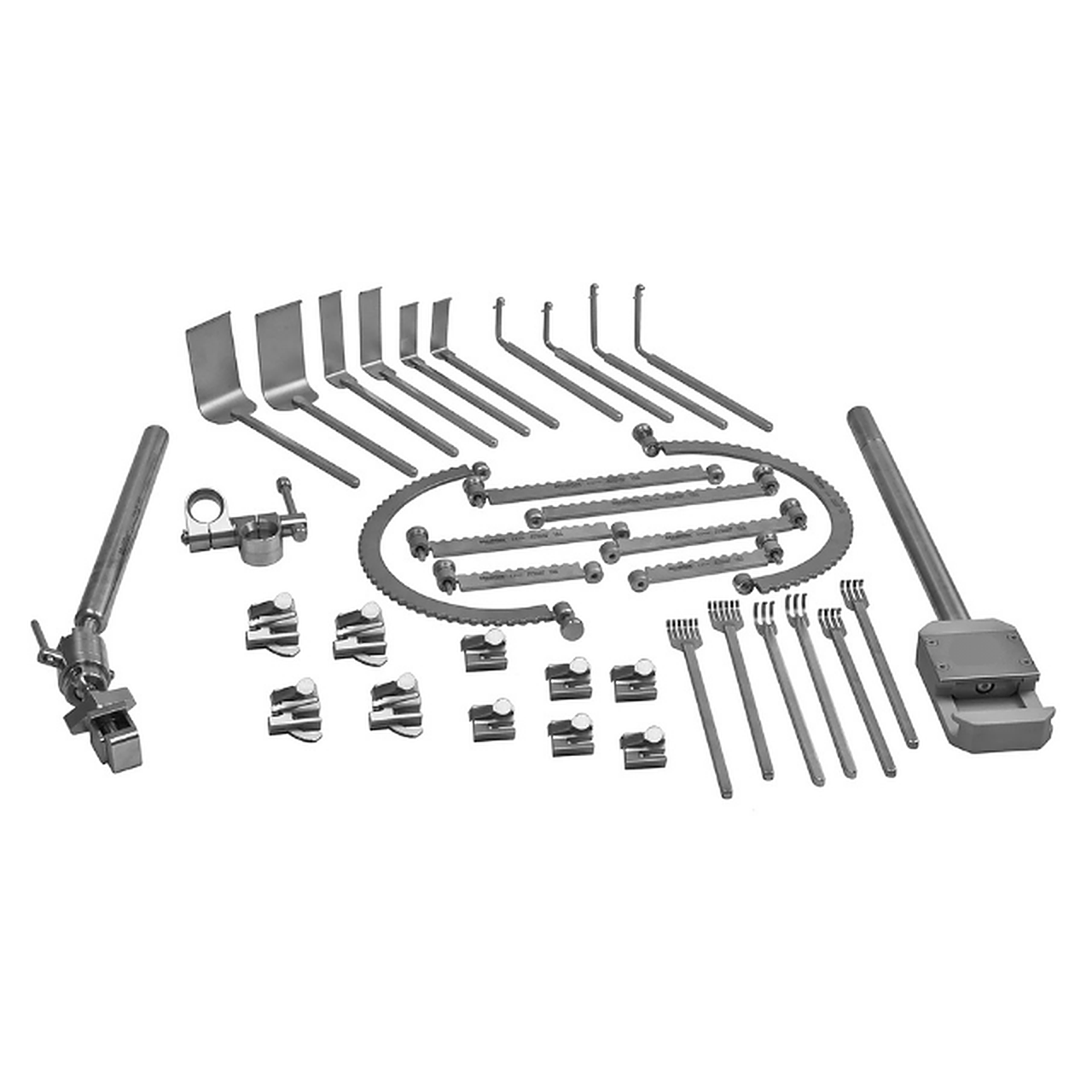 | Bookwalter Posterior Spinal Retractor | Designed to provide stable, hands-free surgical exposure during posterior approaches to the cervical, thoracic, and lumbar spine. |
 | Thompson Retractor System | The Thompson Retractor System is an advanced, table-mounted surgical frame engineered to deliver unyielding, hands-free exposure during high-complexity open procedures. |
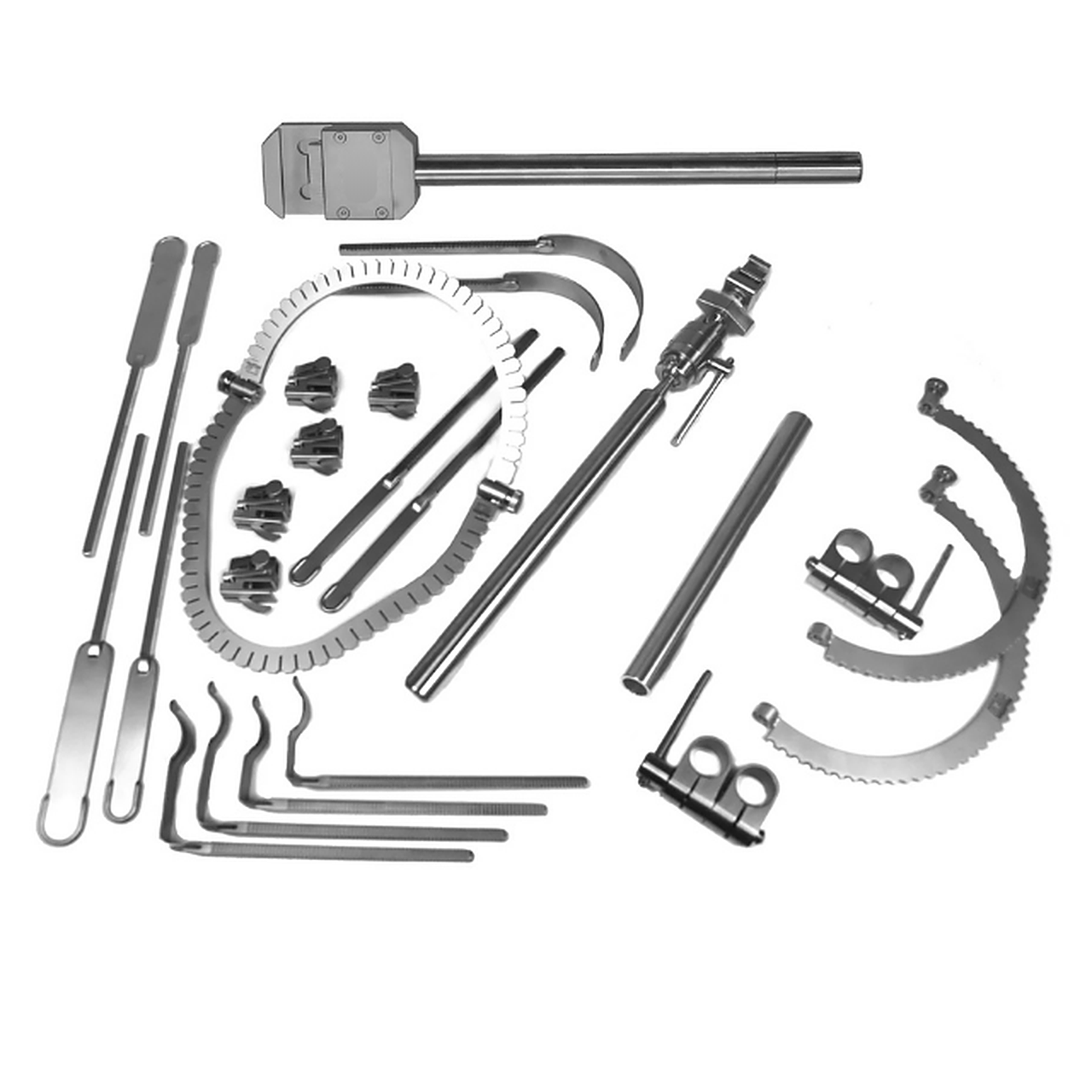 | Bookwalter Rectal/Trans-Anal Surgery Retractor | Designed to provide stable, hands-free surgical exposure during colorectal, trans-anal, rectal, and perineal procedures with flexible mounting configurations. |
 | Bookwalter Retractor | Delivers steady, hands-free exposure and surgical field visibility during major open abdominal procedures, such as nephrectomy, prostatectomy, and laparotomy. |
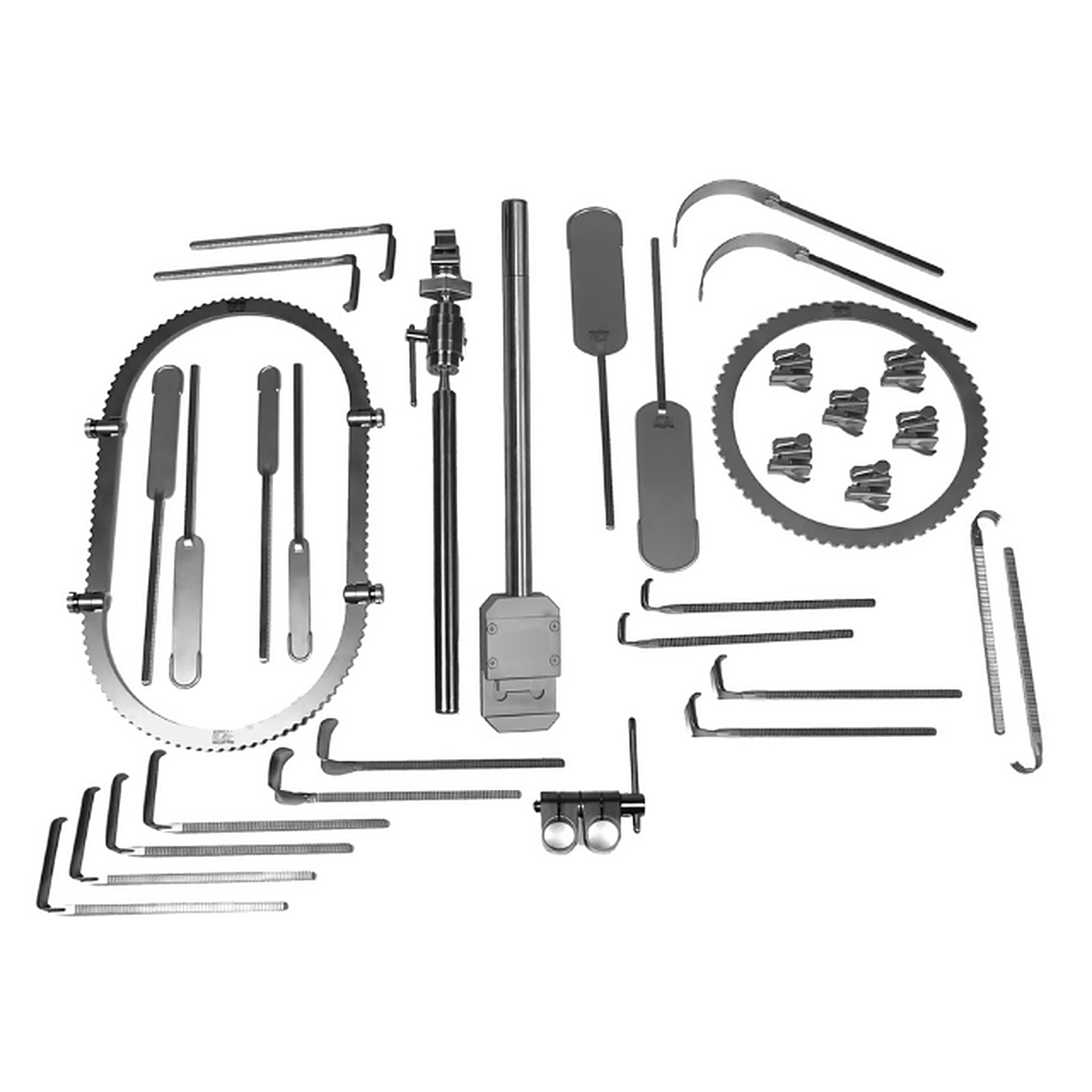 | Bookwalter Small Incision Retractor System | Designed to provide stable, hands-free surgical exposure during procedures performed through limited incisions where precise access is required while minimizing tissue disruption. |
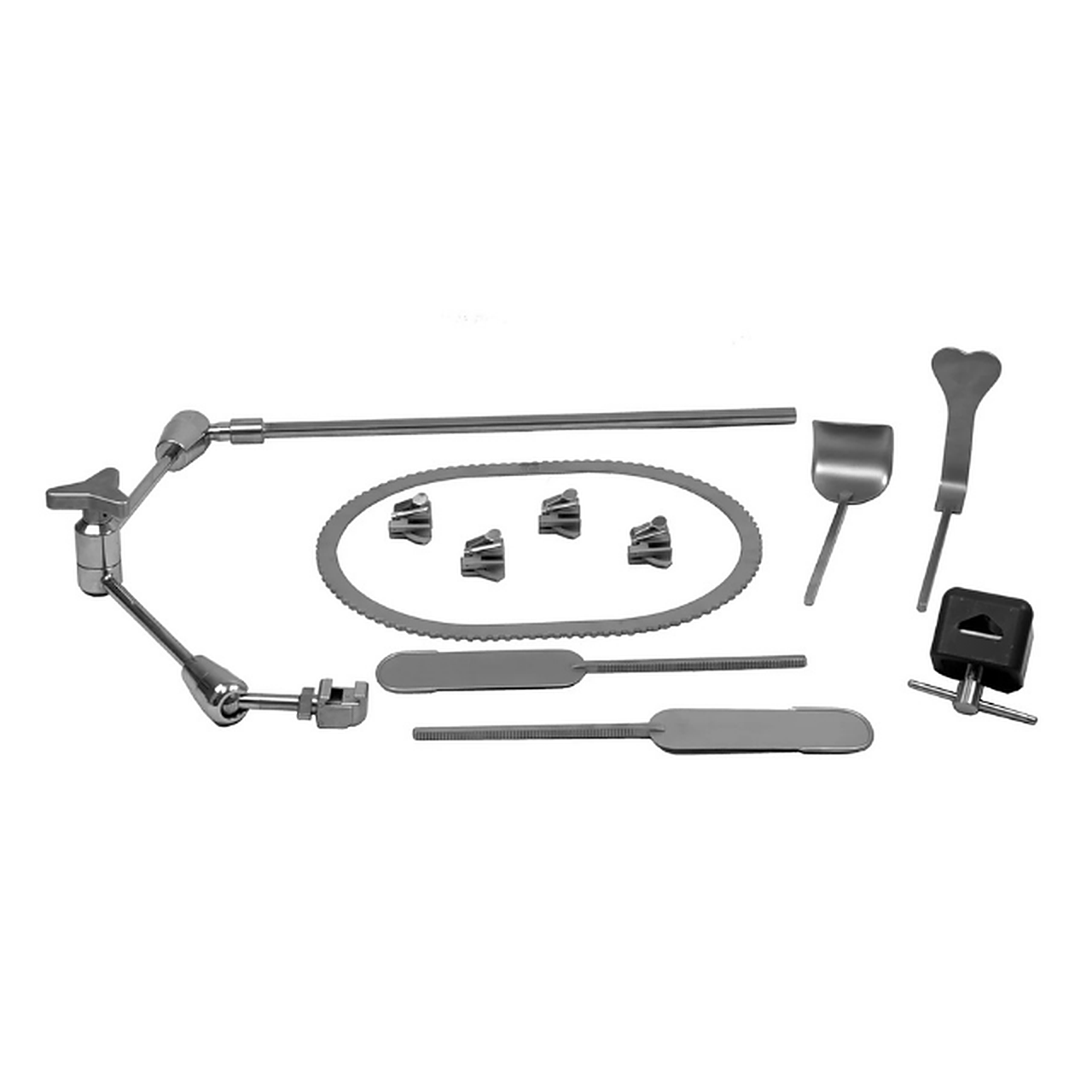 | Bookwalter StrongArm Basic General Retractor System | Designed to provide stable, hands-free surgical exposure during open general surgical procedures using the StrongArm PLUS Holder and Positioner. |
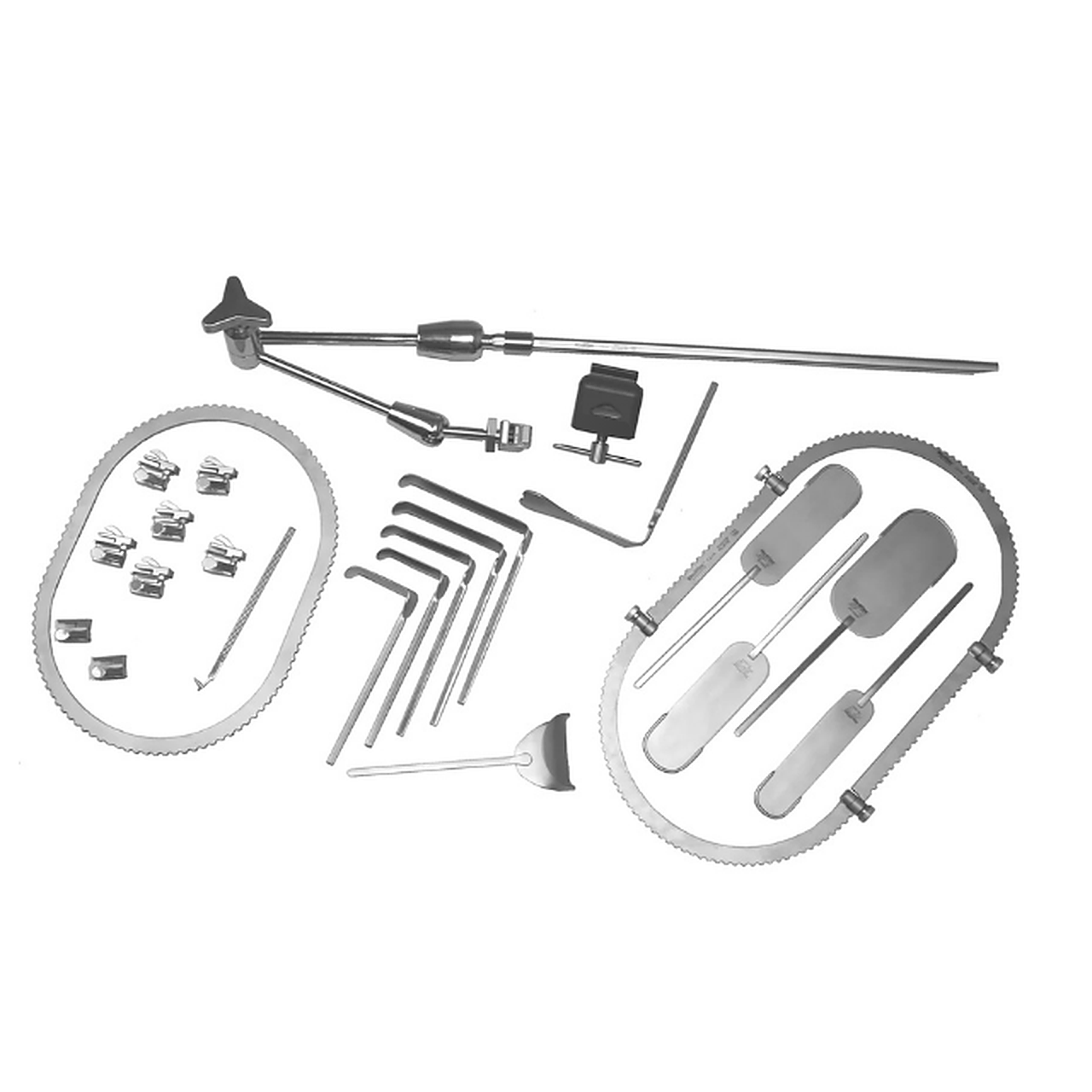 | Bookwalter StrongArm General Surgery Retractor System | Designed to provide stable, hands-free surgical exposure during open general surgical procedures using the StrongArm PLUS Holder and segmented ring configuration. |
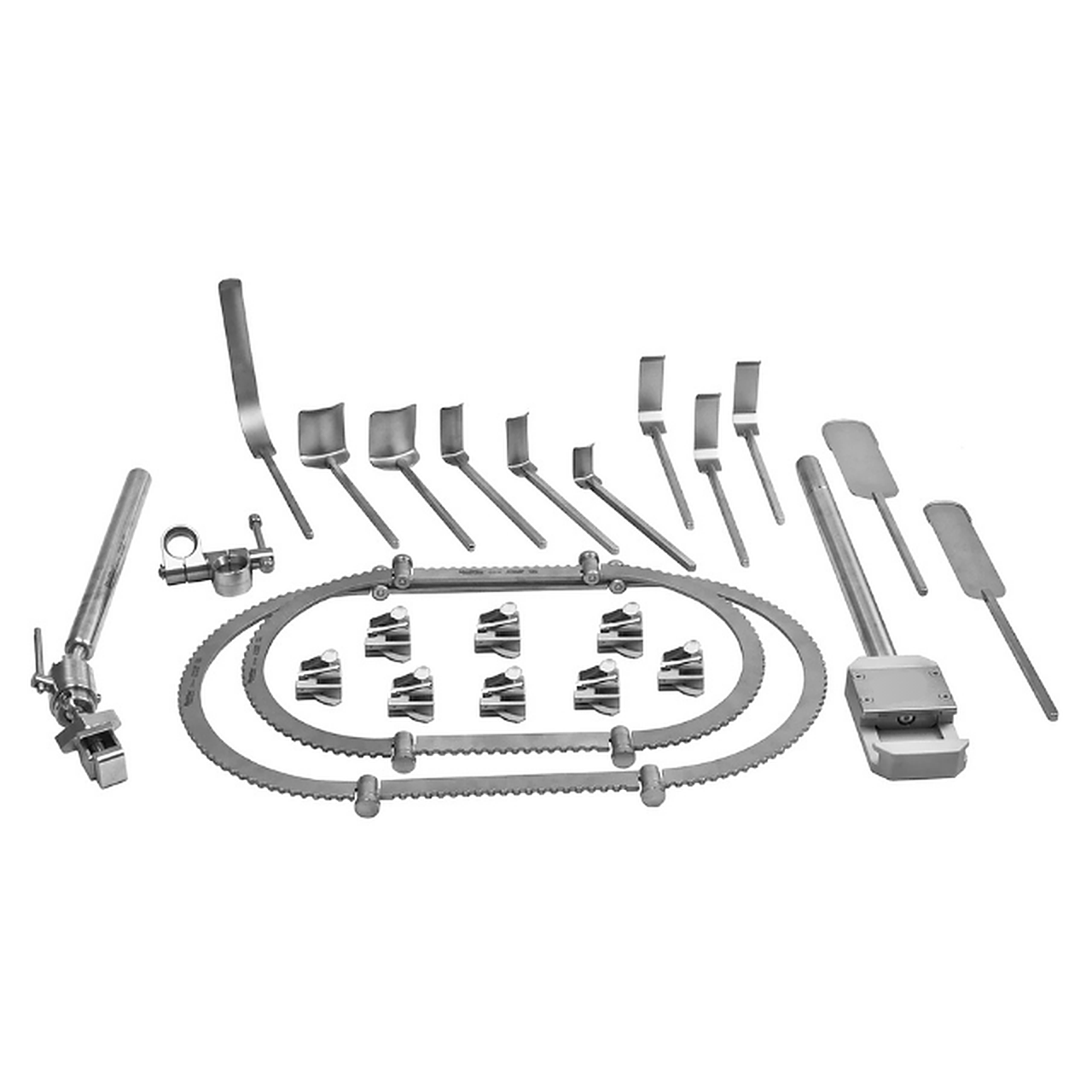 | Bookwalter Urology Retractor System | Designed to provide stable, hands-free surgical exposure during abdominal and flank approaches to the kidneys, ureters, bladder, and retroperitoneal urological structures. |
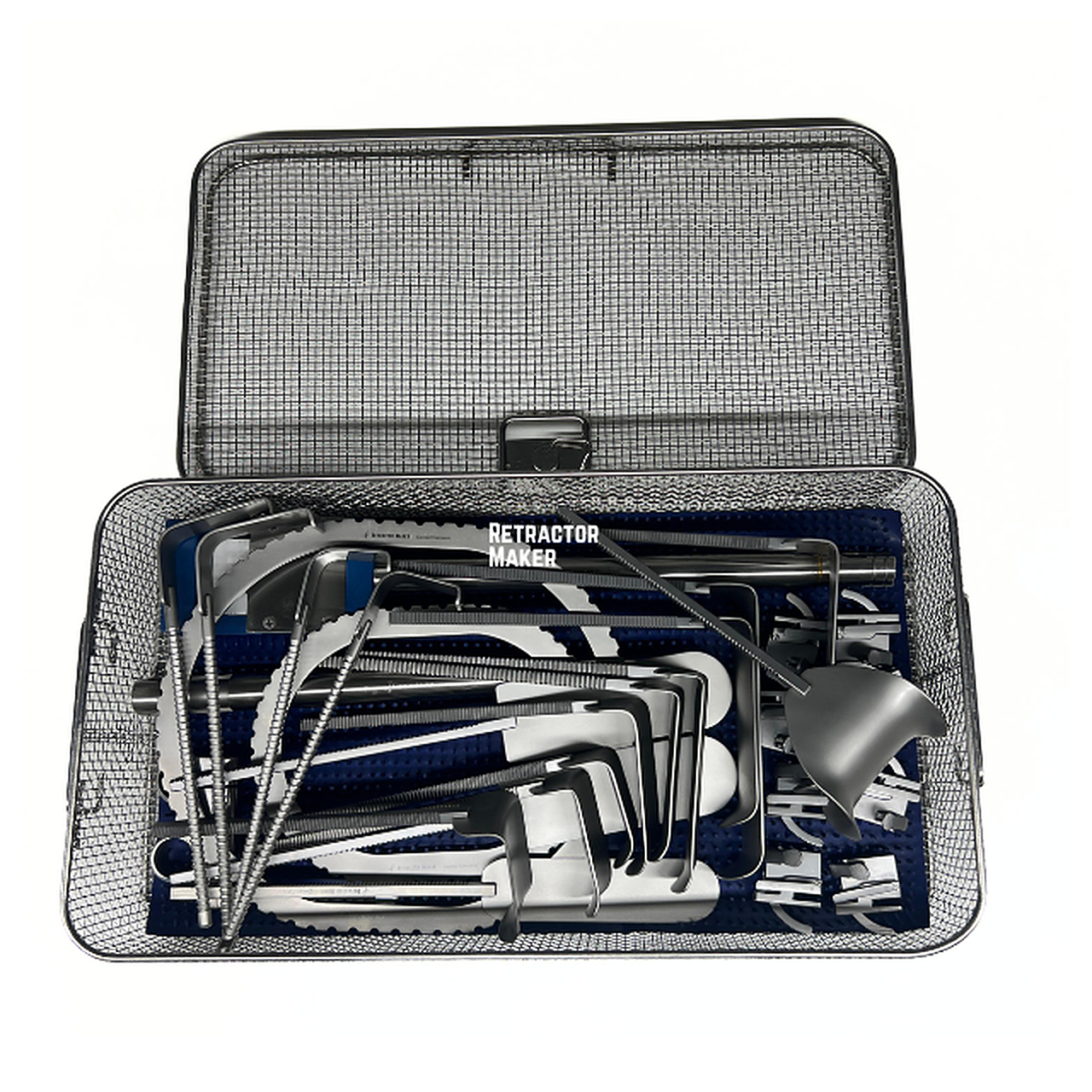 | Custom Bookwalter Retractor | Manufactured according to the customer's surgical specialty, preferred components, and procedural requirements. |
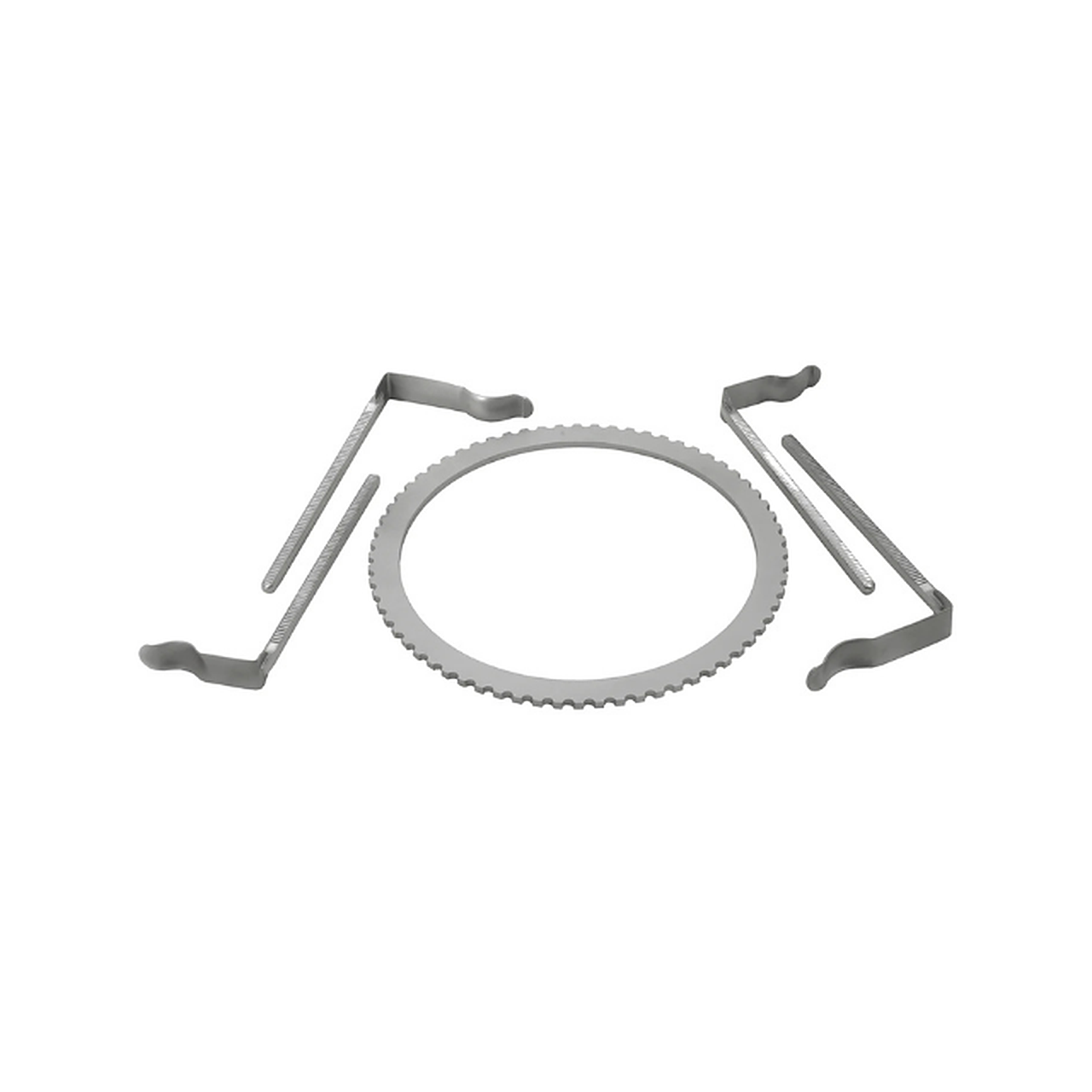 | Rectal/Trans-Anal Accessory Set | Designed to expand an existing Bookwalter General Surgery Retractor System for trans-anal and rectal surgical procedures by providing specialized rectal blades and a small round ring. |
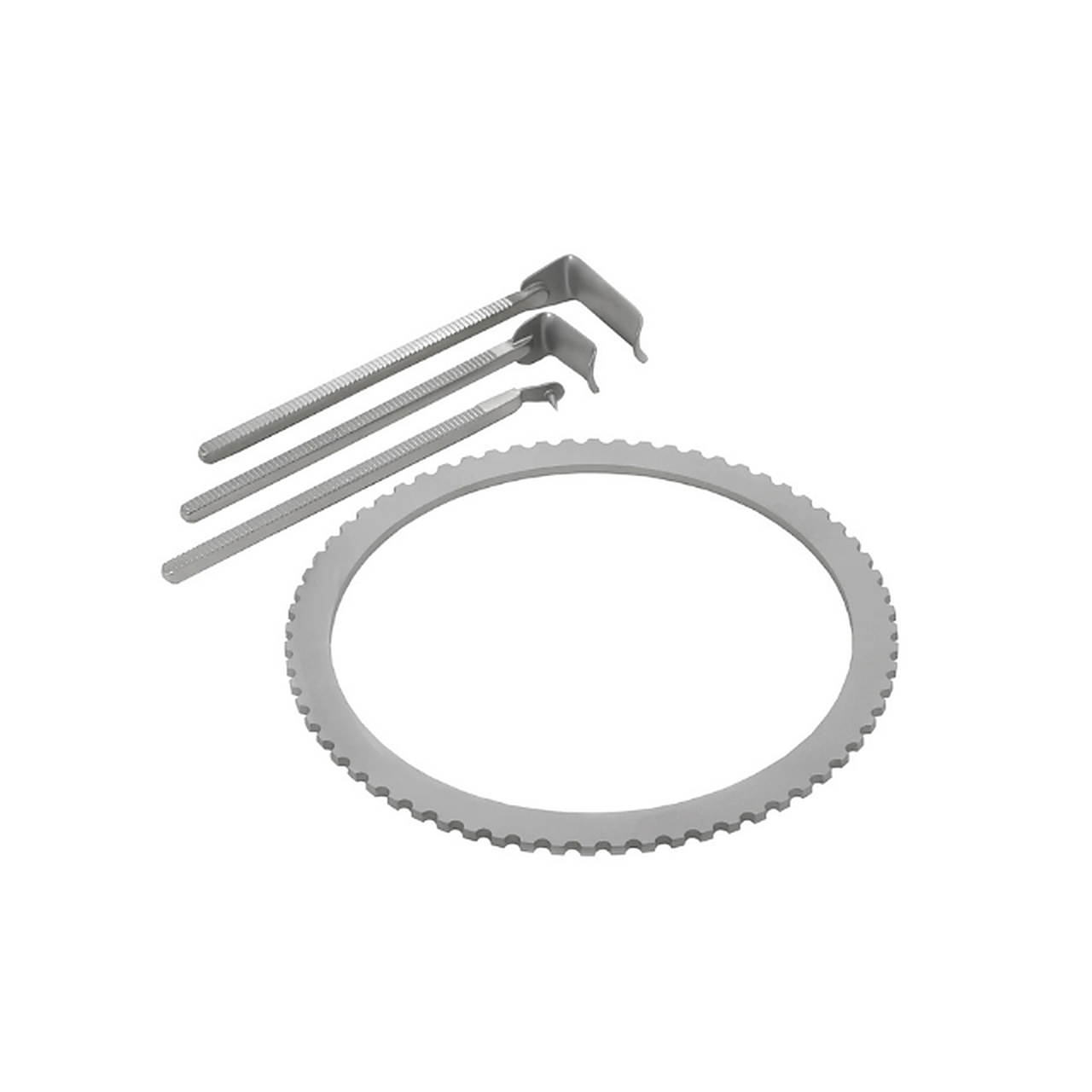 | Small Incision Accessory Set | Designed to expand an existing Bookwalter General Surgery Retractor System for limited-exposure and small-incision operations by providing a compact solid round ring and specialized shallow blades. |
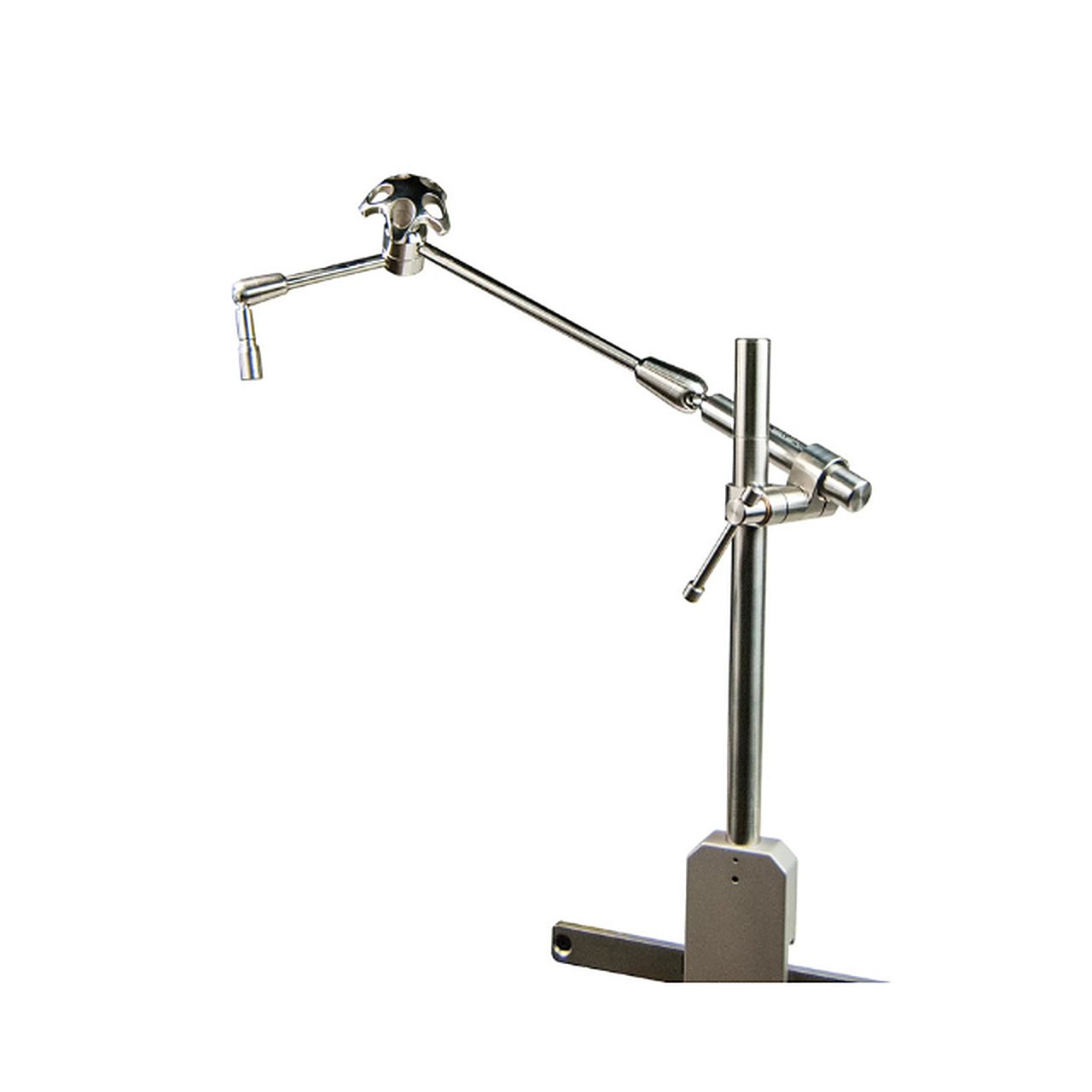 | Bookwalter StrongArm System | Designed to provide stable, adjustable, hands-free support for Bookwalter and compatible self-retaining retractor systems during a wide range of surgical procedures. |
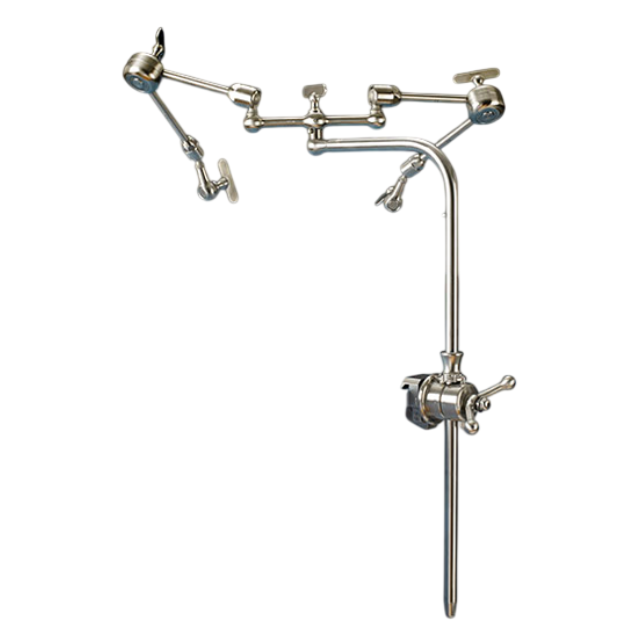 | Iron Intern Hydra Double Arm | Specifically designed for bilateral, multi-quadrant hands-free visceral retraction during complex abdominal and pelvic surgery. |
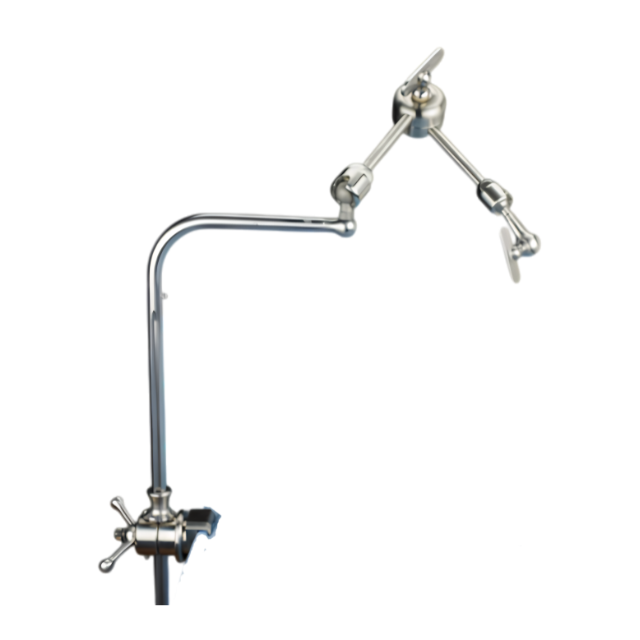 | Iron Intern Single Arm | Specifically designed to provide rigid, hands-free mechanical retraction of abdominal viscera, chest walls, and soft tissue. |
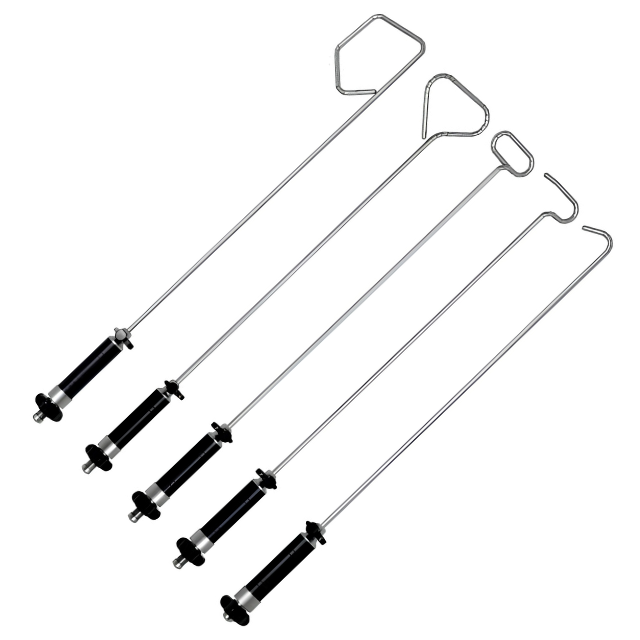 | Snake Liver Retractors | Specifically designed for laparoscopic hepatic lobe elevation and visceral displacement during upper GI and bariatric surgery. |
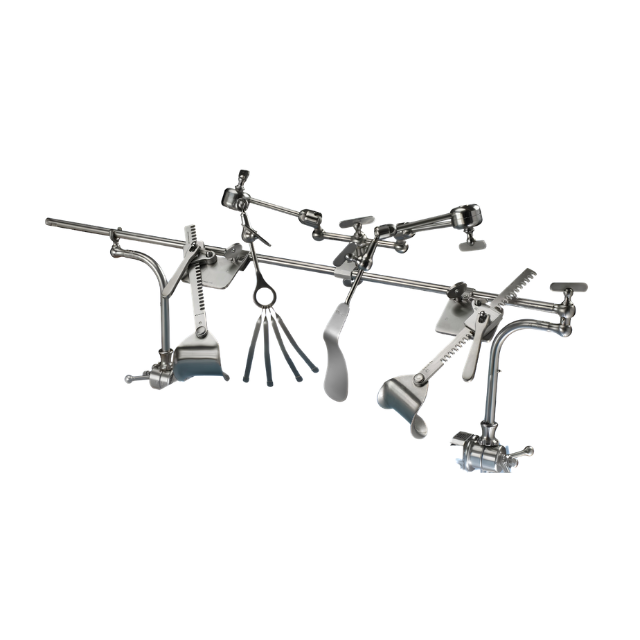 | Stieber Rib Grip Retractor Kit | Specifically designed for bilateral costal margin lifting and upper abdominal exposure during hepatobiliary and transplant surgery. |
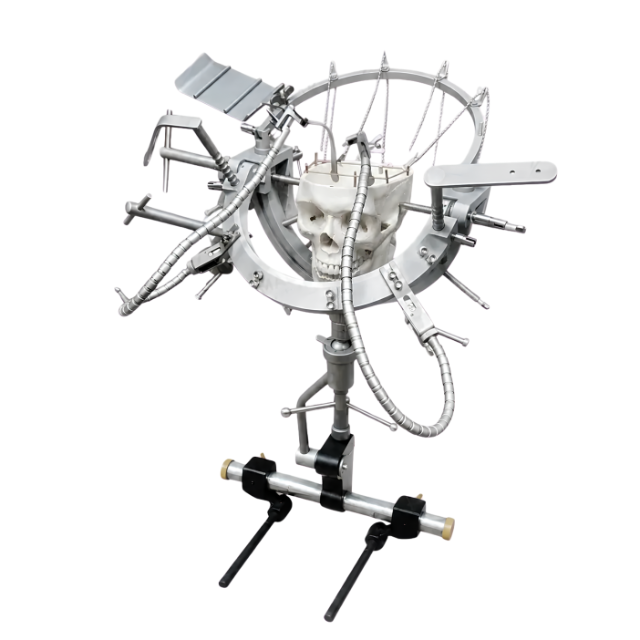 | Sugita Multipurpose Headframe | Specifically designed for rigid cranial skull fixation and multi-vector microsurgical brain retraction. |
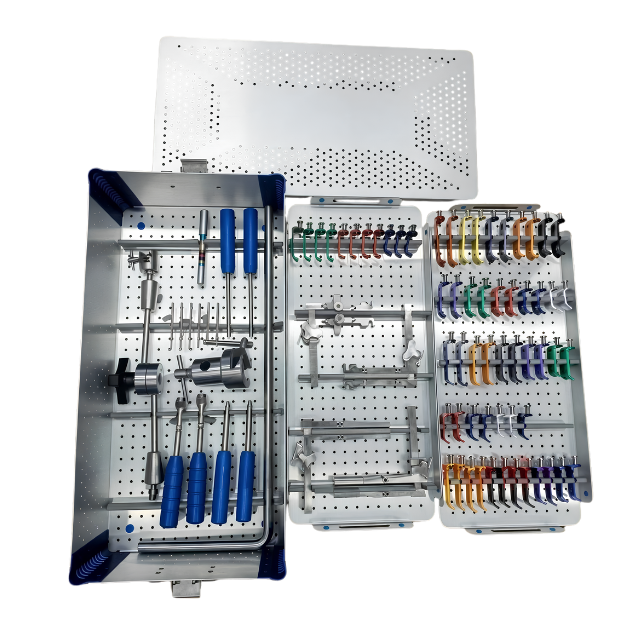 | Tedan Phantom CS-1600 Cervical Retractor Set | Specifically designed for soft-tissue retraction and vertebral body distraction during anterior cervical spine surgery (ACDF). |
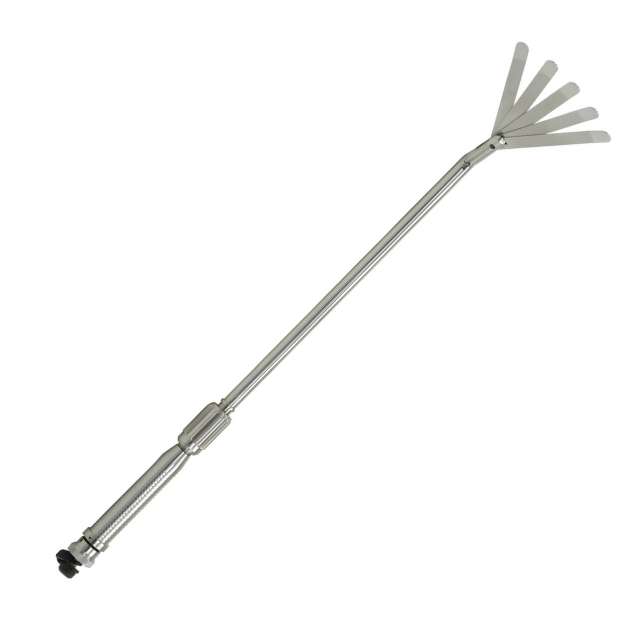 | Fan Retractor With 5 Fingers | Specifically designed for broad laparoscopic visceral retraction, liver elevation, and bowel displacement. |
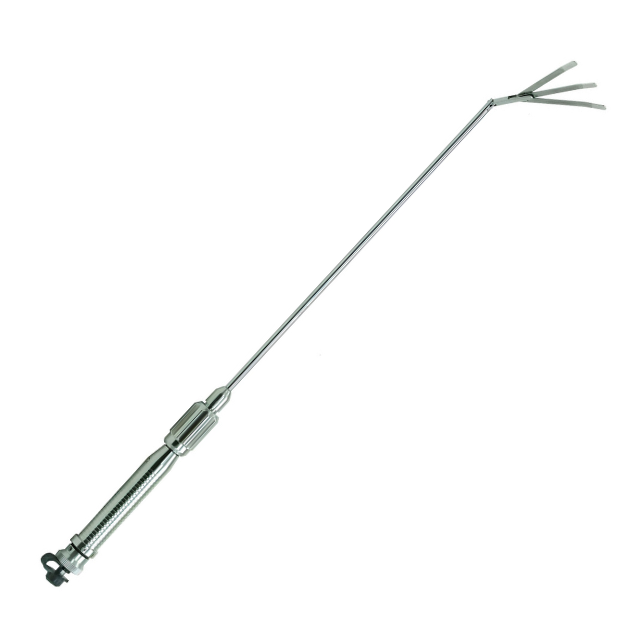 | Fan Retractor With 3 Fingers | Specifically designed for focused laparoscopic organ displacement, liver elevation, and bowel holding. |
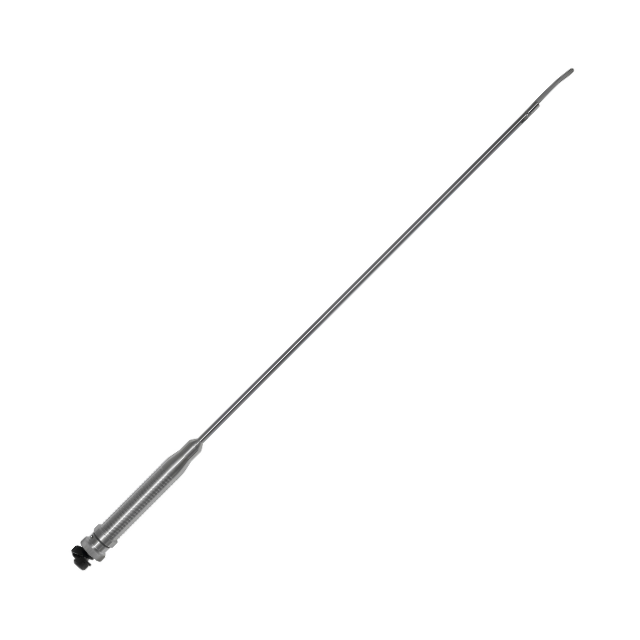 | Esophageal Articulating Retractor | Specifically designed for esophageal mobilization, retrogastric tunneling, and bariatric band guidance during laparoscopic surgery. |
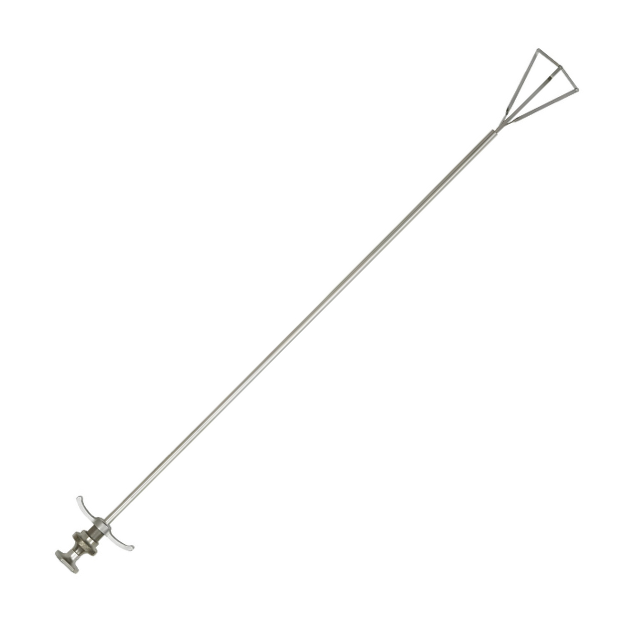 | Kite Style Fan Retractor | Specifically designed for expansive, non-traumatic laparoscopic organ support and liver/visceral retraction. |
How Do You Choose a Surgical Retractor?
Retractor selection is a clinical decision for the surgical team and facility. The factors below are commonly considered when building trays or specifying instruments. They are general considerations, not recommendations for a particular patient or procedure.
Which Designs Suit the Surgical Application?
The procedure and specialty narrow the choice first. An abdominal case, spinal fusion, and rhinoplasty require entirely different instrument families. Many patterns were developed for a specific type of operation.
How Does Anatomical Location Affect Selection?
The location and depth of the operative field determine blade length, handle angle, and overall size. Deep fields need longer blades and handles that keep the assistant's hand out of the line of sight. Superficial fields need short, light instruments.
Which Blade Size and Shape Are Needed?
Blade width and depth should match the tissue being held. Flat, curved, lipped, and malleable blades retract tissue differently. Toothed rakes and sharp prongs grip skin and fascia. Smooth, blunt blades are used where tissue should not be punctured.
Handheld or Self-Retaining: Which Design Fits?
A handheld retractor offers continuous, adjustable control but occupies an assistant. A self-retaining retractor provides steady exposure and frees hands, but is less easily adjusted. It must also suit the wound's depth and shape. Many procedures use both designs.
How Much Exposure Is Required?
Selection depends on the width, depth, and direction of the required view. Wide incisions may need multiple blades pulling in several directions. A narrow approach may need one deep blade or a tubular retractor.
Do You Need a Complete System or Individual Instruments?
Some procedures require complete retractor systems; others need only individual handheld retractors. Systems may include a frame or ring, table post, clamps, arms, blades, and accessories. When ordering, confirm the included components and which blades are compatible with an existing frame. Request a quote for a complete retractor system.
How Should Reusable Retractors Be Maintained and Sterilized?
Reusable retractors should be handled, cleaned, inspected, sterilized, and stored according to the applicable manufacturer's instructions for use (IFU) and the healthcare facility's approved procedures. Proper maintenance and reprocessing are important.
General maintenance considerations include:
- Clean instruments after use according to the applicable manufacturer's instructions.
- Pay particular attention to joints, hinges, ratchets, locks, and other moving components.
- Inspect retractors for visible contamination, corrosion, cracks, deformation, or mechanical damage.
- Check that moving components function properly before returning instruments to service.
- Ensure instruments are appropriately cleaned before sterilization.
- Follow the manufacturer's specified sterilization method and parameters.
- Allow processed instruments to dry appropriately before storage.
- Store clean, processed instruments in a suitable environment that protects against contamination and damage.
Do not apply a universal sterilization cycle to every surgical retractor. Requirements vary with the instrument, material, design, and manufacturer's instructions.
For Retractor Maker products, follow the applicable product documentation and the healthcare facility's validated reprocessing procedures.
Related Retractor Maker Resources
Download the full product catalogue for offline reference. Get the Retractor Maker catalogue.
For pricing and lead time, send our team the product name, quantity, and destination country. Enquiries can cover a specific surgical retractor, complete retractor system, replacement blade, or custom configuration. Contact Retractor Maker.
Clinical notice: This guide is for surgical teams and hospital buyers. Always follow the manufacturer's instructions for use (IFU) and your hospital's sterilization rules before clinical use.
Frequently Asked Questions
What is a surgical retractor?
A surgical retractor holds back tissue, organs, or wound edges to provide access and visibility to the surgical field. Retraction can range from lifting a skin edge to holding the abdominal wall open throughout an operation.
What are retractors used for?
Retractors maintain or improve operative exposure by moving or holding tissue away from the area being accessed. They can widen an incision by displacing tissue laterally or hold deeper structures, such as bowel, muscle, or an organ lobe, away from the treatment area.
What are the main types of surgical retractors?
Retractors include handheld designs, self-retaining designs, and larger frame-based systems. Their designs vary with the intended application and required exposure. Handheld designs require manual holding, while self-retaining designs use a mechanism to maintain blade position without continuous manual support.
What is the difference between a handheld and self-retaining retractor?
A handheld retractor is positioned and held manually, while a self-retaining retractor maintains its position through a retaining mechanism. Manual holding allows continuous changes in angle, depth, and tension. Self-retaining designs free hands but usually need manual repositioning when the required view changes.
Are retractors reusable?
Many retractors are designed for reuse, but reusability and reprocessing requirements depend on the specific product. Follow the applicable manufacturer's IFU and healthcare facility procedures for handling, cleaning, inspection, sterilization, and storage rather than assuming all products have the same requirements.
How should retractors be sterilized?
Retractors should be cleaned and sterilized according to the applicable manufacturer's instructions and the healthcare facility's approved, validated reprocessing procedures. Do not assume one sterilization cycle applies to every retractor. Requirements can vary with material, design, and product-specific instructions.
Where can I find surgical retractor names and images?
Retractor Maker's surgical retractor catalogue is a product reference containing names, images, and product information across its range of surgical retractors. The table in this article includes the complete published catalogue, covering the products in that range.
How do I choose the right surgical retractor?
Choosing a surgical retractor depends on the intended surgical application, anatomical area, required exposure, design, dimensions, and other product-specific requirements. Qualified surgical professionals should determine which surgical retractor is appropriate for the intended application, considering these selection requirements.
What is a Deaver retractor used for?
A Deaver retractor is a curved handheld retractor used for deeper abdominal and thoracic exposure. The surgeon or an assistant positions and holds the Deaver retractor manually, adjusting its angle, depth, and tension as the operation progresses.
How does a Balfour retractor differ from a Bookwalter retractor?
A Balfour retractor is a frame-style abdominal retractor, while a Bookwalter retractor is a table-mounted system. The Balfour retractor has lateral blades and a centre blade. The Bookwalter retractor carries multiple adjustable blades around a ring or rail. Both are self-retaining retractors that maintain blade position without someone holding them continuously.
What should be checked when inspecting a reusable surgical retractor?
A reusable surgical retractor should be inspected for visible contamination, corrosion, cracks, deformation, and mechanical damage. Check moving components for proper function before returning the surgical retractor to service. During cleaning, pay particular attention to joints, hinges, ratchets, locks, and other moving parts.
About the author
Saad Shahid · Sales & Marketing Manager
Saad Shahid is the Sales & Marketing Manager and founder of Retractor Maker, started in 2023 in Sialkot, Pakistan. He also works with his father at Hospitech Traders, the family surgical instrument business founded in 1989.
Related Blogs & Guide


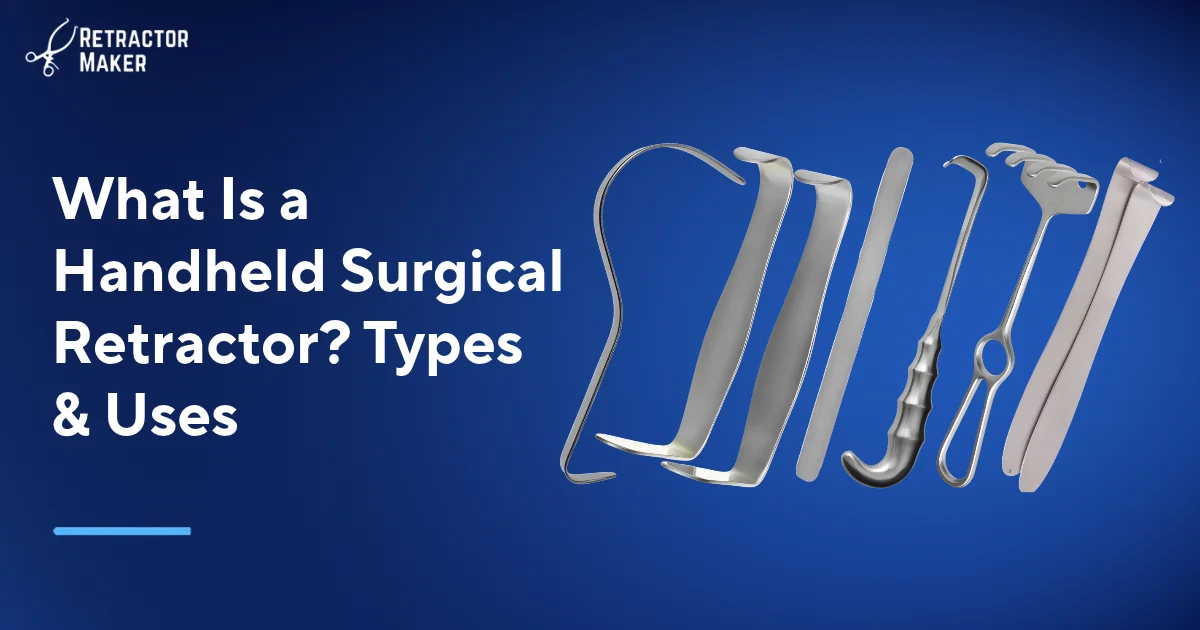
Related Retractors
Senn Forward Retractor
$49.00
Brewster Retractor
From $159
Langenbeck Retractor-Solid Handle
$49.00
Murphy Retractor
From $44.00
Leriche Retractor-Atraumatic Wide Blade
From $94.00
Lobster General Retractor System
$2,699Free Shipping
Need Surgical Retractors or Components?
Tell us what you need, including the product, configuration, quantity and destination country. Retractor Maker can provide availability, specifications and pricing.
Request a Quote